
Tokyo Disney days run on timing. This experience helps you lock in entry to Tokyo Disneyland or DisneySea with an emailed e-ticket (no paper), and you can choose your start time to work around crowds. I also like the optional 24-hour metro pass, which makes it easier to plan how you get there and move around for a full day.
One thing to keep in mind: this is a non-refundable, non-changeable ticket for a specific date, and you enter by showing your e-ticket on your smartphone. If anything goes wrong with your phone or the ticket, you could be stuck figuring it out fast at the gate.
In This Review
- Key points worth knowing
- Picking Disneyland vs DisneySea: which one fits your day?
- The e-ticket system: smooth entry, but treat it like gold
- Entry time selection: the real advantage is starting smart
- Tokyo Disneyland: what your full-day entry really gives you
- DisneySea: the big park day that benefits from strategy
- Transportation and the optional 24-hour metro pass
- Time on the ground: what an 8 to 12 hour day feels like
- Price and value: is $95 a good deal?
- Watch-outs that can make or break the day
- Smartphone entry and timing
- Getting help fast if something fails
- Who this experience is best for
- Quick, practical plan for a great day
- Should you book this ticket?
- FAQ
- Which park can I choose?
- Do I need to print anything?
- When will I receive the e-ticket?
- Is food included in the price?
- Is transportation included?
- Can I change or cancel the ticket?
- What are the age rules for children?
- How long is the visit?
Key points worth knowing
- Choose Disneyland or DisneySea so you can match the vibe to your group.
- Pick an entry time to reduce the scramble and help you start with fewer lines.
- Optional 24-hour metro pass for easier logistics on a long park day.
- Park-specific highlights like Beauty and the Beast, Cinderella’s castle, and unique DisneySea experiences.
- Plan for long ride queues once you’re inside, even if entry is smooth.
- E-ticket delivery is tight: sent by email by the day before, so don’t wait until the last minute.
Worth weighing up alongside this Tokyo pick:
- Tokyo: teamLab Planets TOKYO Digital Art Museum Entry Ticket★ 4.6 · 9,779 reviews
- Tokyo: Japanese Dance Cabaret Theater Asakusa-Kaguwa Ticket★ 4.8 · 2,270 reviews
- Tokyo Skytree Admission Ticket with Tembo Deck and Galleria★ 4.0 · 589 reviews
Picking Disneyland vs DisneySea: which one fits your day?
Tokyo Disney Resort is two different parks with different moods, even if the Disney magic is the same. With this ticket, you choose either Tokyo Disneyland or DisneySea, and then you’re set for full-day park entry on the date you book.
If you want a more classic, storybook feel, Tokyo Disneyland is the move. You get seven themed lands, seasonal decorations, and parades, plus a mix of indoor and outdoor attractions. It’s the kind of day where adults can enjoy the polish while kids stay busy with rides, games, and entertainment.
If you want something that feels less like a copy and more like a Tokyo original, DisneySea is often the better bet. It’s a huge park, and it rewards planning. The practical catch: you’ll likely spend time in queues for popular attractions unless you build in a strategy for timed or priority options.
My take on fit: Disneyland tends to be easier for first-timers and families who want straightforward fun. DisneySea can feel like more of an all-day adventure, especially when you’re okay with bigger walking distances and more “full-day planning” energy.
The e-ticket system: smooth entry, but treat it like gold
This isn’t a coupon you show and forget. It’s an electronic ticket you show from your smartphone to enter the park. The e-ticket gets emailed to you by one day before your visit, and you don’t need to print it.
That setup is convenient—until you remember how often people lose phone battery, drop phones, or realize the app or browser isn’t behaving right when they need it most. So do the simple things:
- Charge your phone fully the night before.
- Have the email available offline if possible (or at least save it).
- Arrive with enough time that you’re not rushing if your screen won’t cooperate.
Also note the ticket validity rule: it’s valid only in the park you selected on the exact date (and time if applicable). That means you can’t shift your plans later if your day changes.
Why this matters for value: prebooking like this often saves time versus scrambling for tickets on the day. And the process is built to get you past the paper-ticket hassle quickly.
Entry time selection: the real advantage is starting smart
One of the biggest perks here is that you can choose your park entry time. That sounds minor, but it changes your whole day.
If you select an earlier entry time, you’re more likely to get first crack at popular attractions before queues inflate. If you choose a later start, you can keep your morning relaxed—good if you’re traveling from elsewhere in Tokyo or you’re managing kids who need time to wake up.
Either way, this is about control. Disney parks work best when you pick a rhythm. Your ticket helps you set that rhythm from the start.
Practical tip: even with a chosen entry time, you’ll still face long lines for rides once you’re inside. Plan for it, then decide where you want your energy to go.
Tokyo Disneyland: what your full-day entry really gives you
With Disneyland entry, you get a full day in the park with seven themed lands, plus seasonal decorations and parades. You can mix high-energy attractions with calmer stops—shows, games, shops, and places to eat.
Here are the kinds of Disneyland experiences that make the day feel “worth it,” not just a ticket scan:
- Story-and-character areas that feel built for photos and slow strolling, including areas connected to Beauty and the Beast.
- Classic visual landmarks, including Cinderella’s castle.
- Family-friendly rides, including a Baymax ride.
- A “tour around the park” option on a double decker bus (great if you want a break from walking but still want to see what’s where).
- More playful, hands-on activities like a canoe experience.
- For older kids (and adults who like competitive fun), arcade time can be a lifesaver when the rest of the day is queue-heavy.
How to manage crowds at Disneyland: since the ticket covers entry only (food and drinks aren’t included), think of your day in blocks. One block for rides, one for shows/parades, and one for meals. If you try to ride everything back-to-back, you’ll burn out.
Food note: meals and snacks aren’t included in the price, so build spending into your day. Also, food selection can feel less like American theme parks and more like you’ll need to hunt a bit for what you want quickly.





DisneySea: the big park day that benefits from strategy
DisneySea is often the park people call out for being special in its own way. The key word is size. It’s described as huge, and that’s not just for bragging rights—it changes how you plan.
What you can expect with full-day entry:
- Unique attractions and shows designed for Tokyo DisneySea (not “same as everywhere”).
- Lots to do for kids, but the day also has more of a “you’ll want to prioritize” vibe than some smaller parks.
- Popular rides that can involve long waits. In practice, a common planning target is around 1.5 hours for sought-after rides, especially without a queue-cutting plan.
If you’re traveling with kids: DisneySea can be very enjoyable, but you’ll want to keep an eye on where everyone’s energy is headed. When queues spike, having 1–2 backup activities (shows, less-popular rides, games, or indoor options) can rescue your mood.
Queue strategy idea: if you know you care about specific headline rides, consider using any priority/fast options available to you at the park. The ticket itself doesn’t include those queue tools, but your day improves a lot when you’re not trying to brute-force everything.
Transportation and the optional 24-hour metro pass
Transport isn’t included as a separate pickup or shuttle. What you can add is a 24-hour metro pass. That’s the difference between figuring out transit tickets on the fly versus having a predictable travel budget for the day.
For Tokyo, this matters because the park area is very accessible by public transit. A metro pass can reduce friction when:
- you arrive early and make a few trips during the day
- you take a longer route to avoid peak crowds
- you want the freedom to return to a hotel, then come back
If you don’t add the metro pass, you’ll still likely be fine—Tokyo transit is straightforward—but you’ll want to budget time for buying or managing tickets.
Best use case for the metro pass: families and groups who want to keep plans flexible and don’t want transit logistics to eat into park time.
Time on the ground: what an 8 to 12 hour day feels like
The experience duration is listed as about 8 to 12 hours, which is a big range but honest. Disney parks are a workout, even when the walking doesn’t feel intense. The note about moderate physical fitness is your hint: you’ll be standing, walking, and waiting.
A practical way to plan:
- Pick 3–5 “musts” (rides or shows).
- Add 2 “nice-to-dos.”
- Leave room for rest and snack stops so you don’t turn the day into a sprint.
For families, that flexibility is what keeps the day fun instead of stressful.
Price and value: is $95 a good deal?
At $95 per person, you’re paying for one thing: a guaranteed, date-specific, entry-ready ticket to Tokyo Disneyland or DisneySea, delivered as an e-ticket.
Here’s how I think about value:
- If you were going to buy tickets anyway, the main “value” is avoiding last-minute ticket chaos and getting a clean entry process.
- The ability to choose the entry time helps you plan your day better, which is where real value often shows up.
- The optional metro pass adds potential value if you expect to use transit heavily during that 24-hour window.
What isn’t included is just as important:
- Food and drinks: you’ll pay at the park.
- Transportation (beyond the optional metro pass): no private transfer is included.
- Ticket tools like fast/priority entries for shorter waits aren’t included in what you’re buying here.
So the question isn’t just price. It’s whether you’ll use the entry-time flexibility and whether you’ll add the metro pass. If yes, $95 can feel like a fair “planning peace” fee. If you only want a basic ticket and you’re already great at day-of logistics, it may feel less meaningful.
Watch-outs that can make or break the day
Most of your day will be smooth: the ticket is emailed, smartphone entry is expected, and you’re guaranteed entry to the park you selected.
But there are two real-world points to watch:
Smartphone entry and timing
Because entry requires your smartphone e-ticket, don’t treat this as casual. Make sure you have battery, signal, and the right ticket open.
Getting help fast if something fails
Some people have had trouble with ticket delivery or activation and needed to resolve the issue at the gate. The problem wasn’t universal, but it’s enough to justify a simple plan: keep your booking details saved, and keep any contact info for the provider handy.
If you do end up needing help, you may deal with staff under Royal Smart Tourism. One name that shows up in communication experiences is Hiramoto, described as helpful and clear. Still, don’t assume same-day fixes will be instant—so your best defense is to show up prepared.
Who this experience is best for
This ticket option is a smart choice if you want:
- guaranteed park entry without hunting down paper tickets
- chosen entry time so your day starts on your schedule
- a simple, day-of experience built around your own pace
It’s especially good for:
- families who want to manage energy and walking without adding extra logistics
- first-timers to Tokyo Disney who want confidence that they’re in
- groups who care more about “being in the park” than about guided commentary
It may be less ideal if:
- you want food included (it isn’t)
- you’re hoping for a guided tour through the park (this is entry-focused)
- you need flexible date changes (the ticket can’t be changed)
Quick, practical plan for a great day
If you want your day to feel fun instead of frantic, try this:
- Use your selected entry time to reduce your worst queues.
- Pick your top attractions before you arrive.
- Plan snack breaks so you’re not spending hours deciding what to eat.
- If you’re vegetarian (or have any strict dietary needs), you might find food options take more work than in some Western parks. Consider planning ahead or bringing small snacks so you’re not stuck when hunger hits.
And yes, build in downtime. A Disney park day isn’t just about rides. It’s also about pacing, shows, and those little moments that make kids grin and adults remember why they liked this stuff in the first place.
Should you book this ticket?
If your priority is a smooth, date-specific entry into Tokyo Disneyland or DisneySea with the convenience of an emailed e-ticket, this is a solid value play. The entry-time selection is genuinely useful, and the optional 24-hour metro pass can make a full day easier.
I’d skip it if you’re the kind of traveler who may need frequent date changes, or if you’re worried about relying on a smartphone for entry. Also, if your phone battery is always a gamble, make a backup plan.
Overall: for most people planning a serious Disney day in Tokyo, booking this style of e-ticket is one of the easiest ways to get your day started right.
FAQ
Which park can I choose?
You can choose a ticket for Tokyo Disneyland or DisneySea. The e-ticket is valid only for the selected park on the date you book.
Do I need to print anything?
No. You’ll show your electronic ticket on your smartphone at entry.
When will I receive the e-ticket?
The e-tickets are forwarded via email by one day before the tour date.
Is food included in the price?
No. Food and drinks are not included.
Is transportation included?
Transport isn’t included. However, you can upgrade to include a 24-hour metro pass for transportation.
Can I change or cancel the ticket?
This experience is non-refundable and cannot be changed for any reason. If the experience is canceled due to poor weather, you’ll be offered a different date or a full refund.
What are the age rules for children?
Children under 12 need to be accompanied by an adult.
How long is the visit?
It’s listed as approximately 8 to 12 hours, depending on your day and how you plan your park time.
More Tickets in Tokyo



More Tour Reviews in Tokyo


Fresh reviews from around Tokyo






Tokyo Disney Tickets, compared.
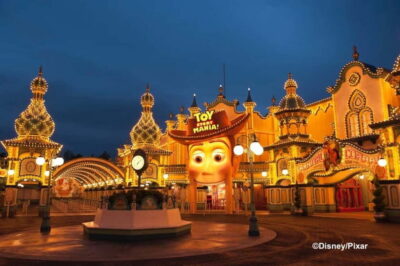 ★ 4.5DisneySea 1-Day PassportFrom $572,726 reviews
 ★ 4.3Tokyo DisneySea: 1-Day Ticket & Private TransferFrom $15322 reviews
 ★ 4.5Tokyo Disneysea Round Trip Shared Transfers with Admission TicketsFrom $20411 reviews
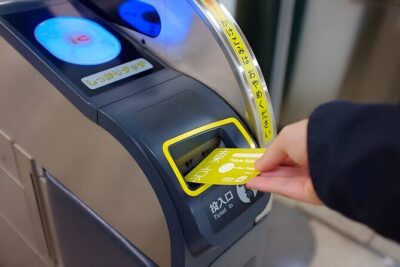 ★ 4.0Tokyo Disneysea Ticket & Tokyo Subway PassFrom $1108 reviews
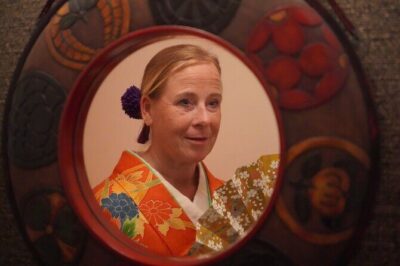 ★ 5.0Private Kimono and tea ceremony at local home near Tokyo DisneyFrom $1646 reviews
★ 3.5Tokyo DisneySea 1-Day Ticket & Private TransferFrom $1615 reviews
★ 5.0Private Kimono and tea ceremony at local home near Tokyo DisneyFrom $1646 reviews
★ 3.5Tokyo DisneySea 1-Day Ticket & Private TransferFrom $1615 reviews
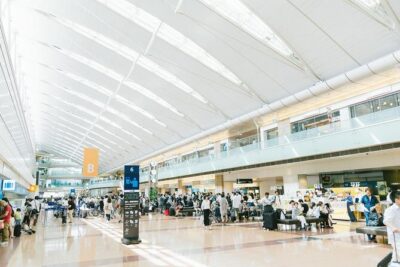 ★ 5.0Private Departure Transfer : Tokyo Disney to Haneda International AirportFrom $2555 reviews
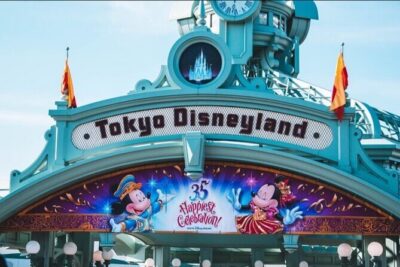 ★ 5.0Full Day Private Guided Photographer and Driver in Tokyo DisneyFrom $14,6334 reviews
Browse the lists this tour appears in