
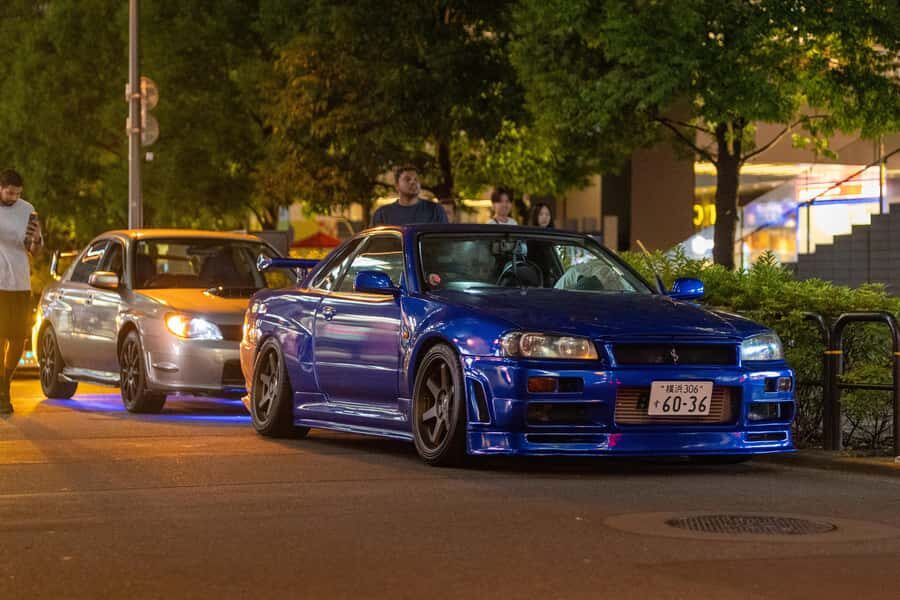
Reviewed · JDM DRIFT CAR EXPERIENCES
Tokyo: Daikoku: JDM and Tokyo Car Culture Experience
This is pure Tokyo car culture, stitched together with real roads and real car meets. The Daikoku PA stop in Yokohama is the headline, but what makes the experience work is the full-night flow: JDM hotspots in the city, scenic bridge views, and a proper convoy vibe led by the Iconic Cars Tokyo team behind Project Wangan. Guides like Nikhil and Ranul bring the talk you’d hope for—how meets work, what people look for, and why certain cars are worshiped.
Two things I especially like: you get close-up access to the kinds of machines you normally only see online, and the ride includes the full drive-and-stop rhythm, not just a parking lot photo session. A possible drawback: cars and schedules can change on the day due to maintenance, and Daikoku PA can be temporarily closed due to police activity, meaning you’ll follow an alternative plan.
In This Review
- Project Wangan: what you’re really buying
- Key highlights to know before you go
- Entering the JDM world: Daikoku PA is the goal, not the only stop
- Ride options: tuned Street Racer Experience vs Executive Drive
- Meeting at Game Panic Akihabara: start where the scene already exists
- Akihabara, Minato City, and the A-PIT Autobacs stop: car culture meets city culture
- Akihabara
- Minato City
- A-PIT Autobacs
- Rainbow Bridge and Yokohama Bay Bridge: why the scenic parts matter
- C1 Loop and Wangan Expressway: the real-life roads behind the legends
- Daikoku PA after midnight: the feeling when you finally arrive
- If Daikoku closes due to police: the backup matters
- What about the $84 price: value in what’s included
- Practical tips that help you enjoy the night
- Comfort and safety
- ID and communication
- Weather
- Who should book Project Wangan to Daikoku?
- Should you book this Tokyo JDM and Daikoku experience?
- FAQ
- What is included in the $84 price?
- Where do we meet for the tour?
- Is Daikoku PA guaranteed to be open on your date?
- Can I choose which car I ride in?
- What languages will guides speak?
- Are there rules about food, smoking, or alcohol?
- Does the tour include hotel drop-off?
- Who should not book this experience?
Project Wangan: what you’re really buying
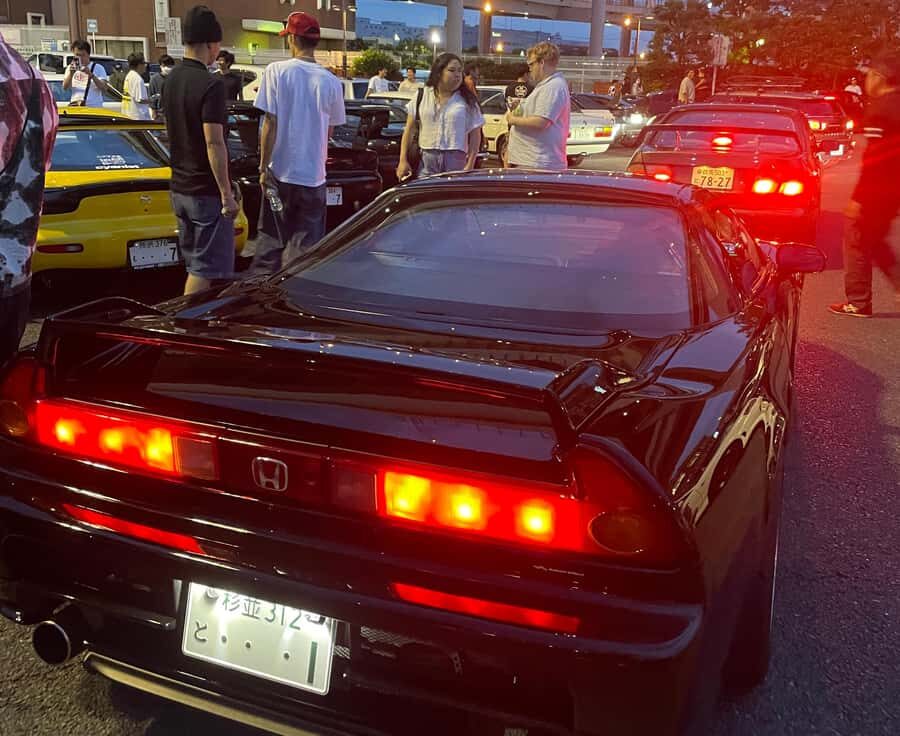
You’re paying for more than transportation. You’re buying local timing, car-enthusiast context, and a route designed to match Tokyo’s street-car energy. The fact that you can choose between a Street Racer Experience in a tuned JDM car or an Executive Drive in a standard vehicle also helps, since not everyone wants the same ride feel.
Main consideration for comfort and expectations: this is not built like sightseeing by public transit. You’ll be riding in cars, stopping for photos, and likely spending time outdoors at night—so it’s best for folks who can handle motion and late hours.
More horsepower: other JDM and drift experiences
- GT-R35 800hp Club Membership – secret underground car meet★ 4.8 · 998 reviews
- Secret Car Meet: R34 Skyline Car Club Membership★ 4.8 · 494 reviews
- Tokyo Drift: Daikoku PA Supreme Car Experience 大黒PA★ 4.7 · 372 reviews
Key highlights to know before you go
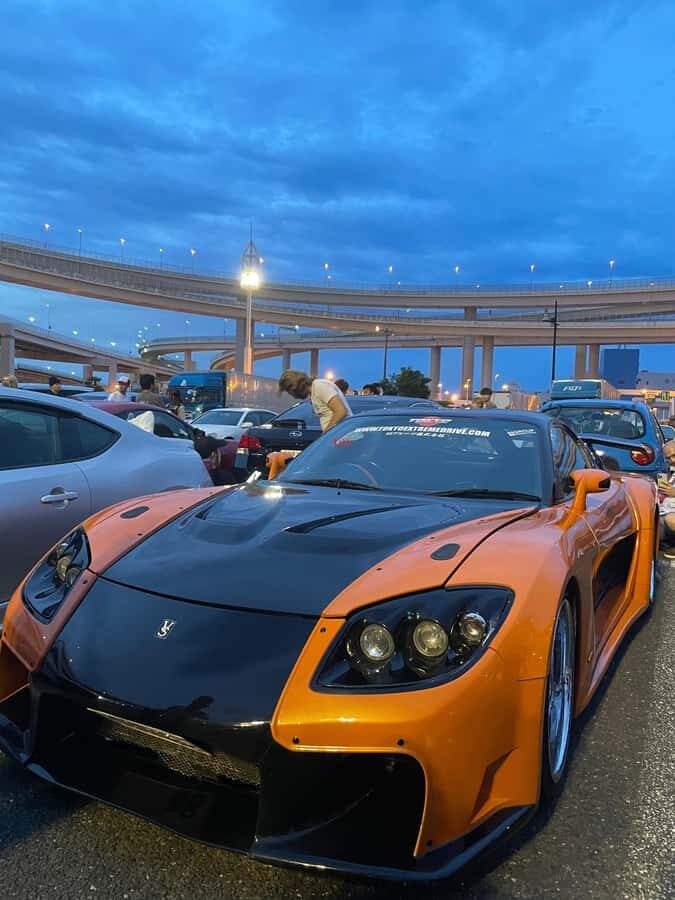
- Daikoku PA in Yokohama: the lineup you came for, plus that loud, car-fan atmosphere
- JDM convoy energy: a group ride guided by enthusiasts, not a passive tour bus
- Iconic drives: stops around Akihabara, A-PIT Autobacs, Minato City, Rainbow Bridge, Yokohama Bay Bridge
- Movie-road credibility: C1 Loop and Wangan Expressway are part of the route when conditions allow
- Plan B if Daikoku closes: the crew pivots to alternative parking spots when police shut things down
Entering the JDM world: Daikoku PA is the goal, not the only stop
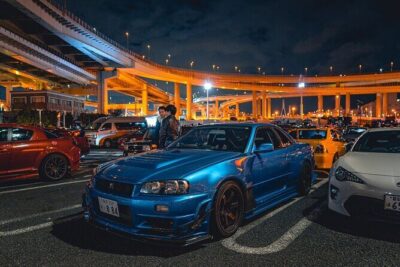
Daikoku PA (in Yokohama) is where Tokyo’s car culture gets extra loud. On this experience, it’s not just one quick view either. You’re guided through several car-focused locations first, then the night culminates at Daikoku when the scene is active and cars are coming and going.
What I think makes this different from a simple car meet visit is the build-up. You get to see the culture’s different sides—tech-and-meets areas around Akihabara and Autobacs, then the high-speed-feeling expressway segments, then the classic parking-area vibe. It’s the same theme the fastest car movies use: the city turns into a stage, and everyone knows the lines.
And yes, the hype is real. In the feedback, people repeatedly mention that it felt like Fast and Furious, especially with the sound and pull of turbo cars during the drive segments.
Ride options: tuned Street Racer Experience vs Executive Drive
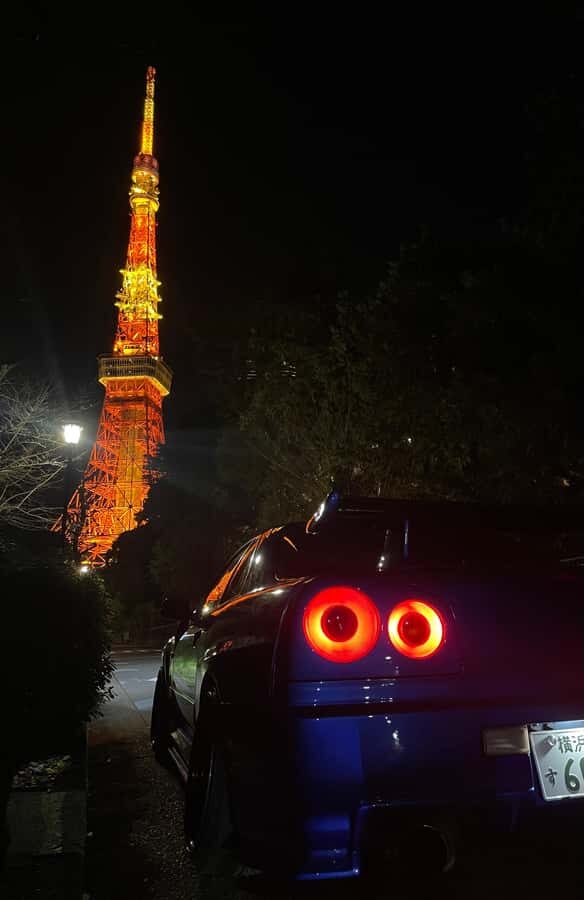
Project Wangan offers two ways to ride, and it matters:
- Street Racer Experience: you ride along in a tuned JDM car with an expert driver, built for speed and the feel of street racing. You’ll get the turbo spool moments and the kind of driving style that makes tunnels and expressway entrances feel different.
- Executive Drive: you follow the same general route in a sleek, comfortable standard vehicle. It’s for people who want the sights and culture without chasing the most aggressive driving style.
One practical note from the experience style: there can be car swapping among guides and vehicles during the night, especially when multiple cars are moving through the same stops. If you’re laser-focused on being in the JDM seat the whole time, you should message to confirm your assigned vehicle before you go.
Meeting at Game Panic Akihabara: start where the scene already exists
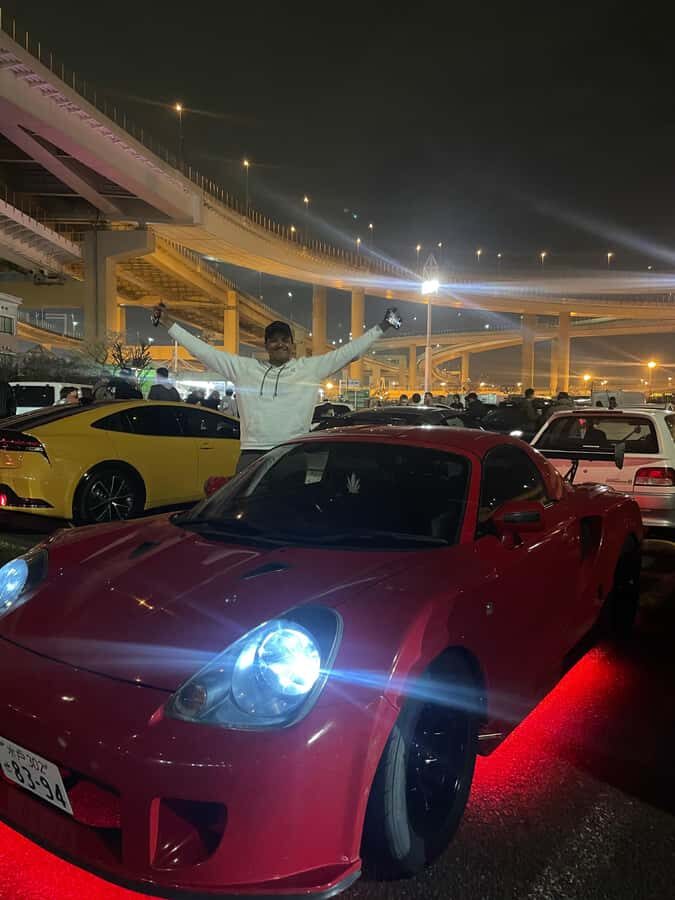
Your day begins at a meeting point you locate by searching for the shop Game Panic Akihabara on Google, then following instructions from the crew. If you want to avoid any stress, contact them on Instagram at projectwangan_jp for the exact directions.
Why this matters: you’re meeting in an area where car and tech culture overlap. It sets the tone right away, instead of starting with generic “meet in a parking lot” energy. It also helps if you’re staying nearby and want a clean, simple start.
You’ll need an ID (passport or ID card). The rules are straightforward: no smoking in the vehicle and no alcohol in the vehicle.





Akihabara, Minato City, and the A-PIT Autobacs stop: car culture meets city culture
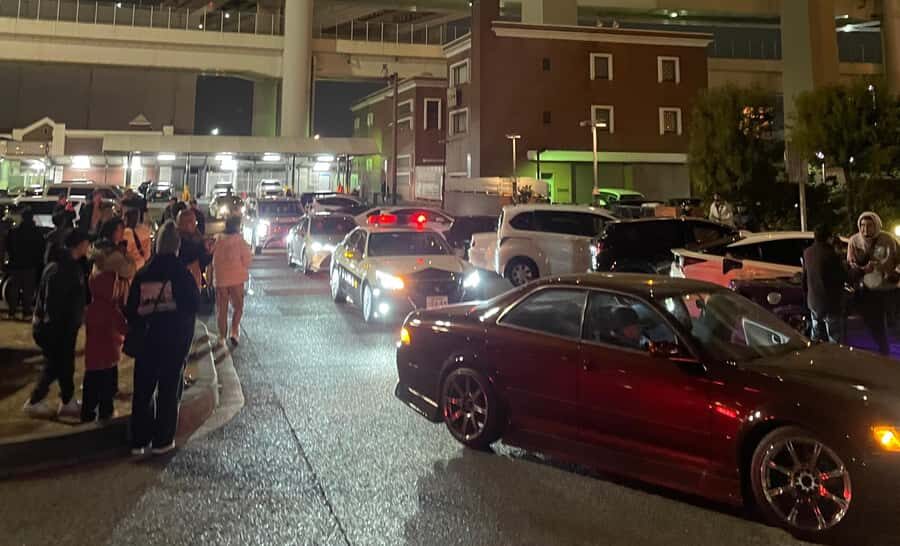
After you sync with the group, the route aims at car-relevant city areas—not just landmarks for photos. A few places show up as part of the drive sequence:
Akihabara
Akihabara is more than neon and electronics here. It’s part of the logic of Tokyo culture: cars, tech, and fandom sit close together. You’ll get photo stops and guided context so you can understand what you’re seeing instead of just walking through lights.
Minato City
Minato City gives you a different Tokyo texture—more upscale city energy, and routes that feel like you’re moving through the core of the metropolis. It’s a good contrast day-to-night shift as the convoy turns toward bigger infrastructure.
A-PIT Autobacs
A-PIT Autobacs is one of those names car fans say like it’s shorthand. In the experience flow, it’s a key stop for the “this is where people actually care” vibe, not just the fantasy of cars.
You’ll likely spend time at stops long enough to take photos and look around, and the bilingual guidance (English and Japanese) helps a lot when you’re trying to understand how locals talk about cars.
Rainbow Bridge and Yokohama Bay Bridge: why the scenic parts matter
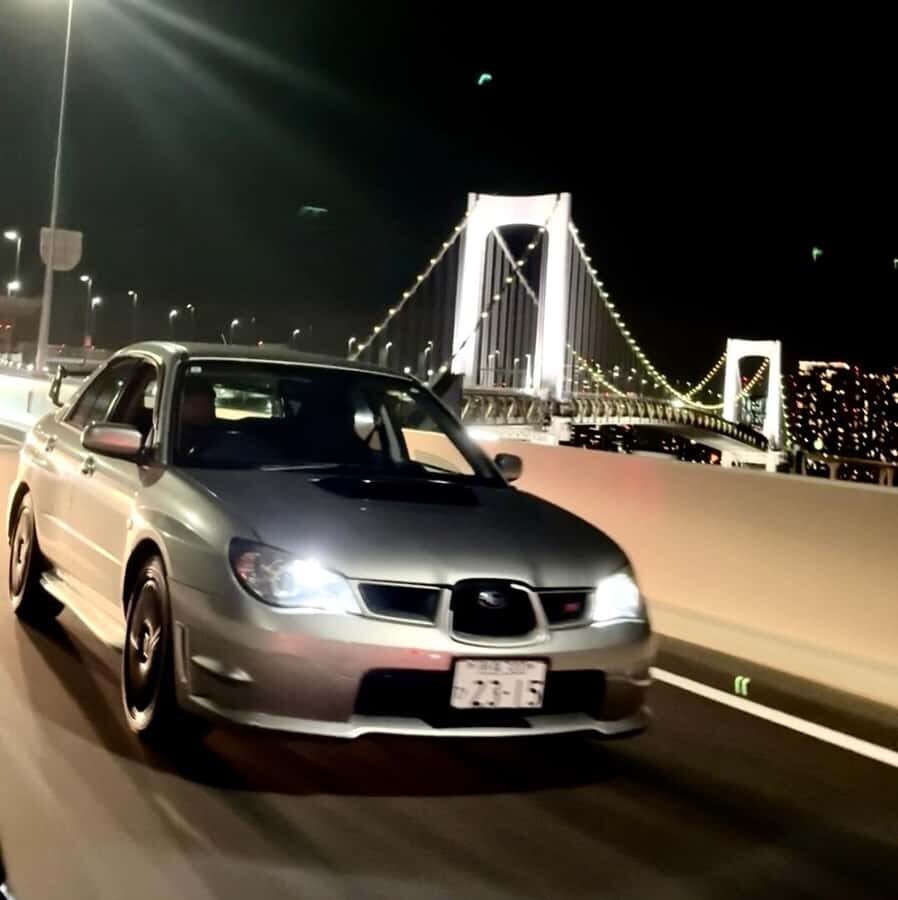
You don’t just drive between meets; you drive through Tokyo’s visual signatures. The route includes stops around Rainbow Bridge and then toward Yokohama Bay Bridge.
These bridges do two jobs for you:
- They break up the night with scenery you can actually remember later.
- They give the driver space to create that “growing up on car media” feeling—wide lanes, city glow, and a sense of speed that doesn’t happen on quiet back streets.
If you’re the type who usually sticks to trains and never feels traffic from the inside, this section is where you start to understand what people mean when they call Japan’s driving culture disciplined but intense.
C1 Loop and Wangan Expressway: the real-life roads behind the legends
Some routes try to borrow movie names. This one tries to use the actual roads: the C1 Loop and the Wangan Expressway appear as part of the experience.
What you should expect here is not just speed. It’s the rhythm: merge points, tunnel stretches, and the kind of driving that makes even a short segment feel like a highlight. In feedback, people specifically call out the fun of driving through tunnels and experiencing Tokyo streets at night in a way you don’t get from riding trains.
If you’re motion-sensitive, this is the section to take seriously. The experience itself isn’t aimed at people who get motion sickness, and that’s for good reason.
Daikoku PA after midnight: the feeling when you finally arrive
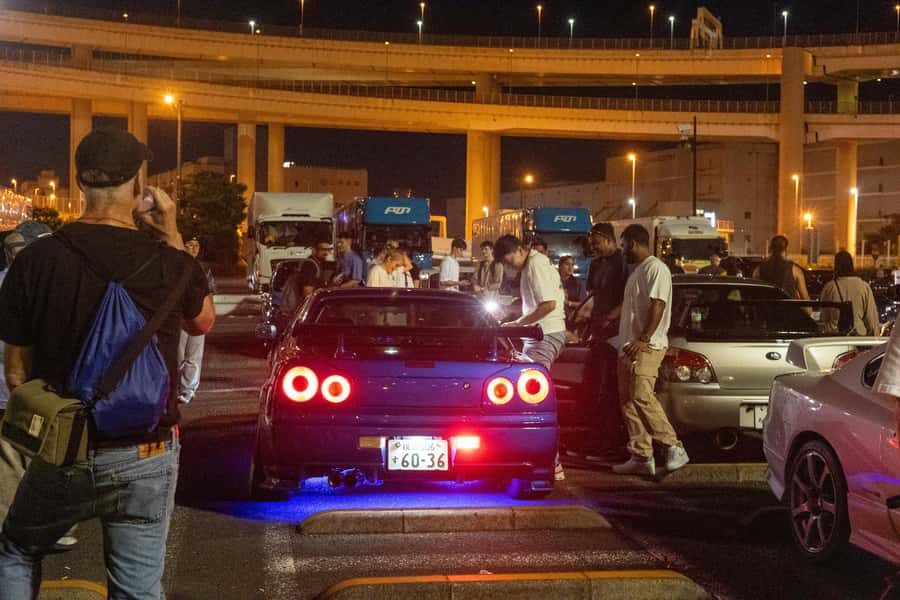
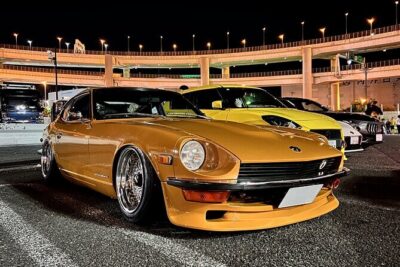
Daikoku PA is where the night clicks into place. This is the moment with the lineup everyone recognizes, and it’s why the tour name carries real weight.
A couple of things show up again and again in the feedback:
- You see a mix of cars that draw attention instantly.
- You get time to watch and photograph rather than just pass through.
- Guides treat it like a community moment, not a quick photo stop.
Even if you’re not a mechanic-level car person, the guides help you translate what you’re seeing into something you can actually enjoy. In multiple notes, people mention that talking with the driver made the night better—where the car came from, what the owners care about, and why specific meets matter.
And timing can vary. One review mentions arriving after midnight and leaving close to 2am, with cars still showing up late.
If Daikoku closes due to police: the backup matters
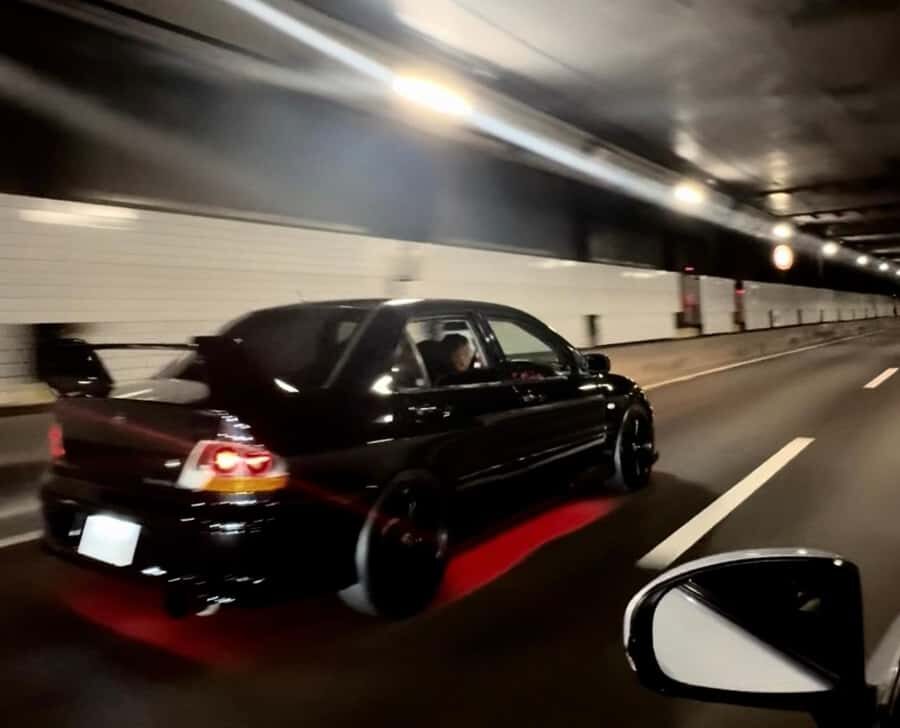
Daikoku PA can be temporarily closed due to police activity. When that happens, the crew says they’ll provide alternatives.
In one account, the group was redirected to another parking area by the sea with a good midnight view. That’s exactly what you want to hear: that the team already has a Plan B ready, so your night doesn’t turn into standing around.
Still, keep expectations flexible. If your main goal is specifically Daikoku, closures can happen even on scheduled nights. The good news is that the experience style stays car-focused, not “well, we’ll go sightseeing instead.”
What about the $84 price: value in what’s included
At $84 per person, the value comes from what you’re not paying separately. Included items cover:
- Ride in a tuned JDM car (or standard vehicle)
- Expert local drivers and car enthusiasts
- Bilingual guides (English and Japanese)
- Highway tolls, fuel, and taxes
- Photo stops at iconic car culture locations
That’s the key: expressways in Tokyo aren’t free, and the driving + guided stops are the service. You’re also getting a crew that coordinates car-culture timing, which is hard to replicate if you try to DIY it without local connections.
Is it cheaper than taking trains and buying a few tickets yourself? Sometimes. But the “value” here is about access and guidance. You’re paying to avoid the guesswork: where to go, when to go, and how to understand what you’re seeing once you arrive.
Practical tips that help you enjoy the night
This isn’t complicated, but a few details matter if you want the best experience.
Comfort and safety
- No smoking and no alcohol in the vehicle.
- Not suitable for motion sickness, heart problems, wheelchair users, or kids under 8.
- Not suitable for people over 70 (the experience is built around late-night driving and physical comfort constraints).
ID and communication
Bring your passport or ID card. If you’re picky about your preferred car model, you’ll want to message ahead because some cars may be undergoing maintenance.
Weather
There’s no weather guarantee. One rainy day shifted plans to the next day, and the group still saw cars at the meet. That suggests you should pack for night chills and wet conditions if you travel in cooler months.
Who should book Project Wangan to Daikoku?
This experience is best for you if:
- You love JDM cars and want to see them in context, not just from far away
- You enjoy tunnels, expressways, and the feeling of a well-driven convoy
- You want local conversation—people named Nikhil and Ranul show up in feedback as guides who talk car culture, not just logistics
Skip it if:
- You need hotel drop-off or a flexible point-to-point sightseeing plan (this ends back at the meeting point)
- You’re hoping for low-intensity sightseeing
- You’re prone to motion sickness or you want a very calm evening
Also, be honest about what you want from the night. If you only care about Daikoku itself, you may feel a little like the ride is “leading up to one place.” If you want the whole Tokyo car culture route, the pacing is the point.
Should you book this Tokyo JDM and Daikoku experience?
If you’re a car fan who wants the real Tokyo scene—Tuned JDM ride, iconic bridges, and a proper shot at Daikoku—this is a strong pick at $84. The bilingual guide setup, the emphasis on real car culture conversation, and the fact that highway costs and key ride elements are included make it feel fair.
Book it if you can handle night driving and the idea that Daikoku might be swapped for a backup if police temporarily close the area. Don’t book it if motion comfort is an issue or if you need a classic sightseeing tour with flexible stops.
FAQ
What is included in the $84 price?
The experience includes a ride in a tuned JDM car or a standard vehicle, expert local drivers, bilingual guides (English and Japanese), scenic driving through JDM hotspots, highway tolls, fuel, and taxes, plus photo stops at iconic car culture locations.
Where do we meet for the tour?
You’ll start at a meeting point you find by searching for Game Panic Akihabara on Google and following the directions, or you can message the team on Instagram at projectwangan_jp for instructions.
Is Daikoku PA guaranteed to be open on your date?
No. Daikoku PA can be temporarily closed due to police activity. The crew says they will offer alternative locations if that happens.
Can I choose which car I ride in?
You can choose between Street Racer Experience (tuned JDM car) and Executive Drive (standard vehicle). Some cars may be under maintenance on your selected date, so if you have a favorite model, the guidance is to message via IG ProjectWangan_JP or through GetYourGuide to confirm availability.
What languages will guides speak?
Guides provide English and Japanese support.
Are there rules about food, smoking, or alcohol?
Smoking is not allowed in the vehicle. Alcoholic drinks are also not allowed in the vehicle.
Does the tour include hotel drop-off?
No. The experience follows a fixed route and ends back at the meeting point. The team notes you can DM them to discuss drop-offs during late night tours.
Who should not book this experience?
It is not suitable for children under 8, wheelchair users, people with heart problems, people with motion sickness, and people over 70.
More Tour Reviews in Tokyo



For the Petrolheads: More JDM Days
Fresh reviews from around Tokyo






JDM Drift Car Experiences, compared.
 ★ 4.8GT-R35 800hp Club Membership – secret underground car meetFrom $205998 reviews
 ★ 4.8Fast & Furious Tokyo Drift 3 Experience (Kaila Yu SP)From $157947 reviews
Daikoku JDM Car Meet & Night Car Culture TourFrom $98626 reviews
★ 4.8Fast & Furious Tokyo Drift 3 Experience (Kaila Yu SP)From $157947 reviews
Daikoku JDM Car Meet & Night Car Culture TourFrom $98626 reviews
 ★ 4.8Secret Car Meet: R34 Skyline Car Club MembershipFrom $236494 reviews
 ★ 4.9EVO, WRX, Skyline – JDM Night Run to Daikoku Car MeetFrom $125478 reviews
 ★ 4.7Tokyo Drift: Daikoku PA Supreme Car Experience 大黒PAFrom $58372 reviews
 ★ 4.5Daikoku Car Club Temporary MembershipFrom $145275 reviews
 ★ 5.0Daikoku JDM Car Meet & Night Car Culture TourFrom $99232 reviews
Browse the lists this tour appears in