
Reviewed · GO-KARTS
Tokyo Bay: Scenic Skyline Go-Kart Tour (120 Minutes)
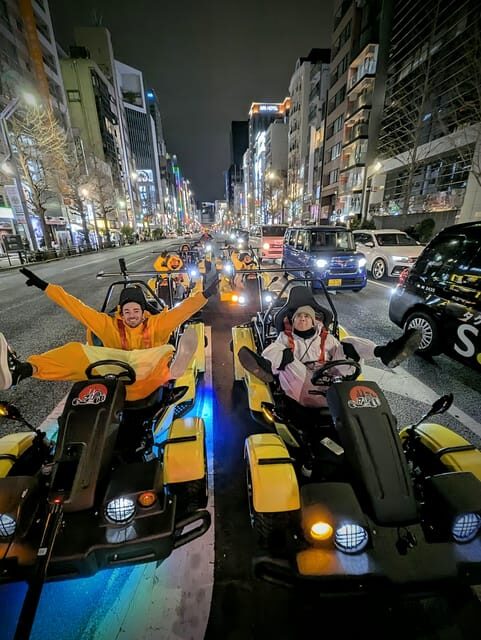
Tokyo from the steering wheel feels different. This Tokyo Uptown Route turns a city sightseeing loop into an active, street-level experience, with a guide talking to you the whole time on two-way radio. The guide shares landmark stories while also keeping traffic flow and driver focus under control.
I also like that the go-karts feel built for real people, not just kids in movies. Kartzilla’s street-legal karts focus on comfort and stability, with features that help first-time drivers stay relaxed and confident.
The main drawback is simple: you must bring a valid driving license that fits their rules. If your license check fails on the day, you won’t be able to participate.
In This Review
- Key highlights at a glance
- Why the Tokyo Uptown Go-Kart Route Works So Well
- Finding Kartzilla Near Tokyo Skytree (and Getting There in Time)
- The Street-Legal Go-Karts: Comfort and Control First
- Skytree to Monzen-Nakachō: Getting Your Bearings While Seeing Tokyo Up Close
- Toyosu Fish Market, Ariake Coliseum, and Harumi: A Different Side of the City
- Ginza and Kabuki-za: Theatre-District Energy Without the Walking Grind
- Tokyo Station and the Imperial Palace Surroundings: Big City Icons in Motion
- Photos, Anime Costume, and the Optional Insta360 Feature
- Safety and Pacing: Why the Two-Way Radio Matters
- Price Value: Is $116 Fair for Two Hours in Tokyo?
- Who This Tour Fits Best (and Who Might Want a Different Plan)
- Should You Book the Kartzilla Tokyo Uptown Route?
- FAQ
- How long is the Tokyo Bay: Scenic Skyline Go-Kart Tour?
- What route does the Kartzilla Tokyo Uptown experience cover?
- Where is the meeting point?
- What do I need to bring to drive?
- What driving licenses are accepted?
- Can I use the Insta360 camera without anything extra?
- What’s included in the price?
- Are there age, vision, or driving restrictions?
Key highlights at a glance
- Two-way radio storytelling + safety so you hear the plan and the warnings
- Comfort-focused street-legal karts with stability designed for confidence
- Uptown landmark route from Skytree area to Ginza, Kabuki-za, and Tokyo Station
- Small group size (max 8) for a less chaotic ride
- Optional Insta360 recording with your ride-from-your-seat camera setup
Other ways to drive the city in costume
- Flagship 2-Hours Official Street Go-Kart Tour – Tokyo Bay Shop★ 5.0 · 4,974 reviews
- Official Street Go-Kart in Shibuya★ 5.0 · 3,435 reviews
- Official Street Go-Kart Tour – Akihabara★ 5.0 · 1,578 reviews
Why the Tokyo Uptown Go-Kart Route Works So Well
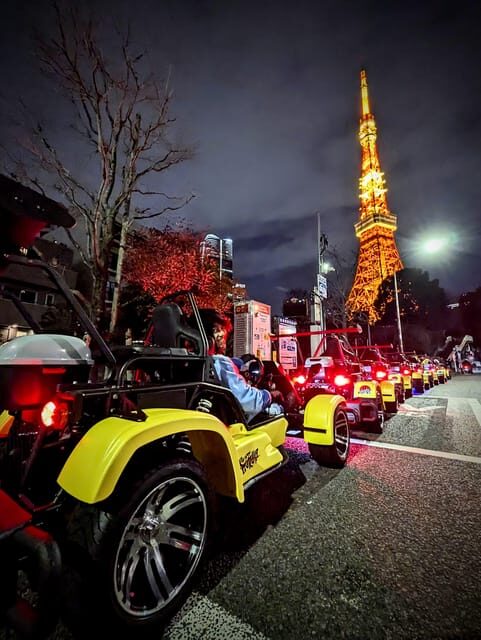
Watching Tokyo from a bus window is easy. Steering it is different. The Uptown Route is designed to show you Tokyo at street level, through neighborhoods that feel closer to everyday life than the usual “one-viewpoint” sightseeing loop.
This tour also solves a common problem with city activities: you want context, but you don’t want a long walking tour. Here, the context comes from your live guide, and the movement keeps things from feeling slow or repetitive.
You’ll go at a relaxed, beginner-friendly pace. This matters, because the goal isn’t racing. It’s controlled driving with landmark stops and real-time guidance so you’re not stressed trying to figure out what’s next.
Finding Kartzilla Near Tokyo Skytree (and Getting There in Time)
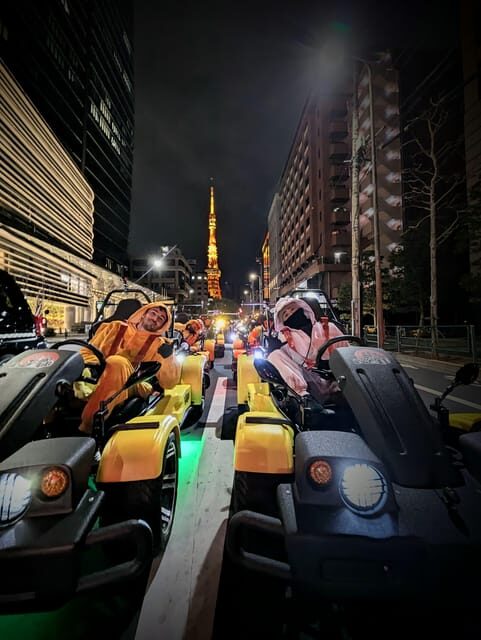
Your starting point is Kartzilla Go Kart Tokyo, near Hiraki Children’s Clinic. The building has a clearly marked Kartzilla outdoor sign, and Google Maps is described as reliable for getting you there.
One practical tip: arrive early. The check-in and mandatory safety briefing require you to be there at least 40 minutes before your scheduled start. That extra buffer helps if you’re walking in from a nearby station exit, or if you’re figuring out where the entrance is.
Also, plan your “what documents do I have?” moment ahead of time. This tour expects you to present the right driving license on the spot, and the rules are strict.
The Street-Legal Go-Karts: Comfort and Control First
This is not the kind of go-kart where you feel like you’re wrestling a shopping cart with wheels. Kartzilla builds its karts for city driving, with a focus on control and comfort.
Here’s what that means for you in the real world:
- Advanced suspension for a smoother ride over uneven pavement
- Hydraulic brakes for more predictable stopping
- Reinforced frames designed to accommodate big and tall riders
- Stable handling that helps first-time drivers keep their confidence
If you’ve ever tried a recreational kart and felt it was too twitchy, you’ll probably appreciate the calmer feel here. The tour is also led at all times by an experienced Kartzilla guide, which reduces the “am I doing this right?” factor.
Skytree to Monzen-Nakachō: Getting Your Bearings While Seeing Tokyo Up Close
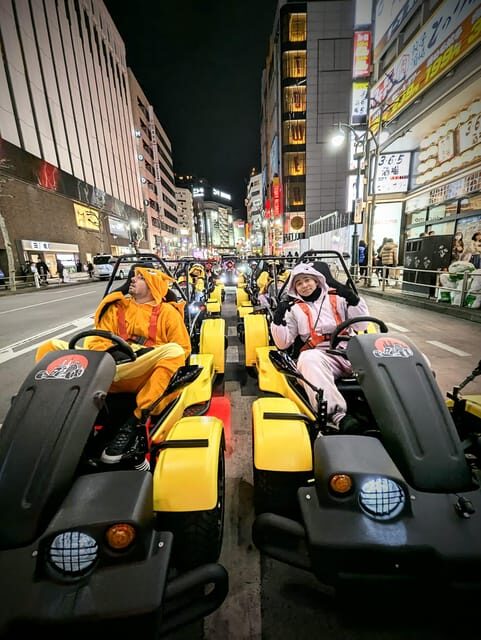
Your ride begins at the Kartzilla facility near Tokyo Skytree. Then you head through the Skytree area with guided storytelling and scenic views along the way.
This first stretch is useful even if you’re not a confident driver yet. You get a road-safety briefing and simple driving instructions before you hit the route, and the guide stays close so you can focus on steering and braking instead of guessing what’s coming.
Next, the route brings you to Monzen-Nakachō Station. This is the kind of stop that helps the day feel like more than just “iconic landmark photos.” It’s part of that street-level Tokyo goal—moving through areas where you can sense how neighborhoods connect, without needing to navigate every turn yourself.
Possible drawback here: the more landmarks you recognize early on, the more you may want to look around. The guide’s real-time safety prompts matter most in these early minutes, so keep your eyes on the road first and treat the sights as bonuses you catch between turns.
More horsepower: other JDM and drift experiences


Toyosu Fish Market, Ariake Coliseum, and Harumi: A Different Side of the City
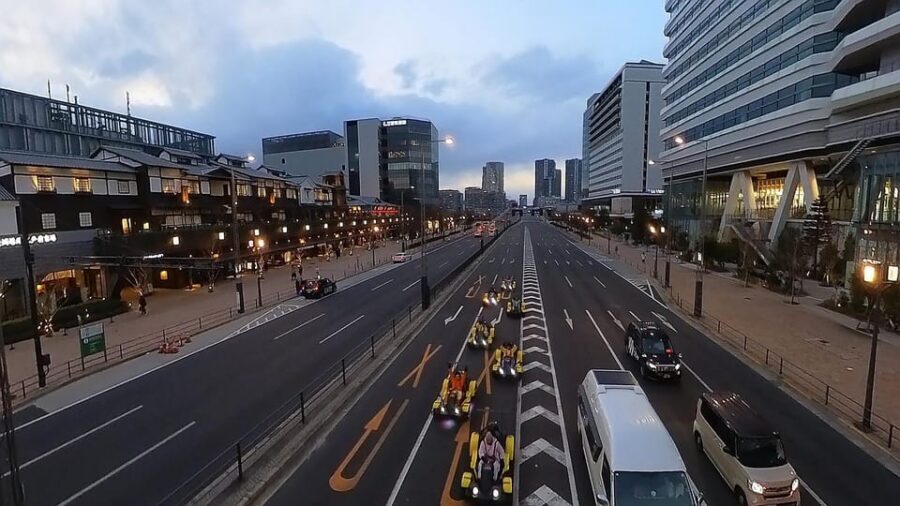
After Tokyo Station-area sights later on, the route does something smart: it gives you a change of scenery earlier. You pass through Toyosu Fish Market, then Ariake Coliseum, and later Harumi.
Even without getting out of the kart, these names signal a shift in Tokyo’s feel. It’s less about one famous postcard view and more about experiencing different parts of the city’s layout as you travel.
For photography and video, this section can be especially satisfying. From the driver’s seat, you get a low, action-like perspective that feels closer to the street than a raised lookout.
Practical note: because you’re in a kart on real streets, you won’t control the speed like you would on a private track. The guide pacing is part of the experience—calm enough for beginners, guided enough to keep the flow smooth.
Ginza and Kabuki-za: Theatre-District Energy Without the Walking Grind
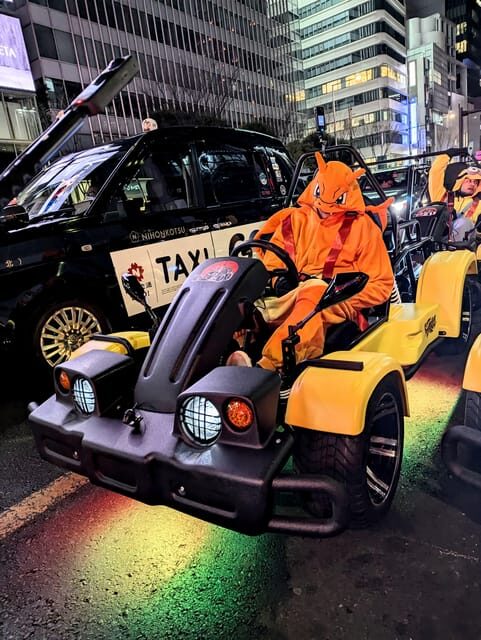
Then you reach Ginza. From there, the route continues to Kabukiza Theatre.
Ginza is one of those places where even a short drive-by can feel noticeably “Tokyo.” You’ll be passing storefront energy and central-city street rhythms, and the guide’s landmark storytelling adds meaning while you’re rolling past.
Kabuki-za is another kind of stop: it’s tied to performance culture, so it feels like a deliberate transition from shopping-city visuals to something more focused and themed. The tour keeps the experience flowing, so you don’t lose momentum hunting for a place to stand and take photos.
Potential consideration: this portion can feel busy depending on where you are in the lane at any moment. That’s where the two-way radio guidance helps. Your guide isn’t just telling stories; they’re also managing the practical driving situation.
Tokyo Station and the Imperial Palace Surroundings: Big City Icons in Motion
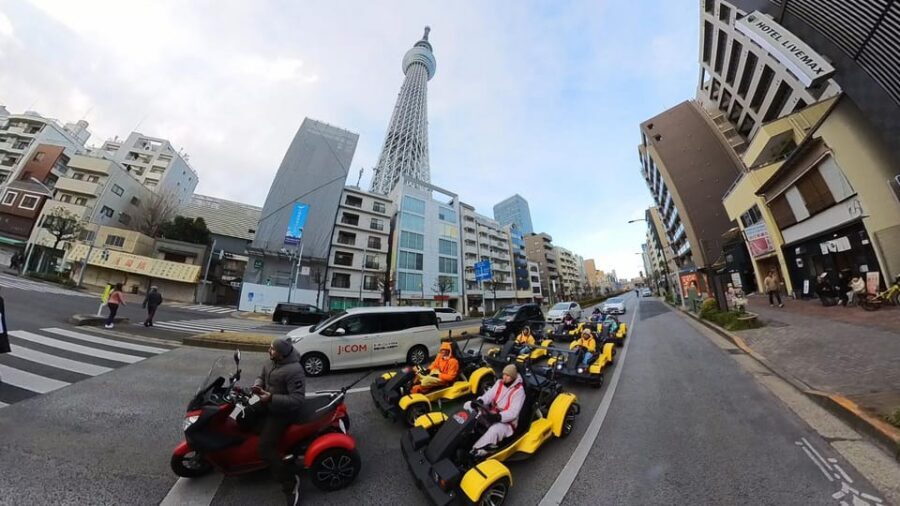
Toward the end, you pass Tokyo Station and then the Imperial Palace surroundings.
This is a strong closing stretch because it’s where the route hits “everyone knows this place” territory. Seeing it from a go-kart adds a layer you can’t get by walking—your perspective changes as the road bends, and you get a sense of how the city’s major areas connect.
The Imperial Palace surroundings portion is also a nice contrast to the more commercial feel of Ginza and theatre district roads. You may find the ride feels calmer here, and the guide’s commentary can help you connect what you’re seeing to Tokyo’s broader layout.
Quick reality check: you’re not stopping for a long visit at any single site. If you want extended time inside buildings or museums, you’ll need to pair this with your own sightseeing after.
Photos, Anime Costume, and the Optional Insta360 Feature
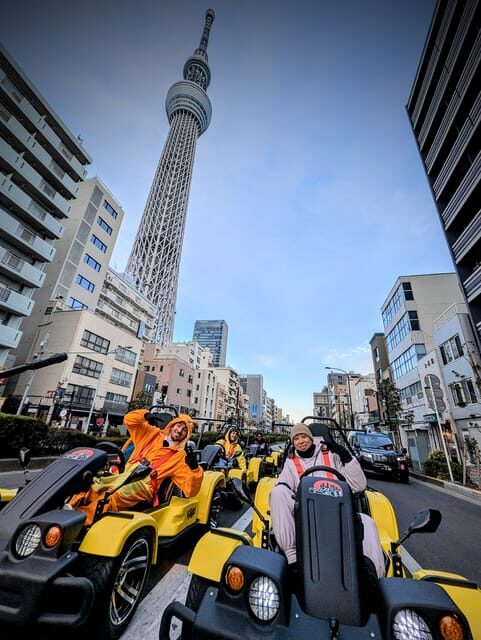
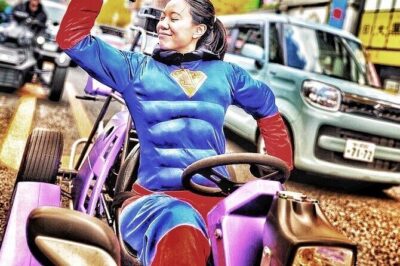
One of the coolest add-ons is the optional on-board Insta360 camera. If you choose it, the idea is simple: you can record your entire journey hands-free from the driver’s perspective.
There’s a catch you should plan for: you’ll need a Micro SD card to use the camera. Micro SD cards aren’t included, but you can buy one on-site.
This matters because people often travel light and assume the camera system will come ready. It won’t. If you want the footage, treat it like a checklist item before you arrive.
You also get an anime costume rental included. The tour doesn’t spell out how long you’ll wear it or when you’ll put it on, so I’d treat it as part of the experience you’ll use for photos during the day, depending on timing at the facility.
Don’t overthink it: the real value is that you’ll leave with video that feels like what it’s like to drive past major Tokyo landmarks, not just stand in front of them.
Safety and Pacing: Why the Two-Way Radio Matters
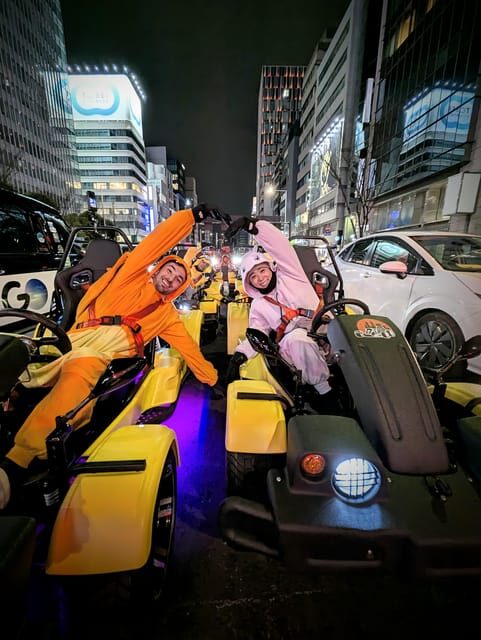
This is a guided driving tour, not a self-guided thrill ride. You’ll get a clear road-safety briefing and simple driving instructions before you set off.
During the tour, you’re never truly alone. Your guide stays connected through a two-way radio system, which does two jobs at once:
- Live storytelling so the route isn’t just transit
- Real-time safety guidance to keep the driving smooth
That combo is what makes the experience feel less stressful. You’re not trying to interpret signs and traffic rules while also reading a guide’s script. The guide is doing the coordination for you in real time.
Also, you’ll want to follow the guide’s cues about lane position and pacing. The route is designed for smooth traffic flow. When everyone does the same thing at the same time, it feels easy.
Price Value: Is $116 Fair for Two Hours in Tokyo?
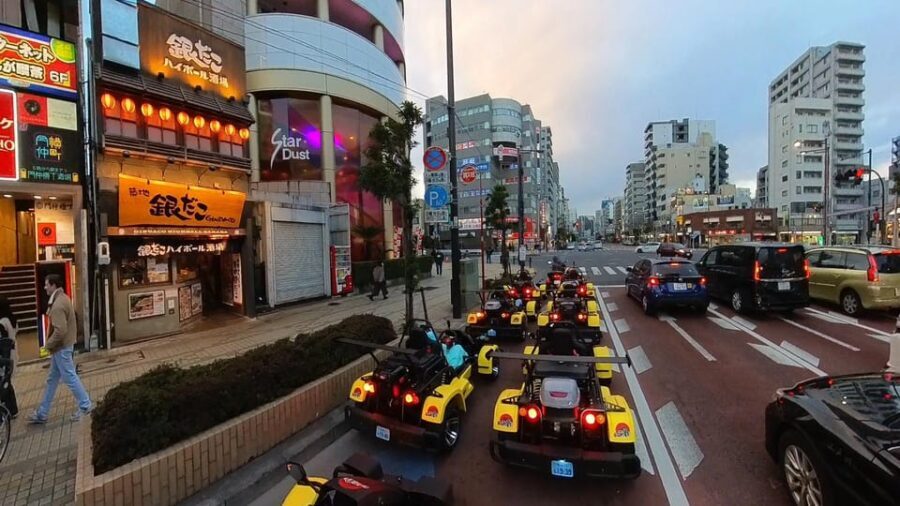
At $116 per person for 2 hours, the value depends on what you compare it to.
What’s included:
- Street-legal go-kart rental and fuel
- Professional local tour guide
- Anime costume rental
- Optional on-board Insta360 camera use (Micro SD not included)
- Accident insurance
- Drinks: water, tea, coffee
So you’re paying for more than the kart. You’re paying for guided routing, active safety management, and the structured “you’ll hit these Tokyo landmarks” format, all without long subway transfers or a big time commitment.
If you were to piece this together yourself with taxis or private transport plus guided storytelling, the cost would likely add up quickly. Here, you get the karts, the guidance, and the fuel bundled into one fee.
The big money-saving factor: small group size is capped at 8. That usually means your guide can keep attention on everyone, which matters in a driving setting.
Who This Tour Fits Best (and Who Might Want a Different Plan)
This route is a great match if you:
- Want to see iconic Tokyo landmarks without only standing still
- Like active experiences with a clear guide plan
- Prefer a relaxed, beginner-friendly pace
- Want optional ride video from your perspective
It’s also designed to be comfortable for different body types, including big and tall riders, thanks to the reinforced frame and stability-focused setup.
Who may need to skip it:
- You must have a valid driving license. No license means no ride.
- It’s listed as not suitable for people who are visually impaired.
- There are age limits: drivers must be over 18 and not over 95 years old.
If you’re traveling with a plan for photos and you like the idea of hands-free Insta360 footage, this tour gives you an easy way to capture the day.
Should You Book the Kartzilla Tokyo Uptown Route?
I’d book it if you want a practical way to experience Tokyo beyond the usual sightseeing formula—while still getting live guidance and built-in structure.
Skip it (or at least reconsider) if you’re not sure you can pass the driving license check. The rules are strict, and there’s no wiggle room once the session starts. Also, if you need lots of time at one specific attraction, a 120-minute drive-by tour won’t give you that.
If you’re ready to drive, listen to the guide, and treat the route like moving city storytelling from the driver’s seat, this is one of the more memorable “Tokyo day” formats you can choose.
FAQ
How long is the Tokyo Bay: Scenic Skyline Go-Kart Tour?
The tour lasts 2 hours.
What route does the Kartzilla Tokyo Uptown experience cover?
It’s the Tokyo Uptown Route through central Tokyo, starting near Kartzilla Go Kart Tokyo and passing places including Tokyo Skytree, Monzen-Nakachō Station, Toyosu Fish Market, Ariake Coliseum, Harumi, Ginza, Kabukiza Theatre, Tokyo Station, and the Imperial Palace surroundings.
Where is the meeting point?
The meeting point is in proximity to Hiraki Children’s Clinic. The building is marked with a Kartzilla Go Kart outdoor sign, and Google maps is described as reliable for reaching the location.
What do I need to bring to drive?
You need a passport and a valid driving license. Depending on your situation, you may also need an International Driving Permit under the 1949 Geneva Convention.
What driving licenses are accepted?
They accept a Japanese driving license. For non-residents, they accept an International Driving Permit issued under the 1949 Geneva Convention. If your license is from Switzerland, Germany, France, Belgium, Monaco, or Taiwan, it must be accompanied by an official Japanese translation issued by JAF.
Can I use the Insta360 camera without anything extra?
You can use the on-board Insta360 camera, but you need a Micro SD card. Micro SD cards are available for purchase on-site.
What’s included in the price?
Included are street-legal go-kart rental, fuel, a professional local tour guide, anime costume rental, on-board Insta360 camera use (with Micro SD required), accident insurance, and drinks (water, tea, coffee).
Are there age, vision, or driving restrictions?
Yes. It’s wheelchair accessible, but it’s not suitable for visually impaired people, people without a driver’s license, people over 95 years, or drivers under 18.
More Tour Reviews in Tokyo






For the Petrolheads: More JDM Days
More Street Karting in Tokyo



Fresh reviews from around Tokyo






Go-Karts, compared.
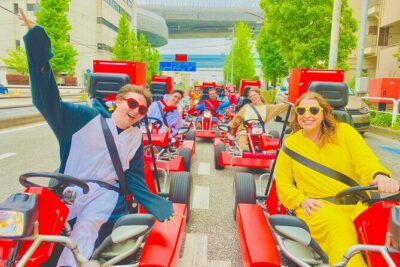 ★ 5.0Flagship 2-Hours Official Street Go-Kart Tour – Tokyo Bay ShopFrom $644,974 reviews
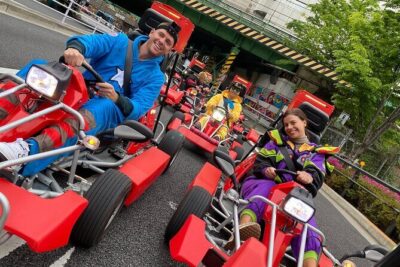 ★ 5.0Official Street Go-Kart in ShibuyaFrom $763,435 reviews
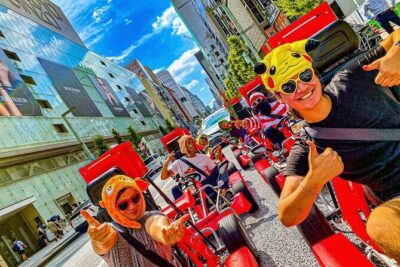 ★ 5.0Official Street Go-Kart Tour – AkihabaraFrom $611,578 reviews
 ★ 5.0Shibuya Official Street Go-Kart in Shibuya AnnexFrom $69972 reviews
 ★ 4.7Premium Go-Kart Tour with Tower & Shibuya CrossingFrom $116528 reviews
Shibuya Kart: Premium Go-Karting Tour through Shibuya, TokyoFrom $63463 reviews
★ 4.7Premium Go-Kart Tour with Tower & Shibuya CrossingFrom $116528 reviews
Shibuya Kart: Premium Go-Karting Tour through Shibuya, TokyoFrom $63463 reviews
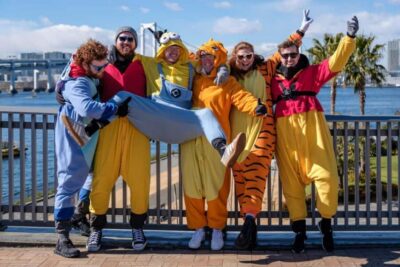 ★ 4.7East Tokyo Go-Kart TourFrom $64370 reviews
 ★ 5.0Guided Tokyo Go-Kart Tour: Tokyo Tower to Shibuya CrossingFrom $155237 reviews
Browse the lists this tour appears in