
Reviewed · TOURS
Tokyo Afternoon Tour with Pick-up Service from designated hotels
Four hours, three very different Tokyo moods.
This Tokyo afternoon tour strings together Hama Rikyu Gardens with its tidal pond and tea houses, a relaxing Sumida River cruise toward old downtown Asakusa, and then the sights and shopping around Senso-ji. It’s a smart way to get your bearings fast, even if you only have one free afternoon.
What I like most is the mix of calm and energy: the garden stop feels like a quiet reset, and the cruise gives you a “from-the-water” view of the city that you just can’t replicate by rail. The other big plus is the end-of-tour freedom in Akihabara, so you can browse at your own pace instead of rushing out with the group. The main drawback is the outdoor walking and the chance of rain—one reviewer noted the itinerary didn’t feel adjusted enough when the weather turned cold and wet.
If you want an organized afternoon with low decision-making, this one helps. Hotel pick-up plus a planned route means you’re not spending your best daylight hours figuring out transfers—though you’ll still want to double-check your pickup details and wear comfortable shoes.
In This Review
- Key things that make this Tokyo afternoon tour work
- Why this afternoon tour’s order matters
- Hotel pick-up in Tokyo: convenient, but double-check details
- Hama Rikyu Gardens: samurai-lord tranquility in 40 minutes
- Hinode Pier cruise to Asakusa: the relaxing part you’ll feel immediately
- Senso-ji and Nakamise Street: iconic temple views plus shopping time
- The bus route stars: Skytree, Kappabashi, Ueno, and the finish in Akihabara
- Tokyo SkyTree stop (optional disembark)
- Kappabashi: cooking tools and plastic food
- Ueno: cultural hub in the middle of everything
- Akihabara: anime and manga territory to end on your terms
- How the timing actually plays out (and how to plan your afternoon)
- Price and value: what $55.28 buys you in real terms
- Weather and delays: be flexible, not stubborn
- Guides, communication, and the human factor
- Who this Tokyo afternoon tour is best for
- Should you book this Tokyo afternoon tour?
- FAQ
- What time does the Tokyo afternoon tour start?
- How long is the tour?
- Is hotel pick-up included?
- Is drop-off included?
- What admissions are included?
- Is lunch included?
- Does the tour include a river cruise?
- What if the Sumida River cruise is suspended?
- What should I do if the weather is bad?
- Are children allowed, and is it free?
- Can I cancel and get a full refund?
Key things that make this Tokyo afternoon tour work
- Hama Rikyu Gardens: Daimyo-style setting with a tidal pond and traditional tea houses, built for leisurely strolling.
- Hinode Pier to Asakusa cruise: A one-way boat ride that turns the trip itself into sightseeing.
- Senso-ji + Nakamise Street time: A classic temple stop with shopping right outside the gate area.
- Akihabara on your schedule: You finish in a neighborhood built for anime, manga, and techy browsing.
- Skytree and Ueno on the route: The bus passes major landmarks, and SkyTree can be an optional disembark if timing allows.
- Small group size (max 40): Easier to manage than the big motorcoach chaos.
Before you commit, see how this one stacks up against a few Tokyo favourites:
- Mt Fuji and Hakone 1-Day Bus Tour Return by Bullet Train★ 5.0 · 26,383 reviews
- 1-Day Tokyo Bus Tour★ 5.0 · 14,250 reviews
- Tokyo: teamLab Planets TOKYO Digital Art Museum Entry Ticket★ 4.6 · 9,779 reviews
Why this afternoon tour’s order matters
This route is built like a storyboard: calm gardens first, then water views, then temple streets, and finally a high-energy shopping area. That pacing is a big deal. Tokyo can feel like a lot, and doing the old-meets-modern sweep in one chunk helps you connect the dots.
Starting in the afternoon (1:30 pm) also fits how many people actually travel. You’re not racing to make early temple hours, and you still get daylight for good photos on the water. The whole tour runs about 4.5 hours once you include pick-up and driving time.
I also like that the plan isn’t only “see a place, move on.” You get real time at major stops, and the finish in Akihabara gives you control over where you spend your last hour.
Hotel pick-up in Tokyo: convenient, but double-check details
The tour includes air-conditioned vehicle travel and pick-up available at major Tokyo hotels. Drop-off is available if you select it, and in some cases a taxi may be used for pick-up/return services. One practical point: a guide might not accompany you during pickup or return if a taxi is needed, so you’re relying on the logistics team to get you from point A to point B.
The reviews show that when the pickup works, it’s a relief. On one tour, they even sent a field guide to get someone back onto the right group after a mix-up. Other reviews mention pickup communication problems—like arriving at the wrong hotel pickup point or having a delay that made a dinner reservation impossible.
My advice is simple: before you leave your room, confirm the pickup location exactly as stated at booking time, and bring your mobile ticket. If you’re staying in a big hotel with multiple entrances, try to be at the correct meeting spot early. It’s not glamorous advice, but it saves your afternoon.
Hama Rikyu Gardens: samurai-lord tranquility in 40 minutes
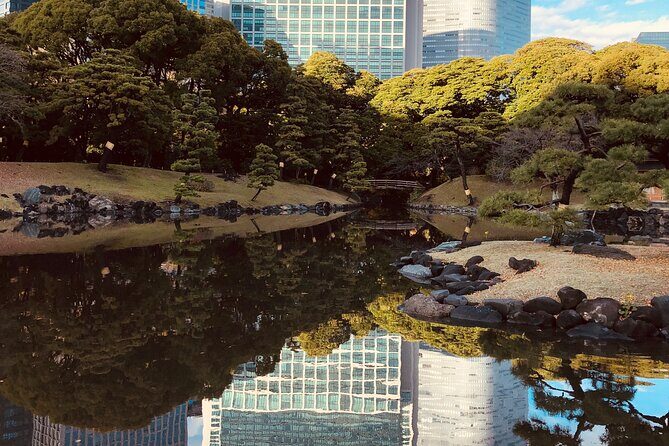
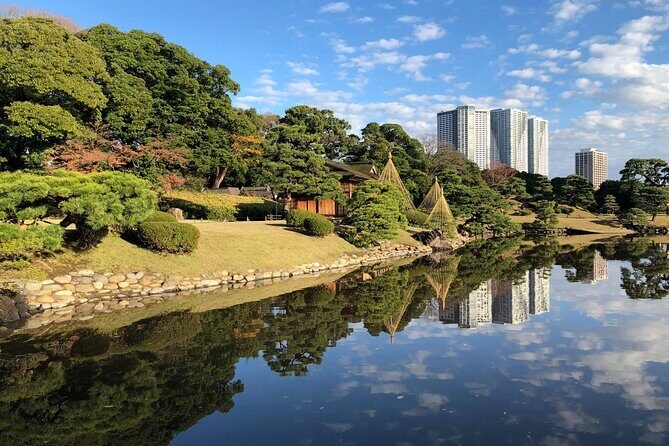
The stop at Hama Rikyu Gardens is about slowing down. This is a daimyo (samurai war lord) garden style, not a modern “pretty park” concept. You get features that feel intentional: a tidal pond, traditional tea houses, and man-made hills that create layered viewpoints as you walk.
Forty minutes sounds short, but it’s realistic for this kind of visit. You’re not trying to photograph every corner; you’re getting the core experience—strolling through the garden’s paths and seeing how the tidal pond shapes the whole space.
What to watch for: Hama Rikyu is a walking garden. If you’re wearing uncomfortable shoes, you’ll feel it fast. I’d treat this as your “legs warm up” stage—then the cruise gives you a built-in rest after.
Hinode Pier cruise to Asakusa: the relaxing part you’ll feel immediately
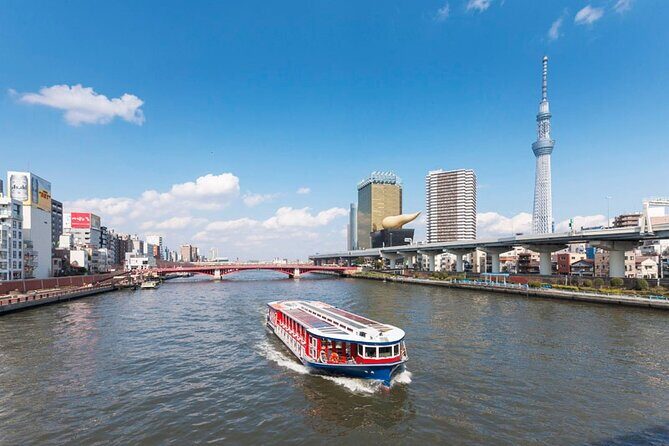
From Hinode Pier you ride a 30-minute one-way cruise through Tokyo Bay and the Sumida River toward Asakusa. This is one of the best value inclusions because it’s included in the tour price and it breaks up the afternoon with a low-effort, scenic segment.
There’s something about seeing Tokyo from the water that makes the city read differently. You get a calmer pace, and you avoid the stress of squeezing trains and transfers into a single afternoon. It’s also handy because it positions you directly for the Asakusa area without making you fight traffic and stations.
Important operational note: if the Sumida River cruise is suspended, the tour can switch to a Tokyo Bay Cruise departing from Odaiba Island via Rainbow Bridge (about 50 minutes including the cruise). In that scenario, Hama-Rikyu Gardens will be omitted. If both cruises are unavailable, the plan may shift to driving through Odaiba and taking the Metro Expressway to Asakusa by bus.
So, if you’re specifically excited about Hama Rikyu, keep in mind the weather and cruise status can change the order.





Senso-ji and Nakamise Street: iconic temple views plus shopping time
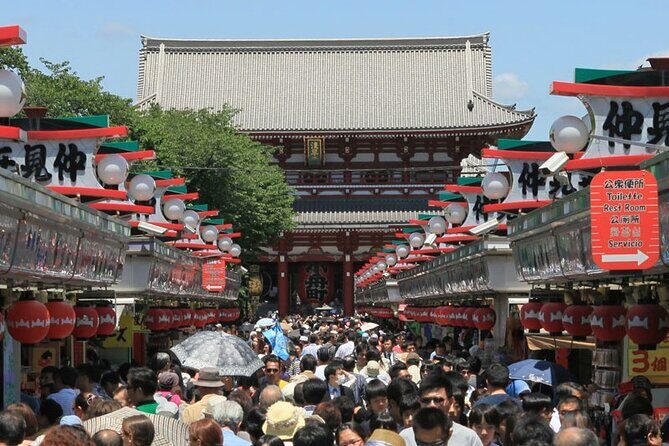
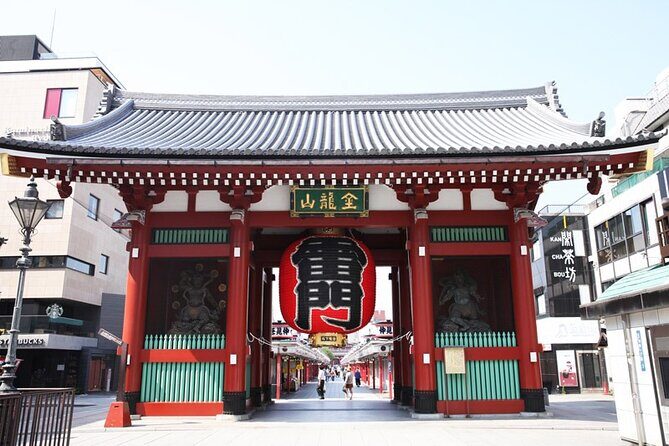
Next up is Senso-ji, one of Tokyo’s oldest and largest Buddhist temples, established in the 7th century. The visit is about 50 minutes, and the real win is that you can see the temple area and then continue into the shopping zone at Nakamise Shopping Street.
That shopping street detail matters. It’s not just “there’s a store nearby.” The setup is designed for browsing while you’re already in the temple district. You get a chance to try simple snacks or pick up small souvenirs that are tied to the Senso-ji vibe.
If you’re sensitive to crowds, plan your expectations. This is a famous site, and the area around it is usually busy. The tour time is long enough to walk at a reasonable pace and still do a bit of shopping before you head back to the group.
One practical tip: treat this stop as your photo and people-watching moment. You won’t need to “optimize” it. Just let yourself move slowly and take it in.
The bus route stars: Skytree, Kappabashi, Ueno, and the finish in Akihabara
Not every landmark gets a dedicated stop, but the bus route is still useful because you’re seeing multiple big Tokyo districts in a single afternoon.
Tokyo SkyTree stop (optional disembark)
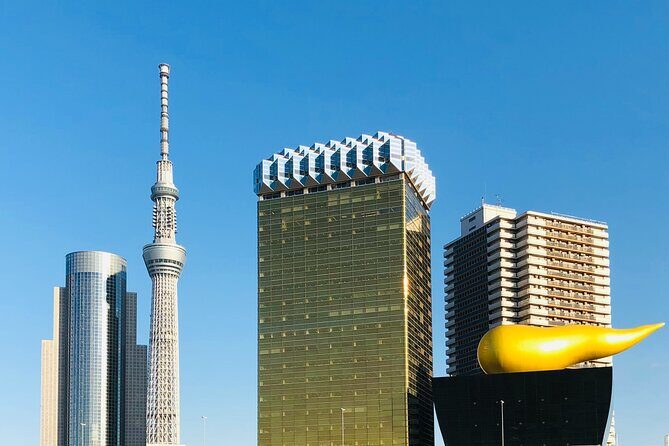
The bus passes by Tokyo SkyTree, described as the third tallest structure in the world at 634 meters. The tour info says guests interested in staying there can disembark from the bus. That means this isn’t a guaranteed “stay for an hour” stop, but it’s an option if timing works.
If you want to do SkyTree proper (tickets, elevator, and views), you’ll need to be realistic about how much time you have. With the tour running about 4.5 hours total, it’s best to treat SkyTree as a quick add-on unless you’re okay with minimal time.
Kappabashi: cooking tools and plastic food
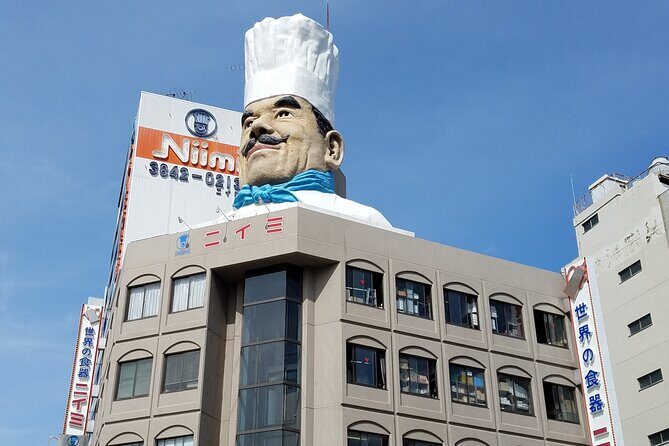
The tour also passes Kappabashi, known for cooking utensils and lifelike plastic food models. Even if you don’t buy anything, it’s a fun contrast to the temple area. You’re basically moving from old Tokyo craft to food culture merchandising in one continuous afternoon.
Ueno: cultural hub in the middle of everything
Ueno is described as a busy commercial district and a cultural center, with Ueno Park as a hub for museums and historical sites. The info doesn’t promise a full Ueno visit like a separate museum tour would, but the route keeps it in your sight line.
If you’re museum-minded, this tour gives you a taste of the area rather than a deep dive into any one museum.
Akihabara: anime and manga territory to end on your terms
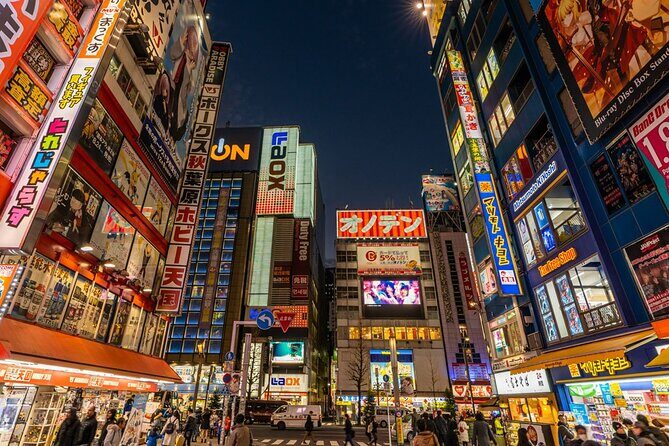
The tour concludes in Akihabara, the epicenter of anime and manga culture. This is the portion you’ll likely enjoy the most if you’re the type who likes to browse. You have the freedom to explore after the guided portion ends.
One more detail I appreciate: some options include a return trip so the bus can take you back to your hotel. That helps you avoid the “now what” feeling when you’re done looking around.
In other words, the ending is practical. You get guidance for the historical and scenic parts, then you get freedom for the fun parts.
How the timing actually plays out (and how to plan your afternoon)
The tour is listed at about 4 hours, with additional time allocated for pick-up and travel between attractions. In practice, you’re looking at about 4.5 hours total.
Here’s how that usually feels:
- Hama Rikyu Gardens: you’ll have enough time for a proper stroll.
- Cruise: short, but it’s a true reset break.
- Senso-ji: enough time for temple sights plus Nakamise browsing.
- Transit + passing landmarks: you’ll see a lot from the bus.
- Akihabara: the flexible part where you control pace.
Because it’s an afternoon start, it’s smart to keep dinner reservations flexible. Reviews include situations where delays or missed timing affected dinner plans. If you book something important for later that night, give yourself a buffer.
Comfort also matters. The tour involves a good amount of walking outdoors, so sneakers or comfortable shoes are not optional. And if rain hits, be ready with an umbrella or raincoat.
Price and value: what $55.28 buys you in real terms
At $55.28 per person, you’re paying for three main things: guided routing, included admissions for two key stops (Hama Rikyu Gardens and the river cruise), and transportation with a dedicated plan. Lunch isn’t included, and gratuity isn’t required (though it’s always an option if you feel it).
The value case here is that the tour covers the “hard to schedule” parts for a solo traveler:
- Getting to the garden and cruise stops without planning transfers
- Having someone manage the order so you’re not bouncing between neighborhoods aimlessly
- Including the cruise ticket, which can otherwise feel like an extra cost and coordination task
If you were to DIY this afternoon by transit, you’d still pay for entry and cruise tickets. So the question is whether the guidance and pickup save you time and stress. For many people, they do.
One more value point: the maximum group size is 40. That doesn’t mean “small and intimate,” but it’s more manageable than the huge cattle-car style.
Weather and delays: be flexible, not stubborn
This experience requires good weather, and you should come prepared for operational changes. The itinerary may be subject to change or certain visits omitted or substituted due to heavy traffic, weather, or other operational reasons. In some cases, the tour fare may not be refunded even if something changes.
A specific review mentioned rain and cold, with dissatisfaction about limited adjustment for long wet walks. That’s a real consideration: the plan includes outdoor walking, and bad weather can change how enjoyable it feels.
My practical advice:
- Bring rain gear even if the forecast looks mild.
- Decide what your “must-do” is: if Hama Rikyu is your top pick, understand cruise issues can affect it.
- Keep expectations flexible about passing landmarks versus getting off.
If you’re traveling with a tight schedule and can’t handle delays, consider whether you want a more indoor-heavy Tokyo plan instead.
Guides, communication, and the human factor
The tour quality depends on the guide and how the team handles timing. Reviews include both praise and friction. Some mention a guide with comedy and helpful information, while another noted the guide was hard to hear and understand.
Names that came up include Joshie (described as amazing), Yoshi (mentioned directly in a response), and Yunko (praised in Spanish). Those names don’t guarantee your guide, but they do show the program can bring friendly, engaging people.
If you’re the type who likes to ask questions, you’ll probably enjoy this. If you need clear audio, pick a seat toward the front on the bus when possible.
Who this Tokyo afternoon tour is best for
This tour fits best if you want:
- A single-afternoon overview of classic Tokyo (Asakusa/Senso-ji) plus modern pop culture (Akihabara)
- A plan with included admissions and a cruise ticket
- Hotel pickup to reduce decision-making
It may be less ideal if:
- You hate walking in crowds or bad weather
- You’re trying to cram multiple major ticketed activities (like a long SkyTree visit) into the same window
- Your evening plans are strict to the minute
Should you book this Tokyo afternoon tour?
Book it if you want an afternoon that’s organized, includes a cruise, and ends where you can browse freely in Akihabara. The garden and temple stops give you that classic Tokyo feel, and the river ride is a smart way to break up the city shuffle.
Skip or swap if rain makes you miserable, because the experience is outdoors-heavy and operational changes can happen. Also, if you have a dinner reservation you can’t miss, schedule it later or plan for buffer time.
If you’re aiming for a “great day starter” tour—then use the rest of your evening to roam—this one makes sense. You’ll come away with a stronger sense of where Asakusa and Akihabara sit in the bigger Tokyo picture.
FAQ
What time does the Tokyo afternoon tour start?
The tour start time is 1:30 pm.
How long is the tour?
The tour duration is approximately 4 hours, with additional time for pick-up and travel. The info also notes the total is about 4.5 hours.
Is hotel pick-up included?
Pick-up service is available at major hotels in Tokyo.
Is drop-off included?
Drop-off service is available if selected.
What admissions are included?
Hama Rikyu Gardens admission is included, and admission/tickets for the river cruise are included. Senso-ji temple admission is free.
Is lunch included?
No. Lunch is not included.
Does the tour include a river cruise?
Yes, it includes a one-way Tokyo Bay and Sumida River cruise from Hinode Pier to Asakusa (30 minutes).
What if the Sumida River cruise is suspended?
If the Sumida River cruise is suspended, the Tokyo Bay Cruise departing from Odaiba Island via Rainbow Bridge (about 50 minutes, including the cruise) may be used as an alternative, and the Hama-Rikyu Gardens visit will be omitted.
What should I do if the weather is bad?
The experience requires good weather. If the tour is canceled due to poor weather, you’ll be offered a different date or a full refund. The tour may also change stops or omit visits due to weather and operational reasons.
Are children allowed, and is it free?
Children up to 5 years old may join for free, but bus seats and lunch are not provided for free if needed (and a child fare may apply).
Can I cancel and get a full refund?
Yes. You can cancel up to 24 hours in advance for a full refund. If you cancel less than 24 hours before the start time, the amount paid is not refunded.
More Tours in Tokyo

More Tour Reviews in Tokyo



Fresh reviews from around Tokyo






Tours, compared.
 ★ 5.0Shinjuku Food Tour (13 Dishes at 4 Local Eateries)From $866,603 reviews
 ★ 4.4Tokyo Mt Fuji 5th St & Hakone Cruise Bus Tour w/Bullet TrainFrom $1545,024 reviews
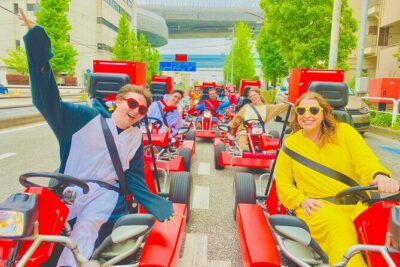 ★ 5.0Flagship 2-Hours Official Street Go-Kart Tour – Tokyo Bay ShopFrom $644,974 reviews
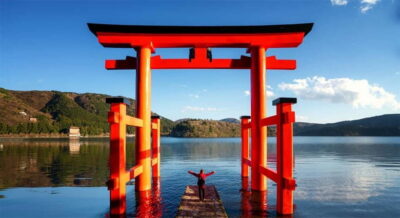 ★ 4.7Mt. Fuji Tour, Hakone Ropeway, Owakudani, Lake AshiFrom $544,002 reviews
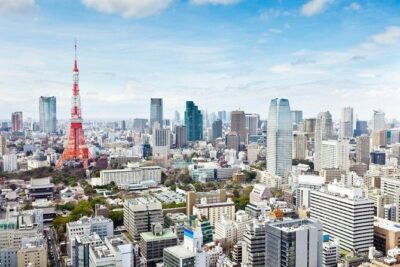 ★ 5.0Tokyo 6hr Private Tour with Government-Licensed GuideFrom $1553,902 reviews
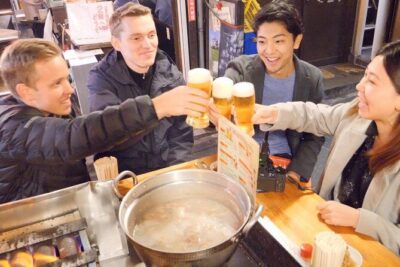 ★ 5.0Tokyo Bar Hopping Tour in Shinjuku (All-You-Can-Drink + Dinner)From $1063,587 reviews
 ★ 5.0Tokyo Tsukiji Fish Market Food and Culture Walking TourFrom $993,184 reviews
 ★ 4.9Shinjuku Food Tour (15 Dishes and 4 Eateries)From $852,033 reviews