
Reviewed · SHINJUKU BAR HOPPING
Sushi making experience in Shinjuku, Tokyo
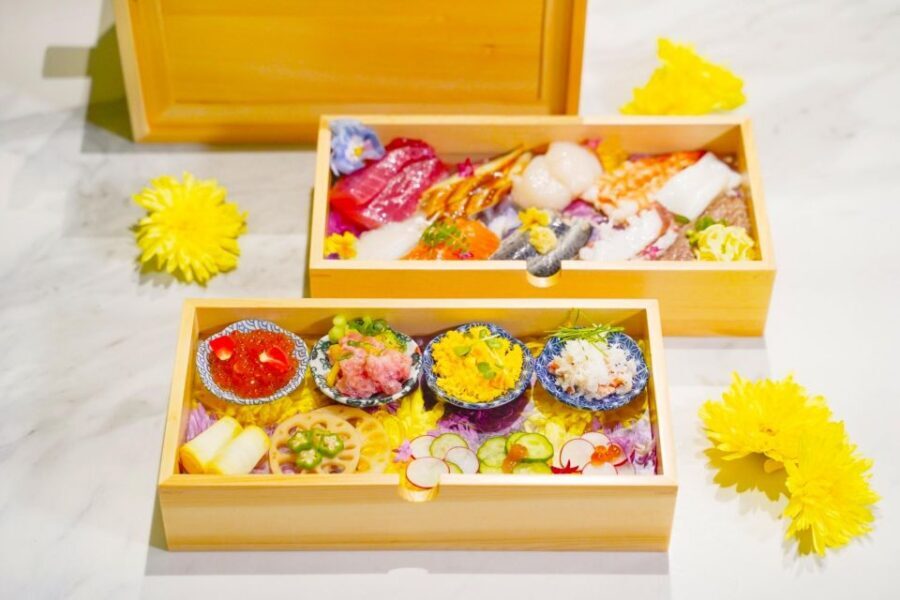
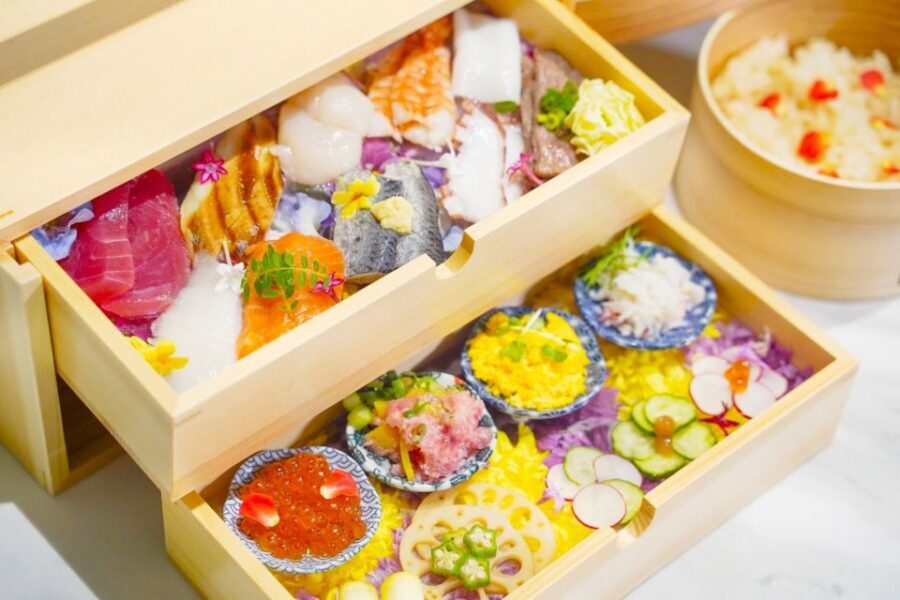
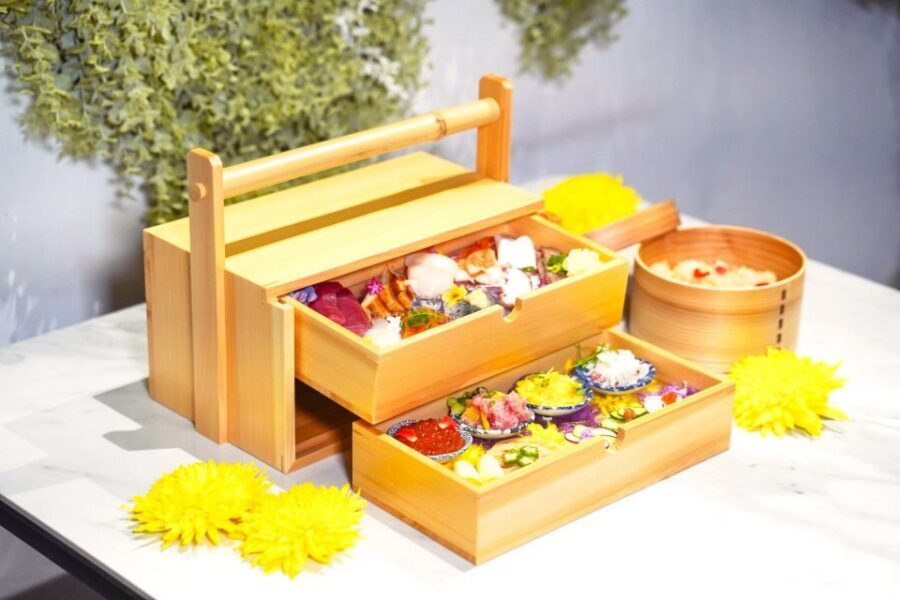
Sushi, but shaped like tiny balls. This temari sushi experience turns fresh sashimi and vinegared rice into cute, round bites, and you do the shaping yourself in a flower-packed café in Shinjuku. The format is simple enough for first-timers, but the results look special.
I especially liked two things: the photogenic edible flowers that make your sushi look like edible art, and how the instructions are built for beginners (wrap, fill, and shape). You spend your time making food you actually eat, not watching from the sidelines.
One thing to consider: it can feel more like a quick demonstration than a deep, step-by-step cooking class, and some staff members may have limited English. If you want lots of coaching, go in with realistic expectations.
In This Review
- Key Things To Know Before You Go
- Temari Sushi in Shinjuku: What You’re Really Making
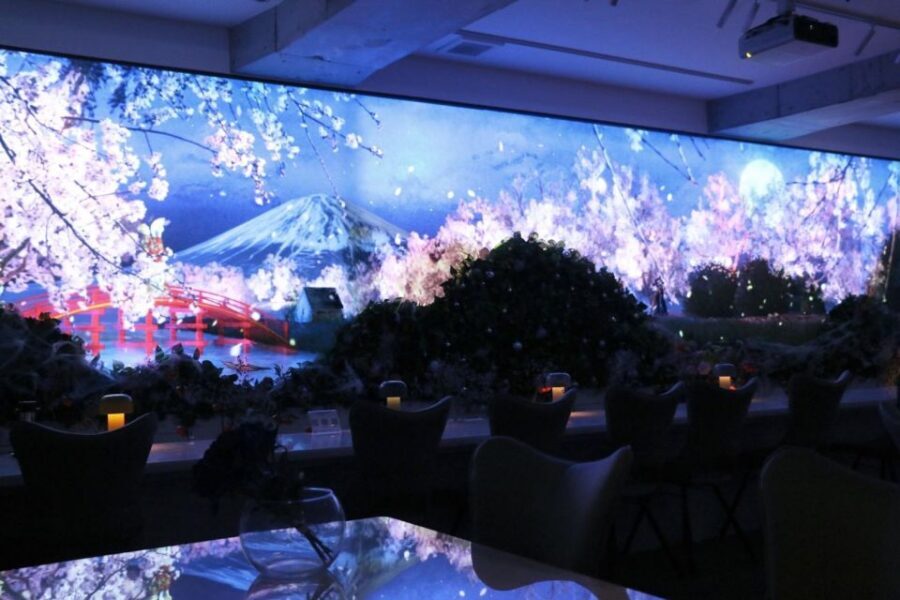
- Flower Wall Monet: The Setting That Makes the Food Feel Like Art
- The 90-Minute Flow: From Drink Order to First Bite
- The Technique: Wrap, Layer, Shape (Without Stress)
- Ingredients and Edible Flowers: Where the Photos Come From
- Price and Value: What $70 Buys You (And What It Doesn’t)
- Language Help: English Is There, But Not Guaranteed at Every Moment
- Alcohol Rules and ID: Small Detail, Big Reality
- Who This Is Perfect For (And Who Might Be Disappointed)
- Should You Book This Temari Sushi Experience?
- FAQ
- What is temari sushi?
- How long is the sushi making experience?
- How much does it cost?
- What’s included in the price?
- How many people are in a group?
- What languages are supported?
- Is alcohol served, and do I need ID?
Key Things To Know Before You Go
- Temari sushi, not rolls: You form bite-sized round sushi using gauze or plastic wrap.
- You control the look: Choose your fillings and make the balls the size that’s easiest to eat.
- Flower Wall Monet sets the mood: A basement café-bar next to H&M in Shinjuku, surrounded by flowers.
- Small group style: Limited to 8 participants, which helps you stay engaged.
- Staff support can be limited after demo: They show you once, then you build on your own.
Different nights, same neon: more Shinjuku crawls
- Tokyo: Shinjuku Food Tour (13 Dishes at 4 Local Eateries)★ 5.0 · 6,603 reviews
- Tokyo Bar Hopping Tour in Shinjuku (All-You-Can-Drink + Dinner)★ 5.0 · 3,587 reviews
- Tokyo: Shinjuku Food Tour (15 Dishes and 4 Eateries)★ 4.9 · 2,033 reviews
Temari Sushi in Shinjuku: What You’re Really Making
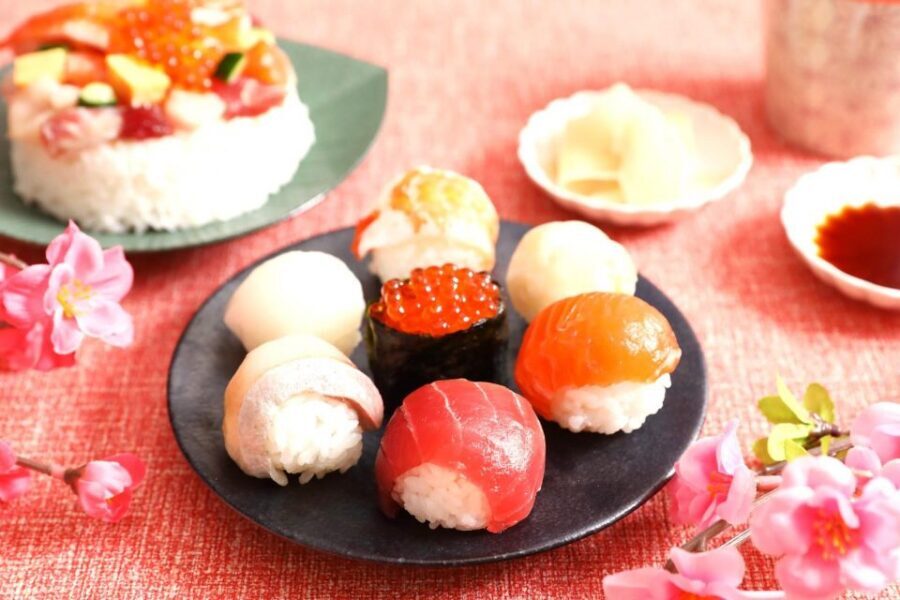
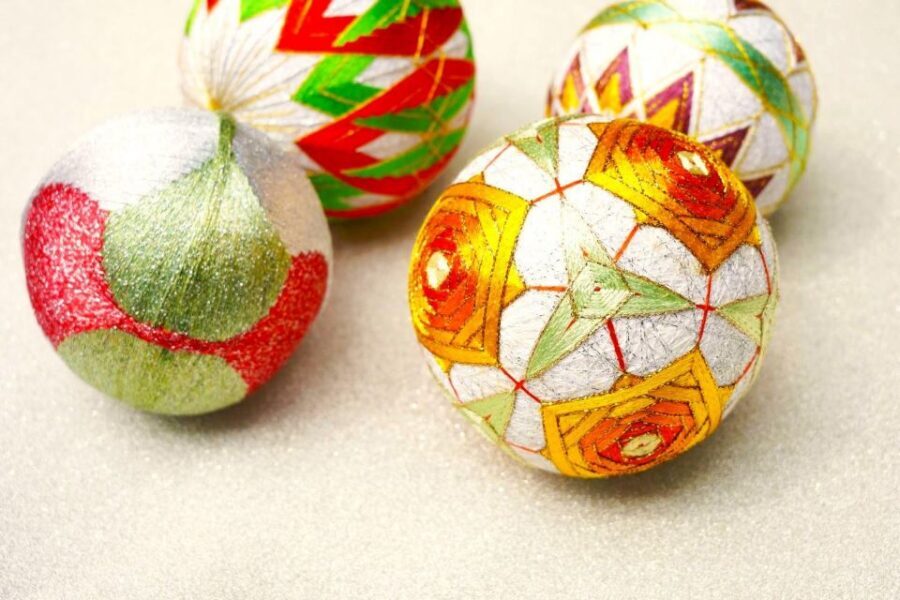
This is a sushi-making experience centered on Temari Sushi. Temari itself is an ancient Japanese toy, traditionally made by wrapping thread into a ball shape. In this class, that idea becomes food: you form bite-sized round sushi that you can pick up and eat without fighting a roll.
Instead of focusing on knife skills or perfect rice rolling, the main skill here is shaping and layering. You’ll use fresh sushi ingredients, vinegared sushi rice, and a wrapping method that helps the sushi hold its round shape. It’s designed for real-life eating, not just display.
If you’re the type who likes activities where you leave with something tangible, this fits. You’ll make a set of sushi, eat it, and you’ll probably come away with a few “wait, I made that?” moments.
Flower Wall Monet: The Setting That Makes the Food Feel Like Art
You meet at Flower Wall Monet, a lively café and bar. It’s on the basement floor of the building next to H&M in Shinjuku. When you arrive, you tell the staff you have a reservation for the Temari Sushi Experience, then you order your drink while they prep the table.
What matters for your experience: this place is built around visuals. The whole vibe is flowers plus sushi-making, which means your time at the table has a strong photo-and-fun factor. Even if you’re not a food photographer, it’s the kind of environment where you’ll feel like you’re doing something playful, not just “sitting in a class.”
One practical tip: because it’s in the basement and next to a major retail landmark (H&M), use that as your anchor in Shinjuku. It’s an easy landmark to orient yourself around before you head down.
The 90-Minute Flow: From Drink Order to First Bite
The experience runs about 90 minutes. You’ll want to treat it like a single, continuous cooking-and-eating session rather than a tour with big breaks. Once your sushi items are brought to the table, you begin.
Here’s the flow you should expect, in plain terms:
- Check in and order
You confirm your reservation and place your drink order. Your meal components get prepared for your group size.
- Watch a demonstration once
A staff member demonstrates how to assemble temari sushi. Not twice. Once. Then it’s your turn.
- Hands-on shaping at your pace
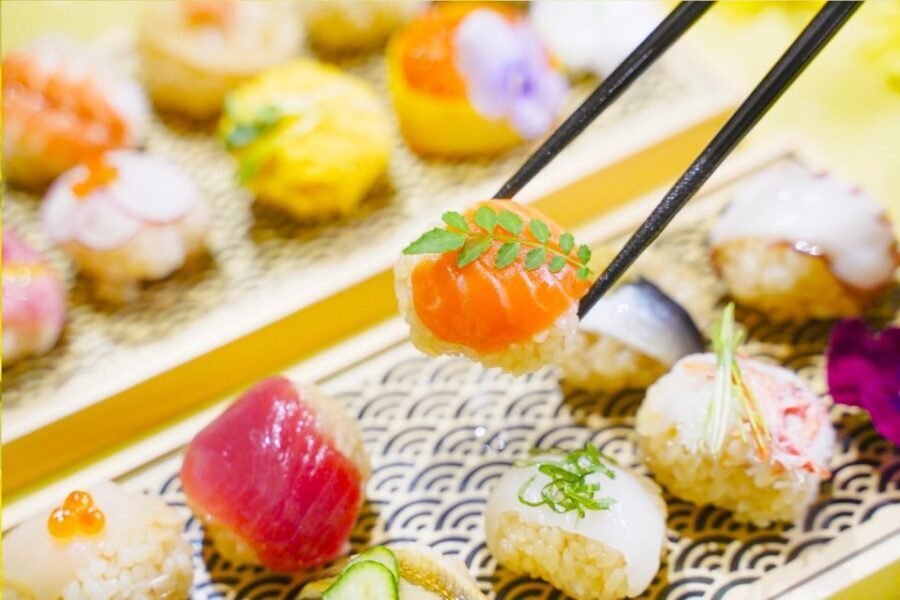
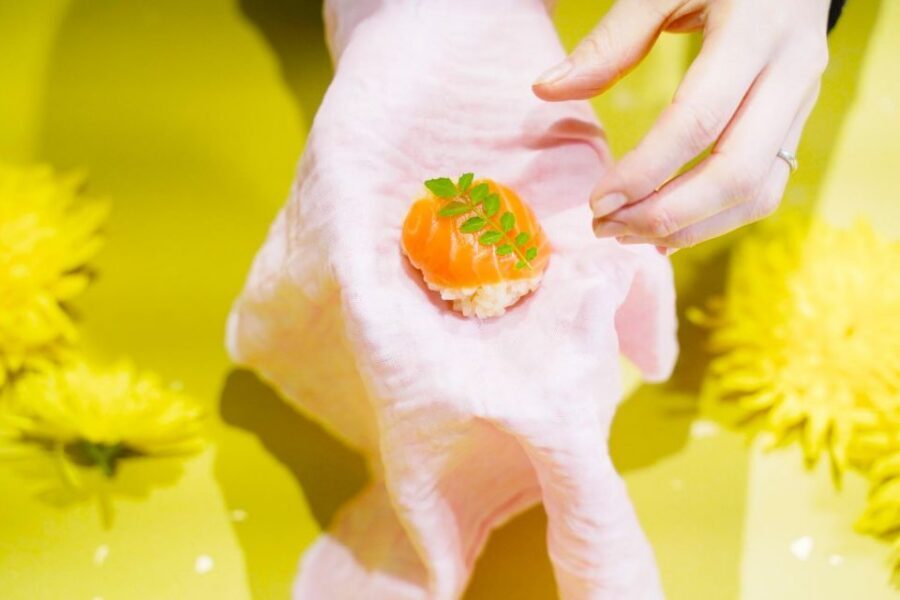
You assemble your own temari-zushi using gauze or plastic wrap on your palm. Then you layer the sashimi and vinegared rice, wrap it up, and it’s ready to eat.
- Keep the size practical
You’re encouraged to make the sushi a size that’s easy to eat. That’s a big deal—round food can look tiny or awkward depending on your choice. Better to size it for your mouth than for your Instagram.
- Eat and enjoy
You’ll eat what you make, and the experience ends after the full session.
After the demo, staff are not constantly hovering over your shoulder. That can be great if you like autonomy, but if you get stuck, you’ll need to ask or contact for help. Also, because some staff members are not fluent in English, you may rely on a translator device.
The Technique: Wrap, Layer, Shape (Without Stress)
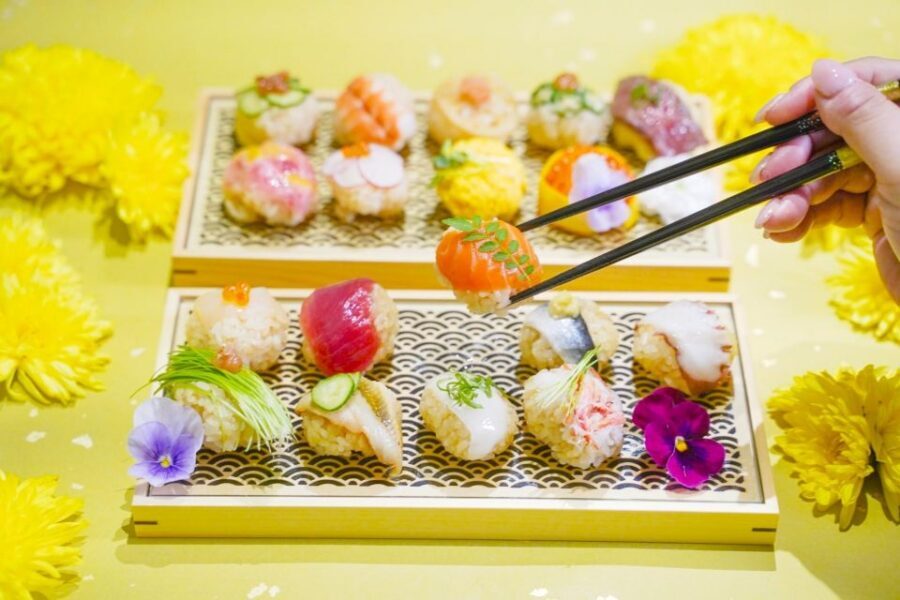
This is the part that makes the experience feel doable. The class uses a simple assembly method that reduces the guesswork.
You’ll start by placing a piece of gauze or plastic wrap on the palm of your hand. Then you add a layer of sashimi and top it with sushi rice. After that, you wrap it around into a ball shape.
The key advice is straightforward: make it the size that’s easy to eat. This isn’t just polite. If you go too large, it becomes messy. Too small, and it falls apart or feels underwhelming. The instruction nudges you toward the “just right” zone quickly.
For your first attempt, I’d focus on two things:
- Keep your assembly neat so the wrap does its job.
- Don’t overthink the shape. The round form comes from the wrapping and your hand pressure, not from fancy technique.
If you’re coming with a group, this method also makes it easier to get everyone participating. There’s no complicated choreography—just follow the layering order and wrap into a ball.





Ingredients and Edible Flowers: Where the Photos Come From
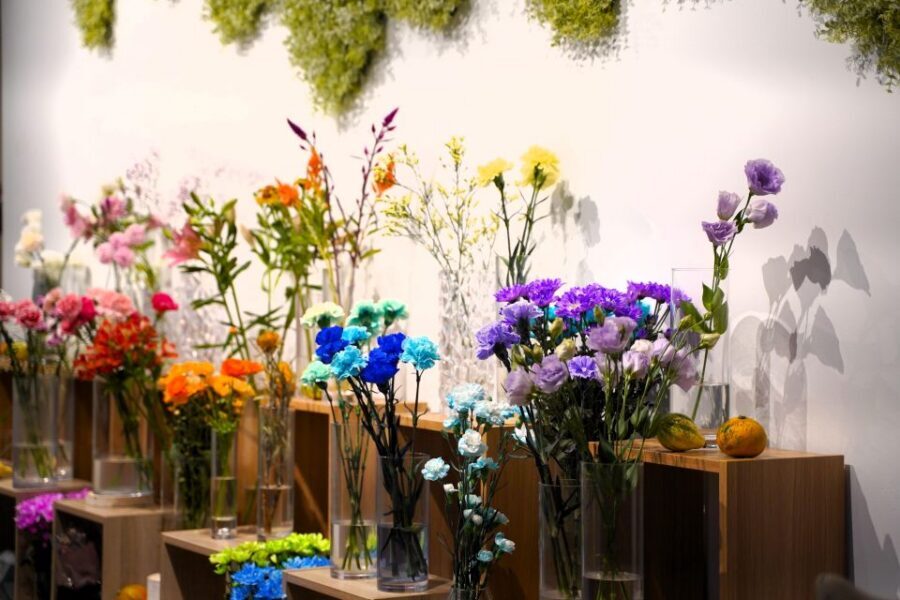
You’ll be working with fresh sushi ingredients and vinegared rice. A standout theme of this experience is making temari sushi with photogenic edible flowers. That combination matters because it changes what you’re doing from “make sushi” to “make a tiny edible art piece.”
Even if you’re not a sushi expert, edible flowers give you a visual reward fast. You’ll see how the garnish transforms the final look, and it’s one of the few times you’ll likely eat something you placed with intention, like decorating a dish but still keeping it food-first.
One thing to keep in mind: edible flowers are part of the presentation, not the entire dish. The rice and sashimi are still the main components. So you’ll still get the real sushi flavor, not just a garnish moment.
Price and Value: What $70 Buys You (And What It Doesn’t)
At about $70 per person for 90 minutes, this is a mid-range priced activity. Here’s where the value comes from:
- Food expenses are included.
- You get 1 drink and 1 sweets.
- Alcohol can be available, but it depends on your order and age rules.
This pricing structure is common for hands-on experiences in Tokyo: you’re paying for ingredients, a guided setup, a small group format (limited to 8), and a place that provides the atmosphere.
Now for the part you should weigh carefully: the experience may not be a long, instructor-led lesson. The demonstration is done once, and then you assemble on your own with limited ongoing instruction. That can feel fine if you like learning by doing. But if you want a deep dive into techniques, this may not match that expectation.
In other words, you’re buying the experience of making and eating temari sushi in a flower café—not a full, slow-paced sushi school.
Also note: this activity is not covered by insurance, so treat it like any food activity where you’re responsible for your own comfort and safety.
Language Help: English Is There, But Not Guaranteed at Every Moment
The host or greeter supports English, Japanese, and Chinese. That’s a strong start. Still, the details mention that some staff members may not be great with English, and a translator machine may be used.
So here’s your best strategy:
- Watch the demonstration closely the first time.
- If you’re unsure, ask right away before you move on to your own assembly.
- Point at what you need if language gets tricky. The process is visual, and it helps.
This matters because the class isn’t designed to pause for long explanations. It’s meant to keep momentum so you finish your temari sushi and enjoy eating it within the 90-minute time.
Alcohol Rules and ID: Small Detail, Big Reality
Your drink is included, and alcohol is available. But there’s a clear rule: drinking alcohol for anyone under 20 is prohibited by law, so you should bring ID.
If you’re a responsible adult traveler, this is easy to handle. If you’re traveling as a mixed-age group, plan ahead so someone doesn’t get surprised at check-in or during ordering. It’s one of those Japan-in-practice rules that’s simple, but not optional.
Also, the listing specifies bottles of wine or champagne are not included. So if you’re imagining a fancy pairing, you’ll likely need to pay extra for that.
Who This Is Perfect For (And Who Might Be Disappointed)
This experience is a great fit if you want:
- A fun, beginner-friendly food activity without complicated skills.
- A session where you actively assemble and eat what you make.
- A cute setting in Shinjuku where your sushi looks good.
It’s especially good for couples and small groups who like hands-on travel. The small group size (up to 8) also helps keep the experience from feeling like a conveyor belt.
You might consider skipping or adjusting your expectations if:
- You’re hunting for a detailed, instructor-heavy sushi class with lots of ongoing coaching.
- You’re very sensitive to limited English support after the initial demo.
In short: this is hands-on fun with a quick demo. Not a long lecture.
Should You Book This Temari Sushi Experience?
I’d book it if you want a light, rewarding activity in Shinjuku that blends flowers, art, and sushi in a way that feels different from a standard sushi dinner. The round temari format is easy to grasp, and you get the satisfaction of making something pretty that you also get to eat.
I’d think twice if your top priority is deep instruction or lots of time with an expert explaining every technique. The experience is built around demonstration, then doing it yourself.
If you’re flexible and you like learning by making, this is a strong choice for a 90-minute block in Shinjuku—especially because you’re not just tasting. You’re creating.
FAQ
What is temari sushi?
Temari sushi is sushi shaped into cute, bite-sized round forms. The concept is based on temari, an ancient Japanese toy, and this version uses sashimi and vinegared sushi rice.
How long is the sushi making experience?
The experience lasts about 90 minutes.
How much does it cost?
The price is $70 per person.
What’s included in the price?
Food expenses are included, along with 1 drink and 1 sweets. Alcohol may be available, but bottles of wine or champagne are not included.
How many people are in a group?
It’s a small group limited to 8 participants.
What languages are supported?
Host or greeter support includes English, Japanese, and Chinese, and some staff may use a translator machine.
Is alcohol served, and do I need ID?
Alcohol can be available with your drink order, but drinking alcohol for those under 20 is prohibited by law, so you should bring ID.
More Tour Reviews in Tokyo



Shinjuku After Hours: The Other Crawls



Fresh reviews from around Tokyo






Shinjuku Bar Hopping, compared.
 ★ 5.0Shinjuku Food Tour (13 Dishes at 4 Local Eateries)From $866,603 reviews
 ★ 5.0Tokyo Bar Hopping Tour in Shinjuku (All-You-Can-Drink + Dinner)From $1063,587 reviews
 ★ 4.9Shinjuku Food Tour (15 Dishes and 4 Eateries)From $852,033 reviews
 ★ 4.9Shinjuku Local Bar and Izakaya Guided Walking TourFrom $341,794 reviews
 ★ 5.0Tokyo Shinjuku Chopsticks Making ClassFrom $201,763 reviews
 ★ 5.0Tokyo Shinjuku Sumo Show & Experience with PhotoFrom $791,750 reviews
 ★ 5.0Tokyo Night Foodie Tour in Shinjuku – Seasonal Sushi, Wagyu BeefFrom $1111,161 reviews
 ★ 4.8Sumo Show and Experience in ShinjukuFrom $691,001 reviews
Browse the lists this tour appears in