
Reviewed · TOURS
Small-Group Architecture Tour in Ginza, Tokyo
Ginza hides stories in plain sight. This small-group architecture tour turns the famous shopping streets into a walk-through lesson on design choices, Shogun-era influences, and how natural disasters shaped what gets built. I love the photo stops that let you actually see details, not just glide past them. I also love how guides like Hal (and architect-planner Taka) explain the thinking behind each landmark in plain, practical language.
One thing to keep in mind: you’ll do a steady city walk and spend time standing to look, so comfy shoes matter. The route is built for a small group (max 6) and a moderate pace, but it’s still Tokyo streets—so plan for weather and a bit of leg work.
In This Review
- Key Things I’d Circle Before You Go
- Ginza’s Buildings Aren’t Just Fancy Shopping Facades
- Small-Group Pacing With Photo Pauses (Not a Car Tour Energy)
- Where You Start Near Tsukiji and Finish by Mitsukoshi
- Stop-by-Stop: What Each Place Teaches You About Design
- Ginza Streets First: Get Your Bearings
- Tsukiji Hongwanji Temple Interior: Calm Meets City Scale
- Kabukiza Theater: Built for Performance (And for Crowd Flow)
- Nicolas G. Hayek Center: Design Culture in a Glassy Setting
- Toyoiwa Inari Shrine: A Quick Traditional Pause
- Ginza Maison Hermes Le Forum: Luxury Architecture You Can Actually Inspect
- Mikimoto Boutique Ginza 2-chome: If Time Allows, Worth the Extra Look
- UNIQLO Tokyo: A Practical Contrast Outside
- Mikimoto Ginza 4-chome Honten: Another Exterior Worth Slowing For
- Wako Ginza: A Street-Level Icon With Big Design Presence
- Okuno Building: A Final Interior for Perspective
- The Shogun-Era and Disaster Connection You’ll Actually Use
- Included Comfort: Drinks Pause and a Local Guide
- Price and Value: Why $84.70 Can Make Sense
- Who This Ginza Architecture Tour Is Best For
- Should You Book This Tour?
- FAQ
- How long is the Ginza architecture tour?
- What is the group size?
- Where do I meet the tour?
- Where does the tour end?
- Does the tour include hotel pickup?
- Are entrance fees included for the places you go inside?
- Is the ticket mobile?
- What if the weather is bad, or I need to cancel?
Key Things I’d Circle Before You Go
- Max 6 people means you get real back-and-forth questions, not a lecture from a distance
- Photo-first pacing with frequent pauses, so you catch proportions, materials, and signage details
- Inside access at multiple stops, including a major theater and a design-focused museum space
- A guide who ties eras together, using Shogun-era patterns and disaster-driven lessons to read buildings better
- Ginza + non-Ginza contrasts, from a temple interior to brand flagship architecture and traditional shrine touches
Before you commit, see how this one stacks up against a few Tokyo favourites:
- Mt Fuji and Hakone 1-Day Bus Tour Return by Bullet Train★ 5.0 · 26,383 reviews
- 1-Day Tokyo Bus Tour★ 5.0 · 14,250 reviews
- Tokyo: teamLab Planets TOKYO Digital Art Museum Entry Ticket★ 4.6 · 9,779 reviews
Ginza’s Buildings Aren’t Just Fancy Shopping Facades
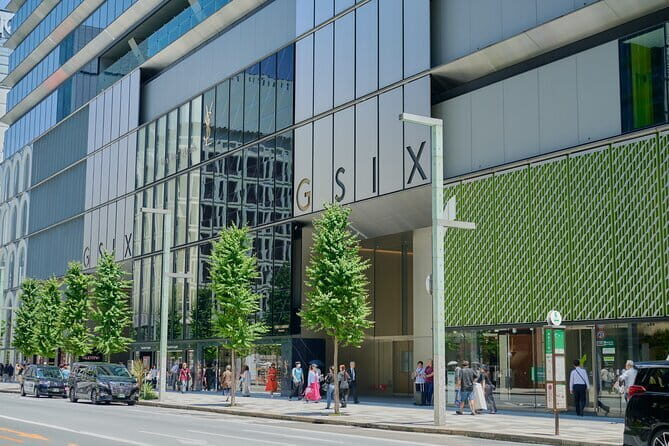
Ginza is the part of Tokyo you already picture: bright storefronts, polished stone, and the kind of landmarks that look designed for postcards. This tour adds something important: it teaches you how to read the architecture instead of just admiring the shopping. That means you’ll look at why a building feels the way it does—scale, materials, layout, and what a site is trying to communicate.
What makes this experience especially interesting is the way the guide connects the dots between older influences and the very modern city around you. You’ll hear how Shogun-era building traditions and natural disaster lessons affected architectural style and planning. You don’t need a construction degree to follow it. The explanations are built around what you can see while you walk: how structures handle space, how streets frame buildings, and how design choices show up as you move from stop to stop.
I also like the balance of what’s included. You’re not only hunting “pretty exteriors.” You get moments of culture and craft in between the luxury and retail architecture, which keeps the tour from turning into a brand parade.
Small-Group Pacing With Photo Pauses (Not a Car Tour Energy)
This is a walking tour with a focus on stopping. That matters more than you’d think. When you’re in a vehicle, you see motion. On foot, you notice spacing—where an entrance sits, how a facade transitions, and what details repeat at different heights.
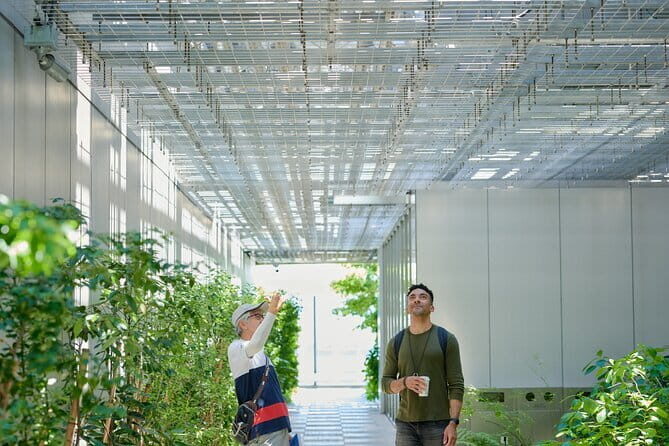
The group size is capped at 6, so the guide can actually adjust. If you want more time on a cornice, sculpture, or interior feature, you’re more likely to get it. That’s a big deal in Ginza, where many buildings are visually busy. You need time to slow down and process.
Physically, you’ll be on your feet. The route includes about 40 minutes of walking total between sites, and the rest is mostly time spent inside or standing to look. If you have moderate walking comfort and you’re okay with indoor staircases or crowds, you should be fine. Bring shoes you trust.
And yes, it’s Tokyo. So the small-group format still benefits from practical thinking: keep water handy, and dress for the day you’re going. The experience requires good weather, so if conditions are poor, the operator will offer an alternate date or a full refund.
Where You Start Near Tsukiji and Finish by Mitsukoshi
You’ll begin at a meeting point near Tsukiji Station, by Exit 1 (Tsukiji, Chuo City, 104-0045). Start time is 10:00 am, so give yourself enough buffer to get there without stress.
The tour ends at Ginza 4-chome, near the Mitsukoshi department store intersection. That drop-off is convenient because you can keep exploring immediately after—restaurants, transit, and more architecture are all nearby.
Two practical notes that help on this kind of walk:
- You don’t get hotel pickup/drop-off, so plan on getting yourself to Tsukiji.
- You’ll use a mobile ticket, which is usually simple: have it ready on your phone and you’re set.
Stop-by-Stop: What Each Place Teaches You About Design
The heart of this tour is the sequence. Each location adds a different “lens” for how buildings in Ginza function—some explain tradition, some focus on performance spaces, and some highlight modern design culture.





Ginza Streets First: Get Your Bearings
You start with time in Ginza itself, including 40 minutes of walking between sites. This early segment is more than sightseeing time. It helps you learn the area’s rhythm: how pedestrians move, how entrances are staged, and how the street makes the architecture easier—or harder—to read.
You’ll also get guide prompts to look beyond the obvious. Ginza’s fame comes from commercial landmarks, but the tour pushes you to notice the smaller structure choices too: how storefront scale changes block-to-block and how building edges guide your eye. It’s a smart warm-up, especially if you don’t spend much time in Ginza beyond shopping.
One extra bonus mentioned by people who’ve taken the tour: a major shopping landmark like the Tiffany building area can be part of what you focus on during this opening Ginza segment. If that matters to you, this format is the reason—slow walking gives you time to actually look.
Tsukiji Hongwanji Temple Interior: Calm Meets City Scale
Next you head to Tsukiji Hongwanji Temple. You go inside, which is where the contrast gets interesting. Ginza can feel ultra-polished outside. Inside a temple space, you’ll notice how architecture supports stillness: natural light, layout, and the way people move through sacred space.
This stop is brief—about 10 minutes—but it’s strategically placed. It gives you a cultural baseline before you shift into theaters and design-centered buildings.
Kabukiza Theater: Built for Performance (And for Crowd Flow)
Then it’s Kabukiza Theater, where you go inside for about 20 minutes. A theater is a great architecture teacher because it’s designed around movement: entrances, sightlines, and how the building handles groups.
Even if you don’t catch a show, you can still learn something useful here: how architecture frames spectacle. It’s also a reminder that Ginza isn’t only about retail. It’s a cultural district too.
Nicolas G. Hayek Center: Design Culture in a Glassy Setting
After Kabukiza, you visit the Nicolas G. Hayek Center (around 15 minutes inside). This stop leans into modern design thinking. You’ll get to experience the space rather than just look at it from outside.
If you enjoy how design and storytelling work together, this is often a standout. People especially like this center because it connects architecture to objects, systems, and the brand/design world around Ginza.
Toyoiwa Inari Shrine: A Quick Traditional Pause
You’ll stop at Toyoiwa Inari Shrine for about 5 minutes. It’s short, but I like that the tour doesn’t flatten everything into a modern-shopping-only narrative. A shrine stop gives you a small-scale shift: quieter space, different building language, and a more traditional rhythm of looking.
Because it’s brief, go in with a clear goal: notice the shrine setting and how it sits within the city around it.
Ginza Maison Hermes Le Forum: Luxury Architecture You Can Actually Inspect
Next up is Ginza Maison Hermes Le Forum, with about 15 minutes inside. This is where Ginza’s signature comes through: premium materials, careful branding, and architecture that’s meant to feel like part of a lifestyle.
The value here is not the brand itself. It’s the chance to compare styles across different eras and audiences. You’ll be thinking like a reader now—what the building emphasizes, how the entry experience is staged, and what “sense of space” the design creates.
Mikimoto Boutique Ginza 2-chome: If Time Allows, Worth the Extra Look
You may also visit Mikimoto Boutique Ginza 2-chome for about 5 minutes if there’s time. This is a quick stop, so don’t expect a long hang. But in a tour like this, even a short interior look can help you understand Ginza’s “texture”—how different luxury brands treat space, light, and display.
If time is tight, you still get the overall architecture story. This is more of an add-on than the backbone.
UNIQLO Tokyo: A Practical Contrast Outside
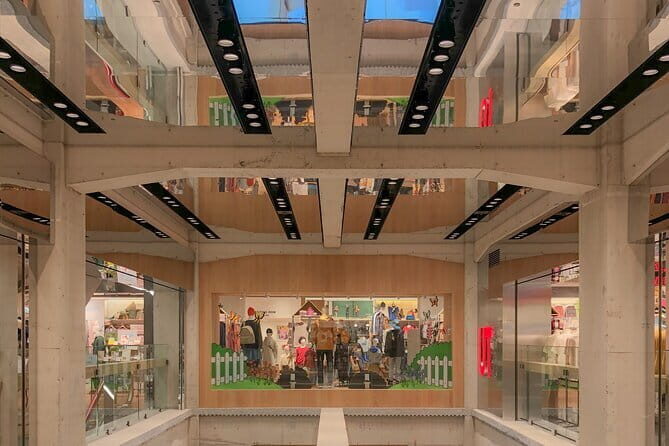
Then you shift to the outside view at UNIQLO Tokyo (about 10 minutes). It’s interesting because it’s a totally different kind of retail architecture. From outside, you can compare how the building communicates: signage, layout, and how the facade relates to the street.
This contrast helps the tour feel grounded. Ginza’s identity is tied to luxury, but everyday retail is part of the architectural ecosystem too.
Mikimoto Ginza 4-chome Honten: Another Exterior Worth Slowing For
You’ll spend about 5 minutes outside at Mikimoto Ginza 4-chome Honten. Exterior views are quick, so treat them like “structure snapshots.” Look for transitions—how the building changes at different levels—and how it frames street-level movement.
Even short stops can be meaningful when you have a guide nudging your attention to specific details.
Wako Ginza: A Street-Level Icon With Big Design Presence
Another exterior view is Wako Ginza (about 10 minutes). Wako is the kind of landmark that reads instantly from across the street, but the tour angle is about design logic. In a slow, guided walk, you can notice how a prominent facade stays readable in a district full of competing visuals.
If you like architecture that’s made to be seen from multiple angles, this is a nice moment.
Okuno Building: A Final Interior for Perspective
Your last stop is Okuno Building, inside for about 10 minutes. Ending with an interior is a good move. By the time you reach the final building, your brain is already trained to look at how space is handled—how entrances behave, how light lands, and how a building “holds” people.
It’s a strong way to finish: you’re not just tired from walking; you’re ready to compare what you’ve learned across very different building types.
The Shogun-Era and Disaster Connection You’ll Actually Use
The tour’s approach to history isn’t about dumping facts. It’s about giving you a toolkit for noticing patterns. When the guide talks about Shogun-era influences and natural disasters, the goal is to understand that architecture doesn’t evolve in a vacuum.
Here’s the practical takeaway I like: you’ll start noticing why certain forms feel stable, why certain street layouts encourage flow, and how design choices respond to risk over time. You might not see a single building that screams a single event, but the themes connect.
This is one reason the walking format helps. As you move from temple to theater to design centers to brand spaces, the architecture “conversation” becomes clearer. You stop thinking in separate categories and start seeing the shared logic in how Tokyo builds and rebuilds.
Included Comfort: Drinks Pause and a Local Guide
The tour includes a cozy pause with drinks along the way. That’s not a small detail. Ginza walking can get sharp on your feet and on your patience if you’re trying to keep up. A built-in break keeps the tone relaxed and lets you process what you just saw.
You also get a local licensed tour guide. This matters because Ginza is visually loud. A good guide helps you pick what to notice—and helps you connect the architecture to how people actually experience it.
Price and Value: Why $84.70 Can Make Sense
At $84.70 per person for roughly 3 hours 30 minutes, this isn’t a “cheap and cheerful” add-on. But it does line up with what you’re getting: a small group (max 6), a licensed guide, multiple interior entries, and a drinks pause.
Another value point: the sites listed for entry show admission tickets are free for the stops in the itinerary. That removes a common travel annoyance—surprise fees.
Where the price really earns its keep is the structure. You’re not only visiting buildings; you’re learning how to look at them. If you enjoy architecture, city design, and cultural spaces, this is a efficient way to spend a half day in Ginza without getting lost in a brand-only route.
Who This Ginza Architecture Tour Is Best For
This tour fits best if:
- You want to see Ginza architecture in multiple modes, not just exteriors from the sidewalk
- You like guided explanations about how buildings relate to older influences and city conditions
- You enjoy a small-group pace where questions are welcome
- You’re okay with moderate walking and standing
It may be less ideal if your main goal is high-speed shopping. This is a slow-looking experience. You will stop. You will compare. You will read.
It’s also a good match for first-time visitors who feel overwhelmed by Tokyo districts. Ginza is famous, but it can also be confusing. The guided route helps you learn the area’s structure fast.
Should You Book This Tour?
I’d book it if you want Ginza to feel like a real architectural district, not just a shopping zone. The biggest reasons are simple: small group size, frequent photo stops, and multiple interior visits with a guide who connects what you see to how Tokyo’s architecture was shaped.
If you’re short on time, this also works because the walking portion is modest for the length of the tour. And because you finish in central Ginza near Mitsukoshi, you can keep going right afterward.
My one caution: go only when the weather looks good. The experience requires good weather, and that’s exactly when the photo-and-walk rhythm makes the most sense.
FAQ
How long is the Ginza architecture tour?
It runs for about 3 hours 30 minutes.
What is the group size?
The tour is limited to a maximum of 6 travelers.
Where do I meet the tour?
You meet near Tsukiji Station, 3-chome, around Exit 1 (Tsukiji, Chuo City, 104-0045).
Where does the tour end?
It finishes at the Ginza 4-chome intersection, in front of Mitsukoshi department store.
Does the tour include hotel pickup?
No. Hotel pickup and drop-off are not included.
Are entrance fees included for the places you go inside?
Yes. The tour lists admission as free for the sites included in the experience.
Is the ticket mobile?
Yes, the tour uses a mobile ticket.
What if the weather is bad, or I need to cancel?
The experience requires good weather. If it’s canceled due to poor weather, you’ll be offered a different date or a full refund. You can cancel for a full refund up to 24 hours before the experience starts.
More Tours in Tokyo


More Tour Reviews in Tokyo



Fresh reviews from around Tokyo






Tours, compared.
 ★ 5.0Shinjuku Food Tour (13 Dishes at 4 Local Eateries)From $866,603 reviews
 ★ 4.4Tokyo Mt Fuji 5th St & Hakone Cruise Bus Tour w/Bullet TrainFrom $1545,024 reviews
 ★ 5.0Flagship 2-Hours Official Street Go-Kart Tour – Tokyo Bay ShopFrom $644,974 reviews
 ★ 4.7Mt. Fuji Tour, Hakone Ropeway, Owakudani, Lake AshiFrom $544,002 reviews
 ★ 5.0Tokyo 6hr Private Tour with Government-Licensed GuideFrom $1553,902 reviews
 ★ 5.0Tokyo Bar Hopping Tour in Shinjuku (All-You-Can-Drink + Dinner)From $1063,587 reviews
 ★ 5.0Tokyo Tsukiji Fish Market Food and Culture Walking TourFrom $993,184 reviews
 ★ 4.9Shinjuku Food Tour (15 Dishes and 4 Eateries)From $852,033 reviews