
Reviewed · TEA CEREMONY EXPERIENCES
Sencha-do the Japanese Tea Ceremony Workshop
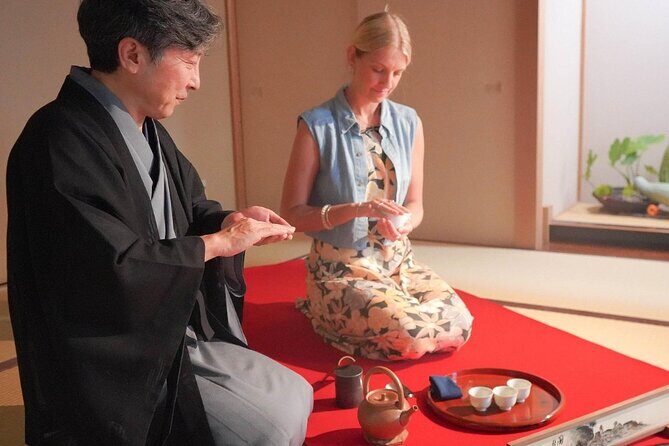
A calm tea lesson with real hands-on time. This Sencha-do workshop in Kawasaki is interesting because it breaks the usual rule of most tea classes: you actually handle the utensils and brew the tea yourself, not just watch. You’ll learn sencha-do as it should be learned in the Higashi Abe school style, where green tea leaves are infused carefully instead of using powdered matcha.
Two things I especially like. First, the class starts with observation, so you understand the tone and pace before you take over. Second, you get Japanese sweets alongside the tea, which makes it easier to notice how your brewing changes the taste. One possible drawback: there’s no private transportation included, so you’ll want to plan your own way to the Saiwai Ward meeting point and build in a little time to find it.
In This Review
- Key things to know before you go
- Sencha-do vs matcha: what you’re really learning
- Your 90-minute flow in Kawasaki: watch, then make tea
- What makes the workshop feel authentic (and not like a demo)
- Utensils in your hands: the practical sencha technique
- Tea and sweets: how to notice the difference in your cup
- Price and value: is $65.69 a fair deal?
- Getting there in Saiwai Ward without stress
- Who should book this tea ceremony workshop
- Should you book Sencha-do in Kawasaki?
- FAQ
- How long is the Sencha-do Japanese Tea Ceremony Workshop?
- Is this tea ceremony matcha-based?
- Will I be able to use tea utensils myself?
- What’s included in the price?
- What’s the group size like?
- Where does the workshop meet, and how does it end?
- Is it close to public transportation?
- Are service animals allowed?
- What happens if the experience is canceled or you need to cancel?
Key things to know before you go
- Sencha-do uses infused leaves, not matcha so the flavors are brewed, not whisked.
- You brew the tea yourself after an initial viewing, including using utensils.
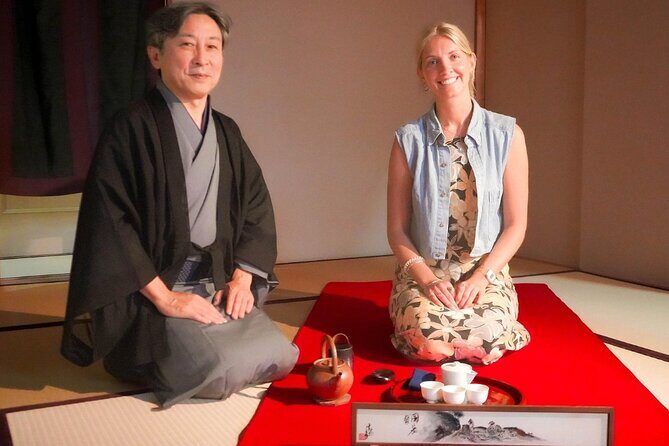
- Small group size with a maximum of 4 travelers, so questions are easier to answer.
- Japanese sweets are included to pair with what you’re learning.
- A master-teacher approach from the Higashi Abe school, described as patient and careful in past sessions.
- Pictures are welcome so you can capture the process without feeling rushed.
Before you commit, see how this one stacks up against a few Kawasaki favourites:
- Tokyo: Authentic Sumo Wrestling Experience with Lunch★ 4.9 · 88 reviews
- Sencha-do the Japanese Tea Ceremony Workshop★ 5.0 · 21 reviews
Sencha-do vs matcha: what you’re really learning
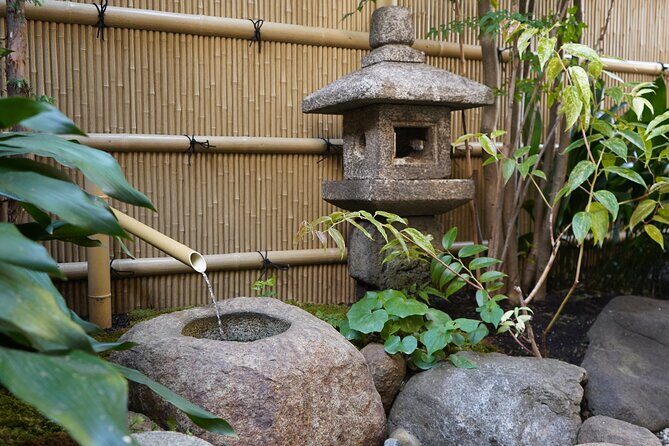
Most tea ceremony memories people carry are about matcha: bright green powder, whisked foam, and that slightly sweet ritual feel. Sencha-do is a different lane. Here, the focus is on steeping tea leaves and learning how small actions affect the cup.
In sencha-do, the tea is brewed by infusing carefully brewed leaves, which means your attention shifts from whisking technique to timing, heat, and pour control. That’s why this workshop feels more like learning a craft than copying a performance.
I also like that the format respects learning order. You watch the ceremony first, then you practice. That matters because brewing mistakes are easier to correct when you’ve already seen what good looks like.
Your 90-minute flow in Kawasaki: watch, then make tea
The total time is about 1 hour 30 minutes, and the structure is simple. You start by observing a full ceremony moment, which sets the atmosphere and teaches what comes next.
Then you move into the hands-on part. You’ll be guided through the process of brewing tea using the tools, so you can feel how the technique works with your own hands. The point isn’t just to make a cup; it’s to learn how to follow a sequence without rushing.
Finally, you get to enjoy what you made—often with a chance to compare notes with others. That comparison is a big deal in a small class because it’s a practical way to learn. If your friend’s cup tastes different, it pushes you to notice what differed in your technique.
What makes the workshop feel authentic (and not like a demo)
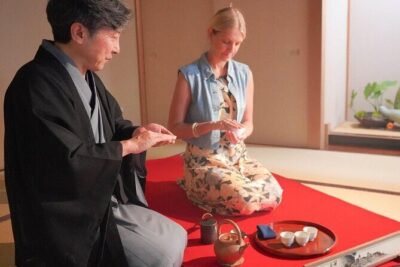
This isn’t a sit-and-listen class where the instructor does everything. The teaching approach is designed around participation. In most workshops, you’re not allowed to touch utensils, but here you can.
That changes the whole experience. Your brain learns faster when you do the steps yourself: picking up the right tool, handling it with care, and following the rhythm of the ceremony. When the instructor pauses to adjust your technique, it lands immediately.
The school is from the Higashi Abe line, and the teaching style is described as gentle and careful. In past sessions, the instructor was referred to as Kyo, and the vibe came across as patient and respectful of tradition. If you’re the type who likes calm instruction (and not a loud group activity), that’s a good sign.
Utensils in your hands: the practical sencha technique
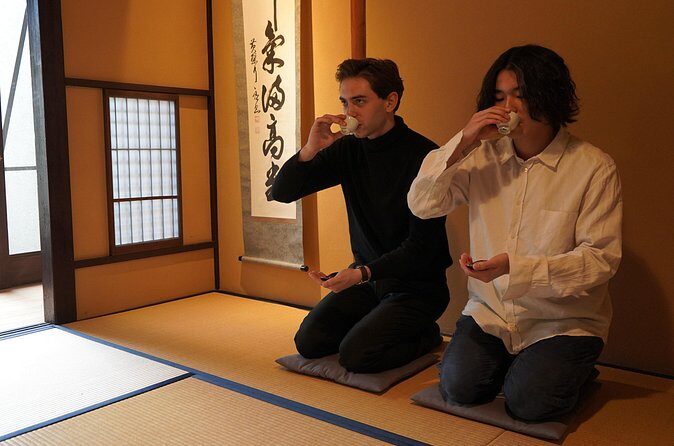
Your hands-on time is the centerpiece. You’ll use utensils during the brewing process, which is exactly where you start understanding sencha-do as a technique.
What you should expect to practice:
- Handling and using the tea utensils during brewing
- Following the sequence that the instructor models during the observation portion
- Adjusting how you pour and handle items as you brew
Even if your first cup isn’t perfect, that’s part of the learning. Sencha is sensitive to technique. So the workshop gives you a controlled environment where you can improve quickly, without feeling like you’re doing something wrong in public.
Also, you’re welcome to take as many pictures as you like. That can help you remember the steps later, especially if you want to recreate a simplified version at home.
Tea and sweets: how to notice the difference in your cup
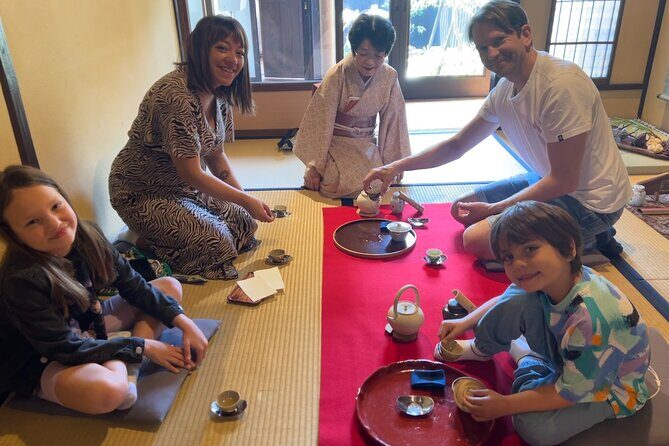
You get green tea and Japanese sweets included. That pairing turns the tasting into something more than a quick sip.
I like that sweets are served because they create an easy baseline for taste. You can pay attention to how the tea sits alongside sweetness, and you can notice how your own brewing affects flavor intensity.
Sencha-do isn’t just about making tea. It’s about learning how brewing changes:
- Aroma and freshness in the cup
- Bitterness vs smoothness
- How the tea feels after the sweets
One more useful habit: compare your tea with others in your small group. In a group of up to four, you can actually remember who brewed which cup and what you noticed. That turns the lesson into something you can take home as a skill, not just a memory.
Price and value: is $65.69 a fair deal?
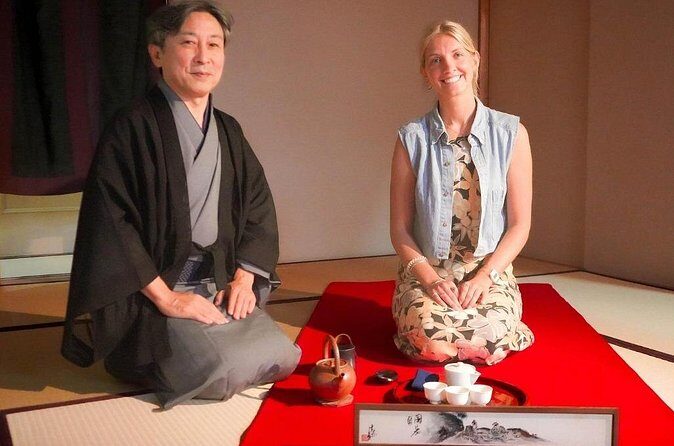
At $65.69 per person, you’re paying for a short, guided, hands-on class with a tradition specialist. For a lot of workshops, the price buys you watching, not doing. Here, you can touch utensils and brew the tea yourself, which is a strong value indicator.
You’re also not paying for a big, crowded experience. With a maximum of 4 travelers, you’re more likely to get real coaching instead of getting swept along. That matters if you’re new to tea ceremonies and you want corrections.
And because it’s only about 1.5 hours, you’re not stuck half a day. If you’re sightseeing around Kawasaki or you’re using this as a cultural stop between bigger plans, the time fit is genuinely convenient.
If your budget is tight, do compare this to other Japanese tea classes you might find. The deciding factor for value here is the hands-on utensil time plus the included tea and sweets.
Getting there in Saiwai Ward without stress
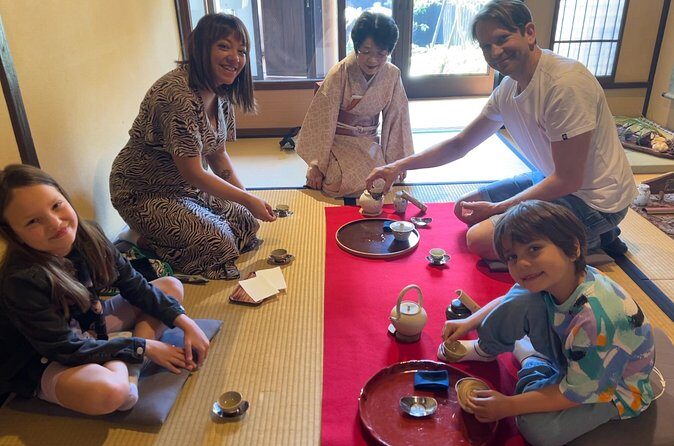
Your meeting point is at the general foundation building for 煎茶道東阿部流 (1-chōme-7-2 Totehonmachi, Saiwai Ward, Kawasaki, Kanagawa 212-0023, Japan). It starts and ends back at the same location.
Two practical notes:
- It’s near public transportation, so you don’t need a car.
- It can still be tricky to find with generic map directions. Plan to arrive early and use landmarks or station exits to orient yourself.
Since private transportation isn’t included, you’ll want to build this into your day like any other scheduled appointment: check your route ahead of time, and don’t schedule it as a last-minute activity right after a long transit hop.
Who should book this tea ceremony workshop
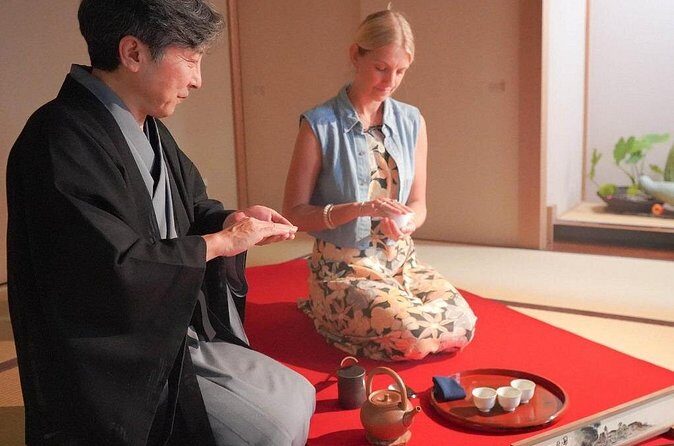
This is a good fit if you want something calmer and more hands-on than a typical cultural tour.
Best matches:
- Couples who want a memorable, quiet activity
- Families looking for a structured, kid-friendly cultural lesson (past sessions highlight kids enjoying the experience)
- Solo travelers who like small group settings where you can ask questions
- Anyone curious about Japanese tea beyond matcha
If you’re only interested in big sightseeing highlights, this may feel too small-scale. But if you want a skill you can carry home—how tea is infused, how tools are handled, and why technique changes taste—this is exactly the kind of stop that pays off.
Should you book Sencha-do in Kawasaki?
Yes, if you care about doing, not just watching. The strongest reasons to book are the utensil access, the sencha-do focus on infused leaves, and the small group size that supports actual learning. I also like that tea and Japanese sweets are included, which makes the experience feel complete for the time you spend.
Skip it (or consider another style) if you want an English-only, high-energy tour format or if you’re worried about navigating a non-hotel meeting point. Also remember it’s weather-dependent, so don’t plan it as your only outdoor-adjacent activity on a day where you’re taking big weather risks.
If you like traditional instruction, calm pacing, and learning through your hands, this workshop is one of the easiest ways to get a genuine taste of Japanese tea culture without spending a full day in class.
FAQ
How long is the Sencha-do Japanese Tea Ceremony Workshop?
It lasts about 1 hour 30 minutes.
Is this tea ceremony matcha-based?
No. Sencha-do uses green tea leaves that are infused to brew the tea.
Will I be able to use tea utensils myself?
Yes. After observing the ceremony, you’ll use utensils to brew tea as part of the hands-on lesson.
What’s included in the price?
Green tea and Japanese sweets are included.
What’s the group size like?
The workshop has a maximum of 4 travelers.
Where does the workshop meet, and how does it end?
It meets at the 煎茶道東阿部流 location in Saiwai Ward, Kawasaki, and ends back at the same meeting point.
Is it close to public transportation?
Yes, it’s near public transportation.
Are service animals allowed?
Yes, service animals are allowed.
What happens if the experience is canceled or you need to cancel?
You can cancel for a full refund up to 24 hours before the start time. If it’s canceled due to poor weather, you’ll be offered a different date or a full refund. If a minimum number of travelers isn’t met, you’ll be offered a different date/experience or a full refund.
More Tour Reviews in Kawasaki

Fresh reviews from around Kawasaki
Tea Ceremony Experiences, compared.
 ★ 5.0Traditional Tea Ceremony with a Tea MasterFrom $38528 reviews
 ★ 5.0Tea Ceremony Workshop in Tokyo by the Experienced InstrucorFrom $38189 reviews
 ★ 4.9Tea Ceremony Experience in a Private Tea Room in ShibuyaFrom $30125 reviews
 ★ 5.0Matcha Kimono Tea Ceremony in TokyoFrom $59104 reviews
 ★ 4.9Tea ceremony experience in Japanese-style room 60minFrom $4586 reviews
 ★ 5.0Casual Japanese Tea Ceremony ExperienceFrom $2574 reviews
 ★ 5.0Shibuya Authentic Tea Ceremony with experienced instructorFrom $2554 reviews
 ★ 4.9Tea Ceremony Experience in a small tea roomFrom $5153 reviews
Browse the lists this tour appears in