Reviewed · TOKYO
Tokyo: Authentic Sumo Wrestling Experience with Lunch
If you want sumo for real, this tour gives it to you. I love the up-close morning practice inside a working sumo-stable setting, and I also love that lunch is not a sideline: you sit and eat chanko-nabe with the wrestlers while asking questions. The one drawback to think about is that this is hands-on and involves walking and physical activity, so it’s not a good fit for people with heart or medical issues, colds, or high blood pressure.
What makes it extra fun is the mix of education and participation. Guides (like Charlie and Mayu) explain the rules and traditions in clear, human terms, and your group gets chances to try techniques in the ring, plus an optional one-round bout if you want. The whole thing runs about 4 hours, starting right at Shin-Kawasaki Station, so you’ll want to be ready to hit the ground running.
In This Review
- Key things that make this sumo experience special
- Entering a Real Sumo Stable Near Tokyo and Yokohama
- Shin-Kawasaki Station: The exact meeting spot and how the day starts
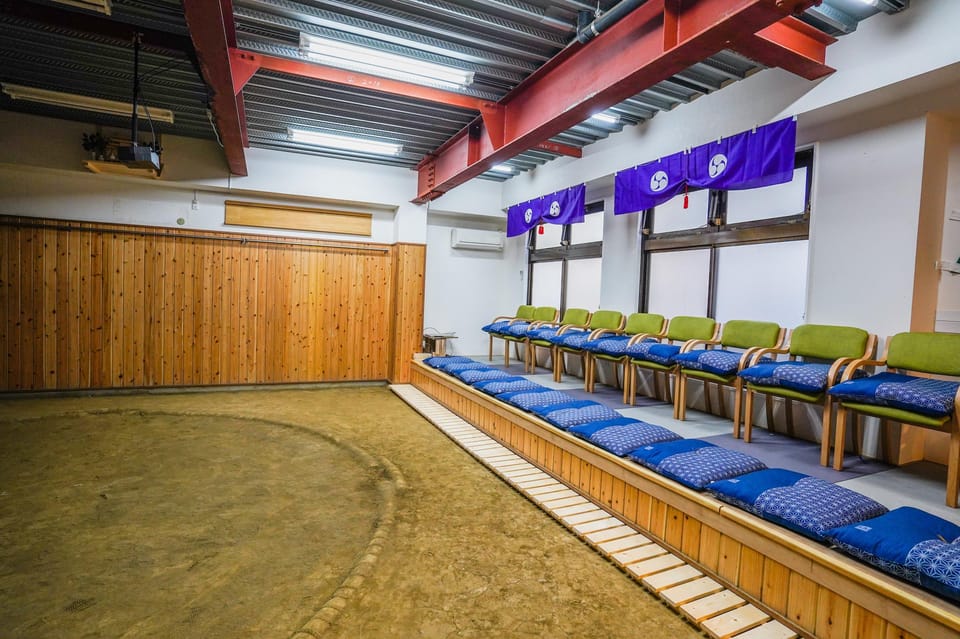
- The stable tour: Dining room, bath, and practice space you can actually see
- Morning practice at the ring: Watch, understand, then try
- Learning sumo rules from the people who live it
- The optional bout: What it’s like to face a rikishi
- Chanko-nabe lunch: Making chicken dumplings, eating together, and talking
- Price and value: Is $166 per person worth it?
- Who this sumo experience fits best (and who should skip it)
- Timing tips: Make the 4 hours feel worth every minute
- Should You Book This Sumo Wrestling Experience?
- FAQ
- Where do I meet the guide?
- How long is the tour?
- What’s included in the price?
- Do I have to fight in the ring?
- What happens during lunch?
- Is the tour in English?
- Can you accommodate allergies or dietary requests?
- Is the tour wheelchair or stroller friendly?
- What’s the cancellation policy?
Key things that make this sumo experience special
- Morning practice in front of the ring so you see how training actually begins
- A real stable visit to a place officially used until 2022, with dining room, bath, and practice area stops
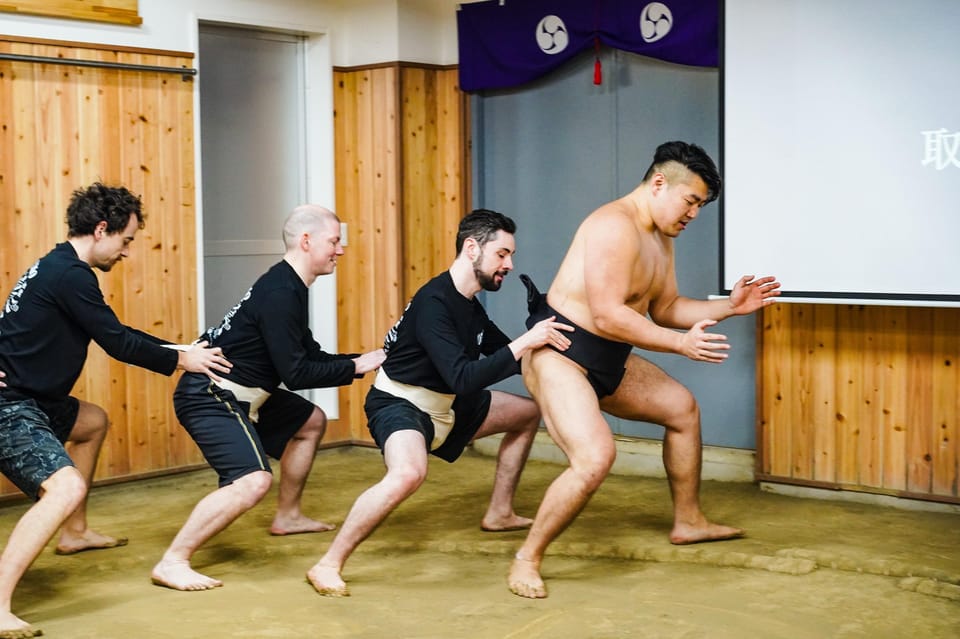
- Hands-on training time where you try movements, not just watch from the sidelines
- Rules taught before you spar so you understand what’s happening when the wrestlers demonstrate
- Chanko-nabe lunch with conversation plus shared cooking of chicken dumplings
- Photo moments and mementos like handprints on paper and a T-shirt
Before you commit, see how this one stacks up against a few Kawasaki favourites:
- Tokyo: Authentic Sumo Wrestling Experience with Lunch★ 4.9 · 88 reviews
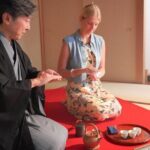
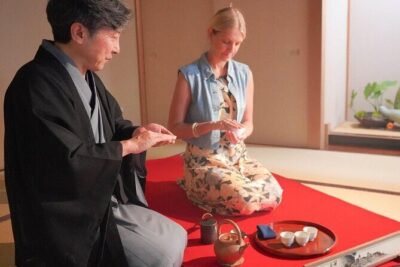
- Sencha-do the Japanese Tea Ceremony Workshop★ 5.0 · 21 reviews
Entering a Real Sumo Stable Near Tokyo and Yokohama
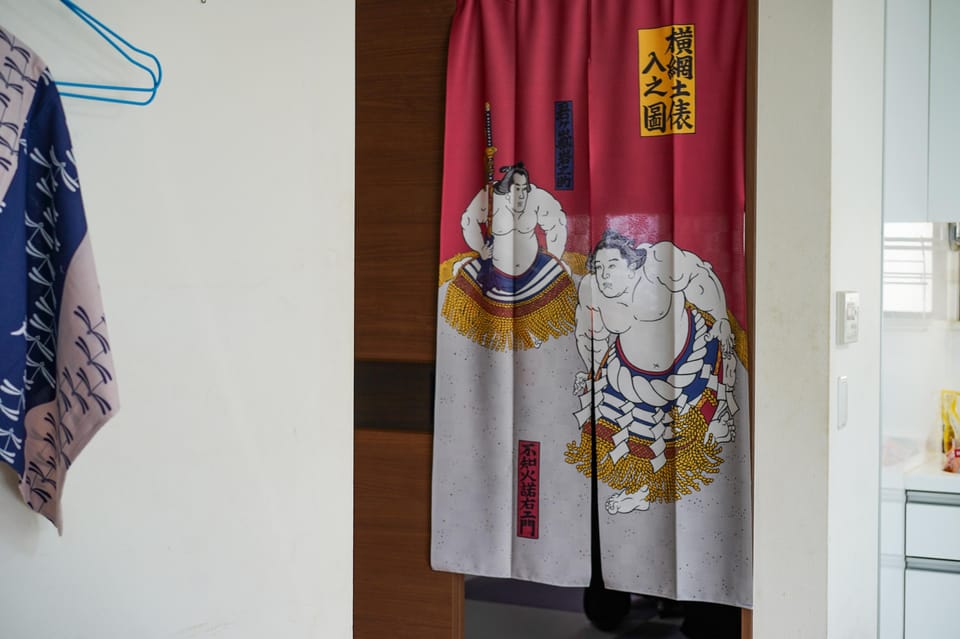
This experience is based in Honshu and sits in the Tokyo-area orbit in a way that feels practical. You’ll meet in Shin-Kawasaki, then head to a sumo stable used until 2022, which matters because it’s not just a show put on for tourists. You’re walking through spaces that are part of daily sumo life—dining, bathing, and training—so the culture lands in your body, not just in your head.
The tour also has a strong location advantage: it’s close enough that it feels doable as a half-day plan. The info notes it’s about 10 minutes from Yokohama Station and about 20 minutes from Tokyo Station, which is the kind of travel math you appreciate when you’re trying to fit real experiences into a limited itinerary.
Shin-Kawasaki Station: The exact meeting spot and how the day starts
Your day begins at Shin-Kawasaki Station, just outside the ticket gate. There’s only one gate, and the meeting point is in front of Kiyoken (the shumai shop)—the Google Maps pin points you there.
Your guide will be holding a red/orange sign that says MagicalTrip. This is one of those details that prevents stress, because sumo experiences are time-sensitive: the tour has to start on schedule, and being late can mean you miss the group.
Once you’re with the guide, the plan is straightforward: you head to the stable, then you rotate through training areas and explanations before you get the chance to participate.
The stable tour: Dining room, bath, and practice space you can actually see
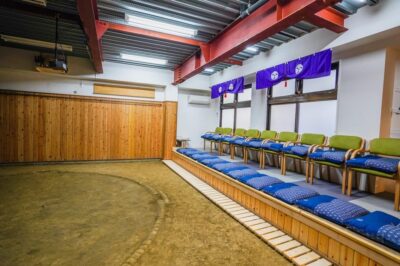
At the stable, the tour doesn’t rush past the environment. You get a tour that focuses on how sumo life works: you see the dining room, the bath area, and the practice zone.
That’s important for understanding sumo beyond the ring. Sumo is a full lifestyle with routines built around training, meals, and community. Seeing these spaces up close helps you connect what you’re about to watch in practice to what the wrestlers actually live with day to day.
You’ll also hear history and tradition explained by your guide. Different guides have different styles, but the common thread in what I saw from descriptions is that explanations are made simple, with rules and customs clearly tied to what you’re seeing in front of you.
Morning practice at the ring: Watch, understand, then try
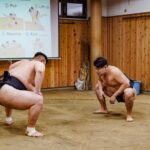
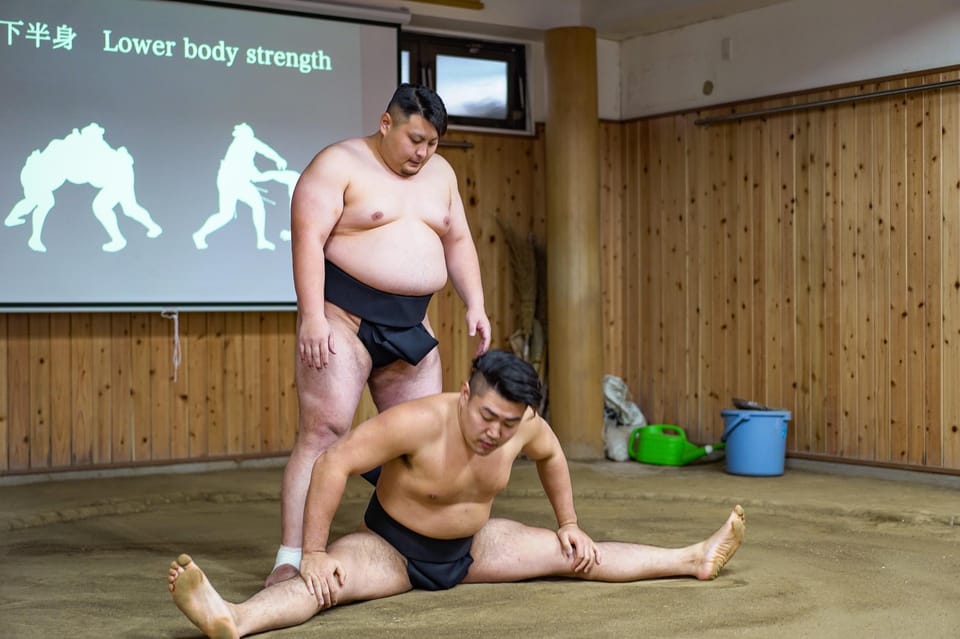
The highlight for many people is the morning training session. You’ll be seated right in front of the sumo ring, which puts you in the action zone for how serious training looks up close.
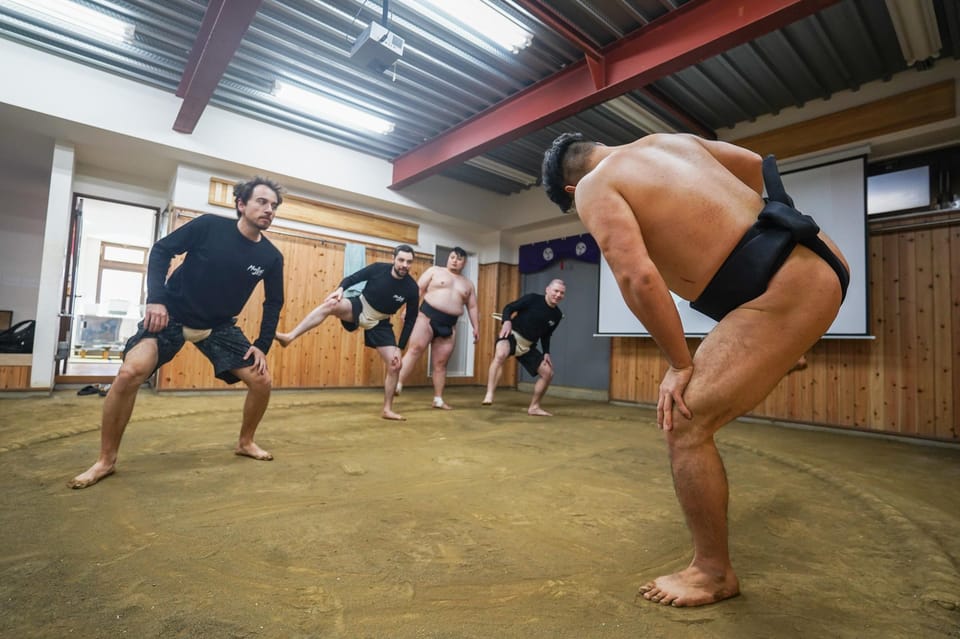
You’re not just watching movement. Your guide explains how the practice begins, what kinds of movements are used, and why those drills matter. Then comes the part that turns watching into a memory: you get an opportunity to try out some of the training movements yourself.
This is where the experience becomes genuinely funny and genuinely humbling. Even if you’re athletic, sumo stances and technique demand balance and commitment. People in the reviews highlight the laughter—because it’s hard—but they also highlight how friendly the wrestlers are while you try.
Practical note: the tour mixes standing and active participation. If you know you tire quickly or you’re not comfortable with physical movement, this might feel like more effort than a typical cultural tour.
Learning sumo rules from the people who live it
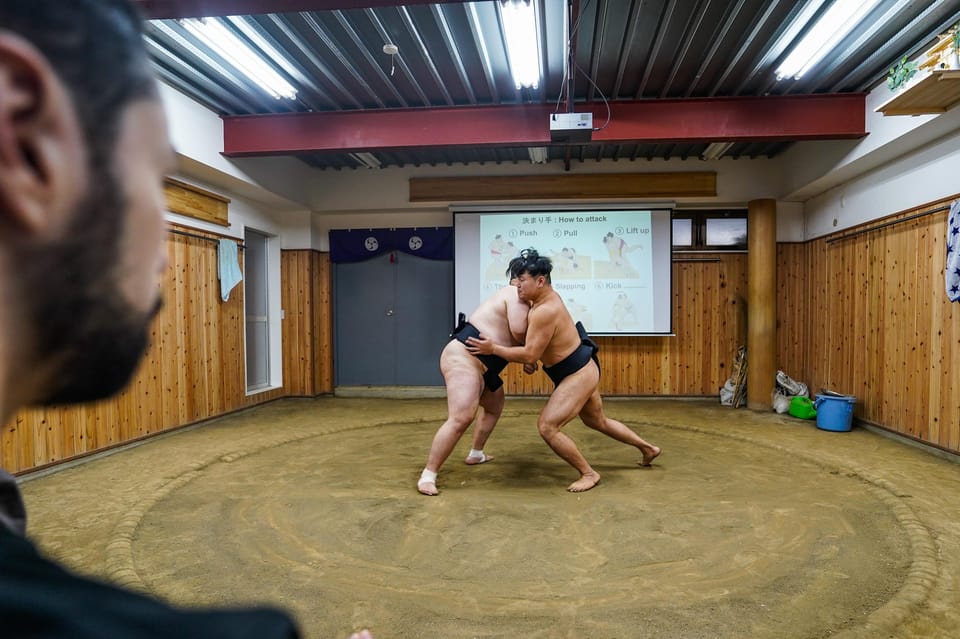
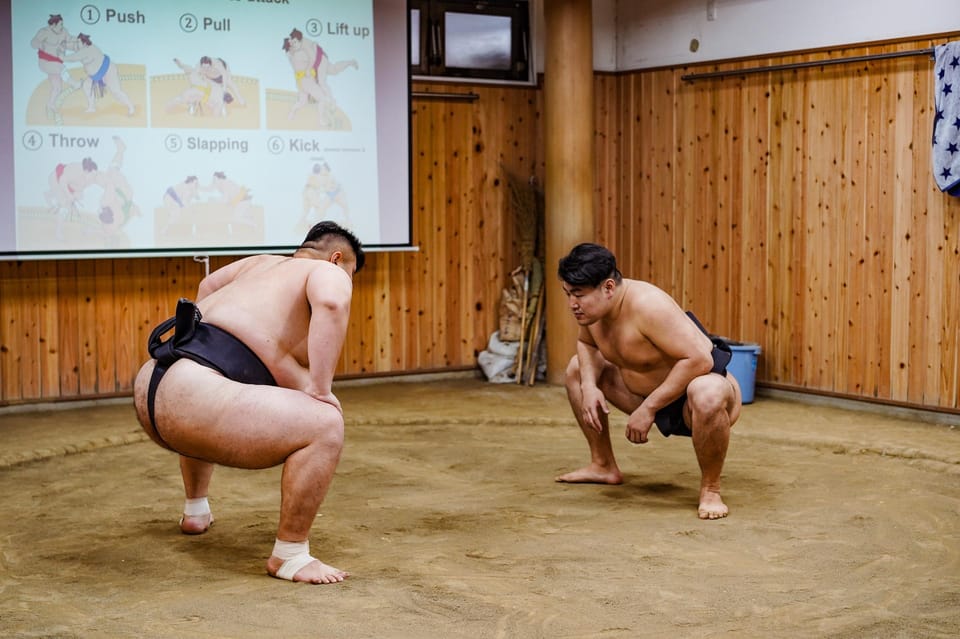
Before any optional bout, you’ll get a structured explanation of sumo rules, moves, and techniques. Then the wrestlers demonstrate how a real match begins.
This sequence matters. Many people arrive knowing only basic terms. The tour helps you build a mental map: what the positions mean, how the action starts, and what to look for when the wrestlers show you the moves.
From accounts of past groups, your guides often teach using a mix of explanation and visual aids. For example, one guide (Masao) used slides to help connect stances and rankings to what you’d see. Another (Jim’s assistant Fuji) leaned on pictures and video. Either way, the goal stays the same: you leave understanding sumo better than when you arrived.
Then, if you want, you step into the ring for a chance to fight with a rikishi. The tour frames it clearly as optional, so you can choose the level of participation that feels right.
The optional bout: What it’s like to face a rikishi
The match moment is exactly what it sounds like, but with the right context. You’ll be given the chance to participate as if it were a real match, and that’s what makes it special for dream-chasers.
Important reality check: this is not portrayed as a competition you can win. It’s an experience where the wrestlers set the tone. Past groups describe wrestlers as patient and friendly, often gentle. You’re there to try, laugh, learn, and feel the difference in strength and balance.
So if your goal is, I want to say I did it and I want to feel how serious sumo is, this is the moment you’ll remember most.
One consideration: because it’s optional, you still have to decide in advance based on your comfort level. If you’re unsure, watch the explanation and talk to the guide—then choose.
Chanko-nabe lunch: Making chicken dumplings, eating together, and talking
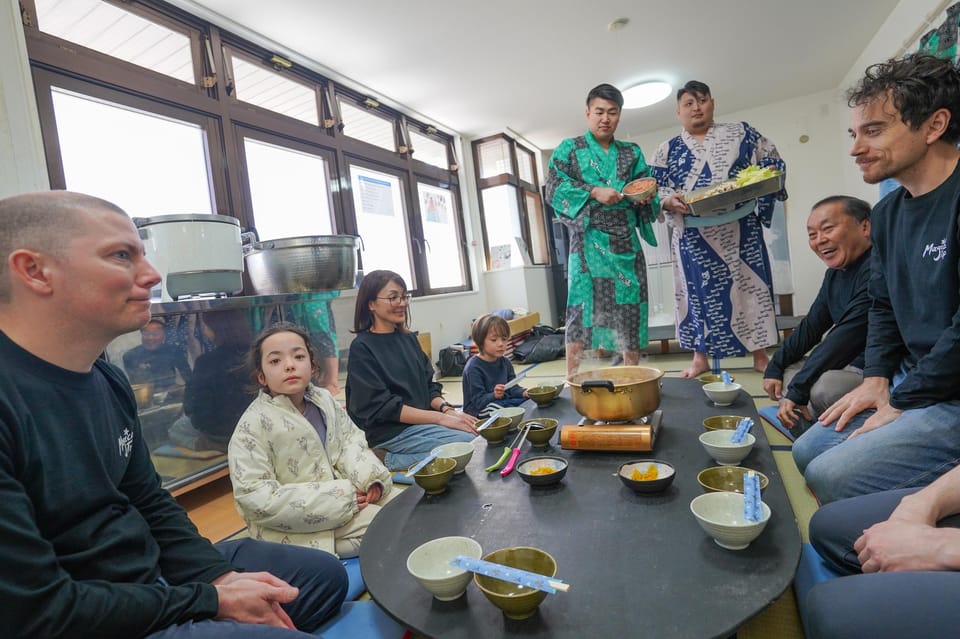
After training, you eat. And not a quick bite. Lunch is built around chanko-nabe, the hearty dish strongly associated with sumo wrestlers. The format is interactive: you’ll make chicken dumplings for chanko-nabe with the wrestlers, then eat together around a table that was actually used in the sumo room.
This is one of the most valuable parts of the day because it turns food into conversation. At the table, you can ask questions and chat. Reviews repeatedly call out the friendliness and humor from the wrestlers during lunch, which is a big part of why people call this the best thing they did in Japan.
There’s also a good chance you’ll get more than just eating. Past descriptions mention photos and dress-up moments, including times when people wore yukata/kimono for pictures with the wrestlers. The tour also includes memorial handprints on paper, plus tour photos and a T-shirt.
That’s a lot of bonding for four hours. It’s why this experience works well for groups who want something beyond a museum-style lesson.
Price and value: Is $166 per person worth it?
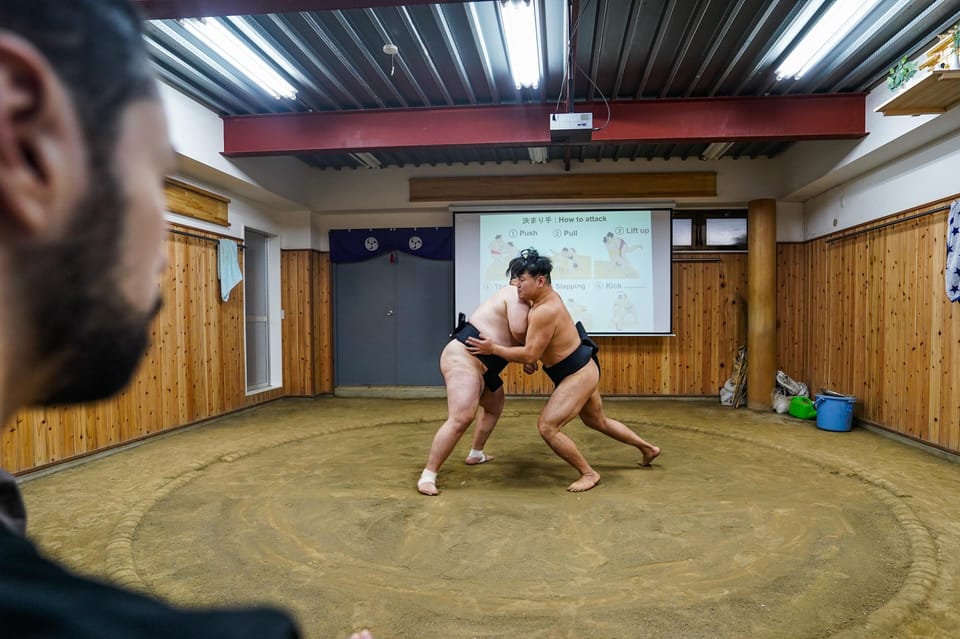
At $166 per person for about 4 hours, the value comes from the access you get. You’re not paying just for a meal or a show. You’re paying for a guided visit through training spaces, front-row viewing of morning practice, instruction on rules and moves, participation in drills, and lunch with the wrestlers that includes hands-on dumpling prep.
The included items are also clear: guide, sumo stable visit, lunch with sumo wrestlers, tour photos, and a T-shirt. Additional food and drinks are not included, so if you drink a lot, you’ll want to account for that.
Where this price feels best is when you want a day that’s part sport lesson, part cultural peek, and part activity. If you only want to watch sumo quietly and skip interaction, you might feel the cost more than if you’re the type who likes trying things.
Who this sumo experience fits best (and who should skip it)
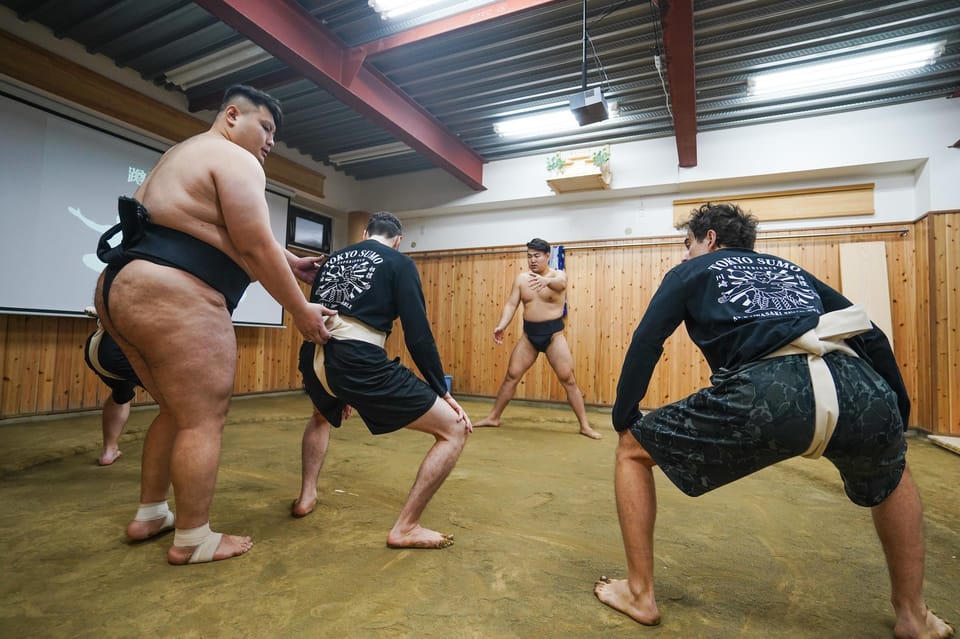
This tour is a good match if you want:
- A close-up sumo day with participation, not just observation
- Real conversation with wrestlers during lunch
- A short plan (4 hours) that doesn’t eat your whole day
- A mix of education and play, including an optional bout
It also seems to work well for families, couples, and friends because the day includes both watching and doing. Several reviews point out that the wrestlers are fun and that the mood stays friendly while you try moves.
Skip or be cautious if:
- You have heart problems, high blood pressure, or significant pre-existing medical conditions
- You’re dealing with a cold
- You need a wheelchair or stroller-friendly route, since some locations aren’t accessible and it’s noted that the tour isn’t recommended for people with mobility issues (with a suggestion to consider a private tour)
If you’re medically okay and physically able to stand and move a bit, you’ll likely love the blend of energy and authenticity.
Timing tips: Make the 4 hours feel worth every minute
Because the tour is built around a morning practice schedule, the big timing rule is simple: show up on time. You can’t join late and expect to catch up.
Once you’re in, you’ll move through a clear rhythm: stable tour, ring-side practice viewing, learning and trying moves, instruction on match mechanics, optional bout participation, then chanko-nabe lunch with dumpling prep and conversation.
If you’re the type who likes to take photos, plan to use lunch time for extra pictures. Some groups mention multiple photo moments, including dress-up sessions with wrestlers and mementos like ink handprints.
Also, since additional food and drinks aren’t included, you might want to plan your day so you’re hungry for lunch and not relying on snacks you didn’t budget for.
Should You Book This Sumo Wrestling Experience?
Book it if you want a sumo experience that’s active and personal. The combination of morning practice front-row viewing, hands-on training, and lunch with the wrestlers is rare. It’s the kind of day that changes how you understand sumo—because you feel the basics in your own balance and technique.
Consider skipping or switching to a different format if you’re dealing with medical limits (heart, high blood pressure, pre-existing conditions), a cold, or if mobility is a concern. This tour is designed for people who can handle movement and a schedule that starts on time.
If you’re excited by the idea of chanko-nabe and want to eat it in a true sumo setting with conversation, this one is worth the $166.
FAQ
Where do I meet the guide?
Meet just outside the ticket gate at Shin-Kawasaki Station. There is only one gate, and the meeting point is right outside in front of Kiyoken (Shumai shop). Your guide will be holding a red/orange sign saying MagicalTrip.
How long is the tour?
The tour lasts 4 hours.
What’s included in the price?
The price includes the guide, a sumo stable visit, lunch with sumo wrestlers, tour photos, and a T-shirt.
Do I have to fight in the ring?
No. A sumo match with a rikishi is available only if you want it, and participation is offered to those who wish to participate.
What happens during lunch?
You’ll eat chanko-nabe, and you’ll also help make chicken dumplings for the chanko-nabe. Lunch is eaten together with the wrestlers, with time to ask questions.
Is the tour in English?
Yes, the tour is guided in English.
Can you accommodate allergies or dietary requests?
You need to inform them at least one day before the tour if you have dietary requests or allergies to mention. Requests made on the day of the tour cannot be accommodated, and allergy-free meals can’t be guaranteed because food is prepared in kitchens not belonging to MagicalTrip. Substitutions may not always be possible at every stop.
Is the tour wheelchair or stroller friendly?
Some locations are not accessible by wheelchair or stroller, and the tour is not recommended for people with mobility issues. If you have walking problems, the note suggests booking a private tour.
What’s the cancellation policy?
You can cancel up to 2 days in advance for a full refund.