
Reviewed · TOURS
Nihonbashi Ningyocho Tour Seven Lucky Shrines and Treats
Seven shrines and a plan you can follow. That’s what makes this Nihonbashi Ningyocho tour so satisfying: you’re hunting good luck through Tokyo’s Seven Lucky Gods (Shichifukujin) shrines while staying in a compact neighborhood that still feels Edo-era in spirit.
I like the setup a lot. You get a clear rhythm at each stop—prayer, a wish, plus the usual fortune routines like omikuji and goshuin—without the day turning into a chaotic shrine marathon. I also love that the guide, Tomo, keeps it easy. Her explanations are friendly and clear with visual help, and after the tour she’ll point you toward nearby local shops and places to eat for souvenirs and dinner.
One thing to plan for: some shrine extras cost money. Even though entrance is free, you’ll likely spend on coin offerings, an amulet, a goshuin stamp, and/or the fortune slip.
In This Review
- Key things I’d bet you’ll care about
- Nihonbashi Ningyocho and the Seven Lucky Gods idea (without the stress)
- How the 2.8 km route feels like real neighborhood Tokyo
- The itinerary: what happens at each shrine stop
- Stop 1: Koami Shrine
- Stop 2: Suitengu Shrine
- Stop 3: Suginomori Shrine
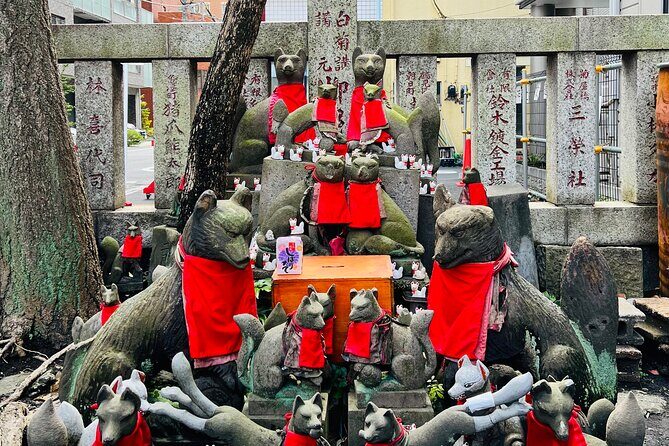
- Stop 4: Kasama Inari Shrine Tokyo Bessha
- Stop 5: Suehiro Shrine
- Stop 6: Matsushima Shrine
- Stop 7: Chanoki Shrine
- Snacks and the pace: why 3 hours 30 minutes works
- Price and value: what $68 buys you (and what it doesn’t)
- Logistics that actually matter: mobile ticket and meeting point
- Tomo as your guide: clarity, flexibility, and local recommendations
- Who this tour suits best (and who might want something else)
- Practical tips so your wishes go smoothly
- Should you book this Nihonbashi Ningyocho tour?
- FAQ
- How long is the Nihonbashi Ningyocho Seven Lucky Shrines and Treats tour?
- What is the tour route length?
- Is this a private tour?
- What’s included in the price?
- Are shrine-related items included?
- What’s the starting point for the tour?
- Does the tour require good weather?
Key things I’d bet you’ll care about
- A compact 2.8 km route designed to feel efficient instead of rushed
- Seven Shichifukujin shrines, each with a different focus for luck
- Omikuji + goshuin at every stop, so you know what to do each time
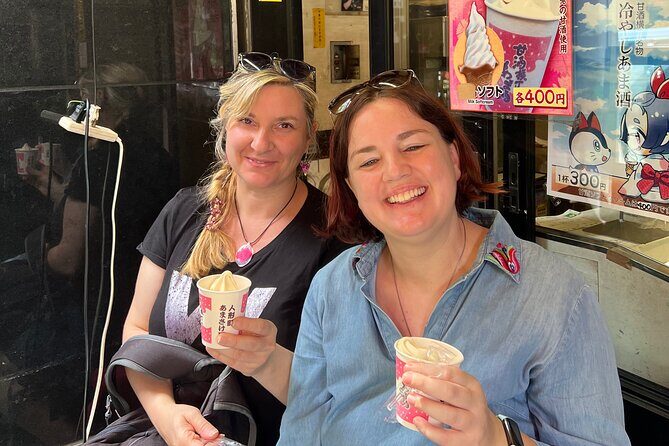
- Snacks included (2 total), which helps this stay comfortable on a walking day
- Private tour with Tomo, plus flexibility with your starting time if you message ahead
- Mostly short visits (10–15 minutes), great for first-timers who want a taste of many shrines
Before you commit, see how this one stacks up against a few Tokyo favourites:
- Mt Fuji and Hakone 1-Day Bus Tour Return by Bullet Train★ 5.0 · 26,383 reviews
- 1-Day Tokyo Bus Tour★ 5.0 · 14,250 reviews
- Tokyo: teamLab Planets TOKYO Digital Art Museum Entry Ticket★ 4.6 · 9,779 reviews
Nihonbashi Ningyocho and the Seven Lucky Gods idea (without the stress)
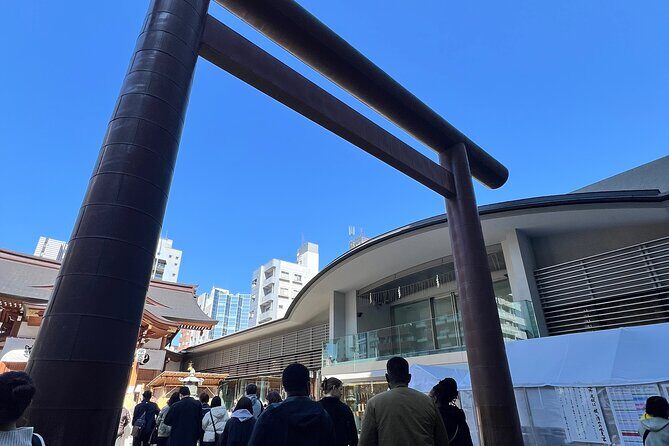
Nihonbashi Ningyocho is the kind of Tokyo area that rewards calm walking. It’s not about racing from highlight to highlight. Instead, you move through small streets and feel how religious life fits into everyday neighborhood routines.
The whole point of the tour is the Shichifukujin—the Seven Lucky Gods. Each shrine ties to one or more of these deities, so you’re not just seeing architecture. You’re participating in a long-standing Japanese tradition where people pray for specific kinds of good fortune.
What I like about doing this as a private tour is simple: you don’t have to figure out timing, routes, or what to do at each shrine. You get a consistent pattern—prayer, wish, and the chance to draw a fortune slip or collect a stamp—so the ritual feels clearer, not overwhelming.
How the 2.8 km route feels like real neighborhood Tokyo
At 2.8 km total, this is a small outing by Tokyo standards. That’s a good thing. You’ll walk enough to feel like you’ve connected with the area, but the distances stay reasonable for a 3 hours 30 minutes tour.
Here’s why the route length matters for your experience: short walks mean you can actually notice details. You’re not just passing by; you’re getting the chance to slow down at each shrine and soak up the atmosphere of a quieter district.
You’re also visiting seven different shrines, and that variety helps. One stop isn’t “the whole day.” Instead, the day stays balanced: a little prayer here, a fortune slip there, then a snack break vibe later.
A practical note: most stops are around 10–15 minutes, so you shouldn’t book this expecting long, lingering meditation at one location. It’s a guided circuit—designed to cover a lot without wasting your time.
The itinerary: what happens at each shrine stop
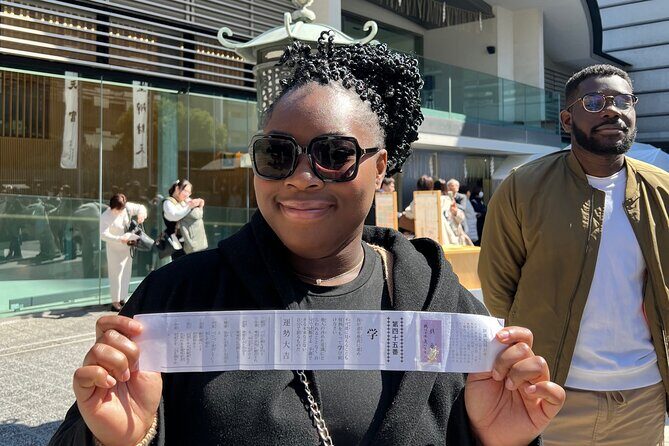
Each stop follows a similar structure, which makes it easy to follow. You’ll offer prayers and make a wish, and you’ll have the option to buy a protective amulet, draw an omikuji (fortune slip), and receive a goshuin stamp. Entrance is free, but the optional items and offerings may cost extra.
Stop 1: Koami Shrine
Koami Shrine is the one people talk about when they mean big fortune energy. This is known for great fortune, and visitors come from all over Japan specifically for that reputation.
What you’ll do here:
- Offer prayers and make a wish
- Buy a protective amulet (optional)
- Draw an omikuji
- Get a goshuin stamp
Timing is about 15 minutes, so you get enough time to do the ritual without feeling pushed.
Potential drawback: if you’re hoping for a long visit to really read everything slowly, 15 minutes can feel short. This tour is about finishing the circuit, not hanging out for an hour at one spot.





Stop 2: Suitengu Shrine
Suitengu Shrine is tied to prayers for safe childbirth and healthy babies. That focus gives the stop extra meaning beyond “lucky travel” energy.
What you’ll do:
- Offer prayers and make a wish
- Buy an amulet (optional)
- Draw an omikuji
- Receive a goshuin stamp
This stop is also about 15 minutes. You’re likely to feel the difference here in tone because the purpose is specific and personal.
Stop 3: Suginomori Shrine
Suginomori Shrine connects to luck for the things people win through chance—especially because it’s described as the birthplace of the lottery. If you’re the type who enjoys the playful side of these traditions, this is a fun stop.
You’ll follow the same routine:
- Pray and make a wish
- Amulet option
- Omikuji
- Goshuin stamp
Timing is about 10 minutes. It’s quick, but the structure keeps it manageable.
Stop 4: Kasama Inari Shrine Tokyo Bessha
This stop brings in Inari-style prayers, and Kasama Inari Shrine Tokyo Bessha is part of the Shichifukujin loop for this circuit. Inari connections often feel energetic—think protection, daily good luck, and keeping life steady.
You’ll do:
- Offer prayers and make a wish
- Amulet option
- Omikuji
- Goshuin stamp
Timing is about 10 minutes.
Stop 5: Suehiro Shrine
Suehiro is tied to the theme of good fortune shaped like steady growth—often linked with prosperity and the idea of things getting bigger or more favorable over time.
You’ll do the same basics:
- Pray and make a wish
- Amulet option
- Omikuji
- Goshuin stamp
Timing about 10 minutes.
Stop 6: Matsushima Shrine
Matsushima Shrine is another piece of the Seven Lucky Gods puzzle on this route. This stop again keeps things moving, but it adds variety in shrine atmosphere and architecture as you hop from one style to another.
You’ll:
- Offer prayers and make a wish
- Have amulet and omikuji options
- Receive a goshuin stamp
Timing about 10 minutes.
Stop 7: Chanoki Shrine
The final shrine closes the loop. By now, you’ll probably have your rhythm: where you pause, what you do first, and how to handle the omikuji/goshuin options without second-guessing.
You’ll:
- Offer prayers and make a wish
- Amulet option
- Omikuji
- Goshuin stamp
Timing about 10 minutes.
Snacks and the pace: why 3 hours 30 minutes works
The tour lasts about 3 hours 30 minutes and includes two snacks. That matters more than it sounds. When you’re walking shrine-to-shrine, your energy can drop, and having snacks built in keeps this from turning into a “mission” you have to power through.
The pace is also intentional: short shrine stops keep the day flowing. You’re not stuck in one place too long, and you get the structure of a guided circuit where you always know what comes next.
Because it’s private, you also have more room to adjust on the fly. If you need a restroom stop or you want a little extra time at one shrine, it’s easier for a guide to help you without holding up a large group.
Price and value: what $68 buys you (and what it doesn’t)
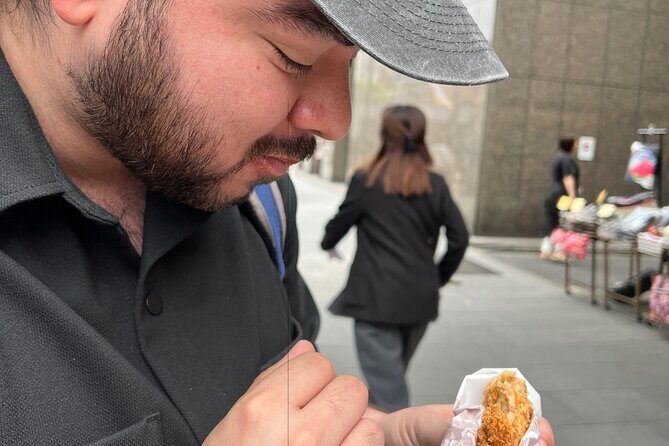
At $68 per person, you’re paying for a private guided walk, a structured route across seven shrines, and the snack component. That can be good value in Tokyo, especially when you’d otherwise spend time figuring out where to go and how to fit in the rituals.
What’s included:
- Two snacks
What’s not included:
- Coin offerings
- Amulet fee
- Goshuin fee
- Fortune slip fee
One smart way to think about value here: the tour covers the “plan” and the “sequence.” If you choose every optional item at each shrine, your day can cost more. But if you treat the omikuji or goshuin as optional, you can control your total spend.
Also, because most shrine entrances are free, the main costs are the items you decide to collect. That makes the day flexible for different budgets.
Logistics that actually matter: mobile ticket and meeting point
You’ll use a mobile ticket, so you don’t need to chase paper confirmations. The tour starts at 人形町しずか皮ふ科Japan, 103-0013 Tokyo, Chuo City, Nihonbashiningyōchō, 1-chōme1410 三原堂本店ビル 5F.
From there, it’s a neighborhood walk that ends back at the meeting point.
If you’re worried about getting oriented, don’t overthink it. The tour is designed around public-transport access and a clear start location.
Tomo as your guide: clarity, flexibility, and local recommendations
This is the part that makes a difference between a checklist walk and a calm, enjoyable experience.
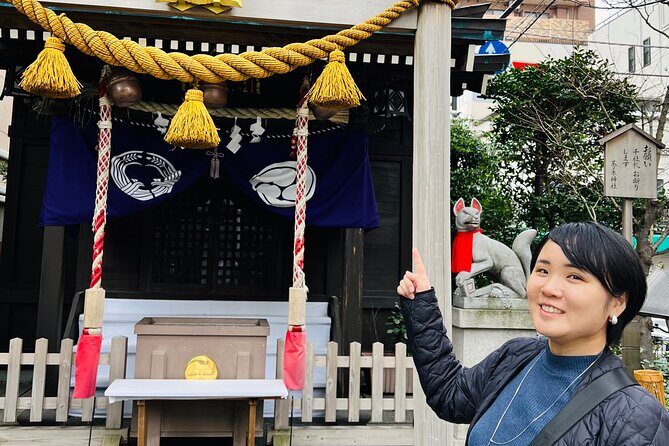
Tomo is friendly and knows the area. What stands out is how she explains things with easy-to-understand visuals, which helps if you’re new to shrine etiquette or you want the steps to make sense before you start.
She’s also flexible. That matters when you’re doing rituals that can vary slightly depending on the moment, crowds, or how long you want to pause for your own wish.
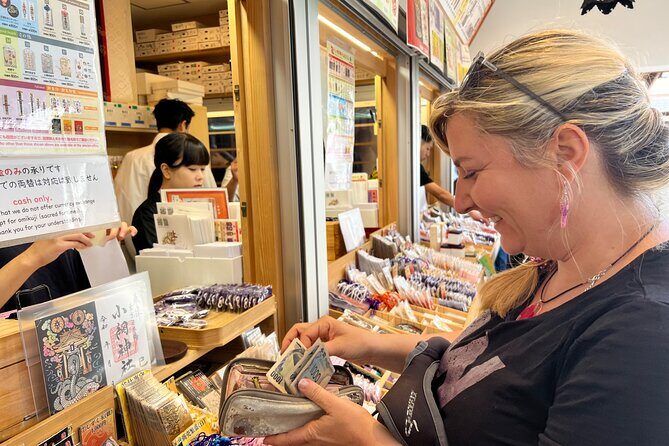
And here’s a bonus: after the walking portion, Tomo recommends good nearby shops for local souvenirs and places to eat in the neighborhood. That’s practical. You finish the tour with a short list of real options instead of guessing where to go next.
Who this tour suits best (and who might want something else)
This tour is a strong fit if:
- You like trying Japanese traditions in a structured, supportive way
- You want to visit seven shrines without turning the day into endless navigation
- You enjoy the Seven Lucky Gods theme and want different luck focuses in one walk
- You appreciate a relaxed pace with a guide who helps you understand what you’re doing
It may be less ideal if:
- You want long stays at a couple shrines rather than quick stops across seven
- You dislike the idea that optional shrine purchases (amulets, goshuin, fortune slips) can add up
- You’re set on a more “lecture-style” tour; this is about doing the circuit and participating
Practical tips so your wishes go smoothly
Here are the simple things that help most people get the most out of a shrine tour like this:
- Wear comfortable shoes. You’re walking 2.8 km plus short transitions.
- Bring a little cash for shrine offerings if you plan to do them, since those aren’t included.
- If you’re collecting omikuji or goshuin, decide beforehand so you don’t feel rushed mid-ritual.
- Expect good weather to matter. The tour requires good weather, so plan flexibility if conditions aren’t ideal.
Also, service animals are allowed, and most people can participate, so this tends to be approachable for a wide range of travelers.
Should you book this Nihonbashi Ningyocho tour?
If you want a short, organized walk through Tokyo’s Seven Lucky Gods world—plus snacks and a guide like Tomo who makes the experience feel easy—this is a solid choice. The biggest strength is the combination of structure (you know what happens at each shrine) and efficiency (2.8 km and about 3.5 hours).
I’d book it if you’re the type who likes doing hands-on cultural traditions without getting lost in the details. And I’d pass or look elsewhere if you’re hoping for long shrine time at a slower pace, or if you want zero extra spending beyond the base price.
Bottom line: it’s a practical way to see Nihonbashi Ningyocho in motion, hit seven shrine stops, and end with local food and souvenir ideas from your guide.
FAQ
How long is the Nihonbashi Ningyocho Seven Lucky Shrines and Treats tour?
The tour lasts about 3 hours 30 minutes.
What is the tour route length?
The route is about 2.8 km.
Is this a private tour?
Yes. It’s private, so only your group participates.
What’s included in the price?
Two snacks are included.
Are shrine-related items included?
No. Coin offerings, amulet fees, goshuin fees, and fortune slip (omikuji) fees are not included.
What’s the starting point for the tour?
The meeting point is 人形町しずか皮ふ科Japan, 103-0013 Tokyo, Chuo City, Nihonbashiningyōchō, 1-chōme1410 三原堂本店ビル 5F.
Does the tour require good weather?
Yes. The experience requires good weather, and if it’s canceled due to poor weather, you’ll be offered a different date or a full refund.
More Tours in Tokyo



More Tour Reviews in Tokyo



Fresh reviews from around Tokyo






Tours, compared.
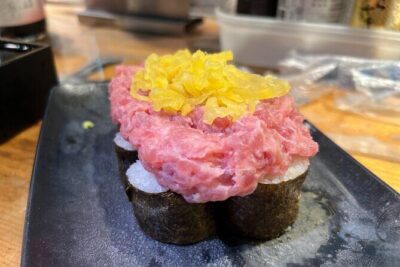 ★ 5.0Shinjuku Food Tour (13 Dishes at 4 Local Eateries)From $866,603 reviews
 ★ 4.4Tokyo Mt Fuji 5th St & Hakone Cruise Bus Tour w/Bullet TrainFrom $1545,024 reviews
 ★ 5.0Flagship 2-Hours Official Street Go-Kart Tour – Tokyo Bay ShopFrom $644,974 reviews
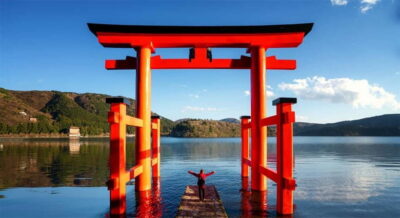 ★ 4.7Mt. Fuji Tour, Hakone Ropeway, Owakudani, Lake AshiFrom $544,002 reviews
 ★ 5.0Tokyo 6hr Private Tour with Government-Licensed GuideFrom $1553,902 reviews
 ★ 5.0Tokyo Bar Hopping Tour in Shinjuku (All-You-Can-Drink + Dinner)From $1063,587 reviews
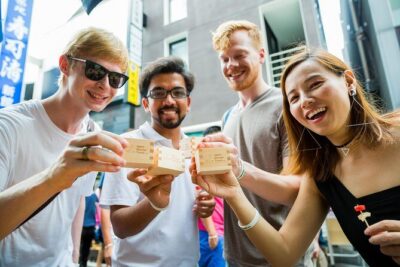 ★ 5.0Tokyo Tsukiji Fish Market Food and Culture Walking TourFrom $993,184 reviews
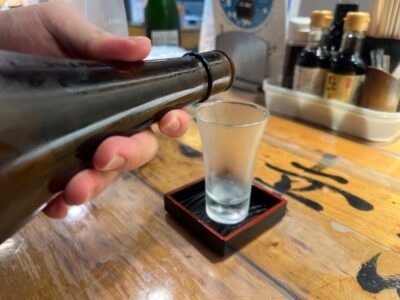 ★ 4.9Shinjuku Food Tour (15 Dishes and 4 Eateries)From $852,033 reviews