
Reviewed · MT FUJI DAY TRIPS
Mt. Fuji, Hakone Full-Day Private Tour with English Driver
Fuji and Hakone, one smooth day. This private Mt. Fuji and Hakone full-day tour is built around maximizing views with no waiting for other groups, using an air-conditioned car with an English-speaking driver.
What I like most is the mix of Fuji photo standouts and the kind of stop-by-stop pacing that lets you actually look, not just park and rush. The other big win is the “tour” part: you’re not stuck figuring out where to stand or how long you’ll want at places like Chureito Pagoda.
The one thing to keep in mind is simple: weather rules the day. If it’s rainy or cloudy, you may still enjoy shrines, lakes, and volcanic scenery, but the big Fuji payoff can shrink fast.
In This Review
- Key things I’d plan for
- Private Pickup That Makes Tokyo-to-Fuji Feel Less Hard
- Mt. Fuji 5th Station: The Big View Stop With a Clear Extra Fee
- Chureito Pagoda Steps: Short Time, Big Photos, Real Effort
- Lake Kawaguchiko and Oishi Park: Fuji Reflections With Backup Options
- Oshino Hakkai Ponds and the Asama Shrine: Fuji Water and Sacred Grounds
- The Easy Mt. Fuji Trek Segment: 5th to Yoshida Trail to 7th Station
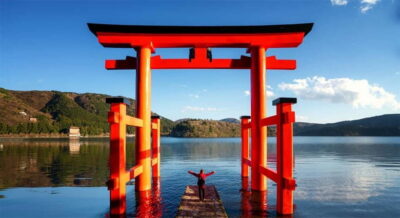
- Lake Ashi in Hakone: Pirate-Ship Cruise and the Torii Photo Window
- Owakudani Valley: Steam, Boiling Pools, and Black Eggs
- Time, Traffic, and Why Bad Weather Changes Everything
- Price and Value: What $399 Buys for a Private Group
- Who This Tour Fits Best
- Should You Book This Mt. Fuji and Hakone Private Day Trip?
- FAQ
- How long is the Mt. Fuji and Hakone private tour?
- How many people can be in a group?
- Where does the tour start?
- Is pickup included?
- What’s included in the tour price?
- What are the main things not included?
- Is the Lake Ashi ship ride included?
- What if Mt. Fuji is obscured by clouds or rain?
- How far in advance is this tour typically booked?
- What is the cancellation window?
Key things I’d plan for
- Private pickup and no group delays: you move when your time works, not on a bus schedule.
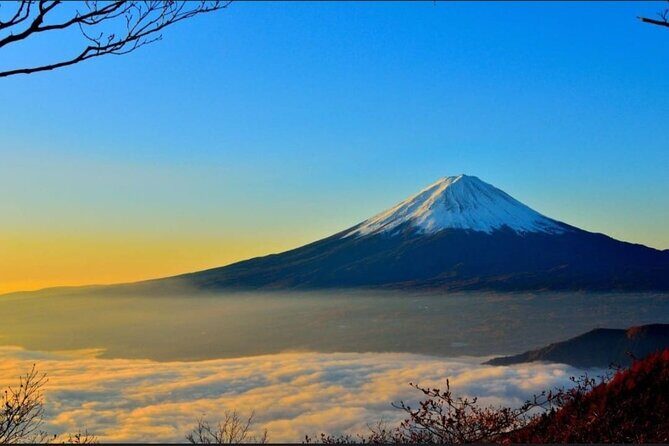
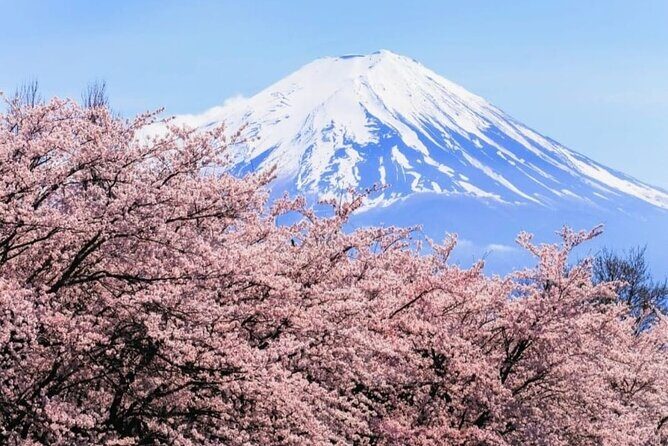
- Mt. Fuji 5th Station viewpoints plus multiple secondary Fuji angles around the lakes.
- Photo-focused stops like Chureito Pagoda (with 400 steps) and the torii-at-Lake-Ashi moment.
- Hakone travel by Lake Ashi ship, with Mt Fuji in the same frame when visibility is good.
- Volcanic Owakudani for steam, boiling pools, and the famous black eggs (not included).
- Several key tickets aren’t included, so budget for entrances and optional rides.
Other routes to the mountain, compared
- Mt Fuji & Hakone Cruise, Drum Show Bullet Train 1 Day from Tokyo★ 4.0 · 7,413 reviews
- Tokyo Mt Fuji 5th St & Hakone Cruise Bus Tour w/Bullet Train★ 4.4 · 5,024 reviews
- From Tokyo: Mount Fuji Full-Day Sightseeing Trip★ 4.5 · 4,970 reviews
Private Pickup That Makes Tokyo-to-Fuji Feel Less Hard
This is a private tour for up to 6 people, and that matters more than it sounds. The main benefit is timing: you’re not waiting for late arrivals or doing awkward “everybody watch your step” logistics mid-ride. You also get an air-conditioned vehicle and bottled water, which is a real comfort on a long day of switching altitudes and viewpoints.
In the real world, guides make the difference on day trips like this. People who have done this route with guides such as Wahab, Mustafa, Bilal, Sunny, Ali, Adeel, Zei, and Rioki often highlight two themes: clear communication in English and a willingness to help with photos. That can turn into practical stuff—like slowing down when Fuji pops through clouds, or walking with you at key overlooks so you don’t spend your best minutes wandering.
Just know what private service can’t change: roads, crowds, and weather. If visibility is weak, your guide’s job becomes managing expectations and shifting the day to the most rewarding angles.
Mt. Fuji 5th Station: The Big View Stop With a Clear Extra Fee
The classic starting point is Mt. Fuji 5th Station, about 2,300 meters up. Even if you’re not climbing, this is where you get that “this is the mountain” feeling, plus a wide view toward the Fuji Five Lakes area.
There’s a dedicated entrance fee: 2,100 yen per group (not per person). That’s not included, so it’s worth planning ahead with cash or a payment option your group can use. Also, this stop is time-heavy in the sense that you need time to look around and decide where to stand for photos.
Here’s the honest consideration: the station can be closed for safety, and the guide may have to adjust. On some days, guides check first and then redirect if it’s not accessible. If you’re hoping for the most dramatic Fuji views, this is the stop you’ll want to treat as your priority—then let the rest of the day do its supportive job if the sky misbehaves.
Chureito Pagoda Steps: Short Time, Big Photos, Real Effort
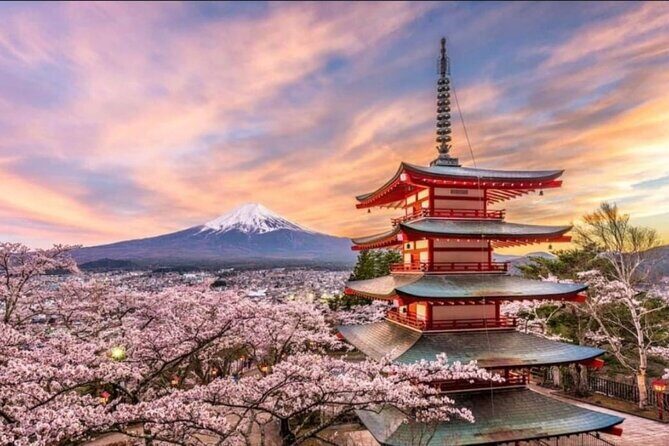
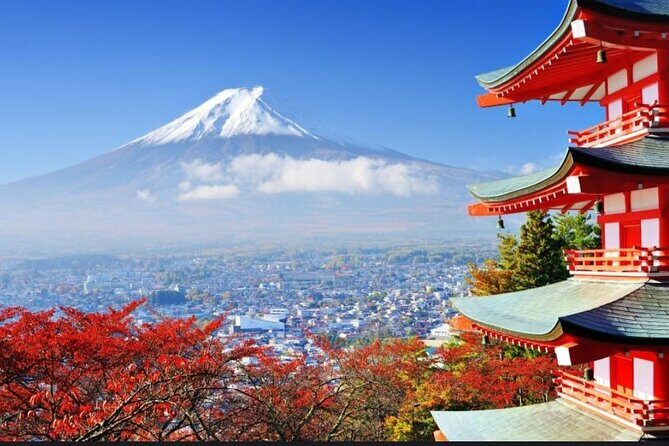
One of the most memorable stops on this route is Chureito Pagoda, part of Arakura Sengen Shrine. The pagoda sits on the mountainside looking toward Fujiyoshida City, with Mt. Fuji in the distance when weather cooperates.
The catch is physical. You’ll climb around 400 steps to reach it. For most people, that’s doable in an hour, but it’s still a climb—so bring good shoes and be ready to take breaks. The reward is that this is one of Japan’s easiest places to get a classic composition: pagoda in the foreground, Fuji lined up far behind.
Also, this stop is a “choose your own photo strategy” moment. You can move slowly and enjoy the shrine grounds, or you can set a quick plan for where you want to stand and then commit. With a private guide, you should be able to adjust how long you want at your best angle.
Lake Kawaguchiko and Oishi Park: Fuji Reflections With Backup Options
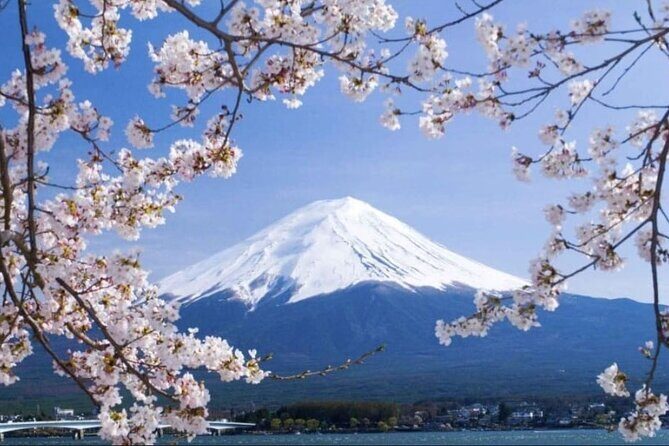
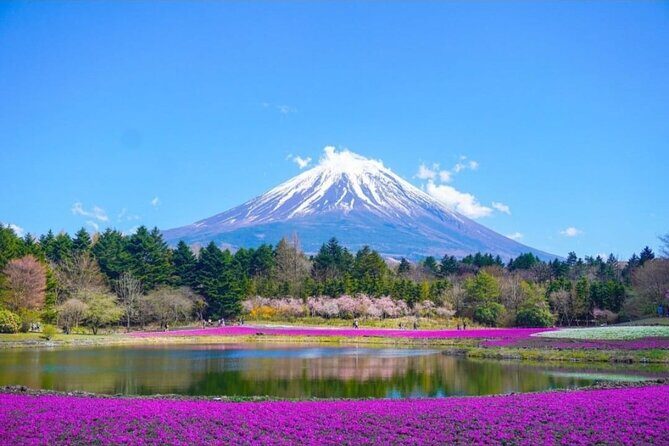
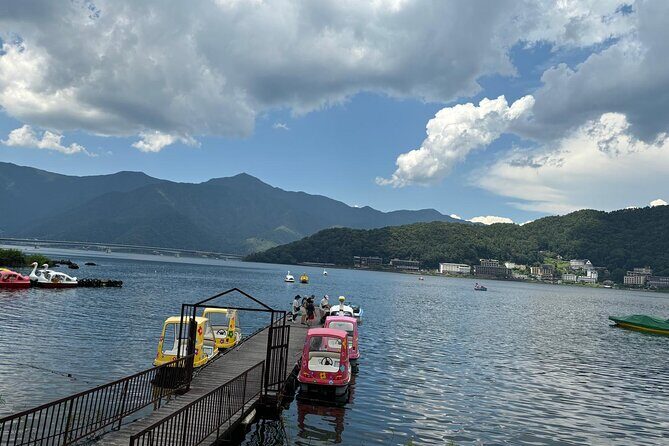
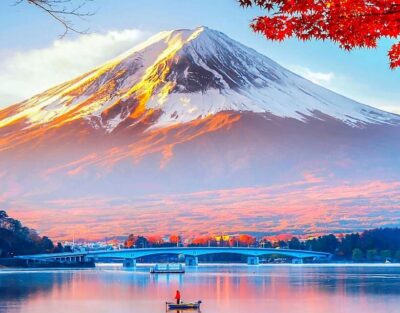
The tour spends real time around Lake Kawaguchiko (about an hour). The altitude here is lower than the 5th station, but it’s enough to change the feel of the day—often cooler, and frequently good for seasonal scenery. The lake area is also practical: you’ve got restaurants nearby for lunch on your own, and plenty of spots to pause and watch the water.
From there, Oishi Park adds another Fuji view angle on the north shore. This is one of the places where you can get that “Fuji meets the water” look without needing to hike hard. It’s also a calmer-feeling stop than the pagoda stairs, so it works well if your group wants a breather.
Optional activities exist here too. For example, there are choices like a boat cruise or a ropeway/cable car, with costs around 1,000 yen per person mentioned for those activities. Tickets for these optional add-ons aren’t included, so treat them as flexible bonus time rather than part of the fixed tour value.
More Hakone loops, ropeways and lake crossings
Oshino Hakkai Ponds and the Asama Shrine: Fuji Water and Sacred Grounds
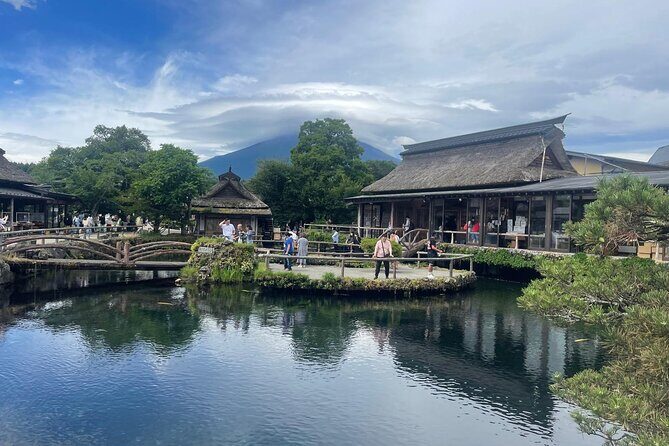
Next up is Oshino Hakkai, a historic village in the Fuji Five Lakes region between Lake Kawaguchiko and Lake Yamanakako. It’s famous for eight ponds fed by snowmelt from Mt. Fuji. The water makes its way through lava layers for decades, which is why the water is described as exceptionally clear.
This stop is valuable for two reasons. First, it breaks the pattern of only “look at Fuji from above.” You’re shifting to a Fuji-related story at ground level: water, ponds, and how that mountain power becomes everyday life. Second, it’s a good pace reset before Hakone, since it’s mostly walking around rather than climbing.
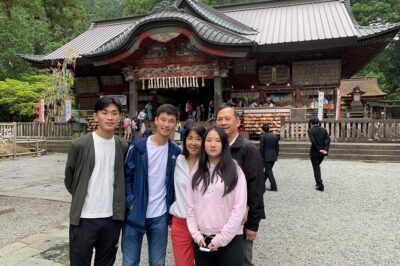
Then the tour adds Kitaguchi Hongu Fuji Sengen Jinja Shrine. This is part of Japan’s Mt. Fuji UNESCO World Cultural Heritage zone, and it’s dedicated to Konohanasakuya-hime, a goddess tied to Fuji and volcanoes. If Fuji’s view is blocked, the grounds may use small replicas of the mountain made from rocks from Mt. Fuji—an interesting detail that helps you still connect with the site even when the skyline is covered.
This is also a solid stop if you want something calmer and less photo-rushed. Even if your group is tired from the morning, shrine grounds can be a nice landing.
The Easy Mt. Fuji Trek Segment: 5th to Yoshida Trail to 7th Station
There’s a trekking portion built into the day. The route starts from the 5th station, and your guide takes you along the Yoshida trail up toward the 7th station (about 2,700m).
The tour describes this as an easy-level trek, and the idea is to give you a taste of altitude and mountain trail without turning it into a full summit push. If you want to go higher, the tour says it can arrange it for you.
Two practical notes:
- This section is time-boxed, so expect a scenic walk rather than a long hike.
- If Fuji area conditions are rough (rain, low visibility), your guide may adjust the safe plan. In bad weather, some guides shift the schedule so you still see what you can.
If you’re traveling with mixed fitness levels, this is a helpful structure. You can enjoy the mountain feel while still keeping the day workable.
Lake Ashi in Hakone: Pirate-Ship Cruise and the Torii Photo Window
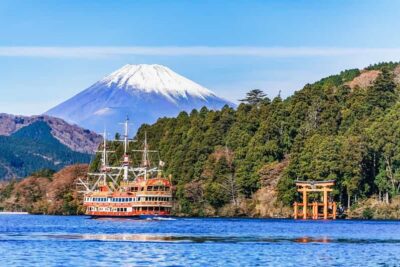
Now you shift from Fuji Five Lakes to Hakone. The centerpiece is Lake Ashinoko (Lake Ashi), with a sightseeing ship ride described as pirate-themed. The ship has 3 different designs of pirate ships, and there are pirate-like objects on board.
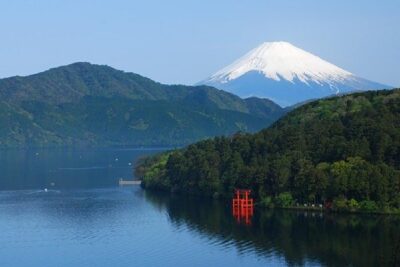
The key viewpoint is that you can line up a shot with both Mt. Fuji and the laketop torii gate of Hakone-jinja shrine in the same frame, when visibility allows. This is one of those “you know it when you see it” moments—worth it because it gives you a different perspective than the pagoda or lakeside overlooks.
The ship time is included in the route timing, but the admission ticket isn’t included. So again: you’ll want to budget for this if you’re planning to do it as written.
Also, this portion is a nice day-balance. It’s calm, it’s seated, and it gives your group a chance to recover before the last big stop.
Owakudani Valley: Steam, Boiling Pools, and Black Eggs
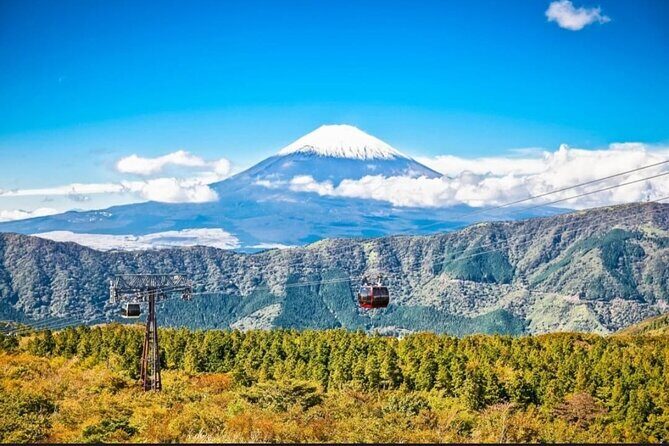
The tour closes with Owaku-dani Valley, a volcanic landscape associated with Hakone’s geothermal activity. Here you’ll see sulfurous fumaroles emitting steam, plus boiling pools and a feel for the earth’s heat under your feet.
The stop is described as having scenic hiking trails through the valley, with panoramic views of the region (including Mount Fuji and Lake Ashi when conditions are clear). There’s also a local treat: black eggs cooked in volcanic waters, said to add years to your life (it’s a fun myth that’s part of the experience).
The admission fee for Owakudani isn’t included, so don’t assume this final stop is free. It’s usually the kind of place where you’ll want a little extra time to walk slowly and take in the smell and the steam. If your group is sensitive to strong odors, it’s worth knowing the valley is built around volcanic gases.
Time, Traffic, and Why Bad Weather Changes Everything
This is a 10-hour day, give or take based on road conditions and how the weather behaves. On clear days, you’ll likely feel like the schedule is a highlight reel. On rainy days, you can still have a great day, but it turns more into “beautiful places plus good stories,” not “I saw Fuji in every photo.”
A few patterns show up in real-world scenarios:
- Fuji 5th Station closures can happen for safety, and your guide may check access and reroute.
- Rain across the day can reduce visibility so much that Fuji becomes intermittent or invisible from your best angles.
- Some guides shift the schedule to maximize time where the sky clears.
That’s why I recommend choosing this tour when you can be flexible. If you have only one shot at Mt. Fuji, try to build in a backup plan in your overall Tokyo/Hakone schedule (like a second day with lighter expectations).
Price and Value: What $399 Buys for a Private Group
At $399 per group (up to 6), you’re buying private transportation plus guided time across a heavy hitters route. For two people, it’s pricey on a per-person basis. For a full group of six, it becomes much more reasonable quickly.
What makes the value better than a simple taxi day is that the tour bundles:
- Air-conditioned private vehicle
- Fuel and tolls
- Bottled water
- A driver who handles timing and stop coordination
- Entry into many places that don’t require you to buy extra tickets (though key exceptions exist)
The parts that aren’t included are also clearly defined:
- Mt. Fuji 5th Station entrance fee (2,100 yen per group)
- Lunch
- Optional add-ons like Lake Kawaguchiko boat cruise/ropeway (around 1,000 yen per person mentioned)
- Lake Ashi ship admission ticket
- Owakudani admission ticket
So the real math is: if you plan to do the included stops and keep optional rides thoughtful, you’ll get good value. If you add multiple extras, your day’s cost grows.
This is also why private works well here. You’ll spend your precious Fuji hours at the right photo windows instead of negotiating transit timing between multiple locations.
Who This Tour Fits Best
This one fits best if:
- You want a stress-free day from Tokyo with a private English-speaking driver
- Your group has mix-and-match interests: photos, shrines, lakes, and volcanic scenery
- You prefer flexible stop time rather than a rigid group bus rhythm
It’s less ideal if:
- Your group is only interested in seeing Fuji no matter what the weather does
- You’re hoping for a highly interactive, lecture-heavy style of guide (some trips are more driver-forward than talk-forward, depending on the guide)
- Your group can’t handle stairs and walking; Chureito Pagoda has a real climb
Should You Book This Mt. Fuji and Hakone Private Day Trip?
If your goal is a one-day sampler of Mt. Fuji and Hakone without building a complicated route yourself, I’d book it. The private setup plus the stop choices around Fuji viewpoints, shrine culture, Lake Ashi, and Owakudani give you a strong day even when the sky is not perfect.
My decision tip is simple: go in expecting views as the bonus, and the places as the main point. If you’re okay with a weather-driven Plan B and you like the idea of having a guide help you time photo stops and pacing, this tour can be a great use of one Tokyo day.
FAQ
How long is the Mt. Fuji and Hakone private tour?
The tour is about 10 hours (approx.).
How many people can be in a group?
It’s a private tour/activity for your group, with a maximum group size of up to 6.
Where does the tour start?
It starts in Tokyo, Japan.
Is pickup included?
Pickup is offered.
What’s included in the tour price?
Included items are an air-conditioned vehicle, private transportation, gasoline/patrol, highway toll tax, and bottled water.
What are the main things not included?
Not included: Mt. Fuji 5th Station entrance fee (2,100 yen per group), lunch, and admission tickets for places like Lake Ashi ship and Owakudani. Optional costs like boat cruise/ropeway at Lake Kawaguchiko are also not included.
Is the Lake Ashi ship ride included?
The travel time for the ship ride is included, but the admission ticket for the ship is not included.
What if Mt. Fuji is obscured by clouds or rain?
Weather can affect visibility. The tour schedule may shift depending on conditions, and some stops may be inaccessible due to safety closures.
How far in advance is this tour typically booked?
On average, it’s booked about 50 days in advance.
What is the cancellation window?
You can cancel for a full refund if you cancel at least 24 hours in advance. If you cancel within 24 hours, the amount paid is not refunded.
Your Own Wheels: More Private Driver Days

Hakone, Three More Ways


The Fuji Shortlist: Other Days Out to the Mountain

Fresh reviews from around Tokyo






Mt Fuji Day Trips, compared.
 ★ 4.0Mt Fuji & Hakone Cruise, Drum Show Bullet Train 1 Day from TokyoFrom $1497,413 reviews
 ★ 4.4Tokyo Mt Fuji 5th St & Hakone Cruise Bus Tour w/Bullet TrainFrom $1545,024 reviews
 ★ 4.5From Tokyo: Mount Fuji Full-Day Sightseeing TripFrom $684,970 reviews
 ★ 4.7Mt. Fuji Tour, Hakone Ropeway, Owakudani, Lake AshiFrom $544,002 reviews
 ★ 5.0Private Tour to Mt. Fuji and Hakone (Fully Licenced Operator)From $4971,910 reviews
 ★ 4.9Mount Fuji Full-Day Private Tour from Tokyo (Customizable)From $3931,470 reviews
 ★ 4.0Mt Fuji & Hakone Cruise, Drum Show Bus 1 Day from TokyoFrom $1221,287 reviews
 ★ 4.2From Tokyo: Mt. Fuji & Hakone Tour w/ Return by Bullet TrainFrom $1171,278 reviews
Browse the lists this tour appears in