
Reviewed · KAMAKURA DAY TRIPS
Kamakura Zen Temples and Gardens Private Trip with Government-Licensed Guide
Kamakura feels calmer than Tokyo. This private Kamakura Zen temples and gardens trip is interesting because you get personalized attention from a government-licensed guide, and you can build a day around what you actually care about with a customizable route. One catch: entrance fees, lunch, and transport cost extra.
I also like the way a guide turns a list of temples into something you can understand while you’re standing there. In real examples, guides such as Kei, Kappa, and Seky have helped visitors connect what they see—big sculptures, temple layouts, sect traditions—to daily customs and history.
It’s not a sit-and-scroll day, though. This is a walking tour (with pickup offered on foot in Kamakura), so plan for comfort and a steady pace while you bounce between major sites and quieter hill temples.
In This Review
- Key things that make this Kamakura tour worth your time
- Why Kamakura Zen temples make more sense with a licensed guide
- Your 6-hour plan: how the customizable stops work in real life
- Engaku-ji: a Zen heavyweight with a calm sense of scale
- Kencho-ji: the oldest Zen temple in Kamakura’s five great set
- Meigetsuin (Hydrangea Temple) and Jochiji: when the gardens do the talking
- Jomyo-ji and Zuisen-ji: hill temples with a more private feel
- Hokoku-ji’s bamboo grove: a short stop with a big sensory payoff
- Kotoku-in: the Great Buddha at 11.4 meters
- Hasedera: the 11-headed Kannon statue you don’t forget
- Tsurugaoka Hachimangu, Zeniarai Benten, and Enoshima: a change of pace that still fits
- Tsurugaoka Hachimangu
- Zeniarai Benten (coin washing)
- Enoshima Island
- Nichiren options and Eishoji: when you want a wider Buddhist snapshot
- Kamakura hiking trails: the bonus that turns “sights” into “a day”
- Food and timing: what to do since lunch isn’t included
- Price and value: what $153.11 buys you in Kamakura
- Should you book this Kamakura Zen Temples trip?
- FAQ
- What does the tour price include?
- Are entrance fees included?
- Is this a private tour?
- How long is the tour?
- Can I choose which temples to visit?
- Is pickup offered?
- Is cancellation free?
Key things that make this Kamakura tour worth your time
- Government-licensed local guide who can explain what you’re looking at, not just where it is
- Customizable 3–4 site plan so you don’t waste the 6 hours on stops you don’t care about
- A mix of Zen and other temple traditions (Rinzai, Jodo, Nichiren) plus shrine culture
- Iconic must-sees included in the options, like the Great Buddha at Kotoku-in and the Kannon statue at Hasedera
- Garden and nature themes such as the Hydrangea Temple (Meigetsuin) and the bamboo grove at Hokoku-ji
- Easy add-ons near Kamakura, including Tsurugaoka Hachimangu, Zeniarai Benten, and Enoshima
Why Kamakura Zen temples make more sense with a licensed guide
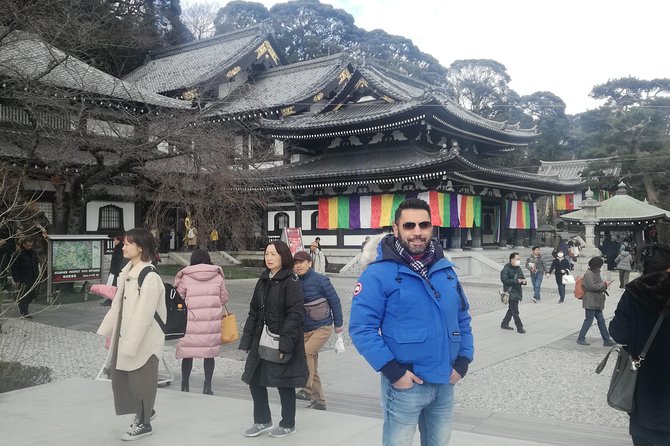
Kamakura’s temple world can feel confusing fast, even if you love Japan. You’ll see multiple Zen lineages, other Buddhist sects, and shrine traditions all stacked next to each other across neighborhoods and hills. The big value here is having a guide who can translate what matters in each place—why it exists, what its design is trying to do, and how visitors are expected to behave.
A good example from real guiding: Kei-type explanations focus on practical things like how the sites fit into Kamakura’s broader religious scene, and how the temple experience is more than photos. Kappa-style guiding leans into atmosphere and everyday details, including helping a group choose a satisfying lunch plan that fits the day’s pace. Seky-style guiding adds a smooth flow between stops so you spend less time figuring out routes and more time absorbing what you’ve come to see.
This tour’s promise is simple: learn more than you would on your own, without locking you into a rigid checklist.
Your 6-hour plan: how the customizable stops work in real life
This is designed as a walking tour that lasts about 6 hours. You choose your preferred attractions from the temple-and-garden list, and the tour is built around visiting 3–4 sites (so you don’t get temple fatigue).
Two practical points matter a lot:
- Admission fees and lunch are not included. The itinerary includes many places where entry costs extra, and your guide entry fees are only covered for sights in the included selection. Budget for that.
- Transport costs are extra. The tour is walking-focused, but “pickup offered” means you’re likely meeting in the Kamakura area and then moving as your route requires. If you’re trying to cover coast-side spots (like Enoshima), you may need extra rides.
The other detail that makes the tour feel good: it’s private, so it’s just your group. That means you can ask questions, move at your pace, and skip anything that doesn’t click.
Engaku-ji: a Zen heavyweight with a calm sense of scale
Engaku-ji (円覚寺) is one of Kamakura’s “five great Zen temples” and a standout for first-time visitors who want the serious Zen vibe. It was founded in 1282 by Hojo Tokimune, and that long timeline helps you understand why the grounds feel so established—less like a modern attraction, more like a place that has carried ritual and daily practice for centuries.
What you’ll likely enjoy here:
- The sense of order you feel in well-kept temple spaces
- Your guide’s ability to explain what you’re seeing in terms of Zen priorities (not just name-labels)
How to think about timing:
Engaku-ji is often a “start strong” stop. If you’re selecting only a few sites, this is a great anchor because it sets context for the rest of your route.
Possible drawback:
If you’re the type who gets impatient with quiet spaces, you might want to pair Engaku-ji with one more “wow-factor” site later (like the Great Buddha) so you get both meaning and spectacle.
Kencho-ji: the oldest Zen temple in Kamakura’s five great set
Kencho-ji (建長寺) is the #1 of Kamakura’s five great Zen temples and is known for being the oldest Zen temple in the city, founded in 1253 by Hojo Tokiyori during the Kencho era. That “oldest” status matters because the temple atmosphere often feels rooted—less dramatic theatrics, more deep continuity.
In a customized private schedule, Kencho-ji works well when you want:
- A history-forward, Zen-focused stop
- A place to slow down and learn what makes “Zen architecture” feel the way it does
Possible drawback:
Admissions aren’t included, so you’ll want to consider whether you’re comfortable paying separate entry fees for multiple temples in one day.
Meigetsuin (Hydrangea Temple) and Jochiji: when the gardens do the talking
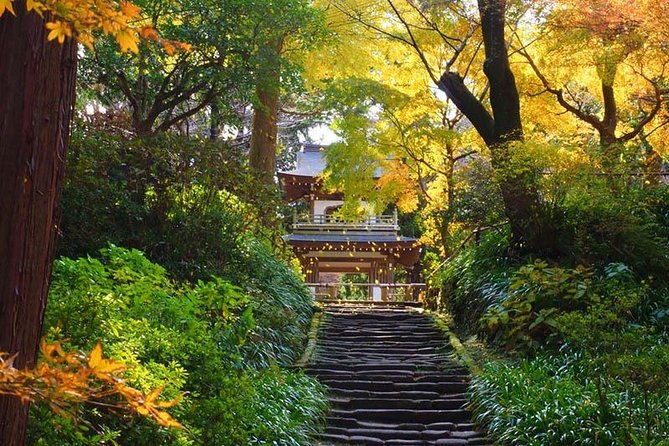
Meigetsuin (明月院) is nicknamed Ajisaidera, the Hydrangea Temple. That name isn’t a gimmick—it points to the kind of seasonal beauty that makes this place memorable. It’s a Rinzai Zen temple founded in 1160. Even if you’re not chasing peak bloom, it’s still a garden-temple experience where the space is part of the teaching.
A nearby feeling stop is Jochiji (浄智寺), a branch temple tied to Engaku-ji’s Rinzai school. This kind of place is valuable because it often feels less “big attraction” and more “understanding how temples expand and connect.”
How to choose between them:
- Pick Meigetsuin if you want a strong garden mood and the seasonal identity of hydrangeas.
- Pick Jochiji if you like quieter, more connective stories—how temples link to larger schools.
Possible drawback:
Garden-heavy stops can feel repetitive if your day includes too many similar “temple yard” locations. The custom part is how you avoid that.
Jomyo-ji and Zuisen-ji: hill temples with a more private feel
Jomyo-ji (浄妙寺) sits in the hills of eastern Kamakura and ranks fifth among the five great Zen temples. It also gives you a “hillside temple” perspective—an escape from the flatter main areas.
Zuisen-ji (瑞泉寺) is in the far east of Kamakura, tucked in a narrow valley and surrounded by wooded hills, with the Engaku-ji connection again as a branch temple. That setting is exactly why this tour is worth doing privately: a guide can help you appreciate how location affects the vibe, not just the signage at each gate.
Then there are Nichiren-sector options like Ankokuronji (安国論寺) and Myohonji (妙本寺), both along Kamakura’s southeastern hills. You can swap these in if your interests lean toward a broader mix of Japanese Buddhism rather than only Zen.
Possible drawback:
Hillside areas may mean more walking effort depending on your chosen route and the weather.
Hokoku-ji’s bamboo grove: a short stop with a big sensory payoff
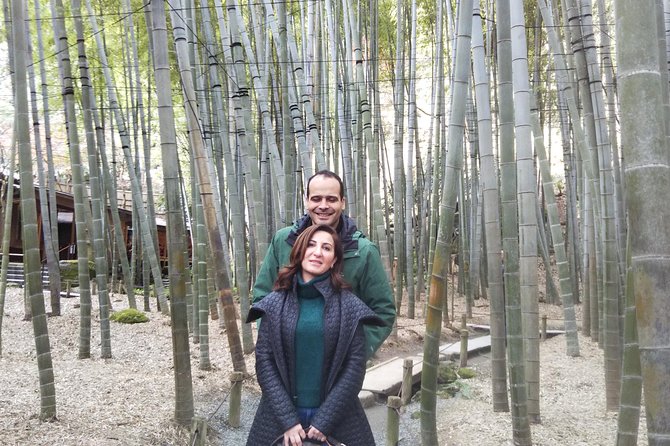
Hokoku-ji (東慶寺 appears elsewhere, but Hokoku-ji is specifically) is famous for a small bamboo grove behind the main hall, with over 2,000 bamboo stalks. The point isn’t just the quantity—it’s the feeling. Bamboo groves change your sound and your light in a way that makes the space memorable even when you only spend about half an hour.
If you want one “wow” feature among your choices, Hokoku-ji is a strong bet. It also pairs well with a more solemn temple earlier, giving you a contrast in texture: quiet ritual, then a nature moment.
Possible drawback:
Because it’s such a photo-friendly area, it can feel busy at peak times. The upside of a private guide is you can get practical pacing advice.
Kotoku-in: the Great Buddha at 11.4 meters
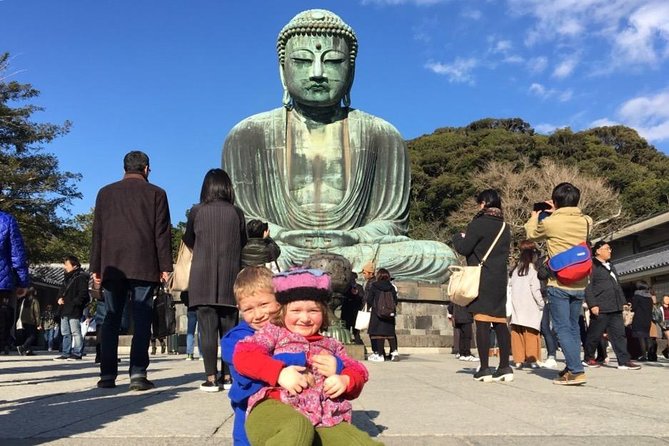
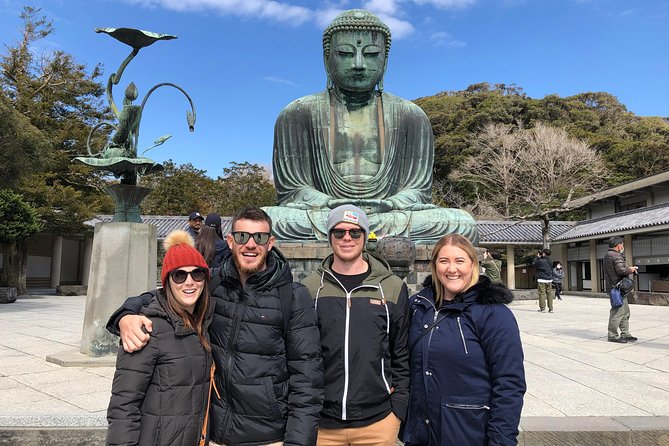
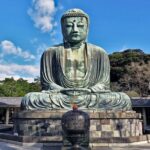
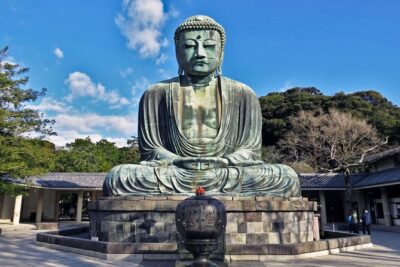
The Great Buddha of Kamakura at Kotoku-in (鎌倉大仏) is one of the city’s headline icons. It’s a bronze statue of Amida Buddha, 11.4 meters tall, and it lives on the Kotoku-in temple grounds.
This stop is your best option if you want your day to include at least one world-class “big monument” moment. It’s also the kind of sight that makes explanations click—your guide can connect Buddhist meaning to the physical scale you’re seeing.
How to get value here:
Don’t rush it like a checklist photo stop. Even a short visit becomes better if you understand what the figure represents and how visitors relate to it.
Possible drawback:
Because it’s a major landmark, you may pay an additional admission fee and share space with other visitors in peak hours. A private guide helps you manage timing inside your 6 hours.
Hasedera: the 11-headed Kannon statue you don’t forget
Hasedera (長谷寺) is famous for its eleven-headed statue of Kannon, the goddess of mercy. The statue is 9.18 meters tall and is a gilded wooden sculpture, regarded as one of the largest wooden sculptures of its kind.
This is the stop for people who:
- Prefer sculpture and artistry over garden-only visits
- Want a strong emotional or spiritual focal point in a short time
Pairing tip:
Hasedera pairs nicely after you’ve already seen at least one Zen-focused site, because it shifts your lens from Zen garden calm to Jodo devotional symbolism.
Possible drawback:
Like other major stops on the list, it’s not included in your price for admission, so you’ll need to factor the costs into your day plan.
Tsurugaoka Hachimangu, Zeniarai Benten, and Enoshima: a change of pace that still fits
Not every good Kamakura day is only Zen temples. This tour’s list includes major shrine culture and an easy coastal add-on.
Tsurugaoka Hachimangu
Tsurugaoka Hachimangu is dedicated to Hachiman, the patron god of the Minamoto family and samurai in general. It’s a fast stop on paper, but it works because it helps you connect Japan’s religious layers—shrines aren’t separate from Buddhist life here; they overlap in real culture.
Zeniarai Benten (coin washing)
Zeniarai Benten (銭洗弁天) is known for coin washing—zeniarai literally points to washing coins at a spring so you’re said to gain luck. The admission is listed as free, and it’s a fun contrast to temple formality.
Enoshima Island
Enoshima (江の島) is only a short train ride west of Kamakura, connected by bridge to the mainland. It’s described as touristy, but that can be a good thing when your day needs energy after temples. The island offers a shrine and other attractions, and it’s easy to treat it as a palate cleanser.
Possible drawback:
Enoshima adds time and extra movement, so if your legs are limited, stick to Kamakura proper and keep the route temple-heavy.
Nichiren options and Eishoji: when you want a wider Buddhist snapshot
If you’re the type who likes seeing how Japanese Buddhism branches, the tour’s choices give you that flexibility.
Ankokuronji (安国論寺) is a Nichiren sect temple where Nichiren is said to have founded it around 1253 when he first came to Kamakura. Myohonji (妙本寺) is another Nichiren temple founded in 1260 by Hiki Yoshimoto. These stops can add variety to your day, especially if your Zen picks feel too similar.
Then there’s Eishoji (英勝寺), described as the only surviving nunnery in Kamakura, located near Tsurugaoka Hachimangu and connected to the Tokugawa family. It’s a short stop, but it adds a gendered perspective to the religious landscape—something you might not expect when you picture Kamakura as only male Zen monasteries.
Possible drawback:
More variety can also mean less depth per site. That’s why the custom 3–4 selection matters.
Kamakura hiking trails: the bonus that turns “sights” into “a day”
Kamakura is surrounded by the ocean to the south and wooded hills in other directions, and there are attractive hiking trails connecting atmospheric temples. Even a short hike option makes the day feel less like an indoor museum circuit and more like moving through the city’s geography.
You’ll get two benefits:
- A break from temple entrances and souvenir shops
- A better sense of how temples are placed for access, views, and seclusion
Possible drawback:
Hills and stairs are real. If your fitness level is modest, choose fewer sites and prioritize easier connections.
Food and timing: what to do since lunch isn’t included
Lunch isn’t included, so you need a plan. The good news: guides often help you choose something that fits your pace. In one real example, Kei guided a group toward a local lunch of Hiyashi Udon—cooled white wheat noodles served at room temperature when it’s warm outside. Another guiding style included a stop that worked well with a natural break in the day, like taking time for green tea in the bamboo area.
My advice: before you go, decide how you like to eat on travel days. If you want a proper sit-down meal, pick fewer temples. If you’re okay with a lighter lunch, you can cover 3–4 sites comfortably within the 6 hours.
Also remember: temple gardens can include quiet paths and shaded areas, so staying hydrated matters more than you think.
Price and value: what $153.11 buys you in Kamakura
At $153.11 per person, you’re paying for more than a tour stamp. What’s included is the licensed local English-speaking guide, a customizable walking itinerary built around choosing 3–4 sites, and meeting on foot in the Kamakura area. Mobile ticket access is included, and group discounts can apply.
What’s not included:
- Entrance fees
- Transport fees (and private transportation)
- Lunch and other personal expenses
So is it worth it? For me, it’s best when you want:
- Fewer stops, but better understanding
- Help reading the place while you’re inside it
- A day that feels flexible instead of rushed
If you’re traveling with just one or two people, the private nature often feels like the real bargain. If you’re a budget-only traveler who plans to pay the entrance fees anyway and already knows exactly which temples you want, you might feel the guide cost more. But if your goal is clarity and a calmer schedule, the price starts to feel fair fast.
Should you book this Kamakura Zen Temples trip?
Book it if you:
- Want a guide who can explain what you’re seeing, not just point and nod
- Like the idea of a custom 3–4 site plan in 6 hours
- Want a balanced day: iconic sights like Kotoku-in and Hasedera, plus calmer garden and nature stops like Meigetsuin and Hokoku-ji
- Prefer a private experience with room for questions
Skip or rethink it if:
- You’d rather do Kamakura on autopilot with no added costs for guidance
- You don’t want to pay additional entrance fees on top of the base tour price
- You want minimal walking. This is a walking tour, and hills are part of the Kamakura experience.
FAQ
What does the tour price include?
The price includes a licensed local English-speaking guide, a customizable walking tour based on choosing 3–4 sites, and meeting the guide on foot within the designated Kamakura area.
Are entrance fees included?
No. Entrance fees are not included, and the listing notes that entry fees are extra.
Is this a private tour?
Yes. It’s private, so only your group participates.
How long is the tour?
It runs for about 6 hours.
Can I choose which temples to visit?
Yes. The walking route is customizable, and you can select your preferred attractions from the available list.
Is pickup offered?
Pickup is offered, but this is still a walking tour. The guide meet-up is on foot within a designated area in Kamakura.
Is cancellation free?
Yes. Free cancellation is available up to 24 hours in advance for a full refund, based on local time.
More Tour Reviews in Kamakura
More Days by the Great Buddha
Kamakura Day Trips, compared.
 ★ 4.5Kamakura & Enoshima Day Trip including Temple TicketsFrom $581,375 reviews
 ★ 4.5From Tokyo: Kamakura & Enoshima 1-Day Bus TourFrom $66189 reviews
 ★ 5.0Kamakura Historical Walking Tour with the Great BuddhaFrom $98129 reviews
Kamakura Private Tour: Temples, Nature, and the Great BuddhaFrom $98121 reviews
Kamakura Walking Tour – The City of ShogunFrom $35100 reviews
★ 5.0Kamakura Historical Walking Tour with the Great BuddhaFrom $98129 reviews
Kamakura Private Tour: Temples, Nature, and the Great BuddhaFrom $98121 reviews
Kamakura Walking Tour – The City of ShogunFrom $35100 reviews
 ★ 5.0Kamakura 8 hr Private Walking Tour with Licensed Guide from TokyoFrom $20180 reviews
 ★ 4.1Kamakura & Enoshima Day Tour with Pickup & Train RideFrom $1361 reviews
 ★ 4.8Kamakura: Private Guided Walking Tour with Local GuideFrom $10660 reviews
Browse the lists this tour appears in