
Reviewed · KAMAKURA DAY TRIPS
Kamakura Zen: Great Buddha, Nature, Bamboo & Samurai Culture
Kamakura feels calmer than you expect. You’ll walk from Kotoku-in’s Great Buddha to Hasedera’s Zen spaces, then move into samurai history at Tsurugaoka Hachimangu, finishing with a quiet bamboo forest stop and Komachidori Street for old-town snacks.
I especially like the balance: big spiritual sights in the morning, then a peaceful nature break that slows your pace. The tour’s local expert guide, Deen, also adds context you don’t get from a guidebook, and he’ll even share tips for lunch and the rest of your day. One thing to think about: this is a fixed group route with walking and some stairs, so it’s not the best match if you want total flexibility.
In This Review
- Key Highlights You’ll Care About
- Kamakura in Four Hours: Zen Calm Meets Samurai Street Cred
- Start at Kamakura Station East Exit: Getting on Track Fast
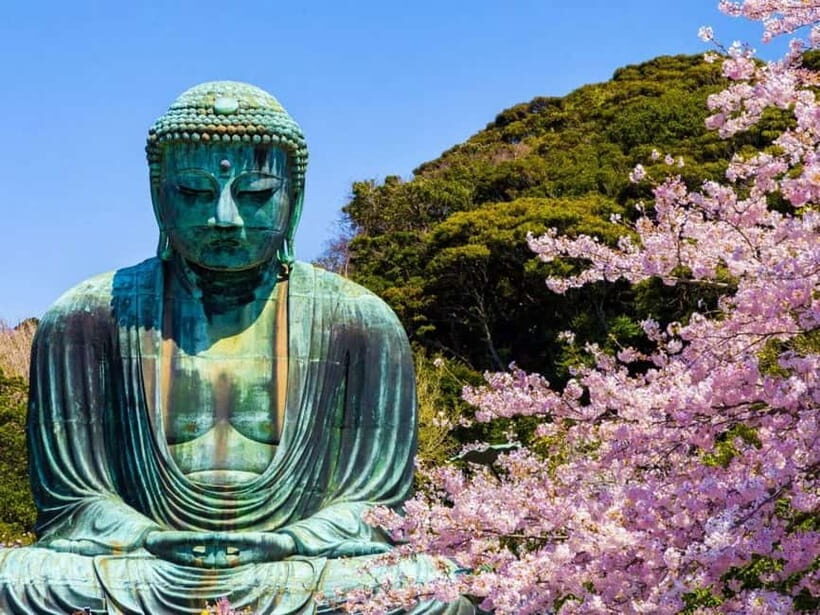
- Kōtoku-in and the Great Buddha: A Monument With Real Weight
- Hase-dera: Kannon, Zen Gardens, and Benzaiten’s Cave
- Between Temples by Tram and Coach: Why the Pace Works
- Tsurugaoka Hachimangu: The Samurai Story Gets Specific
- Hokokuji Bamboo Forest: Quiet Footsteps and a Zen Tea Option
- Komachidori Street: Snacks, Souvenirs, and Old-Town Energy
- Price and Value: Why This Tour Costs $64 (and When It Makes Sense)
- Who This Tour Fits Best (and Who Might Want a Different Plan)
- Should You Book This Kamakura Zen and Samurai Tour?
- FAQ
- Where is the meeting point for the tour?
- How long is the tour?
- What does the $64 price include?
- Is transportation included?
- Is matcha tea included?
- What should I bring?
- Is the tour rain or shine?
- What languages are available?
- Is there free cancellation?
- Is the tour wheelchair accessible?
- Will I have time to shop or snack?
Key Highlights You’ll Care About
- Great Buddha + Hasedera Zen in one smooth route, without you having to plan every connection
- Deen’s culture-first explanations, with a friendly pace and history tied to what you’re seeing
- Benzaiten’s cave at Hasedera, plus tranquil gardens that change how the day feels
- Hokokuji bamboo grove, where the quiet really takes hold during your walk
- Optional matcha experience at the bamboo stop, in a setting that makes it easy to enjoy
- Komachidori Street wrap-up for local snacks and small shopping without rushing
Kamakura in Four Hours: Zen Calm Meets Samurai Street Cred
Kamakura is famous for big names in Japanese history, but this tour makes it feel human. You’re not just ticking off temples; you’re moving through a sequence of spaces that shift your mood from stone monument to garden calm to warrior legend to forest silence.
The timing is a big part of the appeal. In about 4 hours, you cover several key stops that would take longer if you built the route yourself. You also get a guide who helps you read the places—so you don’t just see buildings and statues; you understand why they mattered to the people who built them.
You’ll be in a public group with a fixed itinerary. That’s great for flow, but it means you won’t wander freely for long stretches. If you like spontaneity above all else, you might find the structure a bit tight. If you like getting the most out of a short stay in town, this format works.
Start at Kamakura Station East Exit: Getting on Track Fast
Meet at the Kamakura City Tourist Information Center, right by the East Exit of Kamakura Station. After you pass through the ticket gates, turn left and you’ll see it just ahead. It’s a clear, easy-to-find start point—good for a first day in town.
The tour begins promptly, and it’s worth arriving about 10 minutes early. This tour runs on a schedule, and local transit between stops matters. When everything is on time, you get a smooth day instead of a rushed scramble.
Plan to bring comfortable shoes, plus water and some cash. You’ll do walking between sites, and there are some stairs along the way. Also, the tour runs rain or shine, so bring basic weather gear like an umbrella or sunscreen and stay comfortable.
And one detail I really like for value: the guide takes photos for you during the tour. You can spend your eyes on the scenery instead of juggling a phone every time the group pauses.
Kōtoku-in and the Great Buddha: A Monument With Real Weight
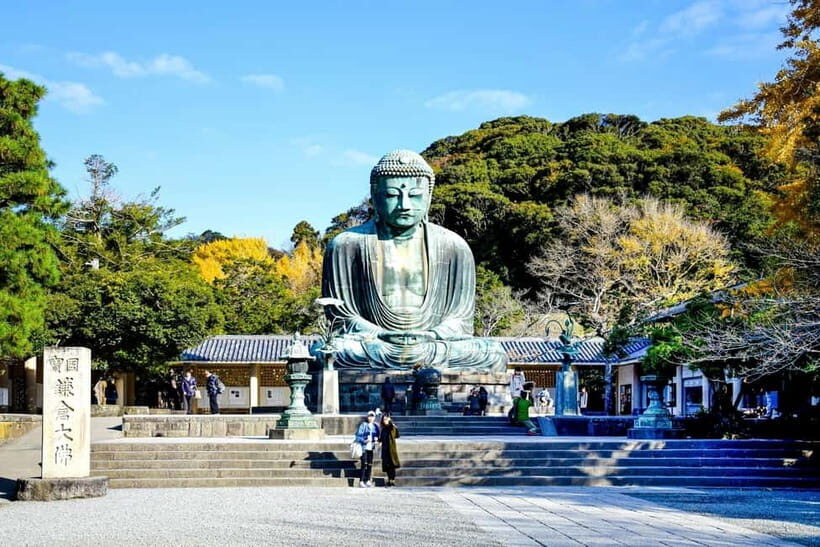
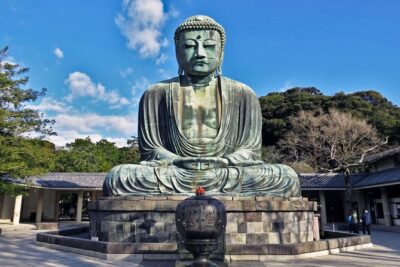
Your first major stop is Kōtoku-in, home to Kamakura’s Great Buddha. This is the kind of sight that makes you slow down without trying. It’s not behind ropes and it isn’t hidden in a museum. You’re close to a powerful piece of Buddhist heritage, and the scale hits you quickly.
You’ll spend about 30 minutes here, which is enough to get a clear look, notice details, and take in the atmosphere without feeling like you’re sprinting to the next photo spot. If you’re the type who likes to look at textures and wear and the way people move through a place, this timeframe helps.
One practical tip: the area is a strong “first stop” because it sets the theme of the day right away—Zen calm meets history in a single glance. Even if the next temples feel quieter, you start with something unmistakable.
Hase-dera: Kannon, Zen Gardens, and Benzaiten’s Cave
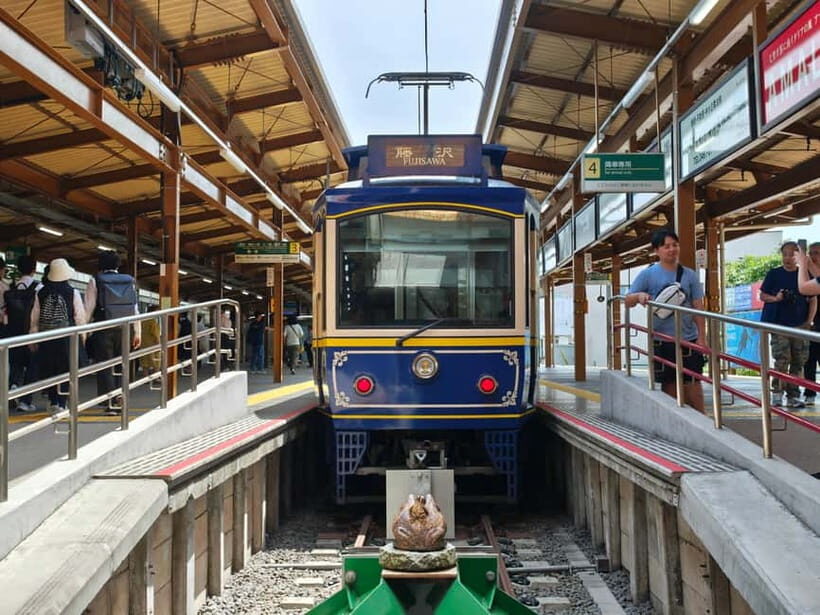
From the Great Buddha area, the route brings you to Hase-dera, one of Kamakura’s most atmospheric temple visits. You’ll have about 45 minutes here, which is solid for taking the gardens in at a relaxed pace and still seeing the main highlights.
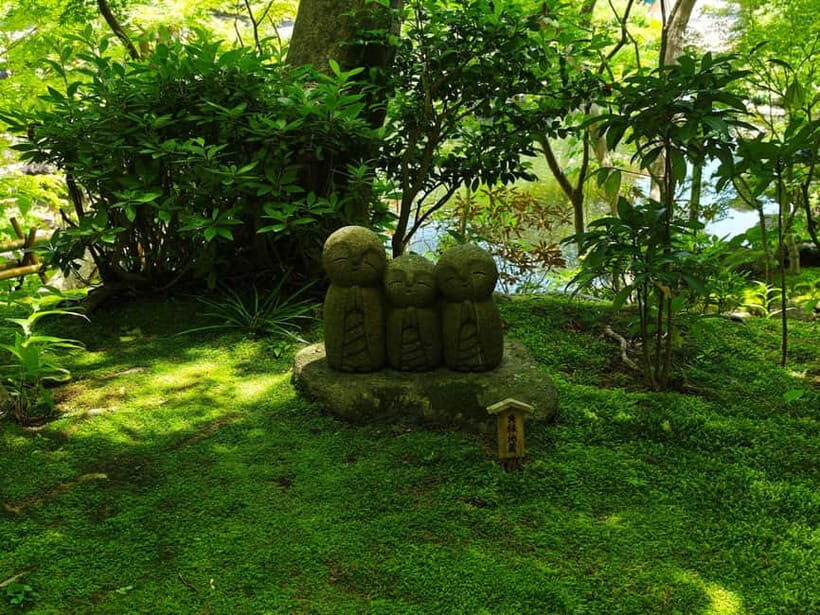
What I like about Hase-dera is how it feels designed for slowing down. The temple is known for tranquil gardens and Zen spaces, and you experience that not as an abstract idea, but as a change in your body’s pace. You start to walk differently—shorter steps, more time looking, less urgency.
At Hase-dera, you’ll also see the Kannon statue, an important figure in Buddhist tradition associated with compassion and mercy. It gives the visit a clear spiritual centerpiece, not just scenery.
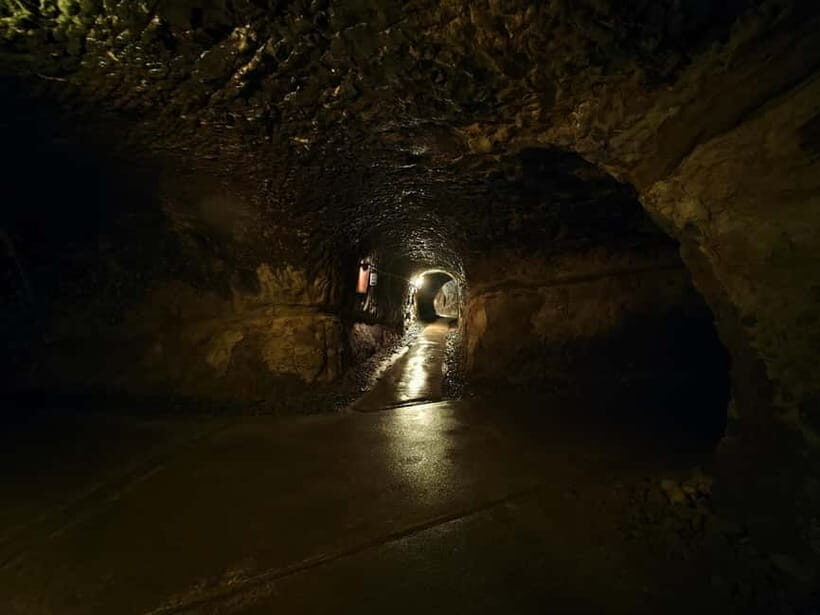
The stop also includes Benzaiten’s cave. That detail matters because it adds variety to the route: you’re not only looking at open garden views. You also get that sense of story and sacred mystery connected to the site, which makes the time feel more complete.
One consideration: temple grounds often include uneven steps and walking paths. You don’t need “mountain hiking gear,” but you do need shoes that work on stone steps and slopes.
Between Temples by Tram and Coach: Why the Pace Works
A lot of people underestimate how tiring transfers can be in Japan. Here, the tour handles the movement between key areas with short legs by tram/coach, so you’re not constantly calculating routes or changing lines.
You’ll do a few segments where transit is part of the experience, not a separate hassle. These breaks keep you energized for the next spiritual or cultural stop. They also help you cover more ground than a purely walking day.
The trade-off is that the tour is a group plan. If you want to linger for 30 extra minutes on one exact viewpoint, this isn’t designed for that. Still, for a half-day in Kamakura, it’s a smart way to keep the day flowing.
Tsurugaoka Hachimangu: The Samurai Story Gets Specific
After the calm of Zen spaces, the mood shifts toward warrior culture at Tsurugaoka Hachimangu Shrine. This is often described as the heart of Kamakura’s warrior past, and the shrine’s importance shows in how the space feels and how your guide frames it.
You’ll spend about 30 minutes here. That’s enough time to understand what you’re seeing without turning it into a museum lecture. A shrine like this works best when you connect symbols to the larger story—so you end up feeling like you learned something, not just looked around.
I like this stop because it gives your day “context.” Before you arrive, you’ve been in quiet temple environments. Then you switch to a place tied to samurai identity, power, and public life. It makes Kamakura feel like one connected timeline, not separate tourist attractions.
And this is where having a guide like Deen really pays off. He’s praised for being personable and for sharing history connected to Japanese culture in general, not just reciting dates. If you enjoy explanations that make the setting clearer, you’ll likely appreciate the way he handles this part of the day.
Hokokuji Bamboo Forest: Quiet Footsteps and a Zen Tea Option
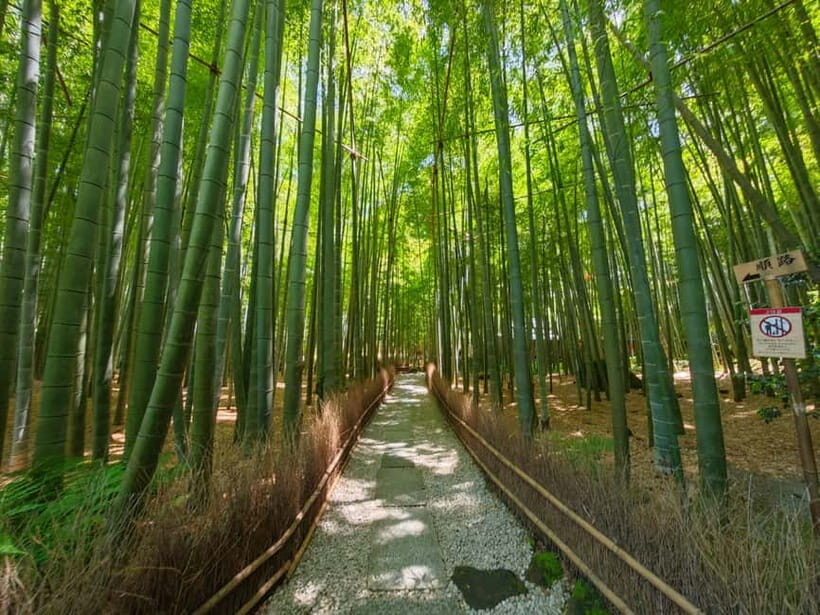
Next comes the part many people remember most: Hokokuji Temple and its bamboo grove. You’ll have around 30 minutes here, which is about right for a bamboo walk—long enough to notice the texture of the stems and the way the paths guide your pace, not so long that it starts to feel repetitive.
What makes this stop work is that it’s a real contrast from the shrine area. Bamboo doesn’t just look pretty. It changes the soundscape and makes the whole moment feel slower. Even if you’re chatting with your group, the setting nudges you toward quiet attention.
At this stop, there’s also an optional matcha tea experience. Here’s the practical twist: even if you think you might not like matcha, this is the one moment during the day where trying it can feel less intimidating—because the location and the setting help make it enjoyable. Deen also gets credit for making the tea experience feel worth it.
There’s mention of a secret teahouse, which is the kind of detail that heightens the feeling that you’re stepping into something more intimate than a standard tourist stop. You’re not just buying a drink; you’re doing it as part of the Zen atmosphere of the grove.
Komachidori Street: Snacks, Souvenirs, and Old-Town Energy
You finish at Komachidori Street, one of Kamakura’s best-known shopping lanes and snack streets. You’ll have about 30 minutes here, which is a good amount of time to do light browsing and grab something to eat.
This part of the tour is where the day turns practical. You can pick up small souvenirs, sample local snacks, and soak up the “real town” feel after temple-focused mornings. If you’ve been walking through stone and gardens all day, street-level shopping feels like a release valve.
Also, because snacks and meals aren’t included, Komachidori is where your earlier cash prep pays off. If you’re the kind of traveler who likes a final reward after sightseeing, this stop is a satisfying landing.
And one more nice touch: Deen’s advice often extends beyond the tour itself. People noted he shared strong tips for lunch and an afternoon plan, which can help you avoid ending up hungry later or wandering aimlessly.
Price and Value: Why This Tour Costs $64 (and When It Makes Sense)
At $64 per person for about 4 hours, this tour is priced in a way that can feel fair if you add up what’s included. You get entry tickets to all temples and shrines, a friendly local expert guide in English, photos taken for you, and the optional matcha tea experience at the bamboo forest.
What’s not included is important: transportation (train or bus fare to/from and during the tour) and personal expenses like meals, snacks, souvenirs, and drinks. That means your real “all-in” cost depends on how you get to Kamakura and what you eat afterward.
Still, the structure is good value. In Japan, temple/shrine entry fees can add up, and having a guide saves you time spent figuring out routes and what you should actually pay attention to. Plus, the photos and guided context reduce the mental load—especially if you’re visiting for the first time.
If you only have half a day in Kamakura, this is the kind of tour that keeps your time from turning into transit time and regret.
Who This Tour Fits Best (and Who Might Want a Different Plan)
This tour is a strong match if you want a focused Kamakura experience with a Zen theme plus a samurai layer. You’ll likely enjoy it if you like:
- Temple and shrine visits with context, not just photos
- A calm nature stop like the bamboo grove
- A structured route when you’re short on time
It’s also a good fit for first-time visitors to Kamakura who want to avoid decision fatigue. Meeting at a known spot by Kamakura Station helps you start confidently.
One consideration: it’s not suitable for wheelchair users, and the day includes walking and some stairs. So if mobility is a key concern, you should look for an easier alternative.
Should You Book This Kamakura Zen and Samurai Tour?
If your goal is to understand Kamakura in a short window—Great Buddha, Zen temple atmosphere, samurai heritage, bamboo silence, and a final street-food and shopping stretch—this tour is an easy yes.
Book it if you want English guiding from Deen, a schedule that actually works within 4 hours, and entry tickets included so you aren’t doing math at every stop. The biggest reason to choose it is the combination: spiritual sights plus nature calm plus warrior culture, all connected in one day without you planning every step.
Skip it only if you need maximum flexibility, don’t handle stairs well, or you’d rather spend your time just roaming at your own pace.
FAQ
Where is the meeting point for the tour?
Meet at the Kamakura City Tourist Information Center on the East Exit of Kamakura Station. Pass through the ticket gate, turn left, and you’ll see it just ahead.
How long is the tour?
The tour duration is 4 hours.
What does the $64 price include?
It includes entry tickets to all temples and shrines, a friendly local expert guide in English, photos taken for you during the tour, and an optional matcha tea experience at the bamboo forest.
Is transportation included?
No. Transportation (train or bus fare to/from and during the tour) is not included.
Is matcha tea included?
The matcha tea experience at the bamboo forest is optional. If you choose it, it’s included in the tour.
What should I bring?
Bring comfortable shoes, water, and cash.
Is the tour rain or shine?
Yes, the tour runs rain or shine.
What languages are available?
The live tour guide offers English.
Is there free cancellation?
Yes. You can cancel up to 24 hours in advance for a full refund.
Is the tour wheelchair accessible?
No. It is not suitable for wheelchair users.
Will I have time to shop or snack?
Yes. The tour ends on Komachidori Street with time for shopping and snacks. Meals and snacks are not included, so you’ll pay for anything you want there.
More Tour Reviews in Kamakura
More Days by the Great Buddha
Kamakura Day Trips, compared.
 ★ 4.5Kamakura & Enoshima Day Trip including Temple TicketsFrom $581,375 reviews
 ★ 4.5From Tokyo: Kamakura & Enoshima 1-Day Bus TourFrom $66189 reviews
 ★ 5.0Kamakura Historical Walking Tour with the Great BuddhaFrom $98129 reviews
Kamakura Private Tour: Temples, Nature, and the Great BuddhaFrom $98121 reviews
Kamakura Walking Tour – The City of ShogunFrom $35100 reviews
★ 5.0Kamakura Historical Walking Tour with the Great BuddhaFrom $98129 reviews
Kamakura Private Tour: Temples, Nature, and the Great BuddhaFrom $98121 reviews
Kamakura Walking Tour – The City of ShogunFrom $35100 reviews
 ★ 5.0Kamakura 8 hr Private Walking Tour with Licensed Guide from TokyoFrom $20180 reviews
 ★ 4.1Kamakura & Enoshima Day Tour with Pickup & Train RideFrom $1361 reviews
 ★ 4.8Kamakura: Private Guided Walking Tour with Local GuideFrom $10660 reviews
Browse the lists this tour appears in