
Reviewed · KAMAKURA DAY TRIPS
Kamakura Private Tour by Public Transportation
Kamakura is better with a guide. This private day trip is designed to show you the big, atmospheric sights without the stress of figuring out routes on your own. I especially like the public-transport escort and the efficient temple-and-shrine circuit that fits a full day.
You also get real flexibility: the tour can be customized, and you’ll start with a meeting in the hotel lobby. Yumiko Sano, who goes by Yumi, comes through in the reviews as prompt and friendly, and that matters when you’re trying to stay on schedule.
One thing to consider: it’s shrine and temple heavy. If you’re hunting for more of a seaside resort vibe, you may wish you spent extra time exploring beyond the core religious stops—especially since admissions and food are extra.
In This Review
- Key things I’d book this for
- Why this Kamakura tour feels easier than doing it solo
- Getting from stop to stop: walking, trains, and bus rides
- Hasedera Temple: seasonal flowers and a classic Kamakura setting
- Kotoku-in and the Great Buddha: a huge outdoor landmark
- Hokoku-ji Bamboo Temple: cool shade and a mysterious feel
- Tsurugaoka Hachimangu Shrine: major Shinto energy in the city center
- Komachidori street: food and shops for a lighter finish
- Price and value: what $156.09 per person really covers
- The guide factor: why Yumi’s style shows up in the reviews
- Who should book this Kamakura private tour
- Should you book this private Kamakura day trip?
- FAQ
- How long is the Kamakura private tour?
- What is included in the tour price?
- Are admission fees included?
- Are food and drinks included?
- Do you use public transportation during the day?
- Is this a private tour or shared with other people?
- Do I need coins for this tour?
Key things I’d book this for
- Escort on public transit: You’ll travel by commuter train and buses with help, not guesswork.
- Well-timed highlights: Hasedera, Kotoku-in (Great Buddha), Hokoku-ji (bamboo), Tsurugaoka Hachimangu, then Komachidori.
- Private, just your group: Only your party participates, so the pace stays comfortable.
- Lower-stress planning: You get a guided plan plus practical navigation through Kamakura.
- Bring coins for buses: One review calls this out—save yourself the last-minute scramble.
Why this Kamakura tour feels easier than doing it solo
Kamakura is one of those places where the highlights are spread out, but not far apart—if you know the transit rhythm. This tour leans into that reality by using public transportation with an escort, so you’re not burning the whole day on navigation.
The best part is that you’re not just handed a checklist of sights. You get a guide who helps you move from one mood to the next: flower temple calm, the large outdoor Buddha, cool bamboo shade, a major Shinto shrine in the city center, then a lively shopping street for snacks.
Because it’s private, you also have room to adjust. If your group wants more time at one place (or needs more breaks), you’re not stuck matching the pace of strangers.
Getting from stop to stop: walking, trains, and bus rides
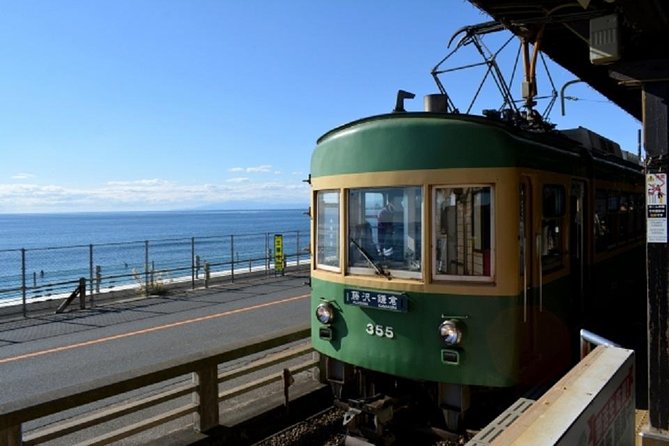
Expect a mix of walking and transit. One review specifically mentions an old-fashioned commuter train and public buses, plus the kind of walking that adds up over a day even when everything feels close.
Here’s the practical advice I’d follow:
- Bring plenty of coins for buses, since that’s a common sticking point in Japan.
- Wear shoes you can walk in for hours. Even with guided pacing, you’ll still do meaningful legs.
- Keep an eye on time at each stop, because the day flows stop to stop.
The escort on public transport is what makes this work. Without it, you’d still get there, but you’d probably spend time figuring out routes, transfers, and where to stand when buses arrive.
Hasedera Temple: seasonal flowers and a classic Kamakura setting
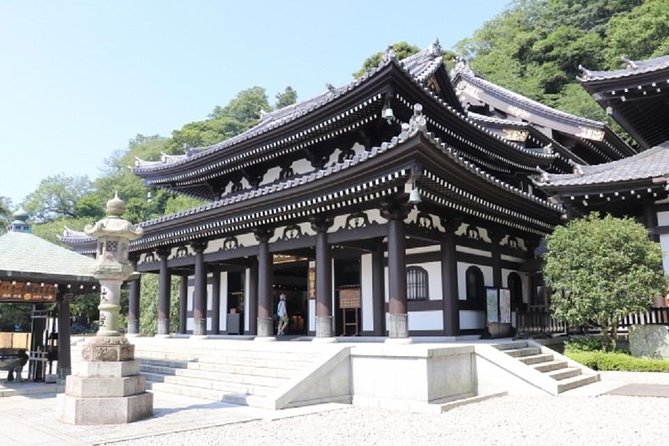
Hasedera Temple (often tied to flower viewing) is a major stop for a reason: it’s famous alongside other top names like Tsurugaoka Hachimangu and Kenchoji. The big draw for you is how the temple experience changes by season, with flowers turning the whole place into a different kind of photo memory every time of year.
You’re looking at about one hour here, and admission is listed as extra. That’s a good length for wandering at a relaxed pace, taking in viewpoints, and not feeling rushed.
What to watch for:
- The day starts with something visually rewarding. If you’re sensitive to crowds, going early helps because you’re not yet at the afternoon peak.
- Expect walking on temple grounds. It’s not a sit-and-look stop.
Potential drawback: if you’re not into gardens or seasonal temple scenery, Hasedera can feel like a lot of “pretty grounds.” On the flip side, if you are into that kind of changing scenery, it’s a strong warm-up.
Kotoku-in and the Great Buddha: a huge outdoor landmark
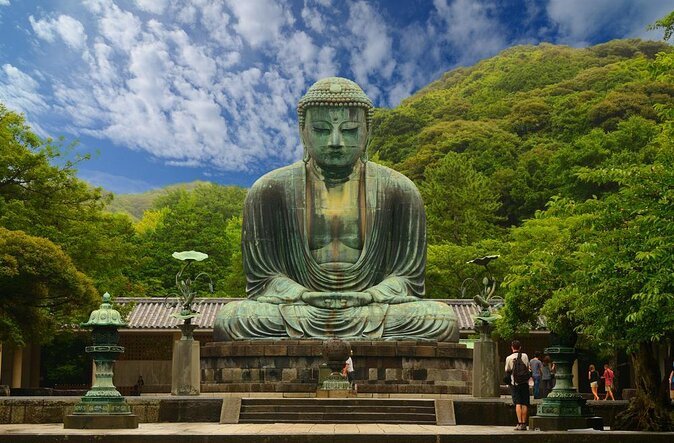
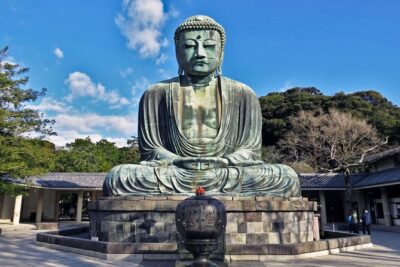
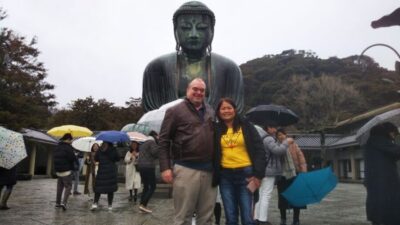
Next comes Kotoku-in, best known for the Great Buddha of Kamakura. This isn’t a small indoor exhibit—it’s an outdoor bronze statue of Amida Buddha on temple grounds, about 13.35 meters tall. That scale is the point. It hits you fast, and it’s easy to see why it became one of Japan’s famous outdoors Buddhas.
You get about one hour here, again with admission not included. Even if you’ve seen pictures, being there in person changes the experience. The open-air setting gives you different light angles and a feeling of space you don’t get with indoor statues.
Practical tips:
- Plan for exposure to weather. Outdoor statues mean you’ll feel sun or humidity more.
- Take a moment to look at the approach, not only the statue. The framing as you walk in is part of the experience.
Why this stop is worth it: it’s the anchor sight of Kamakura for a reason. If you only did one “must-see” here, this would be it.
Hokoku-ji Bamboo Temple: cool shade and a mysterious feel
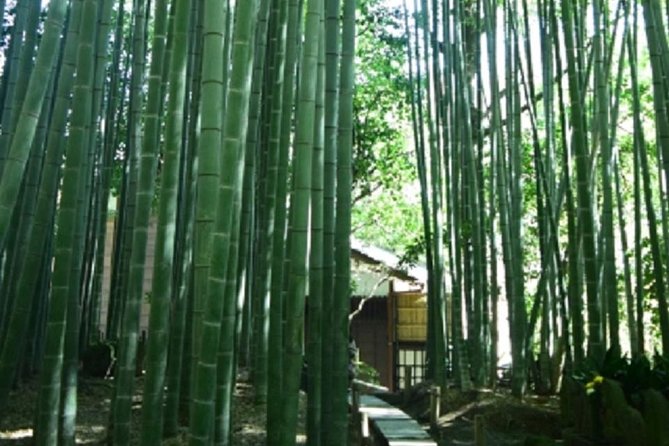
Then you move to Hokoku-ji, often called the bamboo temple. The highlight is the large bamboo garden inside the precincts. One review describes the atmosphere as cool and mysterious, and that matches the logic of bamboo: you feel the shift in temperature and sound as you step into the garden area.
This is another about one hour stop, with admission extra. The time is enough to walk through, catch the best angles, and slow down for a few quiet minutes.
What you’ll get here:
- Contrast. You’ve gone from big outdoor Buddha scale to a more sensory, shaded space.
- A quieter vibe than the main shrine areas, depending on timing.
Possible consideration: if you’re traveling at a busy hour, the bamboo paths can get crowded. The escort won’t erase crowds, but it helps you keep the day moving without losing the mood of the place.
Tsurugaoka Hachimangu Shrine: major Shinto energy in the city center
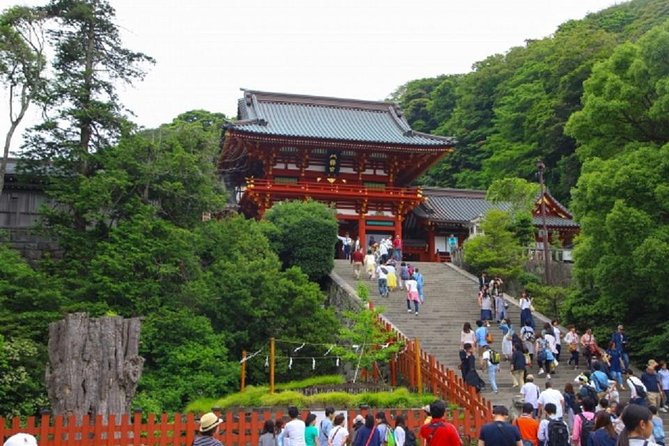
Tsurugaoka Hachimangu is the big Shinto shrine right in the middle of Kamakura. It’s been revered for centuries as the home of the gods of war, which adds weight beyond the usual sightseeing.
This stop is also about one hour, with admission listed as not included. Since it’s in the city center, it tends to be an easy “anchor” before you head into the more relaxed street atmosphere afterward.
Why this stop matters for your day:
- It gives balance to the Buddhist sights earlier.
- It’s a central Kamakura experience, not a remote detour.
A simple planning note: because it’s central, you’ll likely feel more city energy around you. If you’re looking for total quiet, this might feel like the busiest moment of the religious portion.
Komachidori street: food and shops for a lighter finish
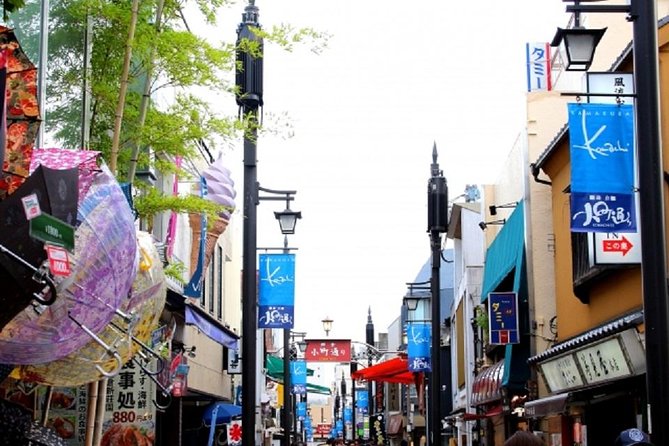
After the shrine and temple circuit, you end with Kamakura Komachidori, a street known for food and unique shops. The tour schedules about 30 minutes for this. That’s short, but it’s a smart ending—enough time to grab a snack, browse a few stores, and walk it off.
This is also listed as free (no admission). So your extra spending at least isn’t tied to entry fees here. If your group has different tastes, Komachidori is the place where you’ll find something for everyone: quick bites, small souvenirs, and casual strolling.
My practical take: don’t use the final 30 minutes to chase a big purchase plan. Treat it like a victory lap. If you want to shop seriously, you’ll likely need extra time on your own after the tour.
Price and value: what $156.09 per person really covers
At $156.09 per person, this isn’t a budget “run around on your own” deal. The value comes from what you’re not paying for: you’re buying time saved, reduced stress, and an English-speaking escort who helps you move efficiently.
Here’s the trade-off:
- Included: a meeting in the hotel lobby, a private tour, and an English-speaking guide.
- Not included: food and drinks, transportation to/from (listed as not included), and admission fees.
That last point is important. You’ll likely spend extra throughout the day on temple/shrine entry costs and your meals. The good news is that these costs are flexible. You can decide how much to eat and what to pay for entries based on your priorities.
If your goal is to keep your trip smooth while still controlling costs, using public transit with guidance can be a smart middle ground. You avoid the big expense of private taxis for every leg, but you don’t give up the ease of having someone guide the route.
One more value detail: the tour offers group discounts and a mobile ticket. Those are small things, but they reduce friction.
The guide factor: why Yumi’s style shows up in the reviews
One review highlights Yumiko “Yumi” as prompt, kind, and very knowledgeable about the Kamakura period your group was interested in. While I can’t measure every guide the same way on every day, that kind of feedback points to the real benefit you’re paying for: your guide doesn’t just move you between places, they connect what you’re seeing with context.
Guides also matter when you’re using public transport. The route planning is the hidden work. Someone who navigates easily helps you keep the day from turning into a scavenger hunt.
A final detail from the feedback: one group said they were able to visit both Shinto and Buddha shrines and also enjoyed the act of traveling via mass transit. That’s the tour’s sweet spot. It’s not just cultural sightseeing. It’s cultural sightseeing plus everyday Japan in action.
Who should book this Kamakura private tour
This tour fits best if:
- You want a full day of top Kamakura highlights without building a transit puzzle from scratch.
- Your group enjoys temples and shrines and likes learning what they mean.
- You’d rather spend money on a guide than time and energy on route planning.
- You like the idea of using public transport as part of the experience.
You might want to think twice if:
- You’re mainly after a beachy, resort-style Kamakura day and less interested in religious sites.
- Your group hates walking or prefers fully private door-to-door transportation.
Should you book this private Kamakura day trip?
I’d book it if you want to see the classic Kamakura lineup—Hasedera, Kotoku-in’s Great Buddha, Hokoku-ji’s bamboo, Tsurugaoka Hachimangu, and Komachidori—with an escort who keeps things running smoothly. The private format helps your group set a comfortable pace, and the public-transport plan is a nice value approach as long as you’re ready for buses and coins.
I’d hesitate if your priorities lean heavily toward seaside leisure and shopping time only, because the day is built around temples and shrines. In that case, you could still visit Kamakura, but you might plan a lighter, more self-directed route—or add extra personal time after the tour.
If you’re aiming for a satisfying highlights day with fewer headaches, this is a strong choice.
FAQ
How long is the Kamakura private tour?
The tour runs about 9 hours.
What is included in the tour price?
You get a meeting in the hotel lobby, a private tour, and an English-speaking guide. The tour also uses an escort on public transport.
Are admission fees included?
No. Admission fees are listed as not included, so you’ll pay for entries separately.
Are food and drinks included?
No. Food and drinks are not included.
Do you use public transportation during the day?
Yes. The tour includes an escort on public transport, and the day involves a mix of walking, a commuter train, and public buses.
Is this a private tour or shared with other people?
It’s private. Only your group participates.
Do I need coins for this tour?
Bring plenty of coins. Public buses are part of the route, and one review specifically calls out having enough coins ready.
More Tour Reviews in Kamakura
More Days by the Great Buddha
Kamakura Day Trips, compared.
 ★ 4.5Kamakura & Enoshima Day Trip including Temple TicketsFrom $581,375 reviews
 ★ 4.5From Tokyo: Kamakura & Enoshima 1-Day Bus TourFrom $66189 reviews
 ★ 5.0Kamakura Historical Walking Tour with the Great BuddhaFrom $98129 reviews
Kamakura Private Tour: Temples, Nature, and the Great BuddhaFrom $98121 reviews
Kamakura Walking Tour – The City of ShogunFrom $35100 reviews
★ 5.0Kamakura Historical Walking Tour with the Great BuddhaFrom $98129 reviews
Kamakura Private Tour: Temples, Nature, and the Great BuddhaFrom $98121 reviews
Kamakura Walking Tour – The City of ShogunFrom $35100 reviews
 ★ 5.0Kamakura 8 hr Private Walking Tour with Licensed Guide from TokyoFrom $20180 reviews
 ★ 4.1Kamakura & Enoshima Day Tour with Pickup & Train RideFrom $1361 reviews
 ★ 4.8Kamakura: Private Guided Walking Tour with Local GuideFrom $10660 reviews
Browse the lists this tour appears in