
Reviewed · SHINJUKU BAR HOPPING
Kabukicho, Shinjuku: experiencing Japanese Host Club
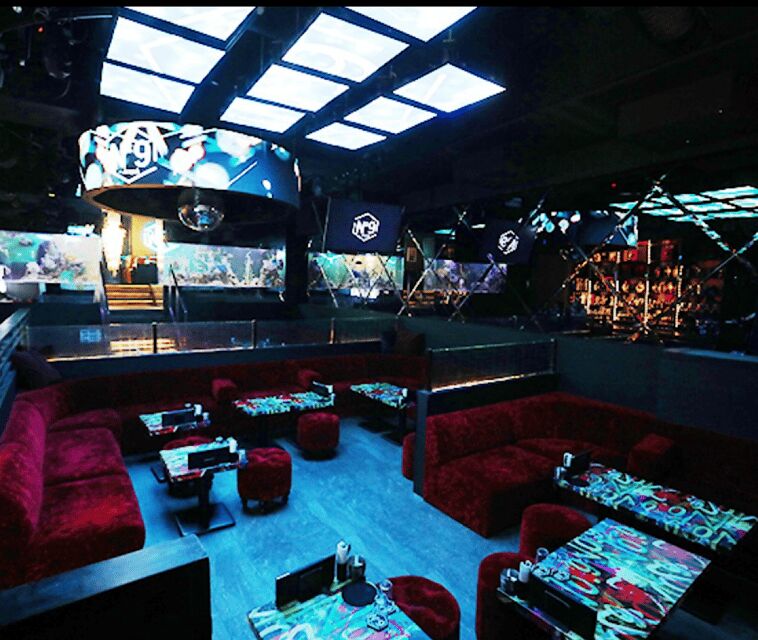
Kabukicho at night is a different planet. This host club experience turns that neon maze into a guided, language-supported evening where you’ll sit down with Japanese hosts and trade conversation and games in a very specific slice of Tokyo nightlife.
I especially like the multilingual support (English, Mandarin, Korean) because it lets you actually understand what’s happening, not just watch it. I also like the structured flow for a one-hour visit: arrive, talk, play, and take in the atmosphere without needing to figure out the whole system first. The main drawback is that the $12 reservation fee is not the full bill—there’s usually a separate cover charge and drink fee once you’re inside.
You’ll choose your start time (20:00 or 21:30) and spend about an hour in the venue, with the option to stay longer for additional cost. Expect an evening that feels more like a leisure performance than a traditional tour, with lots of attention from the hosts and plenty of alcohol-focused ordering.
In This Review
- Key things to know before you go
- Host Club Basics in Kabukicho: what this is really like
- Getting to the Gofuku Building and finding the B1 meeting spot
- The 1-hour flow: conversation, games, and host attention
- Drinks and the champagne call: what’s included vs what’s optional
- Language support in practice (English, Mandarin, Korean)
- Price and logistics: how the $12 reservation turns into a real bill
- Timing at 20:00 vs 21:30 and last-train sanity
- Who should book this, and who should skip it
- Practical tips that prevent common headaches
- Should you book this Japanese host club night in Kabukicho?
- FAQ
- Where do we meet for the Kabukicho host club experience?
- How long is the experience?
- What time slots are available?
- What languages are available during the experience?
- What is included in the price?
- What is not included?
- Can I stay longer than one hour?
- Do I need my passport, and is a copy allowed?
- Is credit card payment available?
- Is there a cancellation policy?
Key things to know before you go
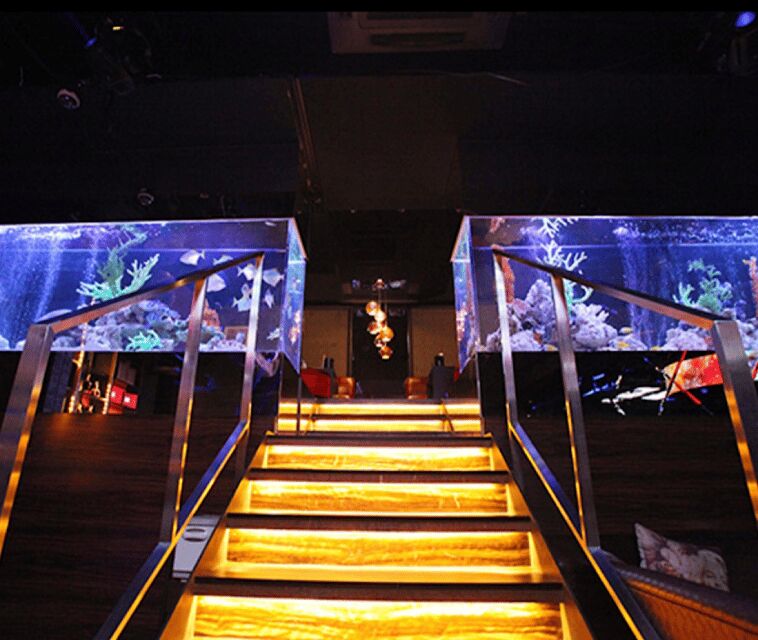
- Kabukicho setting: you’ll be in Shinjuku’s famous nightlife district, inside an intentionally high-glam venue.
- English/Chinese/Korean support: translation is built in, with an on-the-ground host or greeter.
- One-hour structure: you can try the experience without committing to a long night.
- Drink menu reality: shochu mixed with soft drinks, beer, highballs, and fruit sours are the norm.
- Champagne call culture: optional, and it’s the kind of moment people remember even if you’re not a champagne person.
- ID required: you must bring your passport; copies don’t work.
Different nights, same neon: more Shinjuku crawls
- Tokyo: Shinjuku Food Tour (13 Dishes at 4 Local Eateries)★ 5.0 · 6,603 reviews
- Tokyo Bar Hopping Tour in Shinjuku (All-You-Can-Drink + Dinner)★ 5.0 · 3,587 reviews
- Tokyo: Shinjuku Food Tour (15 Dishes and 4 Eateries)★ 4.9 · 2,033 reviews
Host Club Basics in Kabukicho: what this is really like
A Japanese host club is basically a paid social experience. You sit with a group of hosts, they talk to you, and the evening runs like light performance plus relationship-style banter. It can look strange from the outside, but once you’re inside, it’s easier to read: hosts are there to make the room feel special for you, not to give you a lecture.
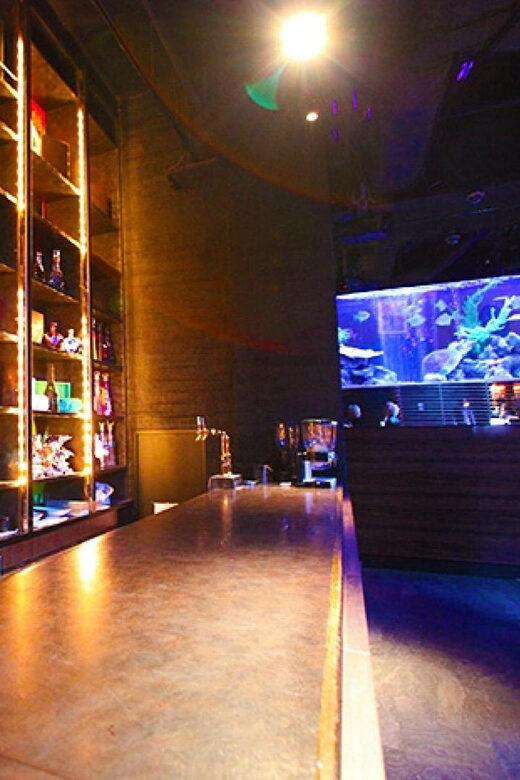
In Kabukicho, that energy is amplified. The room is designed to impress. You’ll be greeted by friendly English-speaking staff, then guided through the flow so you know what to do next. This is not a museum-style activity. It’s closer to a staged nightlife experience where conversation, games, and attention are the main product.
One smart thing about doing it with language support is that you get more of the “why” behind the behavior. Hosts are often referenced in anime and drama themes, and talking with them helps you connect the screen version to the real one. You’ll also see how the culture treats charm, timing, and small talk as skills—not just personality.
The flip side: because this is a leisure setting, it leans into alcohol ordering. Even if you’re not drinking heavily, you’ll likely be around the rhythm of drink service.
Getting to the Gofuku Building and finding the B1 meeting spot
Your meeting point is the Gofuku Building, 2-26-3 Kabukicho, Shinjuku District, Tokyo. The key detail: when you reach the building, take the stair down to B1. You’ll wait in front of the vending machine there.
That’s an easy detail to miss when you’re arriving in a busy nightlife district, so give yourself extra buffer time. Shinjuku can make your sense of direction feel optional—plan for that.
The good news is the meeting point is specific, and the whole experience is set up so you don’t need to navigate the club world on your own. Once you’re there, the English-speaking staff are meant to guide you through what happens next.
Also, bring your passport. This isn’t a “maybe” requirement. They ask for it, and copies aren’t accepted.
The 1-hour flow: conversation, games, and host attention
You’ll join your chosen time slot—either 20:00 or 21:30—and the main plan runs for about one hour. The staff will bring you into the venue and help you get started. From there, the experience is built around three things: conversation, games, and atmosphere.
Conversation is the core. Hosts will talk with you and try to keep the energy up. Games keep things moving when you’re not sure what to say. And the overall atmosphere is intentionally polished—bright, styled, and designed for entertainment.
Since the host club is language-supported, you’re not stuck guessing. You’ll have translation help in English, Mandarin, and Korean, and that changes the whole tone of the evening. Without translation, you’d mostly watch. With it, you can actually respond and steer your own comfort level.
There’s also a helpful rhythm in how hosts handle requests. One example from real experience: a host named Ryuki supported translation for the rest of the group at times, and the guide was doing practical work in the background too. That’s a reminder that the staff job is to keep communication smooth, even if the hosts step away for a moment here and there.
Bottom line: the one-hour format is a good tryout. You’ll leave knowing whether this style of nightlife entertainment is for you.
Drinks and the champagne call: what’s included vs what’s optional
Your drink experience is part of the structure, not an afterthought. The menu support includes Japanese shochu mixed with soft drinks, plus options like beer, highballs, and fruit sours.
What you should understand is that the basic plan includes translation and reservation time, not free drinks. Once you’re inside, you’ll pay the cover charge and drink fee separately. The club environment is built around ordering, so even if you’re careful with spending, you’ll still be participating in the ordering culture.
Now for the moment that sticks in people’s minds: the champagne call. Champagne itself is optional, but people often remember seeing it because it’s a ritual moment with an outside audience perspective—like watching a performance while also being part of the action. It’s the kind of add-on that can quickly change your total cost, so decide in the moment based on your budget and comfort.
If you’re curious but cost-conscious, you can still enjoy the experience without chasing every special item. Just know that alcohol is central to the setting, so pacing matters.





Language support in practice (English, Mandarin, Korean)
The biggest quality-of-life factor here is that language availability is built in. Your host club support includes English, Mandarin, and Korean. That means you can communicate directly rather than relying on guesswork.
You’ll see how this works when hosts and staff are trying to keep the conversation flowing. Even when someone’s English isn’t perfect, the setting is designed to help you keep up. In at least one real case, communication was supported by using a translation app, and it still kept the evening moving.
That’s what you want if you’re nervous going in. The point isn’t to become fluent in Japanese nightlife patter. The point is to understand enough to join the fun.
There’s also a practical side: your guide or greeter can help when you need to make decisions or clarify how the night is progressing. If you ask for something reasonable, they’re there to help you land on the right next step—especially because the experience is time-limited.
Price and logistics: how the $12 reservation turns into a real bill
Let’s talk money clearly, because host clubs can feel confusing at first.
You’ll see a plan price of about $12 per person, but that’s a reservation fee. The bigger costs typically come from what’s not included: the cover charge and the drink fee.
The data you have to go by: the cover charge plus drinks is usually around 10,000 yen per person for an hour if you enter before 21:30 at the cheapest. That means your reservation fee is only part of the total.
One real budgeting example: someone spent about 22,000 yen for two hours. That’s useful because it shows the range of what happens when you extend the visit.
So how do you judge value?
- If you want a guided intro to Japanese host club culture with translation, one hour can be worth it.
- If you’re hoping for a low-cost activity, host clubs are not the best fit. The structure is designed for spending.
My advice: decide your personal cap before you sit down. If champagne is calling your name, treat that as a budget decision, not a spontaneous impulse.
Timing at 20:00 vs 21:30 and last-train sanity
You get to choose a time slot: 20:00 or 21:30. That choice isn’t just convenience. It affects pricing assumptions too, since the lowest cover charge is described as tied to entering before 21:30.
Also, you’re in Shinjuku, which means trains are your lifeline at the end of the night. One memorable practical detail from a real experience: the guide helped someone catch the last train by setting an alarm and giving directions. That’s exactly the kind of problem-solving you might need if you stay longer than planned.
Here’s what you should do:
- Start on time. Don’t be the person who arrives late and then panics.
- If you think you might extend, tell your guide early so you can pace the night.
- Plan to move toward trains with enough time for the chaos outside.
Host clubs can make time feel different. Your schedule doesn’t care. Build in a buffer.
Who should book this, and who should skip it
This is a good fit if you want an unusual, structured nightlife experience with translation support and a clear one-hour entry point.
You’ll probably enjoy it most if you:
- Like subculture on the ground, not just in photos
- Enjoy conversation and small games
- Want a guided setting where language barriers don’t shut you down
- Are comfortable with the role of alcohol in the venue, even if you don’t drink much
Skip it if any of these apply:
- You’re under 20
- You’re pregnant (not suitable per the activity rules)
- You hate situations where people focus attention on you as part of the experience
Also, be honest about expectations. This isn’t a calm, reflective “Tokyo night walk.” It’s a performance-style social interaction.
Practical tips that prevent common headaches
A few things make a big difference:
- Bring your passport (no copies). They specifically require the real document.
- Bring cash if you can. People have warned that the spending can be confusing, and cash tends to make things smoother. Credit card use may involve a 10% tax.
- Go in with a number in mind. Decide your budget before you’re tempted by the champagne ritual or extra rounds.
- If you’re worried about communication, remember you have support in English, Mandarin, and Korean and you can ask for translation help when needed.
- If you’re prone to getting overwhelmed by nightlife noise, the one-hour format is your friend. You can always choose not to extend.
One more note: the vibe is leisure-first. That means you’re not going to get a serious lesson on Japanese history. You’re getting a window into how hosts treat charm like a craft—and how anime-style character energy can show up in real conversations.
Should you book this Japanese host club night in Kabukicho?
I’d book it if you want a short, guided introduction to a very specific Tokyo subculture—one that’s designed for visitors and supported with translation. The best part is the combination of host interaction plus language help, which lets you participate instead of just observe.
I wouldn’t book it if you want a budget-friendly cultural activity. The reservation fee is small, but the cover charge and drinks are where the real cost lives. If you go in with a clear spending plan, you can make it feel like a fun “only in Tokyo” night.
If your goal is curiosity with structure—pick a time slot, show up on time, bring your passport, and set a budget before the champagne call becomes a topic.
FAQ
Where do we meet for the Kabukicho host club experience?
You meet at the Gofuku Building (1600021 Gofuku Building 2-26-3 Kabukicho, Shinjuku District, Tokyo). When you find the building, go downstairs to B1 and wait in front of the vending machine.
How long is the experience?
The experience duration is 1 hour.
What time slots are available?
You can choose a preferred time slot of 20:00 or 21:30.
What languages are available during the experience?
Language support is available in English, Mandarin, and Korean.
What is included in the price?
The included items are the reservation fee and translation service to English, Mandarin, and Korean.
What is not included?
The cover charge plus drink fee is not included (usually around 10,000 yen per person for an hour at the cheapest if you enter before 21:30). Champagne and a champagne call are optional.
Can I stay longer than one hour?
Yes. You can choose either a one-hour stay or free time at the host club, and staying longer involves additional price.
Do I need my passport, and is a copy allowed?
You must bring your passport. Copies are not acceptable.
Is credit card payment available?
Credit card payment is possible, but if you pay by credit card, 10% tax will be charged.
Is there a cancellation policy?
Free cancellation is available up to 24 hours in advance for a full refund.
More Tour Reviews in Tokyo



Shinjuku After Hours: The Other Crawls

Fresh reviews from around Tokyo






Shinjuku Bar Hopping, compared.
 ★ 5.0Shinjuku Food Tour (13 Dishes at 4 Local Eateries)From $866,603 reviews
 ★ 5.0Tokyo Bar Hopping Tour in Shinjuku (All-You-Can-Drink + Dinner)From $1063,587 reviews
 ★ 4.9Shinjuku Food Tour (15 Dishes and 4 Eateries)From $852,033 reviews
 ★ 4.9Shinjuku Local Bar and Izakaya Guided Walking TourFrom $341,794 reviews
 ★ 5.0Tokyo Shinjuku Chopsticks Making ClassFrom $201,763 reviews
 ★ 5.0Tokyo Shinjuku Sumo Show & Experience with PhotoFrom $791,750 reviews
 ★ 5.0Tokyo Night Foodie Tour in Shinjuku – Seasonal Sushi, Wagyu BeefFrom $1111,161 reviews
 ★ 4.8Sumo Show and Experience in ShinjukuFrom $691,001 reviews
Browse the lists this tour appears in