
Reviewed · TOURS
Japanese Garden & Western Architecture: Akasaka exploration tour
Tokyo has a calmer side.
This tour is a smart mix of Edo-period stories and peaceful nature breaks, right inside a very modern city. I especially like how the route pairs the 400-year-old Japanese garden with easy walking moments and practical context about shogunate-era life. One thing to consider: several stops involve paid entry (notably Akasaka Palace), and some places don’t take credit cards.
What really makes it work is the people factor. Past guests have had guides like Ayako-san, Sayaka, Mutsuko Takano (strong English), and Ume—each bringing real flexibility and answering lots of questions without turning the whole walk into a lecture. The main drawback is that the tour doesn’t include dining, so you’ll need to plan your own meal timing.
In This Review
- Key things I’d plan around
- Edo-Era Atmosphere in a 3–4 Hour Akasaka Walk
- Price and value: what your $82.42 really covers
- Start at Akasaka-Mitsuke, finish at Gaiemmae: plan your day flow
- Hotel New Otani Japanese Garden: 400 years you can actually see
- Akasaka Palace (State Guesthouse): where VIP energy becomes history
- Meiji Memorial Picture Gallery: a dome museum for a big era shift
- Jingu Gaien ginkgo street and Shimizudani Park: seasonal Tokyo, slowed down
- Inari Shrine: the short ritual stop that changes the mood
- Tea time by a pond: why pauses are part of the itinerary
- The guides: how Ayako-san, Sayaka, Mutsuko Takano, and Ume affect your day
- Who this Akasaka tour suits best
- Should you book this Japanese Garden & Western Architecture tour?
- FAQ
- Is this tour in Tokyo?
- How long is the Akasaka exploration tour?
- What is the tour price?
- Is the tour private?
- Where does the tour start and end?
- Are admissions included?
- Should I bring cash?
- Is there a meal or dining stop included?
- What should I wear?
- If the weather is bad, what happens?
- Can I cancel for a full refund?
Key things I’d plan around
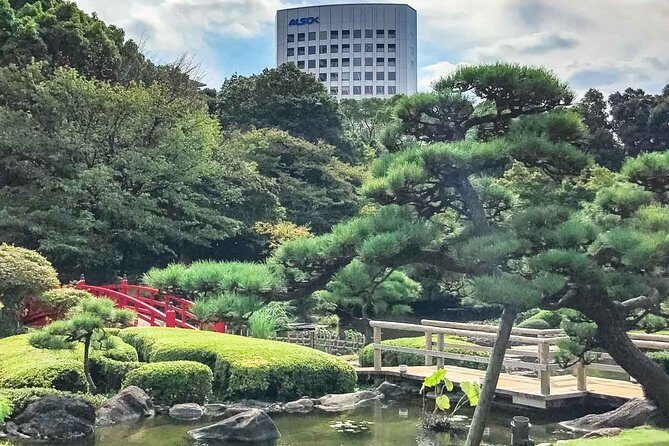
- 400-year-old Hotel New Otani Japanese Garden with waterfalls and seasonal plants
- Akasaka Palace (State Guesthouse) entrance is separate, but the setting is unforgettable
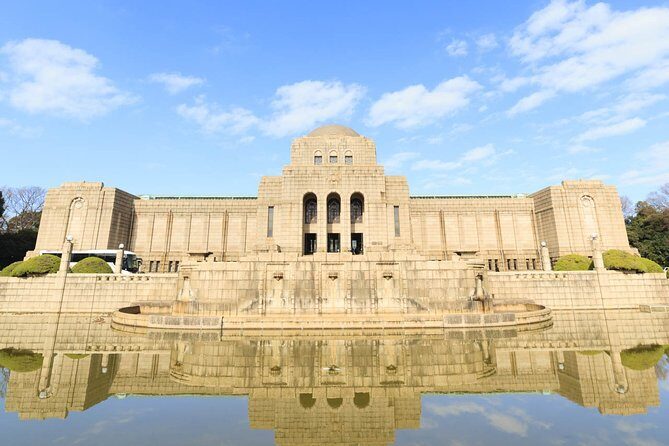
- Meiji Memorial Picture Gallery in a dome-shaped building focused on the Meiji era
- Ginkgo-lined Jingu Gaien Street for a classic Tokyo seasonal photo walk
- Inari Shrine stop built around “kicking out bad spirits” tradition
- A tour design that prioritizes walking and explanations over rushing
Before you commit, see how this one stacks up against a few Tokyo favourites:
- Mt Fuji and Hakone 1-Day Bus Tour Return by Bullet Train★ 5.0 · 26,383 reviews
- 1-Day Tokyo Bus Tour★ 5.0 · 14,250 reviews
- Tokyo: teamLab Planets TOKYO Digital Art Museum Entry Ticket★ 4.6 · 9,779 reviews
Edo-Era Atmosphere in a 3–4 Hour Akasaka Walk
Akasaka is one of those Tokyo districts that can feel surprisingly quiet once you step off the main grids. This tour uses that advantage. You’re not just hopping between famous points—you’re moving through a sequence of spaces where Japan’s Edo-period influence still shows up in gardens, shrines, and the way public buildings were designed.
I like tours like this because they’re paced for actual seeing. You’ll have time to look closely: garden details, pond-side pauses, and the kind of small moments you usually miss when you’re powering through on your own. The day also has variety: a classic Japanese garden, a palace tied to modern state history, and a museum centered on the Meiji era.
It’s also a good “first Tokyo history day” if you want something more human than temples-on-tempo. The focus is the Tokugawa shogunate and Edo period themes, then you get a bridge to Meiji-era change through the museum.
Price and value: what your $82.42 really covers
At $82.42 per person for about 3 to 4 hours, you’re paying mainly for a guided experience, not admissions. The tour includes a guide and the guide’s necessary expenses, and it’s set up as a private experience (only your group).
Here’s the important part for your budget: Akasaka Palace entrance is ¥2,000 per person, and there’s an estimated total of ¥2,000 JPY for the tour’s entrance costs. The tour data also notes that some spots may not accept credit cards. That means you should bring cash for the palace ticket and any small purchases.
So is it worth it? If you’ve got even a mild interest in how Japan’s eras connect—Edo shogunate aesthetics, Meiji-era reforms, and modern state hosting—this format is good value. You’re essentially buying (1) the access you might not plan on your own and (2) the explanations that make the architecture and gardens feel less random.
Start at Akasaka-Mitsuke, finish at Gaiemmae: plan your day flow
This tour starts at Akasaka-Mitsuke Station (3-chōme-1-6 Akasaka, Minato City) and ends at Gaiemmae Station (2-chōme-7-16 Kitaaoyama, Minato City). That matters. You can’t treat it like a simple out-and-back stroll.
I’d plan the rest of your day around that. If you’re staying near Akasaka, ending at Gaiemmae might feel like a lucky reset into a different neighborhood. If you’re tight on time, map your next transit step before you go.
The tour also says weather can affect routes, so don’t build a “must be somewhere at 1:15” schedule. It’s still a short outing, but Tokyo weather changes fast.
Comfort is practical here: wear shoes that handle pavement and uneven garden walkways. The tour guide pacing assumes you’ll be moving.
Hotel New Otani Japanese Garden: 400 years you can actually see
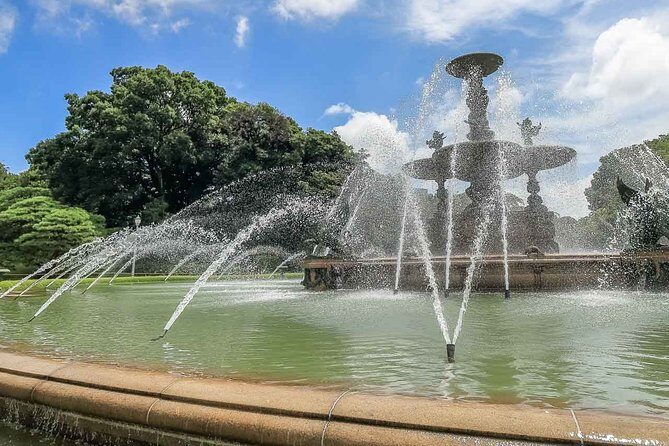
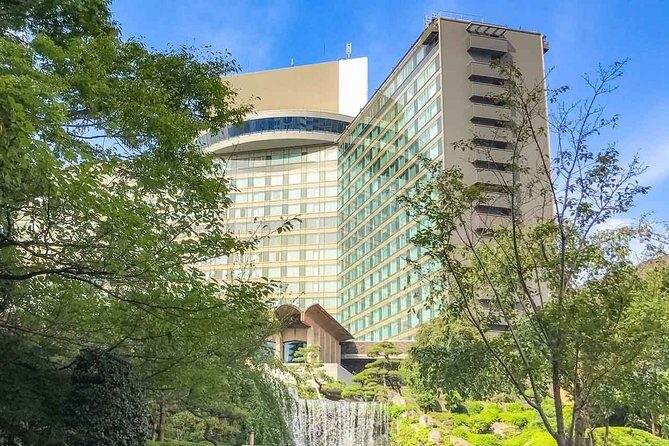
The highlight start is the Hotel New Otani Japanese Garden, described as a large garden with around 400 years of history. This is the kind of place where Tokyo slows down on purpose.
What you’ll likely notice right away:
- Water features like waterfalls
- Seasonal plants, which is the whole point of a Japanese garden calendar
- A layout that encourages you to move at a calm speed—stop, look, then walk again
The tour timing includes time to really take it in (about 40 minutes at this stop). That’s long enough to appreciate the composition without feeling like you’re trapped in a “photo only” loop.
Season matters. The garden’s seasonal shifts are called out in the tour description—spring cherry blossoms, deep greenery in summer, and colorful illumination in autumn. If you’re going during one of those peak times, you’ll get extra payoff from the same basic walk.
One note: Japanese gardens can involve walking paths that aren’t flat everywhere. Even if you don’t go far, your legs will feel it.





Akasaka Palace (State Guesthouse): where VIP energy becomes history

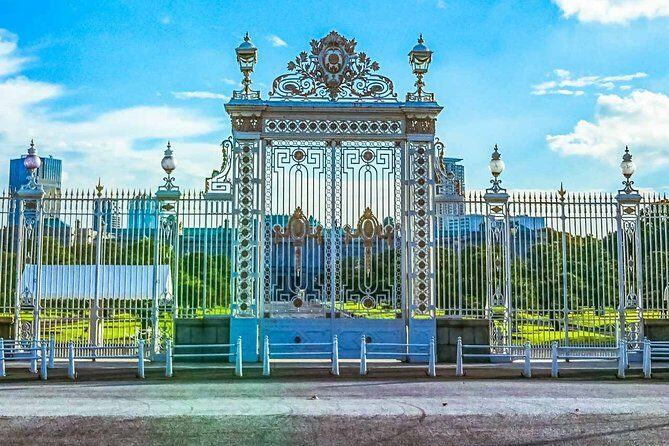
Next you’ll head to Akasaka Palace (State Guesthouse). The tour frames it as a reception facility that welcomes major world leaders—kings, presidents, and other high-profile guests. The exterior is described as luxurious and castle-like, and honestly, the contrast is part of the thrill: state-level architecture inside a city district most people fly through.
This is also the stop that carries the biggest “pay attention” detail: the entrance fee is ¥2,000 per person and isn’t included in the base tour price.
Another thing to remember is that this is a working kind of venue. That tends to mean you might get a more structured visit than at a garden or museum. Still, this stop is widely the kind of experience people remember because it ties everyday sightseeing to how Japan presents itself internationally.
If you like architecture, don’t treat it like a pass-through photo stop. Give yourself time to look at the scale and feel of the grounds—then connect it to the Edo-to-Meiji theme of the day.
Meiji Memorial Picture Gallery: a dome museum for a big era shift
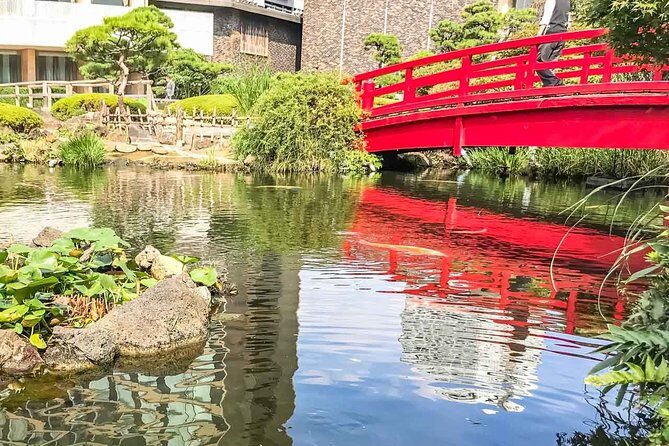
After the palace, you’ll visit the Meiji Memorial Picture Gallery. It’s described as dome-shaped and focused on the Meiji era, with paintings and murals inside.
Even without knowing the details beforehand, a museum like this works well on a short tour because it gives you a “time pivot.” You’ve just been thinking about Tokugawa shogunate themes and palace symbolism. Now you’re pointed toward a period of transformation—Meiji—through visual storytelling.
You get about 40 minutes here. That’s enough to:
- Appreciate the building shape and layout
- Read the museum context at a comfortable pace
- Notice how the art helps you understand the era, not just dates and names
This stop also says entrance is not included, so budget for any museum ticket requirements if you plan to go in. The tour data calls it out as not included, so plan to pay at the site if needed.
Jingu Gaien ginkgo street and Shimizudani Park: seasonal Tokyo, slowed down
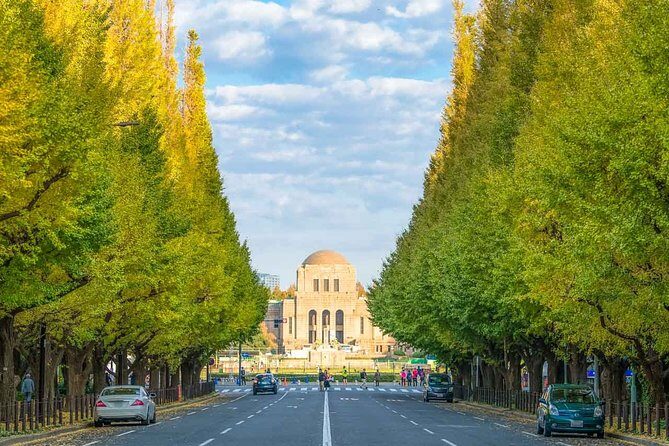
One of the easier, more pleasant parts of the route is a ginkgo tree-lined street called Jingu Gaien Ginkgo. The tour description highlights the “row of ginkgo arches” look and the idea of seeing four seasons through the same corridor. If you’re in autumn when ginkgo turns, this is when the scenery can feel like a Tokyo postcard with real depth.
This stop is shorter—about 20 minutes—but it’s intentionally low-pressure. Think of it as your body reset between more structured sites.
The tour overview also includes Shimizudani Park as part of the nature-and-history walking experience. Even though the detailed stop timing for the park isn’t laid out as its own numbered entry, you can expect it to function like a breather: a greenery pause that keeps the Edo-period mood from turning into “museum fatigue.”
If you want photos, bring your camera basics: lens cloth, a quick wipe, and a shot plan. You don’t need a complex setup. Paths like this reward simple framing.
Inari Shrine: the short ritual stop that changes the mood
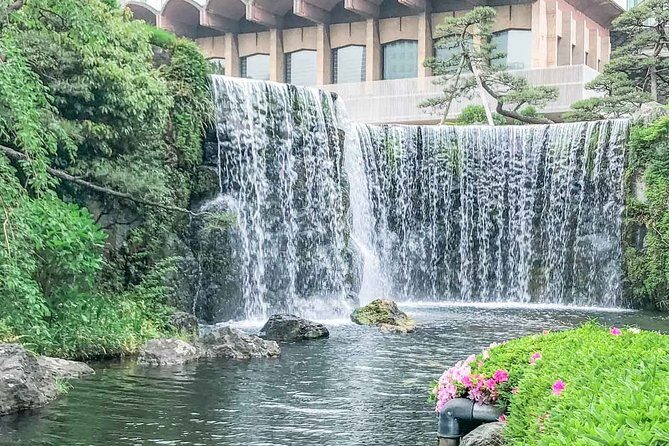
The tour overview includes a stop at Inari Shrine, with a theme of “kicking out bad spirits.” That phrase is dramatic, but on the ground it usually feels more like stepping into a tradition you can take seriously without needing a long explanation.
For me, this kind of stop matters because it adds cultural texture. Gardens and palaces can be impressive, but shrines give the day an emotional anchor—people aren’t just admiring design; they’re participating in beliefs and practices.
You should treat it respectfully. Walk through calmly, follow the flow, and keep your phone use sensible. If you’re unsure what to do at certain spots, ask your guide. That’s exactly why this is a guided tour instead of a solo hop.
Tea time by a pond: why pauses are part of the itinerary
The tour overview mentions relaxing with tea beside a pond. Even when a tour doesn’t include a full dining plan, a tea break changes the experience. It slows down the pacing enough to let the garden’s atmosphere land.
I like that this kind of break is built into the route instead of tacked on at the end. You’re not racing back to the station with your feelings still running at full speed.
Just plan your expectations: the tour data says there is no dining spot included. So if the tea moment involves buying something on your own, you’ll want a bit of cash and flexibility in your schedule. The good news is that this isn’t a “sit for an hour and eat” situation. It’s more like a reset.
The guides: how Ayako-san, Sayaka, Mutsuko Takano, and Ume affect your day
This tour’s biggest strength shows up in the people leading it. Past experiences include guides like Ayako-san, Sayaka, Mutsuko Takano, and Ume.
A few practical takeaways from those notes:
- Mutsuko Takano is described as speaking great English, which matters when you want to ask questions and actually get clear answers.
- Ayako-san helped one participant with a Japanese authentic tea shop reservation, which tells you your guide may be helpful if you want to extend the tea-and-history theme after the formal stops.
- Some guides are described as calm and flexible, which is a big deal on a route that may shift with weather or temporary closures.
Even if your guide is new, the key is whether they keep the experience moving and stay responsive. The reviews emphasize that adaptability, not just script memorization.
So if you value conversation and explanation—not just entry tickets—this is the right style of tour.
Who this Akasaka tour suits best
I’d point you toward this tour if you:
- Like architecture and garden design, not just big-ticket landmarks
- Want a short, efficient day focused on Edo shogunate context
- Prefer a guided walk where you can ask questions
- Enjoy seasonal Tokyo scenery, especially ginkgo and garden planting cycles
It’s also a good fit for people who feel overwhelmed by Tokyo history when it’s presented as a list. This tour wraps history into places you can see: gardens, shrines, museum art, and state-level buildings.
If you’re the type who hates paying separate entrance fees, this might feel a bit more expensive than the headline price. But you’re still getting a guided route through multiple paid sites, not just walking around for free.
Should you book this Japanese Garden & Western Architecture tour?
If you want an Akasaka day that feels calmer than the usual Tokyo sprint, yes, it’s worth booking. The combination is smart: a 400-year garden start, an Edo-to-Meiji storyline through the Meiji Memorial Picture Gallery, and the unique presence of Akasaka Palace.
I’d especially recommend it if:
- You care about Tokyo beyond skyscrapers
- You want a guided explanation that connects eras
- You’re going during a season when the garden or ginkgo views peak
If you dislike walking, or you want a “no extra costs” tour, then double-check your cash plan for entrance fees and be aware there’s no dining included. A little prep goes a long way here.
FAQ
Is this tour in Tokyo?
Yes. The tour takes place in Tokyo, Japan, with stops across the Akasaka area.
How long is the Akasaka exploration tour?
It’s listed as about 3 to 4 hours.
What is the tour price?
The price is $82.42 per person.
Is the tour private?
Yes. It’s described as a private tour/activity, with only your group participating.
Where does the tour start and end?
It starts at Akasaka-Mitsuke Station and ends at Gaiemmae Station.
Are admissions included?
Not all of them are included. The Akasaka Palace entrance fee is ¥2,000 per person, and other sites listed as not included may require separate payment.
Should I bring cash?
Some visited spots do not accept credit cards, so you should bring cash.
Is there a meal or dining stop included?
No. The tour does not include a dining spot.
What should I wear?
Wear comfortable clothing because you’ll be walking a lot.
If the weather is bad, what happens?
The tour notes that destinations, routes, and the means of transportation may be changed due to weather.
Can I cancel for a full refund?
Yes. You can cancel up to 24 hours in advance for a full refund.
More Tours in Tokyo


More Tour Reviews in Tokyo



Fresh reviews from around Tokyo






Tours, compared.
 ★ 5.0Shinjuku Food Tour (13 Dishes at 4 Local Eateries)From $866,603 reviews
 ★ 4.4Tokyo Mt Fuji 5th St & Hakone Cruise Bus Tour w/Bullet TrainFrom $1545,024 reviews
 ★ 5.0Flagship 2-Hours Official Street Go-Kart Tour – Tokyo Bay ShopFrom $644,974 reviews
 ★ 4.7Mt. Fuji Tour, Hakone Ropeway, Owakudani, Lake AshiFrom $544,002 reviews
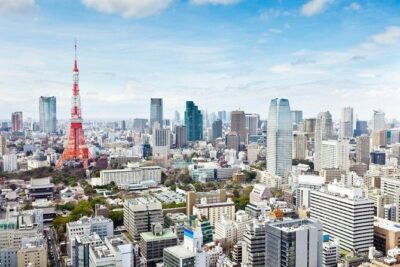 ★ 5.0Tokyo 6hr Private Tour with Government-Licensed GuideFrom $1553,902 reviews
 ★ 5.0Tokyo Bar Hopping Tour in Shinjuku (All-You-Can-Drink + Dinner)From $1063,587 reviews
 ★ 5.0Tokyo Tsukiji Fish Market Food and Culture Walking TourFrom $993,184 reviews
 ★ 4.9Shinjuku Food Tour (15 Dishes and 4 Eateries)From $852,033 reviews