
Reviewed · KAMAKURA DAY TRIPS
Introducing all the Famous Spots in Kamakura and Enoshima!
Japan in miniature, perfectly planned. Kamakura plus Enoshima in one day is a smart way to see Japan’s old side and its seaside side without wasting time figuring out trains. I really like having a guide with you between stops on the train and the fact that the day is built to hit the top attractions efficiently. One thing to watch: it’s still a full day of walking, and some key places require extra tickets and cash.
What makes this feel especially good is the private-group attention. In the reviews, guides like Kiko helped people tailor the pace, Higara patiently explained Japanese customs, and Sandy gave a clear overview and checked in if you wanted to skip anything. If you hate tight schedules, know this route is packed and can be adjusted only in the moment.
In This Review
- Key points before you go
- Why Kamakura and Enoshima together is a good use of a day
- Starting at Tsurugaoka Hachimangu: the power-spot opener
- Komachidori shopping street: snacks and souvenirs with a purpose
- Kotoku-in and the Great Buddha: plan for the ticket and the climb
- Hasedera Temple, aka the Flower Temple: a slow-walk kind of stop
- Enoshima’s Nakamise street: the food and the route to the shrine
- Enoshima Shrine and the outdoor escalator: a classic Shonan stop
- Enoshima Sea Candle observatory: the 360-degree payoff
- The price: what you really pay and why it can be worth it
- What to expect from the pacing and group experience
- Practical tips that will save you stress
- Should you book this Kamakura and Enoshima private tour?
- FAQ
- How long is the Kamakura and Enoshima tour?
- What time does the tour start?
- Where do I meet, and where does the tour end?
- Is this a private tour?
- What’s included in the price?
- What extra costs should I plan for?
- Do I need cash?
- What happens if the weather is bad?
Key points before you go
- Train navigation included: Your guide stays with you so you do not spend the day decoding stations
- Top sights without a research marathon: You’ll cover major Kamakura and Enoshima stops in one 7-hour run
- A private tour feel: Only your group participates, which helps with questions and pacing
- Know the extra costs up front: Kotoku-in and estimated meals and transit are on you
- Cash is sometimes needed: Some spots do not accept credit cards
- Built-in flexibility for weather: Bad weather can mean route and destination changes
Why Kamakura and Enoshima together is a good use of a day
Kamakura is famous for temples and shrines, but it’s also the easiest place near Tokyo to feel like you stepped into another pace of life. Add Enoshima afterward and the mood shifts to coastal views, seafood snacks, and a very Japanese mix of spirituality plus scenery.
This private tour is designed for people who want structure. Instead of jumping between stations and scanning signs all day, you get a guide to shepherd you from stop to stop. For first-timers, that is a big deal. For return visitors, it still saves hours of planning.
With a 7-hour duration starting at 10:00 am, you’re looking at a day that moves. If you want long, slow temple wanders with lots of side streets, treat this as a best-of day and then plan extra time on your own.
Starting at Tsurugaoka Hachimangu: the power-spot opener
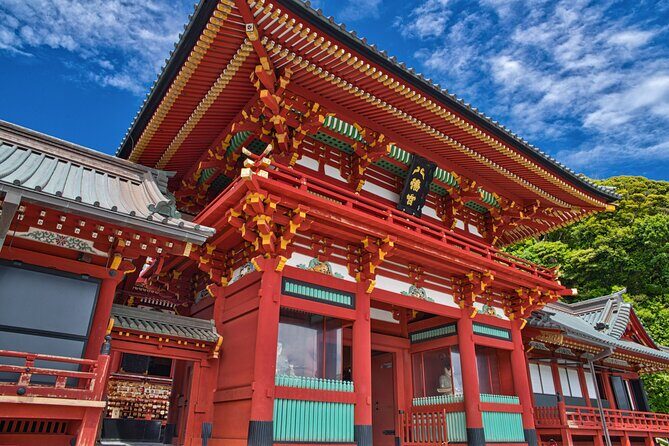
Your day begins at Tsurugaoka Hachimangu Shrine, a site with a history of over 1000 years. It’s often treated like a power spot, and it was worshiped by Genji, tied to the Kamakura era.
This is a strong opening stop because it sets the tone. You get an early hit of the shrine atmosphere before the crowds and before the coastal part of the day. It’s also a natural place to orient yourself: you’re in the heart of Kamakura shrine country, and the guide can explain what you’re looking at while your legs are still fresh.
The good news: admission is free and your stop is about 45 minutes, so you’re not stuck for hours. The only real consideration is weather and footpaths—bring shoes you can walk in for the whole day.
Komachidori shopping street: snacks and souvenirs with a purpose
Next up is Kamakura Komachidori (Komachi street), a street lined with restaurants and souvenir shops running from Kamakura Station toward Tsurugaoka Hachimangu. This is where you should treat your time as more than shopping.
I like Komachidori because it’s practical for two reasons. First, it’s a shortcut to local flavors—some foods you can eat only in Kamakura. Second, it’s a natural way to refuel between heavier spiritual stops.
Your stop is about 55 minutes, and admission is free. That’s enough time to grab a snack, try something local, and browse without turning it into a shopping marathon. If you’re traveling with kids or picky eaters, this is also an easy “everybody gets something” stretch.
Kotoku-in and the Great Buddha: plan for the ticket and the climb
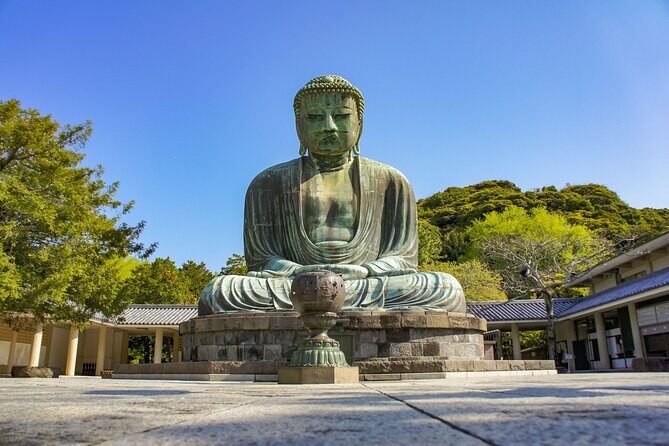
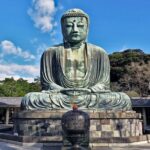
At Kotoku-in (Kamakura Daibutsu), you’ll see the famous giant Buddha statue. It’s over 11 meters tall, and the tour notes that you can even go inside the statue.
This is one of the biggest anchor sights on the day because it’s iconic and instantly recognizable. Your stop is about 25 minutes, which means you’ll likely see it, absorb it, and move on without feeling trapped.
Budget reality check: Kotoku-in admission is not included, listed as ¥1,050 per person. Also, some places may not take credit cards, so carry cash. If you’re the type who likes time for photos and taking it slow, 25 minutes can feel short—consider saving your longest temple time for Hasedera later.
Hasedera Temple, aka the Flower Temple: a slow-walk kind of stop
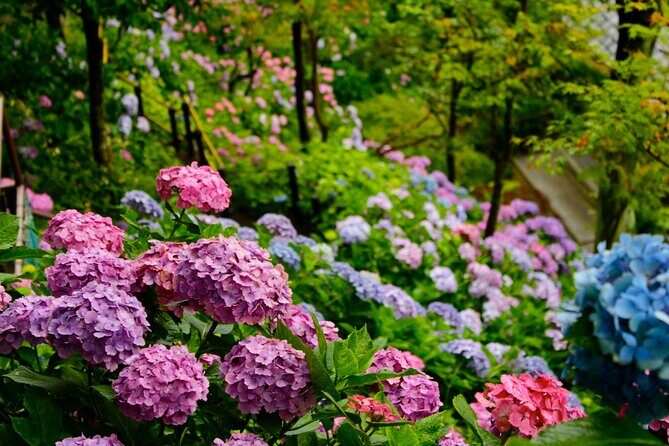
Then you head to Hasedera Temple (also called the Flower Temple). The big idea here is seasonal plants—this temple is known for flowers through all four seasons.
Your stop is about 50 minutes, and admission is listed as not included. The tour description also hints at a lot of grounds and walking as you climb through the temple complex.
This stop is where the day’s “nature + history” blend gets real. Even if you visit in off-season, the setting encourages a walking rhythm: look at the temple buildings, pause in scenic areas, then keep moving.
One consideration: if it’s hot, rainy, or icy, Hasedera’s walking paths can feel like a workout. Wear shoes with grip and bring a water bottle. If weather is bad, your guide may alter the routing, so keep your expectations flexible.
Enoshima’s Nakamise street: the food and the route to the shrine
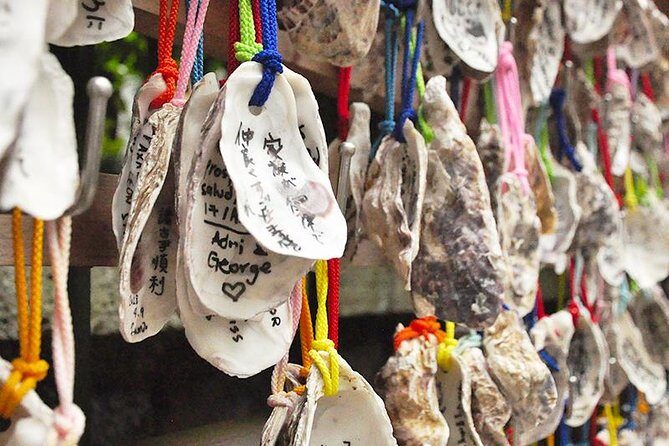
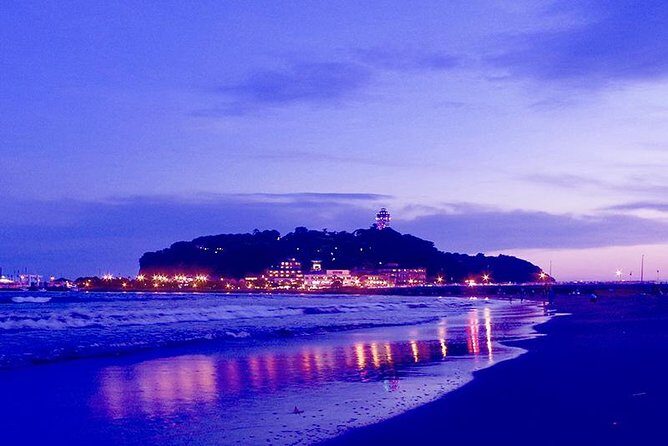
After Kamakura, you transition toward the seaside. At Enoshima Benzaiten Nakamise Dori, you’ll walk a shopping street connecting toward Enoshima Shrine.
This is a short stop (about 20 minutes) with a practical purpose: it puts you right where the famous foods live. The tour highlights specialties you can only eat in Enoshima, including takosen and whitebait bowls.
Here’s how I’d use this time: don’t try to sample everything. Pick one snack you want most, eat it while you’re still near the front of the street, and then save your energy for shrine viewing and the final observatory deck.
Admission is free here, so your focus is simple—eat, stroll, and keep moving.
Enoshima Shrine and the outdoor escalator: a classic Shonan stop
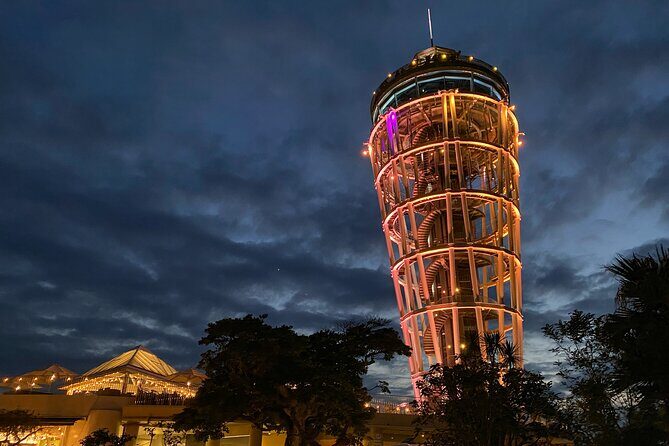
Next is Enoshima Shrine, with history over 1000 years, described as an important power spot. It’s also linked to prayers for marriage. Yes, that’s specific, but it also helps explain why so many people come here.
A standout detail is that you can take Japan’s first outdoor escalator up to the top of Enoshima. That’s a relief on a day like this—less steep climbing, more time to enjoy the views and the shrine atmosphere.
Your stop is about 40 minutes and admission is free. That time should feel just right: enough to pray, walk around the grounds, and look for photo angles without turning it into a long hike.
Enoshima Sea Candle observatory: the 360-degree payoff
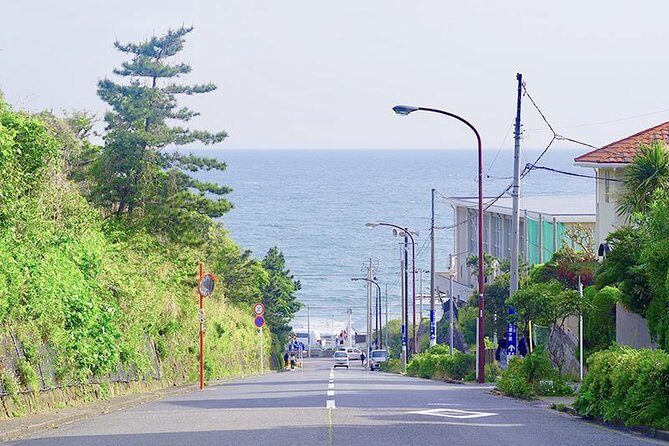
Finish the sightseeing portion at Enoshima Sea Candle (Observatory Deck), a lighthouse symbol for the Shonan area. The highlight here is the promised 360-degree panoramic view, with Mt. Fuji noted as visible when conditions allow.
Your stop is about 20 minutes, and admission is not included. This is a great end cap because it shifts the day from temples and streets to a big-picture look at the coast.
If visibility is poor, the view can disappoint. Still, the observatory experience tends to be worth it because it’s quick and it gives your brain a breather after lots of walking.
The price: what you really pay and why it can be worth it
The tour price is $125.42 per person, for a private 7-hour day with a guide. It’s booked on average 132 days in advance, and you’ll get a mobile ticket plus group discounts.
Here’s the important part: the listed tour price includes the tour guide, the private tour, and expenses for the guide. Most costs for transit, admissions, and meals are not included.
The estimate provided is 2,510 JPY per person, broken down as:
- Transportation: 460 JPY
- Admission fees: 1,050 JPY
- Meal costs: 1,000 JPY
That admission number lines up with Kotoku-in entrance (¥1,050). Most other stops are noted as free, so your main paid entry is that Great Buddha experience.
So is it good value? For me, yes—especially if you’re not traveling with a plan that already covers how to hop between Kamakura and Enoshima smoothly. You pay a premium for the guide and the “no transport confusion” approach, but you’re saving the time and mental load that normally go into DIY day-trips.
If you’re a very confident rail rider who likes to DIY everything, you might spend less on paper. But if you’d rather spend that money on a calm, guided day with someone managing timing, the total usually makes sense.
What to expect from the pacing and group experience
This is a private tour, meaning only your group participates. That matters because the guide can adjust how your day unfolds—at least in the real-world, within-time limits way.
In the reviews, guides like Kiko and Sandy helped people hit the high points even with limited time. Sandy also gave an overview before you moved, and in one case revisited places when a guest seemed tempted to skip. That kind of “check-in” style is exactly what keeps a packed itinerary from feeling random.
Still, this is not a slow buffet tour. Expect multiple stops in roughly a 7-hour window. You’ll have moments to walk, eat, pray, and snap photos, but you won’t have a full half-day at one temple.
If you want flexibility, ask the guide early what matters most to your group. Then you can make tradeoffs without wasting time later.
Practical tips that will save you stress
A few small things can make your day smoother:
- Wear comfortable clothing: you’ll walk a lot across temples, streets, and stairs/escalators
- Bring cash: some stops may not accept credit cards
- Have rain backup expectations: routes and destinations can change if weather is bad
- Keep shoes ready for uneven ground: temple grounds are not flat-city sidewalks
- Plan for an end different from the start: your tour finishes at Enoshima Station, not back at Kamakura Station
Also, many people underestimate how quickly midday can get hot or tiring. Carry water and take short pauses when you can. A tour like this works best when you stay ahead of exhaustion.
Should you book this Kamakura and Enoshima private tour?
Book it if you want a best-of day that mixes Kamakura’s major temples with Enoshima’s shrine and coast views, without playing transport puzzle games. It’s especially worth it if you value a guide who helps with navigation and can explain what you’re seeing—exactly what people praised with Kiko, Higara, and Sandy.
Skip or consider a different plan if you’re seeking a slow, deep study trip with lots of downtime, or if you know you strongly dislike packed itineraries. Also factor in extra costs for Kotoku-in and your meals, plus carrying cash for places that may not take cards.
If your goal is to see the highlights, get your bearings fast, and leave with real memories (plus a sea-view finale), this private Kamakura and Enoshima day is a solid pick.
FAQ
How long is the Kamakura and Enoshima tour?
The tour runs for about 7 hours.
What time does the tour start?
The start time is 10:00 am.
Where do I meet, and where does the tour end?
You meet at Kamakura Station (1-chōme-1-15 Onarimachi, Kamakura). The tour ends at Enoshima Station (Katasekaigan area, 1-chōme8, 藤沢市片瀬海岸1-4-7).
Is this a private tour?
Yes. It’s a private tour, and only your group participates.
What’s included in the price?
Included are the tour guide, the private tour, and the necessary expenses for the guide during the tour.
What extra costs should I plan for?
You should budget for the estimated 2,510 JPY per person, including transportation (460 JPY), admission fees (1,050 JPY), and meals (1,000 JPY). Kotoku-in entrance is specifically listed as ¥1,050 per person.
Do I need cash?
Yes, it’s a good idea. Some of the spots visited do not accept credit cards, so bring cash.
What happens if the weather is bad?
If weather is bad, there’s a possibility that transportation, destinations, and routes may be changed.
More Tour Reviews in Kamakura
More Days by the Great Buddha
Kamakura Day Trips, compared.
 ★ 4.5Kamakura & Enoshima Day Trip including Temple TicketsFrom $581,375 reviews
 ★ 4.5From Tokyo: Kamakura & Enoshima 1-Day Bus TourFrom $66189 reviews
 ★ 5.0Kamakura Historical Walking Tour with the Great BuddhaFrom $98129 reviews
Kamakura Private Tour: Temples, Nature, and the Great BuddhaFrom $98121 reviews
Kamakura Walking Tour – The City of ShogunFrom $35100 reviews
★ 5.0Kamakura Historical Walking Tour with the Great BuddhaFrom $98129 reviews
Kamakura Private Tour: Temples, Nature, and the Great BuddhaFrom $98121 reviews
Kamakura Walking Tour – The City of ShogunFrom $35100 reviews
 ★ 5.0Kamakura 8 hr Private Walking Tour with Licensed Guide from TokyoFrom $20180 reviews
 ★ 4.1Kamakura & Enoshima Day Tour with Pickup & Train RideFrom $1361 reviews
 ★ 4.8Kamakura: Private Guided Walking Tour with Local GuideFrom $10660 reviews
Browse the lists this tour appears in