
Reviewed · KAMAKURA DAY TRIPS
Authentic Japanese Tea Ceremony Experience in Kamakura
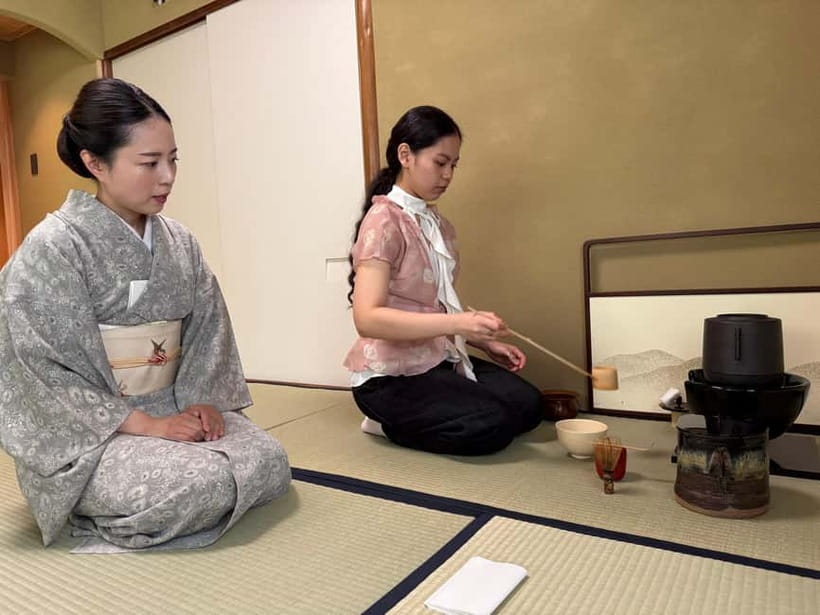
Matcha tastes better with manners. This 60-minute Kamakura ceremony takes you into a sukiya-zukuri tea room, then walks you through the etiquette of 茶道 (sadō) at a calm, small-group pace. I love that you are not just watching; you get hands-on matcha and two servings with seasonal wagashi, guided in English.
The standout for me is how the instructor explains the why behind each motion, tying omotenashi to Zen-style mindfulness so the whole thing feels purposeful. I also liked the small group (max 6), which keeps it personal and gives you room to ask basic questions. The main thing to consider is the floor setup: shoes off on tatami, and you may need a chair if kneeling is difficult.
In This Review
- Key highlights at a glance
- Where 竹翠庵 Fits Into Kamakura (and how to find it)
- Tatami rules and sukiya-zukuri details you’ll actually notice
- Sadō basics: etiquette you can feel, not just memorize
- Omotenashi: the hospitality spirit behind the ritual
- Whisk, serve, enjoy: your turn making matcha
- Wagashi pairing: why the sweets matter
- How long is 60 minutes, really?
- Price and value: is $36 reasonable?
- Who should book this tea ceremony in Kamakura
- Small practical tips before you go
- Should you book the Kamakura tea ceremony at 竹翠庵?
- FAQ
- How long is the Japanese tea ceremony experience?
- What group size should I expect?
- Is there an English-speaking instructor?
- Where do I meet?
- Do I need to remove my shoes, and do I need socks?
- Can I take photos during the ceremony?
- Is this suitable for everyone?
Key highlights at a glance
- 竹翠庵 tea room experience: Classic sukiya-zukuri setting in historic Kamakura
- Sadō lesson with meaning: You learn the philosophy behind 茶道, not just the steps
- Omotenashi in action: A live demonstration focused on hospitality and calm ritual
- Two matcha servings plus your turn: You whisk matcha yourself and enjoy it with wagashi
- English-speaking instructor: Japanese + English support helps first-timers feel at ease
- Photo windows during the session: Pictures allowed at designated times
Where 竹翠庵 Fits Into Kamakura (and how to find it)
Kamakura is a great base because it feels more local than central Tokyo, but it’s still easy to reach. This tea ceremony happens at 茶室「竹翠庵」, near the restaurant 「航」, about a short walk from JR Kita-Kamakura Station (you’ll be looking at roughly 7 minutes on foot).
I suggest you give yourself a little extra time. Not because the staff is disorganized—just because tea-room meeting points can be easy to miss when you’re carrying bags and trying to read Japanese signage fast. Aim to arrive a bit early, then settle into the calm mindset before you step inside.
The walk itself is part of the setup. You’re moving from everyday streets into a space where the rules are quieter: no shoes inside, and you’ll be on tatami. That contrast is a big part of why this experience works.
Tatami rules and sukiya-zukuri details you’ll actually notice
The session starts in a traditional tea room designed in the sukiya-zukuri style. If you’ve only seen tea ceremony videos, you’ll probably be surprised by how physical it feels: distance between objects, the placement of utensils, and how the room guides your posture.
You remove your shoes when you enter, and you should come wearing socks. There isn’t a strict dress code, but modest attire is recommended. If you’re the type who loves being comfortable, you can still be that person here—just plan for a room where you’ll be sitting and moving carefully.
One smart practical note: chairs are available if kneeling is difficult, but you need to notify in advance. If you have knee issues (or just know you’ll hate kneeling for 60 minutes), don’t tough it out. Ask ahead so the room setup matches your needs.
Sadō basics: etiquette you can feel, not just memorize
This is not a lecture where you scribble notes and hope it sticks. You’re taught the etiquette and manners rooted in traditional Japanese customs, then you see how those manners turn into small actions.
You’ll start with an explanation of sadō—what Japanese tea ceremony means and why it matters. The instructor also connects the ritual to Zen and mindfulness, emphasizing calm movements and attention to the moment. That matters because once you understand the intent, the etiquette stops feeling like a test.
Here’s what I like about this teaching style: you’re given clear, step-by-step guidance so you’re not guessing. And because the group is limited to 6, it’s easier to catch what you might otherwise miss in a crowded class.
In short: you learn how to behave in the space, then you learn what those behaviors are for—respect, harmony, and hospitality.
Omotenashi: the hospitality spirit behind the ritual
One of the best parts of the ceremony is the live demonstration of tea-making. This is where you see omotenashi in a very concrete way: the focus isn’t on speed or performance. It’s about how the host thinks about guests.
You’ll watch a full demonstration, and the instructor narrates the meaning as they go. Even if you don’t catch every word, you’ll feel the pacing. The movements are deliberate, and that becomes a kind of rhythm you can follow.
This is also where the experience turns from cultural content into a personal reset. In a busy day of trains, lines, and noise, a ritual with set pauses forces you to slow down. If you’re curious about Zen-style calm, this is the type of activity that actually teaches it through your body, not just your brain.
Whisk, serve, enjoy: your turn making matcha
Now for the part most people remember. You get to make and serve tea yourself, step by step, with an instructor guiding you. No prior experience needed—this is set up for first-timers.
Expect to whisk matcha using the provided utensils. You’ll practice enough to understand the motion and the goal: creating a smooth, well-mixed bowl. Then you’ll enjoy what you made.
And yes, you also get two servings of freshly whisked matcha during the session. That means you get to compare: watching how matcha is prepared, then tasting what you make with your own hands.
This is also where the group size helps. In a class with 20 people, you’d spend half the time waiting. Here, the small group setting keeps the flow gentle, so you’re not stressed while you learn.
Wagashi pairing: why the sweets matter
Matcha alone can be a bit intense if you’re not used to it. That’s why the ceremony includes seasonal Japanese sweets—wagashi—paired with your matcha.
Wagashi are not an afterthought. They’re part of how the ceremony balances flavors, texture, and timing. You’ll taste them alongside your matcha in the rhythm of the ritual, which makes the whole experience feel paced rather than rushed.
Even if wagashi aren’t your usual go-to snack, you’ll likely understand the logic quickly: the sweetness gives the matcha something to play against. It’s a small detail, but it makes the tasting more interesting and less one-note.
How long is 60 minutes, really?
Sixty minutes sounds short until you’re in a room where everything has a place. The session is designed to fit a full tea ceremony experience into about an hour—welcome, explanation, demonstration, your practice, and then your enjoyment.
Because the structure is tight, it’s a good “culture hit” when you don’t want to commit a whole afternoon. I’d treat it as a highlight you can schedule cleanly between other Kamakura stops.
The max 6 group also keeps the pacing smooth. You’ll likely feel like a participant rather than an observer.
Price and value: is $36 reasonable?
At $36 per person for about 1 hour, you’re paying for more than tea. You’re paying for:
- a guided sadō explanation with meaning (not just steps)
- a live demonstration
- rental tea ceremony utensils
- two freshly whisked matcha servings
- seasonal wagashi
- an English-speaking instructor in a small group
In practical terms, this is one of those experiences where the value is in the guidance. You’re not buying tea; you’re buying the ability to do the ritual correctly and calmly, even if you’ve never tried it before.
Also, because it’s limited to 6 participants, you’re getting time with the instructor. That’s a big deal. In larger classes, you often spend your session hoping someone notices you. Here, you’re more likely to get real help.
If you enjoy hands-on cultural activities, I think this price lands in the fair-to-good zone. If you only want to taste matcha and don’t care about etiquette or ritual, then it may feel pricey compared with a café. For most people doing Kamakura for culture, it’s a solid trade.
Who should book this tea ceremony in Kamakura
This experience is a strong fit for:
- First-time visitors who want the meaning behind tea ceremony etiquette
- Couples who want a calm, shared activity
- Families with kids age 7 and up (the structure is clear and supportive)
It’s also a good choice if you’re the type who likes learning through doing. You don’t just watch. You whisk matcha yourself and serve tea, which makes the whole session stick in your memory.
But it’s not for everyone. It isn’t suitable for pregnant women, and it’s not suitable for wheelchair users. If you’re worried about comfort due to kneeling, remember chairs are available if you notify in advance.
Small practical tips before you go
Here’s what will make your session go smoother.
- Bring socks. Shoes come off inside.
- Wear modest, comfortable clothes since you’ll be sitting for part of the ceremony.
- Keep expectations realistic: this is about calm etiquette, not a fast “try everything” class.
- Photos are allowed at designated times. Don’t assume it’s a free-for-all with cameras out whenever you want.
- If you struggle with kneeling, message ahead about using a chair.
Also, English support is part of the design, so even if your Japanese is basic, you should be able to follow the important parts.
Should you book the Kamakura tea ceremony at 竹翠庵?
I’d book it if you want a meaningful Japanese cultural experience that stays practical. You’ll learn sadō etiquette, watch omotenashi in action, and then do the real work—whisking and enjoying matcha yourself. For $36, it’s not just a tasting; it’s a guided ritual you can actually participate in.
I’d skip it if you need a totally barrier-free setup (tatami and specific room conditions) or if you want something that’s more entertainment than instruction. Also skip if kneeling won’t work for you and you didn’t arrange the chair option.
One more thing: the overall feedback is consistently excellent, with repeated praise for the experience feeling pleasant, friendly, and genuinely interesting. That lines up with what the format is designed to do—small group, step-by-step guidance, and a calm pace.
If your schedule is flexible, keep it simple and book early. For day-of planning, treat it as a key appointment, not a casual drop-in.
FAQ
How long is the Japanese tea ceremony experience?
The session is approximately 60 minutes.
What group size should I expect?
It’s a small group experience limited to a maximum of 6 participants.
Is there an English-speaking instructor?
Yes. The instructor speaks Japanese and English, so you can follow along in English.
Where do I meet?
Meet at 茶室「竹翠庵」 near the restaurant 「航」. It’s about a 7-minute walk from JR Kita-Kamakura Station.
Do I need to remove my shoes, and do I need socks?
Yes. Shoes must be removed because it’s a tatami tea room, and you should bring socks.
Can I take photos during the ceremony?
Yes, photos are allowed at designated times during the session.
Is this suitable for everyone?
It’s recommended for ages 7 and up. It is not suitable for pregnant women or wheelchair users.
If you want, tell me your travel dates and whether you’ll be visiting other Kamakura spots the same day. I can suggest a realistic time slot so the tea ceremony fits without stress.
More Tour Reviews in Kamakura
More Days by the Great Buddha
Kamakura Day Trips, compared.
 ★ 4.5Kamakura & Enoshima Day Trip including Temple TicketsFrom $581,375 reviews
 ★ 4.5From Tokyo: Kamakura & Enoshima 1-Day Bus TourFrom $66189 reviews
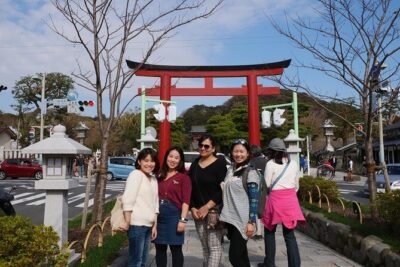 ★ 5.0Kamakura Historical Walking Tour with the Great BuddhaFrom $98129 reviews
Kamakura Private Tour: Temples, Nature, and the Great BuddhaFrom $98121 reviews
Kamakura Walking Tour – The City of ShogunFrom $35100 reviews
★ 5.0Kamakura Historical Walking Tour with the Great BuddhaFrom $98129 reviews
Kamakura Private Tour: Temples, Nature, and the Great BuddhaFrom $98121 reviews
Kamakura Walking Tour – The City of ShogunFrom $35100 reviews
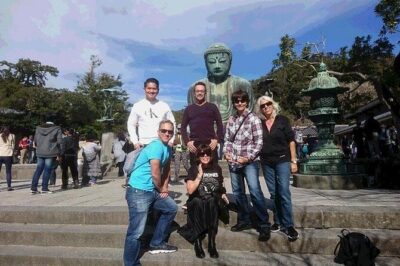 ★ 5.0Kamakura 8 hr Private Walking Tour with Licensed Guide from TokyoFrom $20180 reviews
 ★ 4.1Kamakura & Enoshima Day Tour with Pickup & Train RideFrom $1361 reviews
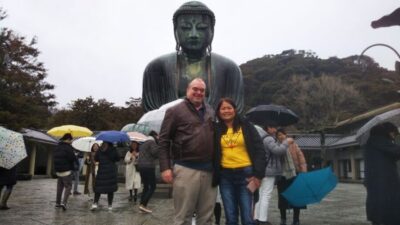 ★ 4.8Kamakura: Private Guided Walking Tour with Local GuideFrom $10660 reviews
Browse the lists this tour appears in