

Reviewed · AKIHABARA OTAKU TOURS
Akihabara – Discover the Otaku Culture & Experience the Maid Cafe
Akihabara is easier with a guide. This small-group walk mixes arcade tech, retro game shops, and a real maid café experience, so you get the neighborhood logic instead of random wandering. I love the max-8 group size, and I love how the tour frames otaku culture as more than anime. One caution: it’s an introduction, not a custom route for one single obsession.
You start with arcade photo booths and crane machines, then you’ll move through the places that built Akihabara’s identity: retro hardware, pop-culture retail, and the shopping streets where collectors actually browse. I also like that you get snacks and a complimentary hot drink, which helps when the tour is moving and you’re doing a lot of looking.
Because this is a walking tour with about 30 minutes of transit on top of the stops, you’ll want a moderate fitness level. If you’re expecting a private, totally tailored itinerary, set your expectations to a small-group overview with choices.
In This Review
- Key things you’ll notice on this Akihabara walk
- Getting Oriented in Akihabara’s Pop-Culture System
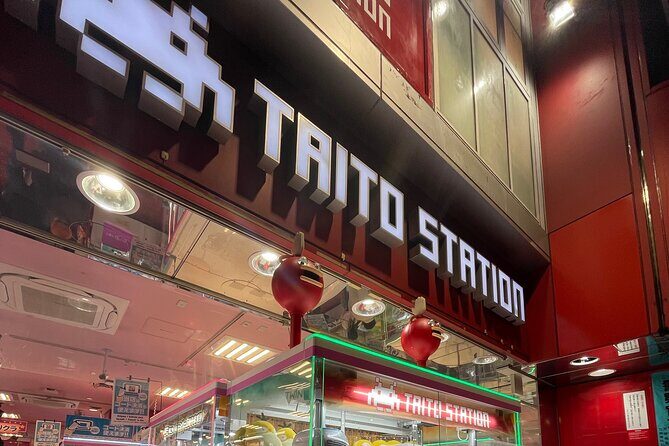
- The Taito Station Akihabara opener: crane games and purikura
- Super Potato and Don Quijote: retro games meet mass retail
- Akihabara Radio Kaikan: the roots behind the otaku machine
- Junk street, Mandarake, and Mandarake-adjacent collector logic
- ONODEN and the cosplay shopping zone
- Trading cards at 福福トレカ秋葉原店
- The maid café hour: what’s included and how to get the most out of it
- Wednesday-only option: maid theatrical show with live performers
- Price and value for a 4-hour Akihabara small-group tour
- Who this tour suits best (and where it may not)
- Should you book Akihabara Otaku Culture and the Maid Café experience?
- FAQ
- How many people are in the tour group?
- What does the price include?
- What is included at the maid café?
- Is the maid theatrical show included?
- Do I need separate tickets for the arcade and photo booths?
- How long is the tour and how much time is walking?
- Where do I meet the guide?
- Are drinks besides the included hot drink available?
- Can I cancel for a refund?
Key things you’ll notice on this Akihabara walk
- Max 8 travelers keeps the pace human and gives you a real chance to ask questions
- Purikura + crane machines at Taito Station Akihabara give you hands-on tech, not just photos
- Retro stops that make sense together (Super Potato, Don Quijote, Radio Kaikan) show how the area evolved
- Collector-focused browsing like junk street, Mandarake, and trading card shops helps you see the culture beyond costumes
- Maid café included for everyone on the standard itinerary, with a hot drink and snacks built in
- Wednesday option adds a maid theatrical show with live performers (and it’s not included the same way)
Deeper into Electric Town
- Official Street Go-Kart Tour – Akihabara★ 5.0 · 1,578 reviews
- Tokyo: Original Street Kart Experience from Akihabara★ 5.0 · 111 reviews
- Ramen Making from Scratch +Akihabara Tour –Tokyo Cooking Class★ 5.0 · 107 reviews
Getting Oriented in Akihabara’s Pop-Culture System
Akihabara can feel like two things at once: neon retail energy on the surface, and an actual retail machine underneath. The tour is built to help you read that system quickly. You’re not just going store-to-store. You’re learning what each place is good for, and why it became part of the Akihabara story.
Your route begins at Taito Station Akihabara, then it keeps moving in a way that builds on itself: arcade tech first, then retro games, then the older “why this place exists” layer, and finally the collector streets. Even the time for snacks fits the flow, because Akihabara shopping is a lot of scanning shelves and windows. You’ll be better prepared to recognize what’s happening around you once you’ve seen the big-name anchors and the smaller specialty stores.
There’s also a practical angle here: if you’ve ever tried to navigate Akihabara on your own, you know how easy it is to end up walking past exactly the wrong shop at exactly the wrong time. A guide gives you a structure, and with a small group (max 8), you don’t get that rushed, herd-walking feeling.
The Taito Station Akihabara opener: crane games and purikura
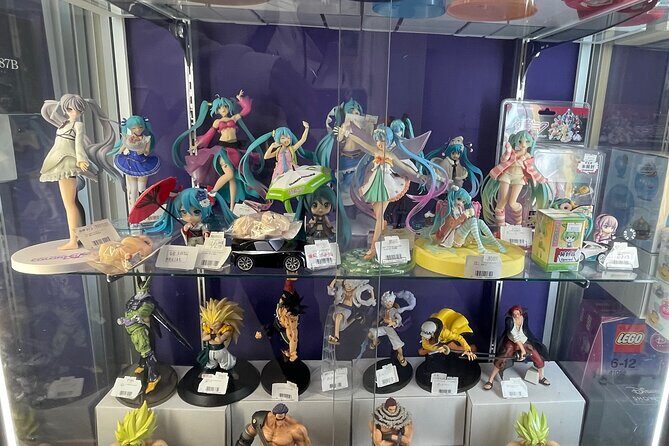
The tour kicks off at Taito Station Akihabara (about 20 minutes). This is where you get an instant win: crane machines plus purikura photo booths. If you only think of Akihabara as anime merchandising, this stop widens the lens fast.
What makes it valuable is that it’s interactive. You don’t just look at the machines—you get the chance to experience the photo booth culture that’s part of everyday fandom. Purikura is also one of those things that feels hard until you’re standing in front of it, then suddenly it’s just a fun routine. With a guide, you’re more likely to get the timing right and not waste time figuring out the basics.
Crane machines are a similar story. On your own, you might treat it like a novelty. On this tour, it’s a way to see how arcade play and pop culture overlap in Akihabara, from what people are chasing to how the machines fit into the wider entertainment district.
Super Potato and Don Quijote: retro games meet mass retail
Next comes Super Potato (about 20 minutes). This is one of those Akihabara stops where the name already hints at the appeal: retro video games and older consoles. The tour gives you time to browse and understand what kind of items these shops specialize in—so you don’t just see a wall of games and walk away without a clue.
Then you head to Don Quijote Akihabara (about 20 minutes). This is a mass-retail stop, and that matters because Akihabara isn’t only specialty stores. Don Quijote mixes genres of anime merchandise. The tour mentions a possible chance to see the AKB48 Hall, but that part is not guaranteed, so treat it like a bonus if you spot it.
In practical terms, these two stops help you understand two shopping modes:
- specialty collector browsing (Super Potato)
- big retail merchandising (Don Quijote)
That contrast is what makes your later stops click. When you reach smaller stores and niche trades, you’ll know what category of shop you’re in—and what kind of items you’re likely to find.
Akihabara Radio Kaikan: the roots behind the otaku machine
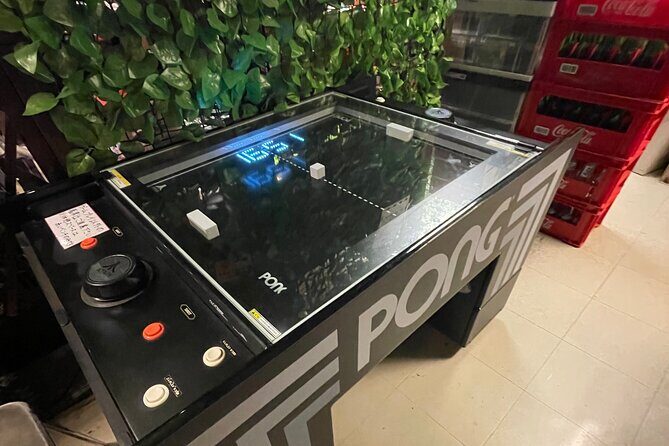
Akihabara Radio Kaikan gets about 15 minutes, and the point here is context. The tour explains the origins and roots of Akihabara otaku culture, and that helps you make sense of why the area developed the way it did.
This is the “pause and understand” stop. The earlier stops show you the entertainment and products. Radio Kaikan gives you the why. Even if you’re not a deep-history person, you’ll feel the benefit when you walk through the older-feeling electronic area segments and realize the district has always been about tech and media culture mixing together.
The itinerary also includes a brief in-between walk/segment focused on the electronic area’s origins and what it was like in the past. It’s short, so you’re not getting a textbook. But it’s enough to give your mental map a backbone.





Junk street, Mandarake, and Mandarake-adjacent collector logic
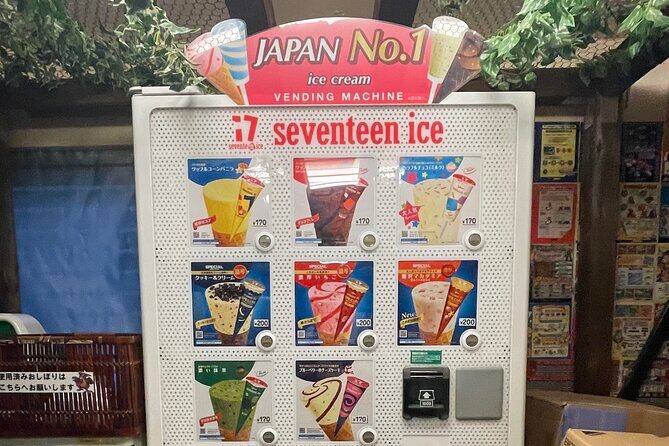
One of the most useful parts of the tour is a dedicated stop area labeled simply as Akihabara (about 25 minutes). This is where you encounter the collector vibe more directly, including junk street and mention of Mandarake and rashinban.
Why it works: these places can be overwhelming if you’ve never seen how collectors shop. The tour structure helps you understand that “browsing” is the activity. You’re not only looking for one perfect item. You’re learning what categories people hunt for and how the retail ecosystem serves that behavior.
This is also where food shows up. The tour mentions food catered as part of this Akihabara segment and the chance to pick up snack foods if you’re hungry. That matters because snacks aren’t only comfort on a tour like this—they protect your energy so you keep noticing details instead of rushing because your stomach is empty.
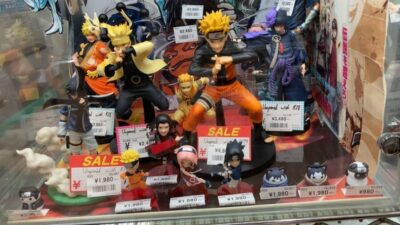
If you come in expecting costumes and character merch only, this section nudges you toward the collecting culture—where manga, figures, and related items are treated like real fandom artifacts.
ONODEN and the cosplay shopping zone
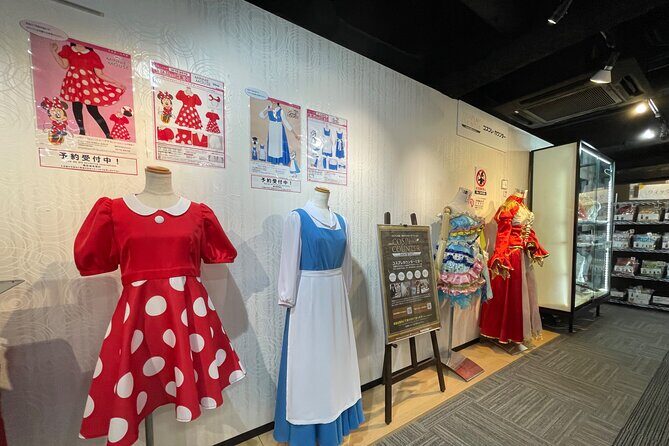
ONODEN gets about 30 minutes and it’s framed around cosplay and anime theme shopping. This is a more “visual” part of Akihabara—less scavenger hunt, more themed retail browsing.
I like this kind of stop because it gives you permission to slow down. You can think through what you’d actually want to buy instead of sprinting through shops because the tour schedule is moving. And even if you skip purchases, seeing how cosplay merchandise is grouped and displayed teaches you how Akihabara sells identity, not just products.
This is also the place where you’ll likely start noticing your own preferences. Some people gravitate to cards. Some go retro games. Some go manga and figures. ONODEN helps you sort your interests so the trading card stop and maid café hour feel less random.
Trading cards at 福福トレカ秋葉原店
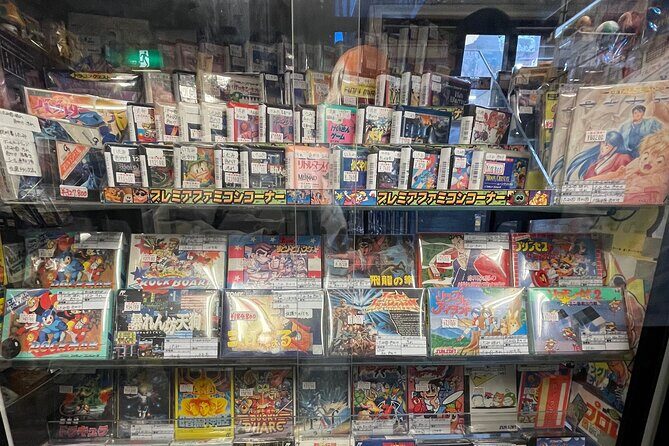
Next is 福福トレカ秋葉原店 (about 15 minutes). This is a specific lane: Japanese trading card games, aimed at teens and older. The short time limit matters here. You’re not going to become a card expert in 15 minutes, but you can understand the shop’s focus fast.
This stop is valuable because it expands “otaku” beyond one channel. Anime fans are common, but trading card fandom is another major strand. Once you’ve seen at least one dedicated card shop, it’s easier to see why Akihabara has so many store types. It’s not a single fandom theme. It’s a collection of fan communities living close to each other.
The maid café hour: what’s included and how to get the most out of it
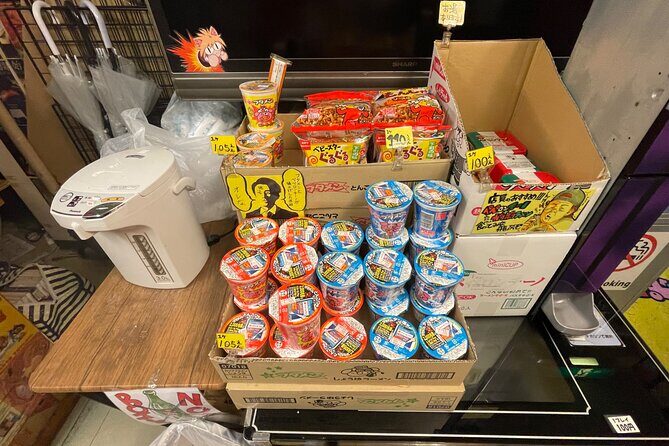
The highlight for many people is the maid café stop. The tour includes a visit to the number one maid café chain in Akihabara (about 1 hour). Admission is included, and you also get Akihabara Pop Culture Snacks plus a coffee and/or tea drink at the maid café.
What makes the maid café part more than a photo opportunity is the way the tour treats it as an experience you should actually participate in—inside the rules of the place. You’ll be walking into a themed environment with staff performing the “maid” role, and you’ll see the culture up close instead of treating it like a costume parade.
Practical mindset tip: go in expecting a show-style interaction rather than a normal café. If you’re shy, remember you can still enjoy it. If you’re chatty, this is one of the best places in Akihabara to talk to staff about what they’re doing and why the concept exists.
Also note what’s not included: alcoholic beverages aren’t part of the package. You’ll have one non-alcoholic drink included, and if you want alcohol or another drink, you pay for it yourself.
Wednesday-only option: maid theatrical show with live performers
On Wednesdays, the tour offers an optional extra experience: a maid theatrical show with live performers. The plan is described as an hour show performed by active maids working in real maid cafés. Admission for this extra show is not included, so it’s an add-on you decide on at the time.
This matters for your expectations. If you care specifically about a maid performance beyond the basic café experience, you’ll want to choose the Wednesday option. Otherwise, you’ll still get the maid café hour, but you won’t automatically get the theatrical show component.
Also, because the extra is tied to Wednesdays only, it’s worth planning your schedule around it rather than hoping it can be added on another day.
Price and value for a 4-hour Akihabara small-group tour
At about $103.93 per person for roughly 4 hours, the biggest question is what you’re really paying for. Here’s the value math that actually matters.
You’re getting:
- a small group capped at 8 (less chaos, better questions)
- multiple stops with admissions included at several key anchors (arcade/purikura, Radio Kaikan, Don Quijote, and the maid café)
- snacks plus a complimentary hot drink at the maid café
- a guide who helps you move through a neighborhood that’s famous, but not always simple to navigate efficiently
Some store stops are free admission, but the tour still assigns time for them. That means you’re not just consuming one paid attraction—you’re covering multiple parts of Akihabara’s ecosystem in a single, timed flow.
Is it cheap? No. But compared to piecing together a maze of arcade tickets, random store hunting, and a maid café reservation on your own, the guided structure often feels like the part that saves you time and reduces guesswork.
Who this tour suits best (and where it may not)
This tour is a strong fit if you want an organized overview of Akihabara’s otaku culture, with real experiences sprinkled in: purikura machines, retro game browsing, and an included maid café hour.
It’s also a good choice for families. One of the most positive takeaways from past experiences is that guides can adjust and stay accommodating when kids have questions or need support during the walking pace.
Where it may feel less ideal:
- If you want a hyper-specific route built around one niche (a single game series, one exact character line, one micro-scene), this is not designed to be a private custom hunt.
- If you’re counting on the maid theatrical show, you need to match the day—because the show option is Wednesday only, and admission is not included the same way as the main café.
Should you book Akihabara Otaku Culture and the Maid Café experience?
Book it if you want the fastest way to understand Akihabara’s mix of arcades, collector retail, and themed cafés—without spending your whole day trying to figure out where to go next.
Skip it or adjust expectations if you need a totally private itinerary built around one narrow interest, or if you’re going to be upset when a Wednesday-only element isn’t available on your chosen date. You’ll still get the maid café hour on the standard plan, but the theatrical show is the add-on.
One more practical note: bring a moderate walking tolerance. The tour is designed for a comfortable pace, but there’s still about 30 minutes of transit on top of the stops.
FAQ
How many people are in the tour group?
The tour is capped at a maximum of 8 travelers, which is meant to keep the experience more personalized than a big walking group.
What does the price include?
The tour price includes snacks (Akihabara Pop Culture Snacks) and a coffee and/or tea drink at the maid café. Several stops also include admission tickets depending on the stop.
What is included at the maid café?
You’ll get a maid café experience for about 1 hour, plus snacks and a complimentary hot drink (coffee and/or tea). Alcoholic beverages are not included.
Is the maid theatrical show included?
The maid theatrical show is an optional add-on that’s Wednesday only. Admission for that show is not included.
Do I need separate tickets for the arcade and photo booths?
The tour includes admission tickets for the Taito Station Akihabara stop, including crane machines and purikura. Other store stops vary between included admission and free admission.
How long is the tour and how much time is walking?
The tour runs about 4 hours. It also includes time for walking/transit between locations, listed as about 30 minutes.
Where do I meet the guide?
You meet at ジェイアール東日本コンサルタンツ 東京管理所1-chōme-17-4 Sotokanda, Chiyoda City, Tokyo 101-0021, Japan, and the tour ends back at the meeting point.
Are drinks besides the included hot drink available?
Alcoholic beverages aren’t included. The maid café provides one non-alcoholic drink, and if you want alcohol or a second drink, you pay for it yourself.
Can I cancel for a refund?
Yes. You can cancel for a full refund up to 24 hours before the experience starts.
If you tell me your travel dates (especially if you’re traveling on a Wednesday) and what you’re most excited about—arcades, manga shopping, trading cards, or the maid show—I can help you decide which option fits best.
More Tour Reviews in Tokyo



Further into Akihabara





Fresh reviews from around Tokyo






Akihabara Otaku Tours, compared.
 ★ 5.0Official Street Go-Kart Tour – AkihabaraFrom $611,578 reviews
 ★ 5.0Original Street Kart Experience from AkihabaraFrom $51111 reviews
 ★ 5.0Ramen Making from Scratch +Akihabara Tour –Tokyo Cooking ClassFrom $123107 reviews
 ★ 5.0Tokyo’s Must-Sees: 5-hour Tsukiji, Akihabara & Asakusa TourFrom $10188 reviews
 ★ 4.8Tokyo Akihabara, Anime, Manga, Video Games & Maid Cafe TourFrom $3881 reviews
 ★ 4.6Akihabara: Anime & Gaming Adventure Tour (Group or Private)From $8880 reviews
 ★ 4.5Akihabara: Go-Kart Experience with Local Guide in TokyoFrom $7257 reviews
Real Anime Culture Tour in Shibuya: Food, Shopping & Game FunFrom $7548 reviews
★ 4.5Akihabara: Go-Kart Experience with Local Guide in TokyoFrom $7257 reviews
Real Anime Culture Tour in Shibuya: Food, Shopping & Game FunFrom $7548 reviews
Browse the lists this tour appears in