
Reviewed · MT FUJI DAY TRIPS
3 Day Japan Highlights Tour: Tokyo, Mt.Fuji, Nara, Kyoto, Osaka
Three days can feel like a week here. This tour strings together Japan’s major historic stops with comfort on the road, plus a guide who keeps the plan moving without turning it into a race.
I particularly like the small-group size (max 23), which makes it easier to ask questions and adjust when you care more about temples or views. I also love that Mt. Fuji is built into the route with multiple chances for clear-sky photos.
One heads-up: it’s a packed schedule, and several big-ticket sights (like Hakone’s ropeway or the crater-lake cruise) have extra admission fees, so you’ll want to budget for that.
In This Review
- Key highlights worth knowing
- Why this Tokyo-to-Osaka route feels efficient
- Getting started in Narita (and why it matters)
- Day 1: Kamakura’s Great Buddha, coastal temples, then Hakone crater views
- Kotoku-in (Great Buddha of Kamakura)
- Hasedera Temple
- Enoshima Island (shrines, sea caves, and public baths)
- Hakone Ropeway and the switchback ride
- Owakudani Hell Valley (sulfur steam and kuro-tamago)
- Hakone Pirate Ship on Lake Ashi
- Hakone Jinja and Lake Ashinoko Sky Line
- Day 2: Fuji-area villages and ponds, wind cave, then Nagoya meals at Sakae
- Fuji tasting stop and tea plantation views
- Oshino Hakkai (the 8 crystal ponds)
- Kitaguchi Hongu Fuji Sengen Jinja
- Oishi Park for Mt. Fuji viewpoints
- Saiko Iyashi no Sato Nemba (traditional houses in costume)
- Fugaku Wind Cave (lava tubes)
- Aokigahara Forest (brief walk)
- Shiraito Falls
- Nagoya evening in Sakae
- Day 3: Nara deer, Todai-ji, Kiyomizu-dera crowd-smart routes, then Arashiyama and Fushimi Inari to Osaka
- Nara Park and Todai-ji
- Kiyomizu-dera (World Heritage) and traditional street shops
- Entoku-in and a tea ceremony option
- Arashiyama Bamboo Forest (and a crowd-smart backup)
- Fushimi Inari-taisha (10,000+ torii gates)
- Dotonbori (Osaka nightlife finale)
- Price and what $1,310.55 really covers
- Practical tips so you enjoy every stop
- Who should book this tour (and who might prefer something slower)
- Should you book this 3 Day Japan Highlights Tour?
- FAQ
- What cities and areas does the tour cover?
- Where does the tour start?
- How long is the tour?
- What’s the group size limit?
- Does the tour include pickup?
- What’s included in the price besides transportation and hotel?
- Are lunch and dinner included?
- Are attraction tickets included?
- Is a mobile ticket used?
- Is there an option for tea during the trip?
- What’s the cancellation window for a full refund?
Key highlights worth knowing
- Small group (up to 23): you stay flexible and don’t feel swallowed by tour-bus chaos.
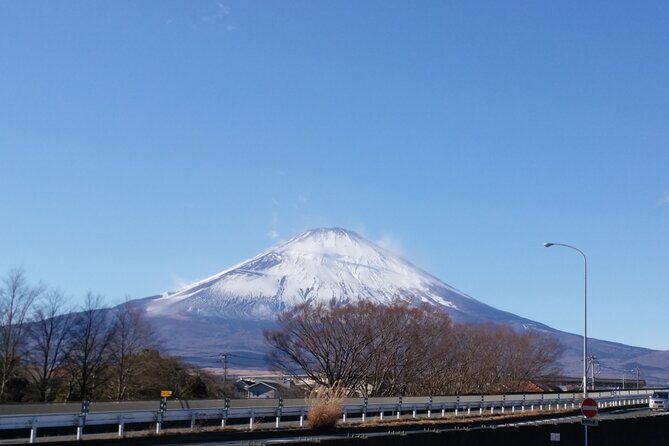
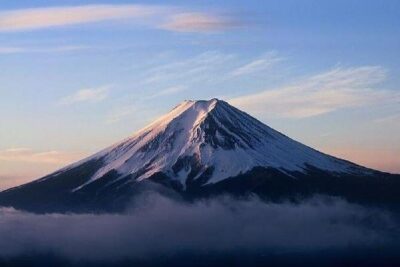
- Mt. Fuji chances on both days: you hit viewpoints around Hakone and Lake Kawaguchi, not just one overlook.
- Temple-and-shrine variety in three zones: Kamakura coast, Hakone craters, then classic Nara and Kyoto icons.
- A Kyoto route that tries to reduce crowd pain: you’re guided through ways that help you avoid the worst crush at Kiyomizu-dera.
- Evening time in Osaka: Dotonbori gives you a real end-of-trip payoff with food-stall energy.
Before you commit, see how this one stacks up against a few Narita favourites:
- Narita Airport (NRT) Private Transfer to Central Tokyo★ 4.5 · 300 reviews
- Private arrival Transfer from Narita Airport(NRT) to central Tokyo city★ 4.5 · 128 reviews
- Narita Airport(NRT): Private Transfer to Tokyo/Yokohama 1-9pax★ 5.0 · 47 reviews
Why this Tokyo-to-Osaka route feels efficient
The biggest strength of this tour is how it links two different Japan styles: old capital sights (Nara and Kyoto) and scenic “pause-and-look” stops (Kamakura coast and the Fuji area). You’re not just checking boxes—you’re traveling through a sequence that makes sense geographically, moving step by step from eastern Japan toward Kansai.
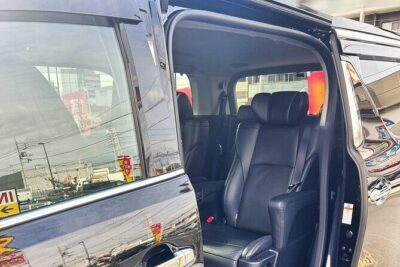
You’ll also appreciate the comfort layer. The tour includes an air-conditioned vehicle, onboard WiFi, and pickup is offered, which matters when you’re bouncing between multiple regions in a short time. Add in two breakfasts, and your mornings start with less decision-making.
The only tradeoff is time. This is not a slow “stay and linger” trip. Plan for a fast rhythm: short temple visits, scenic rides, and then a quick handoff to the next area.
Getting started in Narita (and why it matters)
You begin at Narita Airport Terminal 2・3 Station, which is a convenient way to start if you’re flying into the Tokyo area. The tour lists a mobile ticket, and the meeting point being “near public transportation” is helpful if you arrive early or need to reposition before pickup.
The schedule window shown for the experience is 8:00 AM to 8:00 PM, which is a nice buffer if your flight timing is a little messy. You’ll still want to plan your arrival day so you’re not sprinting through airport transfers.
If you’re the type who likes knowing where you stand, this is one of the smoother parts of the trip: you’ve got a defined starting place, a guide-led route, and a small group max (again, capped at 23).
Day 1: Kamakura’s Great Buddha, coastal temples, then Hakone crater views
Day 1 is built like a movie montage: bronze statue, seaside gardens, then sulfur vents and a crater-lake cruise. It’s a strong mix, and it helps you ease into Japan’s variety without needing to make dozens of train connections.
Kotoku-in (Great Buddha of Kamakura)
You get a quick look at the Great Buddha of Kamakura, an 11-meter bronze statue dating back to 1252. The appeal here is that you’re seeing something big and ancient without needing an all-day temple grind.
Keep your expectations realistic: it’s a short visit, so focus on the main statue and the atmosphere around it rather than trying to “finish” the whole complex.



Hasedera Temple
Next up is Hasedera, famous for its large wooden sculpture (the 9-meter goddess of mercy). The gardens and ocean views are the main reason to come here, since they make the temple feel more like a place you can breathe in.
This stop is a good one for photos, but also for taking a moment when the day is otherwise moving fast.
Enoshima Island (shrines, sea caves, and public baths)
Enoshima gives you a seaside break with a shrine complex and sea caves. If you like food, you’ll find seafood options nearby, which is often the easiest lunch win in this part of Japan.
There’s also mention of a large public bath here. If that’s your thing, it can be a relaxing reset after temple walking.
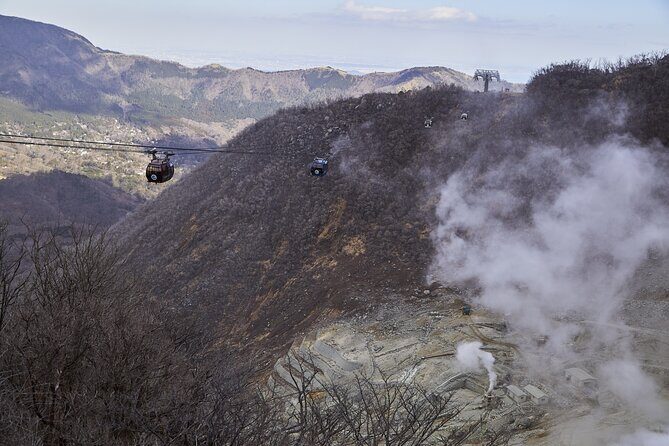
Hakone Ropeway and the switchback ride
From the coast you move into Hakone’s volcanic scenery. The Hakone Ropeway is one of those “worth the ticket” moments because it changes your perspective quickly as you gain elevation.
The ropeway is listed at 2,000 yen. Even if you’re not chasing every view, the payoff is the ride plus the chance to see Mt. Fuji if skies cooperate.
Owakudani Hell Valley (sulfur steam and kuro-tamago)
At Owakudani, you’re looking at sulfur steam vents from the crater valley. The classic snack here is the kuro-tamago (black eggs) boiled in the sulfur springs.
This is an easy stop to enjoy because it’s sensory—smell, steam, and that eerie geothermal intensity. It’s also a quick one, so you’re not losing half a day to it.
Hakone Pirate Ship on Lake Ashi
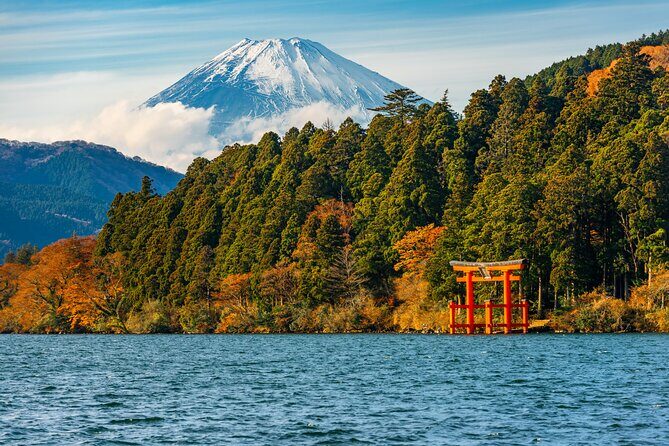
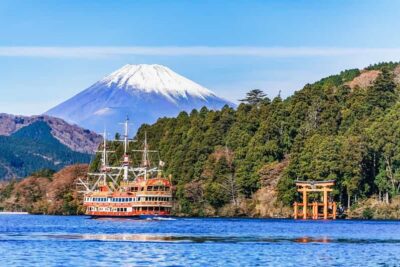
Then comes a real highlight: a cruise from Tōgendai Port over an extinct volcano’s crater lake. On clear days, you can spot Mt. Fuji from the water, which is one of the biggest reasons this day works.
The pirate ship is listed at 1,700 yen. It’s not just a ride; it’s a “sit down and watch” moment that helps you absorb the scenery without constantly walking.
Hakone Jinja and Lake Ashinoko Sky Line
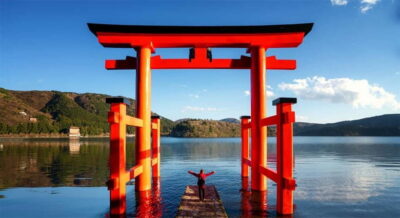
Hakone’s shrine is followed by Lake Ashinoko Sky Line, where you’re promised spectacular views of Lake Ashi and Mt. Fuji on clear days. This road-and-view segment is included for admission per the plan, and it’s where the day’s visuals start stacking up.
On most days, Hakone is also where wildlife shows up around the drive (the plan mentions deer and raccoon dogs). That’s not something you bank on, but it adds a little surprise when it happens.
Day 2: Fuji-area villages and ponds, wind cave, then Nagoya meals at Sakae
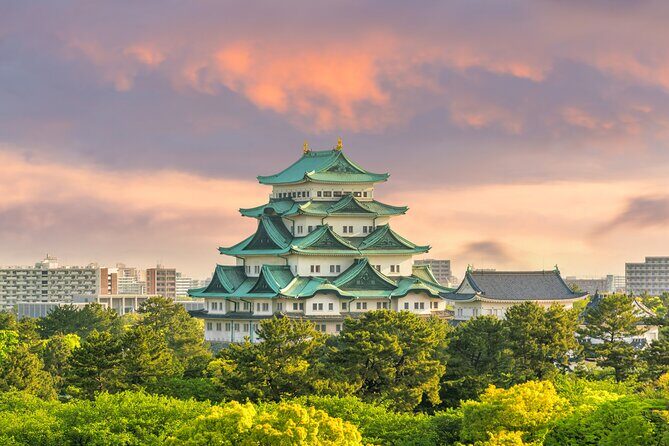
Day 2 shifts from volcanic Hakone scenery to the Mt. Fuji “basecamp” area. The pacing feels calmer in the middle because you get scenic breaks around lakes and villages.
Fuji tasting stop and tea plantation views
You start with a short stop around “Fuji,” with local specialties and tea plantation scenery. It’s only about 20 minutes, so treat it as a taste-and-photo moment, not a full market visit.
Oshino Hakkai (the 8 crystal ponds)
Oshino Hakkai is one of the prettiest kinds of Japan stops: a cluster of ponds and shops selling local specialties. The plan gives it about 1 hour, which is enough to walk slowly and still keep moving.
If you’re the type who enjoys small crafts and snackable bites, this is a great place to spend your money instead of rushing through it.
Kitaguchi Hongu Fuji Sengen Jinja
Then you visit an ancient shrine, said to date back to 100 A.D., located in a cedar forest at the base of Mt. Fuji. The practical value here is that it adds cultural context to what you’re seeing.
It’s also a quick stop—about 30 minutes—so it doesn’t bog down the day.
Oishi Park for Mt. Fuji viewpoints
At Oishi Park, you’re looking for clear-morning views of Mt. Fuji from Lake Kawaguchi. It’s short (20 minutes), but the whole point is to catch the angle and then move on.
Fuji visibility depends on weather, so I like the fact that this route gives you multiple “try again” moments rather than putting all your hope into one view.
Saiko Iyashi no Sato Nemba (traditional houses in costume)
This is one of those practical fun stops: you explore a traditional village with thatched-roof houses, with the option to dress in kimono or samurai armor. Admission is 500 yen.
Even if you skip the costume, the setting helps you understand what “countryside Japan” looks like here—small structures, quiet lanes, and Mt. Fuji in the background when conditions allow.
Fugaku Wind Cave (lava tubes)
Fugaku Wind Cave is a different kind of Fuji-area attraction: lava tubes and a natural refrigerator effect with ice most of the year. The ticket is 300 yen, and the plan gives 30 minutes, which is enough to see the major sections.
This is a great contrast to temples and shrines because it feels hands-on and slightly unusual.
Aokigahara Forest (brief walk)
You get a short walk through Aokigahara Forest. The plan frames it as one of Japan’s infamous forests at the foot of Mt. Fuji, and it’s listed at 10 minutes.
I’d keep this stop in the “quick atmosphere” category, because you’re not there long enough to turn it into a deep experience. Also, if you dislike heavy-topic places, keep your visit brief and focus on staying comfortable.
Shiraito Falls
Then you stroll to Shiraito Falls (two waterfalls) with a short walk and local snacks mentioned. It’s listed as 40 minutes, so it’s one of the longer breaks on Day 2.
Nagoya evening in Sakae
Finally, you land in Nagoya and explore the Sakae district for about 1 hour. This is the “eat and wander” slot, and it’s free time rather than a hard-ticket attraction.
It’s a smart way to break up the day: after shrine-heavy mornings and scenic middle stops, you end with shopping streets and casual food options.
Day 3: Nara deer, Todai-ji, Kiyomizu-dera crowd-smart routes, then Arashiyama and Fushimi Inari to Osaka
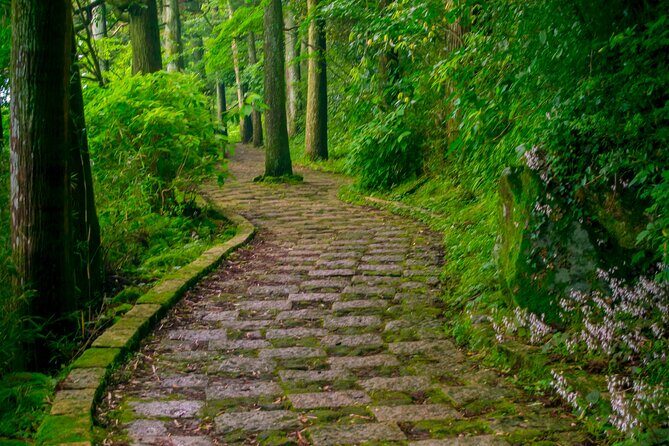
Day 3 is where the trip turns into a classic Japan highlight run. You’ll see the deer park, two major Kyoto icons, and end in Osaka’s most famous entertainment district.
Nara Park and Todai-ji
You start with Nara Park, a guided walk through the park with over-friendly deer. The stop is 2 hours, so you’ll have time to slow down and not feel like you’re being herded.
Then comes Todai-ji, founded in 738 and home to the world’s largest bronze Buddha inside a huge wooden temple. Admission is listed at 800 yen, and the visit is 1 hour.
This is one of the best stops for sheer scale. When you walk into the main hall area, you feel why this place is famous—even if you only have a short visit.
Kiyomizu-dera (World Heritage) and traditional street shops
Next is Kiyomizu-dera, another World Heritage site. The plan notes that routes are chosen to avoid most of the crowds, and admission is 500 yen.
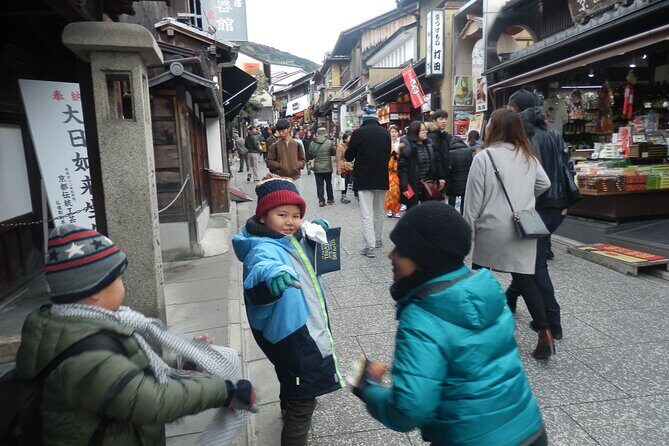
The shopping streets nearby are part of the appeal. It’s not just temple viewing—you get a more lived-in Kyoto feel, with snacks and traditional storefronts around you.
Entoku-in and a tea ceremony option
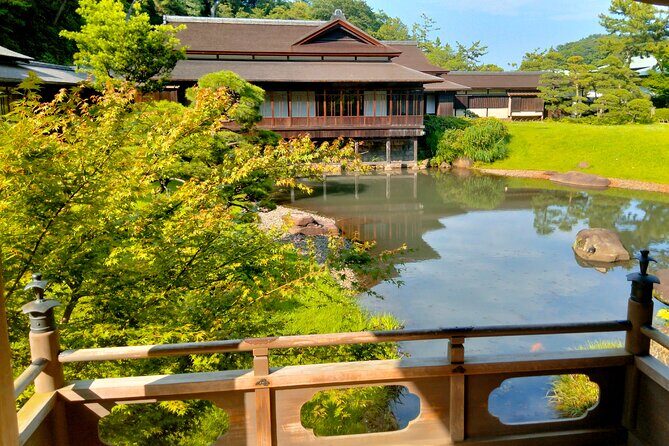
You visit Entoku-in, the family home and garden of Toyotomi Hideyoshi’s wife Nene, built in 1605. There’s a short tea ceremony option for an extra fee of 1,300 yen.
Even if you skip the tea, the garden setting is often where the emotional “tempo change” happens on this kind of whirlwind day.
Arashiyama Bamboo Forest (and a crowd-smart backup)
Then you reach Arashiyama Bamboo Forest for 1 hour. The plan also suggests a backup bamboo grove at Kotoku-in if you’re short of time.
This is the kind of stop where timing and pacing matter. If you want iconic photos, go early in your time block and then walk the edges for quieter moments.
Fushimi Inari-taisha (10,000+ torii gates)
Fushimi Inari-taisha is next, famous for its tunnel of over 10,000 orange torii gates. You get about 40 minutes, which is enough to walk a chunk of the trail and still come out with great shots.
This is where you should slow your thinking for a moment. The torii repetition is almost hypnotic, and it’s easier to enjoy if you don’t rush to the farthest point.
Dotonbori (Osaka nightlife finale)
Your day ends in Dotonbori, Osaka’s entertainment district, with about 1 hour. It’s a strong finale because it’s sensory and immediate: lights, alley energy, and food-hunting vibes.
Since lunch and dinner are not included on the trip, this is where you’ll spend your evening budget. If you want a specific dining goal, decide before you arrive so you’re not stuck making choices while hungry.
Price and what $1,310.55 really covers
At $1,310.55 per person for roughly 3 days, you’re paying for transportation, a small-group guide, and a packed route that hits both scenic and historic Japan. You’re not just paying for tickets—you’re buying the convenience of having the route planned and handled, especially across multiple regions.
Here’s what’s included:
- Air-conditioned vehicle, parking fees, and road tolls
- 3-star accommodation for the trip (with breakfast on 2 mornings)
- WiFi on board
- Some admissions are included (like Lake Ashinoko Sky Line per the plan)
What isn’t included:
- Lunch and dinner
- Several major attractions with listed admissions, including Hakone Ropeway (2,000 yen), Hakone pirate ship (1,700 yen), Todai-ji (800 yen), Kiyomizu-dera (500 yen), plus smaller paid stops like the wind cave (300 yen) and Saiko Iyashi no Sato Nemba (500 yen).
So the value question becomes: do you want a guided, multi-region highlights sampler with minimal planning? If yes, the price can feel fair because you’re not paying separately for each connection, plus you get someone to explain what you’re seeing.
If you’d rather control every detail and stay longer in fewer places, you may find the cost hard to justify because the schedule is tight and extra admissions add up.
Practical tips so you enjoy every stop
This tour works best when you show up with a “quick but curious” mindset.
- Budget extra cash for admissions. The plan lists several paid stops with specific yen prices. Keeping a little flexibility helps you avoid end-of-day stress.
- Wear shoes you can trust. Temples, parks, and shrine areas involve a lot of walking over uneven ground, especially in Kyoto and Nara.
- Eat strategically. Lunch and dinner aren’t included, so use the free time blocks (like Nagoya Sakae and Dotonbori) to line up meals where you enjoy the vibe.
- Use the guide’s crowd-smart routing. At Kiyomizu-dera, the plan explicitly aims to reduce crowds. Follow the guide’s suggested paths instead of trying to freestyle your way off the route.
- Pack for weather. Fuji-area plans depend on visibility. Layers are smart because you can feel temperature swings between seaside coast, lake areas, and inland walking.
And one more thought: the guide is often listed as Matt in past feedback, and he’s credited with helping people understand Japanese culture while keeping the itinerary flexible. That’s exactly the kind of guide you want when days are full and you’re trying to make sense of what’s in front of you.
Who should book this tour (and who might prefer something slower)
This works well if:
- You’re on a first Japan trip and want major icons in a short time.
- You like both culture and scenery, with Fuji included as a real target.
- You value a guide who can add context and adjust pacing to your interests, rather than just reciting a script.
You might want a slower or more focused plan if:
- You dislike crowded sightseeing schedules and prefer long stays in one city.
- You want every meal included or you strongly prefer skipping paid attractions.
- You’re hoping for lots of downtime. This itinerary keeps moving.
Should you book this 3 Day Japan Highlights Tour?
I’d book it if you want the cleanest way to connect Kamakura + Hakone + Mt. Fuji viewpoints with Nara + Kyoto + Osaka in one compact trip. The small group cap, English guidance, and built-in scenic segments help you get more meaning out of the places you see.
I’d pause before booking if you’re sensitive to fast days, or if you’d rather spend your money only on free sights. With extra admissions and non-included meals, your final trip cost will grow a bit—but you’re also getting a lot of guided ground covered.
If your goal is Japan highlights with minimal planning headaches and a strong end in Osaka, this route fits that job well.
FAQ
What cities and areas does the tour cover?
The tour route focuses on Kamakura, Hakone, the Mt. Fuji area, Nagoya, Nara, Kyoto, and Osaka, starting from the Narita area and ending in a different location in Osaka after Dotonbori.
Where does the tour start?
It starts at Narita Airport Terminal 2・3 Station in Japan (Narita, Chiba).
How long is the tour?
It’s listed as 3 days (approx.).
What’s the group size limit?
The tour has a maximum of 23 travelers.
Does the tour include pickup?
Pickup is offered.
What’s included in the price besides transportation and hotel?
WiFi on board, air-conditioned vehicle, parking fees, road tolls, 3-star accommodation, and breakfast on 2 days.
Are lunch and dinner included?
No. Lunch and dinner are not included.
Are attraction tickets included?
Not all are included. Some stops list admission fees (for example, Hakone Ropeway, Hakone pirate ship, Todai-ji, and Kiyomizu-dera), while other stops are free.
Is a mobile ticket used?
Yes, the tour includes a mobile ticket.
Is there an option for tea during the trip?
Yes. At Entoku-in, there’s a short tea ceremony option with an extra fee of 1,300 yen.
What’s the cancellation window for a full refund?
You can cancel up to 6 days in advance for a full refund.
More Tours in Narita


More Tour Reviews in Narita

Fresh reviews from around Narita

Mt Fuji Day Trips, compared.
 ★ 4.0Mt Fuji & Hakone Cruise, Drum Show Bullet Train 1 Day from TokyoFrom $1497,413 reviews
 ★ 4.4Tokyo Mt Fuji 5th St & Hakone Cruise Bus Tour w/Bullet TrainFrom $1545,024 reviews
 ★ 4.5From Tokyo: Mount Fuji Full-Day Sightseeing TripFrom $684,970 reviews
 ★ 4.7Mt. Fuji Tour, Hakone Ropeway, Owakudani, Lake AshiFrom $544,002 reviews
 ★ 5.0Private Tour to Mt. Fuji and Hakone (Fully Licenced Operator)From $4971,910 reviews
 ★ 4.9Mount Fuji Full-Day Private Tour from Tokyo (Customizable)From $3931,470 reviews
 ★ 4.0Mt Fuji & Hakone Cruise, Drum Show Bus 1 Day from TokyoFrom $1221,287 reviews
 ★ 4.2From Tokyo: Mt. Fuji & Hakone Tour w/ Return by Bullet TrainFrom $1171,278 reviews
Browse the lists this tour appears in