
Reviewed · JDM DRIFT CAR EXPERIENCES
Tokyo : Kamikaze Street Drift Ride
Tokyo’s car culture hits hard.
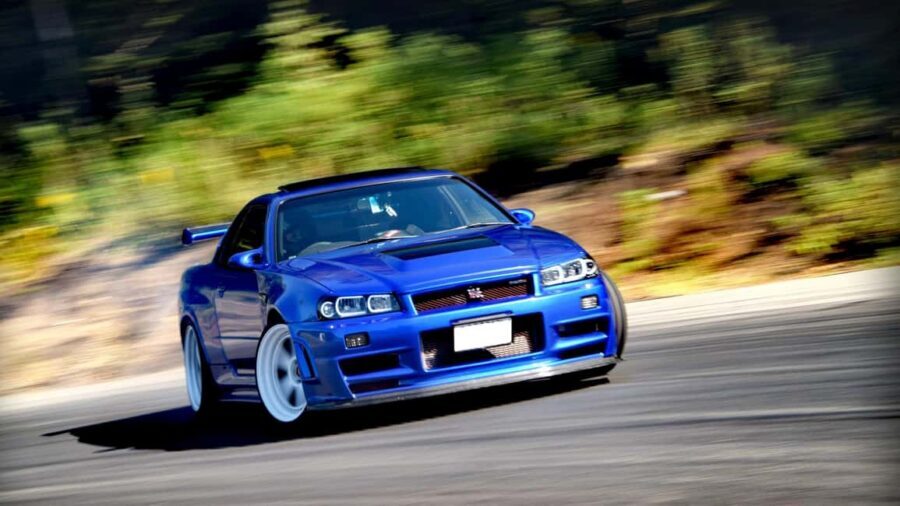
This is one of those rare experiences where you don’t need lessons to feel the real thing. You’re dropped into the Japanese underground drift world with skilled local drifters and JDM icons (think Skyline R34 and Silvia S14/S15), then you just hang on and enjoy the ride.
I also like the fact that the event works like a full-day crew hang: engines, smoke, shared vibes, and time between laps to meet the people who live this scene. One consideration: this isn’t for everyone, so if you have health concerns or can’t follow the long-sleeve/long-pants safety requirement, you may want to sit this one out.
In This Review
- Key Points at a Glance
- Shinjuku Meet-Up, Then Straight Into Drift Mode
- Passenger-Seat Thrills in Real JDM Cars (No Training Required)
- What the Crew Culture Feels Like Between Laps
- The Full-Day Circuit Plan: Ebisu, Fuji Speedway, Nikko, and More
- Safety Briefing and the Wear-This-or-You’re-Out Rules
- Photos and Video: Leaving With Proof, Not Just Memories
- Cars You’ll Recognize, and Why That’s Not Just a Flex
- Price for $387: Is It Worth It?
- What to Bring (And What to Skip)
- Should You Book This Tokyo Kamikaze Drift Ride?
- FAQ
- FAQ
- Where does the experience start?
- How long is the experience?
- Is this a drifting class where I learn to drive?
- What cars will I ride in?
- What tracks will we visit?
- Are photos and videos included?
- What should I wear?
- Are meals included?
- Is the experience suitable for children or people with health conditions?
- How does cancellation work?
Key Points at a Glance
- Passenger-seat action only: no driving lesson, just lap after lap with pros
- Real Japanese drifters, not instructors: you connect with people who grew up in this world
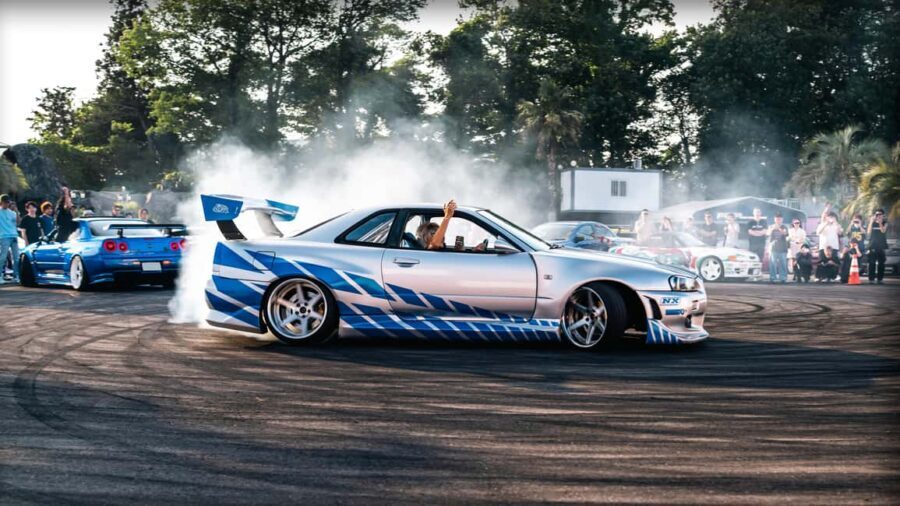
- JDM-only lineup: Skyline R34, Silvia S14/S15, and other car-culture favorites
- Major circuits in the day plan: Ebisu, Fuji Speedway, Nikko, plus more
- Pro photos and cinematic video: you leave with track footage of your reactions
- Group energy: music, chats, and shared enthusiasm from international drift fans
More horsepower: other JDM and drift experiences
- GT-R35 800hp Club Membership – secret underground car meet★ 4.8 · 998 reviews
- Secret Car Meet: R34 Skyline Car Club Membership★ 4.8 · 494 reviews
- Tokyo Drift: Daikoku PA Supreme Car Experience 大黒PA★ 4.7 · 372 reviews
Shinjuku Meet-Up, Then Straight Into Drift Mode
Your day starts in Shinjuku, with a pickup around 8:30 a.m. The feeling is part organized tour, part scene gathering. You link up with the Kamikaze Wild Drifters Crew, get oriented, and then roll out of Tokyo toward the circuits where the real chaos happens.
What I like about this start is how it shapes your expectations. You’re not arriving at some quiet museum-style venue. You’re heading into a place where the engines are the soundtrack and the smoke is already part of the air. Even before you ride, you can tell this is built around atmosphere, not just a ticket.
The day runs until about 5:30 p.m. back in Tokyo. That’s long enough to feel like a real event, not a quick thrill stop where you barely get time to settle in. If you’re staying in Tokyo and you want one serious day focused on drifting, this format makes sense.
Passenger-Seat Thrills in Real JDM Cars (No Training Required)
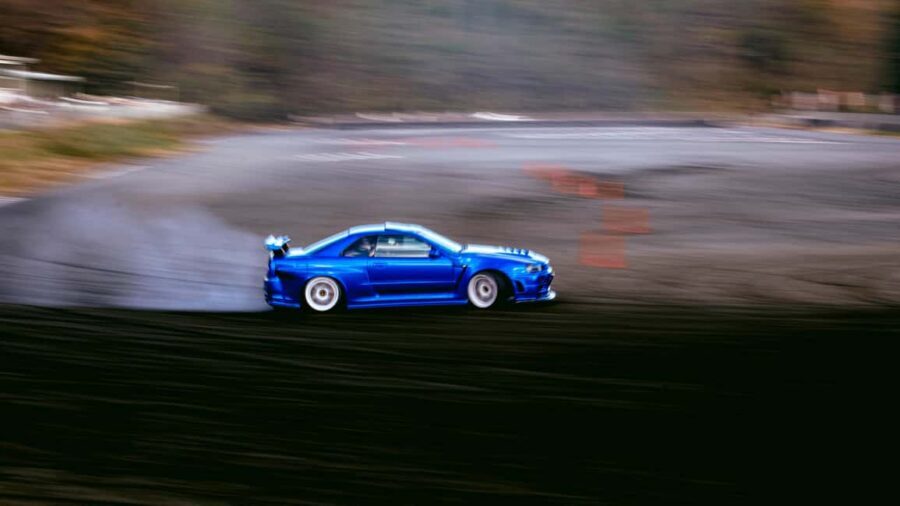
Let’s get the key point out of the way: this is not a driving school. You’re riding in the passenger seat. No steering practice. No “learn to drift in one afternoon” fantasy. After a short safety briefing, you’re there for the experience—fast laps, controlled chaos, and the kind of car motion that makes your brain briefly forget what “normal” feels like.
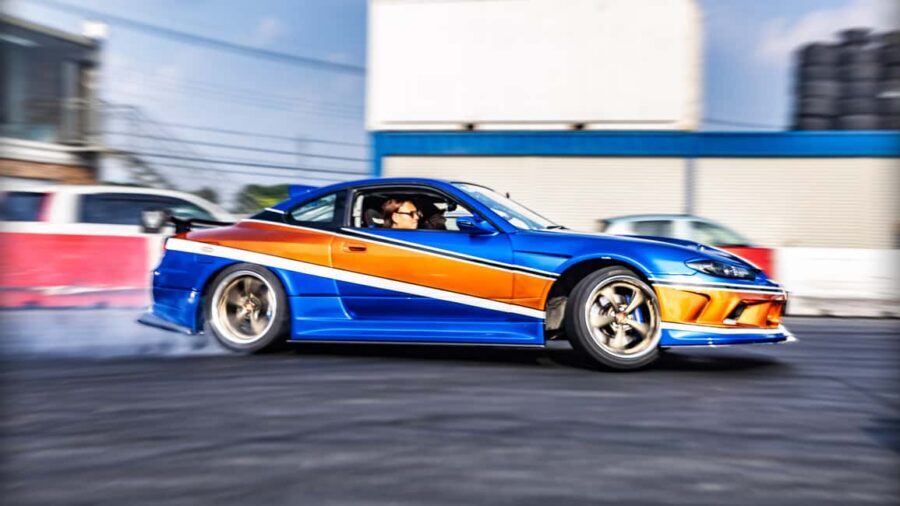
The lineup is all about JDM cars. Expect icons such as the Nissan Skyline R34, Silvia S14 and S15, and other well-known drift favorites. That matters, because you’re not just chasing speed. You’re riding in the specific machines that car culture in Japan and beyond built its reputation on.
In one review, a car enthusiast described it as one of the best driving experiences they’ve ever had and praised how skilled the drivers were at delivering a great time. Another rider called it a full drift experience and basically said it matched the intensity they hoped for. This lines up with how the experience is marketed: it’s about the ride, not the lesson.
One practical note: because you’re not driving, your main job is to follow directions and stay comfortable in your seat and gear. If you’re expecting hands-on instruction, you’ll leave a little disappointed.
What the Crew Culture Feels Like Between Laps
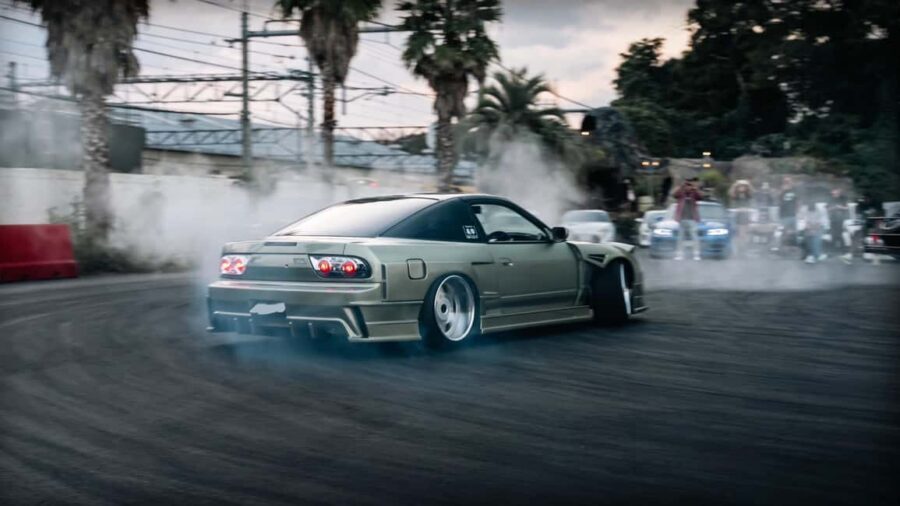
The day is built around more than just riding. Between sessions, you hang with the crew and the group. There’s music, chats, and that shared drift-fan energy where everyone’s comparing cars, filming angles, and what they felt in their lap.
This is part of why the experience works even if you’re not deeply technical about cars. You’re surrounded by people who genuinely care about the scene. You’ll likely find yourself talking about the cars you’re riding in, the tracks you’re visiting, and why drift culture in Japan feels so different from casual car meets.
If you love community events, you’ll appreciate this piece. If you prefer quiet, structured schedules, it might feel a bit too “alive.” But the whole point here is that the atmosphere is half the product.
The Full-Day Circuit Plan: Ebisu, Fuji Speedway, Nikko, and More
One reason this experience is worth your attention is the track list. You’re not stuck at a random local course. The day is routed through legendary drift circuits, including Ebisu, Fuji Speedway, Nikko, and additional locations along the way.
Here’s how that helps you as a rider:
- Ebisu: When people talk about drift culture in Japan, Ebisu comes up for a reason. Seeing it as part of a guided day (instead of trying to plan solo) is a big value.
- Fuji Speedway: A famous venue like Fuji adds scale. You feel the speed and the space in a way that smaller tracks can’t always replicate.
- Nikko: Getting out toward Nikko adds variety to the day. The route itself, plus the change of scenery, makes the experience feel more like a road trip into the scene rather than a single-location session.
Now, the reality check: you won’t get a detailed “tour guide lecture” about each circuit in the materials provided. You’re there to ride, and the day is paced around that. If you want a lot of historical explanation, you might have to satisfy that curiosity elsewhere. Still, for drift fans, seeing and riding at these tracks is the point.
The ride schedule is described as multiple drift laps with experienced Japanese drivers. The exact lap count and timing aren’t specified in the details you gave, so I’d treat it as “serious, repeated seat time” rather than trying to count minutes.



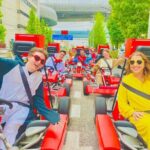

Safety Briefing and the Wear-This-or-You’re-Out Rules
You get a safety briefing before you go out. The big one: long sleeves and long pants are mandatory. The event also asks for sports shoes, and the guidance is very direct about being safety-proof with what you wear.
This matters more than people think. Drifting is controlled, but it’s still high-speed motion with smoke, heat, and track grime in the air. The right clothing helps you stay comfortable and protected.
You’ll also want to avoid this experience if you fall into the listed groups: children under 15, pregnant women, people with heart problems, people with high blood pressure, and people over 70. That’s not a “risk might happen” warning. It’s a “this isn’t appropriate” filter.
If you’re on the fence because you’re worried about motion, smoke exposure, or physical strain, treat the restrictions seriously. You can always do other car experiences in Japan that are easier on the body.
Photos and Video: Leaving With Proof, Not Just Memories
I love that this experience doesn’t rely on shaky phone footage. There are professional photographers and videographers on site, and they capture you while you’re riding, reacting, and doing track laps.
That’s a real value add for two reasons:
- You get visuals that match what the day felt like, not what you managed to film between adrenaline bursts.
- You can share and relive it later without having to wonder if the moment was missed.
Based on one rider’s note, the result is like having the footage of an event built for car fans. Another review focused on the overall trip and praised the drivers and the experience quality, which usually means your pictures and video aren’t just “fancy extras,” but part of how the day is run.
So if you want souvenirs that actually show you at speed, this is a strong included benefit.
Cars You’ll Recognize, and Why That’s Not Just a Flex
The cars in the lineup are repeatedly called out for a reason. Skyline R34, Silvia S14/S15, and other drift icons aren’t random choices. They represent the heart of Japanese car culture, and they also help the experience feel authentic.
When the cars match the vibe, the whole day clicks faster. You’re not in a generic track-day environment where it could be any car. You’re in a scene-specific setup where the vehicles are part of why the drifting community connects emotionally to what’s happening on track.
And yes, one review even referenced the idea of the Skyline R34 as part of a classic car-culture experience from Japan. That tells me people show up expecting icon-level machines, and they get it.
Price for $387: Is It Worth It?
At $387 per person for about 7 hours, you’re paying for a lot more than a seat on a bus. The value stack includes:
- Passenger-seat rides with skilled Japanese drifters
- Access to major drift circuits across the day
- Crew hosting and guidance throughout
- Safety briefing and equipment
- Professional photos and video
- Optional transport from central Tokyo (Shinjuku)
For car enthusiasts, that’s the big deal. You’re not spending extra time and money trying to figure out how to reach circuits like Ebisu or Fuji on your own. You’re also not paying for a “try drifting” class. You’re paying for the scene: real drivers, real cars, real track time, plus media capture.
A downside of the pricing model is that it’s not a bargain “come watch cars” day. If you only care about sightseeing or you’re not emotionally invested in cars, you might feel the cost more sharply than a drift diehard would.
But if drifting is your thing, and you want one day where the whole schedule revolves around JDM culture, this price starts to look fair.
What to Bring (And What to Skip)
The provided guidance is simple, and you should follow it:
Bring:
- Long-sleeved shirt
- Long pants
- Sports shoes
That’s it for the core list, but you can also use common sense: layers help you stay comfortable if conditions change, and wearing clothes that you don’t mind getting track-dusty is practical.
Also, keep in mind that the experience includes smoke and speed. If you’re sensitive to smoke or have medical limits, you’re the person who should decide carefully before booking.
Should You Book This Tokyo Kamikaze Drift Ride?
If you’re a car enthusiast, a drift fan, or you simply want one high-energy day that feels like you stepped into the real underground scene, I’d strongly consider booking. The two biggest reasons are the passenger-seat laps with skilled Japanese drifters and the fact that you’re not just watching from the sidelines—you’re getting pro photos and video of your ride. That’s the difference between a cool memory and a souvenir you’ll actually want to keep.
But I wouldn’t book if you:
- Need hands-on driving instruction (this is passenger-seat only)
- Can’t follow mandatory safety clothing rules
- Fall into the health or age categories listed (heart problems, high blood pressure, under 15, over 70, pregnancy)
If you fit the main crowd—adult, healthy enough for high-speed motion, and ready to wear the right gear—this is the kind of Tokyo experience that’s hard to replace with anything else.
FAQ
FAQ
Where does the experience start?
It starts with pickup in Shinjuku around 8:30 a.m., with an optional transport service available from central Tokyo.
How long is the experience?
The full day runs for about 7 hours, with pickup around 8:30 a.m. and return to Tokyo around 5:30 p.m.
Is this a drifting class where I learn to drive?
No. It’s a passenger-seat drift experience. You get a short safety briefing, then ride with skilled Japanese drifters.
What cars will I ride in?
The included information mentions JDM cars such as the Nissan Skyline R34, Silvia S14/S15, and other drift icons.
What tracks will we visit?
The day includes legendary circuits such as Ebisu, Fuji Speedway, Nikko, and possibly additional drift circuits.
Are photos and videos included?
Yes. The experience includes professional photos and videos of your ride and the event.
What should I wear?
Long sleeves and long pants are mandatory. Bring sports shoes as well.
Are meals included?
No. Meals and drinks are not included.
Is the experience suitable for children or people with health conditions?
It’s not suitable for children under 15, pregnant women, people with heart problems, high blood pressure, or people over 70.
How does cancellation work?
You can cancel up to 24 hours in advance for a full refund.
More Tour Reviews in Tokyo



For the Petrolheads: More JDM Days
Fresh reviews from around Tokyo






JDM Drift Car Experiences, compared.
 ★ 4.8GT-R35 800hp Club Membership – secret underground car meetFrom $205998 reviews
 ★ 4.8Fast & Furious Tokyo Drift 3 Experience (Kaila Yu SP)From $157947 reviews
Daikoku JDM Car Meet & Night Car Culture TourFrom $98626 reviews
★ 4.8Fast & Furious Tokyo Drift 3 Experience (Kaila Yu SP)From $157947 reviews
Daikoku JDM Car Meet & Night Car Culture TourFrom $98626 reviews
 ★ 4.8Secret Car Meet: R34 Skyline Car Club MembershipFrom $236494 reviews
 ★ 4.9EVO, WRX, Skyline – JDM Night Run to Daikoku Car MeetFrom $125478 reviews
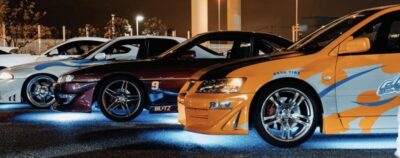 ★ 4.7Tokyo Drift: Daikoku PA Supreme Car Experience 大黒PAFrom $58372 reviews
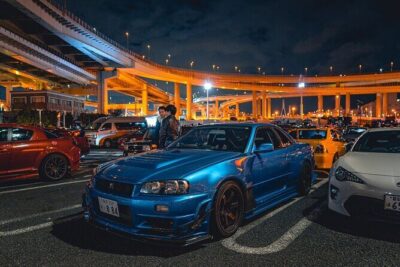 ★ 4.5Daikoku Car Club Temporary MembershipFrom $145275 reviews
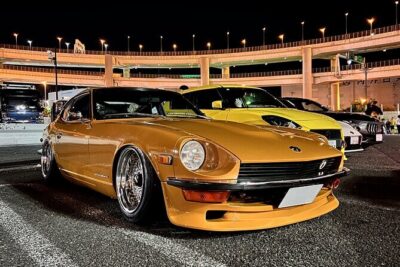 ★ 5.0Daikoku JDM Car Meet & Night Car Culture TourFrom $99232 reviews
Browse the lists this tour appears in