
Reviewed · DESSERT TOURS
Tokyo 6hr Private Guided Tour & Japanese Sweets Making Experience
Tokyo turns easier with a local in your pocket.
This 6-hour private guided day pairs easy-going sightseeing with a hands-on wagashi workshop in Asakusa, so you get both the city’s big landmarks and the smaller details you’d miss going solo. You also get a guide’s undivided attention, plus lots of room to ask questions as you move through temples, shrines, parks, food areas, and the electric neighborhoods of modern Tokyo.
I love how the guides tailor the day. Guides like Takako and Sachi are described as personable and humor-friendly, and the itinerary is customizable based on what you want to see. I also love the payoff: after the walking and explanations, you get to make Japanese sweets by hand in an Asakusa workshop—something active, memorable, and not just photos.
One thing to consider: you’re choosing 2-3 sites from a longer list, and there’s no private transportation included. So if you want to cover everything you’ve ever heard about Tokyo in one shot, this format may feel focused rather than exhaustive.
In This Review
- Key things I’d plan around
- How the “private + wagashi workshop” combo changes your Tokyo day
- Choosing your 2-3 sites: how to build a Tokyo day that makes sense
- Asakusa and Sensoji: the “old Tokyo” feel with a guide explaining what you’re seeing
- Tsukiji Fish Market: a food stop that’s about more than snacks
- Meiji Jingu near Harajuku: culture at one tempo, fashion at another
- Akihabara and Shinjuku Golden Gai: modern Tokyo with personality
- Garden time in Tokyo: how to pick the right one in 6 hours
- Imperial Palace outside access: seeing the form without going in
- Wagashi making in Asakusa: the hands-on part you’ll remember
- Price and logistics: does $172 per person feel fair?
- Who this tour fits best (and who might skip it)
- My booking decision: should you book this Tokyo private tour?
- FAQ
- How long is the Tokyo private guided tour?
- Is pickup available?
- Is this tour private?
- What’s included besides the guide?
- Are entrance fees included for all stops?
- Can I visit every place listed in the itinerary?
- Is it suitable for children?
Key things I’d plan around
- A private day with a licensed guide (only your group) means you can slow down and ask questions
- Hands-on wagashi making in Asakusa turns culture into something you physically do
- Pick 2-3 stops from a wide menu so you can match the day to your interests
- Many attractions have free entry, but some gardens have admission not included
- Public transit time matters since private transportation is not provided
- Guides help you feel confident on trains, highlighted in feedback about using the system independently
How the “private + wagashi workshop” combo changes your Tokyo day
Tokyo can be overwhelming in a hurry: big crowds, confusing station layouts, and a dozen different ways to get from A to B. What I like about this experience is that it doesn’t ask you to brute-force it. You start with a licensed local guide who stays with you, and you get to treat the day like a guided conversation with a walking route attached.
Then there’s the wagashi part. A workshop is a smart reset after hours of walking and street-level sightseeing. Instead of only collecting images, you get an activity with a beginning, middle, and end. It’s the kind of thing that feels tied to place—especially since it happens in Asakusa, where the tour also focuses on Tokyo’s older “low city” atmosphere.
This also tends to suit real-world travelers. You don’t have to have a perfect plan. If you like history but also want modern Tokyo energy, or you want temples plus a food stop, the format can handle it. The guide can also adjust your pacing so you’re not constantly rushing just to say you did everything.
Choosing your 2-3 sites: how to build a Tokyo day that makes sense
The itinerary is flexible: you choose 2-3 sites from the available options, and the wagashi workshop is part of the plan. That matters because Tokyo is huge. Trying to cram all areas into a single 6-hour window would just mean more transit and less actual experience.
Here’s the practical way to choose:
- If you want classic Tokyo with calm breaks: consider a shrine/temple stop plus one garden (Shinjuku Gyoen, Koishikawa Korakuen, Hamarikyu, or Rikugien).
- If you want “old meets new”: do Asakusa and then go modern with Akihabara or Harajuku/Takeshita Street.
- If you want food energy: pair Asakusa with Tsukiji Fish Market.
- If you want modern nightlife vibes without going too far off-route: add Shinjuku Golden Gai.
Also watch for admission notes. Several stops list admission ticket free, but some gardens are marked as admission ticket not included. So if you pick a garden like Shinjuku Gyoen or Koishikawa Korakuen, you should budget a little extra for entry.
Asakusa and Sensoji: the “old Tokyo” feel with a guide explaining what you’re seeing
Asakusa is the center of Tokyo’s shitamachi, meaning the “low city” feel where older patterns of life still show up in the streets. The tour focuses on Sensoji, a Buddhist temple in Asakusa that’s described as one of Tokyo’s most popular and colorful temples.
What you get from a guide here is context. Without someone to connect the dots, it’s easy to treat the area like a theme park of sights. With a guide, you can understand what the place represents and how it fits into Tokyo’s identity.
Then there’s Jidaiya, an Asakusa-based culture experience program that’s positioned as a deeper alternative to standard Asakusa sightseeing. If you want the day to feel less like a checklist and more like an authentic immersion into Japanese culture, it’s a strong choice among the options.
A nice detail from the tour’s guide styles: Emiko is noted for starting with an overview from a rooftop opposite the shrine. That kind of “get your bearings fast” setup helps you notice more once you’re down on the ground.
Tsukiji Fish Market: a food stop that’s about more than snacks
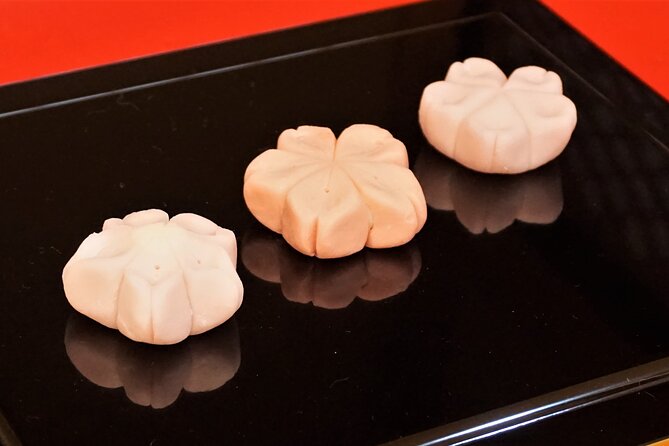
Tsukiji is described as the old fish market of Japan—full of foods that both locals and tourists come for. It’s a practical choice on a guided day because a guide can point you toward what fits your time and taste.
The tour also explicitly encourages you to purchase something while you’re there to support the local food scene. That’s a good rule of thumb in markets: you’re not just observing the economy—you’re participating in it.
Time-wise, you’re looking at about half an hour for this stop, which is perfect if you want a taste of the market without turning your whole day into a food crawl. If you’re someone who prefers a few well-chosen bites over a dozen random samples, Tsukiji pairs well with either Asakusa or a garden stop.
Meiji Jingu near Harajuku: culture at one tempo, fashion at another
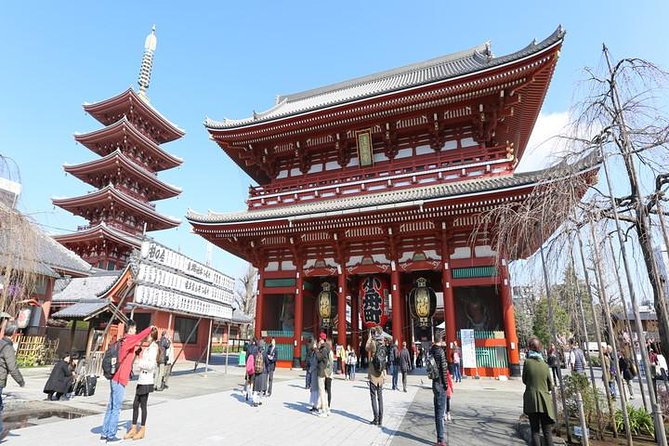
Meiji Jingu Shrine is dedicated to Emperor Meiji and his consort, Empress Shoken. It’s located right beside the JR Yamanote Line near Harajuku, so it’s efficient to visit even if your day includes modern neighborhoods.
This stop has a different flavor than Asakusa. Asakusa gives you the older “low city” mood; Meiji Jingu gives you a moment of formal tradition before you jump back into the street energy of central Tokyo.
If you continue on toward Harajuku, the tour includes Takeshita Street, known as the center of Japan’s most extreme teenage fashion styles. The contrast can be fun and clarifying: a shrine area that’s about ceremony and meaning, followed by a street where people express style without apology.
The value here isn’t just seeing two famous areas. It’s using the guide’s explanations to make the contrast legible. You start to understand what each place is “doing” culturally.
Akihabara and Shinjuku Golden Gai: modern Tokyo with personality
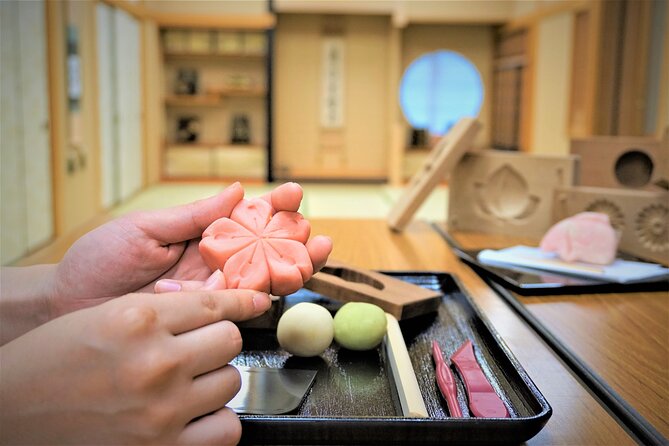
Akihabara is famous for electronics shops and is described as the center of Japanese subculture. It’s an easy win if you like bright signage, niche fandom energy, and the sense that Tokyo doesn’t do one thing—Tokyo does many things at once.
Then there’s Shinjuku Golden Gai, near Kabukicho. The area is described as having a downtown city atmosphere, with Donkihote for gifts nearby and even a Godzilla presence you can see looming over the area.
Why I think this combo works on a private tour: the guide can help you move through neighborhoods quickly and realistically. You’re not just wandering blindly. You’re getting a route that fits your interests and your time window.
Also, these areas can be sensory-heavy. A guide’s pacing helps. Instead of walking until you’re tired and then rushing through the rest, you can spend your energy where you actually care.
Garden time in Tokyo: how to pick the right one in 6 hours
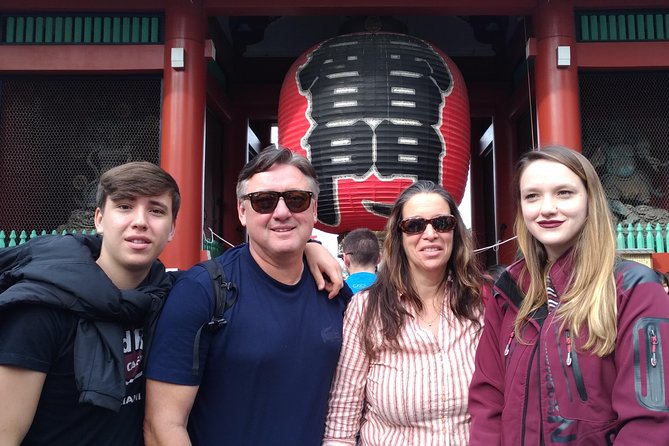
Tokyo gardens are a cheat code. They give you space to breathe while still being fully “Tokyo.” In this tour, several options include gardens, but note that some garden admissions are not included.
Here’s how I’d think about each option based on what you know from the descriptions:
- Shinjuku Gyoen National Garden: one of Tokyo’s largest and most popular parks, with spacious lawns and meandering paths, plus quiet scenery. Great if you want wide open feeling.
- Koishikawa Korakuen Garden: described as one of Tokyo’s oldest and best Japanese gardens, built in the early Edo Period for the Mito branch of the Tokugawa family. Ideal if you want an older, historical garden story.
- Hamarikyu Gardens: a garden beside Tokyo Bay with seawater ponds that change level with tides, plus a teahouse on an island. This one sounds especially interesting if you like the idea of water and tide-linked visuals.
- Rikugien Garden: often considered one of Tokyo’s most beautiful landscape gardens, built around 1700 for the 5th Tokugawa shogun, and literally called the “six poems garden.” If you like the idea of a garden designed around themes, this is a strong pick.
The practical point: since you only choose 2-3 sites total, one garden can be enough to create contrast. Add two busy neighborhoods plus a garden and you’ll feel balanced. Add all gardens and you might spend the whole day walking slowly without experiencing the “Tokyo street” stuff.
Imperial Palace outside access: seeing the form without going in
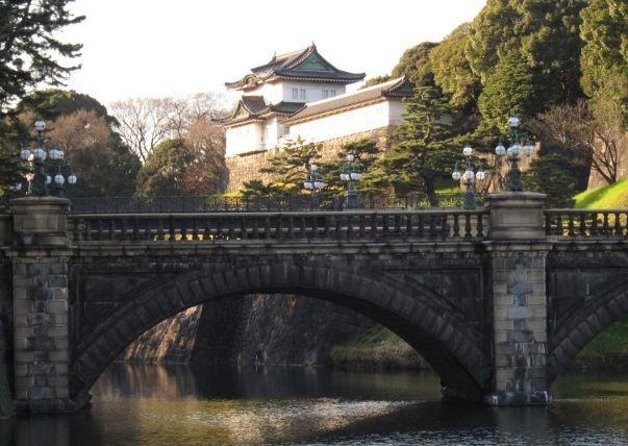
The tour includes viewing the Imperial Palace area from outside. It does not include access inside the grounds. The current Imperial Palace is described as being on the former site of Edo Castle, surrounded by moats and massive stone walls.
This is a smart inclusion even without interior access. The palace area is a clear visual landmark of Japan’s modern center and historical continuity. And it gives your day a formal anchor before you switch back to neighborhoods like Akihabara or Shinjuku.
Wagashi making in Asakusa: the hands-on part you’ll remember
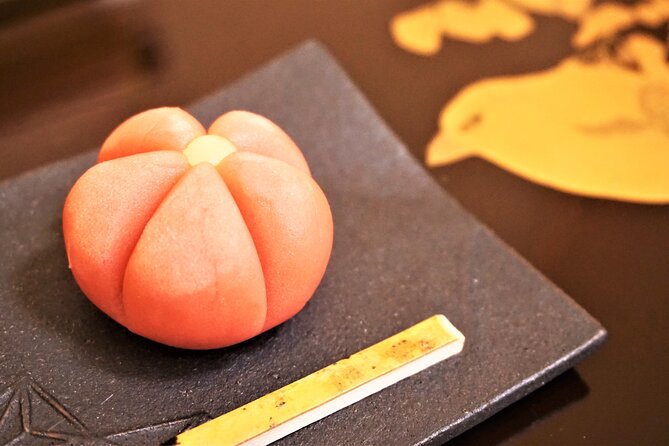
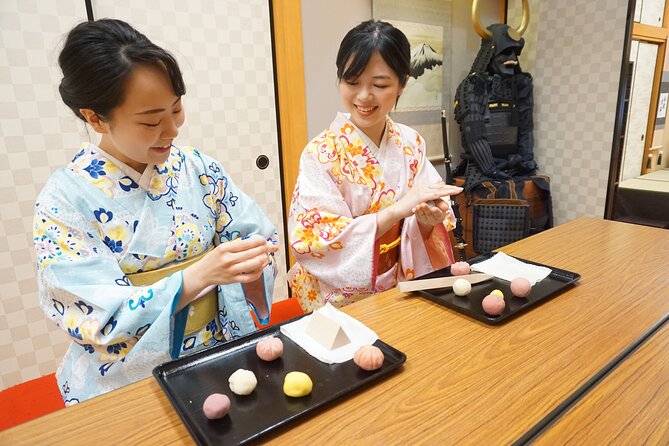
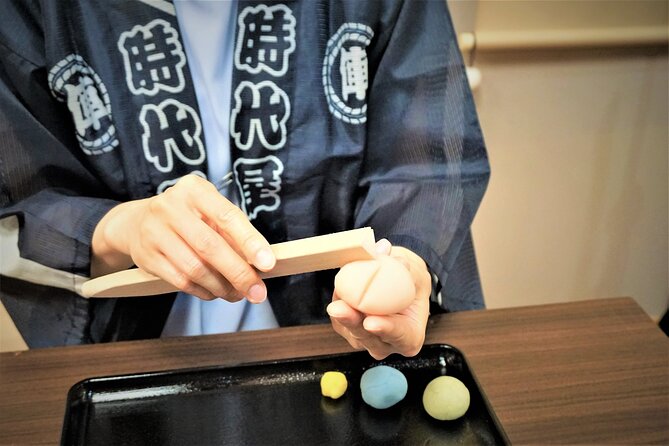
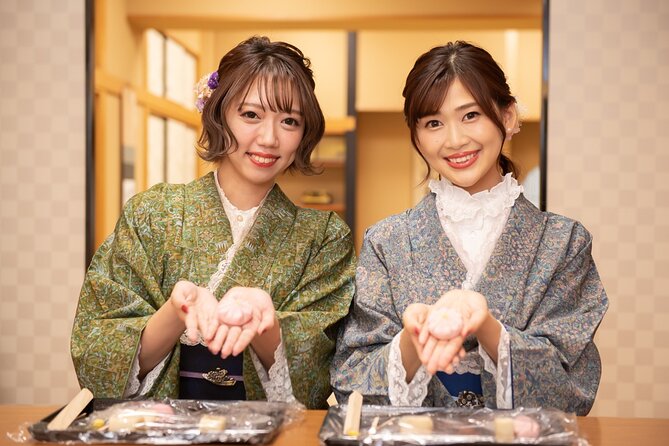
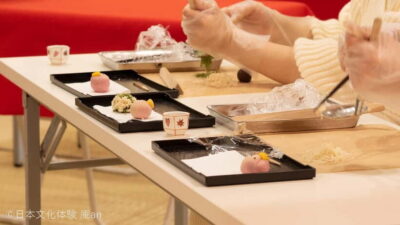
The highlight after sightseeing is the wagashi making experience. You’ll make Japanese sweets by hand in a special workshop in Asakusa. This is the part that turns the day from “I saw things” into “I learned something and did something.”
You can also ask questions during the workshop. That simple phrase is a big deal. When you’re doing something with your hands, explanations land better. A guide can tailor their answers to your curiosity, whether you’re wondering about the sweets themselves or how this tradition fits into everyday Japan.
One more practical plus: because it’s hands-on, it’s a natural moment to slow down. In a city where it’s easy to keep moving just because you’re supposed to, this gives you a break that doesn’t feel like you wasted time.
Price and logistics: does $172 per person feel fair?
At $172 per person for about 6 hours, you’re paying for three things: a licensed local guide, a structured private route based on your choices, and the wagashi workshop.
What’s included is a guide and the core experience; what’s not included is private transportation and any admission fees for stops marked as not included. Many listed sites have free entry, which helps keep the total cost from ballooning if you make sensible picks. But if you choose multiple paid gardens, expect extra costs.
You also need to be comfortable using public transit. There’s a mention of a 24-hour Metro Pass pricing (800 yen adult, 400 yen child). Even if you don’t buy that exact pass, the underlying message is clear: build in transit time and be ready to travel by train/subway rather than in a private vehicle.
From the guide feedback, one of the most valued outcomes is feeling confident with the train system afterward. Ted (Tatsunobu Narita) is specifically noted for helping with understanding how to get around. That’s not just a nice bonus; it’s a real value-add if your Tokyo trip continues after this day.
Who this tour fits best (and who might skip it)
This is a great match if:
- You’re a first-time or second-time Tokyo visitor who wants a guided day without guessing your way around
- You enjoy culture explanations while still wanting time in modern neighborhoods
- You want a food-related activity that isn’t just eating on the go
- Your group is 12 or older, since the experience is only for age 12+ and isn’t for young children or babies
This might not be the best match if:
- You want to see every major site in a single day. The format caps you at 2-3 sites, so it’s designed for depth, not everything
- You hate public transit. Since private transportation isn’t included, you’ll rely on the train/subway network
- Your group needs access inside the Imperial Palace. This tour is outside viewing only
My booking decision: should you book this Tokyo private tour?
If you want a Tokyo day that feels organized, personal, and tied to local culture, I think this is a strong booking. The biggest reason is the pairing: you get both sightseeing with a guide and a real workshop activity in Asakusa. That combo makes the day feel like more than a drive-by.
I’d book it if your plan includes Asakusa and you want one additional contrast stop—either a market like Tsukiji, a garden for breathing room, or a modern hit like Akihabara/Harajuku. I’d pass if you’re chasing an all-day greatest-hits tour with zero transit and no focused choices.
If your goal is to leave Tokyo with better instincts—how to move, what you’re looking at, and at least one hands-on memory—this fits the bill.
FAQ
How long is the Tokyo private guided tour?
It runs for about 6 hours.
Is pickup available?
Yes, pickup is offered.
Is this tour private?
Yes. It’s a private experience, so only your group participates.
What’s included besides the guide?
You get the wagashi sweets making experience, and you can choose 2-3 sites from the tour’s options. The guide is licensed, and you meet on foot.
Are entrance fees included for all stops?
Many stops list admission as free, but some gardens are marked as admission not included. The Imperial Palace visit is outside only.
Can I visit every place listed in the itinerary?
No. You can’t visit all the places on the itinerary. The tour is built around your choice of 2-3 sites.
Is it suitable for children?
It’s only for those 12 and over, and it is not for young children or babies.
Dessert Tours, compared.
 ★ 5.0Matcha Making Class in Tokyo with Authentic Japanese Sweets SetFrom $21744 reviews
 ★ 5.0Make Traditional Nerikiri Sweets & Matcha experience in ShibuyaFrom $60130 reviews
 ★ 5.0Private Mochi Sweets Making class near Shibuya areaFrom $7993 reviews
 ★ 4.7Japanese Traditional Sweets making and Tea CeremonyFrom $1850 reviews
 ★ 5.0Tokyo Local Food Tour: Noodles, Skewers, Dumplings, SweetsFrom $7448 reviews
 ★ 4.6Two Types of Japanese Sweets Making and Tea CeremonyFrom $2826 reviews
 ★ 5.0Mochi Matcha Gluten Free Japanese Sweets Class near Shibuya areaFrom $11226 reviews
 ★ 5.0Japanese Sweets (Mochi & Nerikiri) making at a Private studioFrom $9122 reviews
Browse the lists this tour appears in