
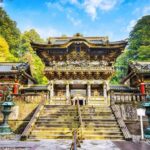
Gold leaf in a quiet forest sounds unlikely. Toshogu Shrine is one of Japan’s most decorated sacred sites, set inside a calm woodland and recognized as a UNESCO World Heritage Site. It’s built to honor Tokugawa Ieyasu, but the real draw is what that honor looks like: over a dozen buildings dressed in wood carvings and gold.
I love the sheer craft you can see up close, especially the gold leaf and the dense woodwork that turns the shrine into a visual storybook. I also love that the complex isn’t just one faith look at a time; Toshogu blends Shinto and Buddhist elements in the same sacred space.
One consideration: you cannot enter on the digital ticket alone. You must exchange it for a physical ticket at Tobu Nikko Station Tourist Center, and the center’s hours (8:20 AM–5:00 PM) can matter if you’re arriving late.
In This Review
- Key highlights to know before you go
- Why Nikko Toshogu Is More Than a Shrine Stop
- Getting There: Tobu Asakusa to Tobu Nikko, Then the Bus and a Short Walk
- The Ticket Exchange That Makes or Breaks Your Entry
- Inside Toshogu: What the Complex Feels Like on Foot
- Gold Leaf and Wood Carvings: The Detail Tour You Can Actually Enjoy
- The Shinto and Buddhist Blend: Why This Shrine Looks Different
- Photo Etiquette and On-Site Rules (So You Don’t Get Stopped)
- Timing Your 1-Day Visit: Plan Around the Shrine Hours and Exchange Hours
- Price and Value: Is This $10 Worth Your Time
- Who Should Book This Ticket
- Should You Book This Nikko Toshogu Shrine Ticket?
- FAQ
- Where do I exchange my digital ticket?
- What are the Tobu Nikko Station Tourist Center hours?
- Can I enter Nikko Toshogu Shrine using the digital ticket only?
- What do I need to show after I exchange the voucher?
- How do I get from Tobu Nikko Station to the shrine area?
- How long is this experience valid for?
- What is the price per person?
- Are photos allowed inside Toshogu Shrine?
- Is it wheelchair accessible?
Key highlights to know before you go
- Tied to Tokugawa Ieyasu and the shogunate: a memorial built for Japan’s ruling power
- A full complex, not one building: more than a dozen structures inside the shrine grounds
- Gold leaf plus wood carvings: a level of decoration that’s unusual in Japan’s shrine architecture
- Shinto and Buddhist mix: you’ll spot elements of both traditions in the same visit
- Ticket exchange happens first: you’ll trade your voucher at Tobu Nikko Station Tourist Center before entry
Why Nikko Toshogu Is More Than a Shrine Stop
Nikko Toshogu Shrine has a different energy than many sacred places in Japan. Yes, it’s religious. But it’s also political theater in wood, color, and gold—built to project power through the memory of Tokugawa Ieyasu.
This is where the Tokugawa shogunate story becomes physical. Toshogu started as a mausoleum and was expanded into the spectacular complex you see today during the early 1600s, with Ieyasu’s grandson Iemitsu playing a key role. That means you’re not just looking at one moment in time; you’re walking through layers of ambition.
You’ll likely spend your time looking at details first, not big-picture scenery. The shrine grounds reward slow walking: statues, carvings, architectural edges, and the shine of gold leaf that catches your eye as you move between buildings.
Getting There: Tobu Asakusa to Tobu Nikko, Then the Bus and a Short Walk
This experience is easiest if you treat it like a straightforward Nikko day trip. Start by taking the express train from Tobu Railway Asakusa Station to Tobu Nikko Station (about 2 hours). From Tobu Nikko, hop on the Tobu Bus World Heritage Tour Route to the Omotesando bus stop (about 15 minutes), then walk roughly 10 minutes to the shrine area.
What I like about this route is that it keeps you from doing a complicated puzzle right when you arrive. You already have the main transport lanes worked out: train first, bus next, then a short walk.
If you’re using a navigation app, the shrine site is roughly at 36.7580878, 139.5987466. That helps if you want your phone to confirm you’re still on track during the final walking segment.
The Ticket Exchange That Makes or Breaks Your Entry
Your Nikko Toshogu visit starts before you even reach the shrine. Your digital ticket won’t get you through the gate. You need to exchange your voucher for a physical ticket at the Tobu Nikko Station Tourist Center (8:20 AM to 5:00 PM, open year-round).
Here’s the key part: after you exchange, you’ll need to open a usage screen from the link in the voucher email. Then you press the “Use” button and show that screen to staff. The process relies on your smartphone working properly and having stable network access. Screenshots and printed versions won’t work.
This is where your planning pays off. I’d strongly suggest arriving at Tobu Nikko Station with enough time before the center closes. If you’re late, your day turns into an unnecessary problem-solving exercise.
A practical tip from real-world experience: if a hyperlink doesn’t respond as expected on your phone, don’t panic. Staff at the station center can still help when they can see you’re using the app. Still, the safest move is having your network ready and the voucher email accessible.
Inside Toshogu: What the Complex Feels Like on Foot
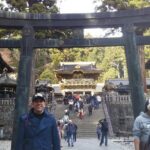
Once you’re through entry, you’re not looking at one tidy building. You’re entering a shrine complex made of more than a dozen buildings tucked into a forest setting. The trees don’t just make photos look better. They also control your pace: you slow down when you walk from one structure to the next.
The layout is ideal for day visitors because it gives you a natural rhythm. You’ll likely start by taking in the architecture, then circle back for close-up detail. The gold leaf and carved woodwork reward that second pass, because your eyes learn what to look for.
Toshogu was enlarged into the form seen today in the first half of the 17th century, and you can feel that “grand project” mindset in the scale. Even if you only understand parts of the symbolism, the craftsmanship does the talking.
You should also expect that Toshogu’s design isn’t plain. Traditional shrine architecture in Japan often stresses simplicity, but Toshogu goes the other direction. It’s intentionally over-decorated as a message: this is what the Tokugawa legacy wanted to look like.
Gold Leaf and Wood Carvings: The Detail Tour You Can Actually Enjoy
This is where Toshogu becomes a hands-on museum. The number of carved elements can feel almost unfair at first glance. Then, little by little, it starts making sense: the carvings aren’t scattered decoration. They are patterns, scenes, and textures that frame the shrine’s sacred surfaces.
The gold leaf is the other half of the show. As light hits it, you’ll see how the shine shifts depending on where you stand. That’s why photos with flash are a bad idea anyway: the real visual effect comes from natural light and your changing viewpoint.
If you want to understand the buildings as you walk, consider getting an audio guide rental. One helpful approach is using an audio guide to match what you see to what it means—especially because the complex contains multiple structures and styles. You’ll spend less time guessing and more time noticing.
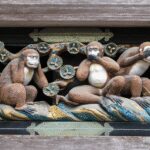
And yes, look for the famous Buddhist-style “three wise monkeys” motif (the classic see no evil, speak no evil, hear no evil). It’s one of those details that people latch onto because it’s memorable and visually clear.
The Shinto and Buddhist Blend: Why This Shrine Looks Different
Toshogu is often described as intermingling Shinto and Buddhist elements, and that’s exactly what you’ll experience. The complex isn’t a single-faith-only design. Instead, it reflects a historical mix of beliefs and practices in Japan.
In practical terms, this means you may notice different types of symbolism and aesthetic cues across the grounds. Some elements lean toward Shinto sacred presentation, while others echo Buddhist imagery and iconography. The result is a shrine that feels like a cultural crossroad, not a museum exhibit from one tidy category.
If you like places where religion, art, and history overlap, Toshogu gives you that in a way that still feels like a real place of worship. It’s not just about looking; you’re also in an environment with rules about behavior and respect.
This is also why Toshogu works for people who might not be “into shrines.” The artistry is strong enough to pull you in even if you’re still learning the context.
Photo Etiquette and On-Site Rules (So You Don’t Get Stopped)
You’ll have a better visit if you know the basic on-site boundaries. Flash photography is not allowed. You also can’t litter, and you’re not allowed to touch plants.
That’s not just about rules. It’s a way to protect the details that make Toshogu special—wood carvings, gold leaf surfaces, and the surrounding grounds. So plan your photos without flash. Use steady hands, natural light, and the forest shade to your advantage.
If you like audio, plan it as a tool rather than a distraction. With a complex this detailed, it helps to take short breaks from scanning for symbols so you can listen to how the buildings fit together.
Timing Your 1-Day Visit: Plan Around the Shrine Hours and Exchange Hours
This ticket is valid for 1 day, but the shrine itself doesn’t follow a single universal schedule. Opening hours vary by day, and closing times can change depending on the period. You should check the official Toshogu site for the specific hours before you lock in your day.
Your own time planning should also work backward from the ticket exchange. The Tobu Nikko Station Tourist Center runs 8:20 AM–5:00 PM. If you arrive close to the end of that window, you’re taking on risk you don’t need.
A simple way to pace your day:
- Get the exchange done early so entry feels relaxed.
- Spend your first pass seeing the main buildings and orientation.
- Use your second pass (or audio guide) to lock in the carvings and key symbolic spots.
Because the complex is large, rushing turns the visit into a quick look instead of a real appreciation.
Price and Value: Is This $10 Worth Your Time
At about $10 per person, this ticket is priced for value if your goal is just Toshogu admission without extra add-ons. The reason the value is strong is that you’re buying access to a UNESCO-listed complex with more than a dozen buildings and famous architectural decoration.
That said, there’s an honest catch: this ticket covers Toshogu Shrine admission only. If you’re hoping to cover multiple Nikko attractions in the same day, you’ll likely need separate tickets for other sites.
So I think this works best when you build your day around Toshogu rather than trying to “stack” everything on a schedule you can’t control. If you treat Toshogu as the centerpiece, you’ll feel like the time spent matches what you paid.
Audio guides, for example, are an optional extra, but they can raise the value because they help you understand the buildings you’re walking through.
Who Should Book This Ticket
Book it if you want:
- A UNESCO site in Nikko with major historical association to the Tokugawa shogunate
- A detailed walking experience where you can enjoy craftsmanship and gold leaf without needing advanced religious knowledge
- A single-day plan that centers on one big complex
It may not be your best pick if:
- You want one ticket that automatically covers many other Nikko sights
- You know you’ll arrive late and you’re worried about exchanging your voucher for a paper ticket
Also, about mobility: the information says wheelchair accessible, but there’s also a note that it’s not suitable for wheelchair users. That contradiction matters. If mobility is part of your planning, I’d double-check conditions with the shrine or provider before you commit.
Should You Book This Nikko Toshogu Shrine Ticket?
I’d say yes if Toshogu is your main priority and you’re willing to do the small prep step: exchange the voucher at Tobu Nikko Station and follow the on-screen usage instruction on your smartphone. It turns a potentially stressful entry process into a smooth start.
I’d say think twice if you’re the type who hates ticket rules and timing windows. This isn’t complicated, but it does require the physical ticket step and careful smartphone presentation. If you arrive with plenty of buffer time, the experience is very likely to feel worth it, especially for the gold-leaf decoration and the dense wood carving you can’t see anywhere else in quite the same way.
FAQ
Where do I exchange my digital ticket?
You exchange the voucher at the Tobu Nikko Station Tourist Center.
What are the Tobu Nikko Station Tourist Center hours?
The tourist center is open 8:20 AM to 5:00 PM and operates year-round.
Can I enter Nikko Toshogu Shrine using the digital ticket only?
No. You cannot enter Nikko Toshogu Shrine with the digital ticket. You must exchange it for a physical ticket at the Tobu Nikko Station Tourist Center.
What do I need to show after I exchange the voucher?
After exchanging, you must open the usage screen from the link in your voucher email, press the Use button, and show that screen to staff. You need a smartphone and a stable network connection. Screenshots and printed versions cannot be used.
How do I get from Tobu Nikko Station to the shrine area?
Take the Tobu Bus World Heritage Tour Route to the Omotesando bus stop (about 15 minutes), then walk about 10 minutes to the shrine.
How long is this experience valid for?
The ticket is valid for 1 day.
What is the price per person?
The price is $10 per person.
Are photos allowed inside Toshogu Shrine?
Flash photography is not allowed.
Is it wheelchair accessible?
The information includes wheelchair accessibility, but it also includes a note that it is not suitable for wheelchair users. If you need wheelchair access, it’s best to verify conditions before going.
More Tour Reviews in Nikko
North Again: More Nikko Trips
Nikko Day Trips, compared.
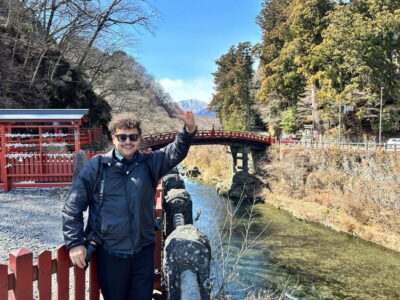 ★ 4.6Nikko: Kegon Falls, Lake Chuzenji & Toshogu TempleFrom $891,577 reviews
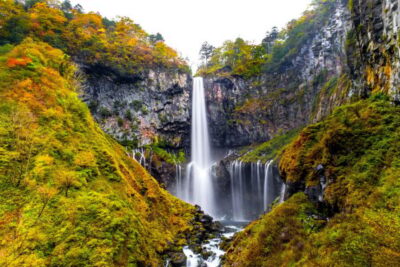 ★ 4.5Nikko Toshogu Shrine and Kegon Waterfall TourFrom $841,266 reviews
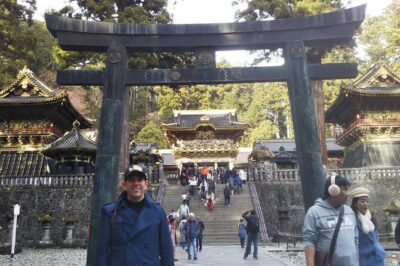 ★ 5.0Nikko Full-Day Private Tour with Government-Licensed GuideFrom $155259 reviews
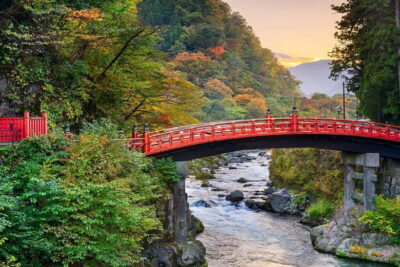 ★ 4.9From Tokyo: Nikko World Heritage Site Private Full-Day TripFrom $483243 reviews
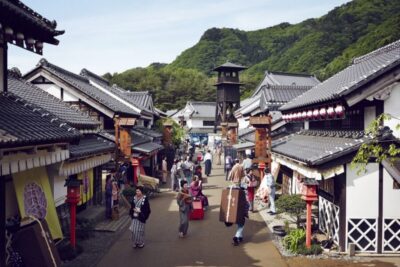 ★ 4.3Nikko: Edo Wonderland Edomura Cultural Theme Park TicketFrom $35205 reviews
From Tokyo: Nikko World Heritage Sight Full Day Private TourFrom $362127 reviews
★ 4.3Nikko: Edo Wonderland Edomura Cultural Theme Park TicketFrom $35205 reviews
From Tokyo: Nikko World Heritage Sight Full Day Private TourFrom $362127 reviews
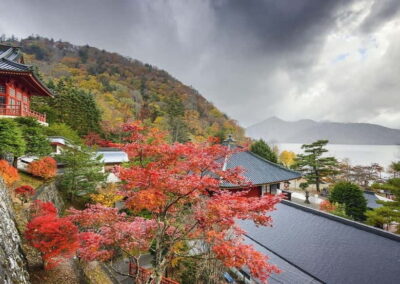 ★ 4.9Nikko – Beautiful Full-Day Personal and Private TourFrom $364119 reviews
 ★ 5.0Chartered Private Tour – Tokyo to Nikko, Toshogu, Edo WonderlandFrom $1,286105 reviews
Browse the lists this tour appears in