
Reviewed · NIKKO DAY TRIPS
Nikko Private Custom Tour with Local Guide
Nikko’s shrine detail rewards slow looking. This private Nikko Toshogu tour is interesting because it turns a famous UNESCO site into an easy-to-follow story about Edo-period power, belief, and art. I love the way an English-speaking local guide makes the complex layout feel simple, and I also like that you can customize your pace instead of getting herded through. One consideration: with only 6 hours, you will hit the main moments with meaning, but you may not have time for long, quiet sitting breaks at every spot.
You’ll see the key Nikko highlights in one day: Toshogu Shrine’s most famous structures, plus nearby temples and nature. Expect a calm forest setting in ancient cedar trees, and then a practical mix of shrine culture and scenery, including Kegon Falls and Lake Chuzenji.
In This Review
- Key highlights to look for
- Why Nikko Toshogu Shrine feels different from other temples
- Your English-speaking local guide and your customizable rhythm
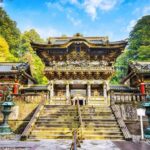
- Inside Toshogu’s main route: Yomeimon Gate and the Five-Story Pagoda
- Yomeimon Gate, the Gate of Sunlight
- The Five-Story Pagoda
- How the cedar forest shapes the experience
- The quiet meaning stops: Sleeping Cat and the Three Wise Monkeys
- Nemuri-neko Sleeping Cat above Kuguri-mon Gate
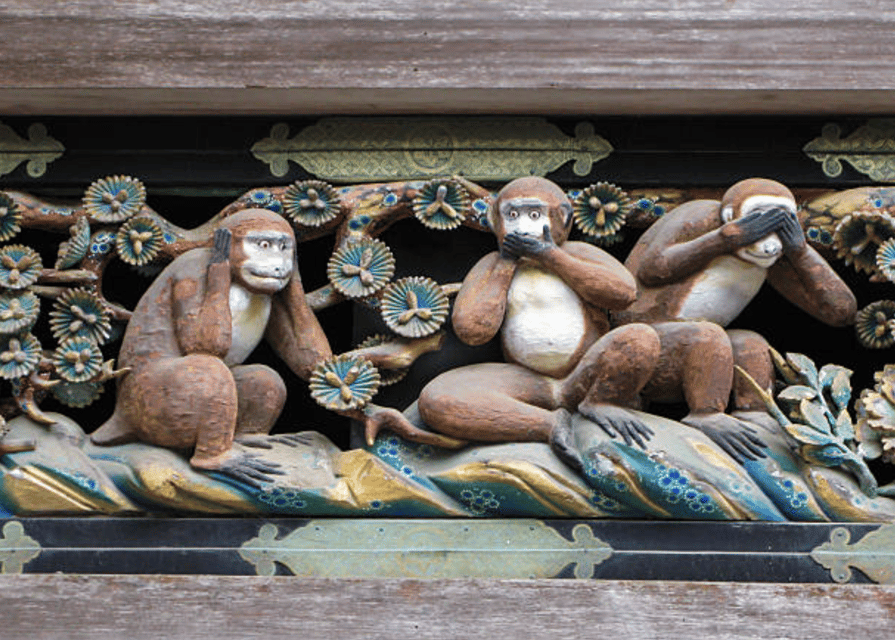
- The Three Wise Monkeys and an Edo ethical code
- Rinnoji Temple: gold-lacquer Buddha statues as a contrast
- Futarasan Shrine, Kegon Falls, and Lake Chuzenji
- Futarasan Shrine
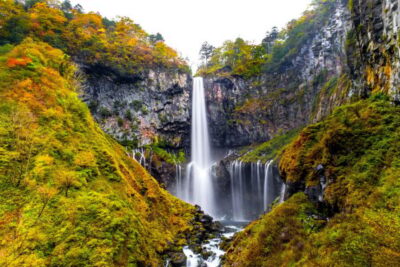
- Kegon Falls
- Lake Chuzenji
- How the 6 hours really shapes what you see
- Price and value: is $214 per person worth it?
- Should you book this Nikko private tour?
- FAQ
- FAQ
- How long is the Nikko private custom tour?
- Is this tour private?
- What language is the guide?
- What are the main places the tour covers?
- What specific Toshogu highlights will I see?
- Can the itinerary be customized?
- Are entrance fees included?
- Is lunch included?
- Is transportation included in the price?
- What is the cancellation policy?
Key highlights to look for
- Yomeimon Gate craftsmanship with 500+ carvings, often the first jaw-drop moment
- Tokugawa Ieyasu backstory explained in plain terms, so the symbolism lands
- Nemuri-neko Sleeping Cat above the Kuguri-mon Gate, a detail many people miss
- Three Wise Monkeys tied to an Edo ethical code you can actually remember
- Rinnoji Temple’s gold-lacquer Buddha statues, a striking contrast to Toshogu’s colors
- A nature stop at Kegon Falls and Lake Chuzenji, so the day doesn’t feel shrine-only
Why Nikko Toshogu Shrine feels different from other temples
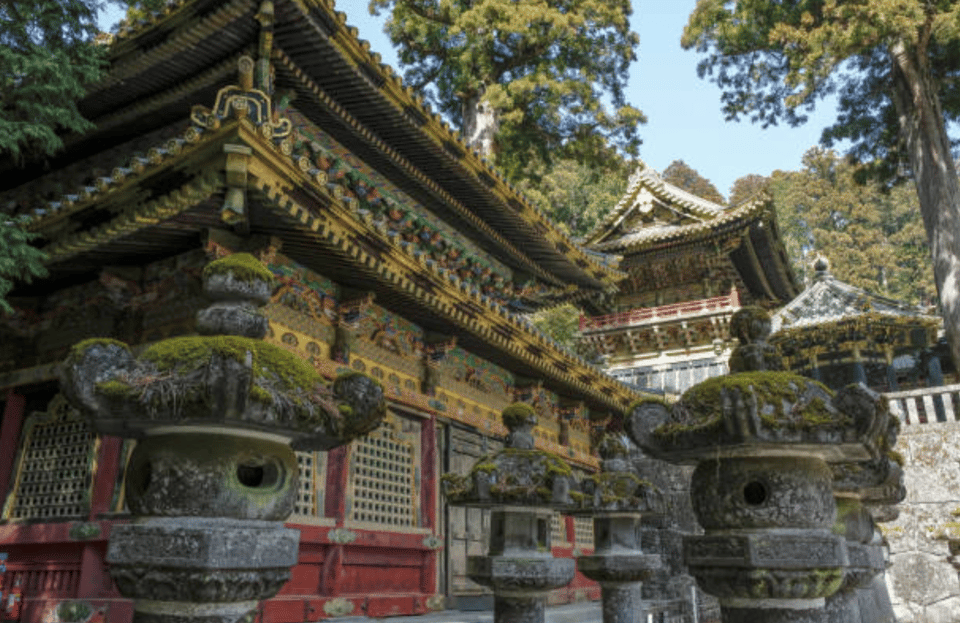
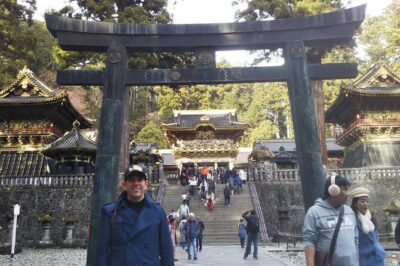
Nikko Toshogu Shrine isn’t just decorated. It’s decorated with a message. The shrine complex is dedicated to Tokugawa Ieyasu, the founder of the Tokugawa shogunate, which ruled Japan for over 250 years. Established in 1617, the site was built to reflect authority, reverence, and the idea that political power and spiritual life were tightly linked.
The first thing you notice is the setting. You move through a serene forest of old cedar trees, which helps you slow down. Then the colors and carvings take over. The shrine blends Shinto and Buddhist elements, reflecting the syncretism of the period, so it feels like one location holding multiple layers of belief.
What makes this tour work well is that you don’t have to guess what you’re looking at. You get a guided path through a complex place with dozens of buildings, instead of walking around wondering which doorway matters most.
Your English-speaking local guide and your customizable rhythm
This is a private group tour, so your schedule can flex. I like this because Nikko can be timing-sensitive: crowds build, lines happen, and weather changes fast. With a guide, you can shift priorities without losing the thread of the day.
The tour is built around a walking route through the shrine area and nearby highlights. You also get the benefit of a professional local perspective in English, which matters at Toshogu. The site has symbolism everywhere: mythical creatures, sages, moral messages, and architectural references. When you understand what a detail represents, the carvings stop being decoration and start being a reading experience.
A practical tip: think about what you enjoy most. If you love art and symbolism, ask the guide to spend extra time on the gateways and carvings. If you’re more into temples and atmosphere, you can spend less time on the most photographed structures and more on the calmer corners where the meaning still hits.
Inside Toshogu’s main route: Yomeimon Gate and the Five-Story Pagoda
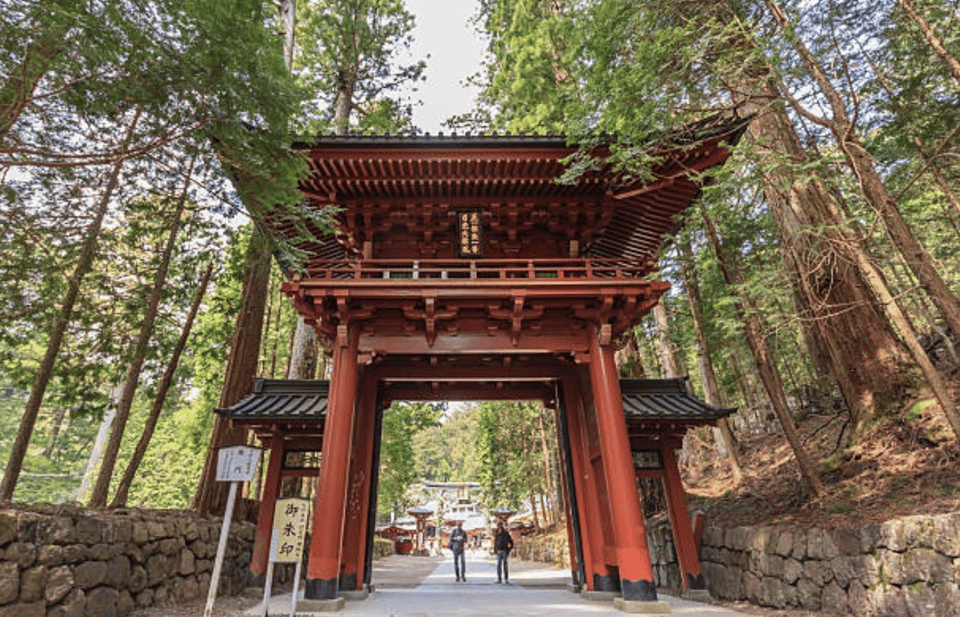
Toshogu is best experienced in two layers: the big architectural “anchors” and the smaller stories carved into everything.
Yomeimon Gate, the Gate of Sunlight
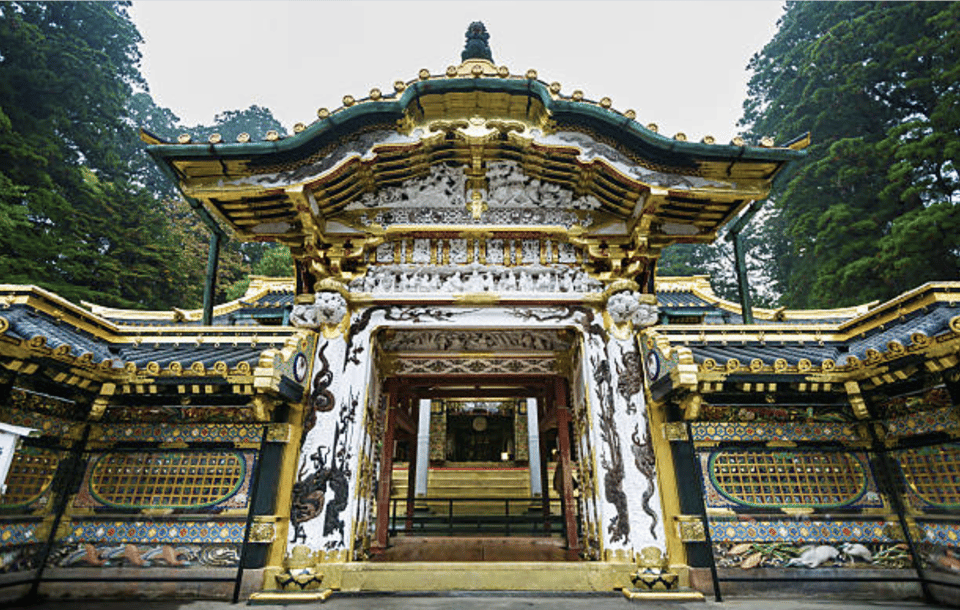
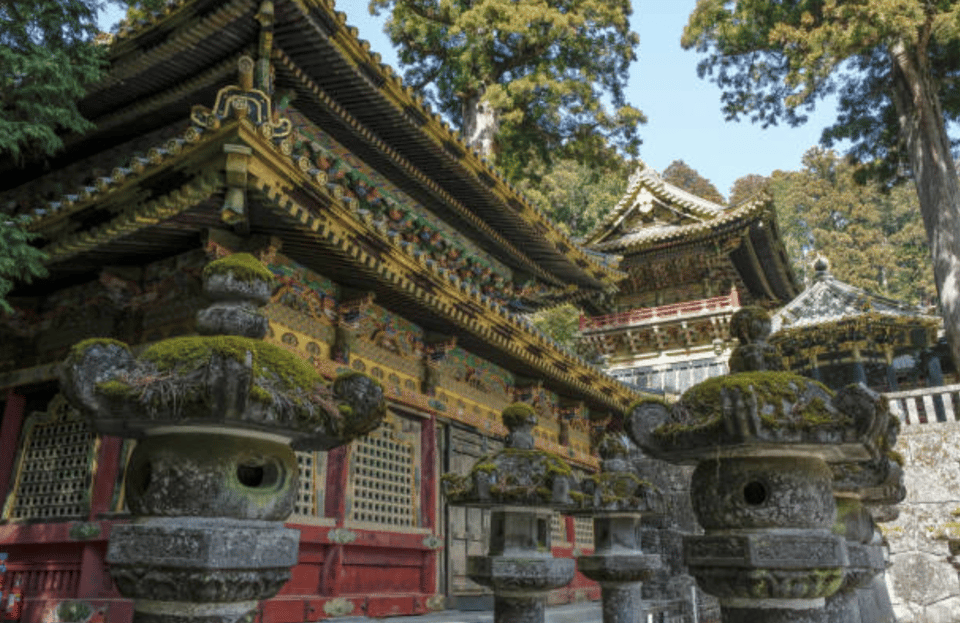
One anchor is the Yomeimon Gate, known as the Gate of Sunlight. It’s famous for its craftsmanship and the sheer density of carvings, with over 500 figures—mythical creatures, flowers, and sages. Up close, you can actually see how the design repeats patterns while still feeling different from section to section.
This is one of those stops where a guide earns their fee. A local can point out what to look for first so you don’t miss key themes. You also get context for why so many figures are packed into a gate: it signals status, devotion, and the shogunate’s vision of an ordered world.
The Five-Story Pagoda
Another anchor you’ll want on your list is the Five-Story Pagoda, with its striking red color and elaborate Edo-period embellishments. This pagoda isn’t just pretty; it’s a visual scale model of the area’s architectural ambition.
If you only see pagodas from a distance, you miss details. Here, you have time to actually notice textures and proportions, especially if you take the moment to step back and then step in again for a different angle.
How the cedar forest shapes the experience
Between structures, the ancient cedar trees do real work. They soften the noise and break up the density of the carvings. It makes the site feel more spacious than it looks on photos. On a private tour, you can pause when the light changes, rather than moving on because a group timetable says so.
The quiet meaning stops: Sleeping Cat and the Three Wise Monkeys
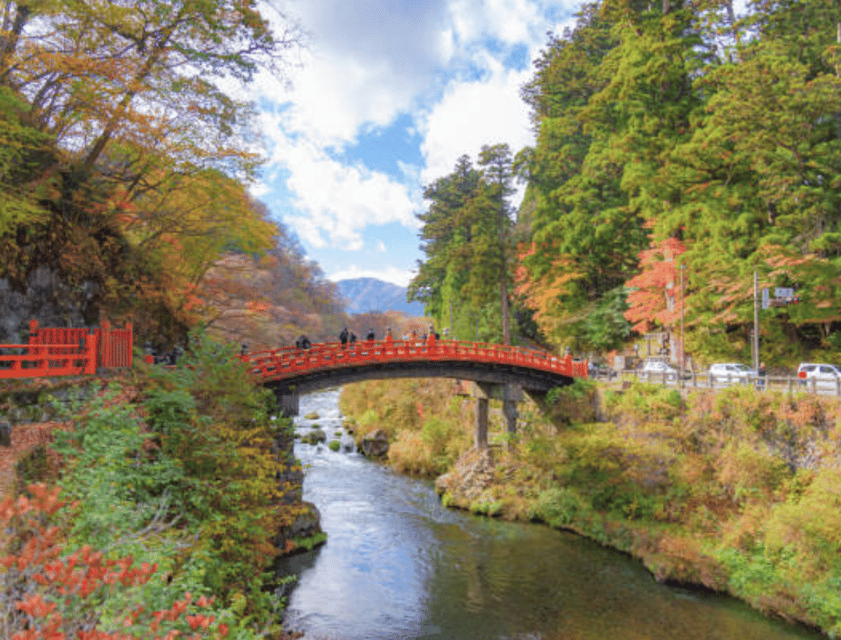
The best part of a guided Nikko tour is catching the details that are easy to overlook when you’re moving fast.
Nemuri-neko Sleeping Cat above Kuguri-mon Gate
A standout detail is the Nemuri-neko (Sleeping Cat) carving, located above the Kuguri-mon Gate. It symbolizes peace and tranquility. In a place famous for loud color and heavy ornamentation, a “quiet” symbol is a useful counterweight.
I love this stop because it changes how you read the entire complex. It reminds you that the shrine isn’t only about grand authority. It also includes ideas about inner calm—something you can feel in your own body once you’ve slowed down.
The Three Wise Monkeys and an Edo ethical code
Another memorable feature is the set of Three Wise Monkeys for see no evil, hear no evil, speak no evil. What makes it worth your attention here is the connection to an Edo ethical code, which your guide can explain in a way that feels practical rather than like homework.
Even if you’ve heard the monkey phrase before, seeing it in this context lands differently. It becomes a moral compass carved into daily-looking objects, not just a famous gag.
Rinnoji Temple: gold-lacquer Buddha statues as a contrast
After the Toshogu core, the day needs a pivot. That’s where Rinnoji Temple comes in.
Rinnoji is famous for its three large gold-lacquered wooden Buddha statues. They’re visually intense and offer a different texture of reverence than Toshogu’s colorful, myth-filled carvings. Where Toshogu can feel like political art wrapped in spirituality, Rinnoji brings you back to the straightforward presence of Buddhist figures.
This contrast is valuable for your brain. After you’ve stared at too many ornamental details, the gold statues give you a bigger, simpler target. If you’re the type who gets “carving fatigue,” this is the point in the day that can reset your attention.
Futarasan Shrine, Kegon Falls, and Lake Chuzenji
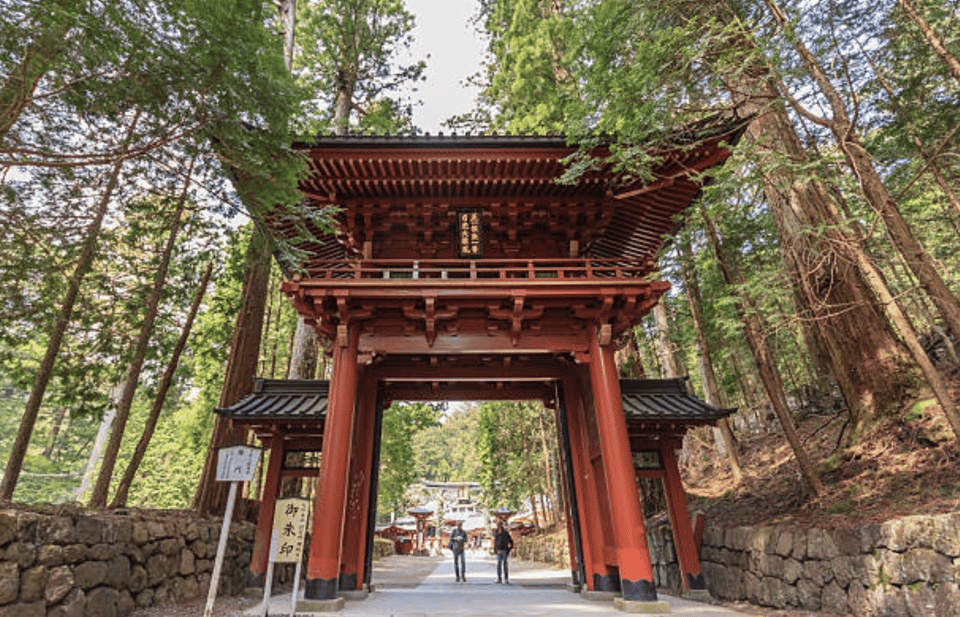
Nikko isn’t only architecture. It’s also mountains, water, and weather that changes the mood fast.
Futarasan Shrine
You’ll also have time for Futarasan Shrine, dedicated to the deities of the Nikko mountains. This part of the tour keeps the focus on local belief and how nature fits into the spiritual story.
Even if you’re mostly there for Toshogu, this stop adds balance. It shifts you from man-made power to the idea that mountains themselves are part of the sacred map.
Kegon Falls
Then there’s Kegon Falls. It’s one of those places where the setting can do half the talking. The day becomes less about reading symbols and more about experiencing the scale of water and the way fog or mist can change visibility.
I like pairing a shrine route with a waterfall because your body needs a different kind of attention. At Toshogu you’re looking up, scanning carvings, reading details. At the falls you’re letting your eyes relax on motion and depth.
Lake Chuzenji
Finally, you may include Lake Chuzenji, a scenic finish that complements the cultural stops with open views. It’s a good place to slow down and let the day’s meaning settle. You can also use this time to re-check your priorities for anything you want to revisit within Toshogu, if your schedule allows.
How the 6 hours really shapes what you see
A 6-hour private tour is a sweet spot for Nikko if you want the big essentials with context. It also means you should expect a pace that’s efficient, not leisurely.
Here’s what that usually means in practice:
- Toshogu’s main highlights will get your focused time, not a slow wander.
- The tour includes both major sites and at least one quieter, smaller detail stop (like Nemuri-neko) rather than a long list of “everything.”
- Nature stops like Kegon Falls and Lake Chuzenji fit in because the day is structured to rotate from shrine to scenery.
Transportation matters for a day like this. The tour includes a guide, but entrance fees for yourself, lunch for yourself, and transportation fees for yourself are not included, and private transportation is listed as not included too. At the same time, the description indicates travel with a private vehicle setup. So budget for possible ride costs depending on your pickup point and how the operator plans routes on the day.
Practical advice: wear comfortable shoes. Toshogu and the surrounding sites involve steady walking on uneven ground. Bring water. If you skip lunch, at least plan a snack so you can keep your attention on the carvings rather than your hunger.
Price and value: is $214 per person worth it?
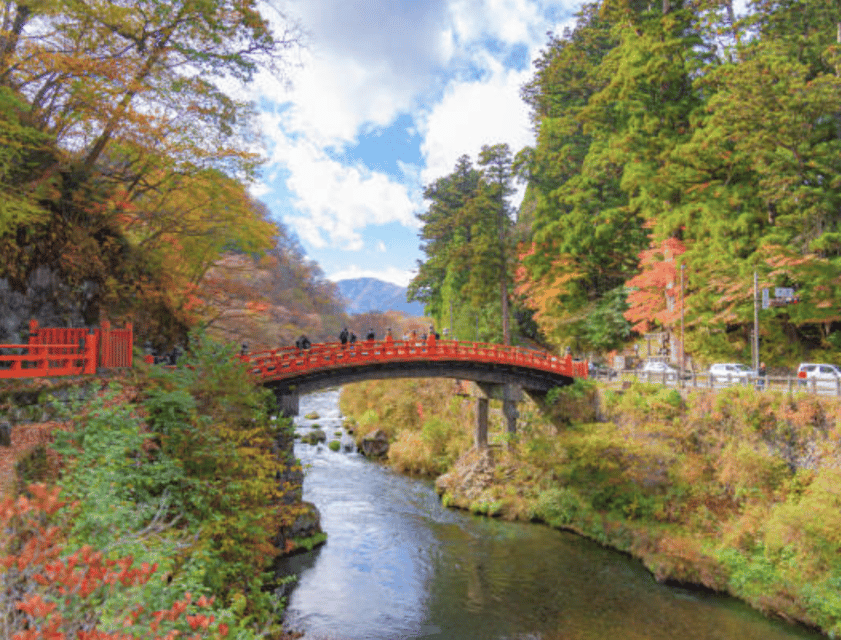
At $214 per person for a 6-hour private experience, you’re paying for three things: time, access, and interpretation.
If you were to do Nikko on your own, you could reach Toshogu and see the major buildings. But the value here is the guided reading of the place:
- The meaning behind Tokugawa Ieyasu’s legacy and why the shrine was created in 1617
- The why behind the design blend of Shinto and Buddhist elements
- The quick way to notice important carvings like Yomeimon’s 500+ figures, the Sleeping Cat symbol, and the Three Wise Monkeys
That’s hard to recreate from a printed guide when you’re trying to enjoy the day and not just “collect sights.”
One more value angle: private tours help you manage crowds. Nikko can get packed, especially around the most photographed structures. With a local and a customized plan, you can keep your flow smoother.
The trade-off is budget add-ons. Entrance fees, lunch, and transportation costs aren’t included, so your final number will be higher than the headline price. Still, if you want a structured day that doesn’t turn into a logistics puzzle, this is a reasonable spend.
Should you book this Nikko private tour?
Book it if:
- You want the major Nikko Toshogu highlights with clear explanations, not just photos
- You appreciate symbolism and want the carvings and gates to make sense
- You like having a plan but still want customized pacing
- You want a balanced day that includes Rinnoji plus nature at Kegon Falls and Lake Chuzenji
Skip it or adjust expectations if:
- You prefer a slow, unstructured shrine day with long sitting breaks
- You’re determined to cover everything by yourself and don’t want to pay for interpretation
- You’re sensitive to the idea that 6 hours means “most important moments,” not “every corner”
If your goal is a focused Nikko day—Toshogu’s storytelling first, with gold statues and mountain scenery as supportive acts—this private tour is a smart choice.
FAQ
FAQ
How long is the Nikko private custom tour?
It lasts 6 hours.
Is this tour private?
Yes. It’s a private tour with a private group setup.
What language is the guide?
The tour includes an English-speaking local guide.
What are the main places the tour covers?
You’ll focus on Nikko Toshogu Shrine, and you can also visit Rinnoji Temple, Futarasan Shrine, Kegon Falls, and Lake Chuzenji.
What specific Toshogu highlights will I see?
The tour highlights include Yomeimon Gate (Gate of Sunlight), the Five-Story Pagoda, Nemuri-neko Sleeping Cat above the Kuguri-mon Gate, and the Three Wise Monkeys.
Can the itinerary be customized?
Yes. The itinerary is fully customizable.
Are entrance fees included?
No. Entrance fees for yourself are not included.
Is lunch included?
No. Lunch for yourself is not included.
Is transportation included in the price?
Private transportation is listed as not included, and transportation fees for yourself are not included.
What is the cancellation policy?
Free cancellation is available up to 7 days in advance for a full refund.
More Tour Reviews in Nikko
North Again: More Nikko Trips
Nikko Day Trips, compared.
 ★ 4.6Nikko: Kegon Falls, Lake Chuzenji & Toshogu TempleFrom $891,577 reviews
 ★ 4.5Nikko Toshogu Shrine and Kegon Waterfall TourFrom $841,266 reviews
 ★ 5.0Nikko Full-Day Private Tour with Government-Licensed GuideFrom $155259 reviews
 ★ 4.9From Tokyo: Nikko World Heritage Site Private Full-Day TripFrom $483243 reviews
 ★ 4.3Nikko: Edo Wonderland Edomura Cultural Theme Park TicketFrom $35205 reviews
From Tokyo: Nikko World Heritage Sight Full Day Private TourFrom $362127 reviews
★ 4.3Nikko: Edo Wonderland Edomura Cultural Theme Park TicketFrom $35205 reviews
From Tokyo: Nikko World Heritage Sight Full Day Private TourFrom $362127 reviews
 ★ 4.9Nikko – Beautiful Full-Day Personal and Private TourFrom $364119 reviews
 ★ 5.0Chartered Private Tour – Tokyo to Nikko, Toshogu, Edo WonderlandFrom $1,286105 reviews
Browse the lists this tour appears in