
Reviewed · NIKKO DAY TRIPS
Nikko: Day Tour from Tokyo in Spanish – Spanish
Nikko on a day trip is a smart use of time. You get Spanish storytelling, a tight route through major sights, and the kind of flow that helps you see a lot without feeling lost. I especially like the close, friendly guides (I loved how Nerea and Laura handled questions and pacing), plus the plan includes reserved-seat express trains so you’re not fighting schedules. One possible drawback: the day is fast-paced and long on your feet, and the tour isn’t suitable for wheelchair users or hearing-impaired people.
What really makes this tour work is the order. You start in Tokyo, ride out by express train, and then move through the Nikko area with guided context—starting at the main street and Shinkyo Bridge (the Bridge of the Gods), then down into temples and shrines of the Futarasan complex, and finally the big star: Toshogu. Plan for ticketing and food on your own, since temple tickets and meals are not included.
In This Review
- Key Things That Make This Tour Worth It
- From Asakusa to Nikko: the Rhythm of a Spanish Day Trip
- Express Trains (Reserved Seats) and Why That Matters
- Shinkyo Bridge First: Bridge of the Gods in Your First Hour
- Futarasan Temples and Legends: Rinnoji and the Story Mode
- Toshogu Shrine: Where the Tour’s Time Actually Pays Off
- Lunch Break and Getting Your Energy Back
- What the Guides Do Well (And How That Shows Up in Real Life)
- Price and Value: What You’re Really Paying For
- Practical Tips to Make the Day Feel Easy
- Who This Tour Fits Best (And Who Might Prefer Another Plan)
- Should You Book This Nikko Day Tour?
- FAQ
- Where do I meet the tour guide?
- Is the tour actually in Spanish?
- What’s included with the tour price?
- What costs extra once I’m there?
- Do we skip the line?
- How long is the tour and where do we end up?
- Are express trains included in the price?
- Is there free cancellation and flexibility?
- Is the tour wheelchair-friendly?
Key Things That Make This Tour Worth It
- Spanish live guide with explanations that help you notice what matters, not just what’s there
- Reserved-seat express trains round trip, which usually means less stress and more time walking
- Skip-the-line entry via a separate entrance so you don’t burn your day stuck in queues
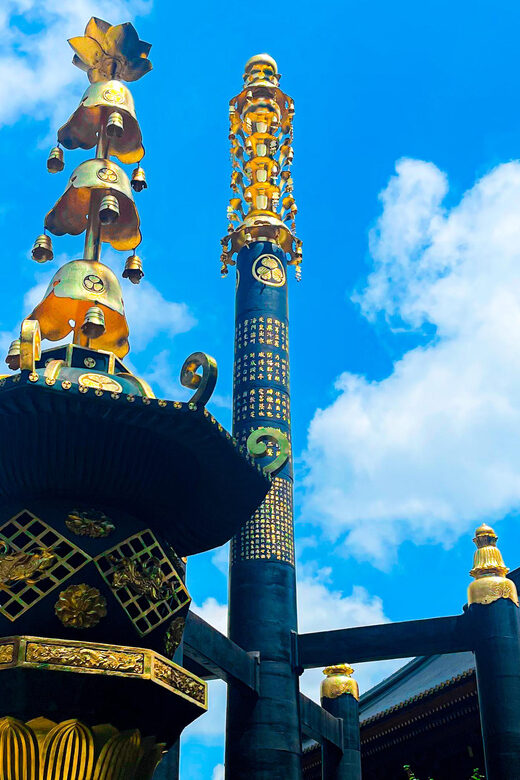
- Toshogu Shrine time (95 minutes guided), enough to actually understand the place
- Small-group feel is part of the experience, and guides like Nerea adapt when pacing differs
- Practical recommendations at the end so you can keep enjoying Japan after Nikko
From Asakusa to Nikko: the Rhythm of a Spanish Day Trip
This tour is built for one thing: a full Nikko day without the headache of planning trains, meeting points, and site-to-site navigation. You start from Tokyo (options vary), then take express trains to Nikko. Total duration is listed as 510 minutes, so you’re basically committing to a full day out of the city, ending back in Tokyo in the afternoon.
The meeting point is also straightforward. You meet in front of the façade of the Asakusa Tourist and Cultural Information Center, and the guide waits with a name tag that says NIPONEANDO. If you choose optional pickup, the guide picks you up at your hotel reception and wears the same NIPONEANDO tag. For many people, that hotel pickup is the easiest option—especially if you’re still learning your way around Tokyo transit.
The day is guided in Spanish, with a live guide who sets the tone and keeps things moving. The operator also says they’re environmentally friendly, which is a nice extra to see alongside transportation and group logistics. Just treat it like a bonus, not a reason to skip basics like comfortable shoes and a refillable water bottle.
Express Trains (Reserved Seats) and Why That Matters
Transportation is where day trips either feel smooth or feel like a chore. Here, you get round-trip express trains with reserved seats, which is a big deal in practice. It reduces uncertainty and keeps the day on track, especially when you’re connecting into walking routes around Nikko’s main sights.
There’s also an important pricing note. If you booked before September 15, 2025, the express trains aren’t included in the price. If you booked from September 15, 2025 onward, the express trains are included due to a tour rate change for traveler convenience. That’s worth checking carefully before you finalize—because the difference affects overall value.
Another detail that helps: the itinerary explicitly returns you to Tokyo with two drop-off locations—the Asakusa Tourist and Cultural Information Center and Tōbu-Asakusa Sta. Having two possible exits can matter if you’re trying to match your exact route home.
Shinkyo Bridge First: Bridge of the Gods in Your First Hour
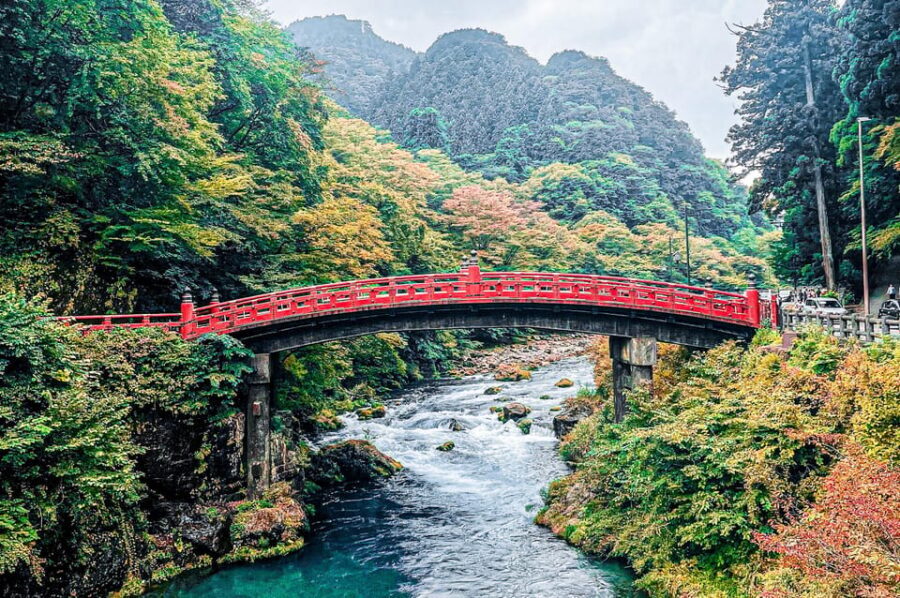
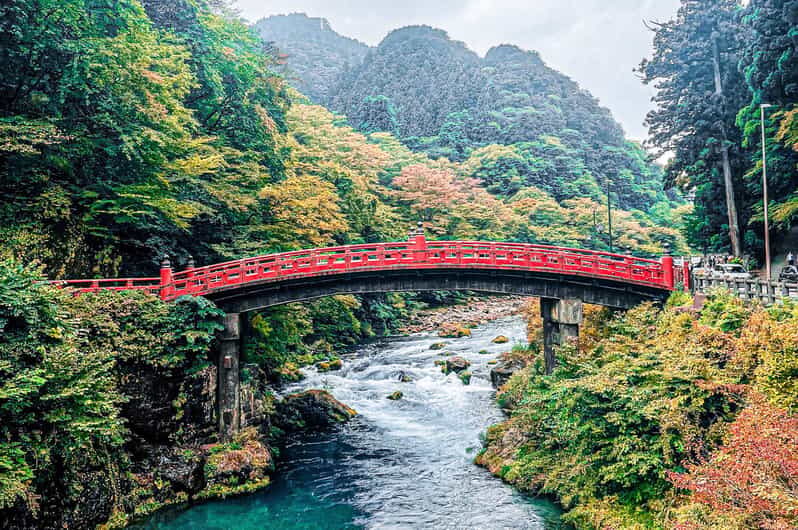
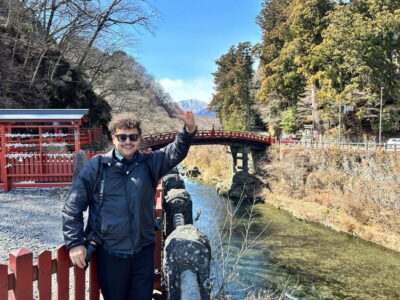
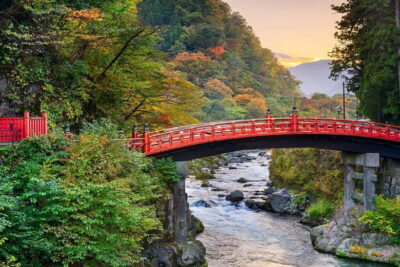
Once you arrive in Nikko, the tour starts with a guided walk along the main street until you reach Sinkyō Bridge, also known as the Bridge of the Gods. The time here is short but purposeful: the itinerary lists a guided visit of 15 minutes at the bridge, plus a little walking before and after.
This is a smart move for two reasons. First, Shinkyo gives you a quick “wow” moment early. You’re not saving the most famous photo spot for the end when energy might be lower. Second, having guide context right away helps you understand why the bridge is so well known, so your camera work doesn’t turn into just random snapshots.
One practical consideration: the bridge stop is guided and timed, so if you like to linger for photos, you’ll want to take your “must-have” shots quickly. The plan is designed to keep you moving forward through multiple sites without dropping your day.
Futarasan Temples and Legends: Rinnoji and the Story Mode
After Shinkyo, the tour heads through the Futarasan complex area with guided stops focused on stories and legends. This matters because Nikko is famous for being more than scenery—you’ll get better value when someone explains what you’re looking at and why it’s tied to belief and local tradition.
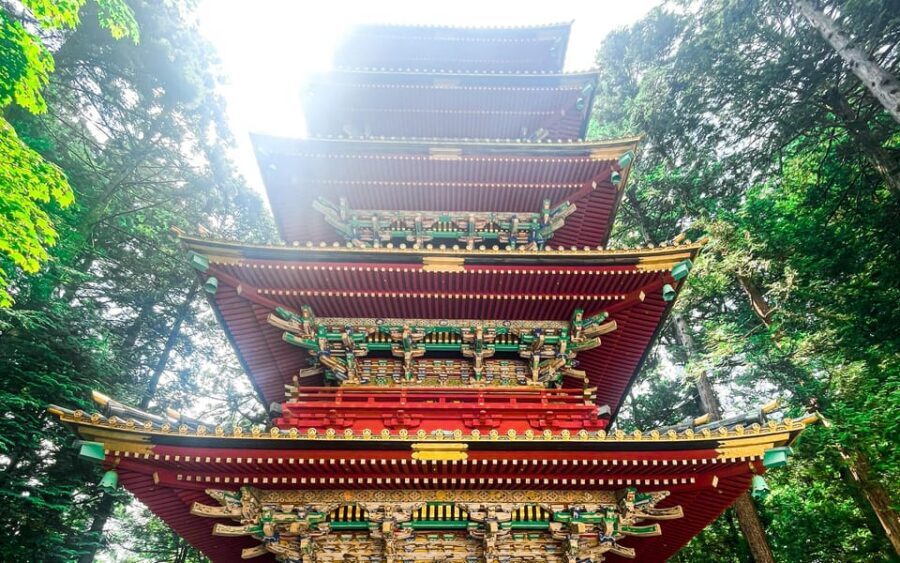
The itinerary includes Nikkōzan Rinnoji Temple with a 25-minute guided visit. Then you move on with a short on-foot transfer before Toshogu. Rinnoji is the kind of stop where, without guidance, you can miss the meaning behind details. With a guide, you’re more likely to notice patterns in the architecture and the way different temple areas connect to the larger complex.
I also like that the tour doesn’t rush this portion into pure sightseeing. The guide time here is long enough to build context, but not so long that you feel trapped in one spot. It’s a balance that keeps the day from feeling like a checklist.
Toshogu Shrine: Where the Tour’s Time Actually Pays Off
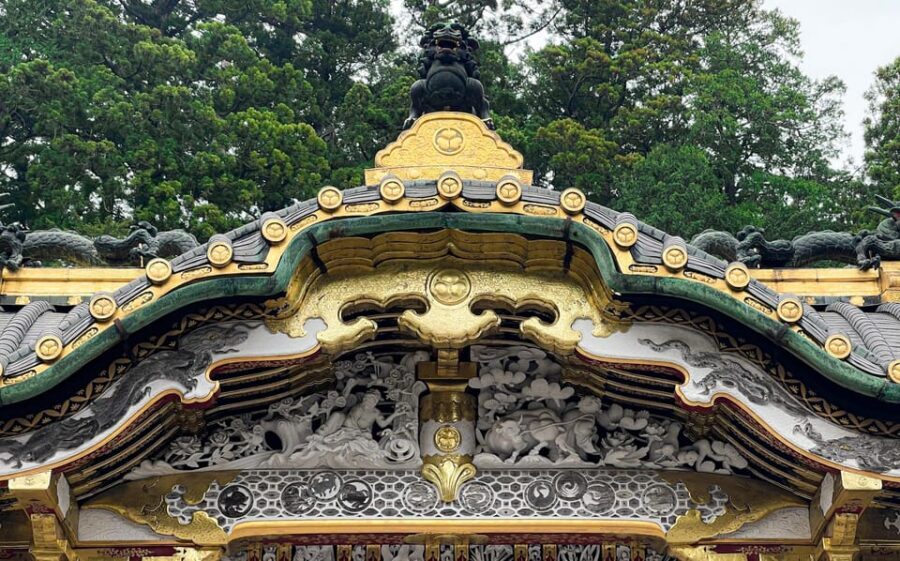
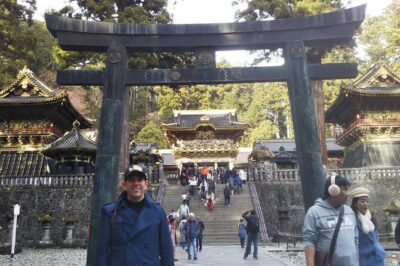
The centerpiece is Nikkō Tōshōgū. The itinerary gives it 95 minutes guided, plus short walking time around it before and after. That’s the portion where you’ll feel the value of choosing a guided day trip instead of hopping around solo.
Toshogu is listed as one of Japan’s most beautiful shrines due to its aesthetics so different from other shrines in Japan. The guide’s job here is huge: if you only see it visually, you’ll still enjoy it—but with explanation, you start to understand what makes the site distinctive. This is exactly where the “Spanish storytelling” becomes practical. You’re not just translating signs; you’re learning how to read the place.
You also get skip-the-line access through a separate entrance. That can save your day. When you’re planning a full circuit, even a small delay can throw off the pacing for later stops. With reserved train seats already locked in, having less time lost at entrances makes the whole day more comfortable.
If you’re the type who wants to take lots of photos, try to do your most careful shots during the guided portion when the guide is pointing out what to focus on. It helps you avoid the classic travel mistake: spending 30 minutes filming something you later realize you didn’t understand.
Lunch Break and Getting Your Energy Back
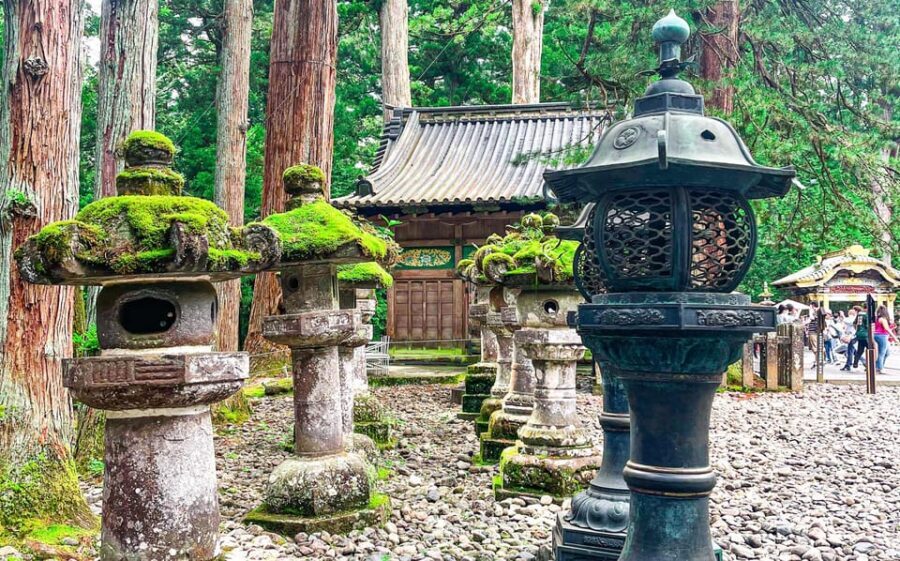
The day includes a break time and lunch window of 1 hour. Food and drink are listed as not included, so you’ll be choosing a meal on your own. That flexibility is useful if you have dietary needs or if you want to try something specific.
Here’s the practical angle: because the tour gives you a fixed return schedule and a timed route between sites, your lunch choice should be fast and predictable. You don’t want to discover, midway through your meal, that the restaurant is a 15-minute walk back from where the group reforms.
After lunch, there’s an on-foot segment listed at 20 minutes before heading back to the train. That means you should use lunch time to reset—water, quick snack, and a last bathroom stop—then rejoin the rhythm of the day.
What the Guides Do Well (And How That Shows Up in Real Life)
The guide quality is a major theme in the feedback. I like how the guides are described as devoted to Japanese culture and history, and how their explanations make Nikko feel like more than a photo route.
Specific names show up in the experience details: Nerea is praised for devoting herself to culture and history and for adapting when the group’s pace differed. Laura is highlighted for demonstrating real love for Japan and offering clear explanations plus solutions to questions and practical advice. Ori and Isma also stand out for being friendly, explaining well, and making the experience feel more complete with extra context.
That kind of guide is especially valuable on a day trip because you’re dealing with time limits, ticket rules, and multiple sites. A good guide doesn’t just talk—they help you notice. They also give tips and recommendations so your Nikko day doesn’t end the moment you leave Toshogu.
Price and Value: What You’re Really Paying For
At $254 per person, this isn’t the cheapest day trip option. But for many people, it’s priced in the zone where convenience and time savings matter.
Here’s what you get as part of the tour:
- Spanish live guide
- Guided visits at key sites (including Toshogu)
- Round-trip express trains with reserved seats
- Skip-the-line entry through a separate entrance
What you don’t get:
- Any transportation besides the express trains
- Temple tickets (¥1,900)
- Food and drink
So the real value question is: do you want to spend your day managing trains, timing, and ticket hassles yourself? If you don’t, the reserved-seat express trains and guided routing can easily justify the price, even before factoring in the language help. You’re paying for reduced friction and for having someone point out what matters at Toshogu and the Futarasan sites.
One caution on value: if you booked before September 15, 2025, the trains aren’t included in the price. That can shift the math. If you’re paying extra for trains, you’ll want to compare the final total cost against the included benefits (especially the reserved seating and the guided structure).
Practical Tips to Make the Day Feel Easy
This itinerary is tight, so your personal choices matter.
- Wear comfortable shoes. There are multiple walking segments throughout the day, and you’ll want stability on uneven temple paths.
- Bring a small bag. Luggage or large bags aren’t allowed, so pack light.
- Plan for ticket + meal spending. Budget the ¥1,900 temple ticket and decide your lunch strategy during the 1-hour break.
- Keep in mind the tour isn’t suitable for wheelchair users and it’s not designed for hearing-impaired people.
- If you care about photos, decide early what you want most. The bridge and shrine stops are timed, and you’ll enjoy them more when your priorities are clear.
Also, remember the tour is described as environmentally friendly. That’s a good cue to act like you belong there: recycle properly, don’t waste water, and follow the on-site rules.
Who This Tour Fits Best (And Who Might Prefer Another Plan)
This day trip is a strong match if you:
- Want Spanish guidance rather than navigating alone
- Prefer a plan that handles trains and site connections for you
- Appreciate explanations at major cultural sites like Rinnoji and Toshogu
- Enjoy structured pacing, even when it’s a full day
It’s less of a match if you:
- Need wheelchair accessibility (not suitable)
- Need hearing accommodations (not suitable)
- Have trouble with a fast-paced schedule and lots of walking
- Want full control over where you stop and how long you stay at each site (the route is timed)
If you’re traveling as a couple, friends, or a small private group, there’s also private group availability, which can help if your group wants a more tailored pace.
Should You Book This Nikko Day Tour?
Book it if you want a smooth, Spanish-guided Nikko day with reserved train seats and well-timed visits to the core sights. The biggest reason is the structure: you get guided context at Shinkyo, Rinnoji, and especially Toshogu, and the skip-the-line entry helps protect your schedule.
Skip it (or look for another option) if your top priority is maximum free time at each stop. This tour works because it keeps moving, and that’s not everyone’s style. Also check the train-inclusion detail based on your booking date—because that’s where the “deal” can change.
If you like clear guidance and a well-run day, this Nikko tour is built for you.
FAQ
Where do I meet the tour guide?
You meet in front of the façade of the Asakusa Tourist and Cultural Information Center. The guide will be waiting with a name tag that says NIPONEANDO. Hotel pickup is optional, and the guide will pick you up at your hotel reception with the same NIPONEANDO name tag.
Is the tour actually in Spanish?
Yes. The live tour guide provides the experience in Spanish.
What’s included with the tour price?
The included items are the Nikko excursion in Spanish, a guided tour, and round-trip express trains with reserved seats. The tour also includes skip-the-line entry through a separate entrance.
What costs extra once I’m there?
Temple tickets are not included (¥1,900). Food and drink are also not included, and transportation other than the express trains isn’t included.
Do we skip the line?
Yes. The tour notes skip-the-line access through a separate entrance.
How long is the tour and where do we end up?
The duration is listed as 510 minutes. After the afternoon return, there are two drop-off locations in Tokyo: the Centro de Información Turística y Cultural de Asakusa and Tōbu-Asakusa Sta.
Are express trains included in the price?
It depends on when you booked. If you booked before September 15, 2025, the trains aren’t included in the price. If you booked from September 15, 2025 onward, the trains are included.
Is there free cancellation and flexibility?
Yes. You can cancel up to 24 hours in advance for a full refund. The tour also offers reserve now & pay later.
Is the tour wheelchair-friendly?
No. It is not suitable for wheelchair users, and it’s also not suitable for hearing-impaired people. Luggage or large bags are also not allowed, and unaccompanied minors are not allowed.
More Tours in Nikko


More Tour Reviews in Nikko
North Again: More Nikko Trips
Nikko Day Trips, compared.
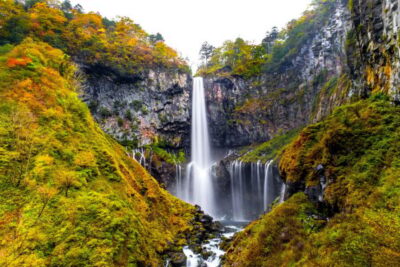
 ★ 4.6Nikko: Kegon Falls, Lake Chuzenji & Toshogu TempleFrom $891,577 reviews
 ★ 4.5Nikko Toshogu Shrine and Kegon Waterfall TourFrom $841,266 reviews
 ★ 5.0Nikko Full-Day Private Tour with Government-Licensed GuideFrom $155259 reviews
 ★ 4.9From Tokyo: Nikko World Heritage Site Private Full-Day TripFrom $483243 reviews
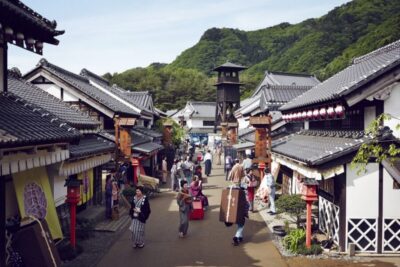 ★ 4.3Nikko: Edo Wonderland Edomura Cultural Theme Park TicketFrom $35205 reviews
From Tokyo: Nikko World Heritage Sight Full Day Private TourFrom $362127 reviews
★ 4.3Nikko: Edo Wonderland Edomura Cultural Theme Park TicketFrom $35205 reviews
From Tokyo: Nikko World Heritage Sight Full Day Private TourFrom $362127 reviews
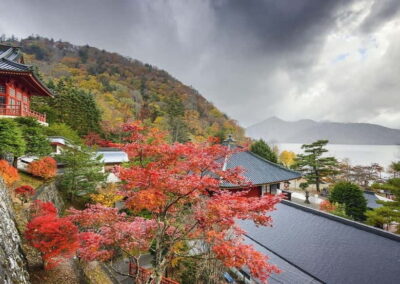 ★ 4.9Nikko – Beautiful Full-Day Personal and Private TourFrom $364119 reviews
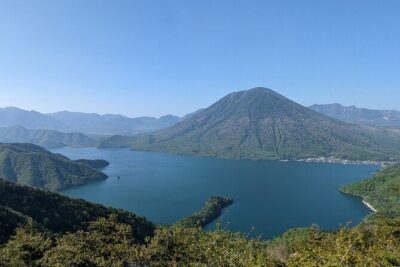 ★ 5.0Chartered Private Tour – Tokyo to Nikko, Toshogu, Edo WonderlandFrom $1,286105 reviews
Browse the lists this tour appears in