
Reviewed · KAMAKURA DAY TRIPS
Kamakura Historical and Cultural Day Trip with Local Cuisine
Kamakura feels different the moment you leave Tokyo. This private day trip trades train-planning stress for easy pickup, air-conditioned transport, and a tight hit list of Kamakura’s most memorable temples and shrines. I like that the route is built around real standouts, not a random checklist.
What I love most are the guided flow and the small comforts that keep you moving without feeling rushed. You get bottled water and snacks, plus time at each stop that’s long enough to wander, pause, and take photos without turning the day into a sprint.
One thing to consider: several key sites charge admission, so you’ll want to budget a bit extra. It’s not a “everything paid” tour, but the structure is good if you show up ready to pay entrance fees and enjoy the experience.
In This Review
- Key things to know before you go
- Private Kamakura from Tokyo, without the train puzzle
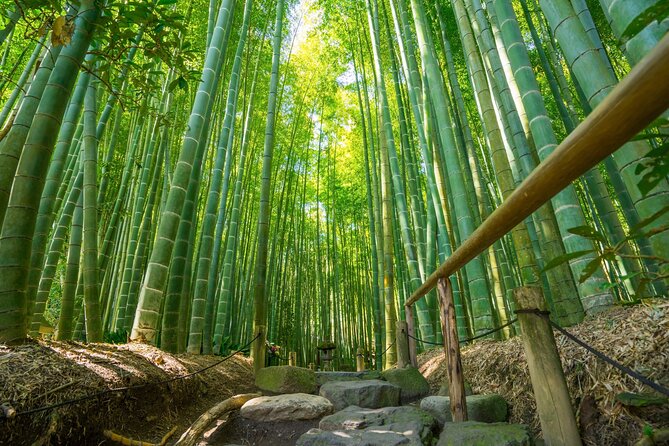
- Hokoku-ji bamboo: a Zen pause with around 2,000 bamboo stalks
- Tsurugaoka Hachimangu: shrine worship tied to samurai roots
- Hase-dera Temple: sea-facing views and Japan’s largest carved-wood statue
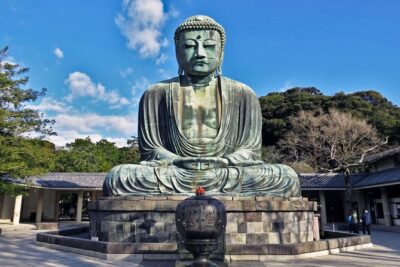
- The Great Buddha at Kotoku-in: old bronze, big presence
- How the day stays comfortable: snacks, water, and a smart pace
- Price value check: what $767.36 per group really means
- Who this tour suits best
- Booking timing and the morning start window
- Should you book this Kamakura Historical and Cultural Day Trip?
- FAQ
- What is the duration of the Kamakura day trip?
- Is this tour private?
- How many people are included in a group?
- Is pickup offered from Tokyo?
- Is transportation included, and is it air-conditioned?
- Do I need to print tickets?
- Which stops are included in the visit?
- Is admission included for all stops?
- What time does the pickup happen?
- Are snacks and water included?
- What is the cancellation policy?
Key things to know before you go
- Pickup from Tokyo + air-conditioned ride helps you avoid trains, transfers, and timing headaches
- Private group size up to 9 makes it easier to match the pace to your group
- Hokoku-ji bamboo is a big visual payoff, with around 2,000 bamboo stalks tied to the temple’s fame
- Tsurugaoka Hachimangu is free and a great anchor stop in Kamakura’s shrine-centered core
- Hase-dera, Great Buddha, and Hokoku-ji have extra admission costs to plan for ahead of time
- Mobile ticket means less time spent figuring out paperwork
Private Kamakura from Tokyo, without the train puzzle
This tour is built for a simple idea: you’re in Tokyo, but you want Kamakura’s temples without spending your whole day figuring out public transport. The plan includes pickup in Tokyo and air-conditioned transportation, so you can start relaxed and stay that way until you’re back.
The day is designed around a clear rhythm. You’ll leave Tokyo in the morning, then work through a sequence of major religious sites. Each stop has a set time window, which matters because Kamakura can be crowded around popular landmarks. Having a plan helps you see more while keeping enough room to slow down when something grabs your attention.
I also appreciate that this is a private format for your group only. Up to 9 people means you’re not stuck watching someone else decide where to stand, what to photograph, or how long to linger. And with a private guide, you’re more likely to get context as you go, instead of just “look and move on.”
Hokoku-ji bamboo: a Zen pause with around 2,000 bamboo stalks
Your first stop is Hokoku-ji, a Zen temple of the Rinzai sect built in 1334. The best part is the bamboo. The temple is famous for its bamboo groves, with about 2,000 bamboo stalks contributing to the calm, rhythmic feel of the place.
This is the kind of stop that works even if you’re not a “temple person.” Why? Because the bamboo makes it visual fast. You don’t need a long explanation to understand what’s special. You can simply walk slowly, let your eyes adjust, and enjoy the shade and layered greenery.
The timing here is about 40 minutes, which is just right for a first temple moment. If you arrive with photos in mind, you’ll still have time to enjoy it without feeling like you’re racing the clock.
Budget note: admission isn’t included at this stop, so plan for an entrance fee.
Tsurugaoka Hachimangu: shrine worship tied to samurai roots
Next comes Tsurugaoka Hachimangu Shrine, one of Kamakura’s key spiritual landmarks. It’s dedicated to legendary Emperor Ojin, plus Ojin’s wife and mother. The shrine also connects to political power in Kamakura’s story: it became the head shrine of Minamoto Yoritomo, the founder and first shogun of the Kamakura government.
What you get here is more than a building to photograph. The shrine’s importance shows up in the way the site fits into Kamakura’s center. You’ll likely notice how people move through the space with intention, not just as sightseeing stops.
This stop is also one of the easiest financially because admission is free. You still get about 40 minutes, so you can take it in slowly and not feel forced to rush onward.
Practical tip: if you want to shop a bit afterward, having a free, central shrine stop helps you keep momentum. Kamakura’s shopping streets sit close enough to make it easy to turn “sightseeing time” into “souvenir plus snack time” without needing another big travel segment.
Hase-dera Temple: sea-facing views and Japan’s largest carved-wood statue
Then the tour moves to Hase-dera Temple, and this is where the scenery angle comes in. It’s the only temple in Kamakura that faces the sea, which changes the atmosphere from a purely inland feel to something more open and airy.
Hase-dera is also known for seasonal flowers. Even if you’re not visiting at peak bloom, the temple is still worth it because it gives you that Kamakura mix: religion, gardens, and a sense of place.
One of the biggest reasons people remember Hase-dera is art scale. The temple is home to the largest carved-wood statue in Japan. That’s the kind of detail that makes you pause and look up, even if you normally skim at temples.
Timing is about 30 minutes here, which is a good balance. You’ll have enough time to see the main highlights and soak in the mood, but not so much that you lose the energy you need for the last part of the day.
Budget note: admission isn’t included at this stop, so keep that in your day plan. Also, if it’s hot or humid, give yourself permission to sit for a few minutes when you find a good spot. The tour rhythm is tight enough that short breaks keep you comfortable.
The Great Buddha at Kotoku-in: old bronze, big presence
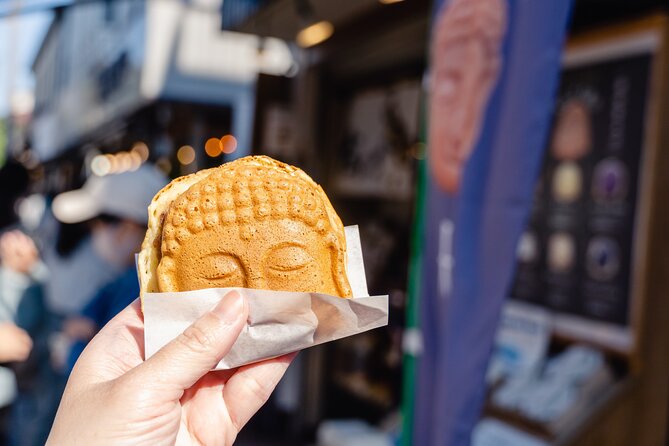
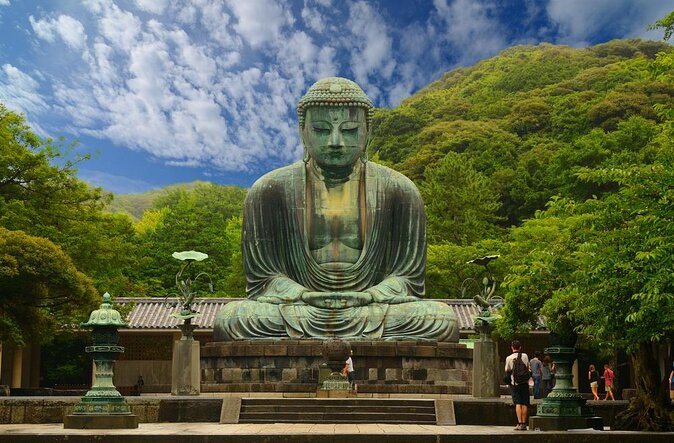
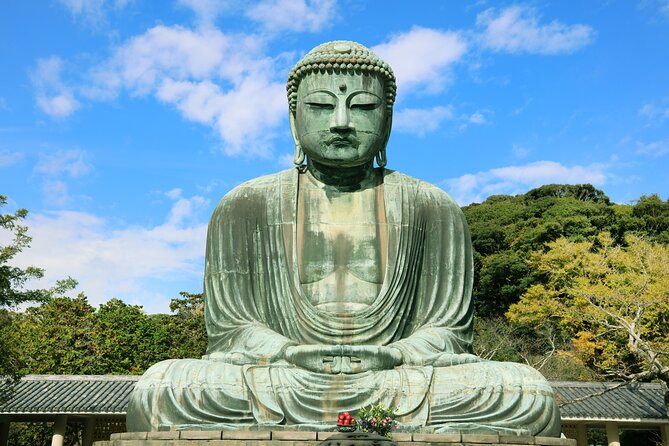
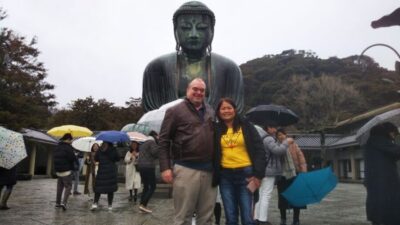
At Kotoku-in (the Great Buddha of Kamakura), you’ll see the famous bronze Amida Buddha statue. The tour description calls out something that helps you understand why it feels so serious: the statue was cast in 1252, three centuries before Europeans reached Japan.
That timeline matters. You’re not just looking at something old; you’re looking at something that has lasted through major changes in Japan’s history. The scale and age combine into a strong “this existed a long time” feeling.
Timing here is about 30 minutes. That might sound short, but it’s usually enough. The Great Buddha site is visually dominant, so you can take in the statue, walk around, and still have time to enjoy the grounds and move on without dragging the day out.
Budget note: admission isn’t included at Kotoku-in, so plan for it. If you’re used to tours where fees are bundled, this is the one piece to remember for budgeting.
How the day stays comfortable: snacks, water, and a smart pace
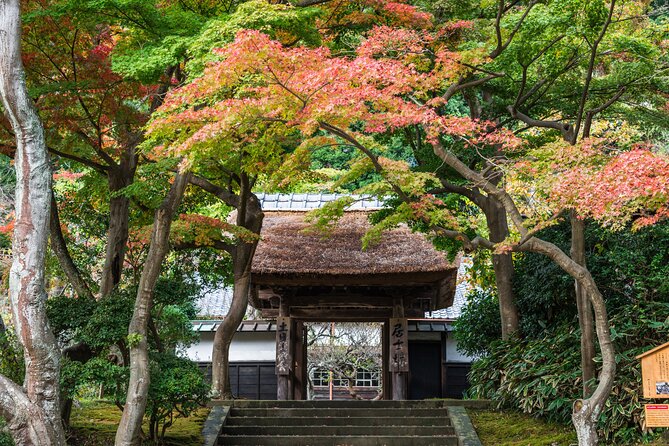
A major value point here is the included extras that make the day easier in real life: bottled water and snacks. That’s not just a nice-to-have. In summer heat, or on a day that starts early, water access and quick fuel prevent the common travel problem: you start sightseeing fine, then energy drops and everything feels harder.
The transportation is also air-conditioned. That matters because the ride in and out of Tokyo can be part of your “total day experience,” not just a transfer. When it’s comfortable, you’ll arrive at Kamakura with your head still in sightseeing mode.
The stop durations are also reasonable: 40 minutes at Hokoku-ji and Tsurugaoka Hachimangu, then 30 minutes at Hase-dera and Kotoku-in. That structure keeps the day moving while leaving you enough time to do the human parts: look closely, take photos, read a bit if signs are available, and pause when you want to.
Price value check: what $767.36 per group really means
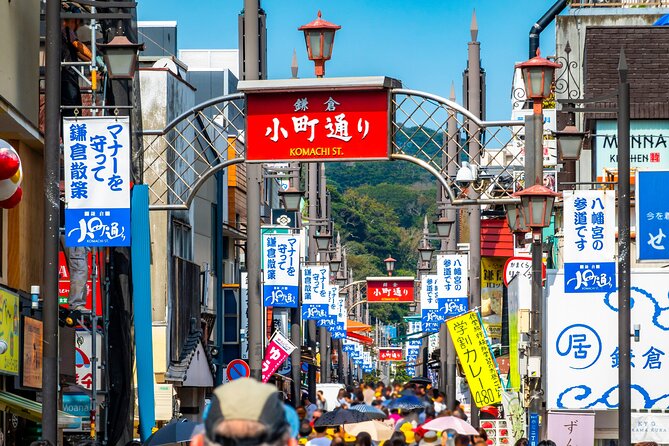
The price is listed as $767.36 per group, for up to 9 people. That’s the key to the value math: this is a group-based cost, not per-person pricing.
- If you fill most of the group capacity, the per-person cost drops a lot.
- If you book as a small group, you’ll feel the price more.
Either way, the value comes from what you’re buying: pickup, an air-conditioned ride, a private format, included water and snacks, and a structured route between multiple major sites. When you compare it to the hassle of piecing together trains, station transfers, and timing on your own, the convenience component becomes the big selling point.
Also, because it’s private, your group can move at the pace you prefer. That can be worth real money if your group has different interests—one person wants photos, another wants quiet, another wants time near the shopping streets after Tsurugaoka Hachimangu.
Who this tour suits best

I’d especially recommend this style of day trip if you:
- Want Kamakura without sorting public transport schedules
- Prefer private guidance and a clear itinerary structure
- Are planning a time-sensitive trip and want predictable stop durations
- Travel as a small group that can share the per-group cost
It’s also a good fit for people who want “big highlights” rather than niche stops. The route covers major names—Hokoku-ji, Tsurugaoka Hachimangu, Hase-dera, and the Great Buddha—and each one has something that’s easy to notice right away.
Booking timing and the morning start window
The experience runs with pickup within a morning window: 7:00 AM to 9:00 AM, depending on the date. Confirmation is supposed to arrive within 48 hours of booking, based on availability.
The tour is often booked about two months out on average. That doesn’t mean you can’t book later, but it’s a useful signal: if your dates are fixed and you want a private group format, booking sooner is smart.
One more practical note: the meeting point is near public transportation. That’s helpful if you need to adjust your own logistics on the Tokyo side, though the tour is designed to reduce the work for you.
Should you book this Kamakura Historical and Cultural Day Trip?
Book it if you want a stress-light Kamakura day with pickup, air-conditioned comfort, included snacks and water, and a private format that keeps your group moving in the right order. It’s built for people who want the major sights without turning the day into logistics.
Skip or rethink it if you’re the type who enjoys designing your own route and you already know how you’ll get around on train lines. Also, if budget is tight, remember that admission is not included at several stops, so you’ll pay extra on-site.
If you’re aiming for a one-day Kamakura hit that’s efficient and comfortable, this tour is a strong choice. It hits the landmarks that define Kamakura, then gives you enough time to enjoy them instead of rushing past them.
FAQ
What is the duration of the Kamakura day trip?
It runs about 6 to 8 hours.
Is this tour private?
Yes. It’s a private tour/activity, and only your group participates.
How many people are included in a group?
The group size is up to 9 people.
Is pickup offered from Tokyo?
Yes, pickup is offered.
Is transportation included, and is it air-conditioned?
Yes. Air-conditioned transportation from Tokyo is included.
Do I need to print tickets?
No. The tour uses a mobile ticket.
Which stops are included in the visit?
The tour stops include Hokoku-ji, Tsurugaoka Hachimangu Shrine, Hase-dera Temple, and Kotoku-in (Great Buddha of Kamakura).
Is admission included for all stops?
Admission is not included at Hokoku-ji, Hase-dera Temple, and Kotoku-in. Tsurugaoka Hachimangu Shrine is free.
What time does the pickup happen?
Pickup is scheduled within 7:00 AM to 9:00 AM, depending on the date.
Are snacks and water included?
Yes. Bottled water and snacks are provided.
What is the cancellation policy?
Free cancellation is available. You can cancel up to 24 hours in advance for a full refund. If you cancel less than 24 hours before the start time, the amount paid isn’t refunded.
Kamakura Day Trips, compared.
 ★ 4.5Kamakura & Enoshima Day Trip including Temple TicketsFrom $581,375 reviews
 ★ 4.5From Tokyo: Kamakura & Enoshima 1-Day Bus TourFrom $66189 reviews
 ★ 5.0Kamakura Historical Walking Tour with the Great BuddhaFrom $98129 reviews
Kamakura Private Tour: Temples, Nature, and the Great BuddhaFrom $98121 reviews
Kamakura Walking Tour – The City of ShogunFrom $35100 reviews
★ 5.0Kamakura Historical Walking Tour with the Great BuddhaFrom $98129 reviews
Kamakura Private Tour: Temples, Nature, and the Great BuddhaFrom $98121 reviews
Kamakura Walking Tour – The City of ShogunFrom $35100 reviews
 ★ 5.0Kamakura 8 hr Private Walking Tour with Licensed Guide from TokyoFrom $20180 reviews
 ★ 4.1Kamakura & Enoshima Day Tour with Pickup & Train RideFrom $1361 reviews
 ★ 4.8Kamakura: Private Guided Walking Tour with Local GuideFrom $10660 reviews
Browse the lists this tour appears in