
Reviewed · KAMAKURA DAY TRIPS
Kamakura; First Samurai Capital walking tour
Kamakura feels like time travel. This First Samurai Capital walking tour connects 800 years of Zen temple art and shogun-era power symbols, then closes with Kamakura Lacquerware craftsmanship you can actually take home. You start at Kita-Kamakura Station and move at a steady pace through some of the city’s most meaningful stops.
I particularly love the pair of Rinzai-Zen temples: Engaku-ji and Kencho-ji. I also like the hands-on culture angle at the end, with the Kamakura Lacquerware Museum where you learn how Buddhist sculptors shaped what became daily-life and tea-ceremony tools. One consideration: expect a lot of walking, ups and downs, and stairs, plus temple fees are extra on top of the tour price.
In This Review
- Key highlights you won’t miss
- Starting at Kita-Kamakura: the station where your tour begins
- Engaku-ji: Sanmon Gate to the 135-step payoff
- Kencho-ji: where the Zen scale gets grand
- Tsurugaoka Hachimangu: shogun power, war-good-fortune, and hilltop views
- Dankazura and the torii gates: 450 meters of approach history
- Kamakurabori and lacquerware: ending with something you can hold
- Price and time: where $63 really goes
- Walking reality check: stairs, weather, and who should pass
- Should you book this Kamakura First Samurai Capital tour?
- FAQ
- Where is the meeting point?
- Which train line stops at Kita-Kamakura?
- How long is the tour?
- Is the tour in English?
- What does the price include?
- Are temple entrance fees included?
- How much walking and stairs should I expect?
- Is the tour rain or shine?
- What’s the deal with goshuin?
- Is there a cancellation option?
Key highlights you won’t miss
- Engaku-ji to Kencho-ji (Rinzai-Zen focus): two major temples with major gates, halls, and temple treasures
- 135 stairs at Engaku-ji: a climb that pays off at the national treasure area and its long-ago bell
- Tsurugaoka Hachimangu: the shogun-symbol shrine on the hill with the kind of view that makes the climb feel worth it
- Dankazura walkway: 450 meters of torii gates and the cherry blossom-famous approach
- Kamakura Lacquerware Museum: METI-certified traditional craft with Edo-to-Muromachi context
- Small group of 4: enough time for your guide to explain what you’re seeing, not just walk past it
Starting at Kita-Kamakura: the station where your tour begins
This tour starts at Kita-Kamakura Station, East exit. It’s a smart choice because you’re already near the first temple stop, and it helps you avoid spending the morning crisscrossing the city.
One practical detail matters here: the Yokosuka line is the only train that stops at Kita-Kamakura. If you’re coming from Tokyo, ride the carriage closest to the driver, because the platform is extremely long. Then exit through the ticket gate at the front of the platform (for trains heading toward Zushi, Yokosuka, and Kurihama). Your meeting point is just outside that ticket gate—no need to wander.
Coming from the other direction (toward Tokyo) uses the opposite logic. Ride the rearmost carriage, cross the railroad crossing to the other side, and use the closest ticket gate there. Also, keep an eye on the tracks crossing. It’s easy to rush this part when you’re on time.
The vibe at the start is quiet. One reason I like this meeting point is that you can begin with a calm rhythm—get your bearings fast, then head straight into temples instead of spending the first hour lost in transit.
Engaku-ji: Sanmon Gate to the 135-step payoff
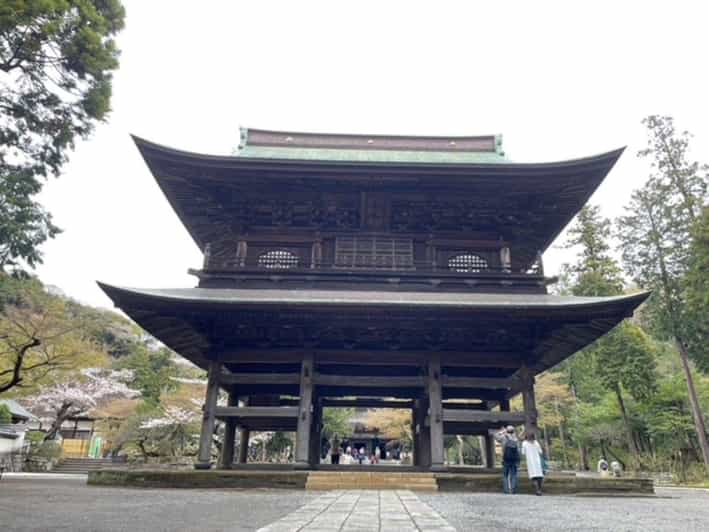
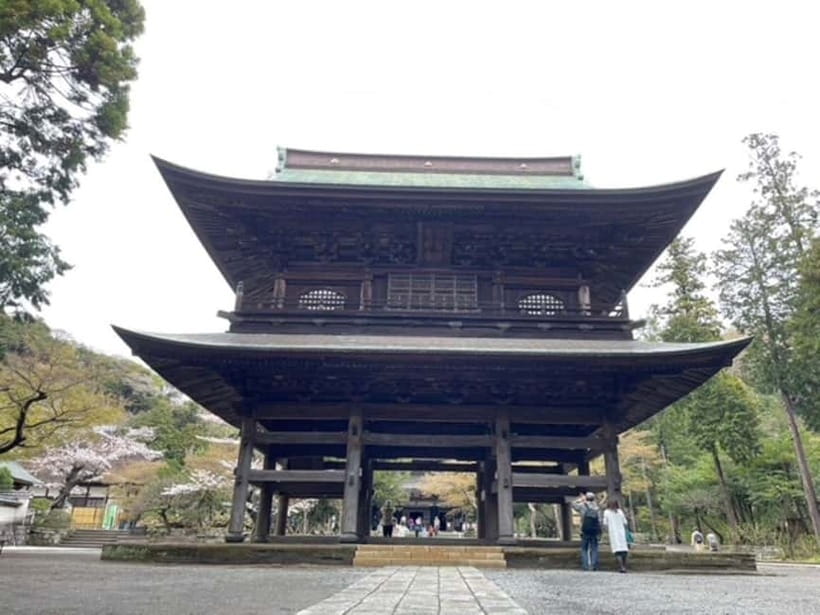
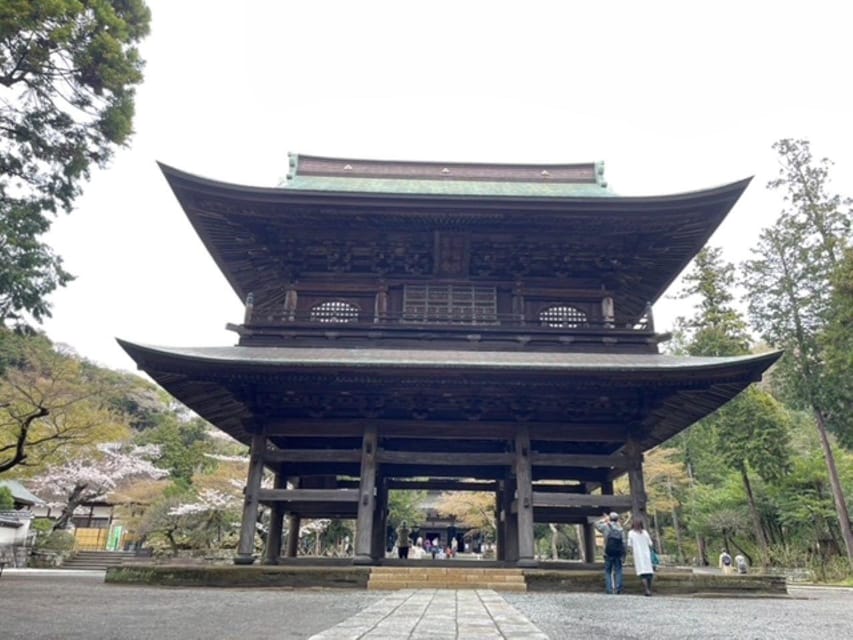
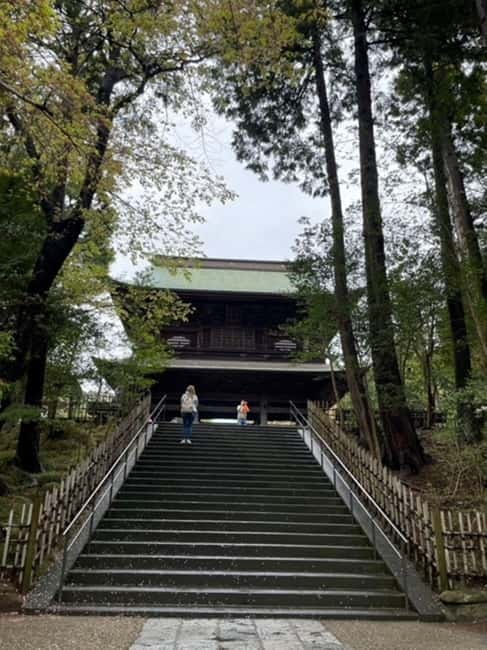
Engaku-ji is your first major temple experience, and it’s close enough that you don’t waste time on getting there. You enter through the Sanmon Gate, which is one of those temple features that instantly shifts your brain from city mode into temple mode.
Next you head to the Butsuden (Buddha Hall) to admire the Buddha statue. After that comes the Hatto (Dharma Hall). This is where the tour pays attention to specific art details—there’s a dragon painting on the ceiling, which is the kind of moment your camera will capture but your guide can help you understand.
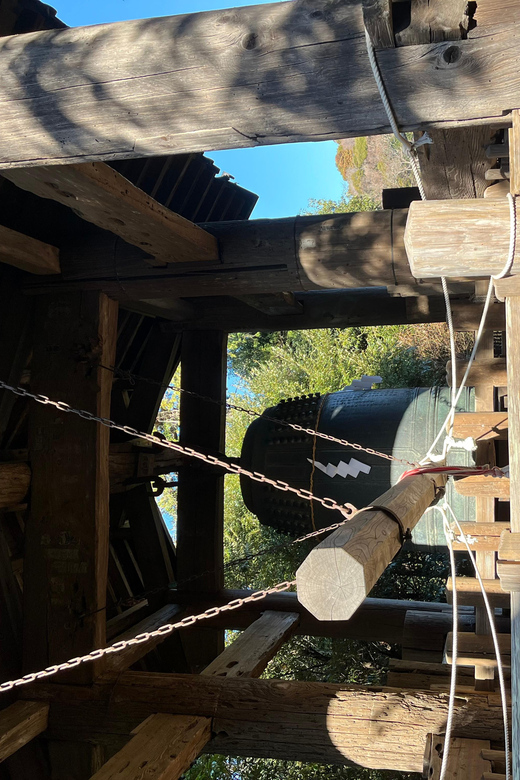
Then you do the climb: 135 stairs to reach the area featuring the Bonsho (temple bell), listed as a national treasure. The tour description promises that an 800-years-old bell welcomes you after the effort, and this is exactly the payoff kind of climb should have. You earn the view, the atmosphere, and the sense of age.
A small heads-up: you should plan your body for stairs. This is not a casual stroll segment. Wear shoes you trust. If your legs are already tired from Tokyo walking, take it slow on the way up so you can enjoy the bell at the top.
Kencho-ji: where the Zen scale gets grand
After Engaku-ji, you go on foot to Kencho-ji. This is a key move in the tour because you’re comparing two important Rinzai-Zen temples rather than just checking boxes.
Kencho-ji is presented as the most prestigious Zen temple in Kamakura, and the structure of the visit follows the major temple components at a larger scale. Expect the Sanmon Gates, then the Butsuden, Hatto, and the Bonsho again. The difference is that you’re seeing the same temple language grow bigger and more impressive.
There is one time-based limitation you should know. The tour notes that the Butsuden is closed for maintenance until 2027. That means your focus during the Kencho-ji stop may shift more toward the areas you can still access, plus the halls and gates your guide can point out.
If you like your temple visits to have a story, this stop is built for you. You’re not only looking at buildings—you’re learning the meaning behind gates, halls, and bells, and how that fits into Kamakura’s samurai-era setting.
Tsurugaoka Hachimangu: shogun power, war-good-fortune, and hilltop views
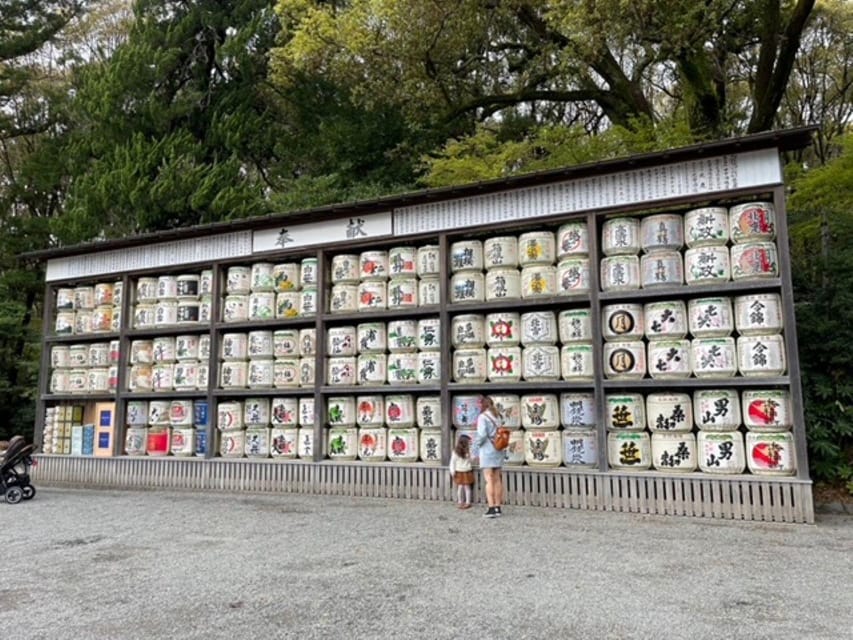
Then it’s time for the shrine that people in Kamakura treat like a centerpiece: Tsurugaoka Hachimangu. This is described as built to display and impress the power of the first shogun, and it has been the symbol of Kamakura ever since.
The shrine is dedicated to Hachiman, the deity of good fortune in warfare. Even if you don’t know Shinto history before you go, you’ll feel the theme: this wasn’t just a religious stop, it was political and cultural messaging in sacred form.
The location is also part of the experience. The shrine sits at the top of the hill, so you get those sweeping views down toward the city. It’s the kind of moment that makes you realize why medieval leaders cared so much about visibility and ceremonies.
One of the best things about this segment is how it connects your earlier Zen temple focus to a different spiritual world, without breaking the flow of the walk. You’re still moving through the same historical city, but the symbols shift—from Zen austerity to shogun-era shrine prestige.
Dankazura and the torii gates: 450 meters of approach history
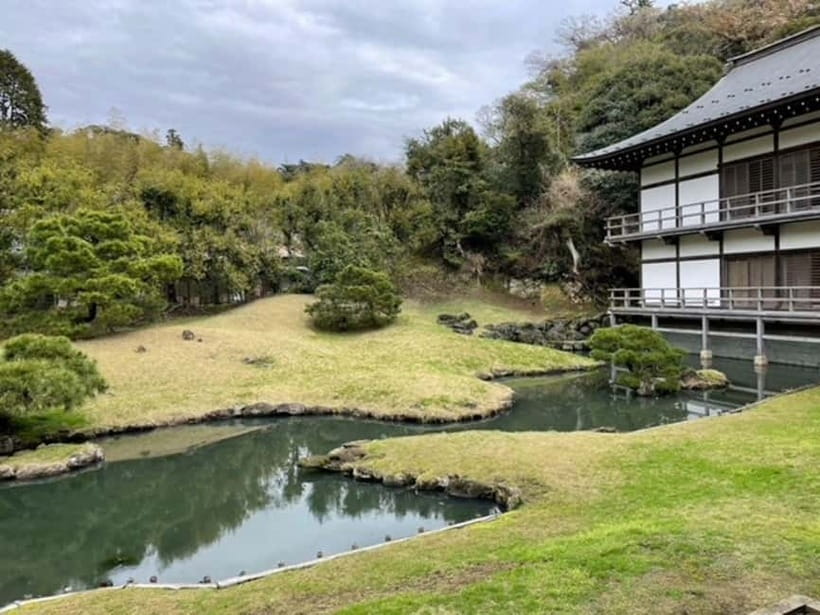
Between shrine areas, you walk through Dankazura, a 450-meter walkway that extends from the former seacoast to the Third Torii gate. This is one of those distances that sounds small on paper, but feels meaningful when you’re walking it slowly and paying attention to where the gates are placed.
Dankazura was built by the first shogun as part of praying for safe delivery of an heir. So the walkway isn’t just a pretty route. It’s tied to succession and power, which is the tour’s core theme.
You then move from the Third Torii gate to the Second Torii gate, which is described as the current starting point of Dankazura. The road is also famous for cherry blossoms, so if you happen to visit during blossom season, you’ll likely see why people talk about it. Even outside that window, the walkway still has a ceremonial feel because it funnels you toward the shrine grounds.
If you’re trying to get the most out of this section, don’t treat it as a transfer. Slow down just enough to notice the gate markers and the change in atmosphere as you get closer to the sacred grounds.
Kamakurabori and lacquerware: ending with something you can hold
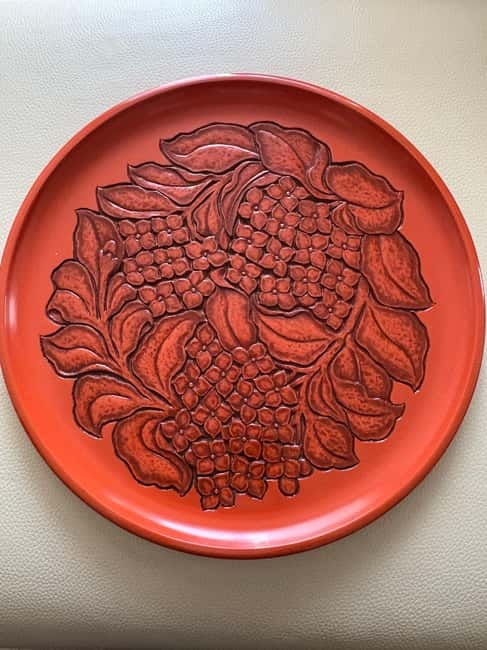
After the temples and shrine, the tour softens into craft. You visit the Kamakurabori Museum, plus a local gift shop and cafe area. The museum visit is guided for about 20 minutes.
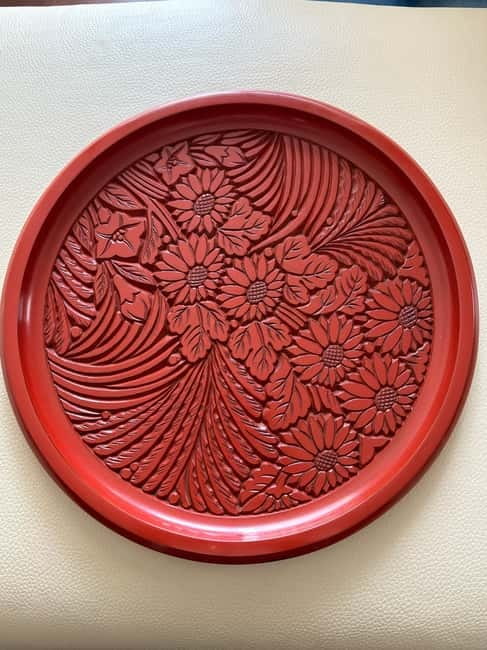
This ending matters because it changes the way you remember Kamakura. Temples stick in your head as shapes and symbols. But craft sticks in your head as process. You learn that Kamakura Lacquerware is a traditional craft associated with Buddhist sculptors from about 800 years ago. During the Edo period (1603 to 1868), it spread beyond ritual items into daily goods, and today it’s popularly used in tea ceremonies.
The tour also notes it’s METI certified as a Japanese traditional craft. Then the museum shows works from the Muromachi period (1336 to 1568) to the present day, so you can see continuity rather than just a single snapshot.
Even better: admission to the Kamakura Lacquerware Museum is included in the tour price. That’s a real value point, because you’re not ending with an optional add-on. It’s part of the deal.
If you’re the type who likes souvenirs with meaning, you’ll likely enjoy browsing. The gift shop+cafe setup gives you a place to decompress, and the lacquerware story helps you understand what you’re looking at instead of buying blindly.
Price and time: where $63 really goes
At $63 per person for about 210 minutes (3.5 hours), the tour sits in a reasonable mid-range for a guided temple-and-culture day in Japan. Here’s what you’re paying for that you’d otherwise piece together yourself:
- A licensed English guide for the walking portion (this is a big chunk of the value)
- 3.5 hours of structured route time
- Admission to the Kamakura Lacquerware Museum
What you do not get bundled:
- Temple entrance fees (the tour estimates about ¥500 each)
- Food and drinks
- Transportation to/from the meeting point or any mid-day transfers
- Optional extras like goshuin (the tour estimates about ¥500 if you want one)
So the smart way to budget is to add a little cash for temple entry. If you skip food because you’re already close to lunch after the tour, that’s fine too. The tour itself doesn’t include meals, and this is a walking experience, not a sit-down one.
The small group size is one of the subtle advantages. The tour is limited to 4 participants, which means you’re more likely to get clear attention when questions come up. It also helps keep the walk smooth.
Walking reality check: stairs, weather, and who should pass
This tour runs rain or shine, so plan for wet pavement and keep traction in mind. The tour also explicitly asks for comfortable shoes because of walking, ups and downs, and stairs.
You should bring:
- Drinks, especially in summer heat
- A hat for sun protection
- Cash for temple fees (and for goshuin if you’re interested)
Now, the practical limits:
- Not suitable for wheelchair users
- Not suitable for people with a cold
- Not suitable for people over 95 years
If you’re traveling with joint issues or you’re recovering from illness, this is where you should be honest with yourself. The 135 stairs at Engaku-ji alone is enough to change the experience from cultural to exhausting if your fitness level doesn’t match.
Should you book this Kamakura First Samurai Capital tour?
I think you should book this tour if you want a tight, meaningful route through Kamakura’s samurai-era spiritual centers, and you like when a guide connects architecture, symbols, and art details into one story. The craft stop at the end is also a strong reason to choose it, because you’re not leaving with only photos of buildings.
Skip it if you know you hate stairs, you can’t handle long walking stretches, or your plan is to do a relaxed, stroller-friendly day. Also, if you’re specifically chasing the Butsuden view at Kencho-ji, remember that Butsuden is listed as closed until 2027, so adjust expectations.
If your goal is a satisfying half-day that balances Zen temples, a major shrine, and Kamakura lacquerware culture, this tour fits well.
FAQ
Where is the meeting point?
Meet at Kita-Kamakura Station, East exit. The guide meets you just outside the ticket gate.
Which train line stops at Kita-Kamakura?
The Yokosuka line is the only train that stops at Kita-Kamakura.
How long is the tour?
The tour lasts about 210 minutes (around 3.5 hours).
Is the tour in English?
Yes, it’s an English live guided tour.
What does the price include?
The price includes 3.5 hours of walking tour with a licensed guide and admission to the Kamakura Lacquerware Museum.
Are temple entrance fees included?
No. Temple entrance fees are not included, and the tour estimates about ¥500 per temple.
How much walking and stairs should I expect?
Expect a lot of walking with ups and downs. There is also a significant stair climb at Engaku-ji (135 stairs).
Is the tour rain or shine?
Yes. The tour takes place rain or shine.
What’s the deal with goshuin?
If you want a goshuin, the tour estimates about ¥500, and you should bring cash.
Is there a cancellation option?
Yes. There is free cancellation up to 24 hours in advance for a full refund.
Kamakura Day Trips, compared.
 ★ 4.5Kamakura & Enoshima Day Trip including Temple TicketsFrom $581,375 reviews
 ★ 4.5From Tokyo: Kamakura & Enoshima 1-Day Bus TourFrom $66189 reviews
 ★ 5.0Kamakura Historical Walking Tour with the Great BuddhaFrom $98129 reviews
Kamakura Private Tour: Temples, Nature, and the Great BuddhaFrom $98121 reviews
Kamakura Walking Tour – The City of ShogunFrom $35100 reviews
★ 5.0Kamakura Historical Walking Tour with the Great BuddhaFrom $98129 reviews
Kamakura Private Tour: Temples, Nature, and the Great BuddhaFrom $98121 reviews
Kamakura Walking Tour – The City of ShogunFrom $35100 reviews
 ★ 5.0Kamakura 8 hr Private Walking Tour with Licensed Guide from TokyoFrom $20180 reviews
 ★ 4.1Kamakura & Enoshima Day Tour with Pickup & Train RideFrom $1361 reviews
 ★ 4.8Kamakura: Private Guided Walking Tour with Local GuideFrom $10660 reviews
Browse the lists this tour appears in