
Reviewed · NIKKO DAY TRIPS
From Tokyo: Nikko luxury Tour with English-speaking Guide
Some days in Japan feel pre-planned. This one feels planned well. The Nikko day trip from Tokyo mixes Nikko Toshogu with big nature moments like Kegon Falls, all while you’re carried around in an air-conditioned van with an English-speaking guide. I like that the guide comes off patient and attentive, with solid regional knowledge, and I like that you get a clear route that still leaves room for photos and breaks. The main catch is simple: it’s a full 10-hour day with walking, so comfortable shoes matter, especially around shrines and viewpoints.
I also like the value angle here. You’re not sharing the whole day with a random crowd; it’s a private group setup for up to 6, with pickup and drop-off in Tokyo included, plus Wi-Fi. One consideration: meals and drinks are not included, even though you’ll have a longer stop at Lake Chuzenji where food and drinks are available to purchase.
In This Review
- Key highlights at a glance
- How the Tokyo to Nikko day fits into 10 hours
- Pickup, van comfort, and the first stretch of the ride
- Shinkyo Bridge: a quick photo stop with guided context
- Nikko Toshogu Shrine: where the details do the talking
- Futarasan jinja: a second shrine stop that adds texture
- Kinugawa Onsen: hiking time plus hot-spring area energy
- Nikko Toshogu Art Museum: a shorter culture stop that can pay off
- Lake Chūzenji: the longer break with food options and big views
- Kegon Falls: the final nature hit with photo time and shopping
- Transport back to Tokyo: end the day with a clean finish
- Price and value: why $414 per group can make sense
- Who this tour suits best (and who should choose differently)
- Practical tips that will make the day easier
- Should you book this Nikko luxury tour?
- FAQ
- How long is the Nikko luxury tour from Tokyo?
- What’s the group size?
- Does the tour include pickup and drop-off in Tokyo?
- What language will the guide speak?
- Is the van air-conditioned?
- What are the main sights included?
- Are meals and drinks included?
- Is Wi-Fi provided during the tour?
- Is the tour wheelchair accessible?
- Is cancellation possible if I change plans?
Key highlights at a glance
- Private group setup for up to 6 means more breathing room and a smoother pace
- English-speaking guide (plus Japanese, Punjabi, Hindi) keeps explanations easy to follow
- Toshogu and nature in one day covers religion, history, and outdoor scenery
- Kegon Falls timing + free time gives you a real chance to enjoy the falls, not rush past them
- Lake Chuzenji break includes time for photos and a longer lunch/BBQ-style stop
- Air-conditioned van with Wi-Fi makes Tokyo to Nikko feel comfortable, not exhausting
How the Tokyo to Nikko day fits into 10 hours
This is a true day trip, built around comfort and clarity. You’ll start with pickup from your Tokyo hotel, then ride in an air-conditioned van to Nikko for a total of about 10 hours from first activation. That matters because Nikko is far enough that the “day trip” label can feel misleading elsewhere. Here, the timing is handled like a proper schedule: van travel blocks, sightseeing blocks, and breaks that prevent the day from turning into one long sprint.
The tour is also private. That’s a big deal for Tokyo visitors who want to see more than the biggest hits, without the stress of navigating trains, buses, and transfers. You’re relying on one driver and one guide workflow, so you don’t spend your energy figuring out what platform you’re on.
And yes, this is where Nikko’s “Romantic Road” vibe can show up in real life: mountain scenery, lakes, waterfalls, hot-spring areas, and even the possibility of wild monkeys in the broader National Park setting. You’re not guaranteed wildlife, but the route is set up so nature is a main character, not a sidebar.
Pickup, van comfort, and the first stretch of the ride
The day begins with Tokyo hotel pickup and ends with a return trip back to Tokyo. The van part is included, and it’s air-conditioned, which becomes more important than people expect when your schedule is tight and the temperature swings.
You also get Wi-Fi in the van. I think that’s more useful than it sounds. It helps you quickly look up train/restaurant options for later, check the weather forecast before you step out for longer walks, and keep your maps organized for photo stops.
If you’re the type who likes to plan photo angles, you’ll also appreciate that the schedule includes explicit photo stops early on. That means you’re not doing guesswork at random roadside pull-offs.
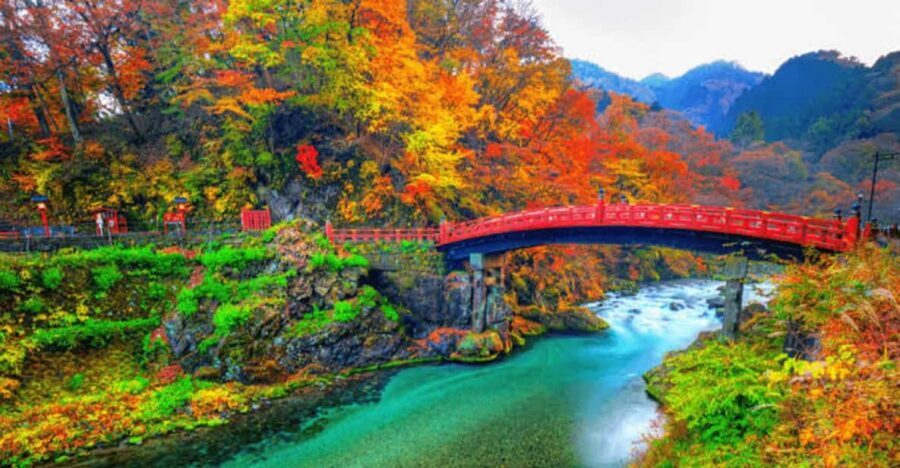
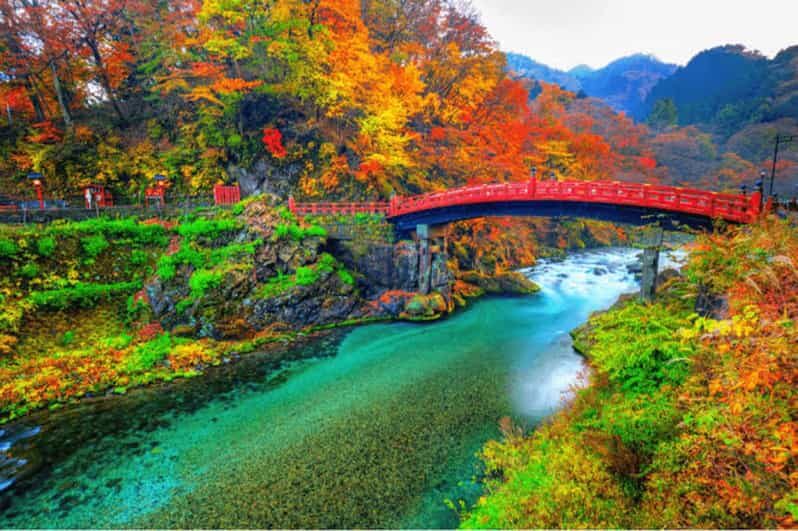
Shinkyo Bridge: a quick photo stop with guided context
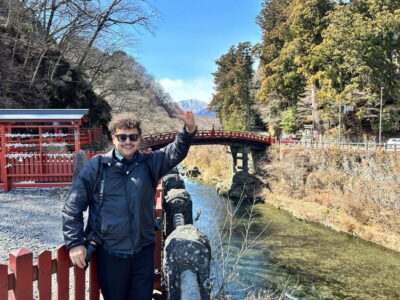
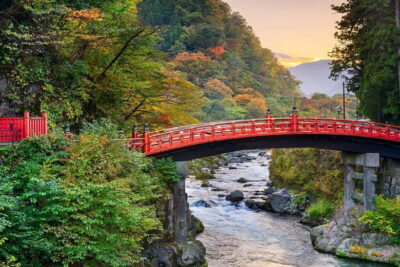
The first major sightseeing block after the ride is Shinkyo Bridge. Expect a photo stop and a guided tour with a short walk. On paper, it looks like a small stop. In practice, it sets the tone for the whole day: Nikko isn’t only about one “big” site. It’s a sequence of places where you understand what you’re looking at.
Here’s the practical way to treat this stop: use it to get your bearings. Your guide can frame what comes next and how the shrine area connects to Nikko’s broader cultural feel. That’s also when you can decide how your group wants to handle walking—some people want a slow photo loop, others want to move quickly to save energy for later.
If your feet get sore easily, I suggest you treat the Shinkyo walk as a warm-up, not a workout. Pace matters.
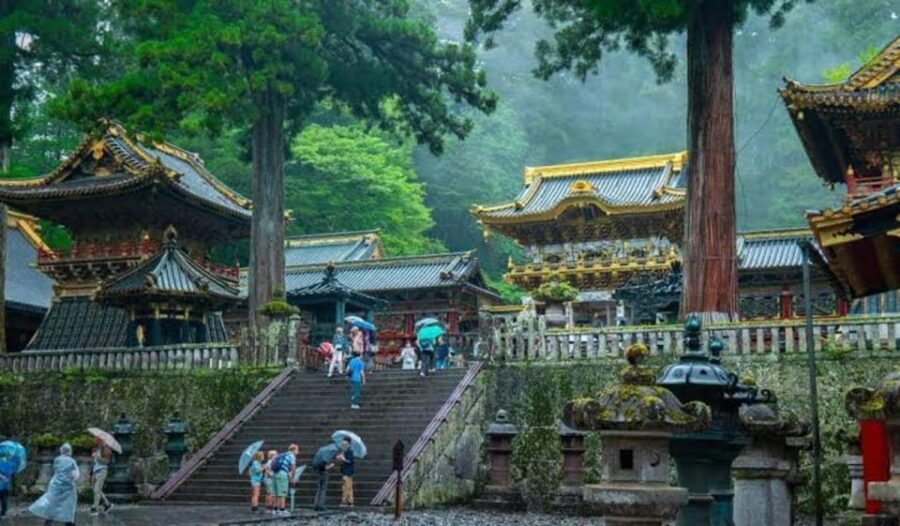
Nikko Toshogu Shrine: where the details do the talking
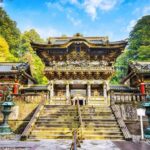
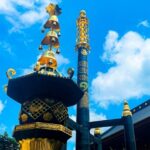
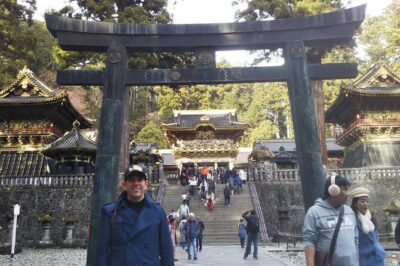
Your biggest heritage stop is Nikko Toshogu Shrine. This is described as Japan’s most lavishly decorated shrine, and it also functions as the mausoleum of Tokugawa Ieyasu, the founder of the Tokugawa shogunate. That combination matters. You’re not just touring a pretty shrine. You’re stepping into a place designed to communicate power, belief, and status through the artistry.
The tour format here includes a guided tour plus time to walk and explore. I like this approach because Toshogu-style sites can overwhelm you if you’re moving too fast or if you’re only staring at what catches your eye. A guide helps you notice what to look for: symbolism, layout cues, and why the place is treated as important year after year.
Potential drawback: it’s a popular area, and even with a schedule, you’ll want to manage your expectations. This is not a quiet, empty shrine moment. Wear shoes you can trust, and plan for steady movement. If you’re in a photo-heavy mode, you’ll do best by stopping when your guide tells you to, then letting your camera rest between major viewpoints.
Futarasan jinja: a second shrine stop that adds texture
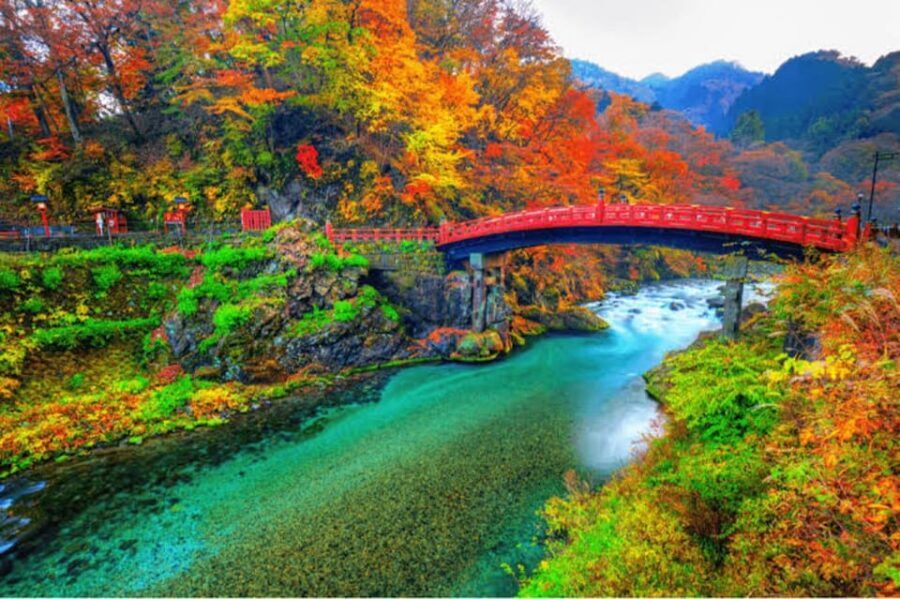
After Toshogu, you’ll head to Nikko Futarasan jinja. This stop includes a photo stop, visit, and guided tour, with about an hour allocated. It’s a smart pairing because it gives the day more rhythm. One shrine can feel like a highlight that overshadows everything else; two shrines in a row helps you compare what each place emphasizes.
This is also a chance to slow down and notice how sacred places can feel different even when they’re close together. Your guide’s job here is to keep you from treating it like a repetition. If the first shrine is about grand decoration and a major mausoleum, the second helps round out your understanding of Nikko’s spiritual landscape.
Practical tip: bring your camera, but don’t let it turn the hour into constant shooting. Save a few “real viewing” moments where you put the phone down for a minute and just let the place land.
Kinugawa Onsen: hiking time plus hot-spring area energy
Next is Kinugawa Onsen, with time for a visit, guided tour, photo stop, and a hiking segment of about one hour. Even though the tour doesn’t promise a specific onsen bath experience, it does give you what many travelers actually want here: a physical stretch and a change of pace after shrine walking.
Think of this stop as the day’s reset button. You’ll get outdoors, you’ll move your body a bit, and you’ll get back some perspective before the lake-and-waterfall part of the route.
One consideration: hiking time means you’ll need footwear with grip. The tour gives you the total plan, but trail conditions vary. If the weather is wet or icy, go slow and watch your footing. This is also a day where layering helps; mountain areas can feel different from central Tokyo.
Nikko Toshogu Art Museum: a shorter culture stop that can pay off
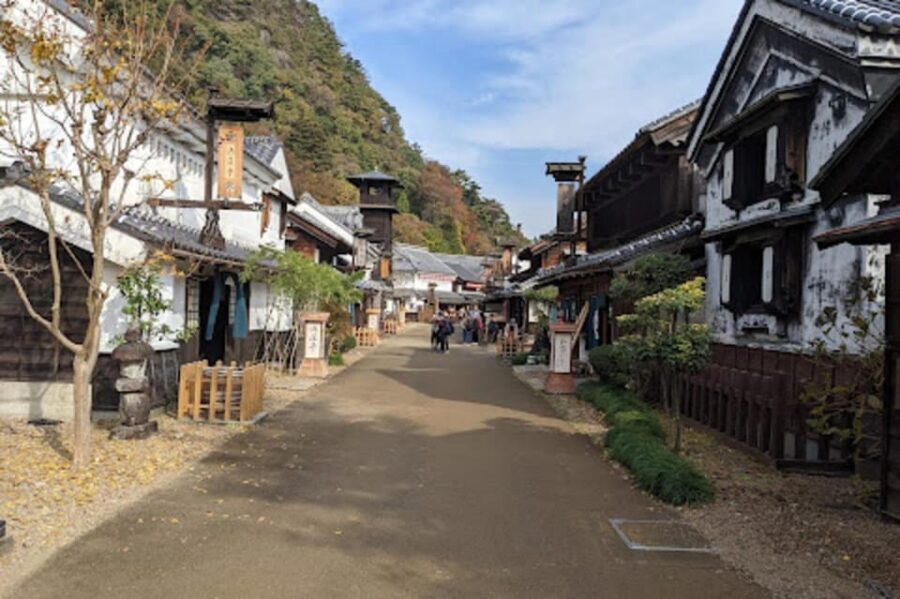
You’ll also stop at Nikko Toshogu Art Museum. This includes a photo stop, guided tour, sightseeing, and a walk for about an hour. If you’re wondering whether a museum stop makes sense during an already full day, I think it does—because it supports what you’re seeing at Toshogu Shrine.
You’re essentially getting two ways to understand the same theme: the shrine experience in place, and the art context that helps you interpret the decoration and craftsmanship. Even if you don’t go deep on museum content, the guided portion helps you connect the dots quickly instead of guessing on your own.
If you’re the kind of traveler who prefers maximum outdoor time, you might treat this as a “good to know” stop: walk through with your guide, take key points, then move on.
Lake Chūzenji: the longer break with food options and big views
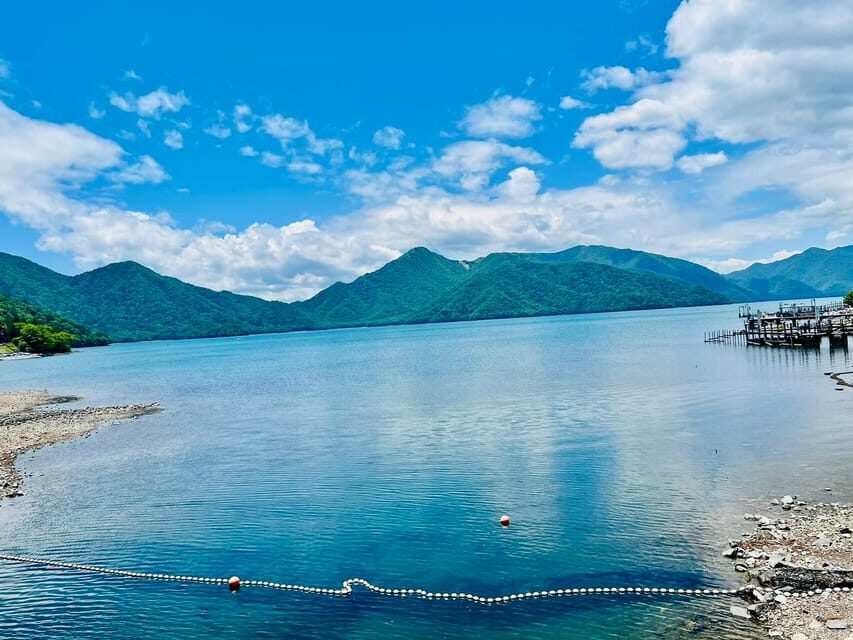
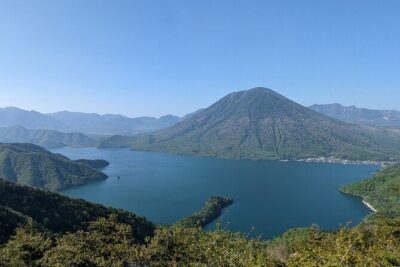
Then comes Lake Chūzenji, one hour of break time plus photos. The schedule also lists beer and tea, plus lunch/BBQ and food tasting options during this stop. At the same time, meals and drinks are listed as not included overall, so treat this as your chance to buy food and drinks rather than something automatically covered.
This stop is the day’s comfort moment. After hours of walking and guided sightseeing, you get time to sit, breathe, and enjoy the lake setting above Nikko. The best use of the hour is to do two things: take a few photos early, then save some time to just hang out without rushing back to the van.
If you’re traveling in colder months, this is also when you’ll want to dress warm. Lakeside mountain air can feel sharper than you expect.
Kegon Falls: the final nature hit with photo time and shopping
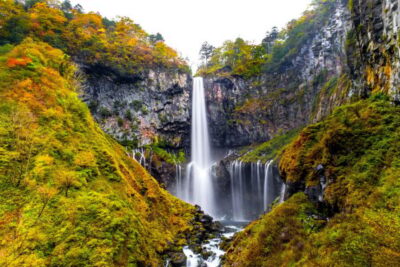
Your last big outdoor moment is Kegon Falls, one of the three great waterfalls of Nikko. The schedule includes a photo stop, visit, guided tour, free time, shopping time, a walk, and even a sunset element built into this block.
This is where I think the pacing of the tour matters most. You’re not just told to see the falls and move on. You get time to enjoy them properly. Free time plus a walk gives you options depending on your group energy: you can stick near the main viewpoint area or take your time exploring along the falls zone.
Practical advice: bring your camera settings ready, and keep an eye on how wet mist might affect lenses or phone cases. Also, plan your footing during the walk. Waterfalls areas can be slippery even when the air feels mild.
Transport back to Tokyo: end the day with a clean finish
After Kegon Falls, the van ride returns you to Tokyo. The structure here is helpful: you’re not mixing a last-minute sprint with a major transfer. You get a clear exit from Nikko, which helps if you’re trying to avoid a travel-day headache.
The whole route is designed so you can go home without feeling like you missed half the day. Reviews also point toward a smooth experience where you’re never rushed, and the guide communicates well ahead of time. Even if you arrive in Tokyo without much structure, this tour gives your day a backbone.
Price and value: why $414 per group can make sense
At $414 per group up to 6, the pricing reads high if you compare it to a cheap public-transport day. But if you compare it to what you’re actually getting, it starts to look fair.
Here’s what’s included from the value side:
- Tokyo pickup and drop-off
- Comfortable air-conditioned van
- English-speaking driver/guide support during the day
- Wi-Fi
- A private group setup
And here’s what you should expect to pay yourself:
- Meals and drinks
- Personal expenses
- Airport pickup/drop-off (not included)
For couples or small friend groups, this can be a strong deal because the van and guide cost are spread across more people. If you’re solo, it can still be worth it for the mental simplicity. But for bigger groups, it’s usually where you feel the best value.
The key is that this isn’t only about transportation. The guided context at Toshogu and the shrine areas is the multiplier. Without a guide, you might still enjoy the scenery, but you’d miss a chunk of why the sites matter.
Who this tour suits best (and who should choose differently)
This Nikko luxury day trip fits best if you want:
- One-day access to Nikko’s top cultural stop (Nikko Toshogu) plus major nature moments (Kegon Falls and Lake Chūzenji)
- An English-speaking guide who can explain what you’re looking at
- A private group setup so you don’t get dragged along at someone else’s pace
- Comfort-focused transport from Tokyo
It may not be ideal if you’re chasing a very slow, independent travel style. This is scheduled, with defined stops and walking time. If you prefer to wander without a timeline, you might prefer a more flexible self-guided approach.
Practical tips that will make the day easier
- Wear comfortable shoes. You’ll do multiple guided walks and a hiking segment.
- Check the weather forecast and dress for mountain conditions.
- Bring a camera, obviously, but also bring water and a small snack plan since meals aren’t included.
- If your group has different energy levels, agree early on who wants to linger at photo points and who wants to move quickly.
- Use the van Wi-Fi to confirm weather and to plan what you want to buy during the Lake Chūzenji break.
Should you book this Nikko luxury tour?
I’d book it if you want a high-structure day that still feels human: private group, comfortable transport, and guide-led time at the two biggest anchors—Toshogu and the waterfall-lake pair. It’s also a good pick if you’re short on days in Japan and don’t want to wrestle with transit logistics.
Skip it only if you’re determined to travel at your own pace with no schedule, or if you know your feet won’t handle a full day of walking and a hiking segment. Otherwise, this is a solid, well-balanced Nikko intro from Tokyo.
FAQ
How long is the Nikko luxury tour from Tokyo?
It runs for a valid 10 hours, measured from first activation.
What’s the group size?
This is a private group for up to 6 people.
Does the tour include pickup and drop-off in Tokyo?
Yes. Pickup and drop-off in Tokyo are included.
What language will the guide speak?
The tour provides a live guide in English, Japanese, Punjabi, and Hindi.
Is the van air-conditioned?
Yes. The tour includes a comfortable air-conditioned van.
What are the main sights included?
You’ll visit Nikko Toshogu, Shinkyo Bridge, Nikko Futarasan jinja, Kinugawa Onsen, Nikko Toshogu Art Museum, Lake Chūzenji, and Kegon Falls.
Are meals and drinks included?
No. Meals and drinks are not included.
Is Wi-Fi provided during the tour?
Yes. Wi-Fi is included.
Is the tour wheelchair accessible?
Yes, it is wheelchair accessible.
Is cancellation possible if I change plans?
Yes, free cancellation is available up to 24 hours in advance for a full refund.
More Tours in Nikko

More Tour Reviews in Nikko
North Again: More Nikko Trips
Nikko Day Trips, compared.
 ★ 4.6Nikko: Kegon Falls, Lake Chuzenji & Toshogu TempleFrom $891,577 reviews
 ★ 4.5Nikko Toshogu Shrine and Kegon Waterfall TourFrom $841,266 reviews
 ★ 5.0Nikko Full-Day Private Tour with Government-Licensed GuideFrom $155259 reviews
 ★ 4.9From Tokyo: Nikko World Heritage Site Private Full-Day TripFrom $483243 reviews
 ★ 4.3Nikko: Edo Wonderland Edomura Cultural Theme Park TicketFrom $35205 reviews
From Tokyo: Nikko World Heritage Sight Full Day Private TourFrom $362127 reviews
★ 4.3Nikko: Edo Wonderland Edomura Cultural Theme Park TicketFrom $35205 reviews
From Tokyo: Nikko World Heritage Sight Full Day Private TourFrom $362127 reviews
 ★ 4.9Nikko – Beautiful Full-Day Personal and Private TourFrom $364119 reviews
 ★ 5.0Chartered Private Tour – Tokyo to Nikko, Toshogu, Edo WonderlandFrom $1,286105 reviews
Browse the lists this tour appears in