
Reviewed · JDM DRIFT CAR EXPERIENCES
Daikoku Car meet: Tokyo Drift Car Club membership
Tokyo car nights move fast.
This is a guide-led Daikoku Parking Area meet experience built for people who actually care about Japanese cars, not just looking at them. You start in Akihabara, then roll along Tokyo’s famous roads toward the Bayshore area, with big-city landmarks like Rainbow Bridge and Tokyo Tower built into the evening.
I especially like the transport included angle. You get to focus on the ride, the photos, and the car culture moments—without trying to plan a route through Tokyo traffic on your own. I also like the short but smart Super Autobacs stop, which gives you a real shopping break in a place where car owners hang out.
One thing to consider: the “cool sports car” part depends on the guide and setup. In at least one case, the vehicle assignment didn’t match expectations, so go in knowing vehicle type can vary. Also, language support can be inconsistent; one guide named Kaito (Keito?) was reported as English-speaking, while another experience noted a language barrier.
In This Review
- Key things to know before you go
- Why the Daikoku Parking Area car meet works best with a club
- Akihabara meetup: convenient starting energy, easy to find
- Rolling through Tokyo’s car legends: the Wangan-sen moment
- Super Autobacs: the owner hangout shop stop
- Daikoku Parking Area: how to enjoy the main event
- Tokyo Tower outside photo stop, plus the Rainbow Bridge pass
- Cars, group ride setup, and why vehicle choice matters
- Timing and the real feel of a 4–5 hour Tokyo car night
- Price value: what $171.93 buys you in Tokyo
- Who should book this Tokyo Drift Car Club-style experience
- Should you book? My take for first-time Tokyo visitors
- FAQ
- Where is the meeting point and where does it end?
- How long is the experience?
- What’s the group size?
- What cars might I ride in?
- Is Tokyo Tower entry included?
- Do we stop at Rainbow Bridge for photos?
- What happens at Super Autobacs?
- Is Daikoku Parking Area admission included?
- What if the weather is bad or I need to cancel?
Key things to know before you go
- Small group (max 12) means you’re not lost in a crowd when it’s time to meet up.
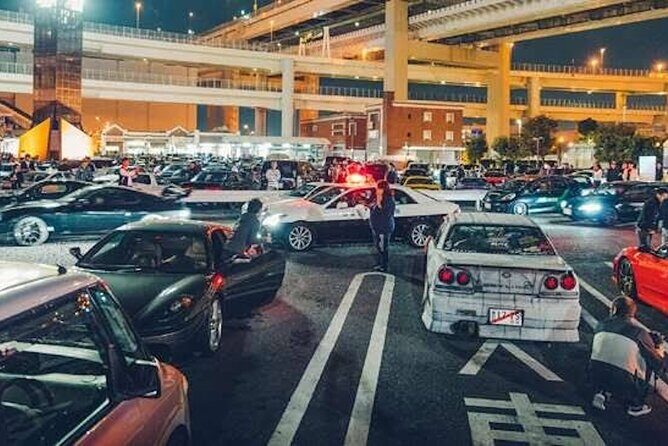
- Daikoku PA is the main event with about 2 hours there and admission included.
- Transport is part of the value so you can spend your attention on cars and photos instead of logistics.
- Super Autobacs is a legit auto-parts and owner hangout stop (admission-free, ~30 minutes).
- Tokyo Tower is only an outside photo stop; tickets aren’t included.
- The experience is weather-dependent, since it’s a night-drive style outing.
More horsepower: other JDM and drift experiences
- GT-R35 800hp Club Membership – secret underground car meet★ 4.8 · 998 reviews
- Secret Car Meet: R34 Skyline Car Club Membership★ 4.8 · 494 reviews
- Tokyo Drift: Daikoku PA Supreme Car Experience 大黒PA★ 4.7 · 372 reviews
Why the Daikoku Parking Area car meet works best with a club
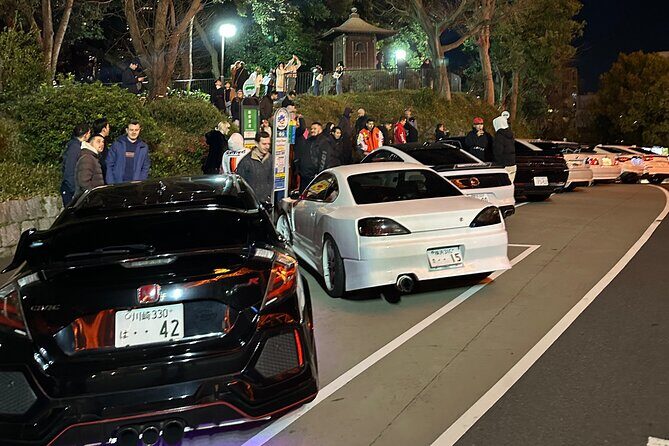
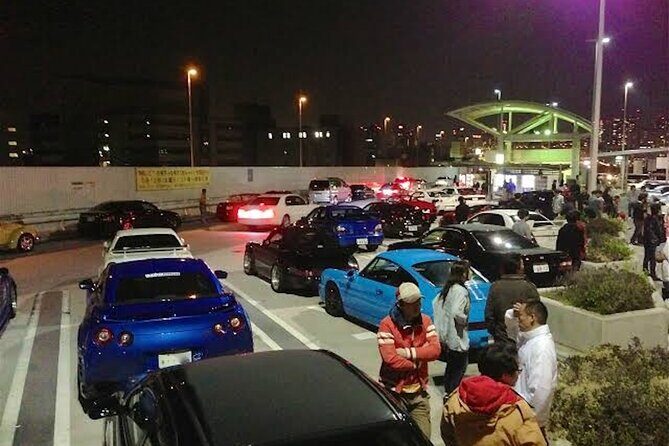
Daikoku Parking Area isn’t just a place. It’s a ritual. The whole experience runs on momentum: cars pulling in, people milling around, and that unmistakable feeling that everyone there shares the same obsession.
The big win here is that you’re not trying to stitch this together on your own. You’re placed into the rhythm of a club-style outing: meet up, get transported as a group, hit the key photo-worthy sights, then land at Daikoku when the atmosphere is ready to perform. For most visitors, that’s the difference between a one-off photo stop and a real car-culture evening.
And yes, this is for people who want the scene. If you’re expecting a slow sightseeing day with lots of narration, this will feel more like a moving hangout than a museum tour.
Akihabara meetup: convenient starting energy, easy to find
Your meet point is Tully’s Coffee – Akihabara UDX (1F) at Sotokanda, Chiyoda City, inside the Akihabara UDX building area. It’s a practical choice: it’s close to the kind of transit that makes Tokyo days easier, and you start somewhere familiar enough that you don’t waste the evening hunting for the group.
Akihabara is also a smart “warm-up” neighborhood before you head into car culture. Even if your interests are cars first, it helps to start the night in an area that’s already full of people and energy. If you need a snack or a quick coffee before the drive, you’ll likely be able to handle it without stress.
Rolling through Tokyo’s car legends: the Wangan-sen moment
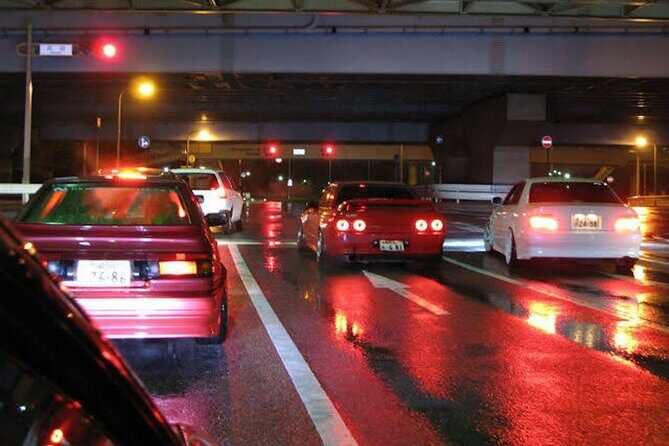
At some point during the drive, you’ll hit the Wangan-sen, the Bayshore highway stretch that’s famous in Japanese car culture. The point of this stop isn’t road trivia for trivia’s sake. It’s that you’re moving along a route that’s part of the mythology—where fast-night culture became a story Japan tells for decades.
You’ll also be passing by major landmarks around Tokyo Bay. One of the best parts is how the night lighting changes the mood. Bridges and skyline views look different after dark, and this kind of route gives you that “Tokyo at speed” feeling that you don’t get from a standard bus tour.
One practical tip: if you care about photos, keep your phone charged and your outer layer ready. Tokyo evenings can stay cool, and you’ll be spending time standing around at stops.
Super Autobacs: the owner hangout shop stop
A lot of tours promise shopping. This one puts you into Super Autobacs (A-PIT)—Japan’s large auto parts and accessories store in Tokyo—with time to browse and reset your brain.
What makes this stop worth it for car people is that Autobacs isn’t just retail. Owners and enthusiasts show up for maintenance parts, accessories, and gear. So even if you don’t buy much, you’ll still see how car culture behaves in real life: people comparing items, talking shop, and grabbing what they need for their rides.
You’ll have around 30 minutes and an admission ticket that’s listed as free. That timing is short, so don’t plan to treat it like a full shopping mall. Think of it as a curated burst: stickers, keychains, car magazines, maybe a small accessory you can actually carry home. (One detail worth knowing: magazines that are rare overseas can be expensive, so if you’re collecting, decide early before your time runs out.)
Also, if you get a craving for a quick drink, the vibe supports that. It’s a good break that keeps the energy from draining before you reach Daikoku.




Daikoku Parking Area: how to enjoy the main event
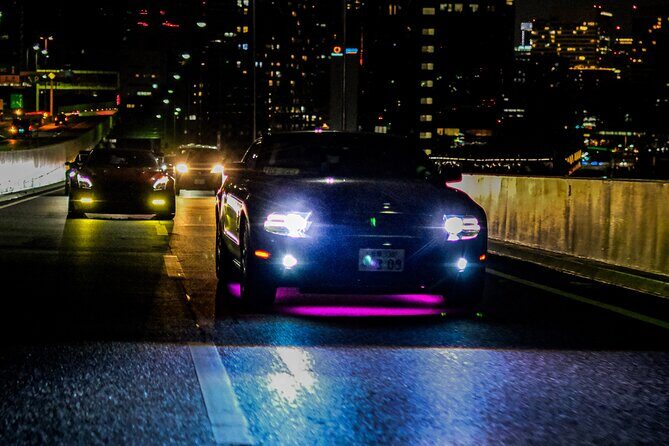
This is the reason you booked.
Daikoku PA is described as Heaven on Earth for Japanese car culture fans, and the experience is built around a long enough stay to actually enjoy the flow. You’re allotted about 2 hours here, and admission is included. That matters because Daikoku isn’t a “blink and you’re done” stop. The scene builds and shifts.
Here’s what I’d aim to do during that time:
- Start by scanning the perimeter. Cars come and go, and the lineup changes.
- Take photos early, then again later. You’ll get different angles and different cars as the lot fills.
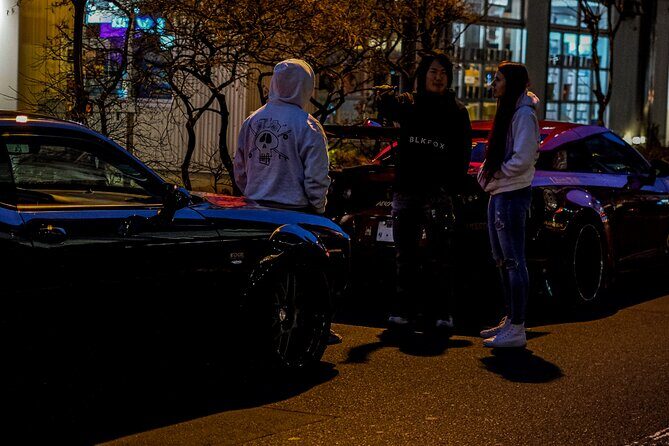
- Watch how people interact. This is where the culture shows up beyond the cars themselves—how they talk, how they dress, and how they hang out.
The strongest praised aspect from the experiences shared is how continuous the stream of cars and people feels. If you’re into Japanese car aesthetics—JDM styling, clean fitment, the whole vibe—this is the moment you want to be present for.
What about expectations? Don’t expect a quiet, orderly environment. This is an active car meet. If you get stressed by crowds or noise, adjust your mindset. But if you like energy, it’s a huge part of the fun.
Tokyo Tower outside photo stop, plus the Rainbow Bridge pass
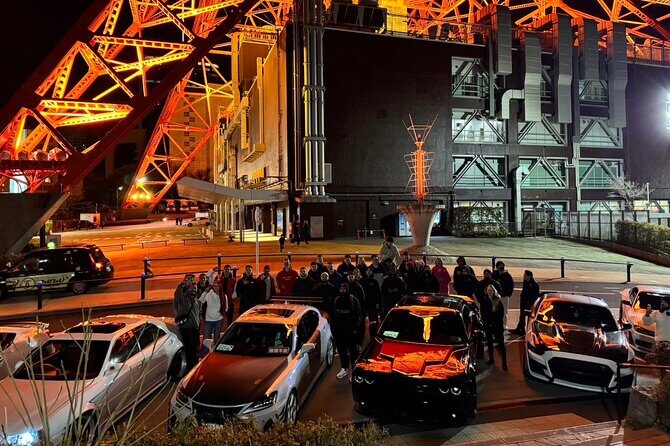
Tokyo Tower is included only as a photo stop outside. Tickets are not included, and the stop is about 20 minutes. So if you love climbing towers and doing indoor views, you’ll need a different plan. Think of this as your classic Tokyo “I was here” photo moment, not a full attraction visit.
The Rainbow Bridge component is different. The experience includes a pass by Rainbow Bridge with no dedicated photo stop. In practical terms: you’ll likely get the landmark view while moving, not through a long stop-and-shoot window.
Both elements still help the night feel like a real Tokyo tour, because they anchor the car culture moment inside the city’s iconic skyline. That contrast—famous landmarks plus real-world car energy—is exactly what makes the evening memorable.
Cars, group ride setup, and why vehicle choice matters
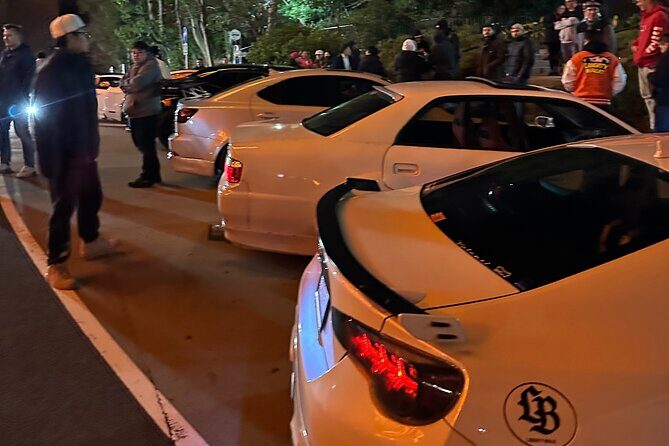
The advertised car vibe includes rides in cars such as a Silvia S15 or a Toyota Chaser, depending on the guide and setup. In the best-case scenario, you’re in a sports car experience that feels like a movie scene: a caravan of cars, drivers who understand the roads, and photo moments that actually work.
One name that came up in positive feedback was Kaito (Keito?). People specifically noted English communication and a driving style that felt spirited. Another praised the idea of a group caravan on Tokyo roads for better pictures and video.
But here’s the balanced part: one negative experience called out a vehicle mismatch, where a family ended up in a van rather than the sports car setup they expected. That doesn’t mean it’s common—but it’s enough to matter.
So how should you plan?
- Treat the sports car as the goal, not a guaranteed seat in a specific model.
- If you’re traveling as a group, confirm what matters to you: sports car ride vs any vehicle in the club drive setup.
Timing and the real feel of a 4–5 hour Tokyo car night
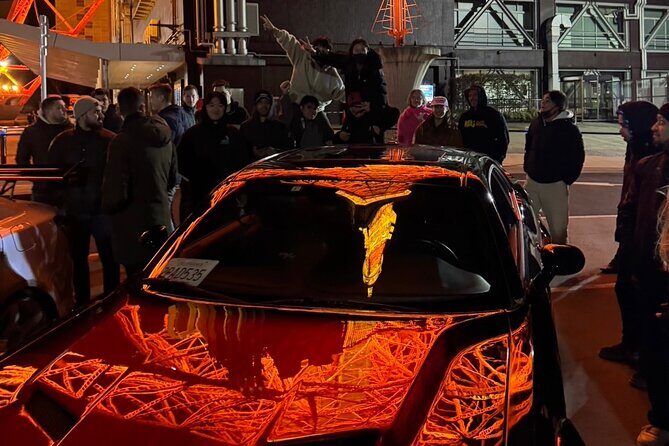
The total duration is listed as 4–5 hours, and that includes travel time. In practice, that’s a sweet spot for this style of experience: long enough to feel like you did something special, short enough that you don’t lose your whole evening to traffic and waiting.
You also have structured stops, which helps. You’re not left wondering when the next moment happens. You get:
- a start point in Akihabara,
- a highway/landmark drive segment with major road energy,
- a Super Autobacs browsing break,
- a longer Daikoku PA block where the scene matters,
- and a final outside photo stop at Tokyo Tower.
If you want the night to work well, show up on time. With a small group (max 12), delays ripple fast.
Price value: what $171.93 buys you in Tokyo
At $171.93 per person, you’re paying for three things that add up in Tokyo: guided organization, time at Daikoku PA, and transport that gets you there and back without you playing traffic chess.
Let’s break down the value in a practical way:
- Transport included: You avoid the hassle of planning multiple transfers and route timing for a night car meet.
- Daikoku time (about 2 hours) + admission included: This is the core experience cost. You’re not paying for a fleeting look.
- Super Autobacs stop: That’s a meaningful add-on for car fans. Admission is listed as free for the stop, and the time is built in.
- Iconic Tokyo photo moments: Rainbow Bridge pass and Tokyo Tower outside pictures round out the night beyond cars only.
So the price makes sense if you’re a car person looking for the real scene, not just generic sightseeing. If you’re more interested in classic monuments or museum time, this may feel like too much “car night, not tour day.”
Who should book this Tokyo Drift Car Club-style experience
This is best for:
- car enthusiasts who want Daikoku PA as the highlight,
- people who like photo and video moments made possible by a group route,
- anyone who would rather have a guide handle timing and meeting points,
- visitors who enjoy Japan pop culture neighborhoods like Akihabara and want the car scene angle.
It might not be the right fit if:
- you need lots of indoor stops,
- you expect a guided walking tour with constant commentary,
- you’re sensitive to crowd energy at night.
The vehicle assignment can vary, so if your dream is a specific sports car, keep that flexible. Still, the overall setup aims for the kind of evening where car culture becomes the main event.
Should you book? My take for first-time Tokyo visitors
Yes—if you’re drawn to Japanese car culture and you want a night out that feels like Tokyo in motion. The combination of Daikoku PA time, a real car-parts stop at Super Autobacs, and quick access to major landmarks makes this a strong value plan for an evening.
If you’re on the fence, use this quick checklist:
- Are you excited about cars, not just tourism photos?
- Can you handle a “night hangout” atmosphere with crowds and energy?
- Are you okay with Tokyo Tower being outside-only?
- Do you understand that the exact vehicle setup can vary?
If you said yes to most of that, book it. If your priorities lean toward quiet sightseeing, you’ll likely feel happier choosing a more traditional Tokyo day.
FAQ
Where is the meeting point and where does it end?
You meet at Tully’s Coffee – Akihabara UDX (Akihabara UDX 1F), Sotokanda 4-chōme 14-1, Chiyoda City, Tokyo. The activity ends back at the meeting point.
How long is the experience?
It runs about 4 to 5 hours, and that duration includes travel time.
What’s the group size?
The group has a maximum of 12 travelers.
What cars might I ride in?
The experience suggests rides in cars such as a Silvia S15 or a Toyota Chaser, depending on the guide and setup.
Is Tokyo Tower entry included?
No. You only get a photo stop outside Tokyo Tower. Tickets are not included.
Do we stop at Rainbow Bridge for photos?
No. Rainbow Bridge is passed by and the plan lists it as no photo stop.
What happens at Super Autobacs?
You’ll have a shopping/coffee break at A-PIT Super Autobacs. The stop is about 30 minutes, and admission is listed as free.
Is Daikoku Parking Area admission included?
Yes. Daikoku PA admission is included, and you get about 2 hours there.
What if the weather is bad or I need to cancel?
The experience requires good weather. If it’s canceled due to poor weather, you’ll be offered a different date or a full refund. Cancellation is free up to 24 hours in advance for a full refund; within 24 hours, the amount is not refunded.
More Tour Reviews in Tokyo



For the Petrolheads: More JDM Days
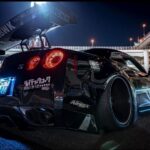
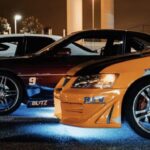
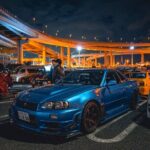
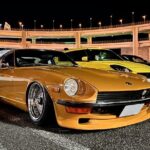
Fresh reviews from around Tokyo






JDM Drift Car Experiences, compared.
 ★ 4.8GT-R35 800hp Club Membership – secret underground car meetFrom $205998 reviews
 ★ 4.8Fast & Furious Tokyo Drift 3 Experience (Kaila Yu SP)From $157947 reviews
Daikoku JDM Car Meet & Night Car Culture TourFrom $98626 reviews
★ 4.8Fast & Furious Tokyo Drift 3 Experience (Kaila Yu SP)From $157947 reviews
Daikoku JDM Car Meet & Night Car Culture TourFrom $98626 reviews
 ★ 4.8Secret Car Meet: R34 Skyline Car Club MembershipFrom $236494 reviews
 ★ 4.9EVO, WRX, Skyline – JDM Night Run to Daikoku Car MeetFrom $125478 reviews
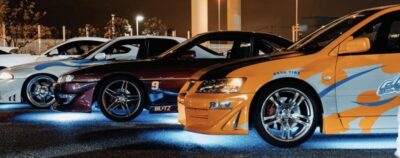 ★ 4.7Tokyo Drift: Daikoku PA Supreme Car Experience 大黒PAFrom $58372 reviews
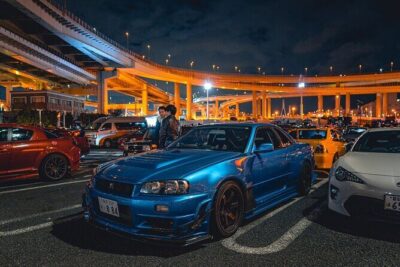 ★ 4.5Daikoku Car Club Temporary MembershipFrom $145275 reviews
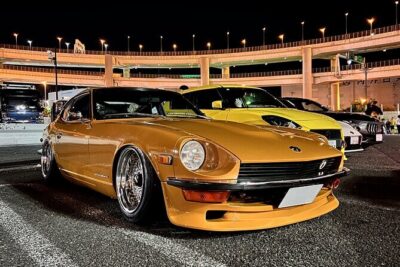 ★ 5.0Daikoku JDM Car Meet & Night Car Culture TourFrom $99232 reviews
Browse the lists this tour appears in