
Reviewed · TOKYO
Yanaka Walking Tour: Historic and Traditional District of Tokyo
Old Tokyo starts right on your feet. Yanaka gives you a calmer Tokyo moment, with well-preserved streets that trace back to the Edo period (16th–19th centuries). I love that the route isn’t just temples and pretty views; it’s daily-life Tokyo, from cemetery paths to the old shopping street at Yanaka Ginza.
Two things I especially like: the English-speaking guides (people like Keita, Charlotte, and Michiko show up on different days) who explain what you’re seeing and how to move respectfully, and the focus on Yanaka’s lived-in character rather than a rushed checklist. The tour’s structure also gives you balance—quiet religious sites plus a shopping-street finale where you can snack and breathe.
One drawback to plan for: you’ll do a lot of walking over a 3.5-hour format, and the cemetery portion can feel like a time sink if you want lighter sightseeing.
In This Review
- Key moments
- Yanaka: Tokyo’s old-street reset
- Meeting at Nippori: easy start, low stress
- The walking pace: why comfy shoes matter
- Stop 1: Yanaka District and the Edo-era feel
- Stop 2: Tennoji Temple on the edge of the cemetery
- Stop 3: Yanaka Cemetery—huge scale, gentle storytelling
- Optional stop: Tea on tatami at Gallery Okubo
- Optional stop (afternoon): SCAI The Bathhouse in a real old building
- Optional stop: Shitamachi Customs Museum & Exhibit Hall
- Optional stop (afternoon): Edokoro Alan West
- Stop 7: Nezu-area shrine grounds with trees, ponds, and azalea
- Stop 8: Yanaka Ginza Shopping Street and snack strategy
- What guides add: etiquette, context, and practical answers
- Price and value: is $72.96 worth it?
- Optional stops: how to choose without overloading your day
- What to bring for a comfortable walk in Tokyo
- Should you book the Yanaka Walking Tour?
- FAQ
- FAQ
- How long is the Yanaka Walking Tour?
- What’s the meeting point for the tour?
- Does the tour include an English-speaking guide?
- Are the temple and cemetery visits included in the price?
- Are food and drinks included?
- What optional activities are available?
- What time do tours start?
- Can I get a refund if I cancel?
- Is there a maximum group size?
Key moments
- Yanaka’s Edo-period streets: escape skyscraper Tokyo for a more old-neighborhood pace
- Tennoji Temple (1274): a long-lived Buddhist site on the edge of the cemetery
- Yanaka Cemetery: a massive 100,000 m² place with 7,000+ graves
- Optional culture breaks: tea on tatami at Gallery Okubo, and contemporary art at SCAI The Bathhouse
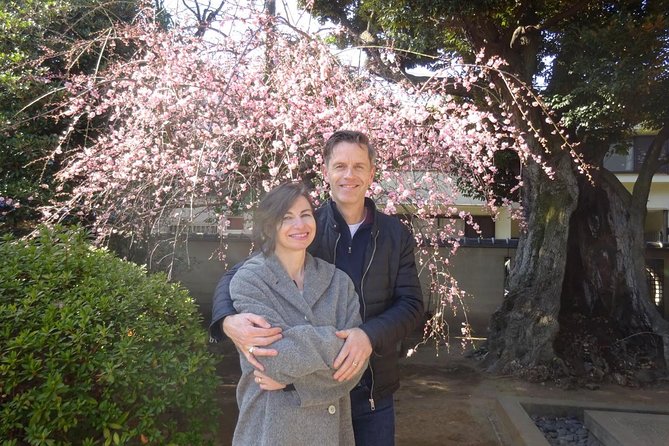
- Nezu-area shrine experience: old shrine grounds with famous large trees and seasonal azalea (plus ponds and paths)
- Yanaka Ginza Shopping Street: an easy, fun finish with local snacks
Before you commit, see how this one stacks up against a few Tokyo favourites:
- Mt Fuji and Hakone 1-Day Bus Tour Return by Bullet Train★ 5.0 · 26,383 reviews
- 1-Day Tokyo Bus Tour★ 5.0 · 14,250 reviews
- Tokyo: teamLab Planets TOKYO Digital Art Museum Entry Ticket★ 4.6 · 9,779 reviews
Yanaka: Tokyo’s old-street reset
Yanaka is the kind of neighborhood that makes Tokyo feel human again. Instead of big avenues and instant views, you get narrow streets, small gates, and the sense that people have been walking these routes for generations.
This matters because Edo-period Tokyo isn’t something you can “see” in one photo. You understand it better when you slow down, look at the mix of homes and religious spaces, and notice how the neighborhood still functions as a real place.
Meeting at Nippori: easy start, low stress
The tour meets at Nippori Station (2 Chome-19 Nishinippori, Arakawa City). The good news is that it’s near public transportation, so you’re not stuck solving a puzzle just to begin.
It runs either a 9:00 am start or a 14:00 pm start, and it ends back at the meeting point. That loop is practical: you can plan the rest of your day without guessing how to get back across Tokyo.
The walking pace: why comfy shoes matter
This is a walking tour with a stated requirement of moderate physical fitness. Even if you’re not pushing the pace, you’ll be on your feet for about 3 hours 30 minutes.
A common real-world lesson from this kind of route: bring comfortable shoes and plan for weather. One guide-led experience was still memorable in rain, but you’ll enjoy it more if you’re prepared with a light layer and a way to stay dry.
Stop 1: Yanaka District and the Edo-era feel
The first stop is simply getting oriented in Yanaka District, where you’ll start seeing the neighborhood’s older character. You’re looking for small clues: the way streets bend, where temples sit, and how the neighborhood layout supports daily life.
This opener is also useful if it’s your first time in Tokyo. It gives you a foundation for the rest of the tour, so later stops don’t feel random.





Stop 2: Tennoji Temple on the edge of the cemetery
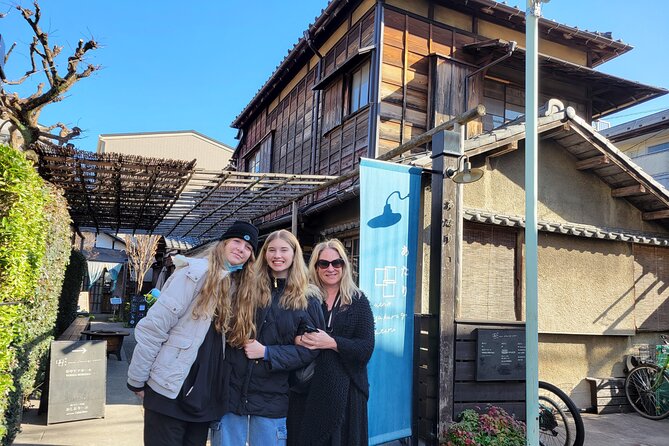
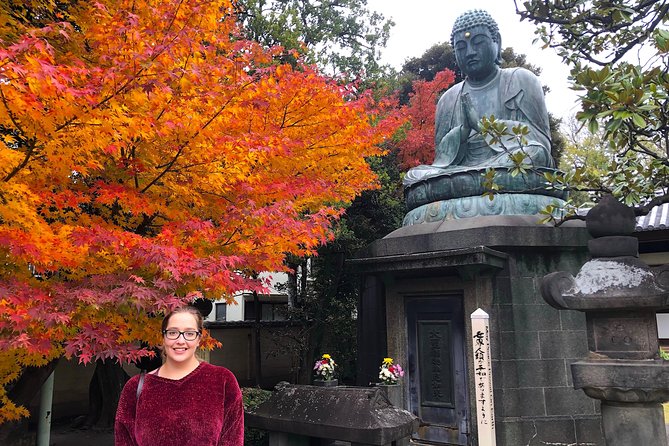
Next is Tennoji Temple, a Buddhist temple that dates back to 1274. It sits along the edge of Yanaka Cemetery, and the experience is described as being in a pleasant garden behind an old wooden gate.
What I like about this stop is the “in-between” feeling. You’re not only visiting a building—you’re stepping into a landscaped, quiet space, which helps you understand why religious sites are often designed for calm walking, not just fast viewing.
Stop 3: Yanaka Cemetery—huge scale, gentle storytelling

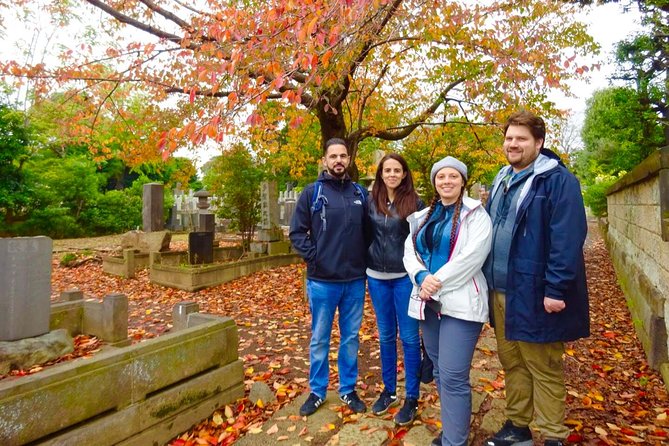
The big headliner is Yanaka Cemetery, with an area of 100,000 m² and 7,000+ graves. Even if you’re not normally drawn to cemeteries, it’s included because it’s historically significant and visually impactful.
Here’s the practical note: cemeteries take time. A 40-minute block can feel long, but the payoff is that you learn context rather than just passing headstones. If you’re the type who likes to understand how communities remember their dead, this stop will land well.
Optional stop: Tea on tatami at Gallery Okubo
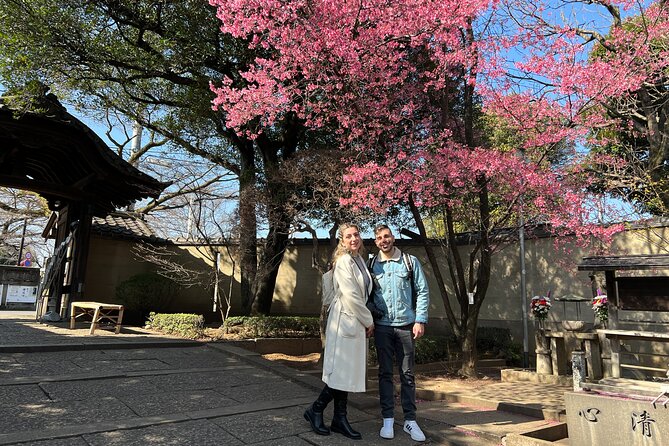
At Gallery Okubo (optional), you can add a tea ceremony on tatami mats. The price is ¥1,000, and it’s explicitly not included in the tour cost.
This works well because it gives you a seated break without leaving the neighborhood’s theme behind. If you’re trying to balance walking with a small, meaningful cultural moment, this is the option to consider.
Optional stop (afternoon): SCAI The Bathhouse in a real old building
If you’re on the afternoon tour, you may also stop at SCAI The Bathhouse, a contemporary art gallery in Yanaka. It’s housed in a venerable public bath, and the description emphasizes the old-town feel.
This is the tour’s “time-change” moment: you go from Edo-era settings to a modern art space inside a traditional structure. Even if you’re not an art super-fan, the building choice is the point—you see how old Tokyo repurposes old architecture.
Optional stop: Shitamachi Customs Museum & Exhibit Hall
Another optional add-on is the Shitamachi Customs Museum & Exhibit Hall. It’s meant to teach the culture of Shitamachi, often described as downtown Tokyo, and the displays include objects that were used in everyday life.
I like museum stops on walking tours because they slow you down just enough to make the rest of the neighborhood stick. If you want context for what you saw—work life, home life, local customs—this is a good fit.
Optional stop (afternoon): Edokoro Alan West
Also afternoon-only is Edokoro Alan West, a studio located in the traditional old-town area among Buddhist temples. The stop is described as a former auto body garage turned into an operating studio.
Think of this as a flavor stop: Tokyo isn’t only old temples and ceremonial spaces. It includes working spaces that survived and changed over time, and this gives you a more complete sense of what “historic” means in a modern city.
Stop 7: Nezu-area shrine grounds with trees, ponds, and azalea
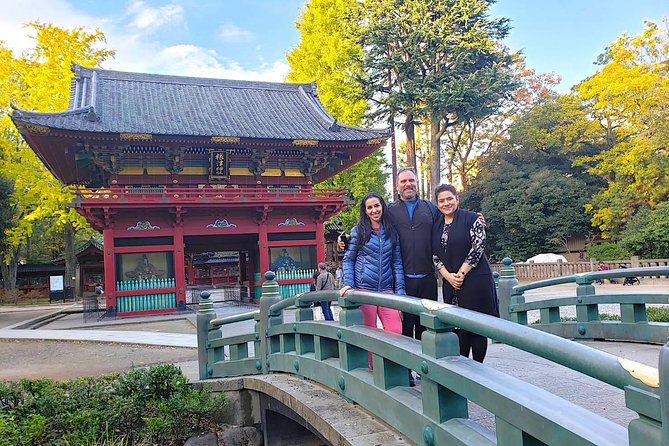
One of the oldest shrines on the route is set among huge trees with flowering azalea (つつじ) and grounds featuring ponds and pathways. The experience is also described as having iconic, colored wooden structures.
In guided accounts from the same tour style, Nezu Jingu comes up by name, and people also mention an old shrine with a 600-year-old tree. If you like places where nature and ritual architecture mix, this is a stop you’ll remember.
Stop 8: Yanaka Ginza Shopping Street and snack strategy
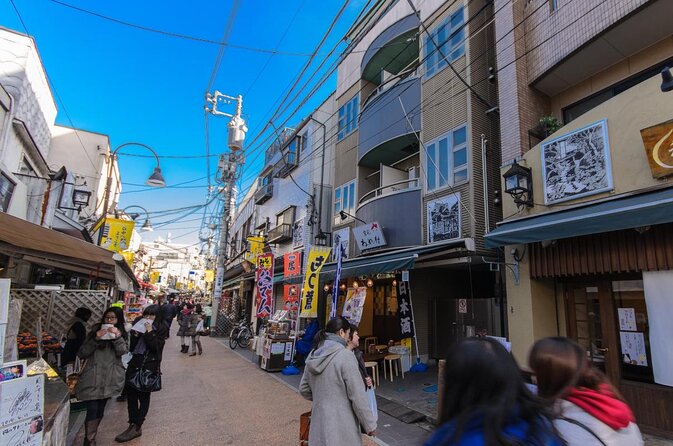
The tour ends with Yanaka Ginza Shopping Street, described as one of the best local shopping streets in Tokyo with a well-preserved Shitamachi atmosphere. You’ll explore the nostalgic side of town and you should leave time to eat some local snacks.
This is more than a souvenir moment. It’s how you absorb a neighborhood: see what people actually buy, watch how the street works at a walking pace, and treat yourself to something small before you head back.
What guides add: etiquette, context, and practical answers
A walking tour lives or dies on the guide’s explanations, and this one leans hard into that. Different guides show up—people like Keita, Charlotte, Kiyo, Ken, and Mana are mentioned in guide feedback—and the consistent thread is Q&A and cultural coaching.
You’ll likely hear clarifications that make the sights easier to understand, like the difference between temples and shrines and how courtesies apply when you visit. It also helps that guides can adjust pace when needed, so you’re not just marching and hoping for the best.
One more practical benefit: some guides take photos of the group and share them later. That’s a nice safety net if you’re traveling with a buddy and don’t want to constantly play photographer.
Price and value: is $72.96 worth it?
At $72.96 per person for about 3.5 hours, you’re paying for more than entry fees. The tour includes an English-speaking guide, all fees and taxes, and the built-in time saving of a structured route.
You’re also buying access to places that are worth seeing but harder to stitch together on your own—especially if you want the history and etiquette explained while you walk. Food isn’t included, but the ending at Yanaka Ginza is set up for snacks, not heavy meals, so budgeting stays simple.
If you’re deciding between a self-guided walk and this tour, the tipping point is usually your interest in understanding what you’re looking at. If you want the neighborhood to make sense fast, a guided format is strong value.
Optional stops: how to choose without overloading your day
The itinerary has optional layers (tea, museums, and extra stops like contemporary art or a studio). If you’re traveling on a tight schedule, keep it light: pick one optional culture stop that matches what you’re craving most.
- Want a break from walking? Consider the tea on tatami option.
- Want broader cultural context? Consider the Shitamachi museum option.
- Afternoon only and you like modern contrast? SCAI The Bathhouse can be a good add.
If you’re sensitive to time, keep an eye on the cemetery block. Some people find it the longest-feeling part, so if you’re not into that theme, be mentally ready.
What to bring for a comfortable walk in Tokyo
This tour is outdoors for much of the time, so pack for comfort first. Plan on comfortable shoes, and bring a light rain layer or umbrella depending on the season.
Because some optional activities involve additional cost (like tea at ¥1,000), it’s also smart to have cash available. One more small thing: since the tour uses a mobile ticket, keep your phone charged so you don’t start your day stressed.
Should you book the Yanaka Walking Tour?
I’d book it if you want a quieter side of Tokyo with real neighborhood texture. Yanaka is ideal when you want Edo-period atmosphere without turning your day into a rushed shrine circuit, and the guide-led context helps you understand what you’re seeing—especially at Tennoji Temple and Yanaka Cemetery.
Skip it (or rethink your timing) if you hate heavy walking or you’re mainly after fast, high-energy tourist highlights. This tour is about slow looking, cultural context, and a genuine sense of old Tokyo rhythm.
FAQ
FAQ
How long is the Yanaka Walking Tour?
It runs for about 3 hours 30 minutes.
What’s the meeting point for the tour?
The tour meets at Nippori Station, 2 Chome-19 Nishinippori, Arakawa City, Tokyo 116-0013, Japan.
Does the tour include an English-speaking guide?
Yes. The tour includes an English speaking guide.
Are the temple and cemetery visits included in the price?
The stops listed for temples and the cemetery show free admission, and the tour includes all fees and taxes. Optional add-ons like tea are not included.
Are food and drinks included?
No. Food and drinks are not included.
What optional activities are available?
Options include a tea ceremony on tatami mats at Gallery Okubo (tea price not included), Shitamachi Customs Museum & Exhibit Hall, SCAI The Bathhouse (afternoon only), and Edokoro Alan West (afternoon only).
What time do tours start?
Start times are listed as 9:00 am or 14:00 pm.
Can I get a refund if I cancel?
Yes. You can cancel for a full refund up to 24 hours in advance of the experience start time.
Is there a maximum group size?
Yes. The tour indicates a maximum of 8 travelers.
More Tour Reviews in Tokyo



Fresh reviews from around Tokyo






Tokyo, compared.
 ★ 5.0Mt Fuji and Hakone 1-Day Bus Tour Return by Bullet TrainFrom $16326,383 reviews
 ★ 5.01-Day Tokyo Bus TourFrom $12914,250 reviews
 ★ 4.6teamLab Planets TOKYO Digital Art Museum Entry TicketFrom $259,779 reviews
 ★ 4.0Mt Fuji & Hakone Cruise, Drum Show Bullet Train 1 Day from TokyoFrom $1497,413 reviews
 ★ 5.0Shinjuku Food Tour (13 Dishes at 4 Local Eateries)From $866,603 reviews
 ★ 4.4Tokyo Mt Fuji 5th St & Hakone Cruise Bus Tour w/Bullet TrainFrom $1545,024 reviews
 ★ 5.0Flagship 2-Hours Official Street Go-Kart Tour – Tokyo Bay ShopFrom $644,974 reviews
 ★ 4.5From Tokyo: Mount Fuji Full-Day Sightseeing TripFrom $684,970 reviews