
Reviewed · TOKYO
TokyoSumoShow, ChickenHotPot, and Mochi-Pounding by Pro Wrestlers
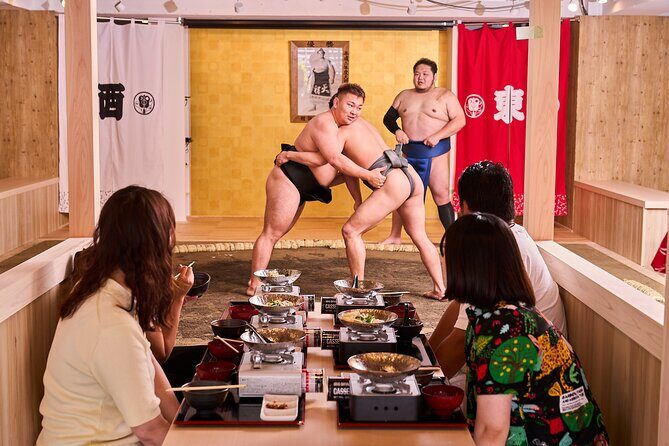
Sumo in Tokyo can feel intimidating. This one feels fun fast. In Ryogoku, you get a full-on SUMOLAND program built around big, dramatic ring moments, hands-on participation, and a proper chanko meal. The show is supervised by the Isegahama stable and features former top-division wrestlers, so the performances don’t feel like cosplay.
I especially liked two things. First, the up-close action around the ring, including the ring entrance ceremony, makes sumo feel immediate and real. Second, the chicken chanko hot pot—served as part of the program—hits the comfort-food spot and gives you a taste of the wrestler lifestyle. The main catch: if the mochi-pounding or in-ring challenge gets crowded, participation can be limited or decided by lottery.
In This Review
- Key takeaways before you go
- Ryogoku’s SUMOLAND: the vibe right when you arrive
- Chicken chanko hot pot: why this meal is the real draw
- Ring entrance ceremony: where sumo’s drama starts
- The sumo show: fast orientation, real technique energy
- Mochi pounding challenge: fun for kids, with real participation limits
- Sumo bout challenge: stepping into the ring moment (carefully)
- Photos, souvenirs, and how to make it feel like a trip
- Price and value: what $106.12 really buys you
- Who this is best for (and who might want a different day plan)
- Practical tips so your day runs smoothly
- Should you book SUMOLAND Tokyo Ryogoku?
- FAQ
- How long is the SUMOLAND experience?
- What is included in the ticket price?
- What food options are available?
- Is mochi-pounding included, and can my whole group participate?
- Is the sumo bout challenge included?
- Where is SUMOLAND located?
- Are seats assigned, and can I choose my location?
- What about dietary restrictions like gluten-free or halal?
- Is there free cancellation?
Key takeaways before you go
- Ryogoku location puts you in the heart of sumo country, near Ryogoku Station
- Chanko hot pot included (chicken) gives you a real meal, not just a snack
- Mochi-pounding is hands-on and kids are welcome, but participation may be limited
- In-ring bout challenge lets you step toward the ring action, with similar limits
- Seats are assigned and can’t be chosen, so plan around the safety notes for kids
Before you commit, see how this one stacks up against a few Tokyo favourites:
- Mt Fuji and Hakone 1-Day Bus Tour Return by Bullet Train★ 5.0 · 26,383 reviews
- 1-Day Tokyo Bus Tour★ 5.0 · 14,250 reviews
- Tokyo: teamLab Planets TOKYO Digital Art Museum Entry Ticket★ 4.6 · 9,779 reviews
Ryogoku’s SUMOLAND: the vibe right when you arrive
Ryogoku is where Tokyo slows down into sumo mode. This experience takes place at SUMOLAND TOKYO RYOGOKU (on the 1st floor), a short walk from Ryogoku Station—look for the large sumo wrestler sign and flags nearby. If you’re the type who likes your first sumo experience to feel grounded in place, this neighborhood helps a lot.
The program runs about 1 hour 30 minutes to 2 hours, so it fits nicely into a day that already includes Asakusa, Akihabara, Nihonbashi, or Tokyo Skytree nearby. The venue also uses a mobile ticket, so you’ll want your phone charged and your confirmation handy.
One small practical note that matters: seating is assigned by the venue. You can’t pick your spot ahead of time, so don’t build your plan around a perfect view angle. If you’re traveling with children, also pay attention to the safety guidance about sitting with kids on laps versus box seating.
Chicken chanko hot pot: why this meal is the real draw
The meal is chicken chanko hot pot, prepared specially for the attraction and presented as an authentic-style experience connected to sumo culture. Even if you’re not a big soup person, chanko is one of those foods that makes sense once you try it: it’s hearty, filling, and built for athletes who live training-heavy days.
You’ll want to treat the meal as part of the show rhythm, not just a pause. In many programs like this, people rush through eating and miss the pacing. Here, the setup tends to keep you engaged, and you’re eating while the next stages move along.
Food notes that help you plan:
- Vegetarian and vegan meals are available on request at least 2 days in advance
- Gluten-free and halal meals are not available, so if you need those, plan to bring your own food
- Bottled water and alcohol aren’t included, so decide in advance if you’ll buy water on-site
If you’re picky about meals, this is still a good fit for many people because the accommodation option is clear for vegans/vegetarians. Just don’t leave the request to the last minute.
Ring entrance ceremony: where sumo’s drama starts
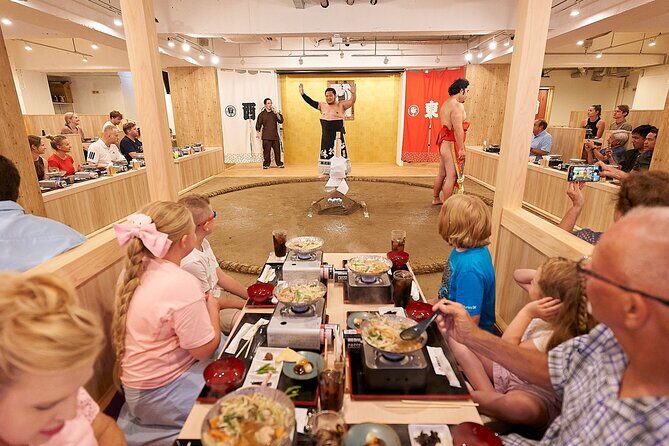
The show opens with a ring entrance ceremony, performed by former top-division wrestlers. That opening matters because it frames sumo as performance with tradition, not just “big men wrestling.” You get the sense of ceremony—something you don’t fully catch from watching clips online.
Then the program moves into the main sumo show, supervised by a Yokozuna (the attraction is also described as overseen by the 63rd Yokozuna). This isn’t the same as a morning practice or an official tournament. Think of it as a curated introduction that still keeps the intensity and presence of real wrestlers.
If you’re bringing kids (or if you’re an adult who learns better by watching), the show structure tends to keep things understandable. Many visitors point out that the atmosphere stays entertaining and interactive without feeling chaotic.
The sumo show: fast orientation, real technique energy
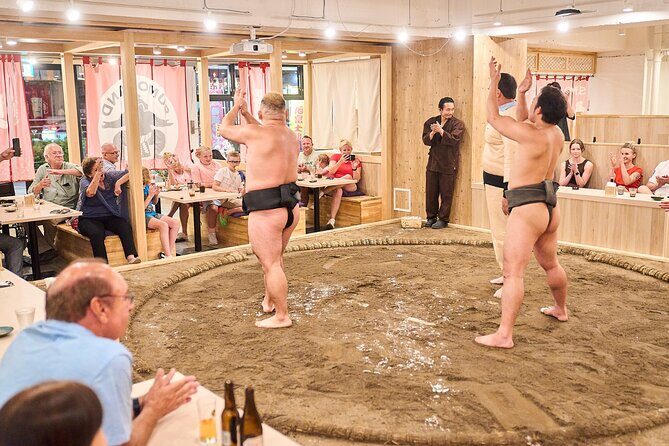
One of the smartest things the attraction does is help you follow the sport. Sumo has rules and textures—stances, timing, pushing, and balance—and the show is built to explain the basics while keeping your eyes on the ring.
A detail I like from the feedback: English support is strong. People mention that the staff provides Japanese words plus translation, and then even gets you practicing the words. That’s a small touch, but it turns the show from passive watching into something you can actually latch onto.
Also, the wrestlers bring personality. You’re not just watching technique; you’re watching athletes perform in a way that’s friendly for first-timers. It makes it easier to understand why sumo has such a loyal following, even if you’re new to the sport.





Mochi pounding challenge: fun for kids, with real participation limits
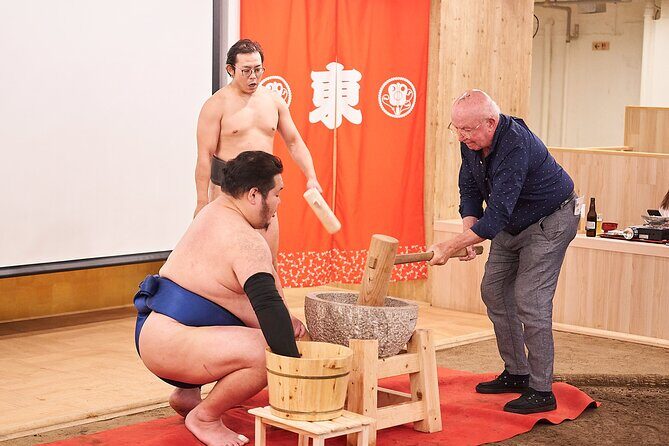
Then comes the mochi-pounding challenge. This is one of those activities that feels simple at first glance, and then turns into a real workout—your arms get involved, and you’re doing it right alongside wrestlers.
Kids are welcome, and it’s one of the most memorable parts for families. The key thing to know is that participation can be limited. If lots of people join the challenge (especially families in the same time slot), the program may allow only one person per group or use a lottery system.
Practical tip: show up a little early so you’re ready when your group is called. If your family is hoping multiple people can try mochi-pounding, plan for the chance that not everyone gets a turn.
Sumo bout challenge: stepping into the ring moment (carefully)
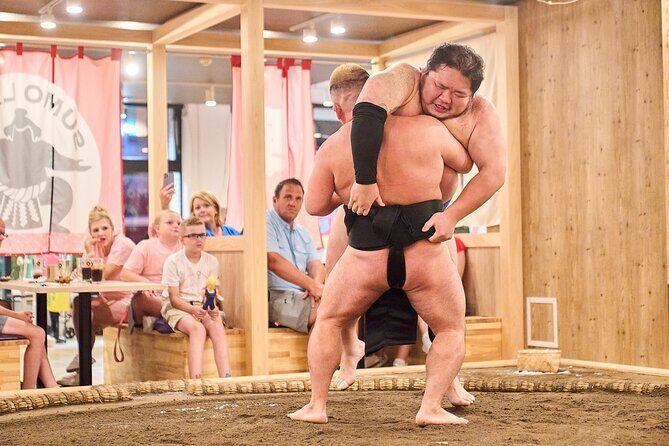
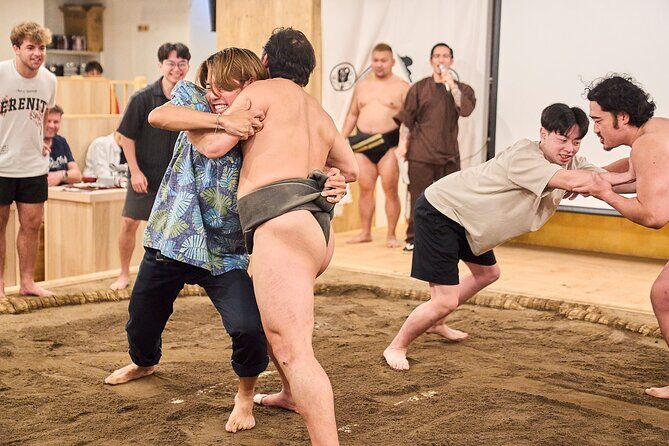
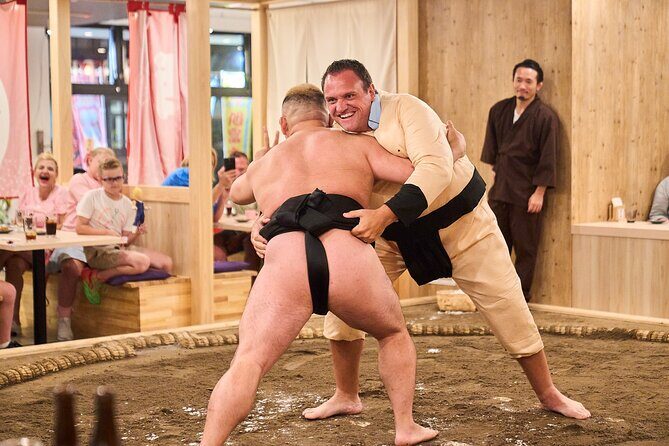
The sumo bout challenge is the other hands-on highlight. At some point during the program, you may get the chance to step into the ring and take on a real sumo wrestler (again, kids are welcome). This is the part where the experience stops being just educational and becomes pure “wow, we’re doing this.”
Like mochi pounding, participation may be limited. When it’s busy, the program may restrict tries to one person per group or decide via lottery. So if the ring challenge is the main reason you booked, it’s worth going with the right expectations: you’re there to participate if you can, not to guarantee it for every person in your group.
Photos, souvenirs, and how to make it feel like a trip
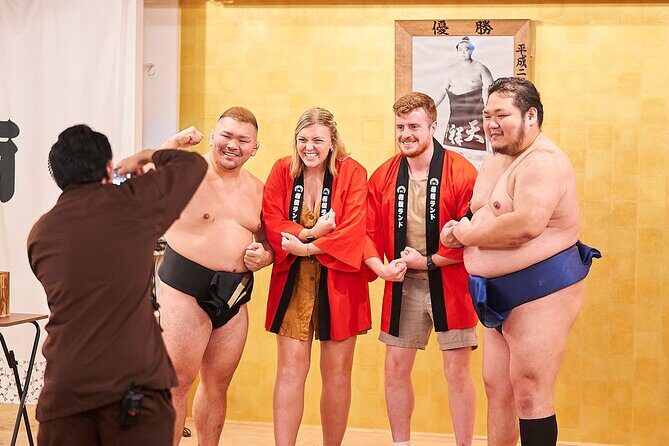
There’s a dedicated photo time with the wrestlers, and it’s not just a quick glance—expect a structured moment where you can get pictures. Many people love that the staff keeps engagement moving so you’re not waiting around bored.
Souvenirs are included, but what you get can vary by season. That’s common for events, and it’s actually a nice bonus because it means you’re leaving with something tied to that specific season of SUMOLAND.
If you’re a photographer, arrive ready: you’ll want your phone/camera set up before the photo segment starts. And because seat locations are assigned, don’t spend the whole time hunting for a better view—use the ring side and photo moments instead.
Price and value: what $106.12 really buys you
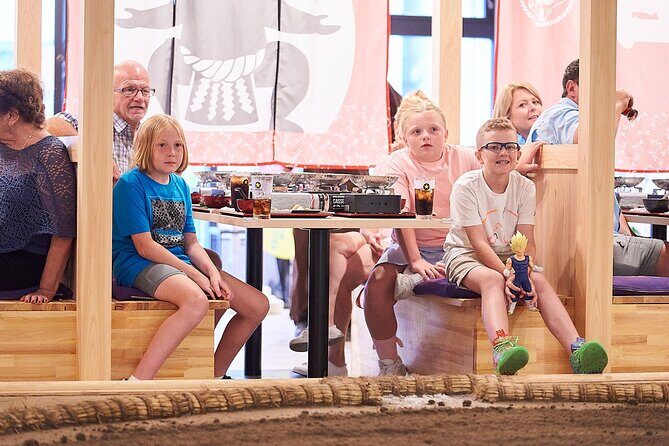
At about $106.12 per person, you’re paying for more than a basic show ticket. You’re buying:
- Entrance to the sumo-themed attraction
- Chicken chanko hot pot included in the program
- A souvenir
- A full experience built around multiple show sections plus participation options
Is it worth it? For most first-timers, yes—because you get a tight package. You’re not just watching a performance in the dark; you’re eating a meal, learning the basics, and getting hands-on moments. It’s also fairly efficient time-wise: you spend roughly 1.5–2 hours, which is valuable in Tokyo where “time costs money” in a very real way.
Where the value can feel less great is if you’re a hardcore sumo fan looking for strict tournament authenticity. The program explicitly differs from official events. But if your goal is a fun, easy-to-understand entry into sumo culture—especially with kids—this is one of the smoother ways to do it.
Also, keep an eye on what isn’t included: alcohol and bottled water. If you want drinks, plan on paying extra.
Who this is best for (and who might want a different day plan)
This experience is strongest for:
- Families with kids who want interactive fun
- First-time sumo visitors who want an easy explanation and real atmosphere
- People who like live performances plus a proper meal included
- Anyone visiting Ryogoku and wanting a “Tokyo flavor” activity that isn’t just sightseeing
It’s less ideal if:
- You need strict tournament realism or deeper rule breakdowns without any entertainment layer
- You hate crowds and lotteries (because participation in mochi-pounding and ring challenges can be limited)
- You’re depending on gluten-free or halal food options (those aren’t listed as available)
A common minor complaint in feedback is that some people want a bit more narration about sumo history and tournament rules. If that’s your style, you might pair the show with a bit of self-reading beforehand so you feel “in the loop” while you’re watching.
Practical tips so your day runs smoothly
A few things can make a big difference:
- Arrive a few minutes early so you’re seated and ready when the show starts on time
- Bring a charged phone for the mobile ticket and for photos
- If you have kids, think about seating type. Standard seats can be risky if you’re holding a child on your lap; box seats are noted as safer and can sit up to six people with a lap option
- If dietary needs matter, act early for vegetarian or vegan requests (at least 2 days in advance)
- If you need gluten-free or halal, plan to bring your own food since those aren’t available
These small choices help you avoid the common stress points: getting seated late, missing a call for participation, or realizing you can’t eat what’s being served.
Should you book SUMOLAND Tokyo Ryogoku?
Yes, if you want an easy, family-friendly introduction to sumo that mixes performance, food, and participation in a tight time window. The combination of a ring entrance ceremony vibe, real wrestlers, and a meal included makes this feel like more than a “tourist stop.”
Skip or reconsider if your priority is official-tournament authenticity, or if your group is counting on everyone to try both the mochi-pounding and ring challenge. Participation limits can happen when the room is full.
FAQ
How long is the SUMOLAND experience?
It runs about 1 hour 30 minutes to 2 hours.
What is included in the ticket price?
The experience includes entrance, a chicken chanko hot pot meal, and an included souvenir.
What food options are available?
Chicken chanko hot pot is included. Vegetarian and vegan meals are available upon request at least 2 days in advance. Gluten-free and halal meals are not available.
Is mochi-pounding included, and can my whole group participate?
Mochi-pounding is part of the program and kids are welcome, but participation may be limited to one person per group or decided by lottery if it’s busy.
Is the sumo bout challenge included?
There is a sumo bout challenge where you can step into the ring and take on a sumo wrestler (kids welcome). Participation may be limited or decided by lottery when many guests join.
Where is SUMOLAND located?
It’s in Tokyo at SUMOLAND TOKYO RYOGOKU, on the 1st floor at 4-32-19 Ryogoku, Sumida City, near Ryogoku Station.
Are seats assigned, and can I choose my location?
Seat locations are assigned by the venue and you cannot select them in advance.
What about dietary restrictions like gluten-free or halal?
Those meal types are not listed as available. The note says you may bring your own food.
Is there free cancellation?
Yes. You can cancel up to 24 hours before the experience for a full refund.
More Tour Reviews in Tokyo



Fresh reviews from around Tokyo






Tokyo, compared.
 ★ 5.0Mt Fuji and Hakone 1-Day Bus Tour Return by Bullet TrainFrom $16326,383 reviews
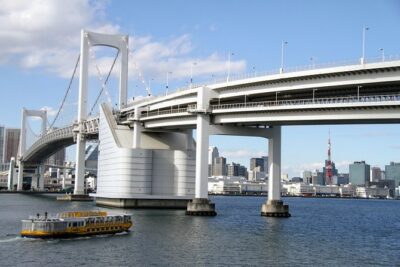 ★ 5.01-Day Tokyo Bus TourFrom $12914,250 reviews
 ★ 4.6teamLab Planets TOKYO Digital Art Museum Entry TicketFrom $259,779 reviews
 ★ 4.0Mt Fuji & Hakone Cruise, Drum Show Bullet Train 1 Day from TokyoFrom $1497,413 reviews
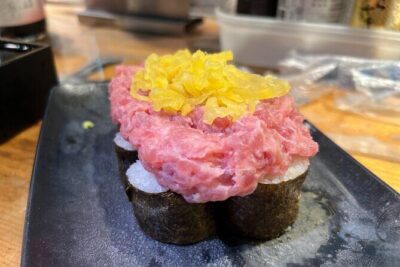 ★ 5.0Shinjuku Food Tour (13 Dishes at 4 Local Eateries)From $866,603 reviews
 ★ 4.4Tokyo Mt Fuji 5th St & Hakone Cruise Bus Tour w/Bullet TrainFrom $1545,024 reviews
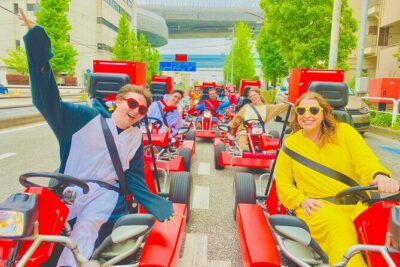 ★ 5.0Flagship 2-Hours Official Street Go-Kart Tour – Tokyo Bay ShopFrom $644,974 reviews
 ★ 4.5From Tokyo: Mount Fuji Full-Day Sightseeing TripFrom $684,970 reviews