
Reviewed · TOKYO
Tokyo’s Neighborhood Digs: Coffee, Records & Vintage Vibes
Tokyo changes by the block. This 4-hour walk through four Tokyo neighborhoods helps you make sense of the city’s subcultures through vintage shops and small indie spots, not just photo stops. I really like the built-in local cafe coffee and the chance to get inside independent stores instead of only looking through windows.
One heads-up: the tour is a lot of walking, so comfortable shoes are a must, and it’s not set up for mobility impairments or wheelchair users. If you go in expecting an easy stroll, you’ll feel it.
The tone is personal and flexible. Guides like Ryuhki and Hiro are described as friendly and warm, with insider context and openness to small changes, which matters a lot when you’re navigating Tokyo’s side streets.
In This Review
- Key things I’d prioritize before you go
- Why this Tokyo route works: four neighborhoods, four moods
- Shimokitazawa Station to vintage streets: used fashion with post-war context
- Kichijoji and locally roasted coffee: the relaxed subculture pause
- Koenji’s indie streets and tattoo-shop discussion: where rules loosened
- Nakano Broadway: anime, manga, retro cameras, and pop-culture collecting
- Price and value: why $83 can be fair here
- Timing and meeting point: how to start strong without stress
- Who this tour suits best (and who should skip it)
- The guide experience: personal, friendly, and flexible
- Should you book it?
- FAQ
- FAQ
- How long is the tour?
- Where do I meet the guide?
- What neighborhoods are included?
- Is coffee included?
- How much does it cost?
- Is the tour in English?
- Is this mostly walking?
- Can I use flash photography?
- Is it suitable for wheelchair users or mobility impairments?
- What’s the cancellation and payment approach?
Key things I’d prioritize before you go
- Four neighborhoods, one tight timeline: Shimokitazawa → Kichijoji → Koenji → Nakano.
- Inside vintage and indie stores: you’re not limited to pass-by sightseeing.
- Coffee included: locally roasted coffee is part of the experience, not an optional add-on.
- Pop-culture collecting focus: Nakano Broadway is built for anime, manga, and camera fans.
- Subculture history in plain language: you get context for why these areas look and feel the way they do.
- Small-group feel: private or small groups keep the pace human and the conversations real.
Before you commit, see how this one stacks up against a few Tokyo favourites:
- Mt Fuji and Hakone 1-Day Bus Tour Return by Bullet Train★ 5.0 · 26,383 reviews
- 1-Day Tokyo Bus Tour★ 5.0 · 14,250 reviews
- Tokyo: teamLab Planets TOKYO Digital Art Museum Entry Ticket★ 4.6 · 9,779 reviews
Why this Tokyo route works: four neighborhoods, four moods
Tokyo can feel overwhelming if you try to “see everything.” This tour keeps it practical: you move through four specific areas, each with a different vibe, and you get guidance so you’re not wandering aimlessly.
You’re also doing something more useful than collecting stamps. The tour connects today’s style scenes to the social and economic shifts that shaped them. That makes your time in Japan feel earned, not just efficient.
The duration helps too. At $83 per person for about 4 hours, you’re paying for a guide, transit between neighborhoods, access to vintage/indie shops, and coffee. Shopping is on you, but the big lift is handled: figuring out what’s worth your time, where to go, and what to look for.
If you’re the type who loves records, used fashion, weird hobbies, and the stories behind what people wear and collect, this format clicks fast.
Shimokitazawa Station to vintage streets: used fashion with post-war context
The tour starts at Shimo-Kitazawa Station (Odakyu Line East Exit), which is a smart anchor. From there, you head into Shimokitazawa for about an hour of guided exploring, shopping, and sightseeing.
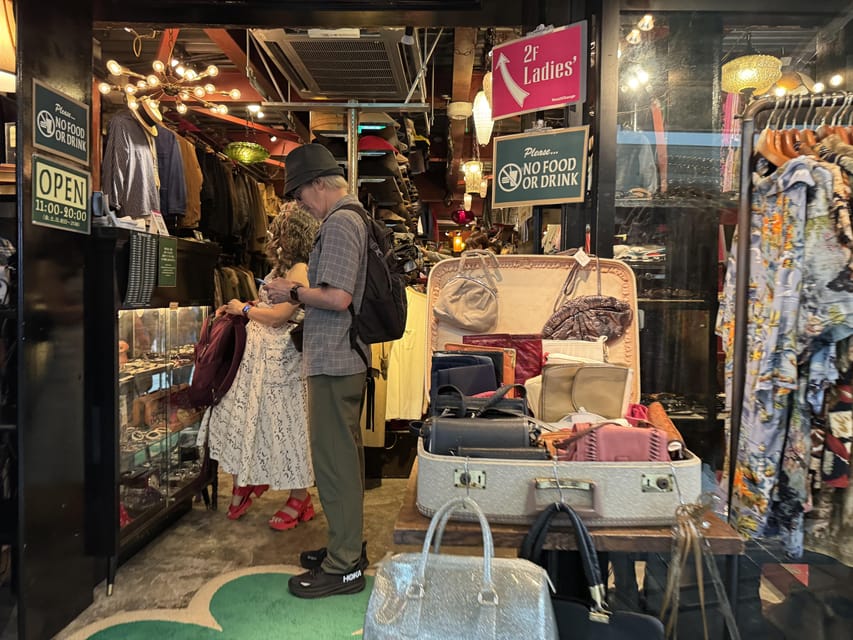
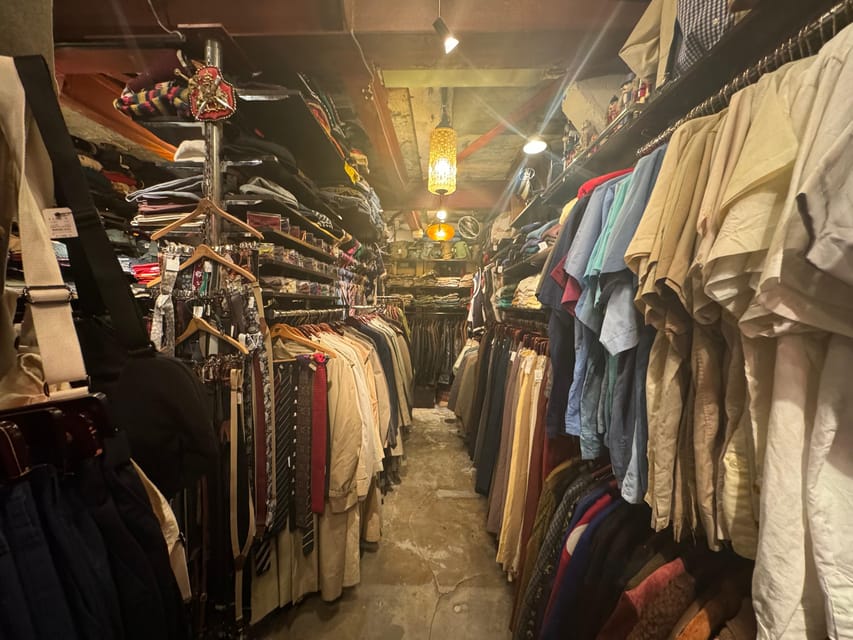
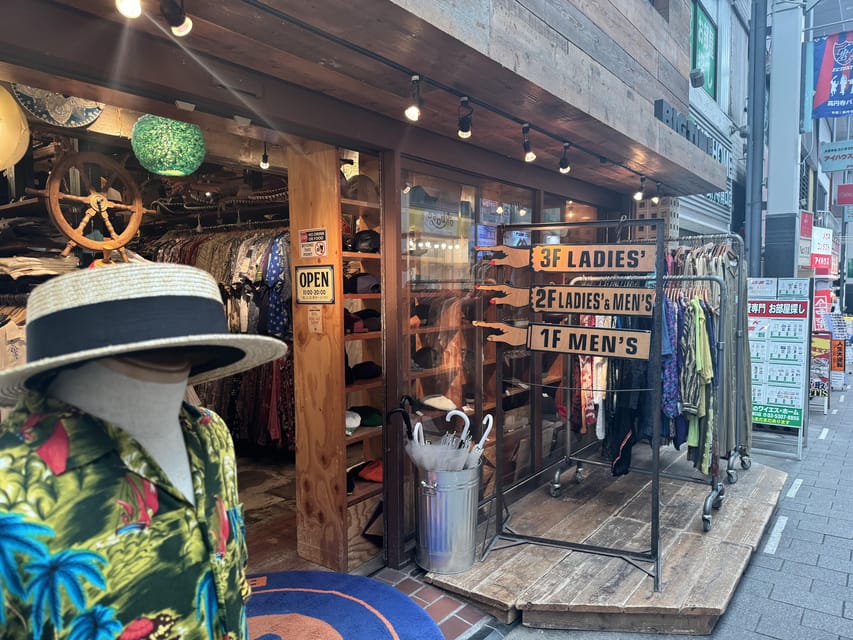
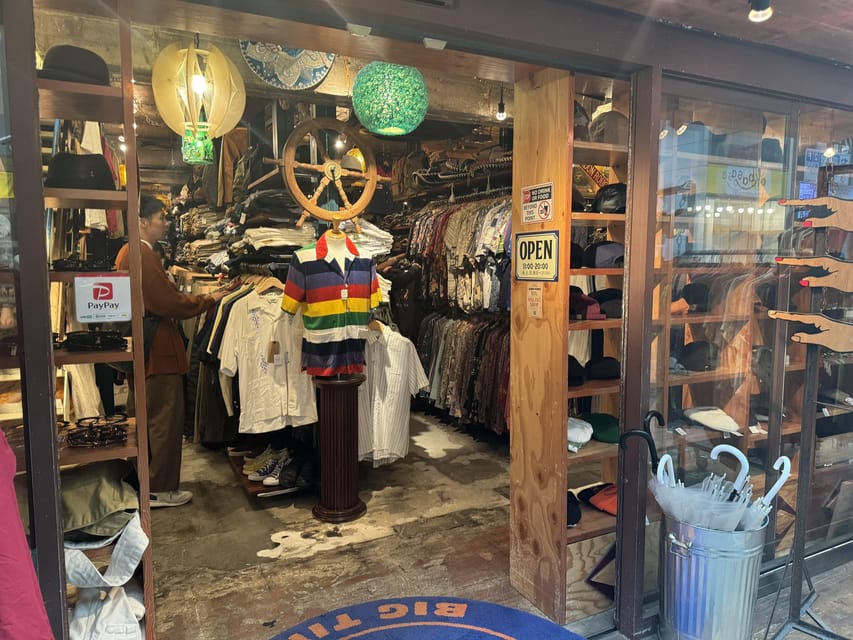
Shimokitazawa is known here as a haven for bohemians, and you’ll feel that immediately in the street-level mix: thrift and vintage storefronts, independent fashion items, and a walking pace that feels slow on purpose. The key value of this stop is that it’s not only about buying. Your guide frames what you see with the neighborhood’s post-war transformation and how it became a hub for independent artists.
What you’ll likely enjoy:
- Vintage browsing you can actually do: the tour is timed so you’re not rushed through everything.
- A fashion and culture angle: you’ll understand why the area attracts creators and style lovers.
- Side-street wandering with a purpose: you’re guided to interesting pockets, not just the main drag.
Possible drawback: if you hate shopping crowds, thrift zones can be a bit stimulating. Also, because the stop includes both sightseeing and shopping, your best finds often come from taking a few minutes to look closely rather than moving too fast. If you’re the “I want it now” type, slow down a notch.
Kichijoji and locally roasted coffee: the relaxed subculture pause
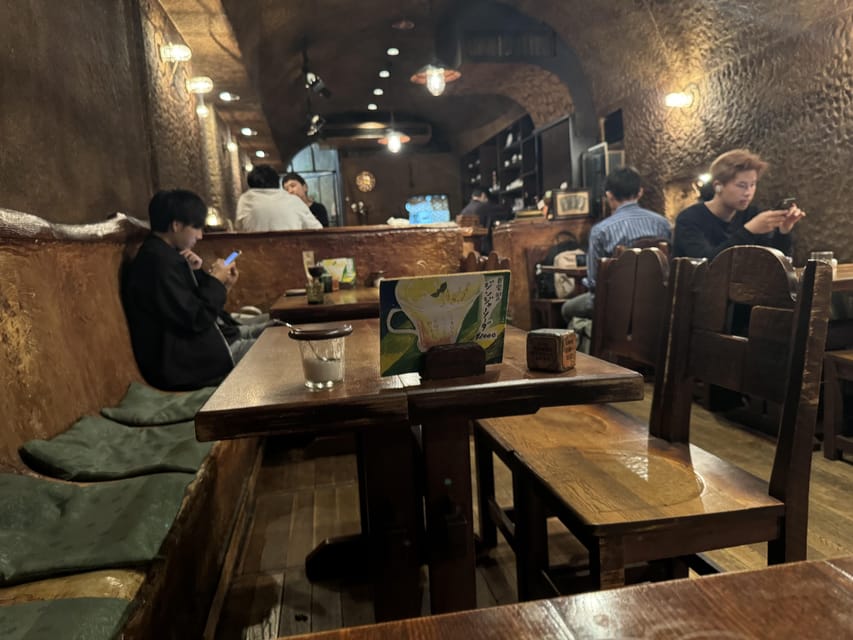
Next is Kichijōji for another hour, and this is where the tour changes gear. You get time to shop and sightsee, but the headline is coffee at an independent cafe, with locally roasted coffee included.
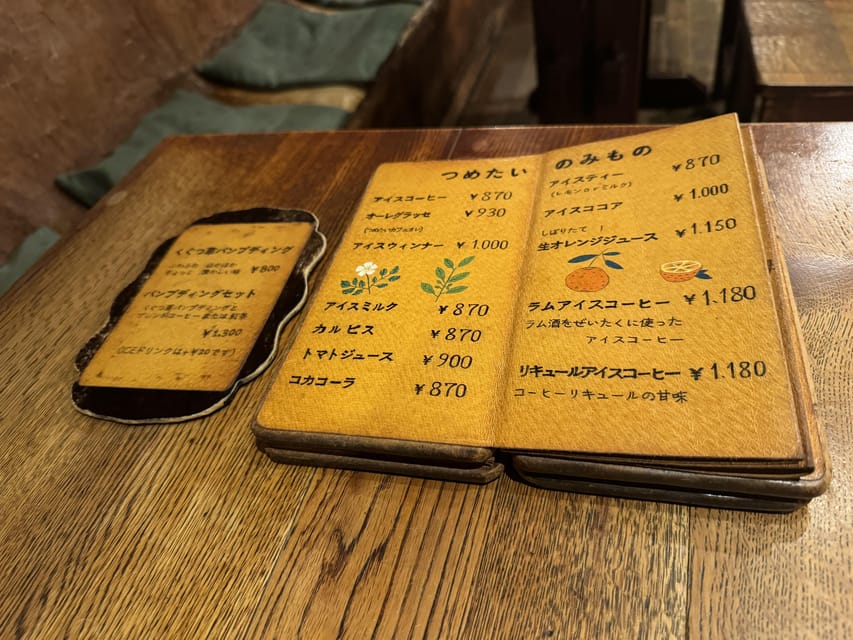
This stop works well because it gives you a real break in the day. Tokyo’s coffee culture can be impressive, but it can also be confusing if you don’t know where to look. Here, you’re pointed toward the kind of cafe locals choose, and you’re given context for how the neighborhood’s vibe connects to the economic bubble era—especially how it influenced architecture and the overall laid-back feel you notice while you’re walking.
What makes this practical for you:
- You’re learning while you’re resting: the coffee time isn’t a detour; it’s the moment your brain resets.
- The architecture context helps you see more: even if you’re not a design nerd, knowing why streets look the way they do changes your attention.
- It’s a calmer neighborhood rhythm: you’ll likely enjoy it more if you like strolling and people-watching.
If you drink coffee like a hobby, this stop will feel extra satisfying. If you’re picky about cafes, you still get something real: a locally roasted cup, not a generic tourist stop.
Koenji’s indie streets and tattoo-shop discussion: where rules loosened
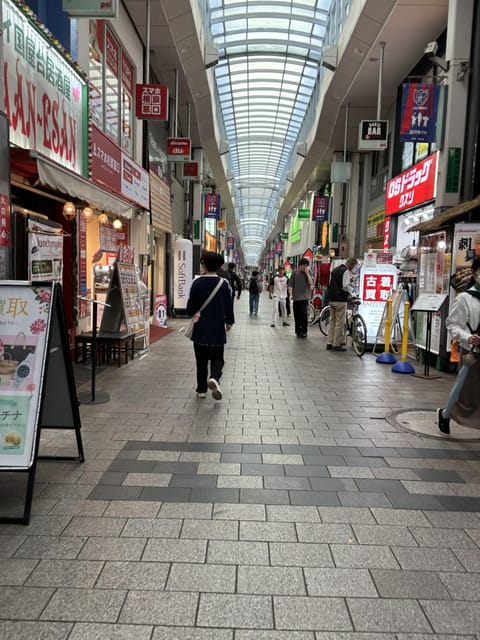
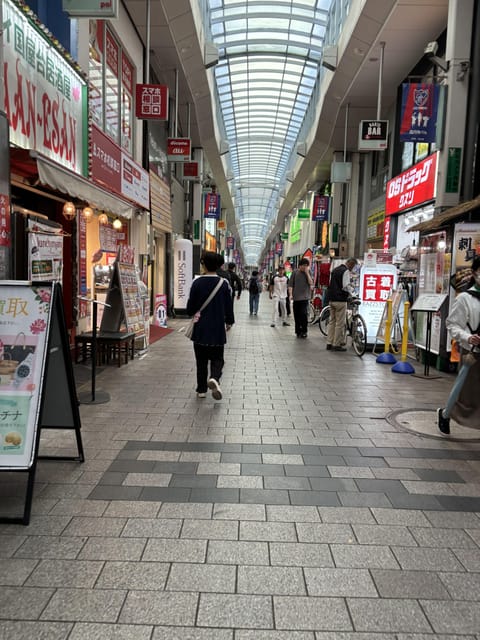
Koenji is for people who like Tokyo at its most slightly chaotic—in a good way. You’ll spend about 40 minutes there with guided wandering and shopping, and the conversation includes how changing social norms helped tattoo parlors flourish in the district.
Koenji is described here as a melting pot of creativity with lots of energy. Expect maze-like streets lined with indie boutiques and items that reflect Tokyo’s present-day style evolution. This is not about one themed museum stop. It’s about pattern recognition: you’ll start noticing how neighborhoods in Tokyo “brand” themselves through fashion, art, and personal expression.
What you’ll likely get out of the shorter time:
- Focused browsing: 40 minutes forces you to pick priorities fast—coolest item, best store, best vibe.
- A social context layer: the tattoo parlor topic is interesting because it connects visible street culture to behind-the-scenes shifts in what’s acceptable.
- A sense of Tokyo moving forward: the emphasis is more on now than nostalgia.
Possible drawback: because the time is shorter here, you’ll want to decide early how you shop. If you plan to inspect every rack, you may feel rushed. Bring a simple strategy, like: pick one store per block, and only go deeper if you find something you truly want.
Also, keep in mind you’ll still be walking on comfortable shoes. Koenji’s lanes can be easy to lose track of if you separate from the group for long.





Nakano Broadway: anime, manga, retro cameras, and pop-culture collecting
The last stop is Nakano City and its most famous collector’s area: Nakano Broadway. You’ll get about 40 minutes for guided sightseeing and exploring.
This is where the tour becomes a microcosm of Japanese pop culture. Shops overflow with anime and manga goods, and you’ll also see retro gear like vintage cameras. It’s a collector’s paradise in the practical sense: places are arranged so you can hunt by interest, not by random chance.
Your guide will connect this to the bubble era and how that period left a long echo in anime and manga—so when you see certain styles, displays, or product lines, you have a framework for why they matter culturally.
What I like about ending here:
- You get a “take-home” kind of excitement: even if you don’t buy, you’ll understand what collectors chase.
- You can shop by fandom: anime and manga are easy entry points, and camera lovers get another lane.
- It’s a fun closing act: after vintage fashion and coffee, pop-culture hunting gives your brain a totally different kind of stimulation.
Possible drawback: because it’s a shopping-heavy area and the time is capped, you may not check everything in your first pass. If you’re serious about a specific item category (for example, a particular type of camera or franchise), go in with a clear wishlist so you don’t spend the whole time just browsing.
Also note the rules: flash photography isn’t allowed. If you’re taking pictures for reference, keep your camera settings ready and use normal light.
Price and value: why $83 can be fair here
$83 per person for roughly 4 hours can sound either cheap or steep depending on what’s included. The math looks more reasonable when you factor in what you’re actually paying for:
- A live English guide helping you move through four neighborhoods in a logical sequence.
- Transit included, so you’re not stuck figuring out routes mid-walk.
- Exclusive access to vintage shops and indie boutiques (this can save you time and makes the stops more meaningful).
- Coffee included at a local cafe.
- Subculture context so your shopping and sightseeing connect to a story.
What’s not included is personal shopping expenses. That’s normal. But it also means your cost stays controlled: you choose what to buy, and the tour still delivers even if you spend little or nothing.
For value, this tour fits best if you’d otherwise do two things that cost time: pick neighborhoods on your own and research what’s worth visiting. Here, the guidance does that work, and you use your limited Tokyo hours more efficiently.
Timing and meeting point: how to start strong without stress
You meet at Shimo-Kitazawa Station (Odakyu Line East Exit). Arriving a little early helps, especially in a city where station signage can be confusing if you’re tired.
The schedule is structured like this:
- Shimokitazawa: about 1 hour
- Kichijōji: about 1 hour (with coffee)
- Koenji: about 40 minutes
- Nakano Broadway: about 40 minutes
That pacing is a feature. It keeps the tour moving so you cover distinct areas without getting trapped in any single street for too long.
What to bring (so you feel comfortable, not hassled):
- Comfortable walking shoes
- Camera
- Sunscreen
- Water
And remember the rules: smoking isn’t allowed, and flash photography isn’t allowed. Those are easy to follow, but they matter if you’re used to photographing quickly without thinking.
Who this tour suits best (and who should skip it)
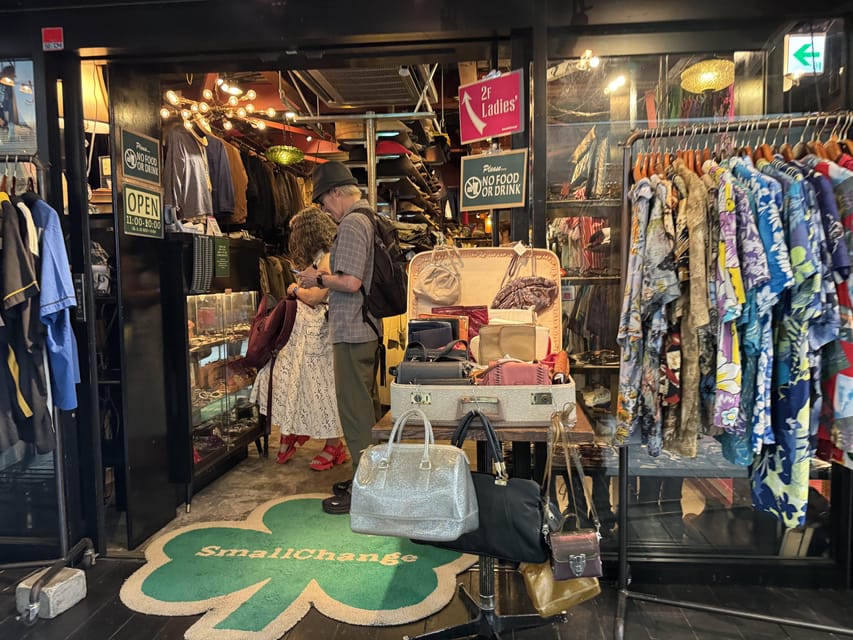
This experience is ideal if you like Tokyo through hands-on interests: used clothing, records, pop culture collecting, and coffee. It’s also a great choice for first-timers because it gives context, not just coordinates.
You’ll probably enjoy it if you:
- want independent shops, not only major sights
- like walking with a guide who shares how neighborhoods evolved
- want a fun route that mixes fashion, food, and pop culture
It’s not a good fit if you have mobility impairments or use a wheelchair, because it isn’t designed for that level of walking.
The guide experience: personal, friendly, and flexible
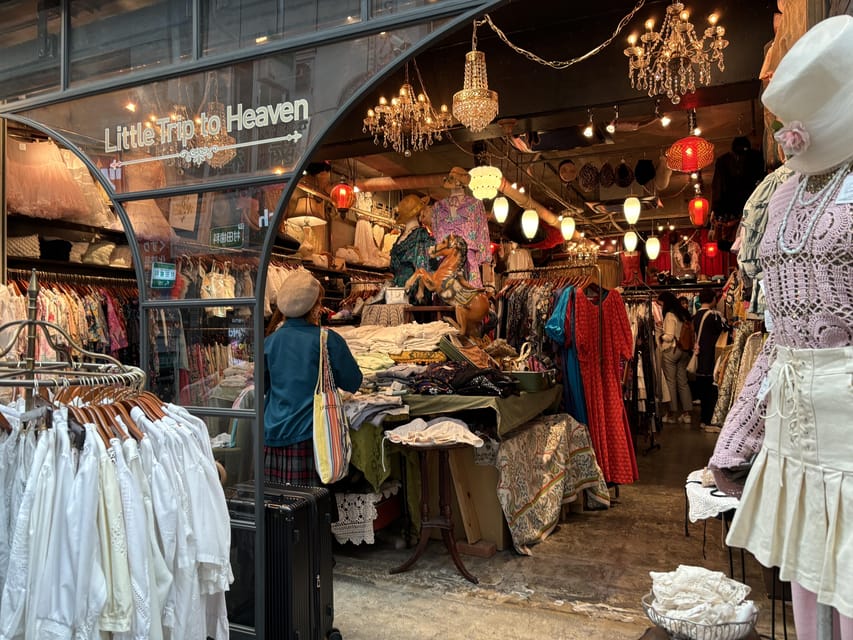
One of the best parts here is the human factor. Guides named Ryuhki and Hiro are both described as friendly and warm, and the tour style is personal rather than scripted.
That matters more than you might think. In Tokyo, the difference between a good tour and a great one is often small things: knowing where to stand, what to point at, how to explain a trend without making it heavy, and how to adjust when you want to spend 10 extra minutes inside a store.
The descriptions also highlight public-transport support and that coffee is actually included as part of the flow. If you’re traveling with limited time, those details reduce decision fatigue.
Should you book it?
Book it if you want Tokyo that feels like real life—fashion racks, independent cafes, pop-culture shops, and the story behind them—within a tight 4-hour window. The value is strongest when you treat shopping as optional and let the guide’s context shape what you notice.
Skip it if you hate walking, dislike shopping environments, or need step-by-step accessibility support. And if you’re only after famous landmarks, this tour won’t replace those days.
FAQ
FAQ
How long is the tour?
It runs for about 4 hours.
Where do I meet the guide?
You meet at Shimo-Kitazawa Station, Odakyu Line East Exit.
What neighborhoods are included?
The tour covers Shimokitazawa, Kichijōji, Koenji, and Nakano.
Is coffee included?
Yes. Coffee at a local cafe is included.
How much does it cost?
The price is $83 per person.
Is the tour in English?
Yes, the guide is English-speaking.
Is this mostly walking?
Yes. It involves a fair amount of walking, so wear comfortable shoes.
Can I use flash photography?
No. Flash photography isn’t allowed.
Is it suitable for wheelchair users or mobility impairments?
No. It is not suitable for people with mobility impairments or wheelchair users.
What’s the cancellation and payment approach?
You can cancel up to 24 hours in advance for a full refund, and you can reserve now and pay later.
More Tour Reviews in Tokyo



Fresh reviews from around Tokyo






Tokyo, compared.
 ★ 5.0Mt Fuji and Hakone 1-Day Bus Tour Return by Bullet TrainFrom $16326,383 reviews
 ★ 5.01-Day Tokyo Bus TourFrom $12914,250 reviews
 ★ 4.6teamLab Planets TOKYO Digital Art Museum Entry TicketFrom $259,779 reviews
 ★ 4.0Mt Fuji & Hakone Cruise, Drum Show Bullet Train 1 Day from TokyoFrom $1497,413 reviews
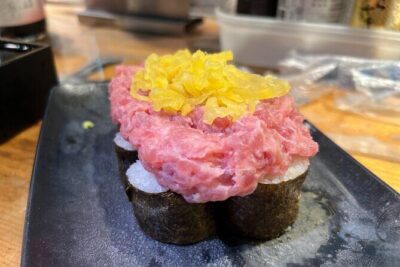 ★ 5.0Shinjuku Food Tour (13 Dishes at 4 Local Eateries)From $866,603 reviews
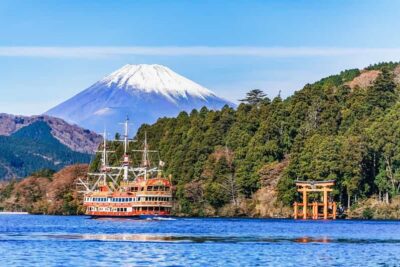 ★ 4.4Tokyo Mt Fuji 5th St & Hakone Cruise Bus Tour w/Bullet TrainFrom $1545,024 reviews
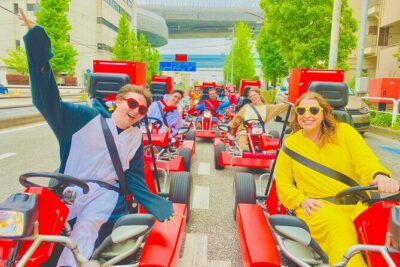 ★ 5.0Flagship 2-Hours Official Street Go-Kart Tour – Tokyo Bay ShopFrom $644,974 reviews
 ★ 4.5From Tokyo: Mount Fuji Full-Day Sightseeing TripFrom $684,970 reviews