
Reviewed · TOKYO
Tokyo:Mt.Fuji,Kawaguchiko Oishi Park,Arakurayama Sengen Park
Mt. Fuji, but in four different frames. This day trip is built around classic sightlines that give you your best shot at a clear view, then balances photos with real time to wander. I love the way the route hits Mt. Fuji angles in a smart order, and I also like that lunch is handled for you at Kawaguchiko Craft Park with meal options that feel local.
The potential drawback is simple: it’s a long day and weather matters. Some days clouds roll in and you might get a partial view, so you’ll want to keep expectations flexible and pack for a lot of walking.
In This Review
- Key Things You’ll Love
- A Fuji Day Loop That Feels Like a Photo Tour
- Getting Started in Tokyo: Two Pickup Options and a Long Day
- Arakurayama Sengen Park: The Pagoda Frame + the 398 Steps
- Hikawa Clock Shop and Arakura Fuji Sengen Shrine: Quick Stops with Big Photo Payoff
- Chureito Pagoda: Where Your Camera Finds Its Favorite Angle
- Lake Kawaguchi: Fuji Reflections and the Maple Corridor Option
- Kawaguchiko Craft Park Lunch with a Fuji-View Pause
- Oishi Park: Flower Road Views That Keep Paying Off
- Saiko Iyashi-no-Sato Nenba: Thatched Houses, Fuji Photos, and Crafts
- Price and Pace: Is It Worth $54 for One Day?
- Practical Tips Before You Go (So the Day Feels Easy)
- Should You Book This Mt. Fuji Day Trip?
- FAQ
- How long is the tour?
- Where do I meet the tour in Tokyo?
- What stops are included during the day?
- Is lunch included?
- What is included with Saiko Iyashi-no-Sato Nenba?
- Does the tour have an English guide?
- What happens if there’s traffic or delays?
- What is the cancellation policy?
Key Things You’ll Love
- Multiple Mt. Fuji viewpoints in one day, including a lakeside reflection stop
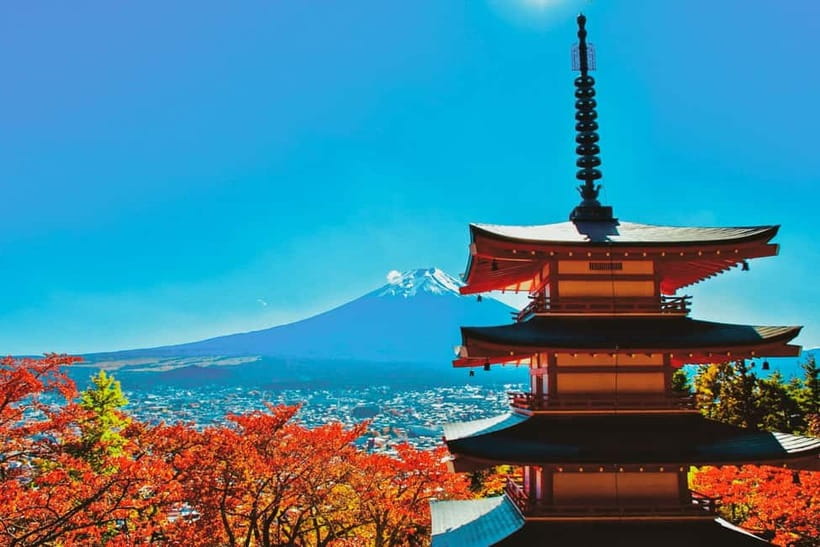
- Arakurayama’s Chureito-style pagoda view with the iconic photo angle
- Oishi Park Flower Road with seasonal blooms and easy lakeside strolling
- Saiko Iyashi-no-Sato Nenba for thatched-roof village photos and hands-on craft stops
- Lunch in a Fuji-view setting at Kawaguchiko Craft Park, with local specialties to choose from
Before you commit, see how this one stacks up against a few Tokyo favourites:
- Mt Fuji and Hakone 1-Day Bus Tour Return by Bullet Train★ 5.0 · 26,383 reviews
- 1-Day Tokyo Bus Tour★ 5.0 · 14,250 reviews
- Tokyo: teamLab Planets TOKYO Digital Art Museum Entry Ticket★ 4.6 · 9,779 reviews
A Fuji Day Loop That Feels Like a Photo Tour
This is the kind of trip where the schedule is doing you a favor. You’re not just commuting out of Tokyo and hoping you’ll find the right spot. You’re getting guided time at the places people line up for, with enough breathing room to take photos without feeling like you’re being herded the whole time.
I also like the rhythm: early scenic stops, then lakeside time, then a cultural wrap-up at Saiko Iyashi-no-Sato Nenba. That structure matters because Mt. Fuji is often about timing and atmosphere. Even if the mountain is shy on one viewpoint, you still have other frames later—especially at the lakes.
Getting Started in Tokyo: Two Pickup Options and a Long Day
You’ll depart from one of two starting points in Tokyo, and the exact one depends on what you booked. The tour runs about 10 hours, so plan a full day. You’ll want to arrive 10 minutes early so you don’t lose your place in the group lineup.
Transportation is in an air-conditioned vehicle, which is a lifesaver when the day is hot, rainy, or simply packed with motion. One more practical note: language groups can sometimes be combined depending on the day, and the vehicle size may adjust based on group count.
This isn’t a quick hop. Reviews repeatedly mention how the day feels well-organized, but you should still treat it like a serious day trip—bring water, wear shoes you can walk in, and be ready for some hills and steps.
Arakurayama Sengen Park: The Pagoda Frame + the 398 Steps
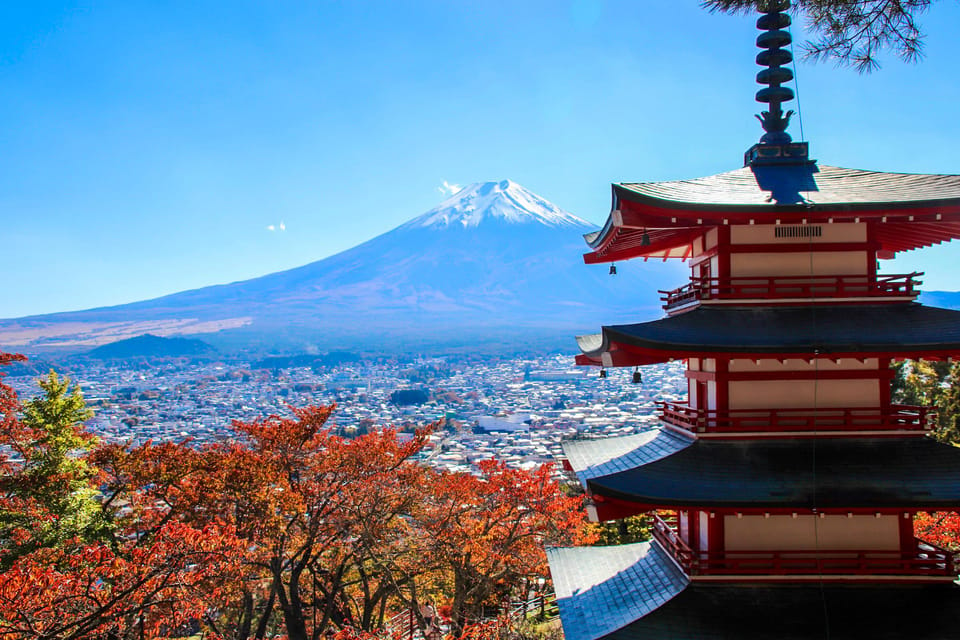
Arakurayama Sengen Park is the place you go when you want the classic Mt. Fuji photo. The view is built around the five-story pagoda and Mount Fuji in the same visual story, plus cherry blossoms in season. When late March to mid-April hits, around 650 cherry trees bloom here and the park becomes the star of a seasonal festival.
The big physical part is the climb: it’s 398 stone steps from the entrance to the observation area. I recommend treating the steps like a warm-up, not a race. If you’re out of breath, pause and take your first look as you go—early sightings are often clearer than you expect.
For photo lovers, this is one of the best moments of the whole day because the angle is so well-defined. One guest even noted there can be a slope option for those who need it, so if stairs are an issue, it’s worth asking your guide what route is easiest on your day.
Seasonal contrast is the other reason this stop works year-round. In autumn, the area shifts into red-and-gold fall colors, making the pagoda and Fuji look like they’re part of the same poster.
Hikawa Clock Shop and Arakura Fuji Sengen Shrine: Quick Stops with Big Photo Payoff
Between the main scenic moments, you’ll have short photo-and-walk time at Hikawa Clock Shop and Arakura Fuji Sengen Shrine. These aren’t deep museum stops. Think of them as visual anchors: places where you can get another Mount Fuji angle, grab a snack or small souvenir, and reset your brain between bigger climbs.
This is also where a good guide really helps. You’ll get context on the area’s spiritual and cultural connections, so the photos feel less like random snapshots and more like you understand what you’re seeing.
If you like wandering at your own pace, these shorter stops are a good trade. You’re not stuck for long stretches, and you still get time to look around instead of rushing through.





Chureito Pagoda: Where Your Camera Finds Its Favorite Angle
You’ll get a dedicated stop at the Chureito Pagoda area as well, which is often the exact photo people imagine when they think of Fuji days. Expect photo lines at peak times, and expect to work the viewing spots a little—step a few meters, change your focal distance, and try different angles.
What’s practical here is that the pagoda is a stable landmark. That means even if the sky is moody, you can still compose something strong: the pagoda stays the anchor, and the mountain (or clouds) changes the mood.
Lake Kawaguchi: Fuji Reflections and the Maple Corridor Option
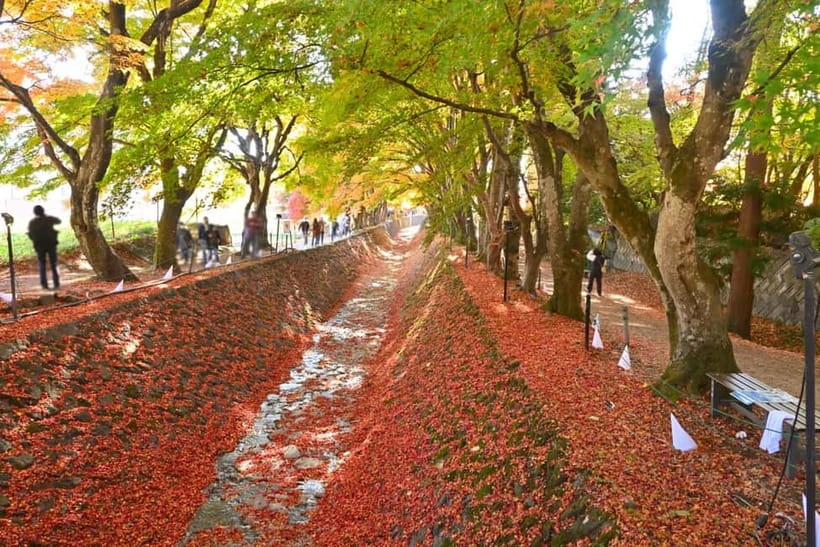
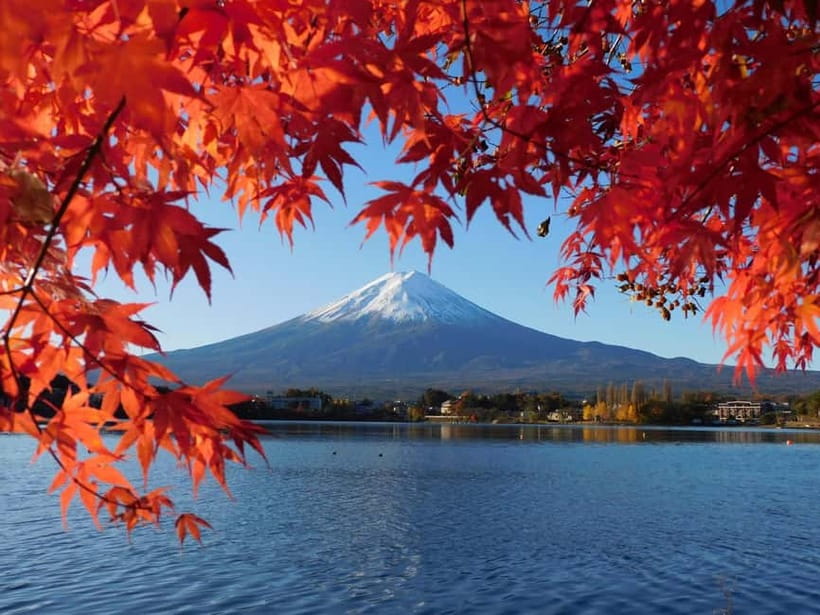
Then the day turns lakeside, and that’s when the whole tour starts to feel more relaxed. You’ll spend time at Lake Kawaguchi with walking and sightseeing, plus a stop at the Lake Kawaguchi Maple Corridor.
Why the lake matters: Mt. Fuji doesn’t just look good from a distance here—it can appear reflected on the water on clear days. Even when visibility isn’t perfect, the lakeshore area gives you different compositions than the mountain viewpoints.
Timing matters a lot in this section. You’ll have around two hours for Lake Kawaguchi time, and the stop at Maple Corridor is a photo-focused break. In autumn, that corridor is famous for fall foliage, and pairing it with Mt. Fuji gives you a strong color story.
If you’re traveling in spring, you can also find cherry blossoms nearby, which makes the walk feel more like a stroll than a scenic obligation. Either way, it’s a great place to slow down, regroup, and take photos without the pressure of constant movement.
Kawaguchiko Craft Park Lunch with a Fuji-View Pause
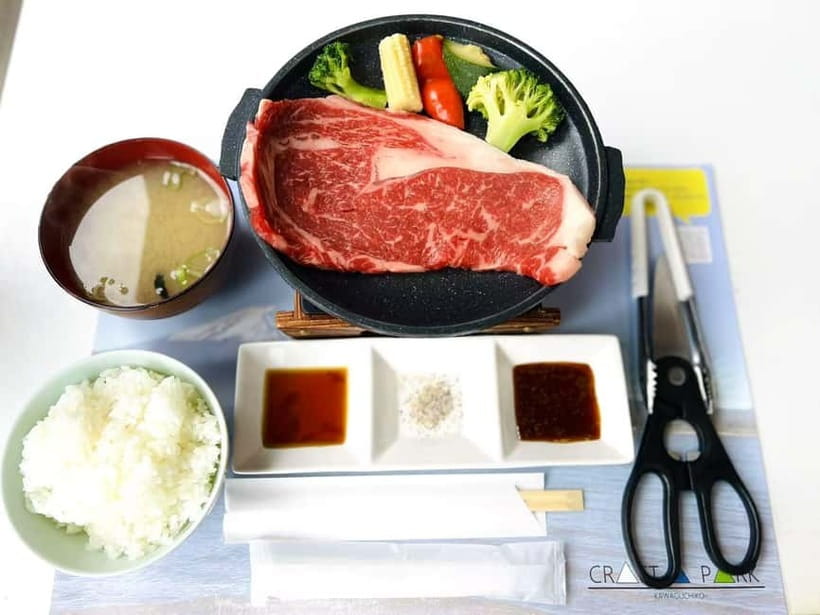
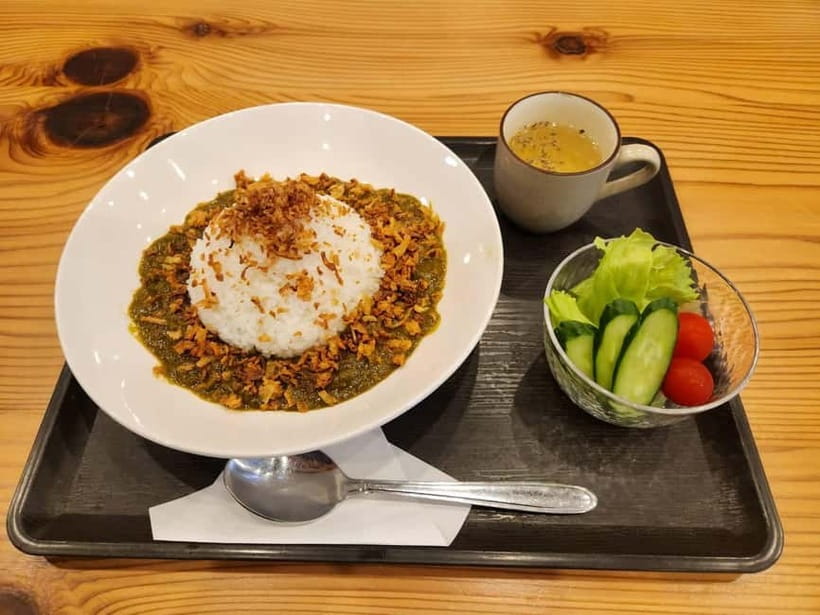
At Kawaguchiko Craft Park, lunch is where the tour turns from sightseeing into food-and-sanity. The park combines craft activity, restaurants, and souvenir shopping. You also get comfortable dining spaces and outdoor seating—so yes, you can eat while keeping an eye out for Mt. Fuji when the weather cooperates.
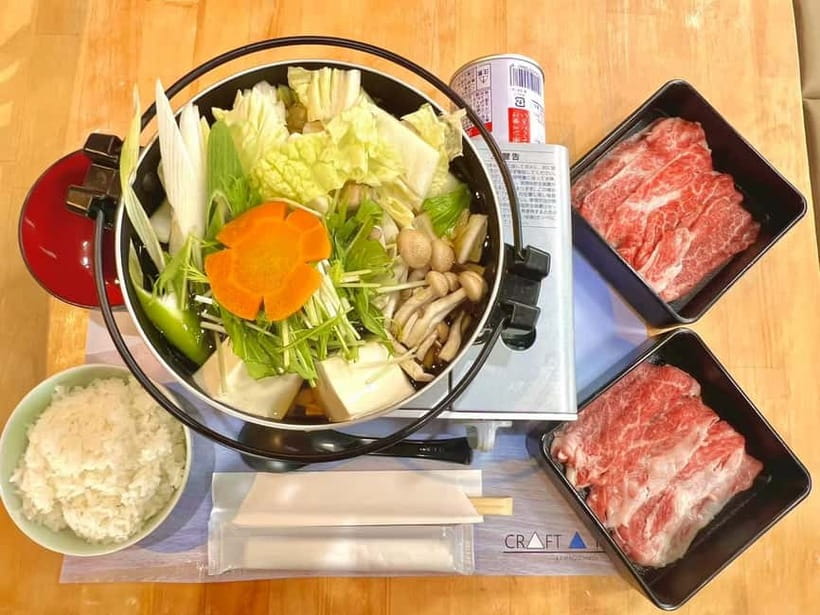
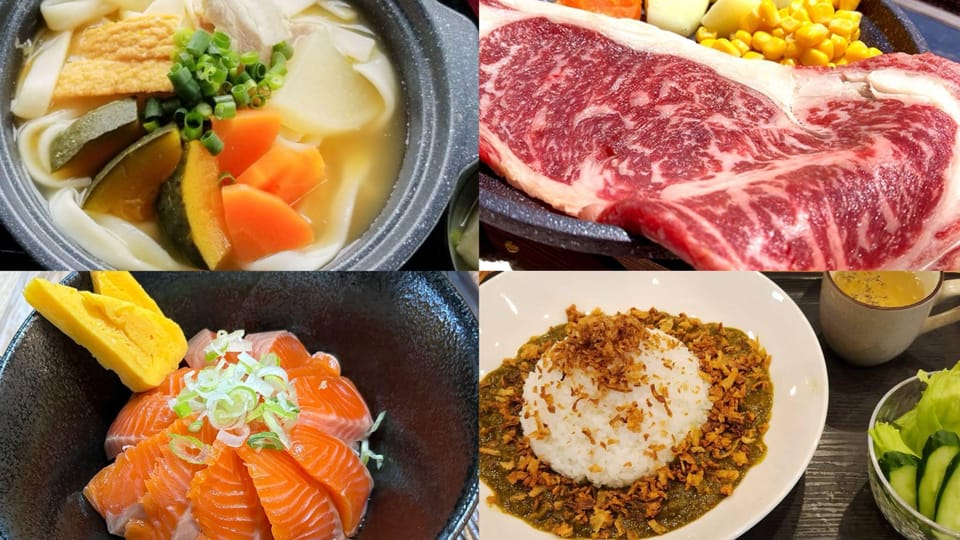
If you choose the lunch option, the provided meal choices include:
- Kobe beef shabu-shabu made with A5-grade Japanese black Wagyu
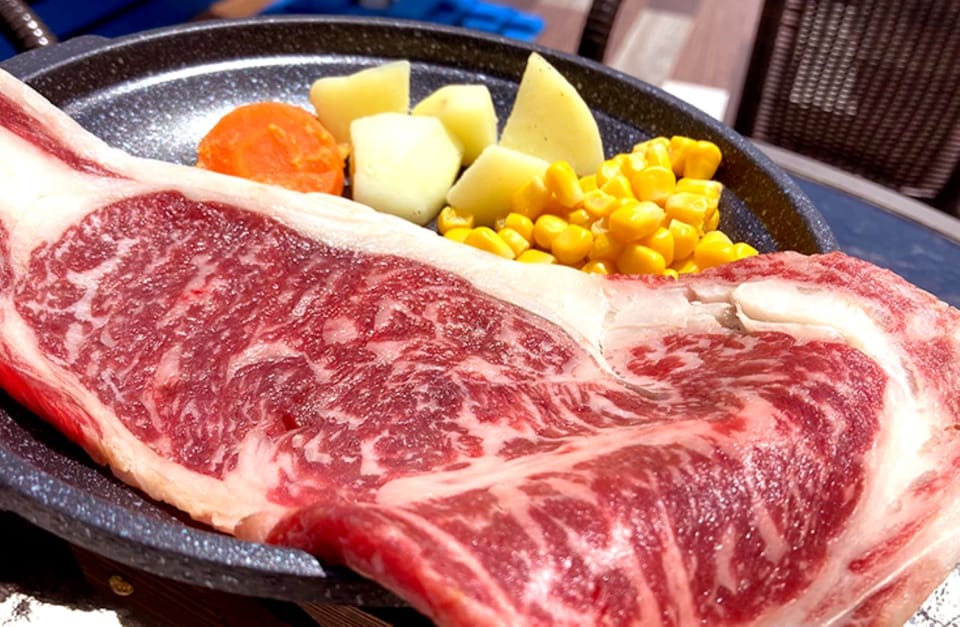
- Koshu wine beef steak, featuring Wagyu raised on grapes in Yamanashi
- Houtou noodles, a local Yamanashi specialty simmered in miso broth with vegetables and chicken
One reason this stop feels like good value: it saves you the headache of figuring out where to eat while everyone else is also trying to find food out there. You’re not trading your scenic time for restaurant searching.
Also, if you have room for sweets, one clear tip from reviews is that people recommend checking out a cheesecake place nearby during this stop area.
Oishi Park: Flower Road Views That Keep Paying Off
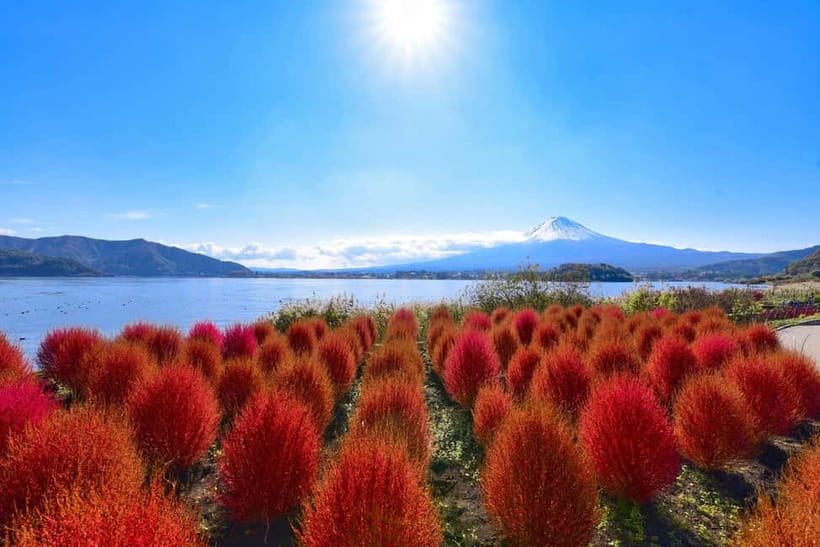
After lunch time, you’ll head to Oishi Park, a favorite for wide Mt. Fuji views and lakeside scenery. If you like the idea of seeing Fuji from a broader horizon—less pagoda, more open sky—this is a great match.
The lakeside here includes the 350-meter-long Flower Road, which changes with the seasons:
- tulips in spring
- lavender in summer
- kochia (broom grass) in autumn
If you visit around early summer, there’s a Kawaguchiko Herb Festival timing that can turn the purple lavender fields into a dreamlike scene in front of Mt. Fuji. Even if you’re outside those exact dates, Oishi still delivers because it’s built for long view lines.
This part of the day is also where you’ll often feel your legs. You’ll have a walk and photo time here, but it’s manageable if you pace yourself. And if Fuji appears briefly between clouds, Oishi is a great place to catch it because the view angle is so open.
Saiko Iyashi-no-Sato Nenba: Thatched Houses, Fuji Photos, and Crafts
The final cultural highlight is Saiko Iyashi-no-Sato Nenba, a restored traditional village by Lake Saiko. The thatched-roof village look is reminiscent of Shirakawa-go, and the experience is meant to feel like you stepped into an older Japan.
You’ll find about 20 houses, and many are used as craft studios, souvenir shops, and eateries. This stop is included with entry, so you’re not figuring out tickets at the end of a long day.
What I like for first-timers is that the village isn’t just for staring. You can dress up in kimono or ninja outfits and take photos with Mt. Fuji in the background. That’s exactly the kind of fun activity that makes a photo tour feel like a memory, not just a slideshow.
It’s also seasonal throughout the year: cherry blossoms and carp streamers in spring, greenery in summer, colorful autumn leaves, and winter snow scenes. Even on less-than-perfect weather days, the village has a different kind of charm than the outdoor viewpoints.
Price and Pace: Is It Worth $54 for One Day?
At about $54 per person for a roughly 10-hour day trip, the value comes from three things.
First, you’re buying route planning. Mt. Fuji viewing spots are scattered, and driving yourself (or piecing together buses) usually costs time and stress. This tour bundles multiple key stops that would take you more effort to assemble.
Second, the schedule hits multiple “types” of views: pagoda-angle, shrine-area, lakeside reflections, flower-road scenery, and then a traditional village. That variety is why the day doesn’t feel repetitive, even though you’re moving around.
Third, you get guidance and timing. Reviews repeatedly mention guides like Omar, Koji, Eric, and George for clear instructions, a friendly vibe, and helpful context. One guide even adjusted the route around traffic and crowds to protect the day’s experience. That kind of small management can make the difference between a Fuji day that feels smooth and one that feels chaotic.
The pace is the trade-off. You’ll walk, you’ll take stairs (especially early), and some stops can feel brief if you’re hoping for hours of wandering. If you want a slow, laid-back Fuji day, this might feel too structured. If you want maximum Fuji chances and clear stops in one day, it’s a strong deal.
Practical Tips Before You Go (So the Day Feels Easy)
A few things can make a big difference:
- Dress in layers. Conditions can shift from Tokyo to lakeside fast, and you’ll be outside at scenic points.
- Bring comfortable walking shoes. Between steps and lakeside paths, this isn’t a flip-flop day.
- Move quickly for photos, then slow down. At the icon spots, Fuji can change behind clouds.
- Pick your lunch option based on what you want that day. Houtou noodles are often the safe local comfort choice.
- If Fuji is hidden, don’t panic. You still get parks, lakes, flowers, and the village experience.
And if you’re traveling in a group and want the best odds of a clear view, stay calm and trust the sequence. Multiple viewpoints are the point here.
Should You Book This Mt. Fuji Day Trip?
I’d book it if you want a structured day trip from Tokyo that gives you several Mt. Fuji photo angles and includes a satisfying cultural stop at Saiko Iyashi-no-Sato Nenba. It’s also a good pick if you like organization without losing the chance to wander.
I wouldn’t book it if you hate walking and stairs, or if you’re the type who wants lots of time to linger at just one place. This tour is designed for variety and efficiency.
If your main goal is to see Fuji with minimal hassle, and you’re okay with a long day, this one is a solid choice.
FAQ
How long is the tour?
The tour runs for about 10 hours.
Where do I meet the tour in Tokyo?
There are two possible starting locations in Tokyo, and the meeting point can vary depending on the option you booked. You’ll meet at the designated location for your option.
What stops are included during the day?
You’ll visit Arakurayama Sengen Park, Hikawa Clock Shop, Arakura Fuji Sengen Shrine, Chureito Pagoda, Lake Kawaguchi, Lake Kawaguchi Maple Corridor, Kawaguchiko Craft Park, Oishi Park, and Saiko Iyashi-no-Sato Nenba. The day ends at Shinjuku Station.
Is lunch included?
Lunch is included if you select the lunch option. Choices listed are Kobe beef shabu-shabu, Koshu wine beef steak, or Houtou noodles.
What is included with Saiko Iyashi-no-Sato Nenba?
Entry tickets for Saiko Iyashi-no-Sato Nenba are included.
Does the tour have an English guide?
Yes. The live tour guide is available in English and Chinese.
What happens if there’s traffic or delays?
If the bus is delayed due to traffic or unexpected situations, the time at attractions may be adjusted.
What is the cancellation policy?
You can cancel up to 24 hours in advance for a full refund.
More Tour Reviews in Tokyo



Fresh reviews from around Tokyo






Tokyo, compared.
 ★ 5.0Mt Fuji and Hakone 1-Day Bus Tour Return by Bullet TrainFrom $16326,383 reviews
 ★ 5.01-Day Tokyo Bus TourFrom $12914,250 reviews
 ★ 4.6teamLab Planets TOKYO Digital Art Museum Entry TicketFrom $259,779 reviews
 ★ 4.0Mt Fuji & Hakone Cruise, Drum Show Bullet Train 1 Day from TokyoFrom $1497,413 reviews
 ★ 5.0Shinjuku Food Tour (13 Dishes at 4 Local Eateries)From $866,603 reviews
 ★ 4.4Tokyo Mt Fuji 5th St & Hakone Cruise Bus Tour w/Bullet TrainFrom $1545,024 reviews
 ★ 5.0Flagship 2-Hours Official Street Go-Kart Tour – Tokyo Bay ShopFrom $644,974 reviews
 ★ 4.5From Tokyo: Mount Fuji Full-Day Sightseeing TripFrom $684,970 reviews