
Reviewed · TOKYO
Tokyo:Celebrate Unique Japanese New Year Tradition Festivity
Foxes, lanterns, and midnight in Tokyo.
This New Year’s Eve experience brings the famous Oji Inari Shrine fox legend to life in front of you, inspired by ukiyo-e woodblock art. I love the VIP reserved viewing area, because it swaps the usual crowd crush for a clear, front-row-style view. I also love the guided context at the shrine, where your host helps you connect what you’re seeing to Japanese New Year traditions, instead of treating it like a random night parade.
There’s one thing to consider: the tour flow can feel a bit uneven. Some people experienced light on-the-ground briefing at key moments and a short wait near countdown time, even though the reserved viewing itself worked well.
In This Review
- Key highlights to know before you go
- Why the Oji Fox Parade feels like ukiyo-e came alive
- VIP viewing at Oji: how the reserved area changes everything
- Meeting at JR Oji North Exit and warming up with a kanpai
- Otonashi Water Park: a short reset before the shrine
- Oji Shrine visit: where the guide’s role really matters
- Midnight viewing and the kitsunebi glow
- Price and value: what you’re paying for in this Tokyo night
- Who this Oji fox-fire night suits (and who should skip it)
- Booking smart: choosing between the 2-hour and 3-hour options
- Should you book this Oji New Year tour?
- FAQ
- Where do we meet for the Oji Fox Parade tour?
- How long is the tour?
- What’s included in the 2-hour option?
- What’s included in the 3-hour option?
- What is kitsunebi?
- Can I take photos with flash?
- Is smoking allowed?
- Who should not book this experience?
- What should I bring?
- What’s the cancellation policy?
Key highlights to know before you go
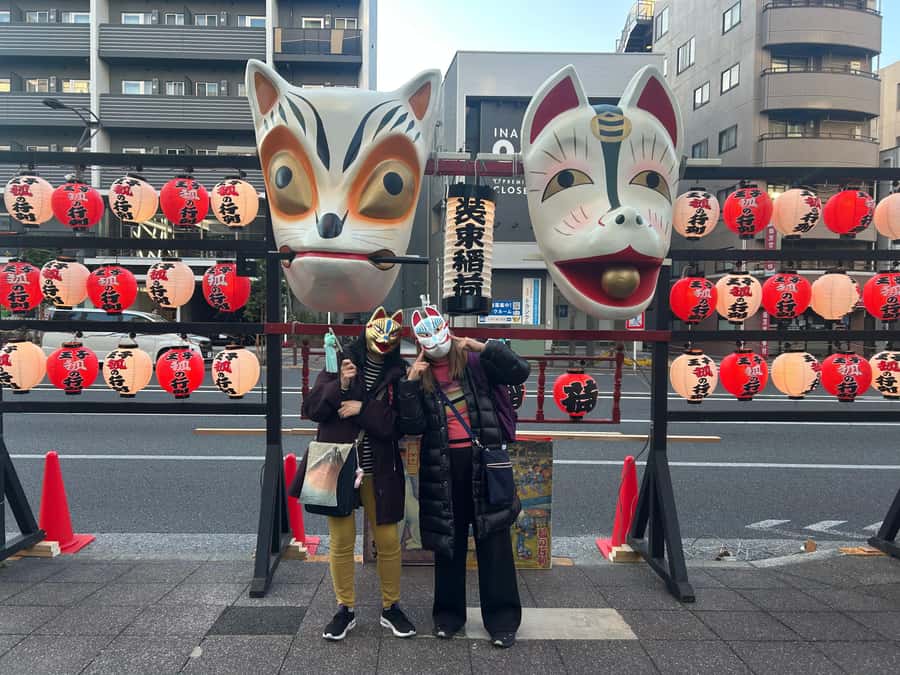
- Oji Fox Parade reenactment of the legendary fox gathering tied to New Year’s Eve
- Kitsunebi glowing lanterns carried by fox-masked participants in traditional kimonos
- Government-permitted VIP viewing zone so you can actually see the procession
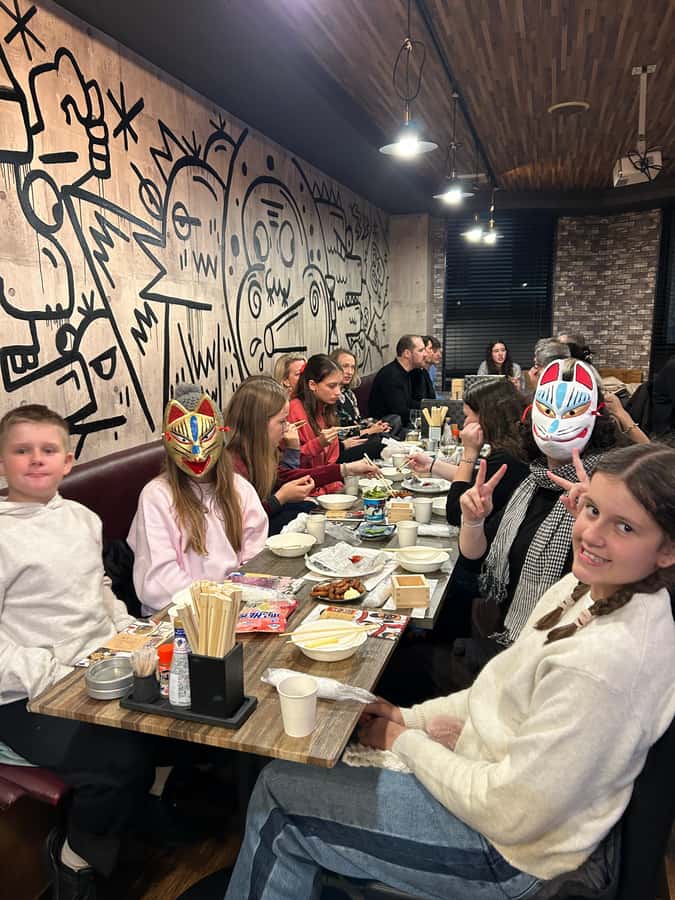
- Kanpai at a local izakaya/bar with snacks plus one drink on the 3-hour option
- Stops beyond the shrine including Otonashi Water Park and a photo viewpoint
- English or Chinese live guide who shows you a fox mask and shares cultural meaning
Before you commit, see how this one stacks up against a few Tokyo favourites:
- Mt Fuji and Hakone 1-Day Bus Tour Return by Bullet Train★ 5.0 · 26,383 reviews
- 1-Day Tokyo Bus Tour★ 5.0 · 14,250 reviews
- Tokyo: teamLab Planets TOKYO Digital Art Museum Entry Ticket★ 4.6 · 9,779 reviews
Why the Oji Fox Parade feels like ukiyo-e came alive
Oji (in Tokyo’s Honshu mainland north side) is where a myth turns into a real night you can walk through. On New Year’s Eve, the story centers on foxes traveling to Oji Inari Shrine—a legend connected to Inari spirituality and New Year rituals. The event’s look and feel are inspired by ukiyo-e woodblock print imagery, so you’re not just watching movement. You’re watching a visual idea—like the artwork stepped off the page and into the street.
If you’re the type of traveler who likes meaning with your photos, this is a big reason the event has staying power. You’re guided through what foxes and Inari symbolism mean during the New Year season, and you get a chance to see how people dress and act in a way that matches the legend. Even the glowing lantern moment, tied to kitsunebi (foxfire), lands differently when you understand what it represents.
I’ll be honest: some tours can feel like they’re only about the spectacle. This one tries to add the “why” at the shrine, even if the on-the-spot communication can vary.
VIP viewing at Oji: how the reserved area changes everything
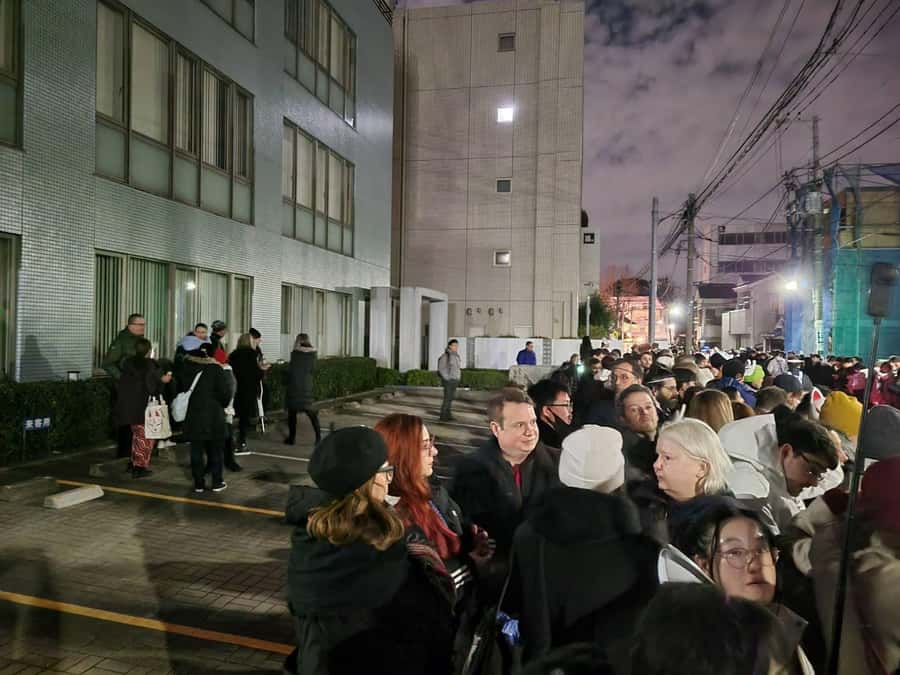
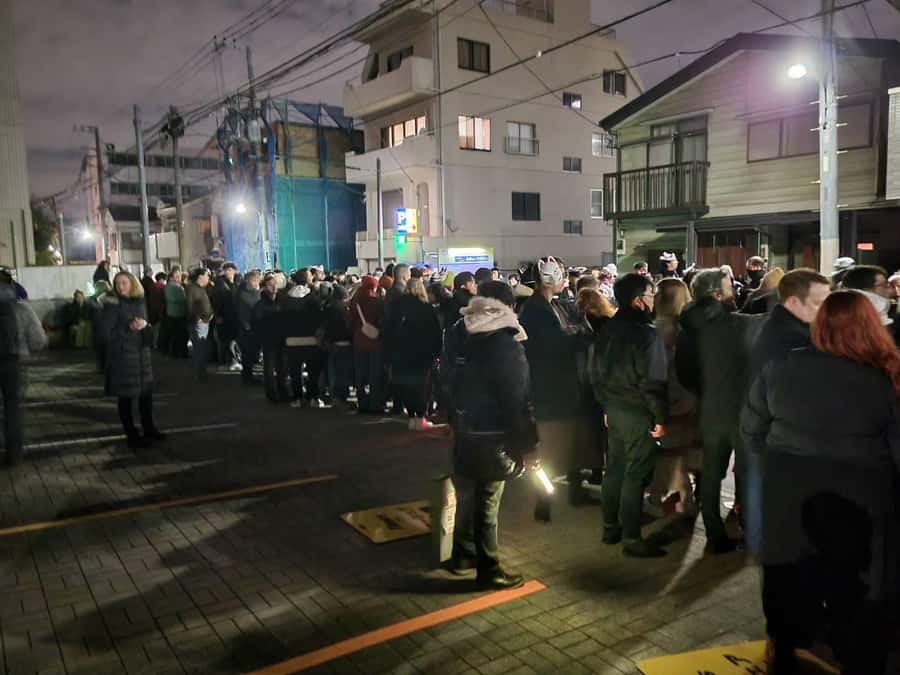
New Year’s Eve in Tokyo can be a game of inches. One wrong positioning choice and you’re stuck behind shoulders and phone screens. The smart part of this tour is the reserved viewing zone. It’s described as government-permitted and crowd-managed, so you’re not fighting your way through the densest parts of the night.
From a value standpoint, this matters more than people think. A parade is one thing; a parade you can actually see is another. Here, you’re set up to watch the fox procession clearly, and multiple stops are built around photos and viewing rather than sprinting from one random angle to another.
Practical tip: keep your camera ready during the lantern segment. You can take great photos, but note the rule—no flash photography. Flash will annoy people and may get you told to stop. Warm clothing also matters because you’ll be outside watching long enough for your body to cool down.
Meeting at JR Oji North Exit and warming up with a kanpai

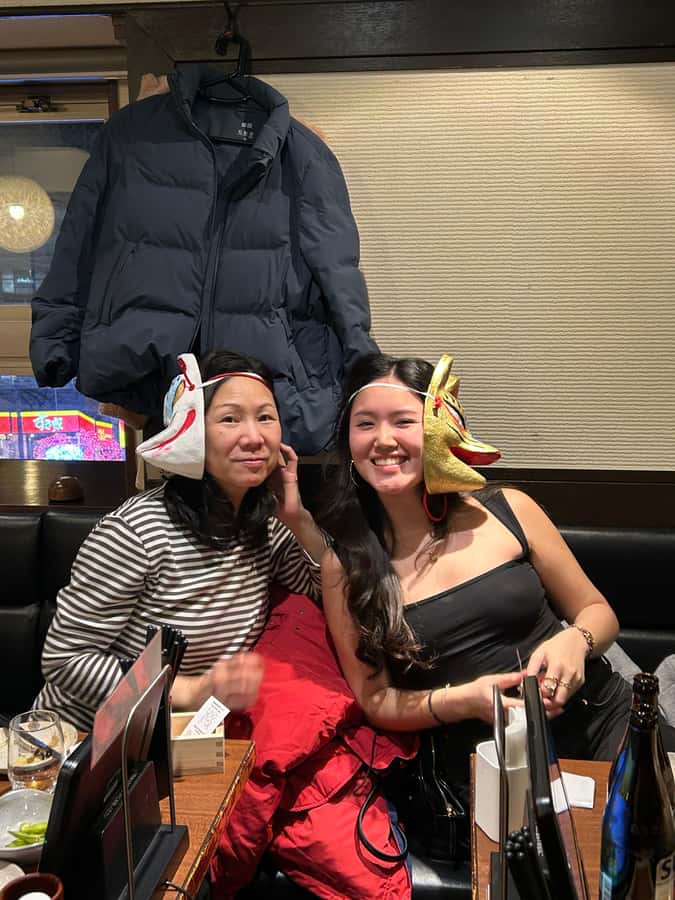
Your meeting point is straightforward: the north entrance of JR Oji station (Kehin–Tōhoku Line). If you’re arriving by Tokyo Metro Namboku Line at Oji Station, you take Exit 3 to reach the JR north entrance area. The guide should be easy to spot and will show you a fox mask as part of getting you in the mood.
From there, you head to a local bar for about one hour. On the option that lasts 3 hours, you’ll have snacks plus one drink. The bar portion is a nice buffer between the cold outside and the shrine-and-parade timeline. It also helps you feel less like you’re just waiting for midnight like a bus schedule.
What I like about this setup is how it gives you a real “local New Year Eve” feel rather than only city sights. The food is described as local snacks, with beer and wine also mentioned for the bar. Still, if you’re expecting a deep, course-by-course dining experience, this part is more about warming up and keeping things moving.
One more practical note: the tour specifies no alcoholic drinks in the vehicle. So keep any drink moments for the scheduled stop.
Otonashi Water Park: a short reset before the shrine
The itinerary includes a quick visit to Otonashi Water Park for about 15 minutes. It’s not long, so don’t plan it like a full attraction stop. Think of it as a reset—an in-between pocket of time to look around, stretch your legs, and get your bearings before you move toward the shrine area.
In cold-season city nights, these tiny breaks help. You don’t want to go from the first meeting moment straight into long outdoor standing without any pause. This stop also helps break the night into manageable chunks, which is good if you’re traveling with someone who gets restless.
Because the stop is brief, I’d keep expectations simple: see it, absorb the calmer moment, then get ready for the more intense parade viewing.





Oji Shrine visit: where the guide’s role really matters
Next is the shrine time—about 45 minutes at Oji Shrine. This is the “meaning” segment. Your host is there to share the history of the shrines and explain the significance of Japanese New Year traditions, including how the fox legend connects to what you’ll experience outdoors.
This is also where you can feel whether a tour’s guidance is strong. In the better-run versions of this kind of night, you’re standing somewhere sacred and learning enough to understand what you’re seeing: the symbolism, the season, and why the lantern-carrying fox imagery matters. On less smoothly run days, the shrine segment can become more about timing than explanation. Still, the guide is part of the promise here, and the fox mask introduction is meant to set that tone early.
Photography tip again: no flash. If you want night-shrine photos, use your phone’s low-light mode (no flash) or a steady grip. Warm up your hands before you take lots of pictures; cold fingers make even the simplest camera moves frustrating.
Midnight viewing and the kitsunebi glow
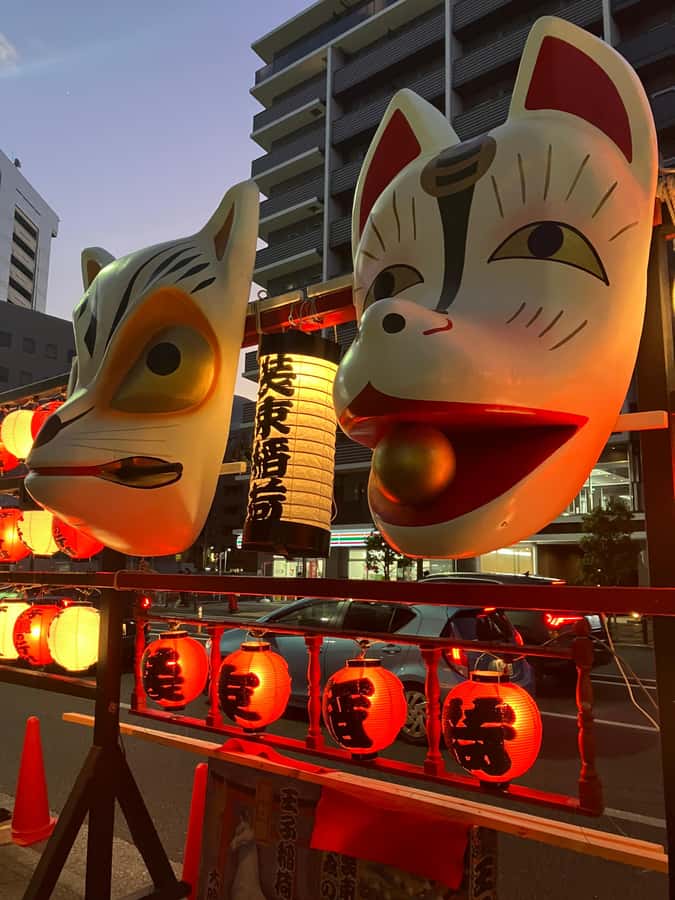
The big moment is the fox procession viewing tied to the legend reenactment. The event includes over 200 participants in traditional kimonos and fox masks carrying glowing lanterns that represent foxfires (kitsunebi). This is the surreal part—when Tokyo feels like it’s stepping into the world of the woodblock prints.
Your reserved area is what makes the difference here. When the lanterns move and the procession flows, you want stable sightlines. The itinerary also includes a photo stop/view point for about 30 minutes, which is built for capturing the scene without rushing.
A realistic expectation: midnight is not an exact minute like a train arriving on schedule. You’re dealing with a living ritual in a real neighborhood. If your timing includes a short wait near countdown, plan to stay patient. You’re outside, and the vibe is part of the experience—even if the pacing isn’t perfectly scripted.
What to bring to survive the moment:
- Comfortable shoes (you’ll stand and walk)
- Warm clothing (it’s New Year’s Eve cold)
- Camera, with the reminder: no flash photography
- A calm attitude for crowds and timing shifts
Price and value: what you’re paying for in this Tokyo night

This experience is listed at two price tiers:
- JPY 10,000 for 2 hours: fox procession viewing plus shrine visit
- JPY 15,000 for 3 hours: fox procession viewing, shrine visit, plus snacks with one drink
At around $64 per person (matching the higher-value plan), you’re not paying just for “seeing foxes.” You’re paying for time discipline and access—a reserved, crowd-managed viewing zone and a guided shrine visit. Those two pieces are usually what make the experience feel worth it versus trying to DIY it during one of the busiest nights of the year.
The bar/izakaya portion on the 3-hour option adds clear value too. It’s not a luxury meal, but it’s practical: you get snacks, you get one drink, and you get a human break before the cold and standing start. If you’re the type who likes to move efficiently and avoid long lines and guesswork, that structure helps.
If you’re already comfortable navigating on your own and you mainly care about viewing, the 2-hour option may be enough. But if you want the full flow—viewing plus shrine context plus a warm-up with food—the longer option is the better match.
Also note the tour runs under OMAKASE LLC, and the guide languages are English and Chinese. That matters because it affects how much you can actually take in during the shrine explanation.
Who this Oji fox-fire night suits (and who should skip it)
This is built for people who can stand, walk a bit, and enjoy a ceremonial pace. It’s explicitly not suitable for children under 12, and it’s also not recommended for travelers with back problems, pregnancy, or heart problems/serious medical conditions. It’s also not for wheelchair users.
So who should go?
- Adults (and older teens) who want a more meaningful New Year Eve than a generic countdown
- People who value guided context at a shrine, not just parade viewing
- Anyone who hates crowd chaos and wants a reserved viewing zone
Who should reconsider?
- Anyone who needs frequent seating breaks
- Anyone who can’t handle cold outdoor waiting
- Anyone who wants a fully structured, perfectly announced program at every step
And here’s where the mixed reviews point to a key decision rule: if your top priority is calm, highly scripted organization, you might find the tour less consistent than you expect. If your top priority is getting the reserved view and soaking up a real local myth ritual, the core experience is still the reason to book.
Booking smart: choosing between the 2-hour and 3-hour options
You basically have two ways to match the night to your energy level.
Pick the 2-hour option if:
- You mostly care about the fox procession viewing and the shrine visit
- You want fewer moving pieces during a long, cold evening
- You’re planning a separate snack/drink plan elsewhere after
Pick the 3-hour option if:
- You want that kanpai moment with snacks plus one drink
- You’d rather let the schedule carry you instead of building your own meal stop
- You want a smoother lead-in to the lantern moment
Either way, dress warm. Bring comfortable shoes. Expect to be outside. And remember the photo rule: no flash.
Should you book this Oji New Year tour?
If you want a Japanese New Year Eve experience that feels like folklore, art, and ritual in one place, this is a strong choice. The reserved viewing area is the anchor, and it’s why you get a clear view of the fox procession and the glowing kitsunebi lantern moment. The shrine visit adds meaning, and the 3-hour option gives you a practical warm-up with snacks and a drink.
I’d book it if you’re comfortable with a bit of real-life pacing and you care more about the atmosphere than perfect announcements. I’d hesitate if you need highly detailed guidance at every turn and you’re easily thrown by small waits. This tour can deliver the main spectacle well—but the experience quality depends on how smoothly the guides run that particular night.
FAQ
Where do we meet for the Oji Fox Parade tour?
You meet at the north entrance of JR Oji station (Kehin–Tōhoku line). If you arrive via Tokyo Metro Namboku line, take Exit 3 and go to the JR north entrance area.
How long is the tour?
It runs for either 2 hours or 3 hours, depending on which option you choose based on your schedule.
What’s included in the 2-hour option?
The 2-hour option includes fox procession viewing and a shrine visit.
What’s included in the 3-hour option?
The 3-hour option includes fox procession viewing, a shrine visit, and snacks with one drink.
What is kitsunebi?
Kitsunebi refers to the glowing foxfire-like lantern imagery used during the fox procession, represented by lanterns carried by participants.
Can I take photos with flash?
No. Flash photography is not allowed.
Is smoking allowed?
No. Smoking is not allowed during the tour.
Who should not book this experience?
It is not recommended for people with back problems, pregnant travelers, or travelers with heart problems or other serious medical conditions. It also isn’t suitable for children under 12 or wheelchair users.
What should I bring?
Bring comfortable shoes, warm clothing, and your camera.
What’s the cancellation policy?
You can cancel up to 24 hours in advance for a full refund.
More Tour Reviews in Tokyo



Fresh reviews from around Tokyo






Tokyo, compared.
 ★ 5.0Mt Fuji and Hakone 1-Day Bus Tour Return by Bullet TrainFrom $16326,383 reviews
 ★ 5.01-Day Tokyo Bus TourFrom $12914,250 reviews
 ★ 4.6teamLab Planets TOKYO Digital Art Museum Entry TicketFrom $259,779 reviews
 ★ 4.0Mt Fuji & Hakone Cruise, Drum Show Bullet Train 1 Day from TokyoFrom $1497,413 reviews
 ★ 5.0Shinjuku Food Tour (13 Dishes at 4 Local Eateries)From $866,603 reviews
 ★ 4.4Tokyo Mt Fuji 5th St & Hakone Cruise Bus Tour w/Bullet TrainFrom $1545,024 reviews
 ★ 5.0Flagship 2-Hours Official Street Go-Kart Tour – Tokyo Bay ShopFrom $644,974 reviews
 ★ 4.5From Tokyo: Mount Fuji Full-Day Sightseeing TripFrom $684,970 reviews