
Reviewed · TOKYO
Tokyo:Calligraphy &Make your original folding fan in Asakusa
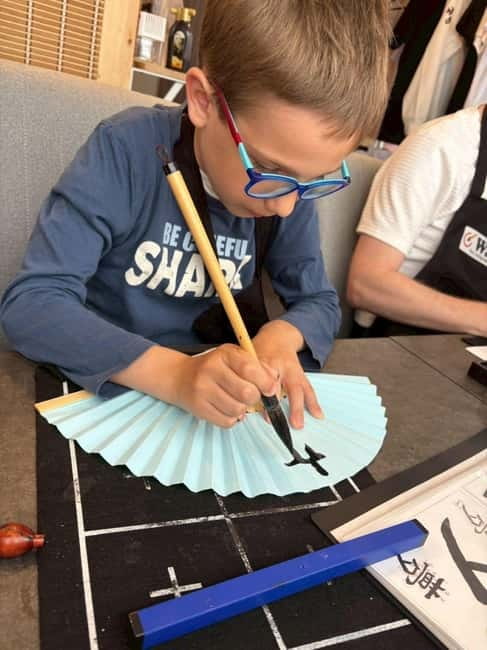
Tokyo calligraphy can feel like breathing slower. In Asakusa, you learn Japanese calligraphy basics—history, posture, strokes, and ink use—then turn it into something you can actually take home: your own calligraphy pieces and an original folding fan. I love that you practice for a real chunk of time (not just a quick demo), and I love the practical payoff: you leave with a keepsake plus a postcard to yourself. One thing to consider: your clothes can get messy, so plan on wearing something that tolerates a little ink.
This workshop is also a nice break from Tokyo motion. You’ll work with a brush called the fude, use traditional solid ink sticks that you melt with water, and get guidance on right posture so your strokes look more confident. The instructor speaks English, which matters here—calligraphy is easier when you can ask simple questions about pressure, angle, and how the ink behaves.
I went looking for a fun cultural activity, but what I really like about this one is how it turns into a calm, focused hour. You start by learning the mind of hiragana and the logic behind strokes, then you build skills through guided practice—about eight techniques—before choosing your favorite design. If you’re tight on mobility, note that it’s not suitable for wheelchair users, and there’s also no food or drinks during the session.
In This Review
- Key things you’ll notice in this class
- Asakusa: a quiet pocket for Japanese brushwork
- The fude brush, solid ink sticks, and why posture actually matters
- From hiragana mindset to the mechanics of strokes
- Your 30 minutes on thin paper: choosing the design and making it yours
- Green tea and a postcard to your future self
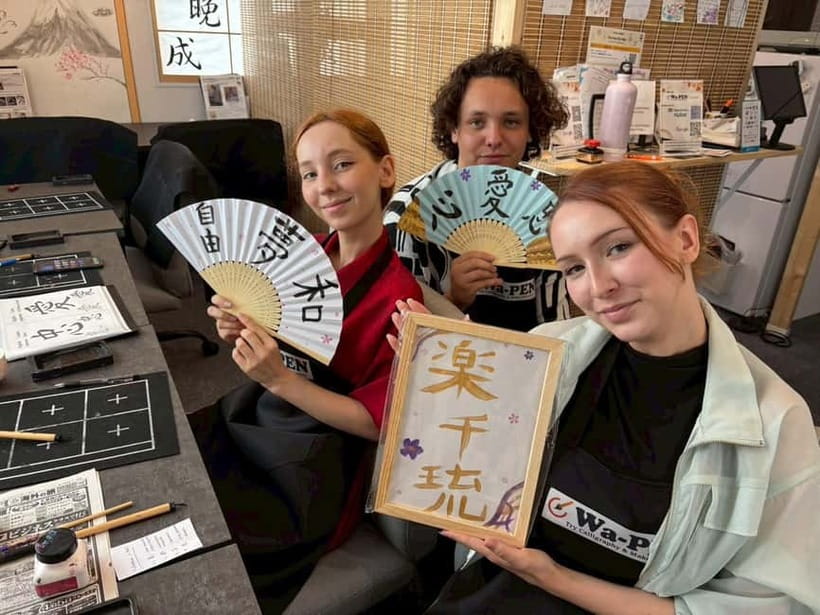
- The original folding fan: turning calligraphy into a wearable memory
- Price and what $16 really buys (and what to watch)
- Who should book this calligraphy class in Tokyo
- Practical tips before you go (so you enjoy it more)
- Should you book Tokyo: Calligraphy & Make your original folding fan in Asakusa?
- FAQ
- How long does the calligraphy and folding fan workshop take?
- How much does it cost?
- Where is the meeting point in Asakusa?
- Is the instructor able to teach in English?
- What will I make and take home?
- Is green tea included?
- What should I wear or bring?
- If I choose the Henna Tattoo option, do I still do calligraphy?
Key things you’ll notice in this class
- Asakusa setting with a skill-focused workshop that’s built around practice time, not just watching
- Ink-stick melting and proper fude brush handling so your strokes aren’t guesswork
- Posture and attitude coaching, so you learn the why behind the how
- Guided practice using thin paper and guide sheets, then a 30-minute personal writing session
- A two-part keepsake setup: calligraphy you take home plus an original folding fan
- Green tea and a postcard moment, aimed at making the memory last after you leave Japan
Before you commit, see how this one stacks up against a few Tokyo favourites:
- Mt Fuji and Hakone 1-Day Bus Tour Return by Bullet Train★ 5.0 · 26,383 reviews
- 1-Day Tokyo Bus Tour★ 5.0 · 14,250 reviews
- Tokyo: teamLab Planets TOKYO Digital Art Museum Entry Ticket★ 4.6 · 9,779 reviews
Asakusa: a quiet pocket for Japanese brushwork
Asakusa is one of those Tokyo neighborhoods where your day can swing wildly—crowds near Senso-ji, snacks, street life. This workshop gives you a different tempo. You’ll slow down and focus on one small thing: the brush tip touching paper, one controlled stroke at a time.
The whole format is designed to be approachable. You start with background—history of Japanese calligraphy and how hiragana connects to modern life—then you move quickly into technique. That mix is exactly what makes it rewarding for beginners. You’re not thrown into a final masterpiece without a map; you’re guided from concepts (what the strokes mean) into muscle memory (how to produce them).
Most people also like that it’s not a hurry-up class. The session length can run 30 to 90 minutes, and the teaching style emphasizes taking the time you need to reach a result you’re satisfied with. If you want a “Tokyo highlight” that doesn’t require stamina, this is one of the better choices.
The fude brush, solid ink sticks, and why posture actually matters
A big part of calligraphy isn’t the fancy part. It’s the basics: grip, angle, and pressure. That’s where this class earns its value.
You’ll learn how to use the fude (the Japanese calligraphy brush). Your instructor also shows how to sit and hold your body with the right attitude. That might sound like etiquette talk, but it’s practical. When your posture is stable, your wrist and brush move more smoothly, and your strokes look intentional instead of shaky.
Then comes the traditional part: you melt solid ink sticks with water. Watching ink turn from a hard stick into usable liquid is surprisingly satisfying. It also helps you understand why ink behavior matters—how thick it is, how it spreads, and why people adjust their brushwork depending on what they’re aiming for.
If you’ve ever tried writing with a pen and felt it never matches what you see in your head, you’ll probably understand this quickly. Calligraphy is different because the brush reacts to your motion. Proper technique coaching makes that curve gentler.
From hiragana mindset to the mechanics of strokes
The class doesn’t only teach letters as shapes. It teaches the thinking behind them—especially the feel of hiragana.
You’ll spend time learning the history of Japanese calligraphy and how hiragana reflects the mind of the script in daily life. That context helps you stop seeing letters as random symbols. Instead, you start noticing how strokes link together and how rhythm shows up on the page.
After that, you practice the core building blocks using guide paper and instruction on technique. The workshop focuses on about eight techniques. Even if you don’t know what each technique is called in Japanese, you’ll understand what each one is trying to produce: straighter lines, smoother curves, controlled stops and starts, and consistent ink flow.
This is also where the best moments happen. When you get even one stroke right—clean start, steady curve—you can feel the difference immediately. That’s why many people describe the experience as relaxing and almost meditative. It’s not hype; it’s repetition with feedback, which is basically stress relief with purpose.
Your 30 minutes on thin paper: choosing the design and making it yours
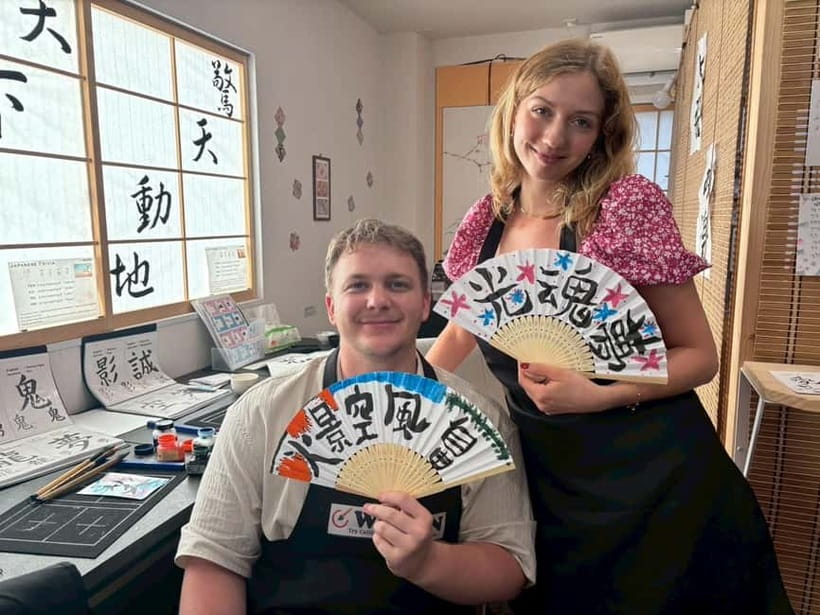
Once you’ve practiced the basics, you’ll move into the personal part. This is where you take the skills you just learned and turn them into your actual souvenir.
You’ll practice for about 30 minutes on thin paper, using what you’ve learned and supported by guidance. Before you write your final piece(s), you’ll choose a design. The workshop includes options like picking from a sample book or working with staff to decide what you’ll write.
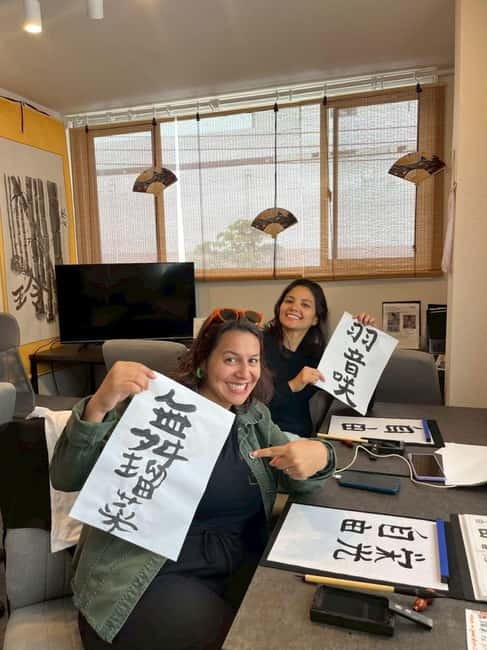
You can expect the class to help you choose something that fits what you want to express—many people end up writing names and meaningful characters. One of the nicest touches is that the instructor encourages you to keep practicing until you’re genuinely satisfied. It’s a small difference, but it changes the whole experience. You’re not forced into a “good enough, next!” pace.
When you finish, you’ll take your calligraphy home as a one-of-a-kind souvenir. This is the kind of item that feels more personal than a postcard rack souvenir, because it carries your own choices and your own effort.





Green tea and a postcard to your future self
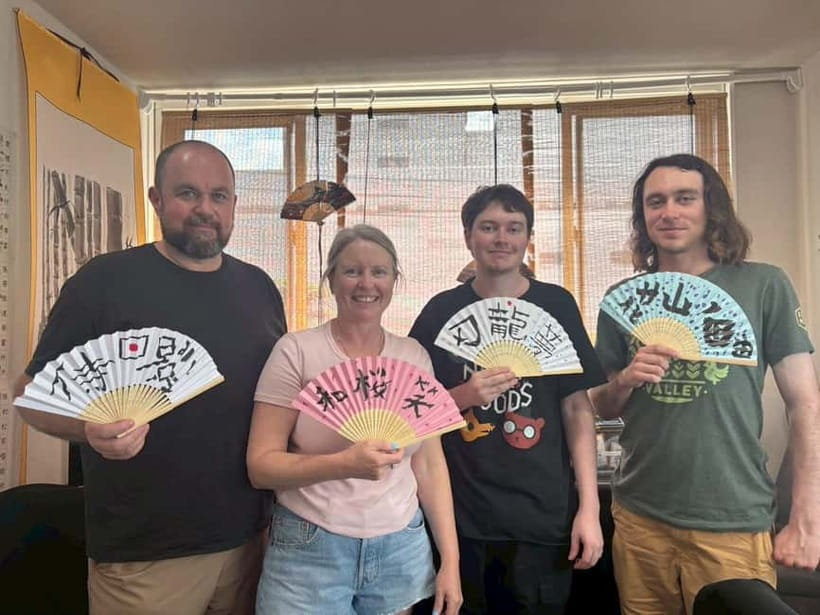
You get a cup of green tea during the session, which is a welcome reset. It also gives you a natural pause point before the writing-to-memory part of the experience.
Then you write a postcard for yourself at home. The class frames it around reflection—what you feel after calligraphy, and how you want to remember the moment once you’re back in your routine. If you like keeping small travel rituals, this one is easy to use: you’ll write something you’ll actually want to read later, not just a quick note to someone else.
It also makes the workshop feel complete. You’re not only producing art; you’re capturing meaning. The postcard becomes a time capsule, especially if you’re using it on a day you want something calmer than sightseeing.
The original folding fan: turning calligraphy into a wearable memory
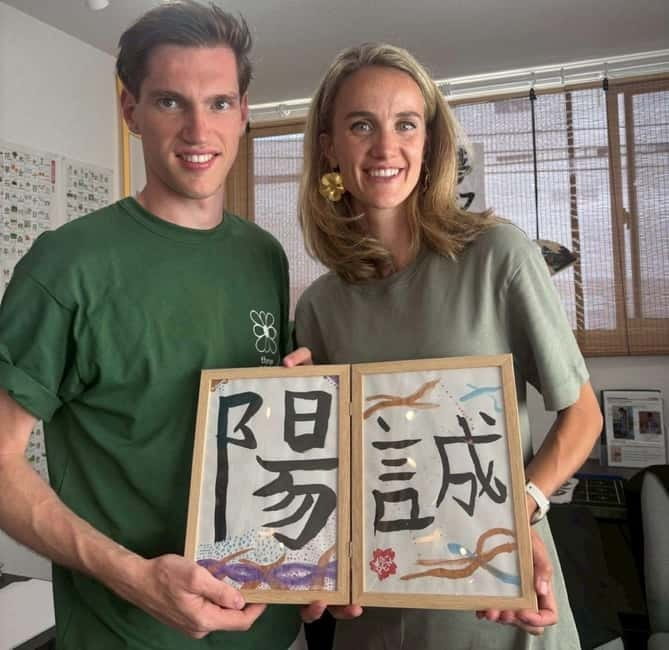
The final craft piece is what many people remember most: making an original folding fan based on your calligraphy.
This part matters because it changes the scale of what you made. Calligraphy alone is beautiful, but it can feel fragile—easy to misplace once you get home. A folding fan is practical and visual, and it makes your calligraphy feel like it belongs to you, not just to the workshop.
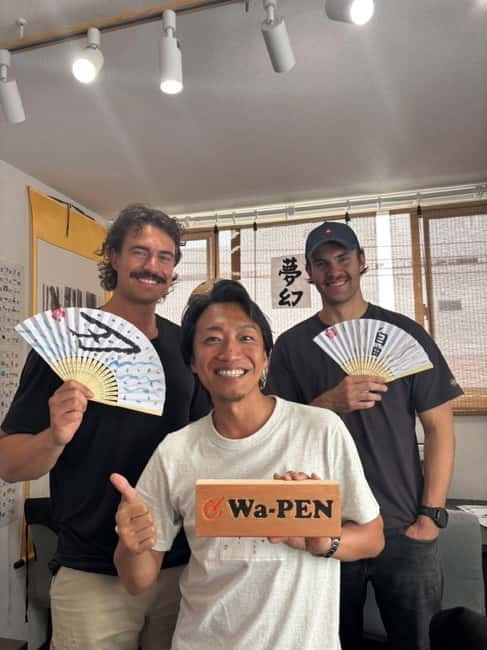
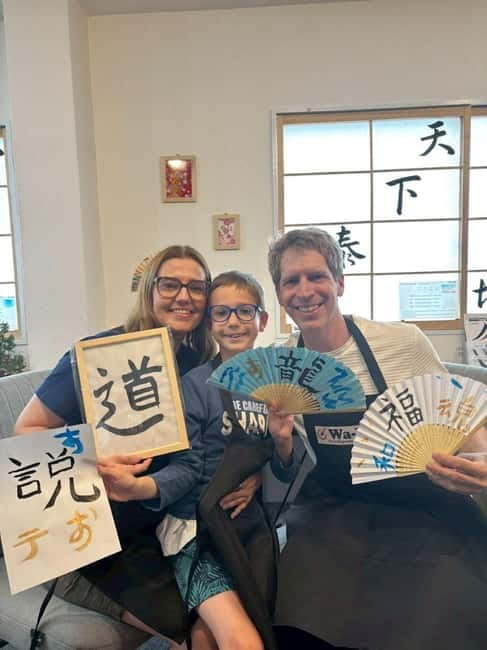
You’ll create your fan using your chosen calligraphy design. The instructor and staff guide you through the steps so you’re not guessing. If you’re traveling with someone—spouse, friend, even a kid—this fan step also tends to feel playful. It turns a skill lesson into a tangible outcome.
One more note: some people mention added items in their own sessions. The workshop info here focuses on calligraphy, the postcard experience, and the fan. If you want extra products, check what’s offered for your specific booking before you arrive.
Price and what $16 really buys (and what to watch)
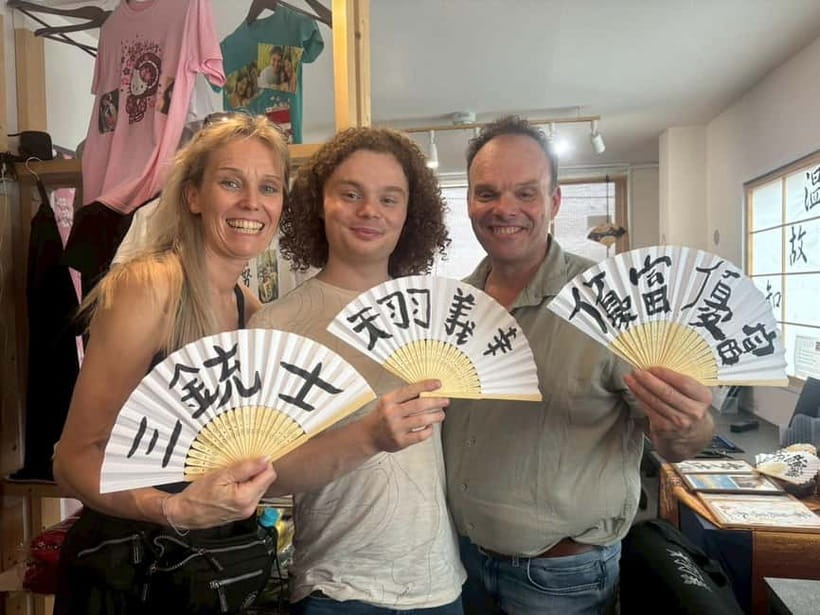
At $16 per person, this workshop is strong value if you want hands-on learning instead of a short photo stop. You’re paying for instruction, materials, practice time, and take-home items (your calligraphy and your folding fan). You’re also getting a small cultural experience anchored in posture, ink technique, and how Japanese writing works.
That said, there are a couple of things to keep straight:
- Printing calligraphy onto a T-shirt is not included in the base offering. If you want that, you can buy items in the shop and ask about what options exist.
- You should assume clothing protection is part of the deal. Wear clothes that can get a bit dirty from ink; aprons are available, but plan around mess.
If you compare this to other Tokyo “craft” experiences that give you a finished product but little skill development, this one does better. The practice time and technique coaching make the souvenir feel earned.
Who should book this calligraphy class in Tokyo
This is a good fit if you want a calm break, you like learning skills, or you want a meaningful souvenir that isn’t mass-produced.
You’ll likely enjoy it if:
- You’re a beginner and want clear, step-by-step help
- You like thoughtful cultural activities that take about an hour
- You want a keepsake you can keep, display, or use (the fan helps)
- You’re traveling with someone who loves art, writing, or traditions
You might not love it if:
- You need wheelchair accessibility (it’s not suitable for wheelchair users)
- You’re extremely sensitive to mess or you hate the idea of ink on clothing
- You expect a long sightseeing adventure. This is focused and calm, not a tour of landmarks
Practical tips before you go (so you enjoy it more)
Calligraphy feels easy until you’re actually holding a brush. A few prep habits can make your session smoother.
- Wear comfortable clothes you won’t stress about if they pick up ink marks.
- Expect to use thin paper and ink. Move slowly, and don’t rush your strokes just because you’re excited.
- If you’re nervous about your art skills, that’s normal. Your instructor will teach posture and technique so you’re not stuck “winging it.”
- Bring patience for the ink-melting moment. Solid ink sticks don’t turn liquid instantly; it’s part of the process.
One more practical mindset: treat this like practice, not like performance. The class is built around guided repetition and taking time. That’s when the strokes start to look good.
Should you book Tokyo: Calligraphy & Make your original folding fan in Asakusa?
If you want a Tokyo activity that’s hands-on, calm, and genuinely memorable, I think it’s an easy yes. The workshop has the right ingredients: English instruction, traditional tools like ink sticks and a fude brush, real practice time with guide paper, and two take-home outcomes—your calligraphy and your own folding fan. Add green tea and a postcard to your future self, and it becomes more than a craft. It becomes a moment you can revisit later.
Book it if you’re after value and meaning over volume. Skip it if you need accessibility for wheelchair users, or if you absolutely hate the idea of ink and messy clothes. Otherwise, this is the kind of experience that gives you a quiet story to bring home, not just another shopping bag.
FAQ
How long does the calligraphy and folding fan workshop take?
The duration is listed as 30 to 90 minutes, depending on the option and starting time availability.
How much does it cost?
The price is $16 per person.
Where is the meeting point in Asakusa?
The meeting point may vary depending on the option booked. A reference coordinate is 35.7162239, 139.7922354, and you should confirm your exact meeting spot based on your booking.
Is the instructor able to teach in English?
Yes. The instructor is listed as English speaking.
What will I make and take home?
You’ll practice Japanese calligraphy and take your work home, write a postcard for yourself, and make an original folding fan.
Is green tea included?
Yes. The experience includes a cup of green tea.
What should I wear or bring?
Wear comfortable clothes and plan for them to get a bit dirty from ink (aprons are available).
If I choose the Henna Tattoo option, do I still do calligraphy?
No. If you select the Henna Tattoo options, the calligraphy experience is not included.
More Tour Reviews in Tokyo



Fresh reviews from around Tokyo






Tokyo, compared.
 ★ 5.0Mt Fuji and Hakone 1-Day Bus Tour Return by Bullet TrainFrom $16326,383 reviews
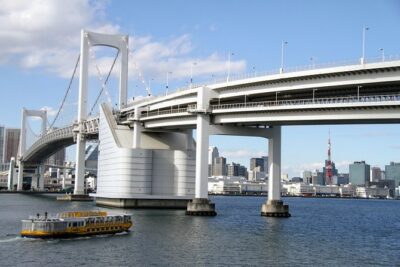 ★ 5.01-Day Tokyo Bus TourFrom $12914,250 reviews
 ★ 4.6teamLab Planets TOKYO Digital Art Museum Entry TicketFrom $259,779 reviews
 ★ 4.0Mt Fuji & Hakone Cruise, Drum Show Bullet Train 1 Day from TokyoFrom $1497,413 reviews
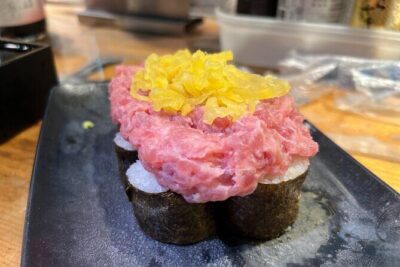 ★ 5.0Shinjuku Food Tour (13 Dishes at 4 Local Eateries)From $866,603 reviews
 ★ 4.4Tokyo Mt Fuji 5th St & Hakone Cruise Bus Tour w/Bullet TrainFrom $1545,024 reviews
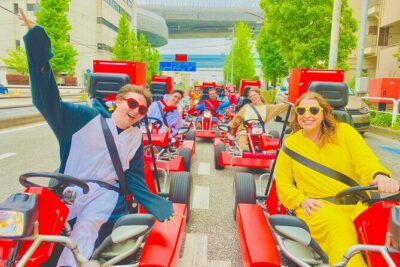 ★ 5.0Flagship 2-Hours Official Street Go-Kart Tour – Tokyo Bay ShopFrom $644,974 reviews
 ★ 4.5From Tokyo: Mount Fuji Full-Day Sightseeing TripFrom $684,970 reviews