
Reviewed · TOKYO
Tokyo: Wagyu and Sushi Gastronomic Journey
Wagyu and sushi in Shinjuku sounds like a plan.
This is a tight 3-hour food-and-neighborhood walk where you learn how Wagyu earns its reputation, watch sushi handled with serious care, then move through Shinjuku’s layers of night life. I like that the experience pairs technique (sushi made with seasonal ingredients and traditional methods) with context (Wagyu’s history and regional differences). I also like the small-group size, capped at 10, which keeps the guide’s attention on you. One thing to consider: Shinjuku nightlife is noisy and crowded, so if you want quiet sightseeing, this route may feel a bit intense.
You’ll meet near 3rd Burger in Nishishinjuku, then spend guided time in Kabukicho and Golden Gai before wrapping in the Golden Gai area. Along the way you should see Hanazono Shrine’s calm pause and the tiny-bar energy of Omoide Yokocho, plus the pop-culture wink of the Godzilla head on the Toho building.
In This Review
- Key takeaways for this Wagyu and sushi Shinjuku night
- Wagyu, sushi, and Shinjuku at the same time
- Meeting near 3rd Burger and getting your bearings fast
- Kabukicho neon: how the guide helps you read the street
- Two food venues: sushi technique and Wagyu decisions you can actually make
- Omoide Yokocho alley energy: yakitori and comfort-food rhythm
- Hanazono Shrine reset: the quiet pause inside Shinjuku
- Golden Gai: tiny bars, big personality, and a guided way in
- Kabukicho to Golden Gai: why the pacing feels smart
- Price and value: what $154 really buys in Tokyo
- Who should book this Wagyu and sushi Shinjuku tour
- Final call: should you book it?
- FAQ
- How long is the Wagyu and sushi tour in Shinjuku?
- What group size is this tour?
- Is the tour guide available in English?
- Is dinner included?
- Are alcoholic beverages included?
- Where do we meet for the tour?
- Is transportation included in the price?
- Can I get a refund if my plans change?
Key takeaways for this Wagyu and sushi Shinjuku night
- Wagyu + sushi in one evening with food guidance and scene-setting as you walk
- Small group (10 max) for questions, ordering help, and a more personal pace
- Two distinct food venues with dinner included
- Shinjuku variety in a few blocks: neon Kabukicho, shrine quiet, alley drinking, and tiny eateries
- English live guide who keeps the night understandable, not just performative
- Alcohol included for age 20+ if you want it with your meal
Before you commit, see how this one stacks up against a few Tokyo favourites:
- Mt Fuji and Hakone 1-Day Bus Tour Return by Bullet Train★ 5.0 · 26,383 reviews
- 1-Day Tokyo Bus Tour★ 5.0 · 14,250 reviews
- Tokyo: teamLab Planets TOKYO Digital Art Museum Entry Ticket★ 4.6 · 9,779 reviews
Wagyu, sushi, and Shinjuku at the same time
Tokyo can feel like it has two speeds: fast streets and slow, precise food. This tour lets you experience both in one run—first you get the craft side (sushi technique and what makes Wagyu taste the way it does), then you walk into Shinjuku’s nightlife zones where the mood changes from block to block.
I like the logic of the menu-to-streets flow. You start learning how Japanese food is built around seasonality and detail, then you’re literally surrounded by the kinds of places where people eat, talk, drink, and snack late. And because you’re walking with a guide, you’re not stuck guessing what to order or how to read the room.
Price-wise, $154 can look steep until you factor in what’s included: dinner, a guide, visits to two food venues, and alcohol coverage for participants age 20 and up. Wagyu and quality sushi aren’t cheap on their own in Tokyo, so this works best when you want more than just food—you want the story, the local pacing, and the neighborhood know-how that helps you enjoy a second meal on your own later.
One practical note: the pace is night-walking pace. You’ll spend time in nightlife streets like Kabukicho, so wear shoes you trust and keep your phone charged.
Meeting near 3rd Burger and getting your bearings fast
Your meeting point is just in front of the 3rd Burger, at 7-chōme-10-5 Nishishinjuku. That’s helpful because it’s a real, easy-to-locate landmark, not just a vague intersection. Still, Shinjuku is big. I’d suggest arriving a few minutes early, especially if you’re coming from a different train line and need time to get your orientation.
The tour runs about 3 to 3.5 hours, which is perfect if you want a full evening experience without committing to a half-day plan. With a small group of up to 10, you’ll likely keep moving at a human pace—long enough to feel like you’re seeing the “Shinjuku vibe,” not so long that everyone gets tired of walking.
Also, remember transportation costs are not included. The tour info gives a range of 200 yen to 800 yen, depending on where you’re coming from. If you’re staying near a major station, your costs might sit at the low end; if you’re farther out, plan closer to the mid-range.
Kabukicho neon: how the guide helps you read the street
Kabukicho is where Shinjuku’s entertainment energy shows up in full volume—neon signage, bright storefronts, and a steady crowd. During your guided time there, the point isn’t to judge the neighborhood; it’s to understand how Tokyo layers entertainment with everyday eating.
You’ll likely also catch Shinjuku pop culture iconography, including the Godzilla head on top of the Shinjuku Toho building. That sort of landmark matters because it gives you a quick mental anchor: you’re not just walking through random streets, you’re moving through an area that’s been shaped by film culture and city branding for decades.
What I find useful with a guided walk like this is the “how to look” element. Your guide can help you spot where the food stops fit the mood—what kind of place works for a quick bite, what kind of place fits a longer sit-down, and where you can safely wander without feeling lost. If you’ve only seen Shinjuku from a distance, this is the part that turns the place from a blur into something you can navigate.
One consideration: Kabukicho can feel intense if you don’t like crowds. If you get overwhelmed easily, remind yourself you’re there for a short, guided window, and the calm parts later (like the shrine) can act as a reset.
Two food venues: sushi technique and Wagyu decisions you can actually make
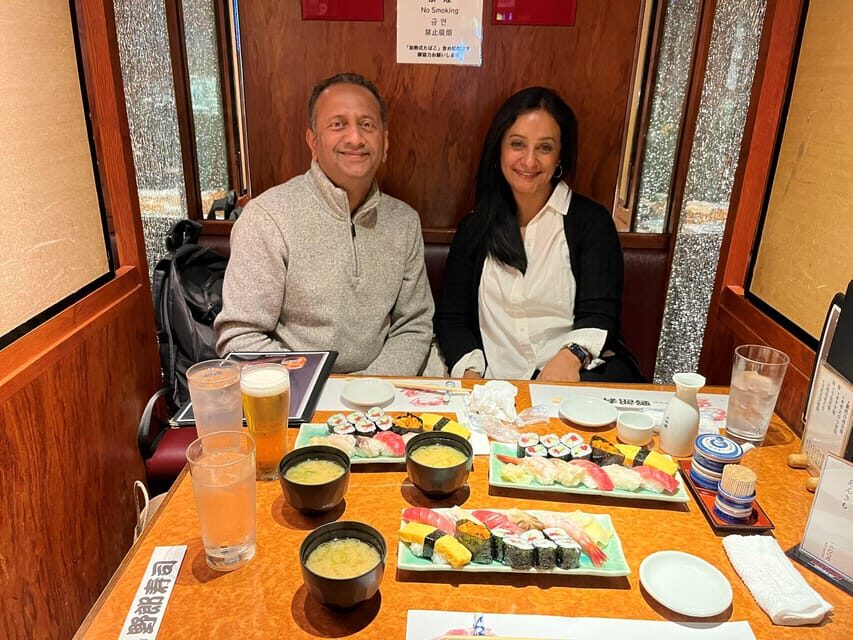
This is a true food-forward evening, and the center of it is learning how sushi and Wagyu are treated with care—then tasting it with guidance so you don’t miss the point.
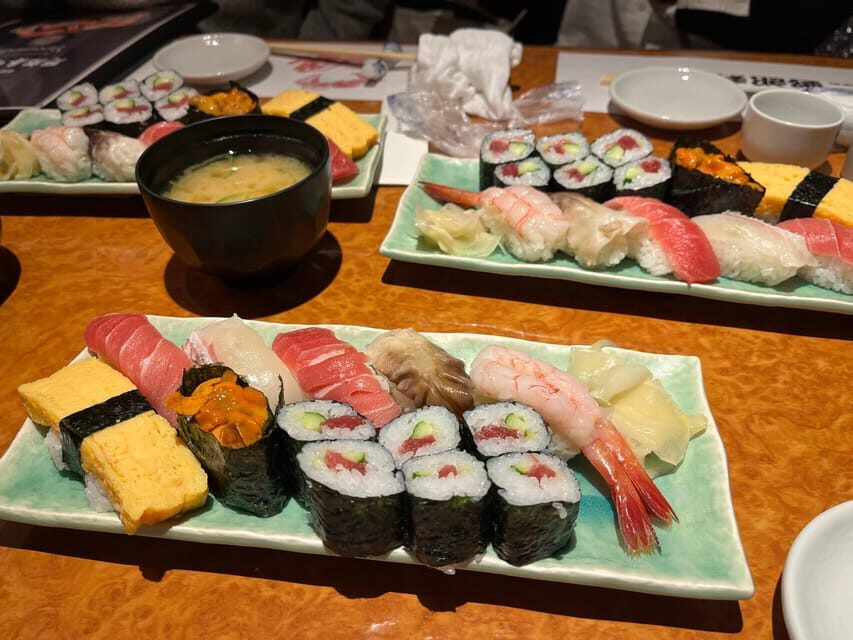
On the sushi side, the tour focuses on chef precision and traditional technique. Expect to see pieces made with a light touch and seasonal ingredient thinking. The practical benefit for you is that you’ll understand what to notice while you eat—texture, balance, temperature, and that quick “done right” feeling that separates sushi as street food from sushi as craft.
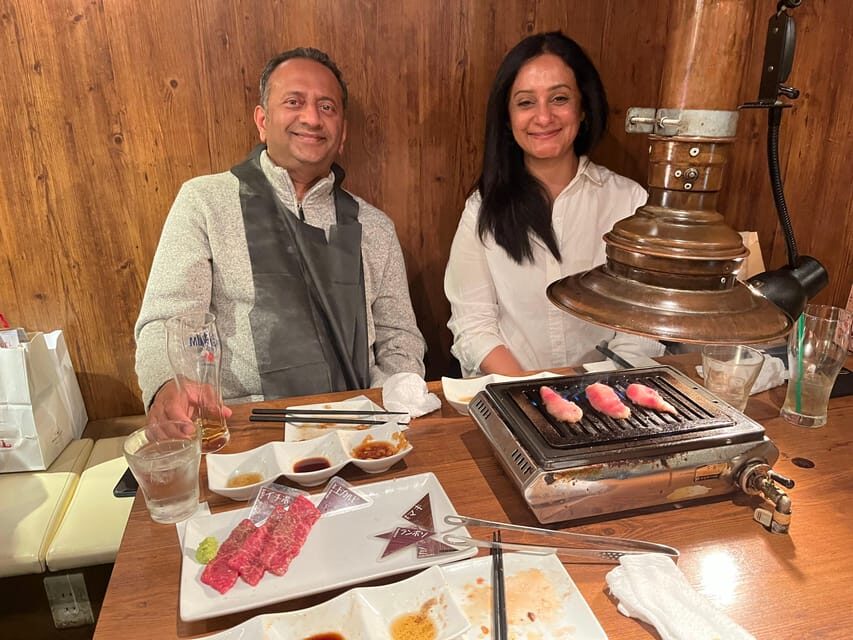
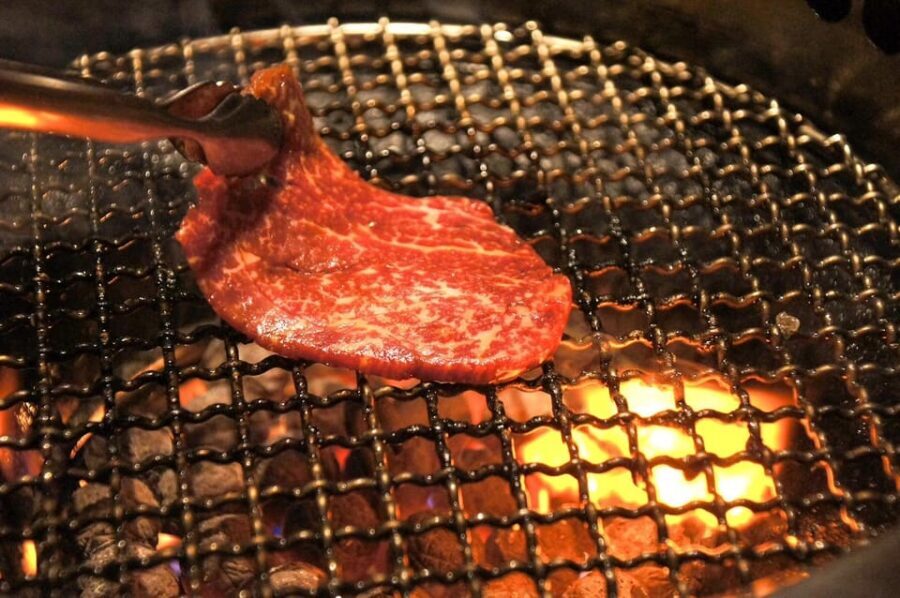
On the Wagyu side, the tour explains Wagyu’s history and flavor, including regional variations. Wagyu isn’t just a buzzword; it’s a way of describing how cattle are raised and how that shows up in fat distribution and taste. The payoff is that you can move past the simple question of is it good and start asking more interesting ones—what part tastes different, what melts differently, and why the dish feels richer without feeling heavy.
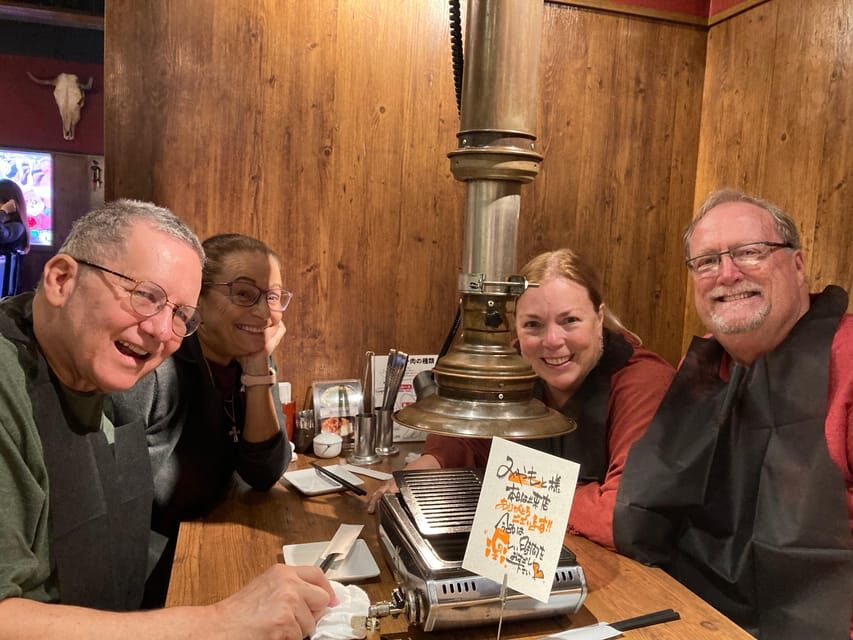
You’ll also get dinner included, and you should have enough guidance to pace yourself. A common mistake on food tours is trying to force every bite to prove a point. Instead, listen to your guide’s cues. This kind of night rewards the slow, attentive approach.
One more detail that matters for value: the tour includes dinner, and it visits two distinct food venues rather than forcing everything into one restaurant. That gives you variety without making the night feel like a chaotic scramble across town.





Omoide Yokocho alley energy: yakitori and comfort-food rhythm
If you want one Shinjuku experience that feels like a time machine, it’s the narrow alley world of Omoide Yokocho. This area is known for tiny bars and small eateries serving yakitori and other Japanese comfort foods. It’s the kind of place where the menu is simple, the atmosphere is loud in the good way, and you eat what fits the moment.
On a guided night, this stop does more than add flavor. It helps you understand the social rhythm of eating in Tokyo—small dishes, conversation, and a casual sense that food is part of the night, not a separate event. When you’re eating in these tight spots, you quickly learn that the best part is often the atmosphere: the shared table energy and the fact that nobody is acting like a critic.
Pair that with what you learned earlier about Wagyu and sushi technique, and your brain gets two useful modes at once. One mode is focused and technical. The other is relaxed and social. That balance is a big reason this tour works for people who like both food quality and city atmosphere.
Hanazono Shrine reset: the quiet pause inside Shinjuku
Right in the middle of this nightlife maze, there’s a calmer stop: Hanazono Shrine. This is one of those places that makes the rest of your night click. The shrine doesn’t compete with food. It gives you a breather from the noise so you can feel like you’re moving through a real city, not just consuming it.
This matters more than you might think. When you walk through neon streets for an hour or two, your senses start running on autopilot. A tranquil space helps you come back to yourself and enjoy the small moments—how you walk, how you breathe, how the city sounds change when you step away from the main crowd.
The tour description frames it as insight into traditional Japanese religious practices, which is another reason this stop feels more meaningful than a quick photo stop. Even if you’re not deeply religious, you’ll likely appreciate the respect and rhythm of the space.
Golden Gai: tiny bars, big personality, and a guided way in
Then you hit the maze-like alleys of Shinjuku Golden Gai, home to over 200 small bars. Golden Gai is the kind of place you can walk past forever without really understanding it. With a guide, you get a wayfinding plan: where the alley turns matter, why the bars feel so personal, and how the post-war culture shaped the vibe.
Golden Gai is famous for being intimate—small doorways, tiny spaces, and a sense that each bar has its own character. This is where your small group size pays off. You can get oriented without being pushed along. And you can ask questions without feeling like you’re slowing everyone down.
Your tour also includes guided time in Golden Gai (about 1.5 hours), which is key. If you only had a few minutes, you’d miss the logic of the layout and the atmosphere. With more time, the place starts to make sense as a system, not just a pile of tiny bars.
This is also where you can decide what kind of nightlife you want. Some people use Golden Gai as a tasting-and-watching stop; others want to follow up later on their own. Either way, the guide helps you leave with a clearer idea of what you saw and what you’d like to repeat.
Kabukicho to Golden Gai: why the pacing feels smart
The tour balances three different kinds of experiences: food craft, neighborhood energy, and quieter cultural context. That pacing matters because it keeps you from burning out on one type of activity.
Think about the emotional arc:
- You begin in a noisy entertainment zone (Kabukicho) where you’re awake and alert.
- You then anchor your senses with highly specific food tasting (sushi precision and Wagyu explanation).
- You break again with shrine calm.
- You finish in Golden Gai, where the intimate bar atmosphere feels like the natural end to an eating-focused evening.
That’s a nice structure for a 3-hour outing. You don’t just see Shinjuku—you get to feel its tempo.
Also, your guide being English helps a lot. You’re not stuck with a menu and a shrug. You’ll get enough explanation to understand what you’re tasting and seeing, but you’re not asked to memorize trivia.
And yes, the alcohol option for age 20+ is built in. If you drink, it can make the Golden Gai atmosphere even more authentic. If you don’t, you can still enjoy the meal focus since dinner is included regardless.
Price and value: what $154 really buys in Tokyo
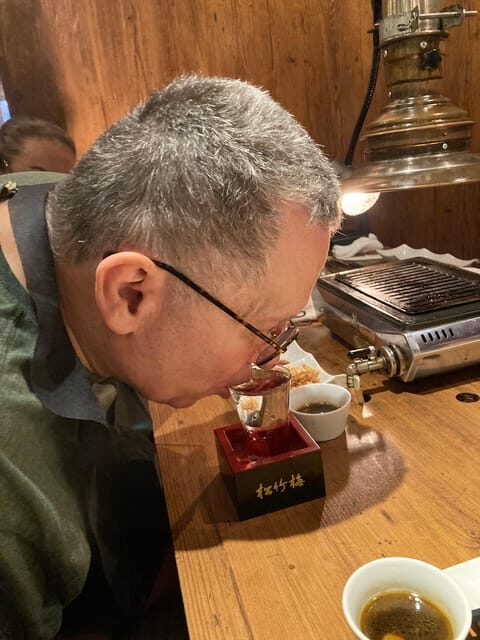
At $154 per person for a 3-hour guided experience, the value comes from the mix of costs that are usually separate in Tokyo.
You’re paying for:
- a live local guide
- dinner
- two food venues
- alcoholic beverages available for those 20 and above
- the time investment of getting through major areas like Kabukicho and Golden Gai without losing your way
Transportation isn’t included, but the info provides an estimated 200 to 800 yen, so you’re not facing an unknown cost later. And while any single restaurant meal can cost less, you’d typically miss the guided context and the neighborhood contrast that makes this outing feel like more than just eating.
In the strong feedback pattern, people highlight that the food quality matches the effort. The Wagyu and sushi are treated as a real event, not a casual add-on. And the guide’s personality is part of the “how it feels,” not just the facts.
One guide named Emma shows up in recent comments as personable and friendly, with solid explanations of the food and fun Tokyo dining insights. That matters because a tour like this lives or dies on communication: you want someone who can explain without turning the night into a lecture.
Who should book this Wagyu and sushi Shinjuku tour
This works best if you:
- love food and want real guidance on sushi and Wagyu, not just a walking photo tour
- want to understand Shinjuku’s nightlife areas without feeling overwhelmed
- enjoy small-group nights, where you can ask questions and keep a steady pace
- want both sides of Tokyo: craft and culture, neon and quiet
It may be less ideal if you:
- hate crowds or get irritated by loud nightlife streets
- want a very quiet, low-energy itinerary
- expect every moment to be strictly about tasting. This tour also spends meaningful time walking and explaining the neighborhoods.
Final call: should you book it?
I’d book this if you want a single evening that delivers both quality food and a real sense of place. The best part is the balance: you get sushi precision, Wagyu context, and then you see Shinjuku from the inside—Kabukicho’s nightlife energy, Golden Gai’s tiny-bar culture, plus a shrine reset and Omoide Yokocho alley comfort-food vibe.
Skip it only if you’re sensitive to crowds or you don’t care about food guidance. If you do care about how food is made, why it tastes the way it does, and how Tokyo neighborhoods connect to what people eat after dark, this is a strong use of your time in Shinjuku.
FAQ
How long is the Wagyu and sushi tour in Shinjuku?
The tour lasts about 3 to 3.5 hours, depending on the starting time and pacing.
What group size is this tour?
It’s a small group limited to 10 participants.
Is the tour guide available in English?
Yes, the live tour guide speaks English.
Is dinner included?
Yes. Dinner is included, and you visit two distinct food venues.
Are alcoholic beverages included?
Alcoholic beverages are included for participants aged 20 and above.
Where do we meet for the tour?
The meeting point is just in front of the 3rd Burger at 7-chōme-10-5 Nishishinjuku.
Is transportation included in the price?
No. Transportation costs are not included, and they range from about 200 yen to 800 yen.
Can I get a refund if my plans change?
Yes. You can cancel up to 24 hours in advance for a full refund, and you can reserve now and pay later to keep plans flexible.
More Tour Reviews in Tokyo



Fresh reviews from around Tokyo






Tokyo, compared.
 ★ 5.0Mt Fuji and Hakone 1-Day Bus Tour Return by Bullet TrainFrom $16326,383 reviews
 ★ 5.01-Day Tokyo Bus TourFrom $12914,250 reviews
 ★ 4.6teamLab Planets TOKYO Digital Art Museum Entry TicketFrom $259,779 reviews
 ★ 4.0Mt Fuji & Hakone Cruise, Drum Show Bullet Train 1 Day from TokyoFrom $1497,413 reviews
 ★ 5.0Shinjuku Food Tour (13 Dishes at 4 Local Eateries)From $866,603 reviews
 ★ 4.4Tokyo Mt Fuji 5th St & Hakone Cruise Bus Tour w/Bullet TrainFrom $1545,024 reviews
 ★ 5.0Flagship 2-Hours Official Street Go-Kart Tour – Tokyo Bay ShopFrom $644,974 reviews
 ★ 4.5From Tokyo: Mount Fuji Full-Day Sightseeing TripFrom $684,970 reviews