
Reviewed · TOKYO
Tokyo: Tsukiji Fish Market Foodie and Educational Tour
If you like Tokyo food with a story, go here. This small-group walk through the Tsukiji area mixes Namiyoke Inari Jinja meaning with real market eating—so you get more than a photo stop. I especially like the hands-on food timing: the fresh tuna bento with sake feels like the right pause in a fast-moving neighborhood.
You also get a guide who connects what you’re seeing to how locals think about food, shopping, and even praying. One possible drawback: this tour is not for vegetarians, because the included meal centers on tuna.
If you can handle a short, active walk and you’re curious about how markets work, this tour is a solid way to spend your time at Tsukiji.
In This Review
- Key highlights you’ll care about
- Tsukiji with context: why this food tour works
- Meeting at Lawson’s Tsukiji 4-chome: how the tour starts smoothly
- Namiyoke Inari Jinja: praying for protection in a working city
- Tsukiji Uogashi Mall and Tsukiji KohHoh: where the included bento makes sense
- Tsukiji Outer Market: optional street snacks plus smart shopping time
- End at Lawson’s: convenience store snacks that actually matter
- What’s included vs what you’ll pay for
- The guide makes it: English storytelling and on-the-ground tips
- Food, dietary limits, and kids: plan ahead
- Price and logistics: where the $70 feels fair
- Who should book this Tsukiji foodie tour
- Should you book this Tsukiji tour?
- FAQ
- Where is the meeting point?
- How long is the tour, and how big is the group?
- What language is the tour in?
- What food and drink are included?
- Is street food and shopping included at Tsukiji and Lawson’s?
- Can I cancel for a refund?
Key highlights you’ll care about
- Namiyoke Inari Jinja: learn why this shrine is worshipped for protection and avoiding bad luck
- Tsukiji Uogashi Mall stop: see how local wholesaler culture shapes what you eat
- Tuna bento + small sake: a focused included taste of Tsukiji-style seafood
- Tsukiji Outer Market browsing time: optional street food and drinks, plus ingredient and knife shopping
- End at Lawson’s: quick snack-hunting with buying tips for Japan’s convenience-store wins
- Small group (max 6): easier questions, faster course corrections, less milling around
Before you commit, see how this one stacks up against a few Tokyo favourites:
- Mt Fuji and Hakone 1-Day Bus Tour Return by Bullet Train★ 5.0 · 26,383 reviews
- 1-Day Tokyo Bus Tour★ 5.0 · 14,250 reviews
- Tokyo: teamLab Planets TOKYO Digital Art Museum Entry Ticket★ 4.6 · 9,779 reviews
Tsukiji with context: why this food tour works
Tsukiji can feel like a blur if you show up alone. You’ll see fish. You’ll see lines. You’ll see signs you can’t read quickly enough. Then you’re just reacting.
This tour keeps you moving, but it also gives you a framework. You start with a shrine stop that explains why people pray for protection and keeping bad luck away. Then you jump into the seafood-food world at Tsukiji Uogashi Mall, where the guide helps you connect the dots between wholesalers, slicing, and what ends up on your plate. By the time you reach the Tsukiji Outer Market, you’re ready to shop and snack with purpose.
I like that the included food is structured, not random. The included meal comes at the right moment, so you’re not starving while everyone else is buying treats. And I like that the tour doesn’t treat convenience stores like an afterthought—the Lawson’s stop is part of the local eating rhythm in Tokyo.
Meeting at Lawson’s Tsukiji 4-chome: how the tour starts smoothly
You’ll meet outside Lawson’s at the Tsukiji 4-chome intersection. The meeting point matters here, because Tsukiji streets are busy and there’s a lot of foot traffic around store entrances.
Plan to arrive a few minutes early and wait near your guide’s notice board. And please do not cluster right at the entrance area—blocking people is the fastest way to make your first five minutes awkward.
Once the group forms, you’ll head out on foot. The total tour time is two hours, so the pace is “steady and efficient.” There’s walking between stops, but it’s not a marathon. It’s more like a guided neighborhood lap.
Small group size (limited to 6) is a real advantage. You can ask quick questions about what you’re seeing, what to order later, or how to navigate the market streets without getting swept away by the crowd.
Namiyoke Inari Jinja: praying for protection in a working city
The first proper stop is Namiyoke Inari Jinja. This isn’t just sightseeing for the camera. The guide explains why this shrine is highly worshipped and how people use it for protection against misfortunes and turmoil.
Inari shrines are common across Japan, but what makes this stop interesting is the practical lesson: you’ll hear how locals think about luck, risk, and everyday stability. For a market area that’s historically tied to work and uncertainty, it makes sense that people want reassurance.
You’ll get time to visit and follow a guided overview. Expect about fifteen minutes at the shrine area. It’s long enough to slow down, read what you can, and understand why this place matters to locals—even if you’re not the type to do formal temple rituals.
Also, the guide explains the religious context around the area, including how Shinto beliefs show up through shrine practice. You’ll likely pick up some wider context about Japan’s main religious streams while you’re in the neighborhood, which makes Tsukiji feel less like a standalone tourist site and more like part of real Tokyo life.
Tsukiji Uogashi Mall and Tsukiji KohHoh: where the included bento makes sense
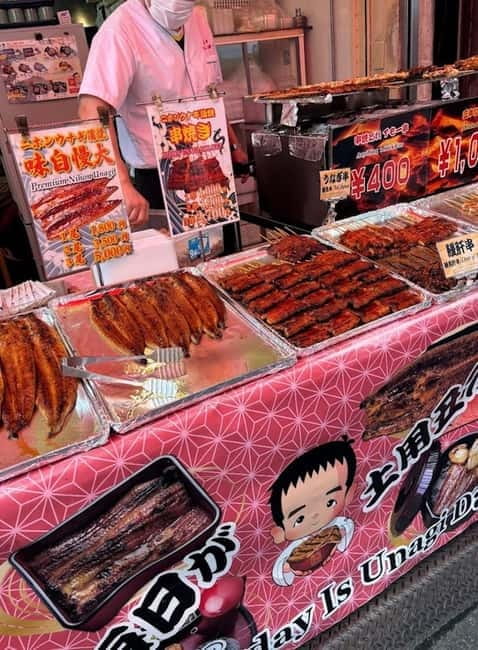
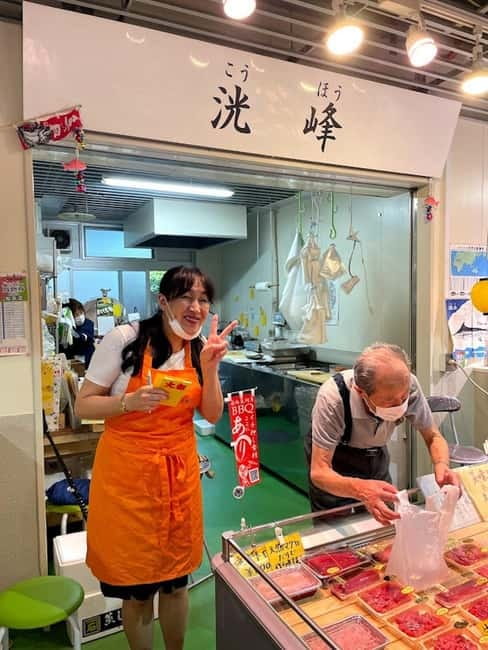
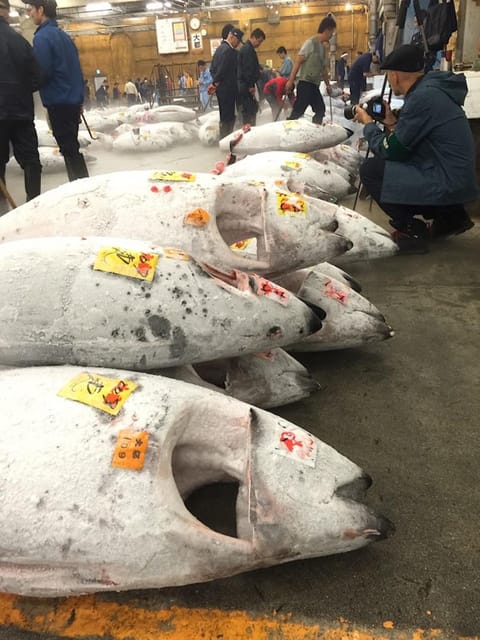
Next comes the shift from shrine calm to seafood food reality. You’ll visit Tsukiji Uogashi Mall, including a store associated with local wholesaler Tsukiji KohHoh. The guide brings you there for a reason: you’re about to eat tuna, so you learn where that tuna culture comes from.
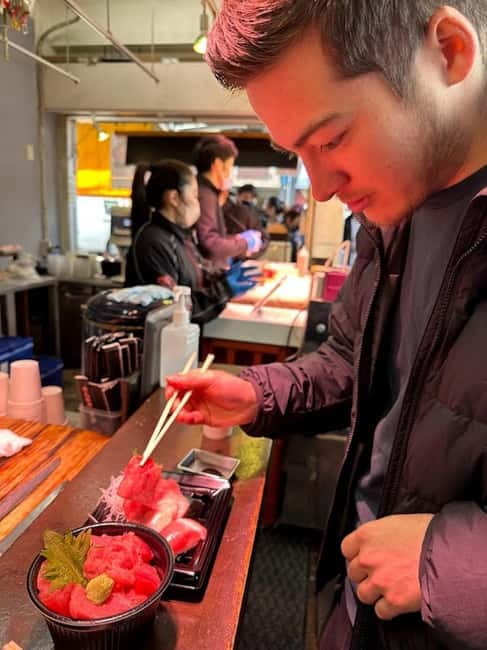
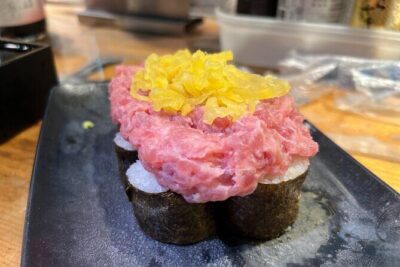
At this stop you’ll meet experts tied to the seafood selection—blue marlin is specifically part of the discussion—and you’ll get a small bento box with freshly cut tuna and wasabi. A small amount of sake is included too.
This is one of the strongest parts of the tour because it’s not just about eating. It’s about timing and context. You’re learning what you’re tasting while you’re tasting it. That’s why the included portion feels satisfying instead of like a token bite.
What you should expect from this segment:
- a short guided explanation tied to the seafood you’re eating
- freshly cut tuna in the bento
- wasabi paired alongside the tuna
- a small sake pour included with the meal
- some time at Uogashi Mall to look around, including a food court and more products you can buy if you want
Uogashi Mall is also useful for planning your own follow-up eating. If you like what you had on the tour, you can return on your own and shop with a better sense of what to look for.





Tsukiji Outer Market: optional street snacks plus smart shopping time
After the Uogashi Mall stop, you head to the Tsukiji Outer Market area. This is where the tour earns its foodie label, because you’re not stuck repeating a script. You get browsing time, plus history and local context the guide shares as you walk.
Here’s the key difference between a guided market walk and wandering alone: with the guide, you know what you’re looking at. You can tell the difference between stalls meant for quick bites and places where the real value is in ingredients, packaging, or tools.
You’ll be shown alternative foodie options in the alleys, not only the headline stalls. You can also shop for local Japanese ingredients and souvenirs. There’s mention of cooking knives and utensils too, which is one of those Tsukiji specifics that feels extra once you know you’re in a culinary supply zone, not just a food fair.
You might also find yourself tempted by street food and drinks. That part is your choice, and it’s not included—so think of this time as your chance to spend your appetite budget exactly how you want.
A practical tip: since the tour includes a bento already, don’t feel like you have to sample everything at once. Use street snacks as punctuation between shopping moments. If you try too much too fast, you’ll end up with regrets and sticky hands.
End at Lawson’s: convenience store snacks that actually matter
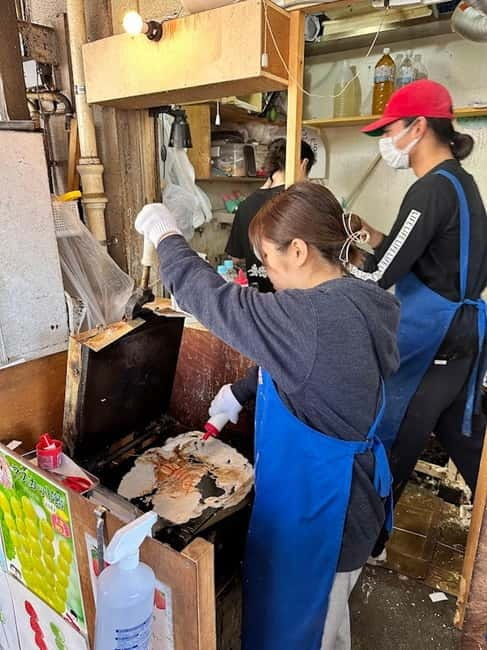
The tour wraps back at Lawson’s convenience store at the same Tsukiji 4-chome area. The guide doesn’t just drop you off. They help you hunt for snacks and drinks and give buying advice on what to get and enjoy.
Why include a Lawson’s stop in a Tsukiji tour? Because convenience stores in Japan are a major part of the day-to-day food story. You can leave with practical favorites you might not find on a typical “market only” plan.
This segment is also time-smart. Markets can be chaotic, and the last stop helps you convert what you’ve learned into a simple takeaway. You don’t need a perfect shopping strategy. You just need a few good picks—and the guide helps you avoid wasted money on stuff you won’t like.
One extra note: in this tour, Lawson’s purchases aren’t included. You’ll pay per item. That’s fine. The value here is the recommendations and your ability to choose without guessing.
What’s included vs what you’ll pay for
For a $70 price point and a two-hour duration, you’re paying for guided direction plus a real included meal.
Included:
- educational guided walking tour around the Tsukiji area
- historical overview of the area
- photos taken during the tour
- a bottle of water
- a small bento box with freshly cut tuna (and wasabi)
- a small amount of sake
Not included:
- additional snacks and purchases in the markets
- street food and drinks during the Outer Market time (optional, if you choose)
- items you buy at Lawson’s (snack hunting is on you)
So the value depends on your eating style. If you’re happy to stick close to the included bento and only add a few street snacks, you’ll keep costs predictable. If you go full sampling mode, your total will rise fast, but you’re choosing that.
The guide makes it: English storytelling and on-the-ground tips
The tour runs with a live English guide, and small-group limits help the guide actually talk to you, not just at you.
In the feedback I saw, the guide name Chinami comes up repeatedly, and the praise is consistent: clear English, strong local knowledge, and smart choices that help you avoid dead ends. That matters at Tsukiji because the crowds and “loud” stalls can drown out the smaller, more practical food options. A guide who can point you toward what’s worth your time is worth real money.
One more plus: you also get personal Tokyo and even Kyoto tips beyond the market itself. That’s the bonus effect of a guide who pays attention to what kind of traveler you are.
Food, dietary limits, and kids: plan ahead
This tour is not suitable for vegetarians, because the included bento centers on tuna.
If you’re bringing children, the operator asks you to let them know in advance—especially ages and food preferences—so they can try to accommodate the situation as much as possible. The key detail is that the included bento may not match every child’s needs, so communication helps.
Also, expect alcohol to be optional for your comfort level only in the sense that it’s part of the included meal. The tour includes a small amount of sake.
If you don’t drink alcohol, you’ll still be able to participate fully, but you should plan to handle your own preferences around sake.
Price and logistics: where the $70 feels fair
At $70 for two hours, this isn’t a “grab a ticket and wander” kind of tour. You’re paying for:
- a guided loop through multiple locations in the Tsukiji area
- the included bento with freshly cut tuna and wasabi
- a small sake inclusion
- the shrine and market education component
- photos taken for you
- a small group format (max 6)
For me, this price makes sense if you value direction. Tsukiji looks simple on a map. It isn’t simple in real life. With limited time, a guide can prevent you from wasting your appetite and walking energy on the wrong stalls.
If you already love markets and feel confident ordering seafood, you can DIY it. But you’ll still need to figure out timing and what to do first, and that’s where this tour gives you an easier path.
Also, there’s a free cancellation window (up to 24 hours in advance) and a reserve-now-pay-later option. If you’re juggling Tokyo plans, that flexibility is handy.
Who should book this Tsukiji foodie tour
You’ll probably love this tour if you:
- want Tsukiji food plus explanation, not just tasting
- enjoy a small-group walking experience
- like seafood but also want the “why” behind what you’re eating
- want practical tips for snacks and shopping afterward
You should think twice if you:
- are vegetarian (this tour isn’t set up for that)
- dislike walking between stops
- want a strictly DIY budget where you pay for almost everything yourself
Should you book this Tsukiji tour?
Book it if you want the best odds of having a great Tsukiji experience in only two hours. The included tuna bento, the shrine context, and the guide’s shopping/snack direction make it feel efficient. And ending at Lawson’s is a smart way to leave with Tokyo-ready convenience store picks instead of “now what?” stress.
Skip it if you hate seafood or you need a vegetarian-focused meal. Also skip if you’d rather browse alone and already know exactly where you want to go.
If you’re aiming for a guided introduction that actually helps you eat well and shop smarter, this Tsukiji food tour is a strong choice.
FAQ
Where is the meeting point?
You meet outside Lawson’s at the Tsukiji 4-chome intersection. The guide will have a notice board waiting for you, and you should not gather around the store entrance area.
How long is the tour, and how big is the group?
The tour lasts about 2 hours. It’s a small group limited to 6 participants.
What language is the tour in?
The tour has a live English-speaking guide.
What food and drink are included?
You get a bottle of water, a small bento box with freshly cut tuna and wasabi, and a small amount of sake.
Is street food and shopping included at Tsukiji and Lawson’s?
No. Snack, food, and other purchases at the markets are not included. Lawson’s items are also paid for by each participant. You can choose street food and drinks during the Outer Market time, but they are not included.
Can I cancel for a refund?
Yes. You can cancel up to 24 hours in advance for a full refund.
More Tour Reviews in Tokyo



Fresh reviews from around Tokyo






Tokyo, compared.
 ★ 5.0Mt Fuji and Hakone 1-Day Bus Tour Return by Bullet TrainFrom $16326,383 reviews
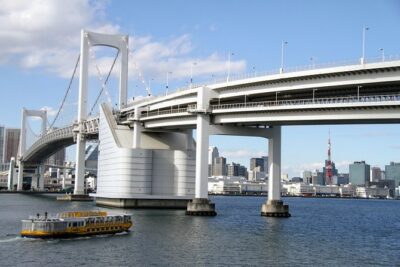 ★ 5.01-Day Tokyo Bus TourFrom $12914,250 reviews
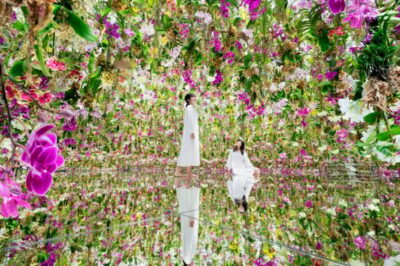 ★ 4.6teamLab Planets TOKYO Digital Art Museum Entry TicketFrom $259,779 reviews
 ★ 4.0Mt Fuji & Hakone Cruise, Drum Show Bullet Train 1 Day from TokyoFrom $1497,413 reviews
 ★ 5.0Shinjuku Food Tour (13 Dishes at 4 Local Eateries)From $866,603 reviews
 ★ 4.4Tokyo Mt Fuji 5th St & Hakone Cruise Bus Tour w/Bullet TrainFrom $1545,024 reviews
 ★ 5.0Flagship 2-Hours Official Street Go-Kart Tour – Tokyo Bay ShopFrom $644,974 reviews
 ★ 4.5From Tokyo: Mount Fuji Full-Day Sightseeing TripFrom $684,970 reviews