
Reviewed · TOKYO
Tokyo: Traditional Japanese Performing Arts Show and Dinner
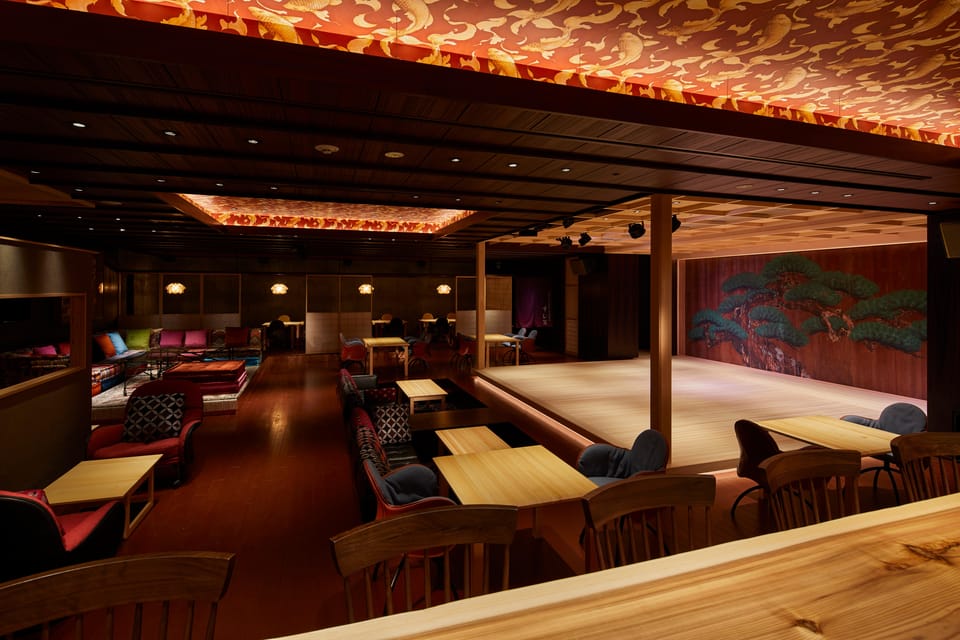
Tokyo has a way of hiding magic in plain sight. Down a stairwell beneath the Fukutoku Shrine area, SUIGIAN turns an evening meal into a full cultural performance you can see up close. The show runs alongside dinner in a small theater setting with a Noh-style stage and a backdrop that nods to an old pine tree.
What I like most is how the food and the performing arts are timed to work together: you get that slow, deliberate rhythm without feeling rushed. I also love the attention to detail—heritage-style serving trays and a menu built around seasonal “omakase” choices, ending with matcha and dry sweets. The final touch is the commemorative photo with the performers, which makes the night feel like more than just dinner.
One consideration: this is not a quick-bite experience. The show is intentionally short and the multi-course meal is served at a relaxed pace, so if you want fast, casual dining, you might feel it’s too slow—and you’ll also want to plan for food needs early because the menu is chef-selected.
In This Review
- Key things to know before you go
- Where SUIGIAN sits in Tokyo’s cultural map
- Kagura or Nihon-buyo: your show type depends on the date
- The Noh-style stage and your seat choice actually affect the experience
- Your kaiseki-style dinner: seasonal courses, bonito broth, and a calm pace
- The serving ware detail that makes the meal feel historic
- How the evening flows: performances built into dinner
- What to do about allergies, vegetarian needs, and food limits
- Getting to Theater Style Restaurant & Lounge SUIGIAN
- Price and value: what you’re paying for at $140 per group
- Who this show-dinner is best for (and who might want to skip)
- A quick reality check: the show is short, but the experience is the point
- Should you book SUIGIAN for your Tokyo evening?
- FAQ
- What performances are shown at SUIGIAN in February and March?
- How long does the show and dinner take?
- Where is the meeting point for the experience?
- What’s included with the ticket price?
- Is the dinner menu fixed?
- Do they accommodate allergies or vegetarian needs?
- Can children attend?
- Is SUIGIAN wheelchair accessible?
- Is there a photo with the performers?
- How do I get there using public transit?
Key things to know before you go
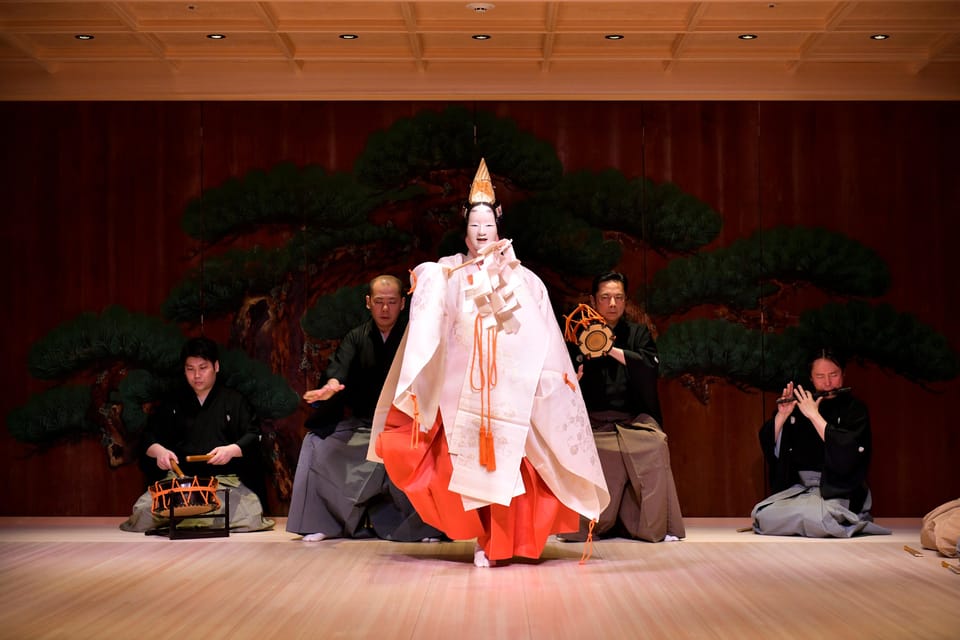
- Noh-style stage + four seat options for a close-up view without needing to crane your neck
- Three short performances (about 10 minutes each) built into the dinner flow
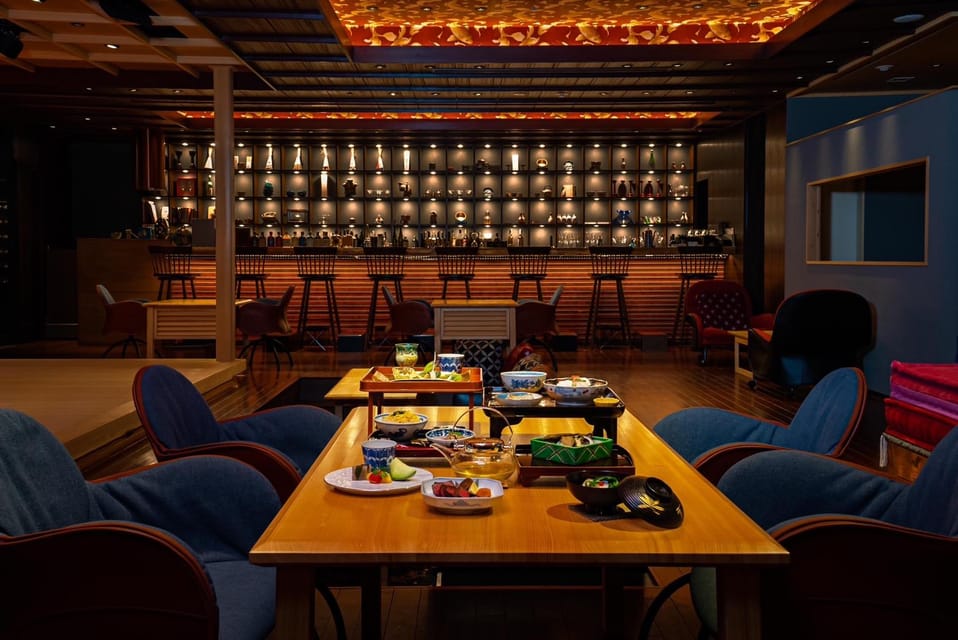
- Seasonal omakase kaiseki with a typical arc: appetizers, soup, seasonal platters, grilled Japanese beef, rice, dessert
- Heritage serving ware tied to long-running culinary tradition, including trays with roots in Nagasaki
- Matcha and dry sweets to finish the meal in a very Japanese way
- Dietary requests must be communicated in advance, since the chef chooses the course
Before you commit, see how this one stacks up against a few Tokyo favourites:
- Mt Fuji and Hakone 1-Day Bus Tour Return by Bullet Train★ 5.0 · 26,383 reviews
- 1-Day Tokyo Bus Tour★ 5.0 · 14,250 reviews
- Tokyo: teamLab Planets TOKYO Digital Art Museum Entry Ticket★ 4.6 · 9,779 reviews
Where SUIGIAN sits in Tokyo’s cultural map
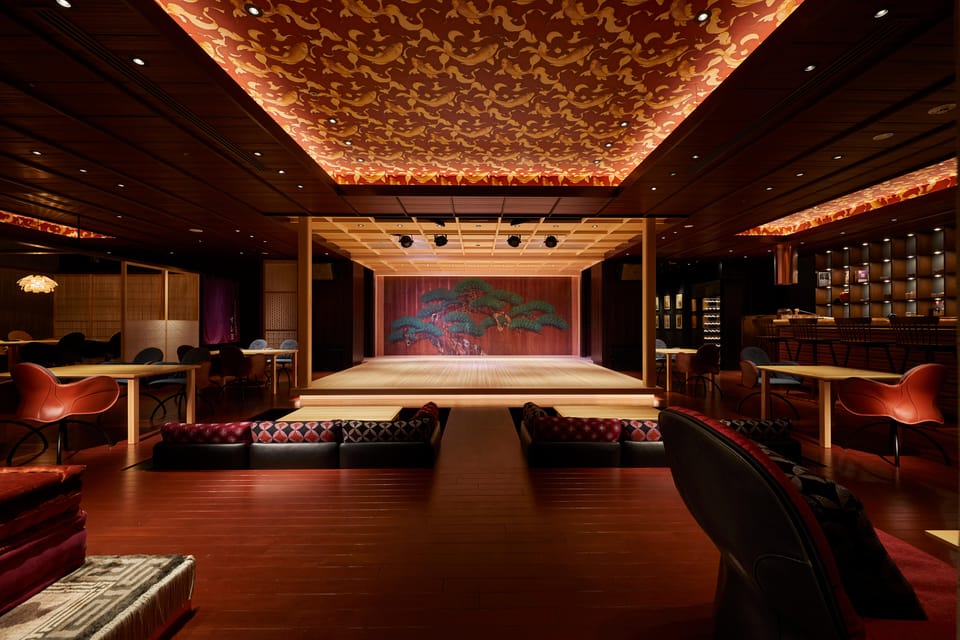
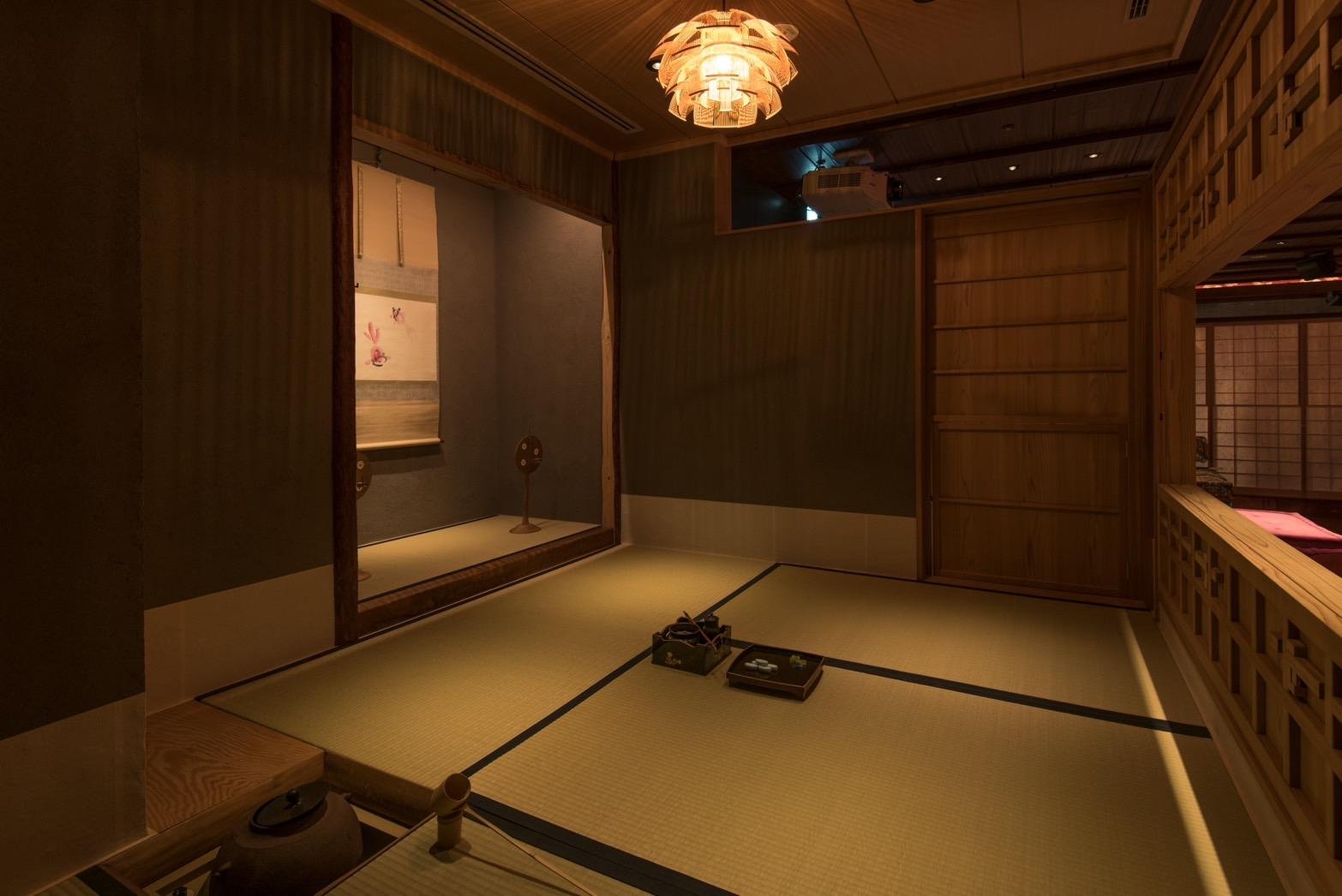
SUIGIAN is in Tokyo’s Nihonbashi-Muromachi area, in the Fukutoku Garden complex (Fukutoku Garden B1F). The setting matters here: you’re not just eating in a themed restaurant—you’re stepping into a space that feels designed for watching traditional arts calmly.
The path is part of the story. You’ll find the restaurant and lounge area below the stairs leading under the forest-like Fukutoku Shrine surroundings. One practical tip: the “hidden” feel is cool, but it can also mean you should arrive a few minutes early and don’t assume your first landmark is the entrance.
Kagura or Nihon-buyo: your show type depends on the date
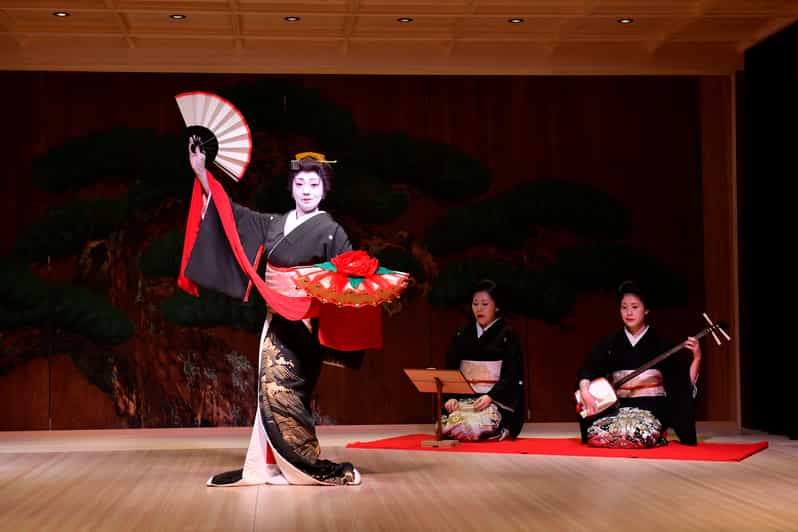
The performance program changes depending on the day. On select dates in February and March, the regular show is kagura, an ancient Shinto music-and-dance tradition. Those nights feature three performances of about 10 minutes each, paired with dinner.
On other days in February and March, you’ll see Nihon-buyo, a traditional Japanese dance. Like kagura nights, it’s also structured as three shorter performances (around 10 minutes each) with dinner.
Why this matters for you: if your goal is to experience a specific tradition, choose the date carefully. If you’re flexible, either program works well because the format stays consistent—several compact “acts” instead of one long show.
The Noh-style stage and your seat choice actually affect the experience
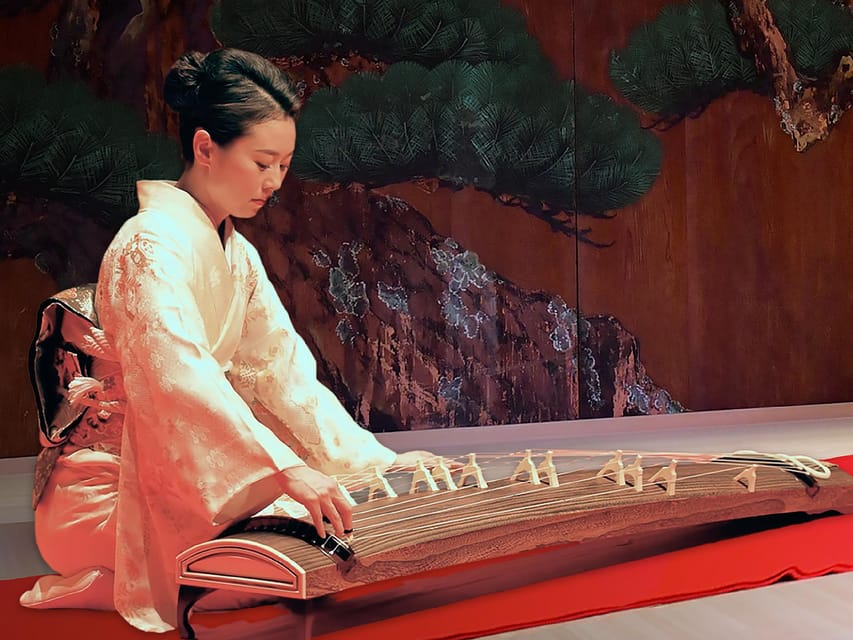
The stage is set in a Noh-style format, with a backdrop that includes an old pine-tree motif. That design keeps the performance readable and gives you a more theatrical feel than typical dinner shows.
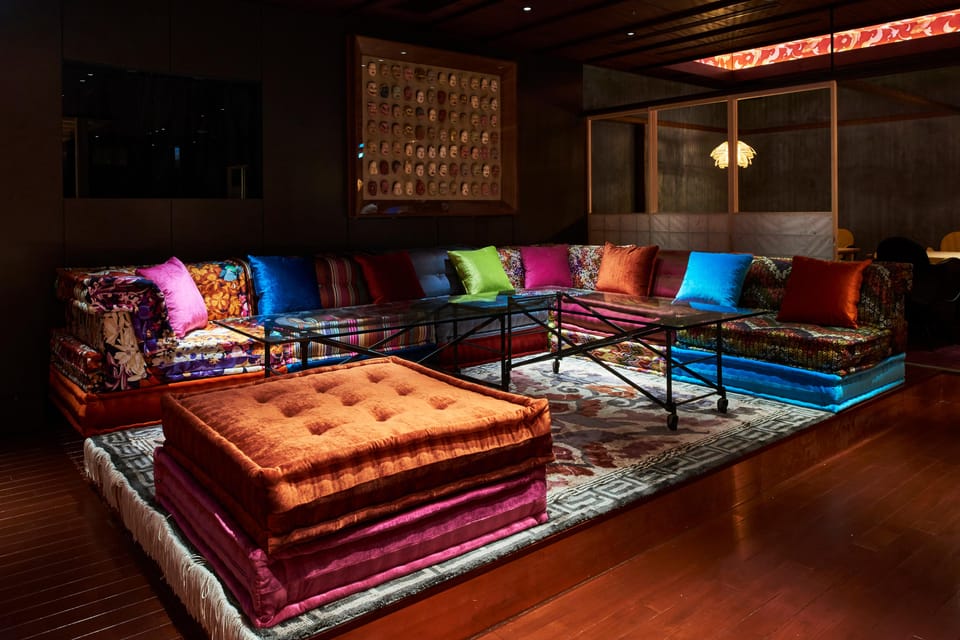
You also get four different seating options, so you can decide how close you want to be. If you care about seeing details—facial expressions, movement, and the small visual cues that make traditional dance feel precise—pick the closer options rather than treating this like a generic restaurant.
In practical terms, the seating layout is part of the “value” you’re paying for. A big chunk of the ticket price isn’t just the meal—it’s the fact that the performance is presented like it belongs on a stage, not like it’s an afterthought between plates.
Your kaiseki-style dinner: seasonal courses, bonito broth, and a calm pace
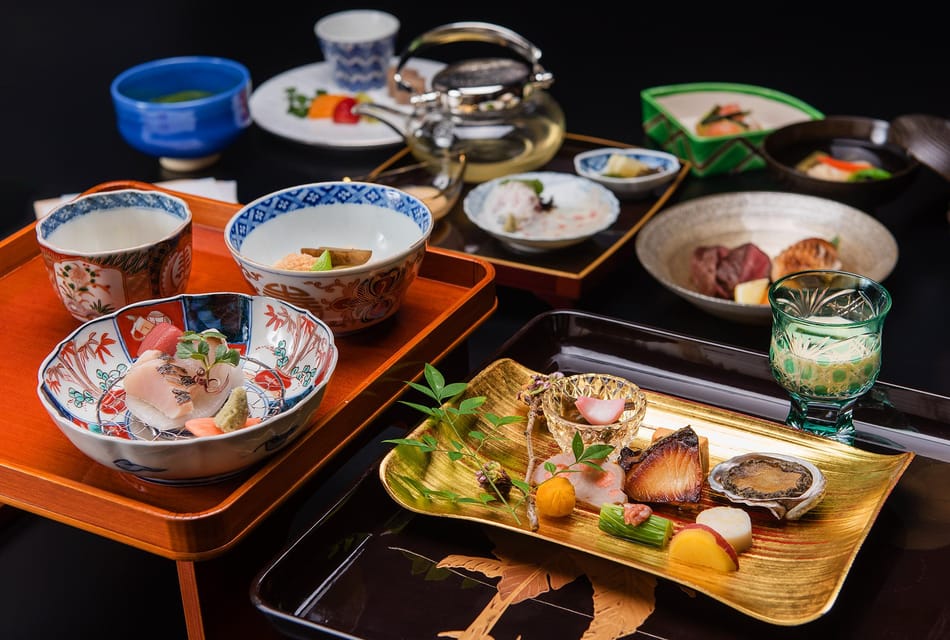
This is a full-course Japanese dinner, built around seasonal ingredients and served as an omakase course. Because the chef chooses the menu based on the season, the exact items can vary by date—but the structure stays familiar.
A typical course arc includes an appetizer, a first seasonal platter, soup, a later seasonal platter, a grilled dish featuring Japanese beef, then rice and dessert. You’ll also taste bonito broth, and the meal is themed to the season in a way that feels intentional rather than random.
One small but important truth: the pacing is part of the design. The courses arrive slowly and deliberately, and the performances slot in between, so plan your evening around the experience, not around tight connections or “one more stop” plans.





The serving ware detail that makes the meal feel historic
This restaurant serves food on trays and dishes connected to long-running Japanese culinary tradition—trays with history reportedly exceeding 350 years, inherited from another Japanese restaurant with roots in Nagasaki. That kind of detail doesn’t change the flavor, but it does change how the meal feels. It turns dinner into a visual ritual, which is a big deal when you’re also watching live arts.
How the evening flows: performances built into dinner
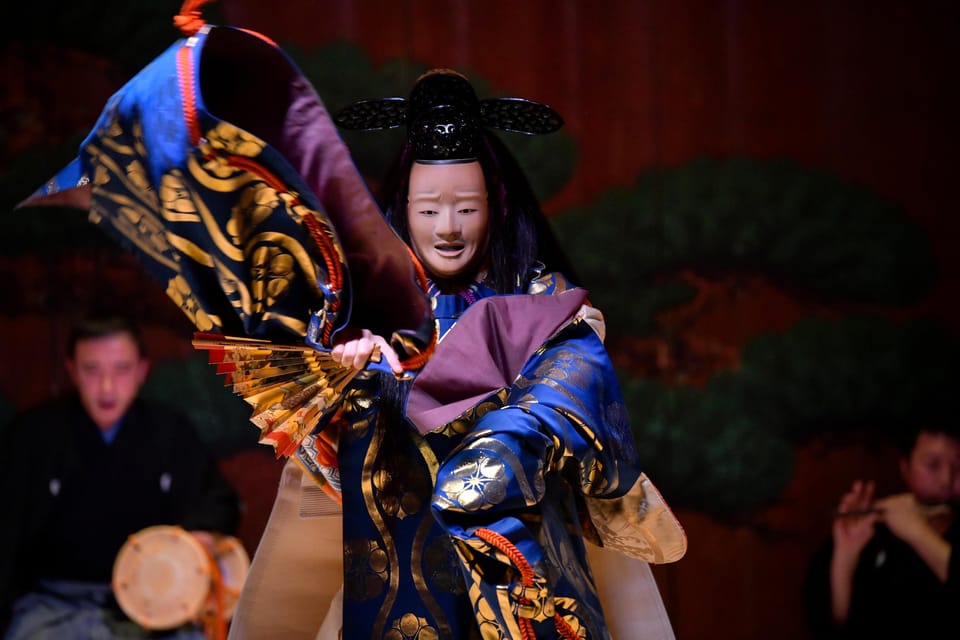
The whole experience runs about 2 to 3 hours. Expect three separate short performances during that time, each roughly 10 minutes, with dinner continuing at a relaxed rhythm rather than pausing completely.
This format is great if you want something cultural without sitting through a single long block. You still get multiple moments to watch—music and dance appear in the middle of your meal—so your attention gets refreshed instead of going flat.
A nice finishing moment comes after dinner as well: you’ll take a commemorative photo with the performers. That’s not just a souvenir. It’s also a simple way to turn the night into a memory you can actually keep.
What to do about allergies, vegetarian needs, and food limits
Because the dinner is seasonal omakase, you need to think about food restrictions before you arrive. The restaurant asks that you inform them in advance about any foods you cannot eat due to allergies, vegetarianism, or other limitations.
If you wait until you’re already seated, you may not get the changes you want. This isn’t about being difficult—it’s about how chef-selected courses work. For the smoothest night, message your needs clearly when you book, and also check with your companions so you’re all consistent.
One caution from real-world dining reality: some dietary requests may be partially possible and some might not fully match the planned menu. Your best move is to communicate specifics early and be realistic about how chef-selected courses can adapt.
Getting to Theater Style Restaurant & Lounge SUIGIAN
Finding SUIGIAN is easiest when you anchor to a known station and the nearest easy walking path.
Address: Theater Style Restaurant & Lounge SUIGIAN, Fukutoku Garden B1F, 2-5-10 Nihonbashi Muromachi, Chuo-ku, Tokyo 103-0022.
If you’re using the metro, the closest option listed is:
- Tokyo Metro Ginza Line or Hanzomon Line: get off at Mitsukoshi-mae Station (Exit A6), then walk about 1 minute and arrive at Coredo Muromachi 2 B1F.
From JR:
- About a 6-minute walk from JR Sobu Line Rapid Shin-Nihonbashi Station.
- About a 10-minute walk from JR Tokyo Station (Nihombashiguch Exit).
By taxi, it’s about a 6-minute ride from Tokyo Station, with an estimated fare around ¥600.
One practical note: the restaurant sits below the garden area, and the entrance is not the kind of “straight shot” you’d get from a regular street-front restaurant. If you want less stress, arrive right around your start time and follow signage in the park area instead of relying on street intuition.
Price and value: what you’re paying for at $140 per group
The listed price is $140 (for a group up to 1), and you’re not just buying dinner. You’re paying for a full-course meal plus live traditional performing arts in a theater-style setting with seat assignments.
That’s why the value can feel excellent for the right person. If you want a “Tokyo night” that mixes food, culture, and a visually designed stage setup—this is a good way to spend money where the experience isn’t rushed.
But it might feel expensive if you’re only after food. This isn’t a cheaper buffet with entertainment sprinkled in. You’re buying slow service, a multi-course arc, and three short performance segments.
Think of it as a special-occasion dinner: birthdays, anniversaries, a first-time introduction to Japanese arts, or a planned relaxing evening after a busy day of sightseeing.
Who this show-dinner is best for (and who might want to skip)
This experience is adult-focused by design. It’s not suitable for children under 10, and the overall tone is more formal and performance-centered than kid-friendly.
It’s a strong match if you:
- enjoy traditional arts and want an easy entry point
- like kaiseki-style dining and seasonal flavors
- want a night that slows down your day
- appreciate service that’s attentive and calm
- are celebrating something and want a memorable moment (including the photo)
It might not be ideal if you:
- need a quick meal to keep moving
- dislike seafood-forward menus (some courses may include fish/seafood elements)
- have very complex dietary needs and haven’t communicated them ahead of time
A quick reality check: the show is short, but the experience is the point
Many dinner shows try to cram in long entertainment. This one doesn’t work that way. You get three short performances, around 10 minutes each, instead of one hour-long spectacle.
Here’s why that works: the performances are spaced, so you stay engaged while your dinner course changes. Also, the overall set-up—Noh-style stage, close seating, and a decorated room with Japanese tradition—helps those shorter segments land with impact.
So set your expectations: you’re not signing up for a long concert. You’re signing up for a Japanese performance night paired with dinner that unfolds like a ritual.
Should you book SUIGIAN for your Tokyo evening?
I’d book SUIGIAN if you want one high-quality evening that combines traditional Japanese performing arts with a seasonal full-course dinner served at an unhurried pace. The close seating options and theater-style stage setup make it more than a casual show-and-dinner combo.
Skip it if your schedule needs speed, or if you only want casual eating with no patience for multi-course timing. And if you have allergies or strict dietary limits, book only if you’ll communicate those details ahead of time.
If you’re planning Tokyo with a “one special night” mindset, this is exactly that kind of choice.
FAQ
What performances are shown at SUIGIAN in February and March?
The program depends on the date. On specific February and March dates listed, the regular performance is kagura (ancient Shinto music and dance). On other February and March days, the regular performance is Nihon-buyo (traditional Japanese dance), with three performances of about 10 minutes each.
How long does the show and dinner take?
Plan on about 2 to 3 hours total.
Where is the meeting point for the experience?
The experience takes place at Theater Style Restaurant & Lounge SUIGIAN at Fukutoku Garden B1F, 2-5-10 Nihonbashi Muromachi, Chuo-ku, Tokyo 103-0022.
What’s included with the ticket price?
You get a Japanese full-course dinner, the traditional Japanese performing arts show, and seat assignment based on your selected option.
Is the dinner menu fixed?
No. It’s described as seasonal omakase, meaning the chef selects the courses. Because of this, the exact menu can vary by day.
Do they accommodate allergies or vegetarian needs?
They ask you to inform them in advance about any foods you cannot eat due to allergies, vegetarianism, or other restrictions, because omakase courses are chef-selected.
Can children attend?
No. It’s not suitable for children under 10.
Is SUIGIAN wheelchair accessible?
Yes, it’s listed as wheelchair accessible.
Is there a photo with the performers?
Yes. You’ll have a commemorative photo with the performers.
How do I get there using public transit?
From Tokyo Metro Ginza or Hanzomon Line, get off at Mitsukoshi-mae Station (Exit A6) and walk about 1 minute to Coredo Muromachi 2 B1F. It’s also about a 6-minute walk from JR Shin-Nihonbashi Station and about a 10-minute walk from JR Tokyo Station (Nihombashiguch Exit).
More Tour Reviews in Tokyo



Fresh reviews from around Tokyo






Tokyo, compared.
 ★ 5.0Mt Fuji and Hakone 1-Day Bus Tour Return by Bullet TrainFrom $16326,383 reviews
 ★ 5.01-Day Tokyo Bus TourFrom $12914,250 reviews
 ★ 4.6teamLab Planets TOKYO Digital Art Museum Entry TicketFrom $259,779 reviews
 ★ 4.0Mt Fuji & Hakone Cruise, Drum Show Bullet Train 1 Day from TokyoFrom $1497,413 reviews
 ★ 5.0Shinjuku Food Tour (13 Dishes at 4 Local Eateries)From $866,603 reviews
 ★ 4.4Tokyo Mt Fuji 5th St & Hakone Cruise Bus Tour w/Bullet TrainFrom $1545,024 reviews
 ★ 5.0Flagship 2-Hours Official Street Go-Kart Tour – Tokyo Bay ShopFrom $644,974 reviews
 ★ 4.5From Tokyo: Mount Fuji Full-Day Sightseeing TripFrom $684,970 reviews