
Reviewed · TEA CEREMONY EXPERIENCES
Tokyo: Tea Ceremony & Japanese Traditional Sweets
Slow down with matcha in Tokyo. This 1-hour tea ceremony lesson is interesting because you get both the graceful otemae flow and the hands-on part where you actually whisk your own bowl. I love the chance to learn from a tea master with 10+ years of experience, and I also love crafting nerikiri seasonal sweets yourself, not just watching. The one possible drawback is simple: it is only an hour, so if you want a long, slow ceremony with lots of repetition, this format may feel a bit fast.
You’ll be guided in English, with an expert host explaining what matters and helping you get it right the first time. It is also a small group (up to 10 people), which makes it easier to ask questions and stay focused instead of feeling rushed. Do note: this experience is English only, so if you were hoping for Japanese support, you’ll want to plan accordingly.
Finally, the meeting point is easy to reach: about a 5-minute walk from Toei Mita Line Hakusan Station, and you go to the 2nd floor at Phil Park Hakusan Hills. If you show up ready to wear comfortable clothes and follow gentle instructions, the whole thing turns into a calm reset in the middle of a busy Tokyo day.
In This Review
- Key things I’d plan around
- Tea ceremony basics: what you’re really learning in Tokyo
- Otemae in practice: watching the flow before you try it
- The hands-on matcha part: whisking your own bowl
- Nerikiri seasonal sweets: shaping tradition with your own hands
- Where it happens: Hakusan Station meeting point and what to expect
- Price and value: why $27 makes sense for this class
- Who should book this Tokyo matcha and nerikiri workshop
- Quick etiquette tips so you feel confident
- Should you book this tea ceremony in Tokyo?
- FAQ
- How long is the Tokyo tea ceremony and sweets experience?
- What is the price per person?
- Is the experience guided in English?
- How many people are in the group?
- Where do I meet for the class?
- What is included in the $27 price?
- What should I bring?
- Is the experience wheelchair accessible and what about cancellation?
Key things I’d plan around
- Otemae demonstration first, so you understand the rhythm before you make anything
- You whisk your own matcha, guided step-by-step by a licensed tea master
- Nerikiri sweets hands-on, shaped to reflect the season’s motifs
- Small group limit of 10, so questions don’t get swallowed by the crowd
- English-only guidance, which makes it accessible without language stress
Tea ceremony basics: what you’re really learning in Tokyo
A Tokyo tea ceremony can look like a performance from the outside. But in this kind of class, what you’re actually learning is how form, tools, and attention connect. The otemae part teaches the method behind the movements, not just the pretty gestures. Then you move from watching to doing, which is where the experience becomes memorable.
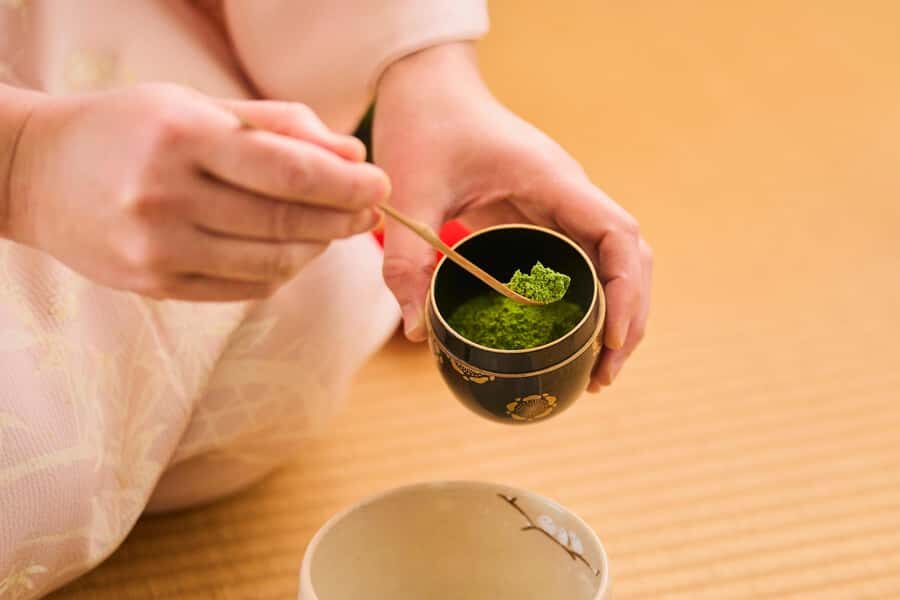
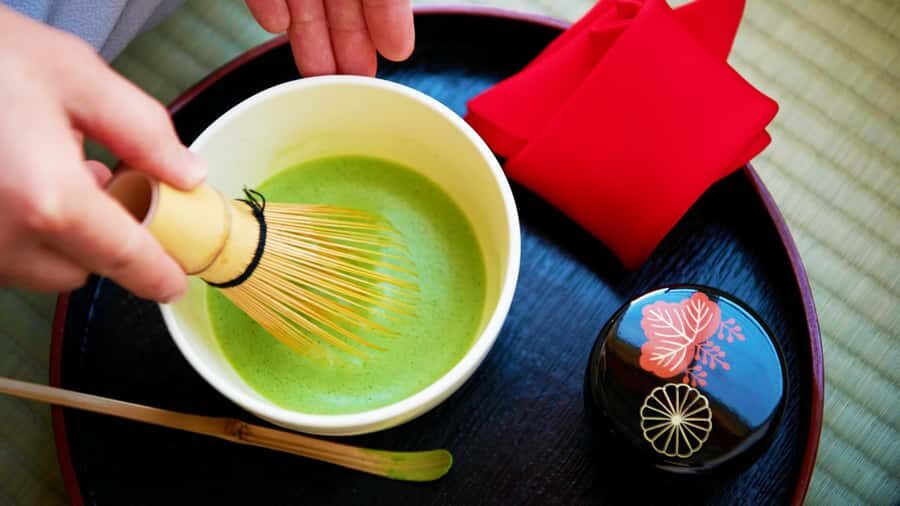
Matcha is not like regular green tea. You’re preparing powdered tea that you whisk until it becomes a smooth, rich bowl. The difference is taste and texture: matcha has a fuller, more concentrated flavor than many teas you might be used to. When you make it yourself, you can feel how small choices matter—how vigorously you whisk, how carefully you handle the process, and how patient you are.
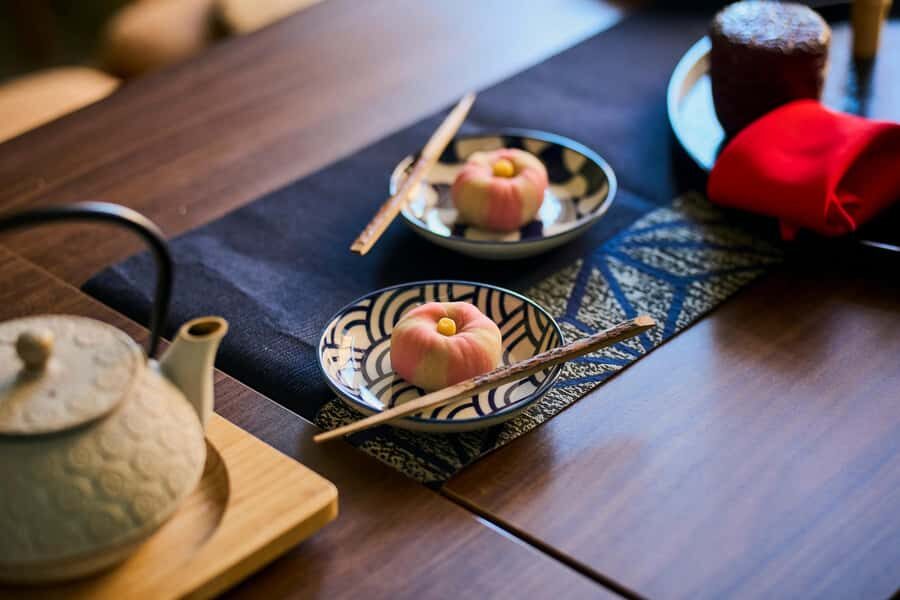
You’ll also be working with nerikiri, a traditional Japanese confection shaped to reflect the seasons. This is a big deal because nerikiri is not meant to be rushed or treated like candy you quickly eat. It is an edible craft. You get to practice that mindset in a short class, guided by someone who knows how to teach beginners.
From the reviews, one theme keeps showing up: the experience feels calm, and the explanations help you connect the ceremony to cultural meaning. Nicci (New Zealand) specifically called out the importance of what’s behind the ceremony, and Courtney (Canada) highlighted how supportive and helpful the guide was when questions came up. That’s the real value here: you leave knowing what you just did, not just what it looked like.
Otemae in practice: watching the flow before you try it
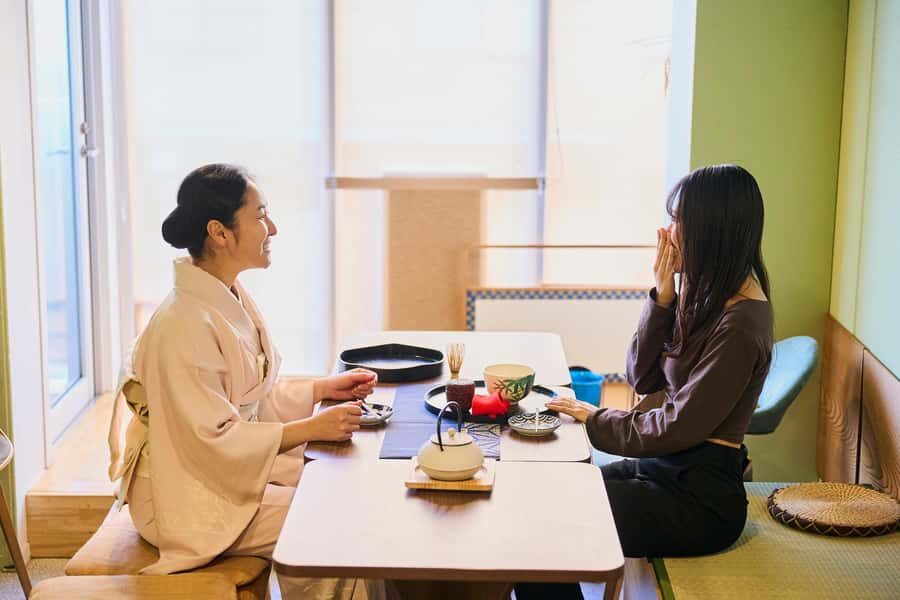
The ceremony is built around otemae, the formal presentation of tea. The class starts with you watching the tea master’s demonstration, so you can see the order of steps and how everything connects. Even if you’ve never done a tea ceremony before, that viewing time makes the next hands-on section less confusing.
Here’s what I’d pay attention to during the otemae demonstration:
- how the tea master prepares and handles the tools with care
- how the movements stay controlled and consistent
- how the final bowl is presented and shared
Even though this is a class (not a full formal event that lasts for hours), it still gives you the structure. That structure is what makes the experience meaningful later when you try whisking your own matcha. Without that first “watch and understand” phase, a beginner might feel like they’re just copying hand motions. With it, you learn why the motions matter.
Also, because the class is guided in English, you’re not left guessing. The expert host provides clear explanations in English, so you can focus on understanding rather than translating in your head.
One practical tip: during otemae, don’t worry about copying every gesture perfectly. Use that time to map the sequence in your mind. When it’s your turn, you’ll follow the same general order and you’ll already know what comes next.
The hands-on matcha part: whisking your own bowl
The matcha section is the heart of this experience. You will prepare your own bowl of matcha and taste it. That alone is worth planning for, because matcha is one of those foods that you can easily consume in Tokyo without ever learning how it’s made.
Your tea master shows you how to whisk, then you replicate the method yourself. The goal isn’t to become a tea professional in one hour. The goal is to understand the technique and taste the difference between making matcha by hand versus drinking pre-made powder mixed at home.
What you’ll likely notice right away:
- The texture changes as you whisk. You’re aiming for that smoother, well-combined result.
- The flavor feels more intense than regular green tea. Matcha is concentrated.
- If you take your time and follow the steps, the result improves quickly.
In the reviews, the instructor being kind and informative comes up often. That matters because matcha whisking can feel intimidating at first. A patient teacher helps you stay calm while you learn. If you’re the type of traveler who likes doing instead of just watching, this is the part that will satisfy you most.
Also remember: you’re doing this in a small group (10 participants max). That pacing makes it more likely you get enough attention to correct your technique on the spot.
Nerikiri seasonal sweets: shaping tradition with your own hands
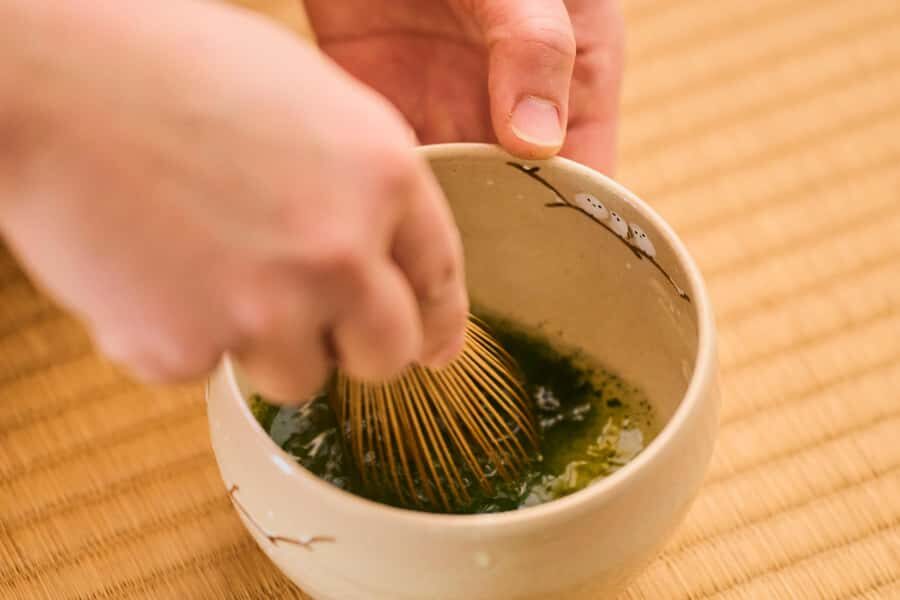
After matcha, you get to make nerikiri, a seasonal Japanese sweet. Nerikiri is known for its sculpted shapes and detailed motifs. The class version here is hands-on and designed for beginners, but it still keeps the “craft” at the center.
The key idea is that nerikiri reflects the seasons. You’re not just making a random sweet. You’re making a confection with a seasonal theme—vibe, motif, and color choices connected to the time of year. That is one of the reasons this pairs so well with matcha: both are seasonal traditions and both reward attention.
When you make nerikiri, you practice:
- shaping delicate forms carefully
- working with guidance so the sweet holds its final look
- pairing the finished confection with the matcha you prepared earlier
The payoff is the harmony of pairing. You taste something you shaped, and you taste it alongside the tea you whisked. That creates a full-circle experience: food preparation plus cultural context plus direct sensory feedback.
If you’re worried about being “good at crafts,” relax. Nerikiri in a beginner class is about following instruction and learning the technique, not producing a masterpiece that matches a museum display. The goal is that you get to take part in a tradition the right way, not that you need to already know how to sculpt sweets.
Where it happens: Hakusan Station meeting point and what to expect
Logistics in Tokyo can make or break a short experience, so I like that this class is easy to locate. The meeting point is about a 5-minute walk from Toei Mita Line Hakusan Station. You’ll come to the 2nd floor as shown on Google Maps.
Address: 2nd Floor, Phil Park Hakusan Hills, 1-26-17 Hakusan, Bunkyo-ku, Tokyo
Coordinates: 35.7201985, 139.7538703
If you’re using maps, zoom in enough to confirm the exact building area. The 2nd-floor detail is important because Tokyo locations often have multi-tenant buildings with similar entrances.
Because the class lasts 1 hour, plan to arrive early enough to get settled without rushing. Comfortable clothes help a lot too. You’re standing and handling tools, and you’ll do fine if you can move easily.
Price and value: why $27 makes sense for this class
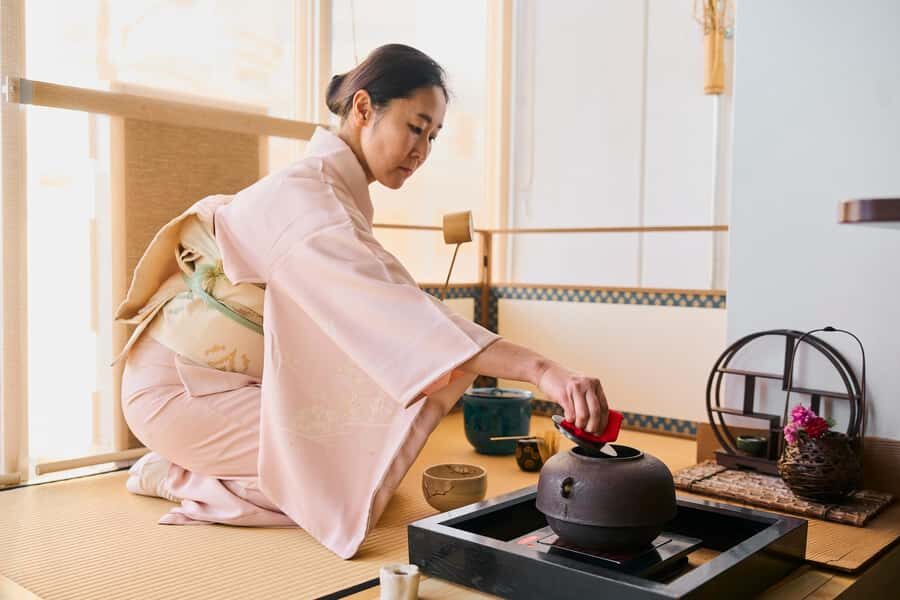
This costs $27 per person and runs for 1 hour. That might sound modest for a traditional tea ceremony workshop, but the value comes from what’s included and what you actively do.
You’re getting:
- English guide
- tea ceremony experience
- traditional Japanese sweets (including your nerikiri making)
You also learn from a tea master with 10+ years of experience. In other words, you are paying for instruction time, not just tasting or watching.
In my view, the best value part is that this isn’t a passive experience. You whisk your own matcha and you make nerikiri yourself. That hands-on component is what turns a short cultural stop into a skill you can repeat. Even if you never perfect the craft at home, you’ll understand the basic technique and the food-and-ceremony connection.
The small group size (up to 10) also improves value. With fewer people, you’re more likely to get corrections and answers right away. That aligns with what you’ll want from an English-led class: clarity, pace that fits beginners, and time for questions.
Who should book this Tokyo matcha and nerikiri workshop
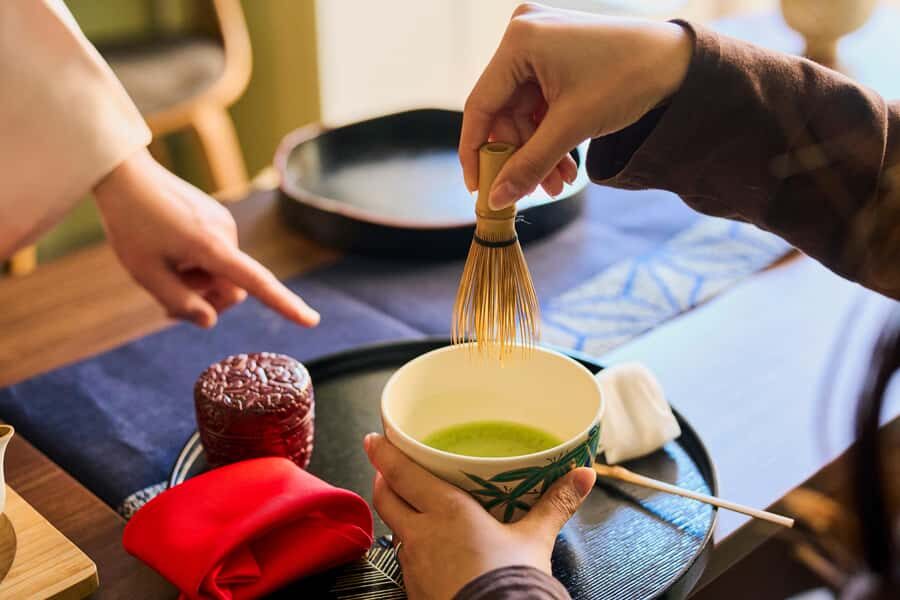
This class is a great fit if you:
- want a calm, structured break from Tokyo crowds
- like learning cultural context along with hands-on food practice
- want an English-led experience where you won’t feel lost
- enjoy matcha and want to understand how it’s prepared
- like making something with your hands, even if you’re a first-timer
It’s especially appealing if you don’t want to spend half a day on formal tea ceremony logistics. The 1-hour format gives you a complete taste of the experience: otemae demonstration, matcha making, then nerikiri shaping and pairing.
Who might consider an alternative: if you’re hoping for a longer, more formal tea ceremony with extended instruction and more repetition, you may find this duration a bit short. The class is designed to be accessible and efficient, not to stretch into a full day of ritual.
Also, since it is English only, it’s best for travelers comfortable with English explanations. If you’re traveling with someone who needs Japanese support, you’ll want to check whether other options in Tokyo match your language needs.
Quick etiquette tips so you feel confident
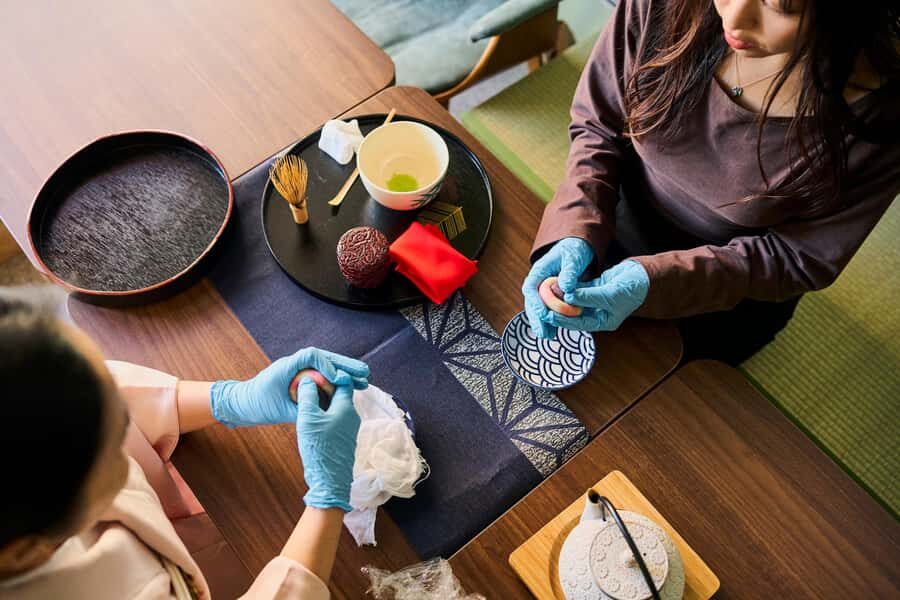
You won’t need to memorize tea ceremony rules before you go, but you can show respect with a few basics:
- Arrive on time and follow the guide’s directions closely.
- Keep your attention on the process when the otemae demonstration is happening.
- When it’s your turn, work at the pace you’re taught rather than trying to rush.
- Treat the nerikiri crafting time as careful work, not a quick snack step.
One reason this class lands well for first-time participants is that the host provides clear English explanations. That support reduces the pressure and makes it easier to learn without feeling embarrassed.
Should you book this tea ceremony in Tokyo?
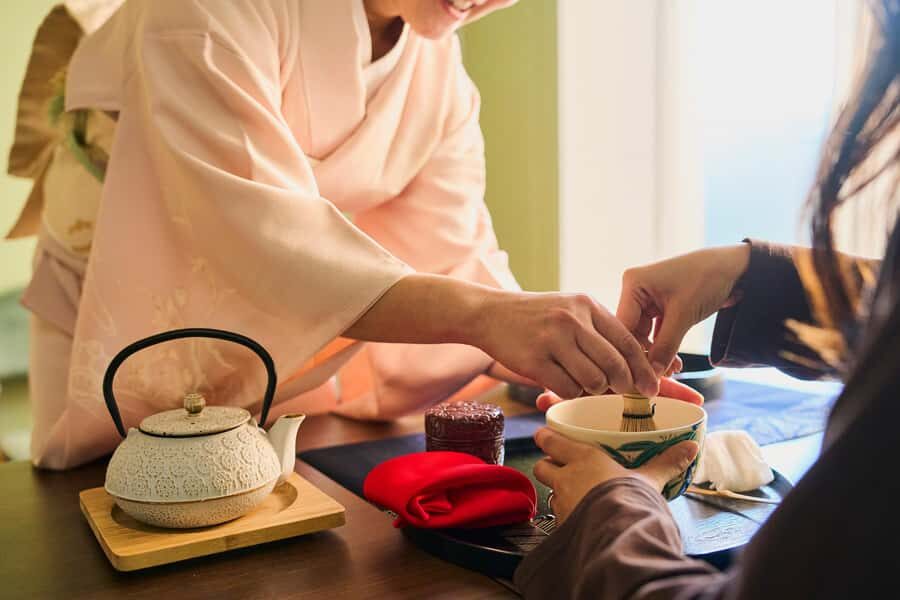
If you want a short, high-value Tokyo experience that mixes cultural meaning with actual hands-on making, I’d book it. The strongest reasons are practical: you get instruction from a tea master, you whisk your own matcha, and you make seasonal nerikiri yourself—all in a small group and guided in English.
You should consider skipping only if you dislike workshops, don’t like food-making activities, or you’re seeking a longer formal ceremony with more ritual time. For most travelers, though, this is the kind of class that gives you a real takeaway: you understand what you did, you tasted what you made, and you walked away with a skill you can talk about and recreate at home at least in basic form.
FAQ
How long is the Tokyo tea ceremony and sweets experience?
It lasts 1 hour.
What is the price per person?
The price is $27 per person.
Is the experience guided in English?
Yes. The tour is conducted in English only.
How many people are in the group?
It is a small group limited to 10 participants.
Where do I meet for the class?
Meet about a 5-minute walk from Toei Mita Line Hakusan Station, then go to the 2nd floor at Phil Park Hakusan Hills (address: 2nd Floor, Phil Park Hakusan Hills, 1-26-17 Hakusan, Bunkyo-ku, Tokyo).
What is included in the $27 price?
You get an English guide, the tea ceremony, and traditional Japanese sweets.
What should I bring?
Wear comfortable clothes.
Is the experience wheelchair accessible and what about cancellation?
It is wheelchair accessible. You can cancel up to 24 hours in advance for a full refund, and there is also a reserve now & pay later option.
Tea Ceremony Experiences, compared.
 ★ 5.0Traditional Tea Ceremony with a Tea MasterFrom $38528 reviews
 ★ 5.0Tea Ceremony Workshop in Tokyo by the Experienced InstrucorFrom $38189 reviews
 ★ 4.9Tea Ceremony Experience in a Private Tea Room in ShibuyaFrom $30125 reviews
 ★ 5.0Matcha Kimono Tea Ceremony in TokyoFrom $59104 reviews
 ★ 4.9Tea ceremony experience in Japanese-style room 60minFrom $4586 reviews
 ★ 5.0Casual Japanese Tea Ceremony ExperienceFrom $2574 reviews
 ★ 5.0Shibuya Authentic Tea Ceremony with experienced instructorFrom $2554 reviews
 ★ 4.9Tea Ceremony Experience in a small tea roomFrom $5153 reviews
Browse the lists this tour appears in