
Reviewed · TOKYO
Tokyo: Sumo Tournament with Guide & Assigned Reserved Seat
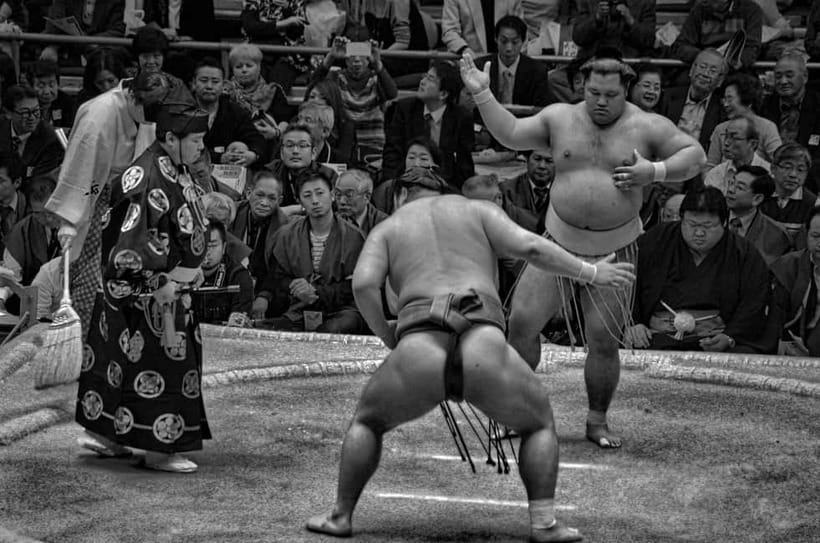
Sumo is louder than you expect. Seeing an official bout at Ryogoku Kokugikan with an English sumo guide is the kind of Tokyo moment that turns a sport into a full-on cultural performance—ritual, ranking talk, and all.
What I like most is that you get reserved seating (B or C class, second floor) so you’re not stuck hunting tickets. I also like the live explanations—guides such as Jorge, George, Mili, Cesar, and Lily help you understand what you’re watching before the first match even starts.
One thing to weigh: the price feels steep for the ticket alone, and you don’t pick your exact seats (they’re assigned). If you go in expecting a bargain, you might feel a little cranky—if you go in for the context, it lands much better.
In This Review
- Key things that make this tour work
- Ryogoku Kokugikan: why a reserved seat matters in Tokyo sumo
- Where the tour starts: getting your bearings in Ryogoku
- The 30-minute guide briefing: how to watch sumo without confusion
- Inside the arena: what the 4-hour visit feels like
- Assigned B or C class seats: second-floor viewing, plus real-world tradeoffs
- Price and value: is $209 worth it?
- Who this is best for (and who should skip)
- Quick practical notes before you go
- Should you book this sumo tournament with guide and reserved seat?
- FAQ
- How long is the sumo tournament experience?
- Where does the tour take place?
- What seat do I get?
- Is the guide available in English?
- Are food and drinks included or allowed?
- Is the experience refundable?
Key things that make this tour work
- English sumo experts explain rules, ranking, and rituals in plain language
- Reserved B/C seats on the second floor help you watch fights without scramble stress
- A guided warm-up (about 30 minutes) helps you notice what matters during the bouts
- Photo stops in the sumo district add atmosphere beyond just sitting in the stands
- Assigned seating means you get a confirmed place, but not your preferred view down to the seat map
- No food or drinks included (and food/drinks aren’t allowed), so plan around it
Before you commit, see how this one stacks up against a few Tokyo favourites:
- Mt Fuji and Hakone 1-Day Bus Tour Return by Bullet Train★ 5.0 · 26,383 reviews
- 1-Day Tokyo Bus Tour★ 5.0 · 14,250 reviews
- Tokyo: teamLab Planets TOKYO Digital Art Museum Entry Ticket★ 4.6 · 9,779 reviews
Ryogoku Kokugikan: why a reserved seat matters in Tokyo sumo
This experience is built around one simple problem: getting into a real Tokyo sumo tournament is hard, and once it sells, it’s hard again. Paying for a package doesn’t just buy you entry. It buys you certainty—a reserved seat and a guide who keeps your attention on the matches instead of logistics.
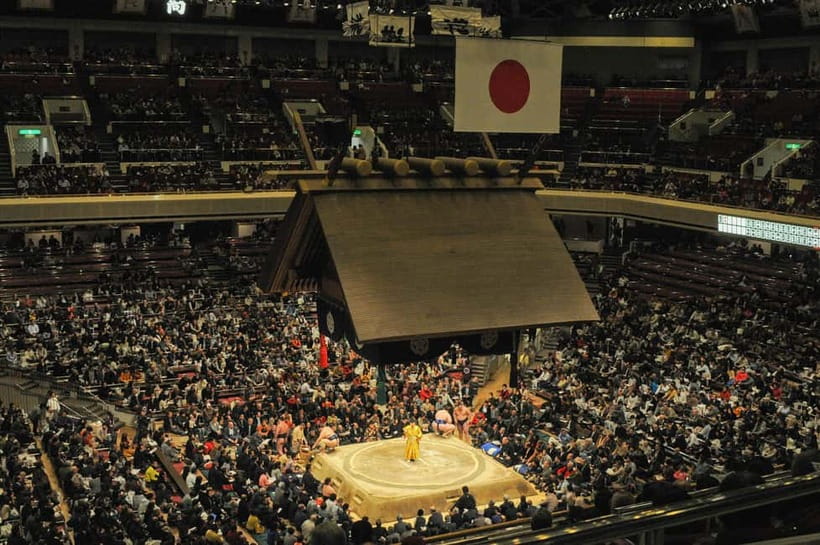
You’ll be watching in Ryogoku Kokugikan, Tokyo’s main sumo arena, during an official tournament. That matters because sumo isn’t just “wrestling.” It’s a ceremony. Once you see the ring, the referee cues, the rhythm of the build-up, and the way the crowd reacts, you start feeling why sumo has lasted for centuries.
Your ticket is for B or C class on the second floor. That’s a practical sweet spot for most people: you can still follow the action, and you’re far enough back to take in the arena as a whole. Some seats may feel better than others, but the big win is that you’ll have a real view of the ring and the atmosphere.
Where the tour starts: getting your bearings in Ryogoku
Meeting points can vary by the option you book, but you’ll connect with the group before you head into the Ryogoku area. One common starting spot is the Matsuura-Bungo Mansion Site. The Ryogoku neighborhood has that “sumo all around you” feel—temples, old-school streets, and the sense that the city organizes itself for tournament time.
Why I like this start: it stops the day from feeling like a rush between train stations. Even a short pre-tournament walk helps you understand where you are in the broader sumo world. You also get a chance to take photos in the area before things get loud inside the venue.
One small heads-up: this is a tour with a guide and group flow, so your timing is guided. If you’re the type who wants to wander off the moment you arrive, you may feel a bit tied to the schedule.
The 30-minute guide briefing: how to watch sumo without confusion
A lot of first-time visitors miss what’s happening around the fight. They see two wrestlers collide and assume that’s the whole story. The good news is that sumo’s signals are learnable fast, and that’s where the expert guide earns their pay.
You’ll get about 30 minutes of guided orientation before the long arena session. This is when the guide typically covers:
- Rules and match flow so you understand when action pauses and why
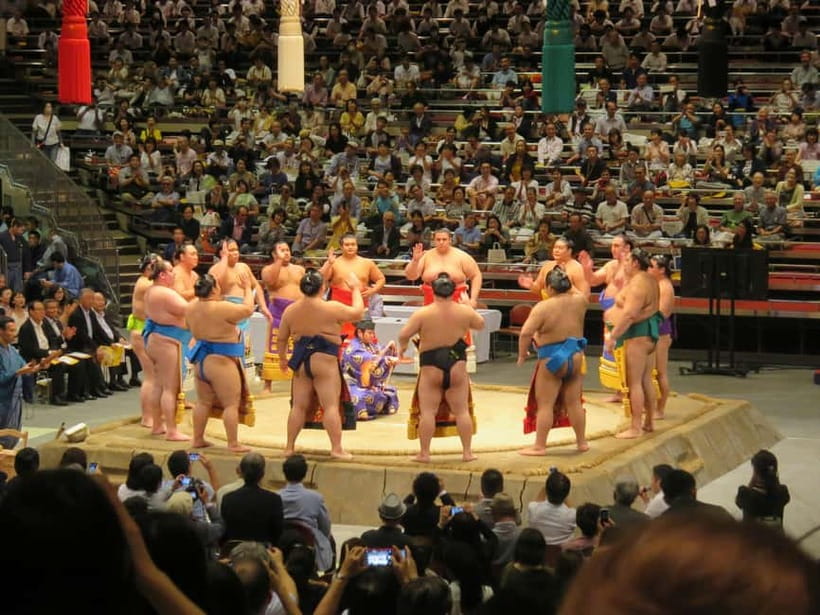
- Rituals and pre-bout customs that set the tone
- Ranking and advancement so the tournament isn’t random name-calling
- The cultural meaning behind what looks like “just tradition”
The guides on this tour have strong track records. People specifically praised guides like Mili, Jorge, George, and Cesar for explaining details clearly and answering questions. Some even turned the briefing into a Q-and-A session where you’d ask what you’re seeing and get a direct answer instead of guessing.
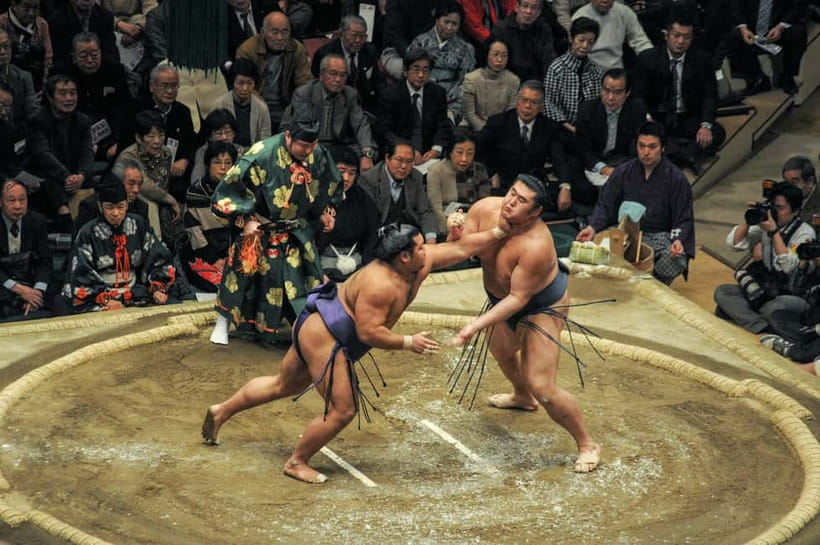
Practical benefit for you: once you understand what counts and what’s being signaled, every bout becomes more readable. You stop watching only for the final clash and start noticing footwork, timing, and the drama of who’s controlling the rhythm.
Inside the arena: what the 4-hour visit feels like
After the short briefing, you settle into the tournament portion of the day. The main experience is a 4-hour visit inside the arena, where you’ll experience an official set of bouts and the full tournament energy.
Here’s what makes the time valuable:
- You’re not just watching one match. You’re in the middle of a schedule, so the tournament feels like a system.
- The guide helps you follow the context as names, ranks, and matchups come and go.
- You can watch the rituals around the bouts, not only the bouts themselves.
Sumo can be intense, and it can also be quick. A bout might look simple, but the strategy often lives in the setup. Without an explanation, you might miss why certain moves matter. With an explanation, you get why the wrestlers do what they do—especially in the moments where things reset and the crowd reacts.
Also, check your expectations. This isn’t a quiet lecture. The arena is a busy, loud place. One review noted a larger group can make it harder to hear explanations at times—so if you’re sensitive to noise, mentally prepare for it.





Assigned B or C class seats: second-floor viewing, plus real-world tradeoffs
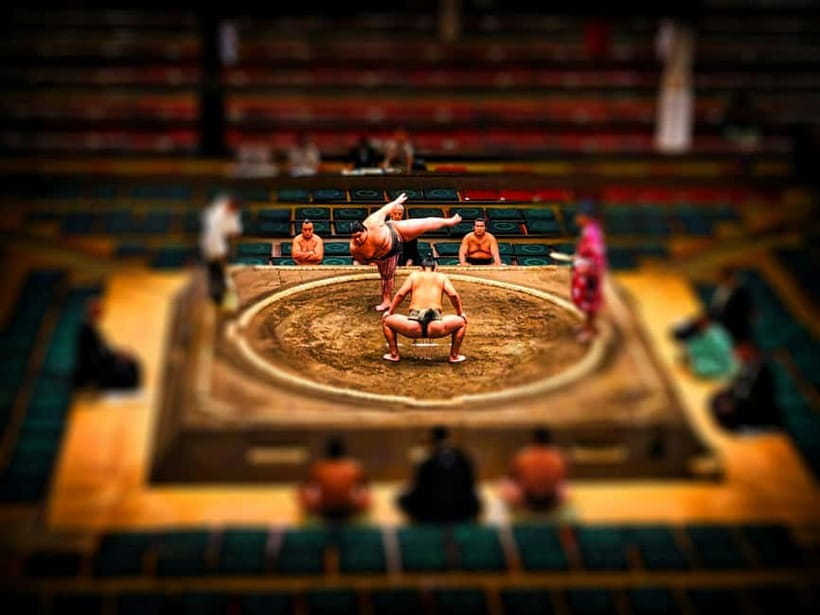
Your reserved seat is B or C class, second floor. That’s a useful detail because sumo venues have different sightlines. First-floor seats can feel close, but second-floor reserved seats often balance visibility with comfort.
From the positive side: multiple guests described their seats as having a good position where they could clearly see the fights and soak up the atmosphere. That’s the practical goal—watch the ring without constantly straining.
From the caution side: seats are assigned, not chosen. A few people said they would have liked the ability to pick exact seats or see a seat map before booking. Some also mentioned the group can be split depending on where seats land. If you’re booking as a pair and want to be side-by-side in exactly the same row with an ideal view, you should be okay with the fact that seat assignment may not match your first preference.
The silver lining: the guide’s job is to help you get value from where you sit. Even if your exact row isn’t perfect, the guided explanation still makes the experience click.
Price and value: is $209 worth it?
Let’s talk money without pretending it’s small.
At $209 per person, you’re paying for three things:
1) A reserved tournament ticket (B or C class, second floor)
2) A guide who speaks English and explains what you’re seeing
3) The package handling that helps you secure seats without the typical ticket chaos
The best value argument is simple: if you don’t know sumo, you’ll enjoy less of the day. The guide turns a foreign sport into something you understand quickly. Multiple reviews strongly emphasized that having a guide made a major difference—especially for first-timers who didn’t start with much sumo background.
The not-so-fun argument: some people compare the package price to what they believe the base ticket might cost and call the markup excessive. I get the frustration. If you’re the kind of traveler who feels annoyed by paying for “access,” this won’t feel gentle on your wallet.
So how do you decide? Ask yourself this:
- If you’d otherwise be watching sumo with zero context, the guide can justify the cost by making the tournament much more satisfying.
- If you already know sumo rules and rankings and can secure tickets easily, you may see this as pricey for what you’re buying.
Who this is best for (and who should skip)
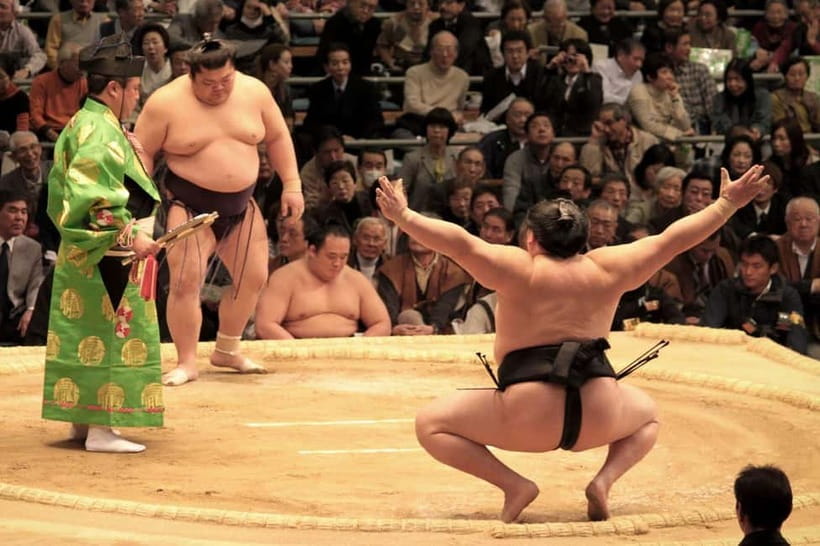
This tour is a strong fit if:
- You’re a first-time sumo fan or you want to become one
- You want an English-speaking guide to explain rules, rituals, and ranking
- You prefer reserved seating so the day feels structured and low-stress
It may not be your best option if:
- You have mobility concerns, because the experience is not suitable for people with mobility impairments
- You dislike paying for guided context and would rather rely on your own research
- You’re very picky about exact seat placement, because seating is assigned
If you’re traveling with kids, it can work well if the family is curious and can handle a long stadium session. If your group wants only short entertainment and zero explanation, you might feel the price as “too much for what it is.”
Quick practical notes before you go
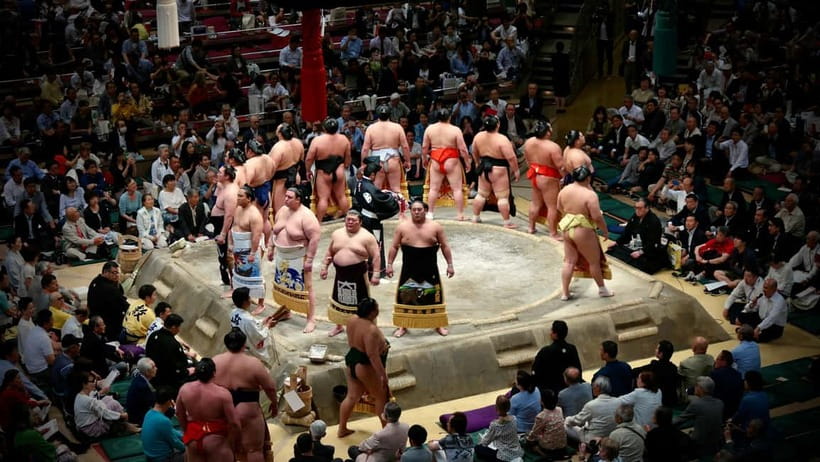
A few details help you avoid surprises:
- Food and drinks aren’t included, and food/drinks are not allowed. Plan around that for the hours you’ll be at the venue.
- The experience runs 4–5 hours total, combining a short guided portion and a longer tournament watch period.
- The guide experience is in English, which is a big win for first-timers who don’t want to translate everything mentally.
Should you book this sumo tournament with guide and reserved seat?
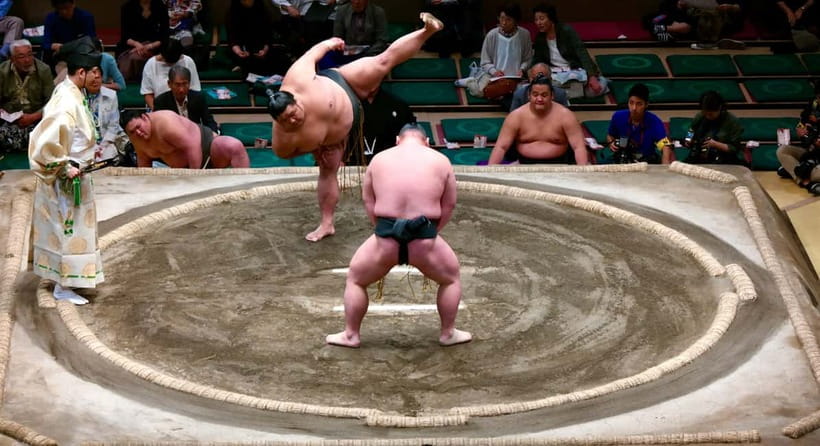
My take: book it if you want sumo to feel like a story you understand, not just a spectacle you watch.
If you’re willing to pay to skip ticket stress and get a real-time explanation from guides like Jorge, George, Mili, Cesar, or Lily, this becomes one of those Tokyo experiences that sticks. You get reserved seats, you get structure, and you get the ritual layer that makes sumo feel unmistakably Japanese.
Skip it if you’re on a tight budget, you’re determined to pick exact seats, or you’d be totally fine enjoying sumo with minimal context. In that case, you might prefer a self-guided approach—just don’t underestimate how confusing sumo can feel when you’re starting from scratch.
FAQ
How long is the sumo tournament experience?
The tour runs about 4 to 5 hours total, depending on the starting time.
Where does the tour take place?
You’ll attend the official tournament at Ryogoku Kokugikan.
What seat do I get?
You receive a reserved seat (B or C class) on the second floor.
Is the guide available in English?
Yes. The tour includes an English-speaking live guide.
Are food and drinks included or allowed?
Food and drinks are not included, and food and drinks are not allowed during the experience.
Is the experience refundable?
No. This activity is non-refundable.
More Tour Reviews in Tokyo



Fresh reviews from around Tokyo






Tokyo, compared.
 ★ 5.0Mt Fuji and Hakone 1-Day Bus Tour Return by Bullet TrainFrom $16326,383 reviews
 ★ 5.01-Day Tokyo Bus TourFrom $12914,250 reviews
 ★ 4.6teamLab Planets TOKYO Digital Art Museum Entry TicketFrom $259,779 reviews
 ★ 4.0Mt Fuji & Hakone Cruise, Drum Show Bullet Train 1 Day from TokyoFrom $1497,413 reviews
 ★ 5.0Shinjuku Food Tour (13 Dishes at 4 Local Eateries)From $866,603 reviews
 ★ 4.4Tokyo Mt Fuji 5th St & Hakone Cruise Bus Tour w/Bullet TrainFrom $1545,024 reviews
 ★ 5.0Flagship 2-Hours Official Street Go-Kart Tour – Tokyo Bay ShopFrom $644,974 reviews
 ★ 4.5From Tokyo: Mount Fuji Full-Day Sightseeing TripFrom $684,970 reviews