
Reviewed · TOKYO
Tokyo: Sumo Morning Practice Viewing Tour
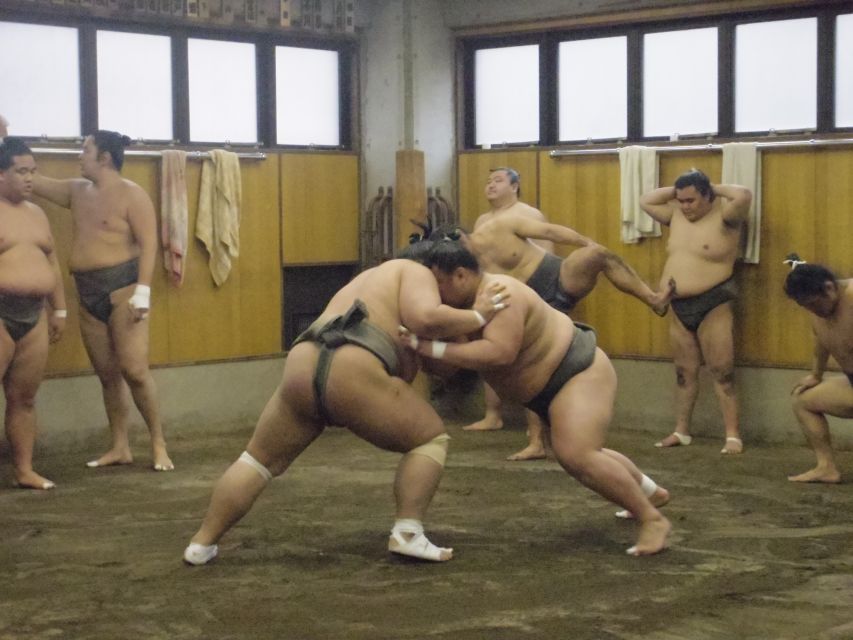
Sumo morning has a different sound. In Tokyo, this is one of the few chances you can step into a real sumo stable while the wrestlers train, not just watch a performance. You’ll be in Ryogoku, the sumo neighborhood built around the stadium area, and your guide helps you read what you’re seeing as the session unfolds.
I especially love two things: the up-close access to training drills and the way the English-speaking guide (I’ve seen guides like Oku San and Yuko lead groups with energy and clarity) turns technique into something you can actually understand.
One drawback to plan for: the rules are strict and you must stay until the end of practice (roughly 09:00–10:00) since once you leave, there’s no re-entry.
In This Review
- Key things that make this sumo morning tour worth it
- Why Ryogoku morning practice feels real (not staged)
- Getting there: meet-up, the short transit, and the timing window
- Entering the stable: rules you have to follow (and why)
- What you’ll see during the morning session
- Your guide’s job: translating technique into something you can read
- Photos with wrestlers: when it happens and how to handle it
- How it fits into a sumo day: Ryogoku and food afterward
- Price and value: is $81 worth it?
- Who this tour is best for (and who should skip)
- Quick FAQ
- FAQ
- How long is the Tokyo sumo morning practice viewing tour?
- Where do I meet the group, and do we travel to the stable?
- Can I take photos or record video?
- What rules do I have to follow inside the stable?
- Is this tour suitable for kids?
- Do I need to stay for the whole practice?
- Should you book this sumo morning practice tour?
Key things that make this sumo morning tour worth it
- Rare entry into a stable that normally isn’t open to casual visitors
- Real training rhythm for the six big tournaments held each year
- Meaningful, on-the-spot explanations in English so you’re not just staring
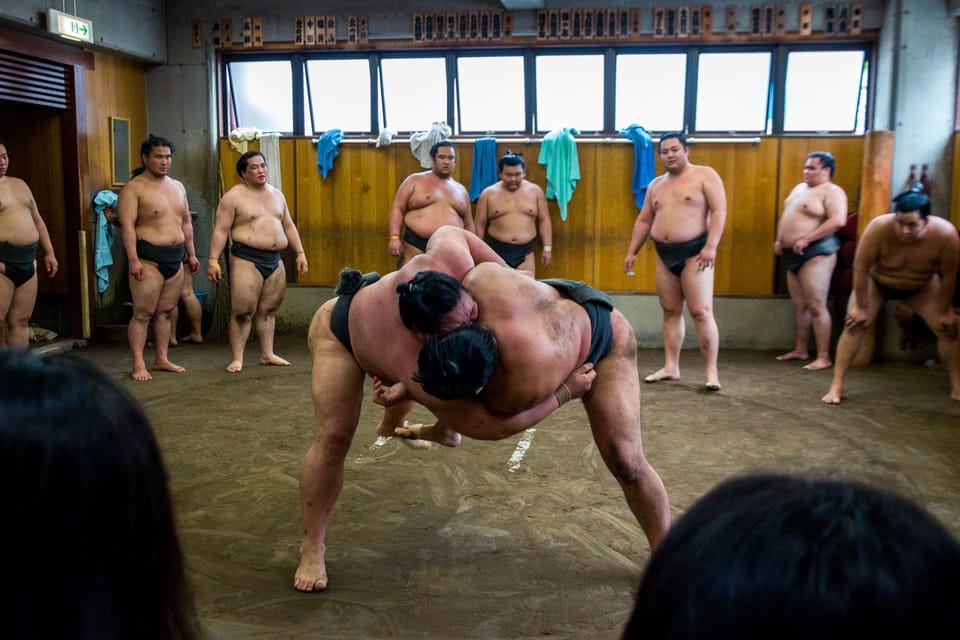
- Quiet, seated viewing right by the action (so you feel the power of practice)
- Photo opportunities with wrestlers on days when the stable allows it
- Ryogoku location makes it easy to continue exploring sumo on your own afterward
Before you commit, see how this one stacks up against a few Tokyo favourites:
- Mt Fuji and Hakone 1-Day Bus Tour Return by Bullet Train★ 5.0 · 26,383 reviews
- 1-Day Tokyo Bus Tour★ 5.0 · 14,250 reviews
- Tokyo: teamLab Planets TOKYO Digital Art Museum Entry Ticket★ 4.6 · 9,779 reviews
Why Ryogoku morning practice feels real (not staged)
If you’ve only seen sumo on TV, you’re missing the physical part. In an arena, you see the result. In a stable, you see the work before the result.
This tour takes you into a working sumo stable in Tokyo where wrestlers live and train daily. That matters, because most stables don’t open their doors to the public. Here, you’re treated like a respectful visitor at someone’s workplace, not like a customer watching a show. That’s why the atmosphere feels intimate and serious.
And Ryogoku is the right setting. It’s Tokyo’s sumo hub, and the neighborhood energy supports the whole experience. After training, you can easily head to sumo meal places nearby and keep the day connected to the sport.
Getting there: meet-up, the short transit, and the timing window
The tour runs about 90 minutes to 2 hours, and the practice itself is timed to finish around 09:00 to 10:00 (depending on the day). You’ll also hear an explanation before you head into the stable area.
Your meeting point can vary depending on which option you book. In many cases, you’ll meet up with the guide and then take a train to the stable—so plan to arrive a few minutes early. The tour is structured, and once you’re on the way, you’re in “follow instructions” mode.
Practical tip: if you care about seeing the technique as clearly as possible, show up early. People have mentioned arriving first helped them secure front-row seats, and in a seated viewing setup, that can make a real difference.
Entering the stable: rules you have to follow (and why)
Sumo practice is traditional, but it’s also work. That’s why the stable has clear rules for visitors, and you should treat them as non-negotiable.
No hats. No sunglasses. No food or drinks. No flash photography. No video recording. Phones need to be on silent. And you need to stay seated and still—don’t stand up, don’t move around, and don’t break the quiet while training is happening.
The best way to think about this: your job isn’t to multitask. Your job is to observe properly. When you follow the rules, the stable can continue welcoming visitors without turning training into a circus.
If you’re traveling with someone who struggles with sitting still for a while, this is worth flagging up front. You’ll be watching an early, disciplined routine. It may feel repetitive at times, but that repetition is the point—this sport builds power through repetition and form.
Also note two key timing facts:
- You must stay until the end of practice.
- Once you leave the stable, there’s no re-entry.
What you’ll see during the morning session
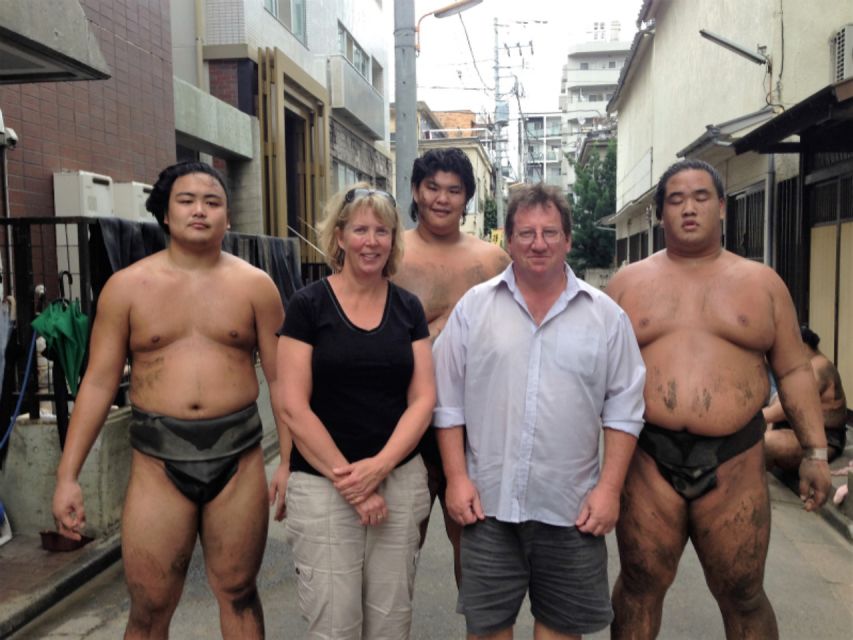
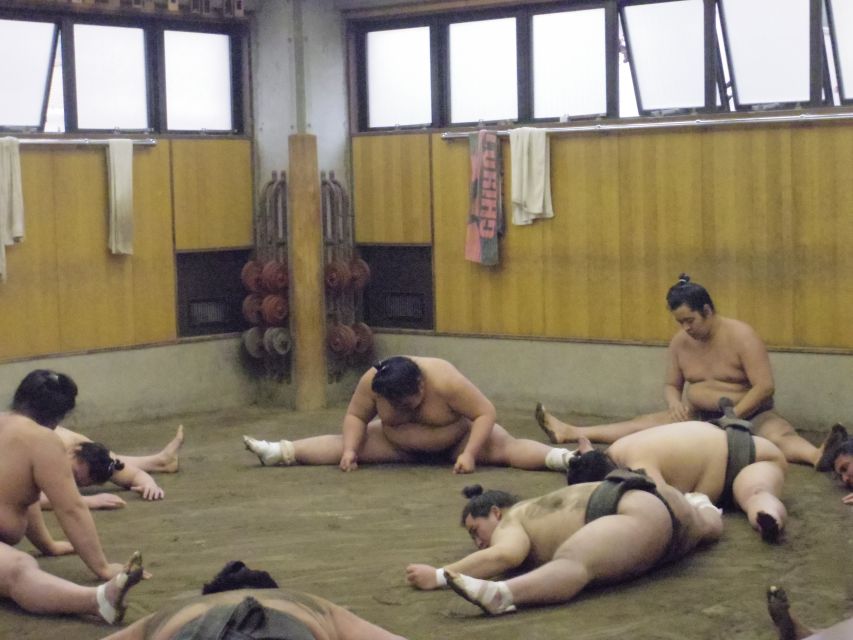
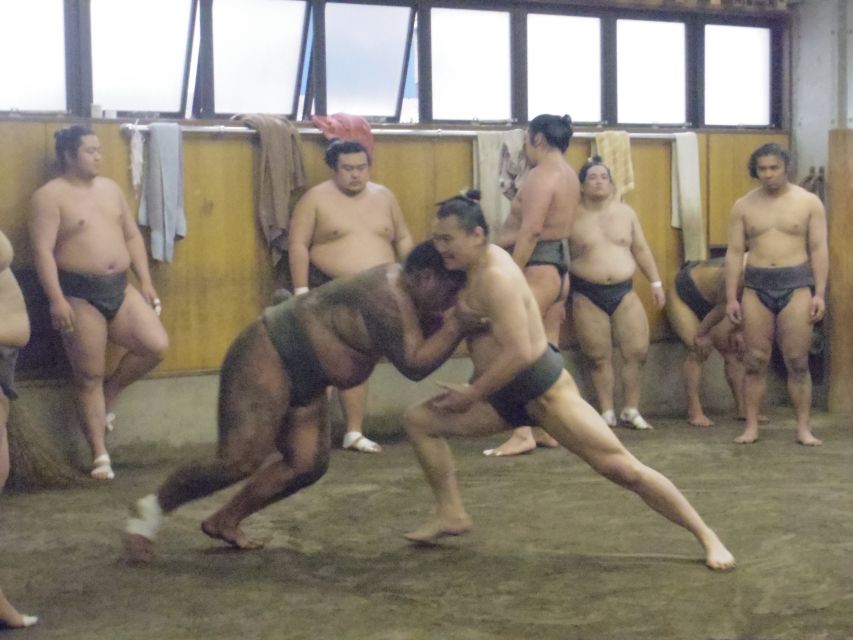
The core of this tour is the training block—about 60 to 90 minutes, depending on the day. You’ll watch wrestlers practice up close, from a spot where you can actually see the physical effort behind the movements.
What training typically looks like in a stable viewing setup:
- You’ll see wrestlers practicing techniques and drills that look simple at a glance but are clearly demanding in motion and timing.
- You’ll notice how structured everything is. The wrestlers work through rounds and preparation, and the “feel” of the sport shows up in the sounds and force of contact.
- You may also get moments where the stable staff and wrestlers acknowledge the presence of the group after training—some days include friendly interactions.
A major theme you’ll learn is how sumo fits into a longer calendar. Sumo has six tournaments a year, and what you’re watching is training aimed at those big events. That makes the morning practice feel purposeful, not random.
One of the coolest parts: you’ll see young wrestlers living and training together as they chase higher ranks. Even if the wrestlers you know from major tournaments aren’t all present, the daily grind is the same story.





Your guide’s job: translating technique into something you can read
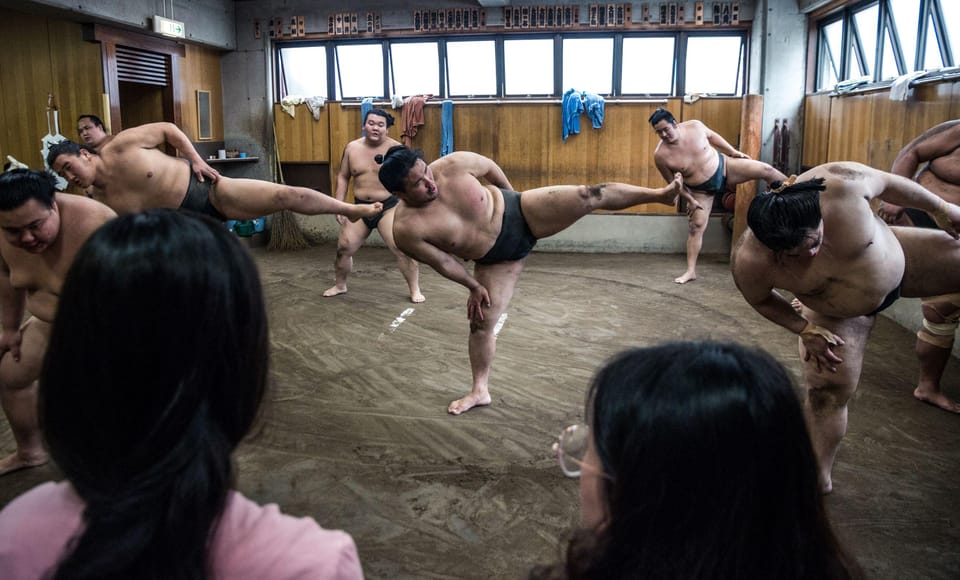
A big reason this tour earns strong ratings is how the guide handles the “in the moment” explaining. It’s not just a history lecture and then silence.
You’ll get:
- A head-start explanation before practice begins (so you understand what to watch)
- Notes in English during the session that help you follow what’s happening
- Answers to questions where the stable allows it, including stories about the area and the sport’s meaning
Different guides bring different styles. Some are funny and upbeat on the walk to the stable. Others focus on calm instruction and safety. Either way, the goal stays the same: help you watch with context.
If you catch an opportunity like a guide introducing names of wrestlers or handing you structured info cards, pay attention. That small detail can make the whole hour feel less like watching bodies collide and more like learning a system.
Photos with wrestlers: when it happens and how to handle it
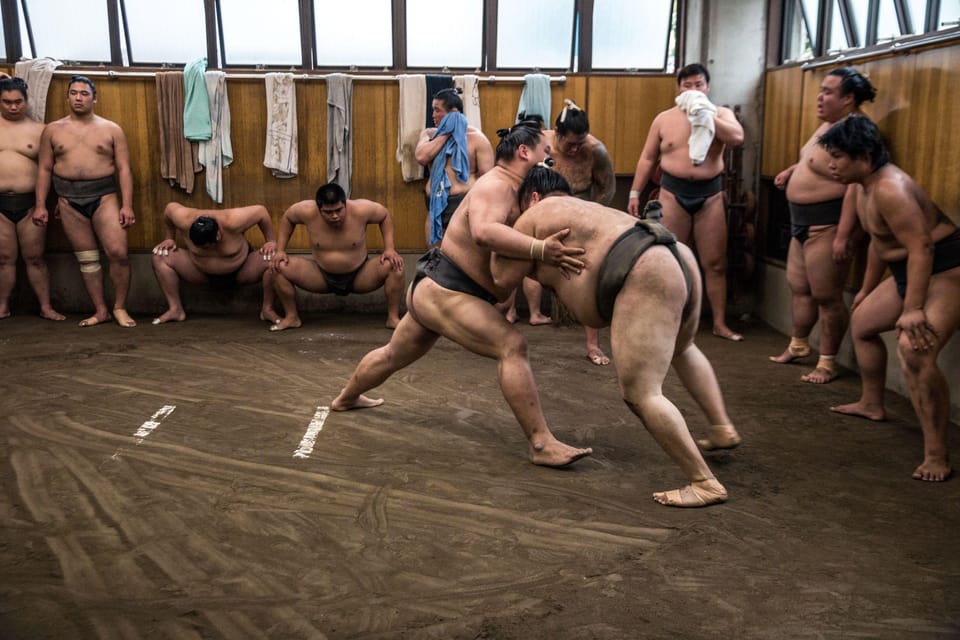
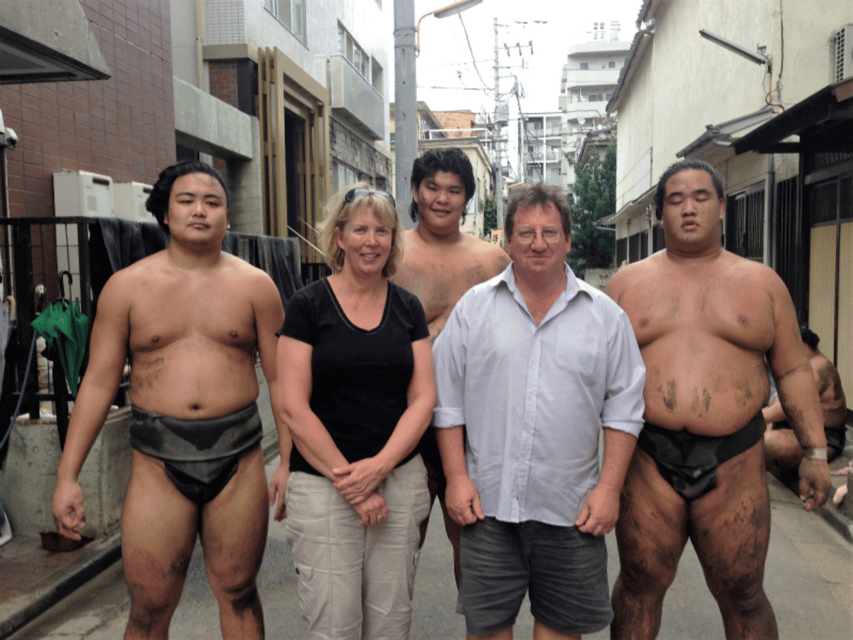
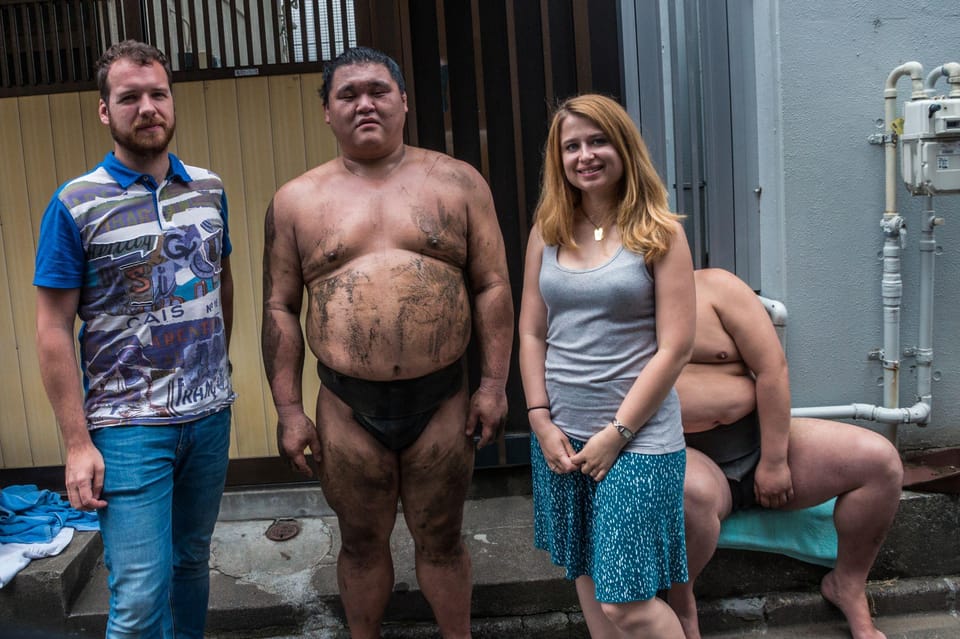
Photos are included when available, and the stable determines the exact format on the day. On some days, you may get the chance to take a photo with wrestlers after training.
This is the part to watch your timing for. Since you must remain in the stable until the end of practice, don’t plan to rush off. If photos are offered, you’ll want your camera ready and your posture respectful and quick—follow the guide’s directions exactly.
And remember: during practice, flash is not allowed, and video recording is not allowed. Plan your photo strategy around those limits.
How it fits into a sumo day: Ryogoku and food afterward
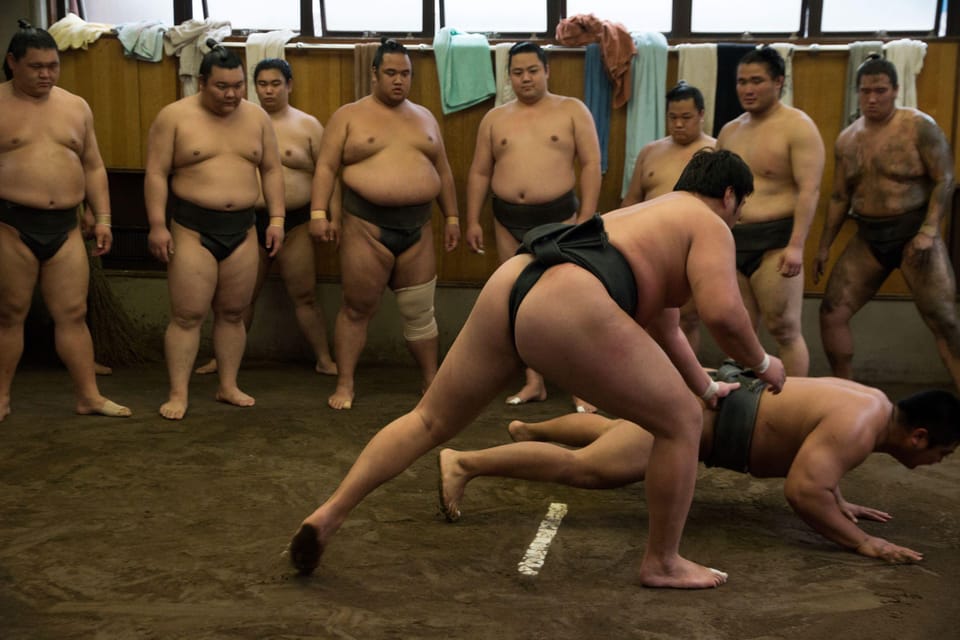
One practical advantage of this tour is location. Ryogoku isn’t just a stop; it’s the sumo neighborhood.
After the tour, you’ll have easy access to sumo meal restaurants nearby. That’s a nice way to connect the day’s watching to a meal with the same local flavor.
If you’re also interested in catching a tournament, timing matters. This tour is a strong alternative when you can’t fit arena tickets into your dates, or when you want extra context before you go to watch bouts.
Price and value: is $81 worth it?
$81 for about 90 minutes to 2 hours sounds like a lot until you factor in what you’re actually buying:
- Access to a place most people can’t enter—an active stable where wrestlers live and train
- A licensed English-speaking guide who helps you interpret rules, customs, and technique
- A front-row style viewing experience where you’re close enough to feel what makes training intense
This isn’t the cheapest Tokyo activity. But it’s also not mass tourism. The value is in the rarity and the way it’s structured for learning through observation.
Who might feel it’s less worth it:
- If you mainly want high-energy spectacle rather than quiet technique watching
- If you can’t follow strict behavioral rules (no standing, no wandering, phone silent)
- If you expect a relaxed “walk in and look around” kind of experience
Who will love it:
- Anyone curious about Japan’s traditions and how modern athletes train
- Sumo fans who want more than match-day highlights
- Travelers who enjoy small-group, low-noise experiences where you’re guided without being rushed
Who this tour is best for (and who should skip)
This tour is a strong fit if you like:
- Traditional sports and cultural practices tied to Shinto belief ideas
- Learning by watching real daily routines
- An organized morning activity with clear rules and a local guide
It’s not suitable for children under 11, and it’s also not suitable for people with mobility impairments, since the tour requires you to stay seated and follow stable rules in a working environment.
If you’re traveling with kids but your group includes younger children, it’s better to plan a different sumo activity that matches their energy and stamina. Here, staying still for the practice is part of the deal.
Quick FAQ
FAQ
How long is the Tokyo sumo morning practice viewing tour?
The experience runs about 90 minutes to 2 hours, with the training viewing time lasting roughly 60 to 90 minutes depending on the day.
Where do I meet the group, and do we travel to the stable?
The meeting point can vary by option booked. After meeting up, the group may take a train to the sumo stable.
Can I take photos or record video?
Flash photography is not allowed. Video recording is not allowed. Photos with the wrestlers are available when the stable allows them.
What rules do I have to follow inside the stable?
You must wear modest clothing only, keep your phone on silent, stay seated and still during the practice, and don’t stand up or move around.
Is this tour suitable for kids?
No. It’s not suitable for children under 11 years old.
Do I need to stay for the whole practice?
Yes. You must stay until the end of the practice (around 09:00 to 10:00 AM). Once you leave the stable, there is no re-entry.
Should you book this sumo morning practice tour?
If your goal is genuine behind-the-scenes sumo—not a stage show—then yes, book it. For the price, you’re paying for rare access to a working stable, a guide who helps you understand what you’re seeing, and a close viewing setup that makes the sport’s intensity feel real.
Skip it if you’re hoping to roam freely, if you don’t do well with quiet rules and staying seated for an extended practice block, or if age or mobility limits make the stable rules hard to follow.
More Tour Reviews in Tokyo



Fresh reviews from around Tokyo






Tokyo, compared.
 ★ 5.0Mt Fuji and Hakone 1-Day Bus Tour Return by Bullet TrainFrom $16326,383 reviews
 ★ 5.01-Day Tokyo Bus TourFrom $12914,250 reviews
 ★ 4.6teamLab Planets TOKYO Digital Art Museum Entry TicketFrom $259,779 reviews
 ★ 4.0Mt Fuji & Hakone Cruise, Drum Show Bullet Train 1 Day from TokyoFrom $1497,413 reviews
 ★ 5.0Shinjuku Food Tour (13 Dishes at 4 Local Eateries)From $866,603 reviews
 ★ 4.4Tokyo Mt Fuji 5th St & Hakone Cruise Bus Tour w/Bullet TrainFrom $1545,024 reviews
 ★ 5.0Flagship 2-Hours Official Street Go-Kart Tour – Tokyo Bay ShopFrom $644,974 reviews
 ★ 4.5From Tokyo: Mount Fuji Full-Day Sightseeing TripFrom $684,970 reviews