
Reviewed · TOKYO
Tokyo Sumo History Tour with Chanko Nabe Lunch
Sumo is easier to watch once you learn it. This tour strings together the sport’s key places in Tokyo, so you leave knowing what you’re actually seeing when you watch a bout. You also get hands-on moments like trying sumo poses by a life-sized ring replica, plus a proper chanko-nabe lunch that matches what wrestlers eat.
What I love most is the way it turns sumo into something you understand, not just something you observe. The guide I had, Malik, made the rules and rituals click, including how to follow the action like a fan instead of getting lost in the pageantry. I also liked the pacing: it’s a 3-hour walking route that doesn’t feel rushed, and each stop adds a piece of the story.
One thing to consider: the schedule includes either a Sumo Museum visit or historic stables depending on whether the museum is open that day. That doesn’t ruin the tour, but if you’re hoping specifically for museum artifacts every time, you should know the plan can shift.
In This Review
- Key highlights you’ll actually feel
- Entering Ryōgoku: the sumo-town starting point
- Ryōgoku Station portraits to Kokugikan outside views
- Ekō-in Temple site: where organized sumo began
- Sumo Museum vs. historic stables: don’t worry, you still learn
- Ryogoku Edo Noren: a ring you can stand beside
- Chanko-nabe lunch: fueling like a rikishi
- Price and value: what you’re really paying for
- How well this tour fits your travel style
- Who might want a different option
- Practical tips before you go
- Should you book this Tokyo sumo history tour?
- FAQ
- FAQ
- How long is the Tokyo Sumo History Tour?
- What time does the tour start?
- Where do I meet the guide?
- What happens if the Sumo Museum is closed?
- What is included in the chanko-nabe lunch?
- Are drinks included with lunch?
- Do I get to enter the Kokugikan seating area during tournaments?
- How big is the group?
- Can I cancel for a full refund?
Key highlights you’ll actually feel
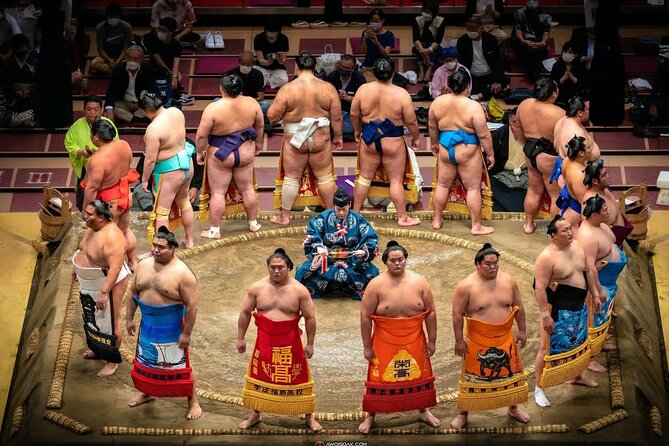
- Learn how to watch sumo: the guide explains what matters during a bout, so the sport makes sense fast.
- Ekō-in Temple site to Kokugikan: you walk through sumo’s move from ritual roots toward modern big-arena pro sport.
- Museum or stables option: you still get historic context even when the Sumo Museum is closed.
- Edo Noren replica ring: stand beside the ring and practice pre-bout ritual talk through actions and poses.
- Chanko-nabe lunch in your own pot: you eat like a rikishi, not family-style guessing.
- Small group cap (up to 20): easier questions, less crowd pressure, better guide attention.
Before you commit, see how this one stacks up against a few Tokyo favourites:
- Mt Fuji and Hakone 1-Day Bus Tour Return by Bullet Train★ 5.0 · 26,383 reviews
- 1-Day Tokyo Bus Tour★ 5.0 · 14,250 reviews
- Tokyo: teamLab Planets TOKYO Digital Art Museum Entry Ticket★ 4.6 · 9,779 reviews
Entering Ryōgoku: the sumo-town starting point
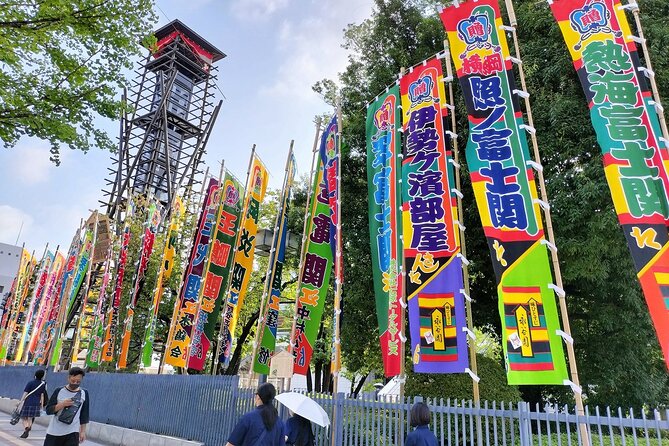
Ryōgoku is the neighborhood where Tokyo’s sumo identity lives year-round. This tour begins at Ryōgoku Station, so you get the atmosphere right away: champion portraits and that unmistakable sense that this is the place to learn the sport. It’s a nice warm-up, especially if sumo feels confusing at first.
You don’t just “arrive and look.” The guide frames why this area matters, then you move on while the ideas are still fresh. That matters because sumo is big on symbolism—so when symbols show up later at temples, arenas, and ritual spots, you’ll know what you’re looking at.
A small practical plus: the tour is designed as a simple walk with short stops, and it starts in the morning (10:00 am). That helps you avoid the feeling of sprinting across Tokyo at peak congestion.
Ryōgoku Station portraits to Kokugikan outside views
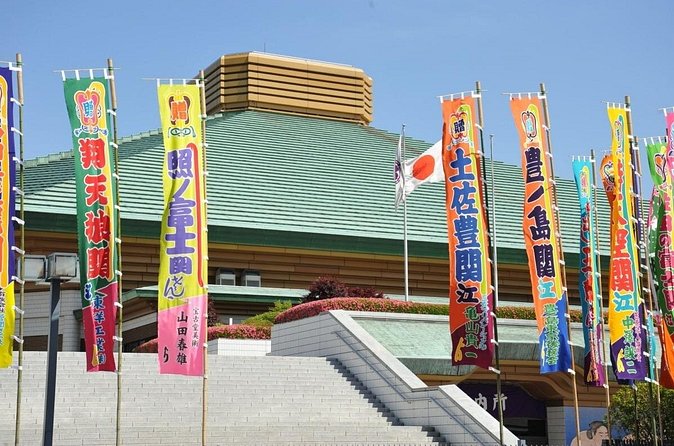
Next is the famous Kokugikan area, where Japan’s main sumo arena sits (Ryōgoku Kokugikan). You’ll see it from outside, and the guide explains its role in hosting three grand tournaments every year and what the colorful elements mean in the venue’s culture.
This stop is short, about 20 minutes, but it’s not fluff. It’s there to give you context before you hit the older sacred sites. When you later hear about ritual origins, Kokugikan helps you see how the sport became a modern spectacle without losing its ceremony.
Also, remember what’s not included: you’re not getting tournament seating access. Without tournament tickets, you can’t enter the seating area, so you’re touring the setting and learning how it works rather than pretending you have sideline access.
Ekō-in Temple site: where organized sumo began
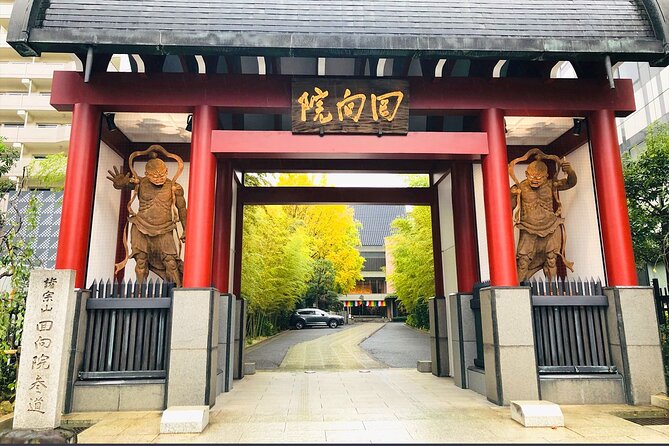
The tour’s historical anchor is the site of the former main gate of Ekō-in Temple. This is where organized sumo matches began, and that fact gives the stop real weight. You visit the temple area and the Chikara-zuka Monument, which is a place to pay respect to past wrestlers and referees who shaped the sport.
Time here is around 20 minutes, and the goal is to help you understand sumo’s mindset before pro-style competition. Sumo isn’t only a sport; it’s a set of traditions people treat seriously. Standing at a monument like this helps you grasp why sumo uses ritual as part of the framework, not as decorative background.
If you like cultural explanations more than photo stops, you’ll probably enjoy this section the most. The guide keeps connecting the symbolism back to what happens in a bout, so you’re not just learning facts—you’re learning how those facts show up in action.
Sumo Museum vs. historic stables: don’t worry, you still learn
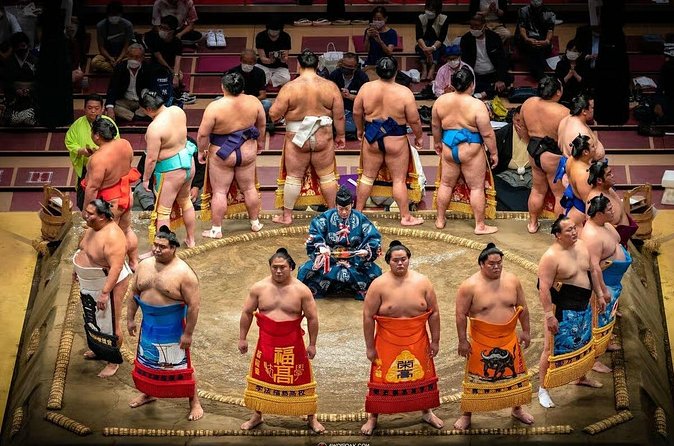
One of the smartest design choices here is how it handles a common problem: the Sumo Museum may be closed on some days. When it’s open, you’ll get about 30 minutes inside to explore exhibits of ceremonial aprons, photos, and trophies.
When the museum is closed, the tour still covers the same “life of sumo” idea by leading you to two historic stables, each with its own design. This is the practical part: you keep moving, and you still get a look at the world behind the ring.
Either path works because the tour’s aim is understanding day-to-day sumo culture. Stables, museum objects, and ceremonial clothing all point to the same theme: how wrestlers live, train, and carry tradition. So your experience stays coherent even when the museum isn’t.





Ryogoku Edo Noren: a ring you can stand beside
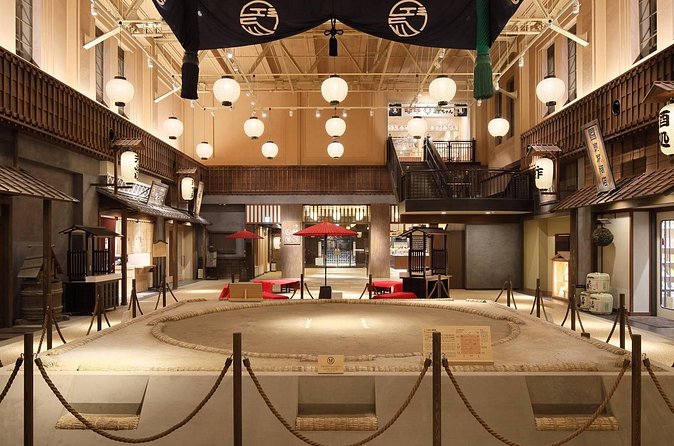
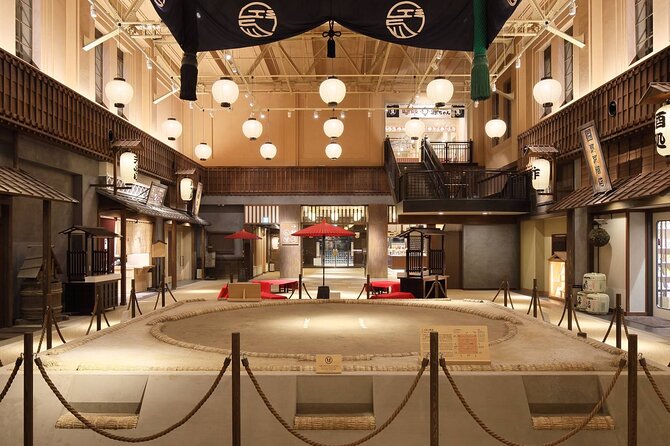
After the temple and museum-or-stable section, you get something more physical: the Ryogoku Edo Noren. This is where you stand beside a life-sized sumo ring replica and learn about rituals like salt-throwing and the pre-bout setup.
This stop is built for understanding. You hear about the actions that happen before the fight, but then you also get to practice sumo poses for photos. The result is you remember it better because you’ve moved your body through the idea, even if you’re not actually inside a tournament ring.
About the photo element: it’s not just for fun. When you pose near the ring, it helps you picture spacing, posture, and how the court feels. That transfers to watching later, because your brain already has a model of where things happen.
Chanko-nabe lunch: fueling like a rikishi
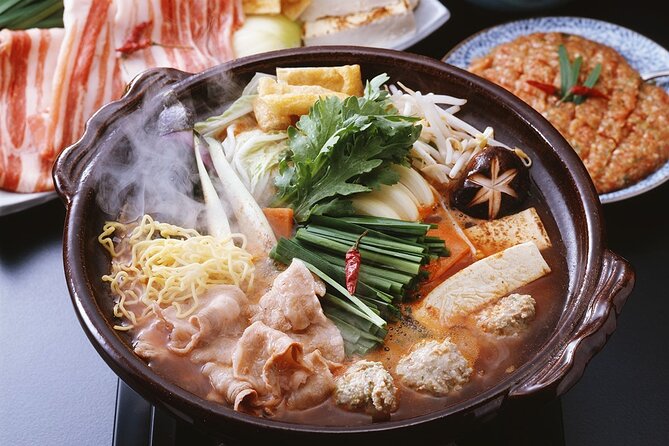
The finish is lunch: chanko-nabe, a traditional hotpot dish associated with sumo wrestlers. Your group eats at a designated chanko restaurant endpoint, and the big practical win is that each guest gets their own individual pot. That sounds small, but it changes the whole vibe. No sharing chaos, no waiting for someone else’s portion.
The guide keeps the sumo link going here by framing chanko as part of wrestler daily life, not just a cute tourist meal. And the food itself gets consistent praise as delicious, which matters because chanko can sound plain on paper if you’ve never had it.
One note for your planning: drinks and extra food aren’t included. So if you want a cold drink with your meal, you’ll need to budget extra.
The lunch portion runs about 1 hour, which gives you enough time to actually eat without feeling herded. And since the tour ends back at the meeting point, you can continue your day with less stress.
Price and value: what you’re really paying for
At $91.04 per person for about 3 hours, this isn’t a bargain street walk. But it’s also not overpriced if you look at what you get.
Here’s the real value equation:
- You’re paying for an English-speaking guide who explains the sport in plain terms, including how to watch and understand what happens during bouts.
- You get an efficient route through multiple key locations in Ryōgoku rather than piecing together tickets and directions yourself.
- You get a lunch meal with structure: chanko-nabe set, individual pot, and it’s treated as part of the story.
What you don’t get is tournament entry or seating access, and that’s important. If your main goal is being inside the Kokugikan during a tournament, this tour won’t satisfy that directly. But for learning sumo’s meanings and getting a fun, satisfying meal, the cost starts to make sense.
Also, the group size cap (up to 20) helps justify the price because it supports questions and a smoother experience.
How well this tour fits your travel style
If you’re new to sumo, you’ll likely love this because it doesn’t assume you already know terms or rituals. The guide’s approach is geared toward beginners and fans who want clearer context. You end the tour able to recognize what’s ritual versus what’s sport mechanics, which makes watching later feel much less confusing.
If you’re a long-time sumo fan, you still get value. The tour links the sacred origins (Ekō-in Temple site) to the modern arena (Kokugikan) and adds a hands-on ritual element with salt-throwing and pre-bout talk at the ring replica stop. That makes it more than just sightseeing.
One practical fit question: do you like walking tours? This is a guided walk with several stops, so comfortable shoes matter. The upside is the route is focused; you’re not aimlessly roaming.
Who might want a different option
This is not the best choice if you specifically want access to tournament seating areas. Without tournament tickets, you won’t be going into the arena seating section. So if your dream day is catching a live match from inside, look for a different sumo plan tied to tournament tickets.
It’s also not a good fit if you dislike food on tours. The lunch is a major part of the experience, and it’s included. If you don’t eat chanko-style hotpot, you might find the end stop frustrating rather than relaxing.
Practical tips before you go
Start with this: dress for a real walk. Even though the stops are short, you’ll be on your feet for the full 3 hours.
Bring your phone camera if you want photos at the Edo Noren ring replica. That’s one of the most memorable parts, because it’s where you turn explanations into something visual.
Finally, keep an open mind about the museum versus stables day. Either way, the tour is designed so you still get the “how sumo life works” understanding. If the museum is closed, the stables route becomes the star.
Should you book this Tokyo sumo history tour?
Yes—if you want the fastest way to make sumo understandable and enjoyable. This tour has a strong mix: key sites in Ryōgoku, a guide who helps you learn how to watch, a ritual-based ring stop you can actually stand beside, and chanko-nabe lunch that feels like part of the culture rather than a random restaurant finish.
Consider skipping or comparing alternatives if your priority is tournament-day arena access, or if you’re not interested in the food portion at all. But for most first-timers, and even for fans who want a clearer lens, this is one of the more practical and satisfying ways to spend half a morning in Tokyo’s sumo world.
FAQ
FAQ
How long is the Tokyo Sumo History Tour?
It lasts about 3 hours.
What time does the tour start?
The start time is 10:00 am.
Where do I meet the guide?
You meet at 7-ElevenJapan, 130-0015 Tokyo, Sumida City, Yokoami, 1-chōme320 1階.
What happens if the Sumo Museum is closed?
If the Sumo Museum is closed, the guide takes you to two historic stables instead.
What is included in the chanko-nabe lunch?
Chanko-nabe lunch is included as a set, and each guest has their own individual pot.
Are drinks included with lunch?
No. Drinks and additional food items ordered during lunch are not included.
Do I get to enter the Kokugikan seating area during tournaments?
No. Entry to the arena seating area during tournaments is not possible without tournament tickets.
How big is the group?
The tour has a maximum of 20 travelers.
Can I cancel for a full refund?
Yes. You can cancel up to 24 hours in advance for a full refund.
If you want, tell me your dates and whether you’re a first-time sumo watcher or a fan. I can help you pair this with nearby Ryōgoku sights for the rest of your day.
More Tour Reviews in Tokyo



Fresh reviews from around Tokyo






Tokyo, compared.
 ★ 5.0Mt Fuji and Hakone 1-Day Bus Tour Return by Bullet TrainFrom $16326,383 reviews
 ★ 5.01-Day Tokyo Bus TourFrom $12914,250 reviews
 ★ 4.6teamLab Planets TOKYO Digital Art Museum Entry TicketFrom $259,779 reviews
 ★ 4.0Mt Fuji & Hakone Cruise, Drum Show Bullet Train 1 Day from TokyoFrom $1497,413 reviews
 ★ 5.0Shinjuku Food Tour (13 Dishes at 4 Local Eateries)From $866,603 reviews
 ★ 4.4Tokyo Mt Fuji 5th St & Hakone Cruise Bus Tour w/Bullet TrainFrom $1545,024 reviews
 ★ 5.0Flagship 2-Hours Official Street Go-Kart Tour – Tokyo Bay ShopFrom $644,974 reviews
 ★ 4.5From Tokyo: Mount Fuji Full-Day Sightseeing TripFrom $684,970 reviews