
Reviewed · TOKYO
Tokyo: Shinjuku tour with university students in Tokyo
Shinjuku makes sense fast. This tour helps you read one of Tokyo’s most confusing neighborhoods by showing you where tradition and after-dark energy overlap. You start at Hanazono Shrine, then move through famous nightlife zones like Golden Gai and Kabukicho, finishing with big views from an observation deck.
What makes it work is the guide style. The university student guides are friendly, speak English, and focus on what to notice as you walk. They also share context about seasonal events, so the streets feel less like random neon and more like a living calendar.
One thing to consider: this is a night-focused stroll in busy areas. Even if they pick a comfortable time, you’ll still want comfortable shoes and patience for the crowd energy around Shinjuku at night.
In This Review
- Key highlights at a glance
- Shinjuku, past and present in one simple 2-hour plan
- University student guides: how to get more out of Shinjuku
- Entering Hanazono Shrine: a calmer start before the neon
- Golden Gai at night: small lanes, big character
- Kabukicho: the famous Shinjuku nightlife zone (and how to handle it)
- Tokyo Metropolitan Government Building: night views that fix your orientation
- Seasonal event info: small details that make Shinjuku feel alive
- What you pay for: value of this $67 Shinjuku experience
- Practical tips before you go
- Who this tour suits best
- Should you book this Shinjuku tour with university students?
- FAQ
- Where does the Shinjuku tour start?
- How long is the tour?
- What language is the tour offered in?
- How much does the tour cost?
- What is included in the price?
- What is not included?
- Where does the tour end?
- What places are visited?
- Is there an option to pay later or cancel?
Key highlights at a glance
- Start at Hanazono Shrine and get oriented right away in a quieter pocket of Shinjuku
- English-speaking university students who are easy to talk with and explain what you’re seeing
- Golden Gai and Kabukicho for two very different kinds of nightlife street scenes
- Seasonal event tips so you can spot what’s going on beyond the main attractions
- Tokyo Metropolitan Government Building observation deck for night views over the city
- It ends back at the meeting point, keeping the logistics simple
Before you commit, see how this one stacks up against a few Tokyo favourites:
- Mt Fuji and Hakone 1-Day Bus Tour Return by Bullet Train★ 5.0 · 26,383 reviews
- 1-Day Tokyo Bus Tour★ 5.0 · 14,250 reviews
- Tokyo: teamLab Planets TOKYO Digital Art Museum Entry Ticket★ 4.6 · 9,779 reviews
Shinjuku, past and present in one simple 2-hour plan
Shinjuku is the kind of place where your brain can feel overloaded. One minute you’re surrounded by office towers and business streets, and the next you’re looking at a shrine gate or a park edge that feels like it belongs in a different century. That mix is exactly why this tour is a smart move if you want the big picture without getting lost.
I like that the tour is built for a short, focused window. You’re only out for about two hours, which means you can fit it into a night schedule without burning half your day. And because they pick a suitable time for a comfortable journey, the tour avoids the worst overwhelm you can run into when Shinjuku is at peak chaos.
The other reason this tour feels practical is that it doesn’t try to cover everything. It targets a few high-identity areas, then helps you understand how they connect. By the end, Shinjuku stops being one giant blur and starts feeling like several distinct neighborhoods stacked on top of each other.
University student guides: how to get more out of Shinjuku
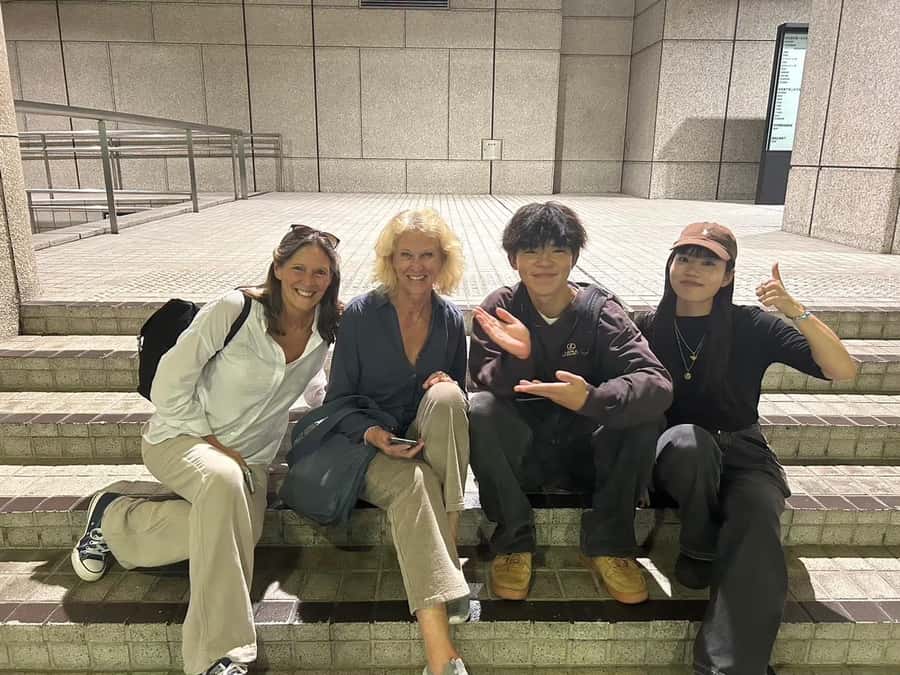
The biggest value here is the guide interaction. The university student guides are described as kind, informative, and fun to talk with, and they explain what you’re seeing in plain English. That matters because Shinjuku can be intimidating even when everything is technically easy to find.
Here’s how you can get the most out of this kind of guidance:
- Ask what you should pay attention to at each stop. Night streets have layers, like signage, alley layout, and crowd flow.
- Ask about seasonal timing. The tour includes information on events happening around the season, which helps you understand why certain places feel more active.
- Keep questions simple. If you’re wondering what something is for, that’s a perfect student-guide question.
One subtle perk: student guides often speak from real experience. You’re not getting a script that feels memorized. You’re getting explanations that sound like someone who lives in Japan and is happy to help you grow comfortable in it.
Entering Hanazono Shrine: a calmer start before the neon
You begin at Hanazono Shrine, right at the entrance. This is a strong choice, because it gives you a reset before the tour shifts into the nightlife intensity that Shinjuku is known for.
At a shrine like this, I think the best takeaway is perspective. You’re seeing the “tradition” side of Shinjuku, the part that makes Tokyo feel less like a single giant city block and more like a place with continuity. And because the tour happens at night, it’s not the typical daytime shrine photo moment. The mood is quieter, and the contrast with the later stops lands harder.
A drawback to keep in mind: shrines can mean you’ll need to follow simple etiquette and be respectful in how you move and take pictures. It’s not a hassle, but it’s still worth slowing down once you arrive.
Golden Gai at night: small lanes, big character
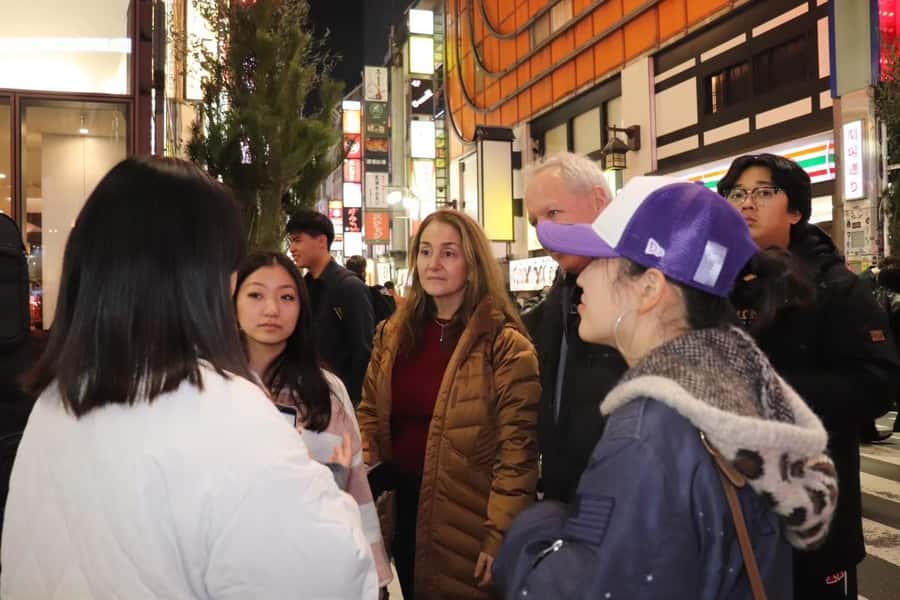
After the shrine, the tour moves into Golden Gai, a name that alone already signals something special. This is one of those areas where the scale feels different from the rest of Shinjuku. Instead of wide streets and big storefronts, you’re dealing with narrow lanes and a concentrated nightlife feel.
This stop works well on a guided tour because you don’t just want to look at buildings. You want to understand what makes the place function as a nightlife district. A good guide helps you notice:
- how the lanes funnel people,
- how the atmosphere changes from block to block,
- and what kind of vibe each area seems to create.
If you’re the type who likes street atmosphere and small-scale Tokyo detail, Golden Gai is a great match. It’s also a nice counterpoint to the more famous party image of Shinjuku. You’ll see why the neighborhood is famous not only for volume, but for style.





Kabukicho: the famous Shinjuku nightlife zone (and how to handle it)
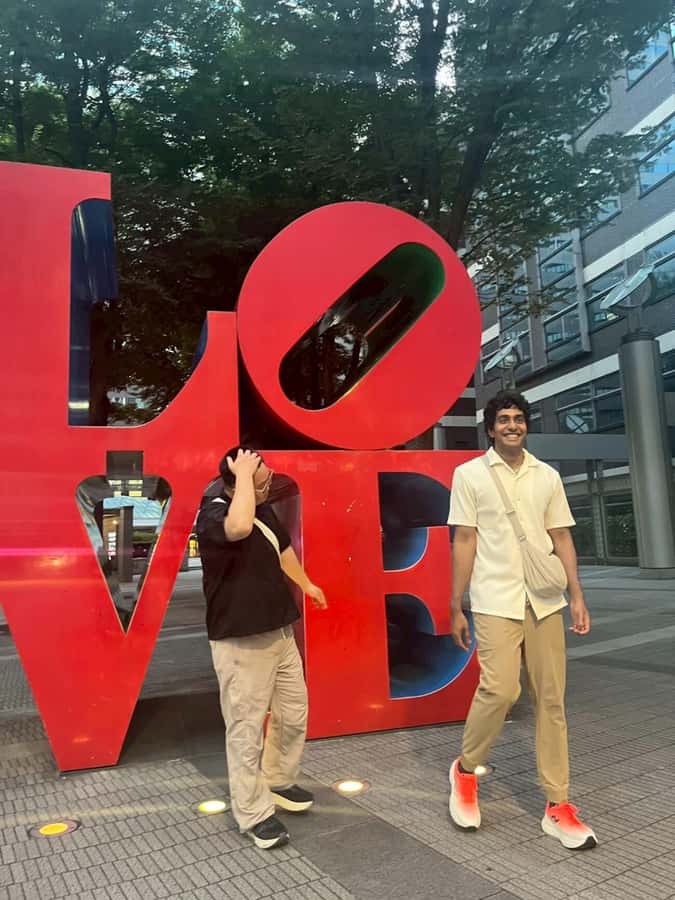
Then comes Kabukicho, the area that many people picture when they think of Shinjuku at night. It’s energetic, loud, and very obviously designed for entertainment.
This is also where you’ll get the most value from your guide. Kabukicho can feel overwhelming if you’re trying to process everything at once, especially the crowd density and the constant visual input. A student guide can help you slow your thinking down and focus on what’s relevant.
One practical consideration: Kabukicho is busy by nature. If you don’t love tight, crowded walking, you’ll want to keep your pace steady and stay aware of where the group is moving. You don’t need to be stressed, just prepared.
The upside is that the tour doesn’t treat Kabukicho like a checklist item. It uses it as a cultural contrast point. You’ll leave with a better understanding of how Shinjuku can feel both playful and intimidating depending on the block you’re on.
Tokyo Metropolitan Government Building: night views that fix your orientation
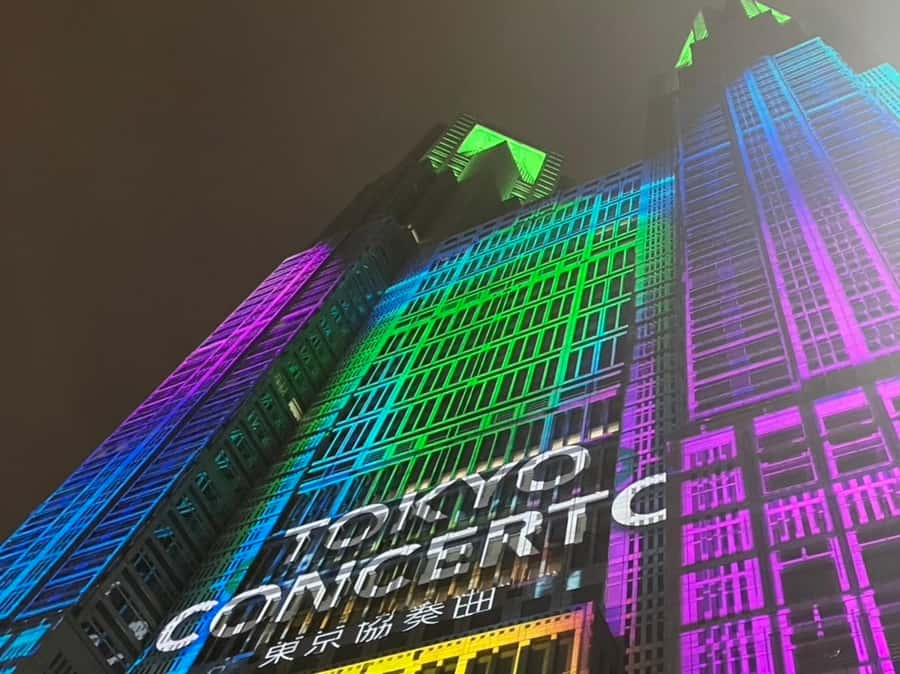
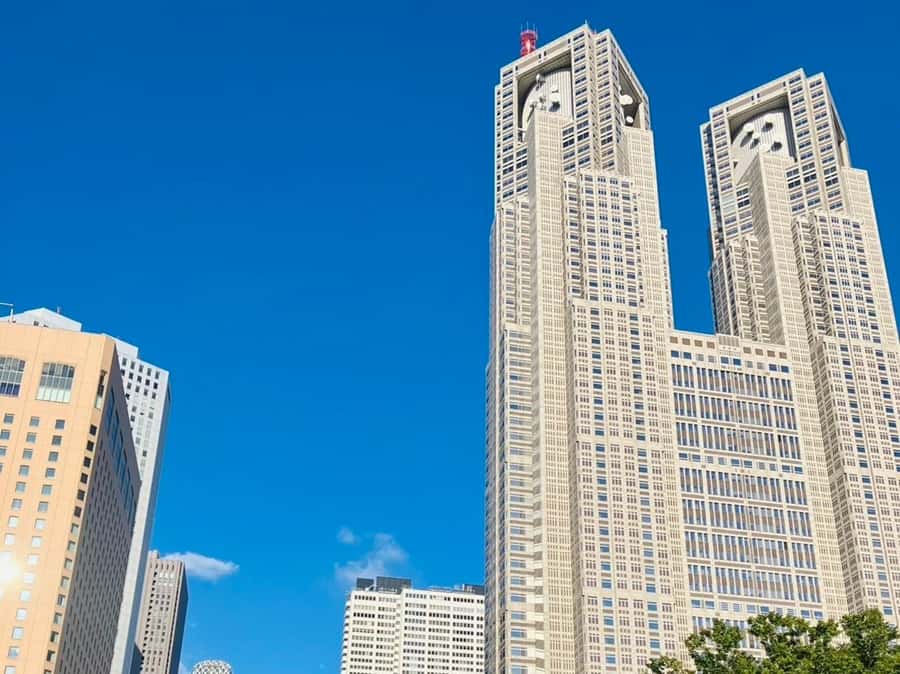
The tour ends with a visit to the Tokyo Metropolitan Government Building observation deck area for night views. This is a huge help for first-timers.
When you’ve been walking through dense streets and neon signage, the mind needs a “reset image.” Looking out over the city lets you connect the dots you couldn’t see while you were inside the maze. In other words, the view makes the walking map in your head finally click.
I love observation decks for this reason: they turn a crowded neighborhood into a readable geography. Even if you can’t identify every tower, you can still understand the shape of the city and how Shinjuku fits into the wider picture.
If you’re the type who enjoys photography, this is also where you’ll get the best chance for classic night shots. If you’re not, it still beats scanning street-level clutter for the rest of your trip.
Seasonal event info: small details that make Shinjuku feel alive
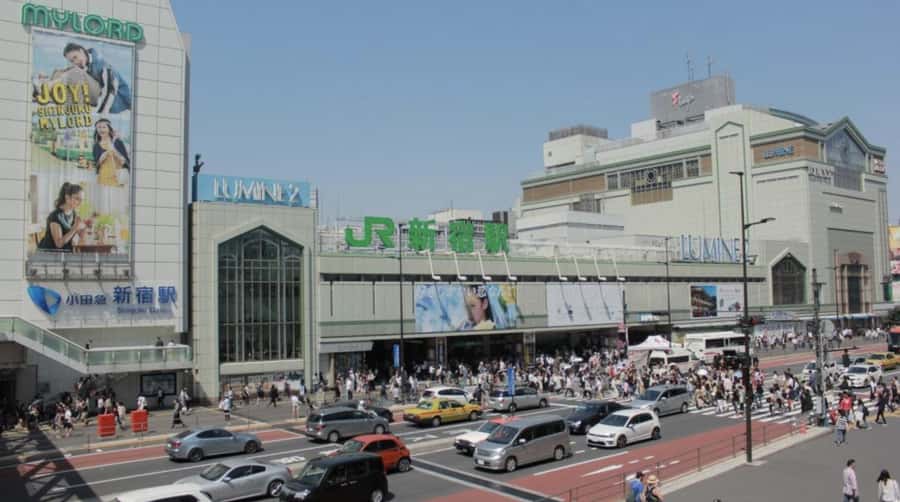
One of the more useful parts of the tour is the emphasis on seasonal events. In Tokyo, the difference between two months can be huge. A guided conversation about what’s happening this time of year can change how you plan the rest of your trip.
Instead of just seeing places as static attractions, you’ll get a sense of:
- what might be happening around your dates,
- what kind of energy the neighborhood is likely to have,
- and what you might want to look for after the tour ends.
This matters for value. A $67 tour isn’t only paying for walking and entry points. It’s paying for context you can carry forward, which can help you choose what to do next instead of guessing.
What you pay for: value of this $67 Shinjuku experience
At $67 per person, you’re paying for an approximately two-hour guided route with English-speaking university student guides. What’s included is straightforward: the guide service.
What’s not included is also important: food and drink during the tour. That means you should think of this as a cultural night orientation plus a few signature stops, not a full meal-and-entertainment package.
I think the value is strongest if you fall into one of these groups:
- You want Shinjuku explained, not just filmed.
- You want to feel confident moving at night without a stress spiral.
- You want a compact way to hit shrine + nightlife + skyline views.
If you’re already an ultra-confident Tokyo navigator and you don’t care about explanations, you might feel the cost more than the benefit. But if you’re coming in with questions about what you’re seeing, the student-guide approach is the point, and it justifies the price.
Practical tips before you go
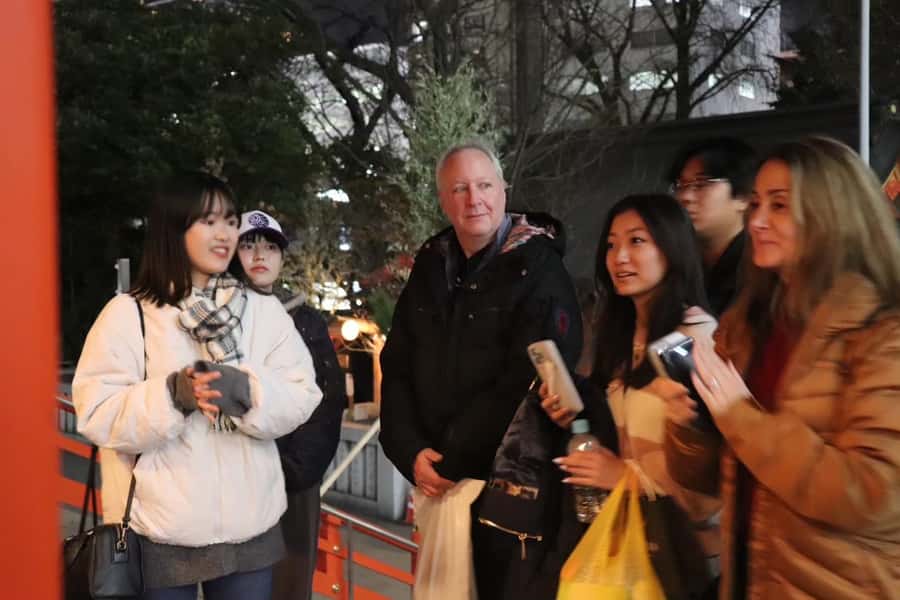
This is a night tour, so a few small choices make your experience smoother:
- Wear comfortable shoes. Even in a short tour, Shinjuku areas involve constant walking.
- Bring a way to stay charged for the night view photos you’ll likely want.
- If you’re hungry, plan snacks separately. Since food and drink aren’t included, you’ll enjoy the tour more if you’re not waiting on a meal during the walking segments.
Also, go in with the right mindset. The best way to enjoy Shinjuku is to accept that it’s a sensory place. Your guide can help you filter the noise into observations you can actually use.
Who this tour suits best
This works especially well if you want a guided night introduction that’s both practical and conversational. The tour’s tone, guided by friendly university students, seems made for people who like talking and learning on the move.
It’s a good fit for:
- first-time visitors who want Shinjuku context,
- travelers who prefer meeting someone and asking questions over solo wandering,
- anyone interested in how Tokyo mixes old and new in the same neighborhood.
If you want a quiet, off-the-beaten-path nature walk, this probably won’t match your vibe. Shinjuku is about city energy, and the tour is designed to teach you how to read that energy.
Should you book this Shinjuku tour with university students?
If your goal is a smart, English-guided Shinjuku night that helps you understand the area fast, I’d book it. The combination of Hanazono Shrine, Golden Gai, Kabukicho, and the Tokyo Metropolitan Government Building night view gives you a full emotional range of Shinjuku in about two hours.
I’d think twice only if you already know Shinjuku well and don’t want explanations, or if you strongly dislike busy nightlife zones. Otherwise, this is a good value way to get your bearings and enjoy the city without feeling overwhelmed.
FAQ
Where does the Shinjuku tour start?
The tour starts at the Hanazono Shrine entrance.
How long is the tour?
The tour lasts about two hours.
What language is the tour offered in?
The tour is offered in English.
How much does the tour cost?
The price is $67 per person.
What is included in the price?
The tour includes university student guides.
What is not included?
Food and drink during the tour are not included.
Where does the tour end?
The tour ends back at the meeting point.
What places are visited?
You’ll visit Hanazono Shrine, Golden Gai, Kabukicho, and the Tokyo Metropolitan Government Building observation deck area.
Is there an option to pay later or cancel?
Yes. There is a Reserve & Pay Later option, and you can cancel up to 24 hours in advance for a full refund.
If you want, tell me your travel dates and whether you’re more into shrines, nightlife, or skyline views, and I’ll suggest a simple plan for what to do before and after this 2-hour tour.
More Tour Reviews in Tokyo



Fresh reviews from around Tokyo






Tokyo, compared.
 ★ 5.0Mt Fuji and Hakone 1-Day Bus Tour Return by Bullet TrainFrom $16326,383 reviews
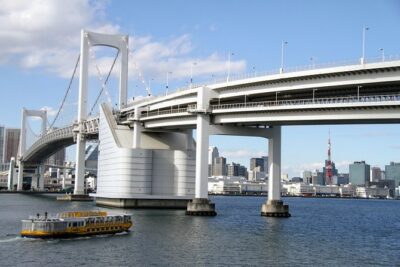 ★ 5.01-Day Tokyo Bus TourFrom $12914,250 reviews
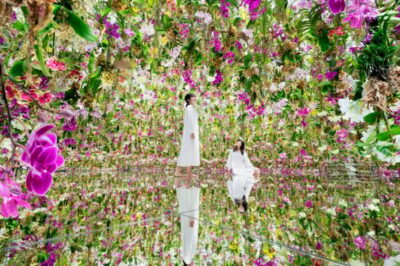 ★ 4.6teamLab Planets TOKYO Digital Art Museum Entry TicketFrom $259,779 reviews
 ★ 4.0Mt Fuji & Hakone Cruise, Drum Show Bullet Train 1 Day from TokyoFrom $1497,413 reviews
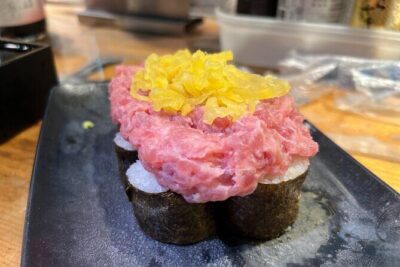 ★ 5.0Shinjuku Food Tour (13 Dishes at 4 Local Eateries)From $866,603 reviews
 ★ 4.4Tokyo Mt Fuji 5th St & Hakone Cruise Bus Tour w/Bullet TrainFrom $1545,024 reviews
 ★ 5.0Flagship 2-Hours Official Street Go-Kart Tour – Tokyo Bay ShopFrom $644,974 reviews
 ★ 4.5From Tokyo: Mount Fuji Full-Day Sightseeing TripFrom $684,970 reviews