
Reviewed · TOKYO
Tokyo: Secret Food Walking Tour
Tokyo food tastes faster than it looks.
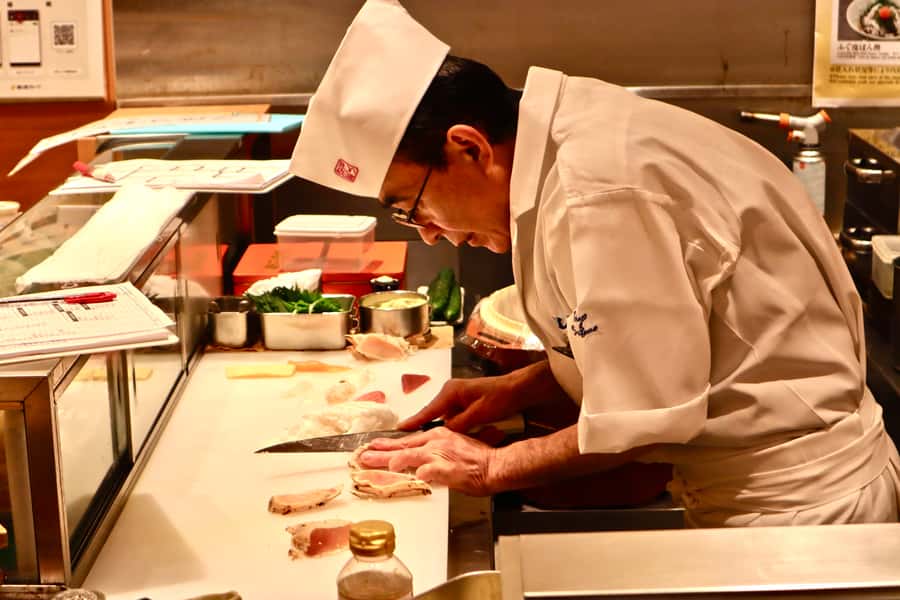
This 3 to 3 ½ hour walk turns Ueno station-area streets into a real meal plan: freshly made sushi, gyoza (fried or steamed), yakitori with a drink, plus sweets and a final secret dish. You’re not just eating on the move; you’re learning the stories behind the bites as you get guided through local neighborhoods near the station.
I really like two things about it: the English-speaking guide who explains the background of dishes, and the variety that keeps every stop different. From the first sushi shop to the stand-up tachinomiya for yakitori, the food feels local and purposeful, and you’ll finish full in a good way.
One possible drawback: this is mainly a food-first experience. If you’re hunting for lots of deep history or heavy context about the neighborhood itself, you may want to pair it with other sightseeing.
In This Review
- Key Highlights You Should Know
- Finding Your Guide at JR Ueno Station Without Losing Time
- The Walking Route: Station Energy to Downtown Food Streets
- Stop 1: Fresh Sushi and the Art of a Good Beginning
- Gyoza Next: Why Dumplings Rule Tokyo Streets
- Yakitori Time at a Tachinomiya (Stand Up, Eat, Drink)
- Sweet Moments: Manju, Seasonal Fruit, and Matcha Ice Cream
- The Secret Dish Finish: Why the Tour Earns Its Name
- How Much You Eat (and Why Coming Hungry Matters)
- Price and Value: Is $150 Worth It?
- Practical Tips That Make Your Tour Smoother
- Who Should Book This Tokyo Secret Food Walking Tour?
- Should You Book It?
- FAQ
- FAQ
- What’s the duration of the Tokyo Secret Food Walking Tour?
- Where do I meet my guide near Ueno Station?
- Is transportation included?
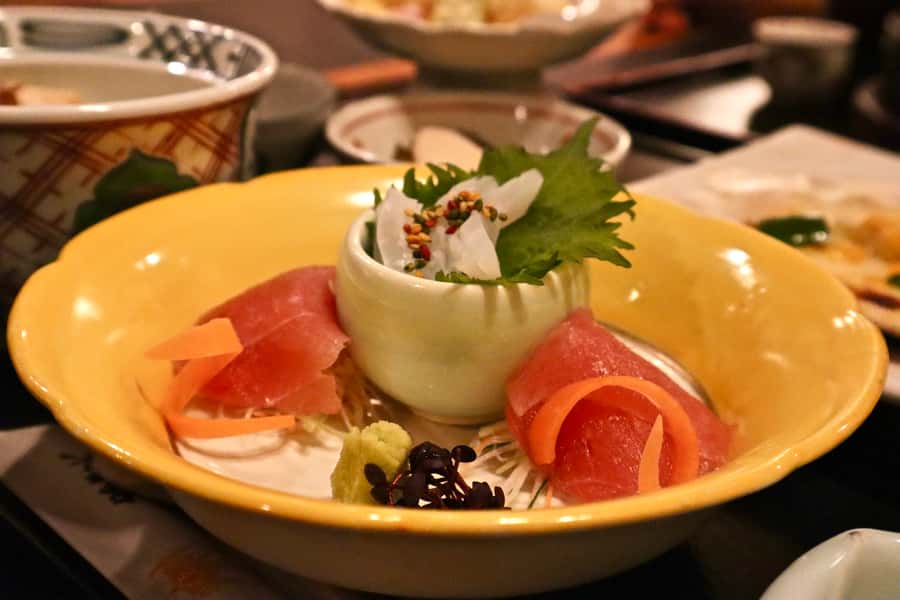
- What food is included on the tour?
- What should I bring?
- What language are the guides?
Key Highlights You Should Know
- Ueno meeting point made easy: inside JR Ueno Station, outside the JR Central Gate, near Hard Rock Cafe by the Andersen bakery entrance
- Fresh sushi start: you begin with newly made sushi before the walk gets more street-food focused
- Gyoza stops: you’ll try dumplings in both fried and steamed styles during the route
- Yakitori at a tachinomiya: skewers plus a draft beer or flavored Sawa, in a lively stand-up spot
- Sweets and matcha: manju or seasonal fruit, then matcha ice cream
- A final secret dish: a cozy “one more bite” finish that earns the tour name
Before you commit, see how this one stacks up against a few Tokyo favourites:
- Mt Fuji and Hakone 1-Day Bus Tour Return by Bullet Train★ 5.0 · 26,383 reviews
- 1-Day Tokyo Bus Tour★ 5.0 · 14,250 reviews
- Tokyo: teamLab Planets TOKYO Digital Art Museum Entry Ticket★ 4.6 · 9,779 reviews
Finding Your Guide at JR Ueno Station Without Losing Time
Your tour starts inside JR Ueno Station in a very specific spot, which is good news when you’re navigating Tokyo for the first time.
You’ll meet inside the station building, outside the JR Central Gate, near the entrance of Hard Rock Cafe. There are multiple Hard Rock Cafe entrances, so pay attention: your guide is waiting at the one on the other side of the bakery named Andersen. If you’re unsure, show locals this text to confirm the location: JR上野駅 中央改札外のハードロックカフェ入口付近.
Look for the guide holding a Secret Tours orange umbrella. That little visual cue matters in Tokyo. The station is big, and details like this save you from wandering for ten minutes with hungry stomach stress.
The tour ends back at the meeting point. That loop also helps with planning, since you don’t have to figure out a second location afterward.
The Walking Route: Station Energy to Downtown Food Streets
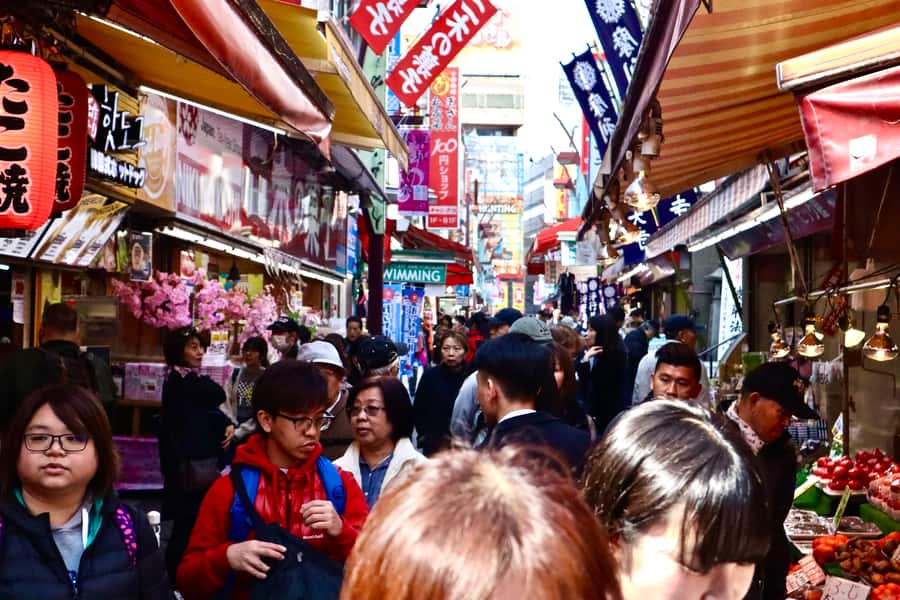
The core idea is simple: you begin near a major rail hub, then you move into more local streets where the food culture feels more everyday.
At first, expect bustling movement around the station. Then, as you leave the busy area, you head toward a downtown district where your dumpling and yakitori stops make sense. Tokyo’s food scenes often cluster around train lines and neighborhood streets, so the route is built to keep things convenient and realistic.
You’ll also get small “how Tokyo works” moments along the way. The guide explains the stories behind local specialties like yakitori (skewered chicken) and gyoza (fried dumplings with minced meat and vegetables). Even if you already know Japanese food, that context helps you taste more intentionally instead of treating each bite like a random sample.
Some versions of the experience also include a quick shrine stop during the walk. If that happens for you, it’s a nice reminder that this isn’t only about food. It’s about living culture in motion.
Stop 1: Fresh Sushi and the Art of a Good Beginning
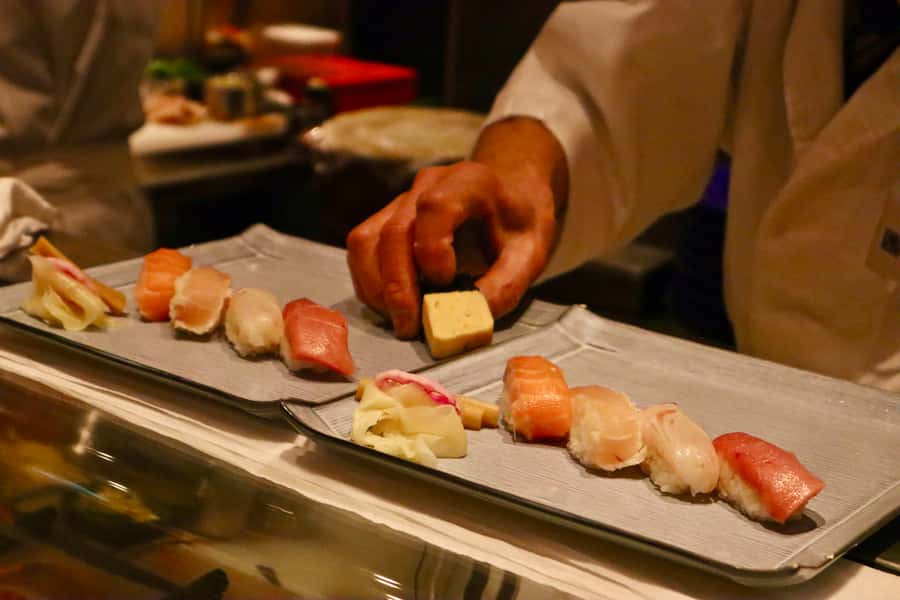
Most food tours in Tokyo start with something hearty. This one starts with sushi, and that’s a smart choice.
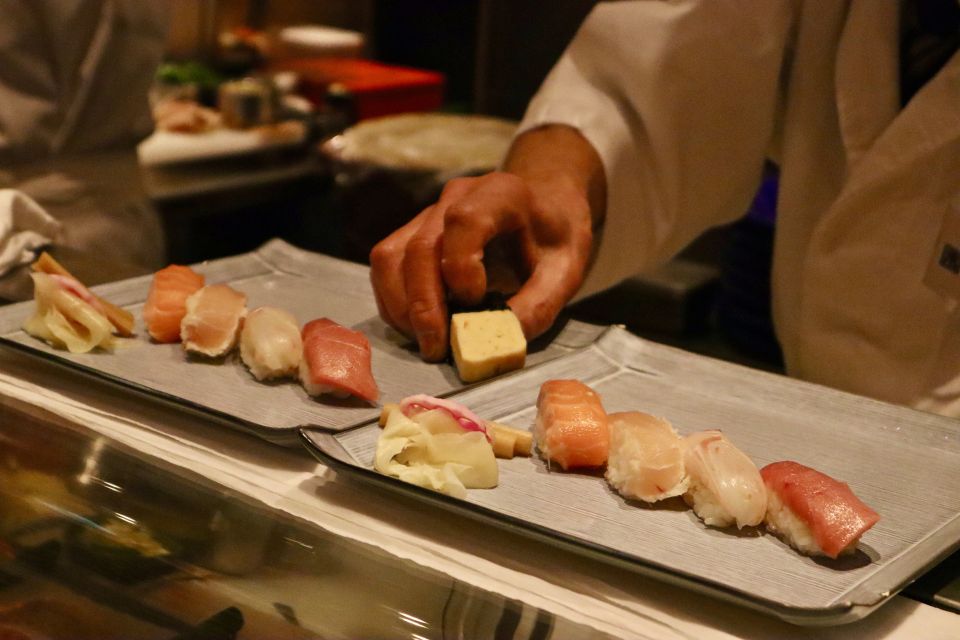
The first meal happens at one of the more popular sushi shops in the area. The key detail is timing: you’re there for freshly made sushi rather than something pre-packaged or reheated. Starting this way shapes your whole tour. Sushi is clean, precise, and often seasonal. You get a baseline for taste, texture, and quality early, then the walk naturally shifts into the more casual, savory street-food world.
Practical tip: if you can, don’t eat beforehand. Multiple guides and past participants stress that you’ll want to arrive with room. If you start already full, you might miss the pleasure of tasting rather than just powering through.
Gyoza Next: Why Dumplings Rule Tokyo Streets
After the station area, you’ll head toward a gyoza-focused stop, and the tour design gives you options you might not notice on your own.
Gyoza are described as fried dumplings with minced meat and vegetables, and you’ll also experience dumplings in a steamed style during the route. That matters because fried gyoza teach you one thing: the crisp edge and savory depth. Steamed dumplings teach another: tenderness and a softer, lighter bite.
The guide’s explanations here help you understand why gyoza are such a staple. They’re affordable, shareable, and built for fast rhythm—perfect for Tokyo’s snack culture. And since you’re walking from place to place, you’ll be grateful each stop doesn’t feel like a marathon meal. It’s more like a sequence of taste lessons.
One more reason gyoza work well on a tour: even if you’re nervous about unfamiliar food, dumplings are usually approachable. You’re not taking a big leap into something extreme; you’re learning the Japanese version of comfort food.





Yakitori Time at a Tachinomiya (Stand Up, Eat, Drink)
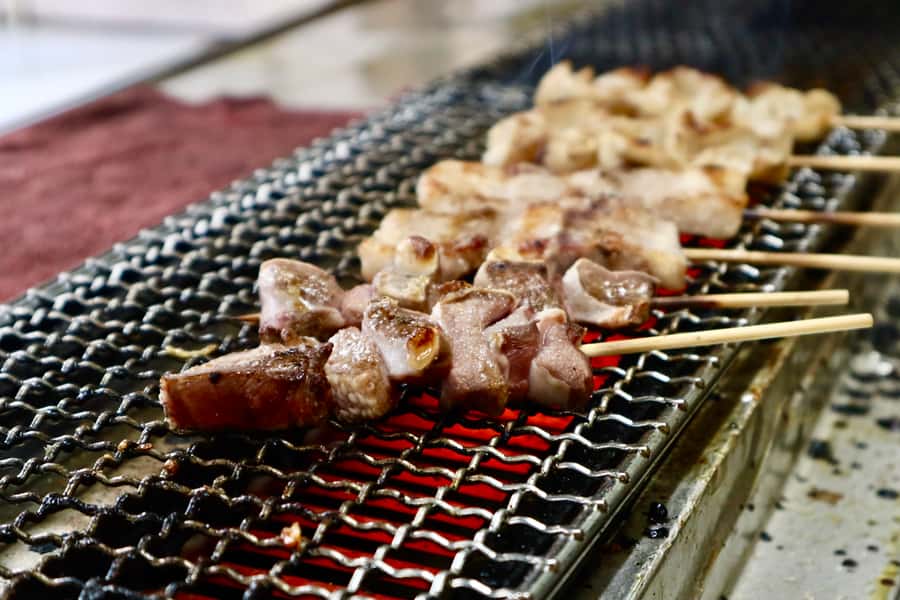
Then the tour shifts to a classic Tokyo format: tachinomiya, a stand-up eat-and-drink restaurant.
Here you’ll try yakitori, described as skewered chicken. Yakitori is one of those foods that sounds simple until you pay attention. It’s a showcase of technique—heat control, seasoning, and timing. You’re eating something grilled and direct, not a complicated multi-step dish. That makes it ideal for a walking tour because it rewards attention without requiring a long sit-down meal.
You’ll also have the drink side included in the experience flow: a draft beer or a flavored Sawa. The drink isn’t just a bonus. It pairs with the salty smoky flavors of yakitori and keeps the whole experience lively.
If you like food with energy—busy rooms, quick service, and people treating dinner like a social event—this stop is likely to be a highlight.
Sweet Moments: Manju, Seasonal Fruit, and Matcha Ice Cream
Tokyo doesn’t treat sweets like an afterthought, and this tour follows that logic.
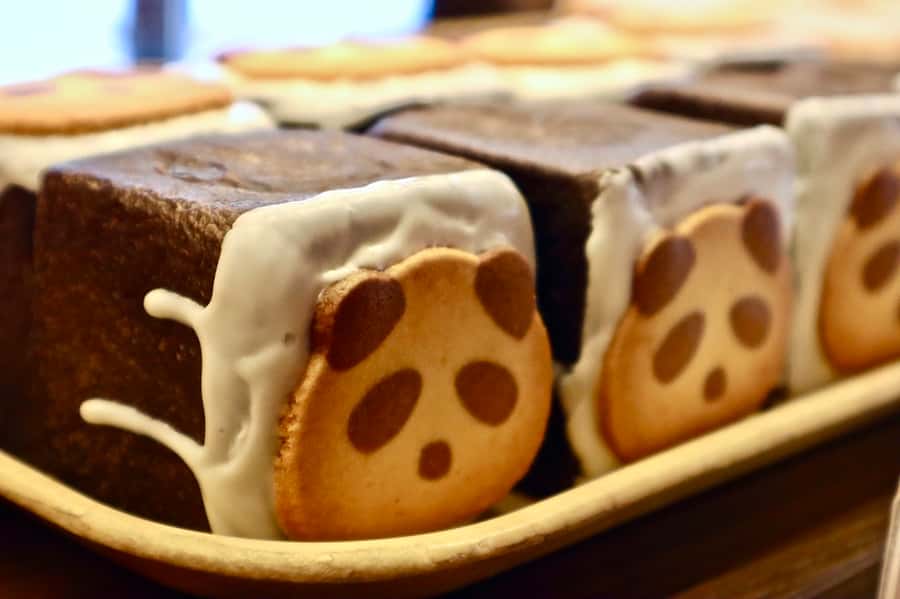
You’ll have a choice that may include manju (seasonal sweets) or freshly cut fruit, depending on the season. That season-based flexibility is a quiet quality signal. It means the tour isn’t trying to force a single item no matter what month you visit.
Then comes matcha ice cream. This is the kind of final sweet that feels both familiar and distinctly Japanese. Matcha has a specific bitterness and earthy aroma. When it’s done well, it tastes clean—not sugary syrup. Even if you’re not a die-hard matcha fan, you’ll likely appreciate how this works as a palate reset after savory food.
Sweet stops also help keep the tour balanced. After dumplings and skewers, your taste buds want a break. You’re basically building a full dining cycle: savory start, savory middle, sweet conclusion.
The Secret Dish Finish: Why the Tour Earns Its Name
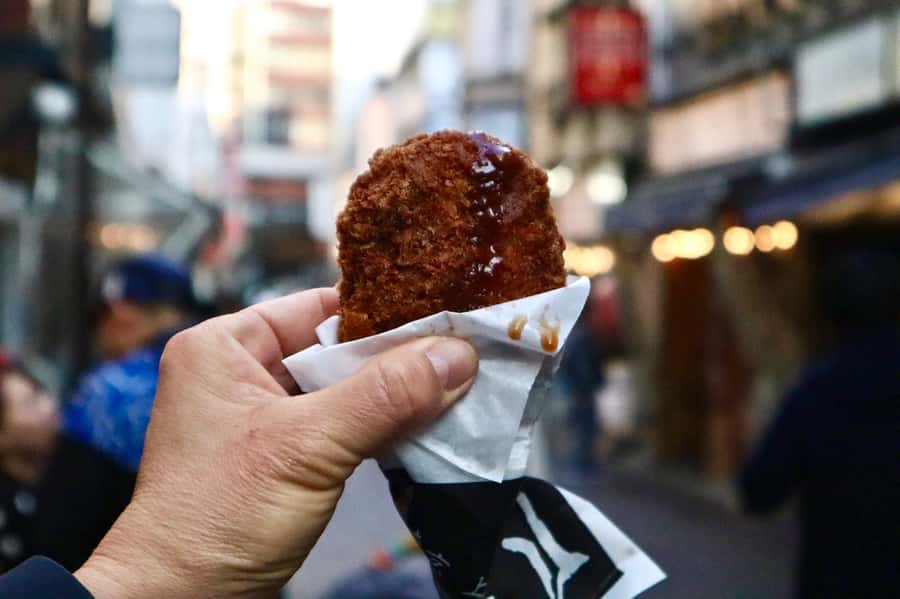
By the time you reach the end, you’ll understand what “secret” is doing here.
The tour includes a delicious Secret Dish in a cozy environment. That phrasing matters. The final stop is described as cozy, which usually means you’ll get a more relaxed moment after the walk and busier food halls.
This is where the tour often feels most special, because it’s not the obvious food you’d list if you were just googling Tokyo snacks. The secret dish concept turns your last bite into a reward instead of a repeat of earlier flavors.
If you like tasting your way through a destination with a plan, this final stop is the kind of “one more thing” that makes you leave feeling satisfied, not stuffed without memory.
How Much You Eat (and Why Coming Hungry Matters)
This tour is built to feed you. It lasts 3 to 3 ½ hours and includes food throughout, with multiple stops across sushi, gyoza, yakitori, sweets, and the final secret dish.
One tip repeats for a reason: don’t eat before you come. Even if you’re a bigger eater, the sequence is designed to fit together. You’ll be walking, and the food volume can still surprise you.
That’s the trade-off. You might not need a full dinner after. But the upside is you get a real sample menu, not tiny bites that leave you hungry for more.
Also, pacing matters on this kind of tour. The stops are close enough to keep energy up, but spaced so you’re not constantly overwhelmed. If you’re traveling with someone who gets impatient waiting around, this format is usually easier than a slow, multi-course sit-down experience.
Price and Value: Is $150 Worth It?
At $150 per person, this isn’t a budget snack crawl. But value isn’t only about cost—it’s about what you get for the price.
You get:
- A 3 to 3 ½ hour guided experience with an English-speaking guide
- Multiple food stops (sushi, gyoza, yakitori, sweets, and a secret dish)
- Restaurant access you might not find on your own
- Local explanations tied directly to what you’re eating
The best value angle is the guide’s role. Knowing what yakitori is actually about, or why gyoza can be fried or steamed, turns eating into understanding. Without that, you might still find good food in Tokyo, but you’d spend more time searching and less time tasting with a purpose.
Is it worth it for a casual eater who wants a simple stroll? Maybe not. But if you want a guided tasting menu with cultural context and convenience in one package, $150 can feel like a fair deal.
If there’s an option for a drink upgrade, consider it if you like pairing flavors. One detail you’ll appreciate from experiences with this company is that drinks can change the experience, not just the bill.
Practical Tips That Make Your Tour Smoother
A few simple things will help you enjoy the day more.
- Wear comfortable shoes. This is a walking tour with multiple stops.
- Arrive at the Hard Rock Cafe / Andersen bakery area inside Ueno station so you’re not scrambling.
- Come with an appetite. The food load is part of the point.
- Expect a mix of lively and cozy settings. Stand-up seating at a tachinomiya can feel intense at first, but it’s also part of the fun.
- If you prefer lots of background facts and neighborhood history, you might want to supplement this with extra sightseeing. The tour’s energy stays focused on food stories.
One more useful mindset: Japanese food is often about technique and timing. During the tour, pay attention to textures—crisp edges on fried gyoza, grilled flavor on yakitori, and the smooth reset of matcha ice cream. That attention is how you get more out of the meal even if you don’t consider yourself a “foodie.”
Who Should Book This Tokyo Secret Food Walking Tour?
This tour fits best if you:
- Want a structured way to try famous Tokyo foods without hunting for places
- Like learning the why behind dishes, not only what to order
- Enjoy walking between short, purposeful stops
- Want a mix of savory and sweet rather than a single-food theme
It may be less ideal if you:
- Want a history-heavy tour with lots of deep context about Tokyo’s development
- Prefer long sit-down meals over quick restaurant stops
- Have a very sensitive stomach or strong food restrictions (the tour is built around classic Japanese items like sushi, dumplings, and grilled skewers, plus sweets)
If you’re starting your Japan trip, it can also work as a “reset button” that helps you understand how local dining feels day to day.
Should You Book It?
If your goal is to leave Tokyo’s Ueno area having tasted a smart lineup and gained practical understanding of Japanese comfort foods, this is a strong choice. The guide component is central, and the stop variety makes the price feel more justified than a simple self-guided snack search.
My call: book it if you’re hungry, curious, and happy to walk. Skip it if you want only deep history or you’re planning a big meal right before the tour.
FAQ
FAQ
What’s the duration of the Tokyo Secret Food Walking Tour?
The tour runs about 3 to 3 ½ hours with a guided walk and food stops included.
Where do I meet my guide near Ueno Station?
Meet inside JR Ueno Station, outside the JR Central Gate, near the Hard Rock Cafe entrance by the bakery Andersen. Your guide will be easy to spot with a Secret Tours orange umbrella.
Is transportation included?
No. Transportation is not included, and there is no pick-up or drop-off. You should plan to arrive at the meeting point yourself.
What food is included on the tour?
Food is included, with stops described for fresh sushi, gyoza (fried or steamed), yakitori with a drink option, and sweets such as manju or seasonal fruit plus matcha ice cream, along with a Secret Dish.
What should I bring?
Bring comfortable shoes since it’s a walking tour.
What language are the guides?
The tour is guided in English.
More Tour Reviews in Tokyo



Fresh reviews from around Tokyo






Tokyo, compared.
 ★ 5.0Mt Fuji and Hakone 1-Day Bus Tour Return by Bullet TrainFrom $16326,383 reviews
 ★ 5.01-Day Tokyo Bus TourFrom $12914,250 reviews
 ★ 4.6teamLab Planets TOKYO Digital Art Museum Entry TicketFrom $259,779 reviews
 ★ 4.0Mt Fuji & Hakone Cruise, Drum Show Bullet Train 1 Day from TokyoFrom $1497,413 reviews
 ★ 5.0Shinjuku Food Tour (13 Dishes at 4 Local Eateries)From $866,603 reviews
 ★ 4.4Tokyo Mt Fuji 5th St & Hakone Cruise Bus Tour w/Bullet TrainFrom $1545,024 reviews
 ★ 5.0Flagship 2-Hours Official Street Go-Kart Tour – Tokyo Bay ShopFrom $644,974 reviews
 ★ 4.5From Tokyo: Mount Fuji Full-Day Sightseeing TripFrom $684,970 reviews