
Reviewed · TOKYO
Tokyo Private Sightseeing Tour by Car- English speaking chauffeur
Tokyo can feel big fast. This private car day is designed to help you get your bearings and hit major sights without wrestling trains and timing. You’ll ride in an air-conditioned vehicle, and your chauffeur gives English commentary along the way.
What I really like is the mix of iconic landmarks and smart downtime. Places like Tsukiji Outer Market and Senso-ji are worth the visit, but the car keeps the rest of the day from turning into one long sprint. The other big win is flexibility: drivers such as Lookman, ASI, John, and Adam are praised for tailoring the day to what you want.
One consideration: you’re not doing a slow, stop-and-stay experience. It’s a whirlwind of highlights, so if you need deep guidance at every location, you’ll likely want to ask follow-up questions in the car.
In This Review
- Key Things to Know Before You Go
- Why a Private Car Makes Tokyo Feel Manageable
- Price and Value: What You’re Really Paying For
- What to Plan Ahead: Tickets, Weather, and the “Don’t Forget” List
- Tsukiji Outer Market: Food Town in One Easy Hour
- Senso-ji Temple: Tokyo’s Icon, Plus the Streets Around It
- Imperial Palace: A Calm Pause in the City Machine
- Skytree and Tokyo Tower: Two View Options, Two Different Feels
- Ginza and Omotesando: Shopping Districts with Different Personalities
- Takeshita Street: Pop Culture, Sweets, and Colorful Chaos
- Odaiba and Shibuya Crossing: Bay Air to the World’s Busiest Intersection
- How the Chauffeur Day Really Works (and When to Speak Up)
- Who This Tour Fits Best
- Should You Book This Tokyo Private Car Tour?
- FAQ
- How long is the Tokyo private car sightseeing tour?
- How many people are in a group?
- Is pickup included, and where does the tour start?
- Is an English-speaking chauffeur included?
- Are admission fees included for all stops?
- Can I cancel for a full refund?
Key Things to Know Before You Go
- Private air-conditioned car keeps you comfortable through Tokyo traffic and weather changes
- English-speaking chauffeur commentary helps you understand what you’re seeing, even between stops
- Admissions not included for major add-ons like Tokyo Skytree and Tokyo Tower
- Pickup can be handled, and airport drop-offs can cost extra cash per booking if you request them
- Drivers often manage the practical stuff like routes and parking so your time goes to sightseeing
- 9 hours is a lot: good footwear and a plan for snacks help
Before you commit, see how this one stacks up against a few Tokyo favourites:
- Mt Fuji and Hakone 1-Day Bus Tour Return by Bullet Train★ 5.0 · 26,383 reviews
- 1-Day Tokyo Bus Tour★ 5.0 · 14,250 reviews
- Tokyo: teamLab Planets TOKYO Digital Art Museum Entry Ticket★ 4.6 · 9,779 reviews
Why a Private Car Makes Tokyo Feel Manageable
Tokyo is a wonder, but it can also be a lot. Neighborhoods are separated by real travel time, and getting from one highlight to the next can turn into a whole project. A private car fixes that. You sit, cool air on, and spend your attention on what matters.
The real value is how the chauffeur handles the in-between moments: traffic, turns, and the little bottlenecks that can drain your day. Multiple drivers in the feedback were specifically praised for finding convenient parking and dropping you at easy-access points. That doesn’t sound glamorous, but it’s the difference between getting 9 hours of sightseeing and getting 6 hours while you fight your way across streets.
Also, you get real pacing control. Each stop is timed, but you can typically spend as much or as little time as you want at that location. That’s a huge deal if your group is mixed: someone wants photos, someone wants snacks, and someone just wants to watch people go by for a bit.
Price and Value: What You’re Really Paying For
This tour costs about $268.61 per group up to 4 people (with van options for larger groups). On paper, that can look high if you compare it to train tickets. But the math changes when you consider what you’re buying: a private vehicle, a driver, and the time you save.
You’re paying for:
- Convenient logistics: no transfers, fewer navigation headaches
- Time efficiency: a single day route that hits many top sights
- In-vehicle English help: context while you’re moving, not only once you’re out of the car
- Fuel, parking, and toll coverage (so you don’t get surprise charges mid-day)
You still need to plan for admission fees, which aren’t included. The biggest ones on this route are Tokyo Skytree and Tokyo Tower. If you skip those two or decide on different viewing tickets, your total spend changes a lot.
For groups, families, and first-timers with limited time, this format can feel like a bargain. For solo travelers who love public transit puzzles, it might feel like paying for comfort you don’t need.
What to Plan Ahead: Tickets, Weather, and the “Don’t Forget” List
This experience runs about 9 hours with a 9:00 am start. You’ll receive a mobile ticket, and the operator Glocal Japan contacts you one day before to confirm details.
Two practical notes that matter:
- Good weather is required. The tour can be changed or refunded if weather cancels the plan.
- Admission fees are extra. Your car day includes time at many free stops, but not tower entry.
One small detail that shows up in the way drivers work: for the SkyTree component, some drivers help you get the right tickets and even remind you in advance about timing. So I’d treat that as a must-do homework item. When you book, message your driver quickly (or ask through the operator) about which tickets you should buy and what time slot makes the most sense.
If you request pickup or drop-off at Haneda, Narita, or Yokohama, there’s an extra cash payment of ¥10,000 per booking. If that matters for your schedule, decide early so you’re not surprised later.
Tsukiji Outer Market: Food Town in One Easy Hour
Tsukiji Outer Market is one of those Tokyo areas where you can waste an hour just standing there deciding what to eat. That’s not a bad problem, but with limited time, I like how this tour gives you a clean entry point and then lets you wander at your own pace.
In about 1 hour, you can:
- Browse a mix of traditional food shops, stalls, and small restaurants
- Sample snacks if your group is into it (great for keeping energy up later)
- Look for gifts or specialty items if you like food mementos
The main challenge is crowd density. It can get hectic, especially around the most popular counters. The car helps because you’re not arriving via transfers and then trying to figure out which alley is which.
My tip: go with a simple game plan. Pick one or two snack targets first, then wander for photos and browsing. If you leave every decision until the moment you’re hungry, you’ll end up spending more time waiting than eating.




Senso-ji Temple: Tokyo’s Icon, Plus the Streets Around It
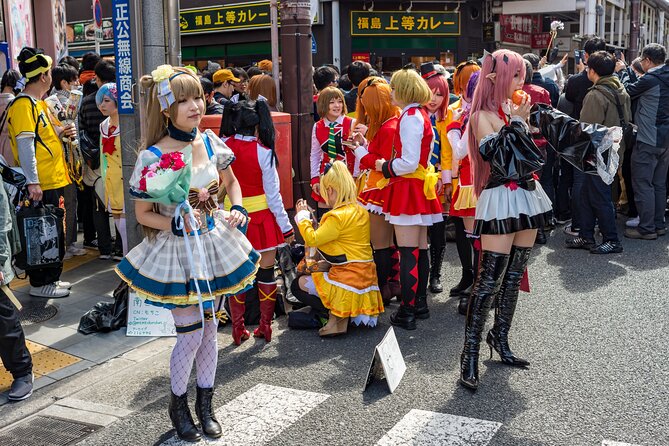
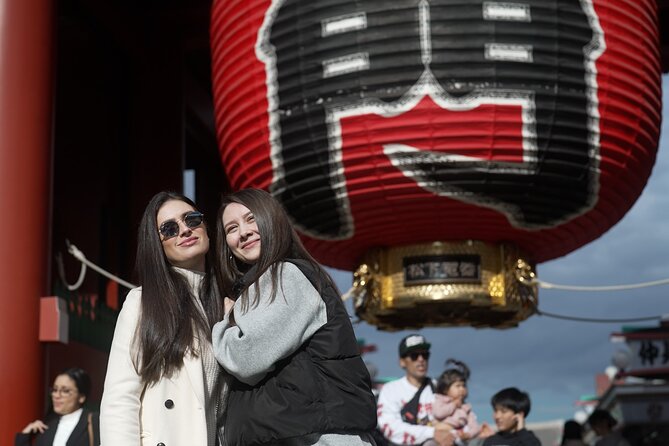
Senso-ji is ancient and famous for a reason. You’re looking at one of Japan’s best-known temple sites, and it draws a huge number of visitors every day. This stop is built for that reality: you get about 1 hour, enough time to enjoy the main area without turning it into a daily grind.
What makes it special here is the setup. You’re not trying to get lost on arrival. You’re dropped at an accessible point, then you can focus on the experience: temple atmosphere, the surrounding streets, and people-watching at close range.
A drawback: it’s crowded. If your group has people who hate crowds, you’ll want to move at a steady pace and avoid lingering in bottleneck areas. Also, bring patience. In a place this popular, even short waits can stretch a timeline.
If you want the most out of the visit, ask your chauffeur one or two targeted questions while you’re still in the car. Even a little context helps you notice details you’d otherwise walk past.
Imperial Palace: A Calm Pause in the City Machine
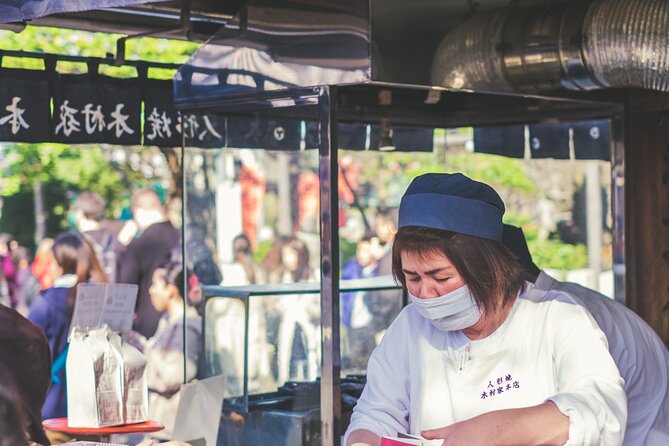
This is the part of the day that often feels like a breath of air. The Imperial Palace area has been the residence complex for successive emperors since 1868, and it provides a very different mood from the markets and temple streets.
With about 1 hour, you’re not trying to do everything. You’re there to take in the setting and the scale, then move on before fatigue sets in. For many first-timers, it’s also a helpful way to understand Tokyo beyond shopping districts and trend neighborhoods.
A practical note: access and viewing angles can depend on what’s happening on the grounds. Since the tour gives you time and transportation, it’s still a good stop even if you keep expectations realistic. Think of it as an important Tokyo chapter, not a checklist item.
Skytree and Tokyo Tower: Two View Options, Two Different Feels
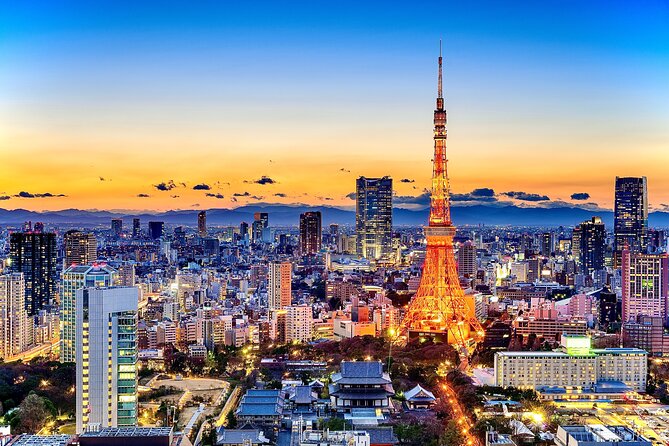
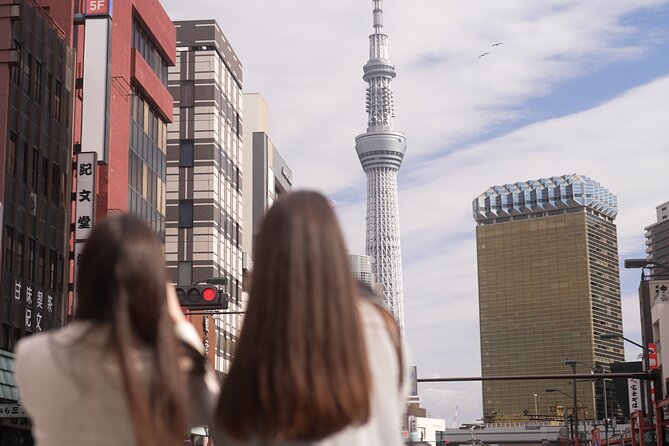
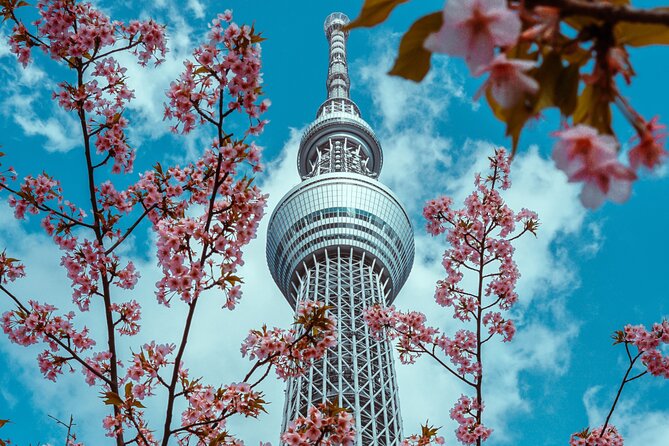
Tokyo Skytree is the taller, big-number option. It rises to 634 meters, with indoor decks around 350 m and 450 m. In this itinerary, you get about 1 hour for Skytree, but entry is not included.
Tokyo Tower is the classic sibling. It’s 333 meters tall and built in 1958, often linked to Tokyo’s post–World War II recovery story. You get about 30 minutes, and entry is also not included.
So what should you do? If you want maximum views and modern skyline energy, Skytree is the obvious pick. If you like a more historic skyline landmark feel, Tokyo Tower can be the better match. Also, think about energy. After markets and temple streets, a 30-minute stop might feel perfect, while Skytree’s longer viewing time can feel heavy if your feet are already done.
If you’re flexible with viewpoints, ask your chauffeur what makes sense based on the day’s visibility. The route is structured, but your group doesn’t have to treat both towers like mandatory “do everything” tasks.
Ginza and Omotesando: Shopping Districts with Different Personalities
Next comes a change of pace. Ginza is upscale and polished, a district known for international luxury brands rather than quiet local charm. You get about 30 minutes here, which is just enough for a quick stroll, window browsing, and photo stops without turning your afternoon into a retail marathon.
Then you’ll hit Omotesando for about 30 minutes. This area is known for café culture and fashion streets, and it has been one of the first places in Japan where overseas coffee chains expanded.
What I like about this pair is that both stops are easy to enjoy without deep shopping commitments. You can treat them like cultural observation points:
- Ginza for the polished, high-end Tokyo vibe
- Omotesando for street life and café rhythm
If your group actually wants to shop, this is the moment. If you don’t, keep moving. These are not “sit and relax” stops; they’re “walk, look, then go” stops.
Takeshita Street: Pop Culture, Sweets, and Colorful Chaos
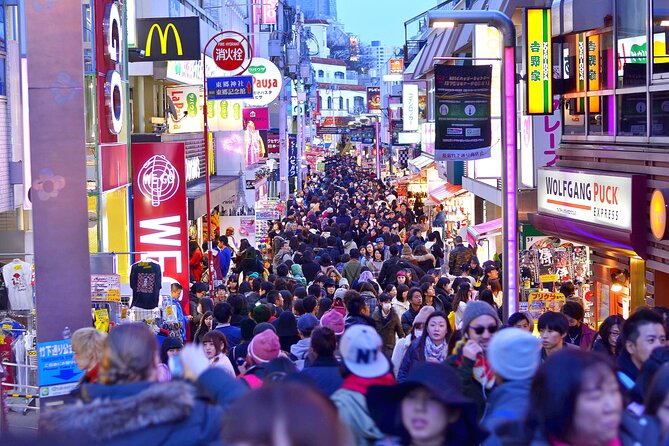
If you want Tokyo’s youth-culture side, this is the stop. Takeshita-dori runs about 350 meters and is known for pop fashion stores and colorful, playful shopping. It’s also a sweets spot, which means even if you don’t care about fashion, you’ll likely care about treats.
You get about 1 hour. That’s enough time to see the main strip, try a snack, and get your photos without losing your whole afternoon to crowds.
The consideration here is simple: this area can be intensely busy. If you’re traveling with someone who hates crowds, decide ahead of time how long you want to stay. The car helps because you can escape quickly when you’re done.
My advice: pick one sweet or one small item as your souvenir goal. Otherwise Takeshita can eat the entire hour in browsing and decision fatigue.
Odaiba and Shibuya Crossing: Bay Air to the World’s Busiest Intersection
Now you’re crossing into the Tokyo Bay area. Odaiba is on a man-made island and mixes shopping and amusement facilities with parks and a coastline. It’s about 1 hour here, which is a solid window for a relaxed stroll when the rest of the day has been packed with landmark stops.
One nice thing about Odaiba in a car tour: you can arrive, walk just enough to feel like you were there, and then let the driver whisk you to the next adrenaline pocket.
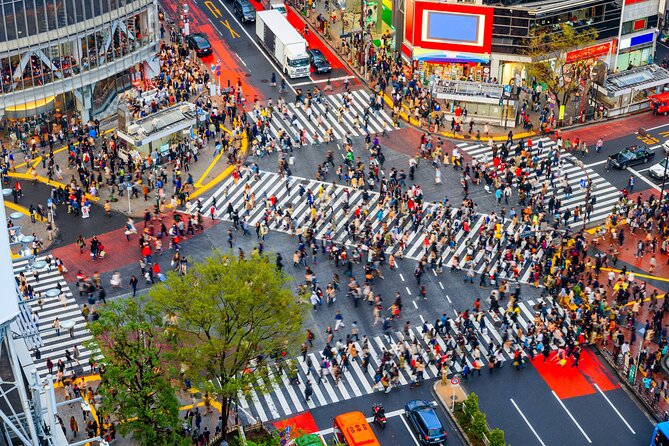
Then comes Shibuya Crossing, the famously crowded intersection that people from everywhere recognize. You get about 30 minutes. It’s short, but it’s enough time to stand at a safe viewing spot and watch the intersection do its thing. In the feedback, one driver was even praised for navigating through Shibuya Scramble at around 6 pm, which hints at how skilled chauffeurs can be when the city gets chaotic.
My take: treat Shibuya like a live show. Don’t over-plan. Choose a view point, take photos quickly, and then enjoy the energy while it’s right in front of you.
How the Chauffeur Day Really Works (and When to Speak Up)
This kind of tour works best when you communicate. The chauffeur provides commentary in the vehicle, and you’ll usually be informed about what to expect as you arrive and before you step out.
Most drivers were praised as easy to deal with, prompt, and helpful with routes and parking. Several names were highlighted for English fluency and friendliness, including ASI, Lookman, John, Jonny, Koda, Yannick, Adam, and Caffrey.
The tone can vary. Some chauffeurs are more soft-spoken and give brief information. Others are more chatty and offer cultural tidbits. Either way, if you want more detail, ask. There’s at least one cautionary experience where the driver gave little information unless guests asked questions, so don’t assume the commentary will automatically hit every theme you care about.
A smart strategy:
- In the car, ask one or two questions like what to look for at the next stop
- If your group has shopping interests, mention it early
- If you want photo spots, say so before you reach the busiest areas
That way, you get commentary that matches your interests, not just a generic run-through.
Who This Tour Fits Best
This tour is a strong match for:
- First-time visitors who want top sights without getting tangled in transit
- Groups of up to 4 who want comfort and time savings
- Cruise day visitors or anyone with a tight schedule who still wants a full highlight sweep
- Anyone who prefers to spend energy on sightseeing instead of figuring out rail lines and walking routes
It’s less ideal if you want a slow, deep guided experience at each site. The stops are designed for variety and efficiency. You’ll see a lot, but you won’t linger like a local on a weekend.
Should You Book This Tokyo Private Car Tour?
Book it if your priority is time, comfort, and a big highlight hit list. With a private chauffeur, you avoid a lot of friction: transit transfers, crowded station exits, and the stress of navigating Tokyo when you’re tired.
Skip or adjust it if you already know Tokyo well, love public transit, and want to spend your day in fewer places longer. Also, if tower entry matters, plan for extra admission fees so the day stays budget-friendly.
If you do book, I’d go in with two items ready: your must-see list and your must-avoid list (crowds, lots of walking, shopping focus). The best results come when you and the chauffeur collaborate on what works for your group, not when you expect a one-size plan to fit everyone.
FAQ
How long is the Tokyo private car sightseeing tour?
The tour runs for about 9 hours.
How many people are in a group?
The car is for up to 4 people (sedan). Van options are available for groups of 5–9.
Is pickup included, and where does the tour start?
Pickup is offered, and the start time is 9:00 am. The meeting point is described as near public transportation.
Is an English-speaking chauffeur included?
Yes. You’ll have a private English-speaking chauffeur, and you can request another language in advance.
Are admission fees included for all stops?
No. Admission fees are not included. Stops like Tokyo Skytree and Tokyo Tower are listed as not included, while other stops are listed as free.
Can I cancel for a full refund?
Yes. You can cancel up to 24 hours in advance for a full refund. The tour also notes that it requires good weather and can be changed or refunded if weather causes cancellation.
More Tour Reviews in Tokyo



Fresh reviews from around Tokyo






Tokyo, compared.
 ★ 5.0Mt Fuji and Hakone 1-Day Bus Tour Return by Bullet TrainFrom $16326,383 reviews
 ★ 5.01-Day Tokyo Bus TourFrom $12914,250 reviews
 ★ 4.6teamLab Planets TOKYO Digital Art Museum Entry TicketFrom $259,779 reviews
 ★ 4.0Mt Fuji & Hakone Cruise, Drum Show Bullet Train 1 Day from TokyoFrom $1497,413 reviews
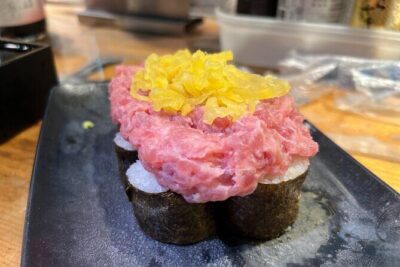 ★ 5.0Shinjuku Food Tour (13 Dishes at 4 Local Eateries)From $866,603 reviews
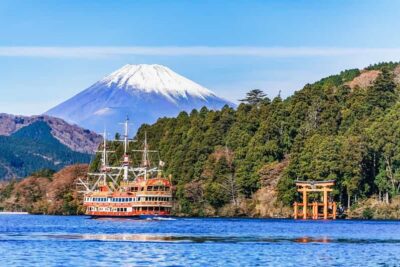 ★ 4.4Tokyo Mt Fuji 5th St & Hakone Cruise Bus Tour w/Bullet TrainFrom $1545,024 reviews
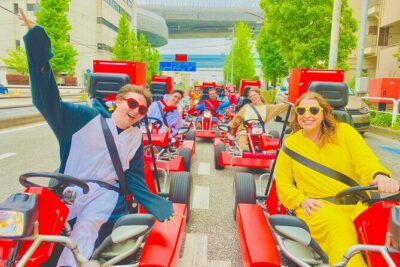 ★ 5.0Flagship 2-Hours Official Street Go-Kart Tour – Tokyo Bay ShopFrom $644,974 reviews
 ★ 4.5From Tokyo: Mount Fuji Full-Day Sightseeing TripFrom $684,970 reviews