
Reviewed · TOKYO
Tokyo Pre Japan Planning Kit Itineraries, Food & Survival
Tokyo works better with a plan.
I like how this kit gives you major highlights plus lots of freedom to skip or continue at your own pace. I also love the practical extras: personal food recommendations by locals and a Japanese Survival Card you can actually use. One thing to keep in mind: it’s fully self-guided, so you’ll want the digital materials ready before you step out.
For four days in Tokyo, you’ll move neighborhood to neighborhood and keep control of your schedule. You start in Shinjuku City and end back there, with a mobile ticket and an itinerary you can follow whenever you want (it’s available basically all day). At $26.06 per group (up to 15), this is low-cost planning help—especially if you’re traveling with friends.
In This Review
- Key highlights that make this kit worth your attention
- Tokyo in four days, without the “herding cats” feeling
- What you really get: the digital kit, the itinerary, and the extras
- Logistics that affect your day: starting point, pacing, and time window
- Day 1: Tsukiji, Asakusa, and Tokyo Metropolitan Government views
- Tsukiji Fish Market: early-morning energy (without needing special tickets)
- Asakusa and Sensoji: the classic temple + the street you’ll actually walk
- Tokyo Metropolitan Government Building observation decks: skyline reset
- Day 2: Imperial Palace grounds, Harajuku style, and Shibuya’s crossing
- Imperial Palace: East Gardens and a slower pace in the center of the city
- Harajuku Station and Takeshita Street: fashion district energy, on your terms
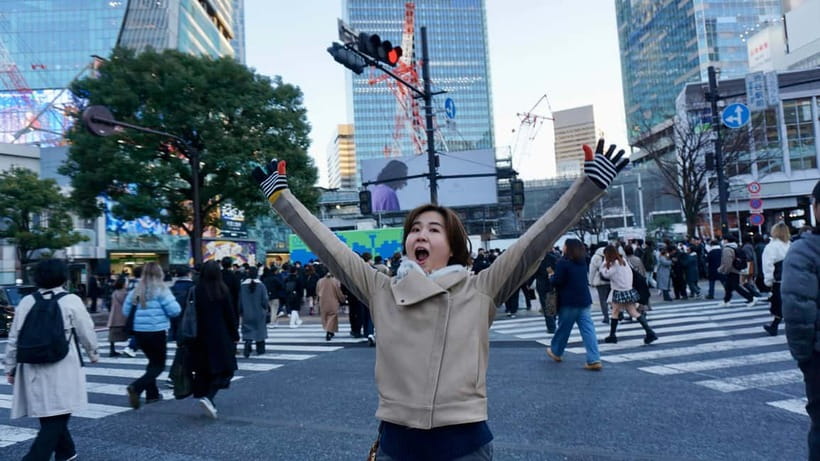
- Shibuya Crossing: neon intersection, then you decide where to go next
- Day 3: Ueno market street and Akihabara tech/anime time
- Ueno and Ameyoko: food stalls, shopping lanes, and no waiting for your main character moment
- Akihabara: electronics and anime culture, with real shopping variety
- Day 4: Odaiba waterfront futurism, Shinjuku gardens, and night energy
- Odaiba: futuristic Tokyo Bay views plus big-ticket photo ops
- Shinjuku Gyoen National Garden: planned quiet after big-city intensity
- Shinjuku at night: neon, izakayas, karaoke, and people-watching
- The best part for most travelers: “follow it or don’t”
- Value check: $26.06 per group is cheap, but only if you use it
- Who this self-guided Tokyo plan fits best
- Should you book this Tokyo planning kit?
- FAQ
- Is there a physical tour guide with this experience?
- Where do I start and where does it end?
- How long is the itinerary?
- What’s included in the kit?
- Do I pay admission fees for the stops?
- Can I use it at any time of day?
Key highlights that make this kit worth your attention
- Flexible pacing: start and stop whenever you like, no group timer
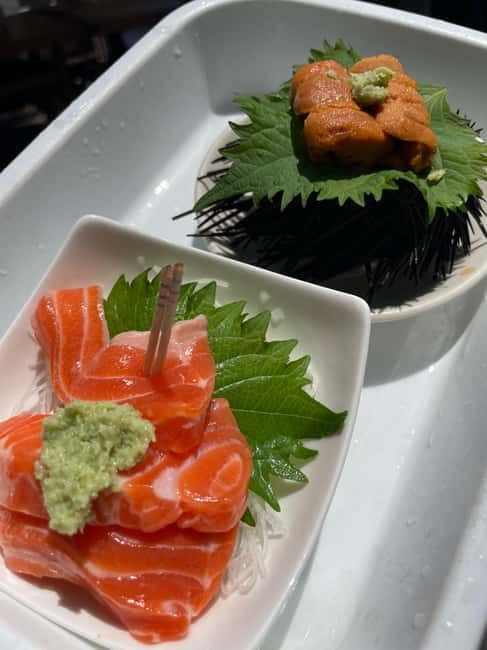
- Local food guidance: you get food recommendations from locals, not generic tips
- Built-in “survival” help: a Japanese Survival Card included in the pack
- Classic Tokyo in 4 days: Tsukiji, Asakusa, Shibuya, Akihabara, and more
- Neighborhood logic: days are organized by area so you waste less time traveling
- Free and low-cost sights: many stops are listed with free admission
Before you commit, see how this one stacks up against a few Tokyo favourites:
- Mt Fuji and Hakone 1-Day Bus Tour Return by Bullet Train★ 5.0 · 26,383 reviews
- 1-Day Tokyo Bus Tour★ 5.0 · 14,250 reviews
- Tokyo: teamLab Planets TOKYO Digital Art Museum Entry Ticket★ 4.6 · 9,779 reviews
Tokyo in four days, without the “herding cats” feeling
Tokyo can be overwhelming in a good way. Too many neighborhoods, too many train lines, and a lot of “must-sees” that don’t fit nicely into a normal human schedule. What I like about this experience is that it doesn’t demand you march like a robot. You get a clear route for four days, then you choose how much to follow.
The “expert guidance” here is not a person trailing behind you. It’s the structure of the day-by-day plan, plus local food recommendations and quick practical support (the Japanese Survival Card). That combination is perfect if you’re the type who likes to decide on the walk, based on what looks good or what you feel like eating.
And yes, the price is a big part of the appeal. Since it’s $26.06 per group with up to 15 people, the cost can be almost nothing per person if you’re not traveling solo. Even as a single traveler, it’s the kind of thing that functions like a disposable travel tool: pay for planning, then spend your energy actually exploring.
What you really get: the digital kit, the itinerary, and the extras
This experience is self-guided. You use a mobile ticket and a digital 4-day itinerary—think “download and go,” not “meet a guide.” The included items are where the value shows up:
- A self-guided PDF itinerary (so you can read it without getting stuck on your phone)
- Tokyo personal food recommendations by locals
- A Japanese Survival Card (small, practical, and useful for everyday questions)
- A discount on an e-sim (helpful if you already plan to get data for maps and searching)
That “survival” part matters more than you might expect. Japan is very visitor-friendly, but you’ll still run into moments where you need help with basic language: where to line up, what something is called, how to get to a station entrance, or how to ask for something simple. Having a card you can show is often faster than trying to construct perfect sentences.
Logistics that affect your day: starting point, pacing, and time window
You start in Shinjuku City and the activity ends back at the same meeting point. Since it’s designed for a multi-day self-guided route, your “meeting point” is really the anchor for where you begin each day’s area hopping.
The operating window is listed as 12:00 AM to 11:30 PM, every day. That doesn’t mean every specific attraction is open that late, of course. It just means you can use the kit whenever you want, and you’re not forced into a single tour time slot.
Also, there’s a maximum of 15 travelers. For a self-guided plan, that mainly suggests the provider is keeping things organized, not running some huge mass group.
Day 1: Tsukiji, Asakusa, and Tokyo Metropolitan Government views
Day 1 is a strong “first contact” set of neighborhoods. You start with seafood energy, then move to traditional Tokyo, then finish with a modern skyline perspective.





Tsukiji Fish Market: early-morning energy (without needing special tickets)
Tsukiji Fish Market is listed as two hours and free to enter. It’s known for being a once-leading seafood hub and for the early-morning pace. Even if you’re not hunting for specific stalls, this stop gives you that authentic sensory intro: fast motion, strong smells, and the feeling that food is taken seriously here.
Practical note: because this area is built around that early vibe, I’d treat it like a morning mission. If you’re going later in the day, you may still enjoy the atmosphere, but you’ll lose some of the peak intensity that people associate with Tsukiji.
Asakusa and Sensoji: the classic temple + the street you’ll actually walk
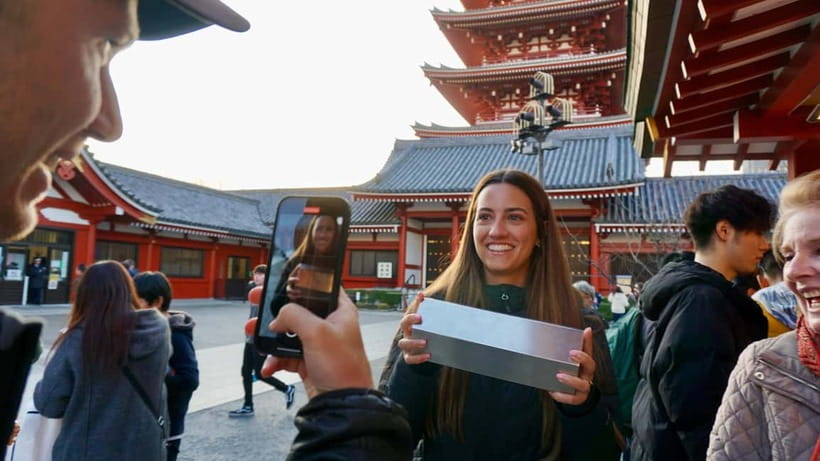
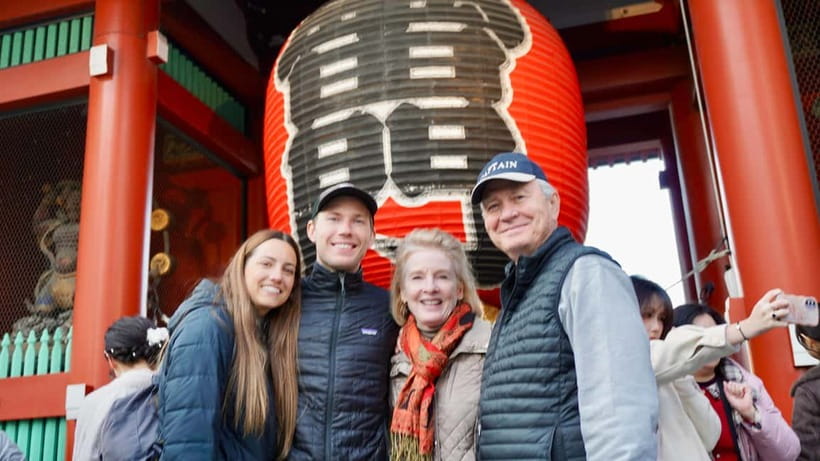
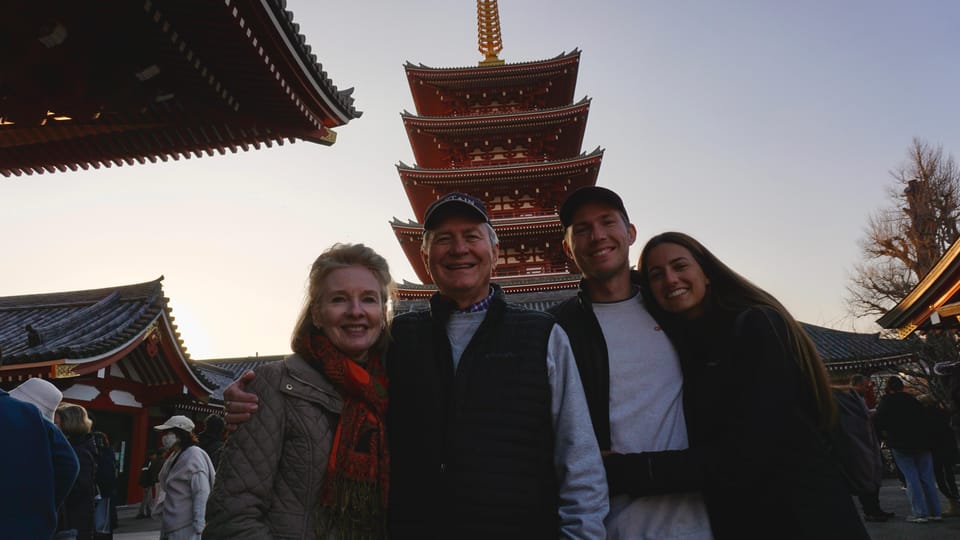
Asakusa is built around Sensoji, Tokyo’s oldest and most iconic Buddhist temple. You get the temple itself plus the Kaminarimon entrance gate and Nakamise shopping street. This is one of those places where even if you don’t buy much, the walk tells you a lot about the city.
What I love here is how Asakusa balances “historic Tokyo” with “current visitor life.” You’re not trapped in a museum mood. You’re moving, looking at goods, people-watching, and getting a feel for how tradition and street life coexist.
Tokyo Metropolitan Government Building observation decks: skyline reset
In the afternoon (or whenever your feet need a breather), head to the Tokyo Metropolitan Government Building observation decks. The kit lists it as free, about one hour, and highlights views from the 45th floor.
This is a smart choice because it gives you orientation. After you’ve walked through the older neighborhoods, a top-down view helps you connect what you’ve seen to where everything is on the map.
Day 2: Imperial Palace grounds, Harajuku style, and Shibuya’s crossing
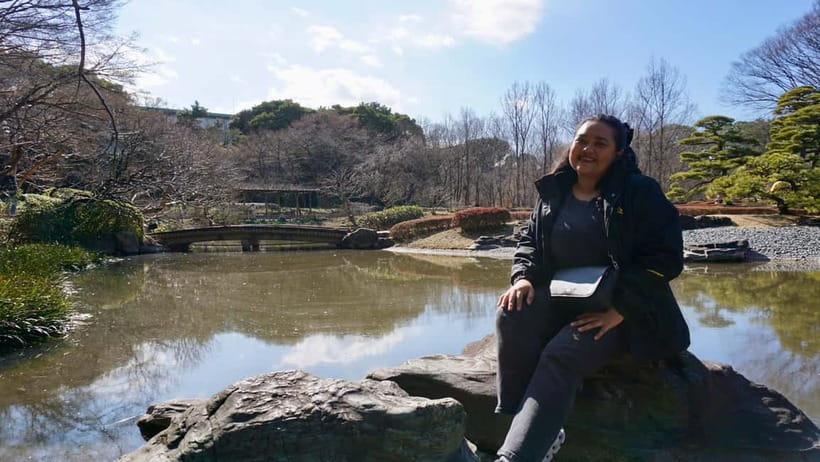
Day 2 mixes calm green space with fashion street energy and then hits you with Shibuya’s famous pedestrian spectacle.
Imperial Palace: East Gardens and a slower pace in the center of the city
The Imperial Palace stop focuses on the East Gardens and the surrounding historic feel. It’s listed as free and around two hours.
Even if you’re not a formal history person, the gardens offer something rare in Tokyo: breathing room. You’ll get a break from crowds and signage while still being right in the middle of the city.
A consideration: gardens and palace grounds can change what’s available depending on current conditions. The kit is still a great structure for planning a quiet block of time.
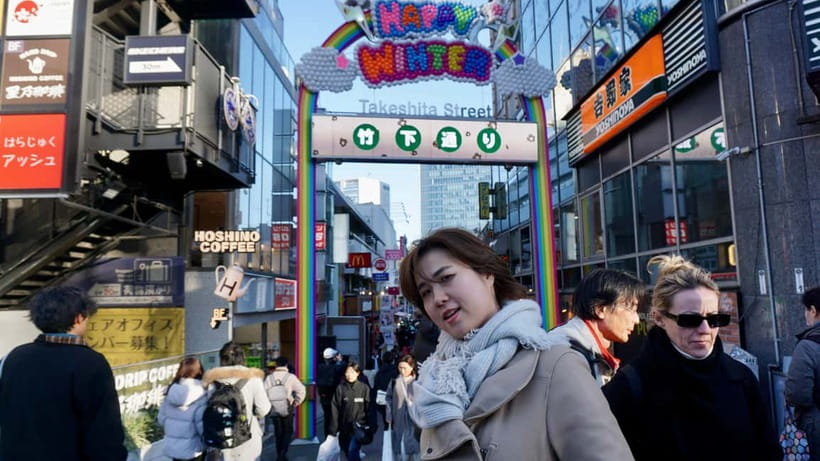
Harajuku Station and Takeshita Street: fashion district energy, on your terms
Harajuku is one of Tokyo’s most recognizable style neighborhoods. The kit points you toward the Takeshita Street area and the general idea of trendy boutiques and eclectic street style.
This is a great stop if you like watching what people wear and how neighborhoods differ. It’s also easy to adjust your plan here. You can walk the main street for the iconic vibe, then slow down and explore side blocks if you want something less crowded.
Shibuya Crossing: neon intersection, then you decide where to go next
Shibuya Crossing is listed as free and about two hours. It’s described as one of the world’s busiest pedestrian intersections, with multi-directional crossing and intense neon advertisement energy.
Don’t overthink this stop. The value is the sight: the scale, the coordination, the way Tokyo operates. And since this is a self-guided experience, you can treat Shibuya as either:
- a short “see it once” moment, or
- the launching pad into nearby dining and shopping
Day 3: Ueno market street and Akihabara tech/anime time
Day 3 is where the route turns playful and practical at the same time: eat-your-way through a market street, then geek out in Akihabara.
Ueno and Ameyoko: food stalls, shopping lanes, and no waiting for your main character moment
Ueno is centered on Ameyoko, an open-air market street with shops and food stalls. The kit lists it at about three hours and free.
This is a smart duration. Market streets reward slow wandering. You can graze, browse, and pick snacks without committing to a sit-down meal plan.
If you like variety, you’ll enjoy this more than a strict “one restaurant only” day. If you hate crowd energy, you might want to treat it as a shorter stop and move on before you feel overwhelmed.
Akihabara: electronics and anime culture, with real shopping variety
Akihabara is listed as about two hours and free admission. The focus is electronics and the pop culture side: gadgets, games, and anime merchandise.
This is one of Tokyo’s easiest places to personalize. You can:
- browse souvenir-style items,
- focus on tech gadgets,
- or spend time in shops tied to anime and gaming.
Because it’s self-guided, you can jump between blocks as your interests change. That’s the big advantage here. No one tells you to move on before you’re ready.
Day 4: Odaiba waterfront futurism, Shinjuku gardens, and night energy
Day 4 takes you off the “classic postcard” axis and into modern waterfront vibes, then ends in Shinjuku where Tokyo’s night scene does its thing.
Odaiba: futuristic Tokyo Bay views plus big-ticket photo ops
Odaiba is described as a futuristic island in Tokyo Bay with modern architecture, entertainment complexes, and waterfront views. The kit lists it about two hours and free to enter.
The mention of a giant Gundam statue is a giveaway: this stop is designed for visuals and for enjoying the area even if you don’t have a long checklist of indoor attractions. You also get reference to teamLab (the listing text is truncated, but it’s clearly part of what’s offered).
If you’re planning your day around photography, I’d prioritize outdoor views and open spaces here earlier rather than later, when lighting and crowd levels can shift fast.
Shinjuku Gyoen National Garden: planned quiet after big-city intensity
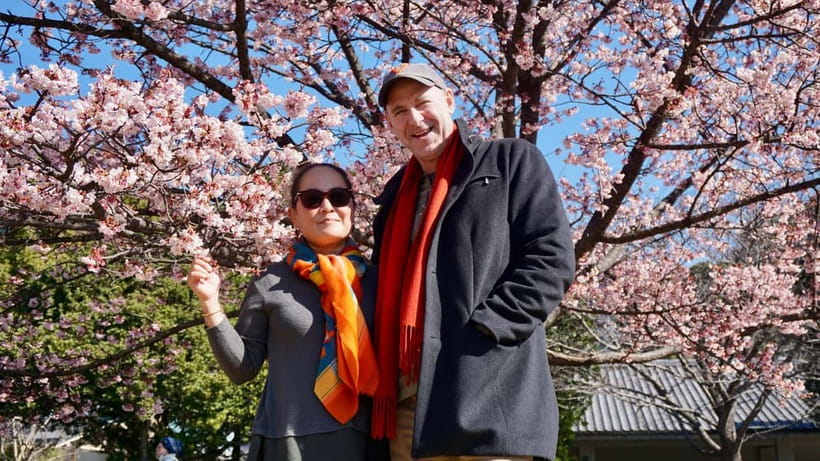
Shinjuku Gyoen is listed as free to view? Actually the kit says admission is not included, and the visit is about two hours. It’s a garden blending Japanese, English, and French styles, and the kit mentions cherry blossoms.
This is a good “reset” stop right after Odaiba’s modern setting. Gardens help your brain catch up. And because you’ll likely pay an admission fee here, plan for that cost and don’t treat it as included like the earlier free stops.
Shinjuku at night: neon, izakayas, karaoke, and people-watching
Shinjuku is presented as a nightlife zone with neon lights, izakayas, karaoke bars, and lively crowds. The kit lists it as about three hours and free.
This is one of the best ways to end a Tokyo trip because Shinjuku feels like the city’s volume knob turned up. It’s also easy to customize. You can do a casual snack-and-walk, or you can commit to an izakaya meal. Since the kit gives you a time block but not a hard schedule, you can extend or shrink the night depending on how you feel.
The best part for most travelers: “follow it or don’t”
The strongest praise for this kind of planning tool is not that it’s packed with details. It’s that it helps you pick where to go, then lets you choose what to skip. That’s exactly how you should use a self-guided itinerary in Tokyo.
Here’s how I’d use it day-to-day:
- Pick one “anchor” stop per day that you truly care about (Tsukiji, Sensoji, Imperial Palace, Ameyoko, Odaiba).
- Use the rest as flexible segments you can shorten if you’re tired or lengthen if the area is clicking for you.
- Let food recommendations guide at least one decision each day. Tokyo is great when you eat where you’re already walking.
This approach also helps you avoid the classic Tokyo mistake: trying to do ten big things in one day and ending up with ten photos and zero enjoyment.
Value check: $26.06 per group is cheap, but only if you use it
Pricing is part of the story here. At $26.06 per group with a max of 15, you’re not paying for physical guides or transport. You’re paying for planning time you’d otherwise spend hunting and comparing.
This kit makes sense if you:
- want a clean four-day arc without obsessing over research,
- like picking your own moments once you arrive,
- and will actually use the food recommendations and the Survival Card.
If you’re the type who already has every day mapped out with restaurant reservations, this may feel less necessary. But if you want a fast way to get organized—and still keep control once you’re there—this is a solid bargain.
One practical caution from experience with digital travel tools: don’t wait until the last minute. If you miss the chance to get the PDF before you leave, you can end up scrambling mid-trip.
Who this self-guided Tokyo plan fits best
This experience is ideal for:
- first-time Tokyo visitors who want a logical route
- couples or groups who can share the cost
- independent travelers who dislike rigid tour timing
- people who like mixing big landmarks with neighborhood wandering
It may not be ideal if:
- you need a person to answer questions in real time
- you strongly prefer fully structured schedules every hour
- you’re arriving and going instantly with no time to download materials
In short: it’s a great planning assistant. It’s not a human guide service.
Should you book this Tokyo planning kit?
I think you should book it if you want a smart four-day framework and you value freedom over strict timing. The mix of famous stops—Tsukiji, Asakusa, Shibuya, Akihabara—and practical extras like local food recommendations and a Japanese Survival Card makes it feel like more than a basic list.
Skip it if you’re already perfectly planned, or if you know you’ll be arriving without time to access the digital kit. Tokyo rewards preparation, but it also rewards flexibility. This tool supports both—so long as you have the materials ready before you head out.
FAQ
Is there a physical tour guide with this experience?
No. This is a self-guided experience with a digital itinerary and included materials. You’ll explore on your own using the plan.
Where do I start and where does it end?
You start at Shinjuku City, Tokyo, Japan, and the activity ends back at the same meeting point.
How long is the itinerary?
It’s a 4-day experience, roughly.
What’s included in the kit?
You get a self-guided PDF itinerary, Tokyo personal food recommendations by locals, a Japanese Survival Card, and a discount on an e-sim.
Do I pay admission fees for the stops?
Many of the listed stops are shown as free admission (like Tsukiji Fish Market, Asakusa, and Shibuya Crossing). Shinjuku Gyoen National Garden is marked as admission not included.
Can I use it at any time of day?
The experience window is listed as 12:00 AM to 11:30 PM, Monday through Sunday, so you can use the plan whenever you prefer within that availability range.
More Tour Reviews in Tokyo



Fresh reviews from around Tokyo






Tokyo, compared.
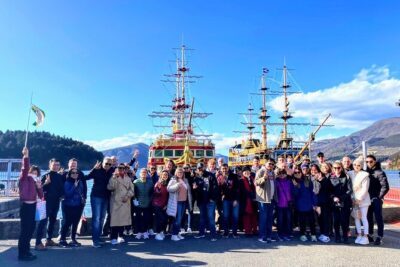 ★ 5.0Mt Fuji and Hakone 1-Day Bus Tour Return by Bullet TrainFrom $16326,383 reviews
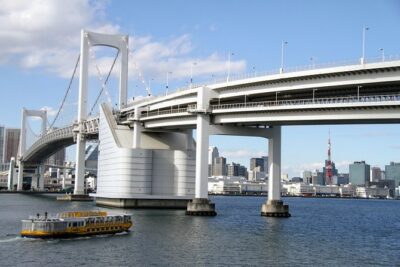 ★ 5.01-Day Tokyo Bus TourFrom $12914,250 reviews
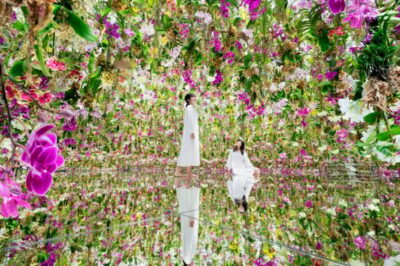 ★ 4.6teamLab Planets TOKYO Digital Art Museum Entry TicketFrom $259,779 reviews
 ★ 4.0Mt Fuji & Hakone Cruise, Drum Show Bullet Train 1 Day from TokyoFrom $1497,413 reviews
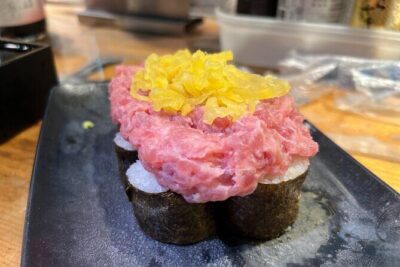 ★ 5.0Shinjuku Food Tour (13 Dishes at 4 Local Eateries)From $866,603 reviews
 ★ 4.4Tokyo Mt Fuji 5th St & Hakone Cruise Bus Tour w/Bullet TrainFrom $1545,024 reviews
 ★ 5.0Flagship 2-Hours Official Street Go-Kart Tour – Tokyo Bay ShopFrom $644,974 reviews
 ★ 4.5From Tokyo: Mount Fuji Full-Day Sightseeing TripFrom $684,970 reviews