
Reviewed · TOKYO
Tokyo: Practicing Zen with a Japanese Tea Ceremony
Zen feels closer than you expect.
This 75-minute Tokyo tea ceremony links daily calm to Zen Buddhism, using Japanese art and the slow choreography of the room. I like that it is not just tasting matcha—it explains the why behind the movements, including how the spirit of Zen shows up in Japanese aesthetics. You will also hear how a tea ceremony functions in Japanese society, with instruction from an English-speaking tea master such as Junko or Midori.
Two things I really like: first, you get to taste traditional Japanese sweets paired with green tea, not random snacks. Second, you do a guided run-through yourself, then perform a second cup at the end, so the session actually sticks. One possible drawback: the quiet focus can be affected by noise from nearby activities in the same venue, so if you are sensitive to sound, plan your mindset accordingly.
In This Review
- Key Points to Know Before You Go
- Zen Tea Ceremony in Tokyo: What This 75 Minutes Is Really About
- Finding Your Way at Kikai Shinko Kaikan (Opposite Tokyo Tower)
- The First Ceremony: Watching Matcha Being Made with Meaning
- Japanese Sweets and Matcha Pairing: A Taste Lesson, Not a Snack
- Zen Buddhism in Plain Terms: How Art, Architecture, and Calm Fit Together
- Your Turn: Conducting the Second Tea Ceremony with Expert Guidance
- What You Get for $63: Pricing That Makes Sense for a Small, Hands-On Class
- Comfort, Quiet, and Small-Group Dynamics
- Who Should Book This Zen Tea Practice (and Who Might Not Love It)
- Practical Tips for Getting the Most From Your Tea Ceremony
- Should You Book? My Decision Guide
- FAQ
- How long is the Tokyo Zen tea ceremony experience?
- How much does it cost?
- Is transportation included?
- Where do I meet the instructor?
- What language is the instruction in?
- How many people are in the group?
- What is included in the experience?
- Are there seats available if I cannot sit on the floor?
- Are there any rules about noise?
- Is it suitable for young children?
Key Points to Know Before You Go
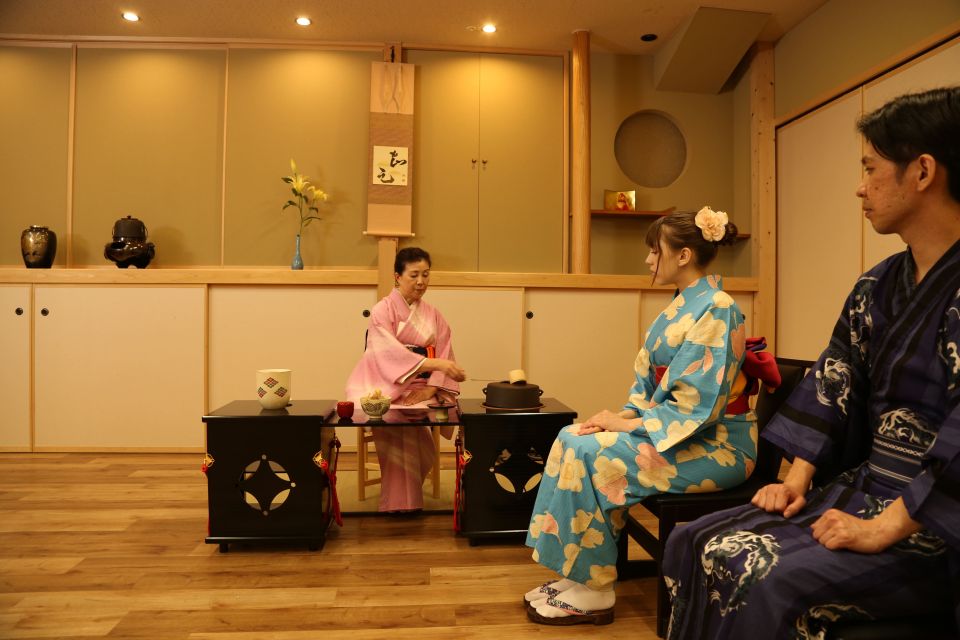
- A Zen lesson built into the movements: You’ll learn how the ceremony connects to Zen practice, not just how to pour tea.
- Matcha plus a sweet pairing: You’ll taste traditional Japanese confection designed to go with the green tea.
- You do it, too: After watching the first ceremony, you conduct the second one with expert guidance.
- Small group size (up to 10): The format keeps the class easy to follow and lets the instructor coach your hands and timing.
- Comfort matters: Seats are available for guests who do not want to sit on the floor, and the space is wheelchair accessible.
- Near Tokyo Tower: Finding the meeting point is straightforward since the building is opposite Tokyo Tower.
Before you commit, see how this one stacks up against a few Tokyo favourites:
- Mt Fuji and Hakone 1-Day Bus Tour Return by Bullet Train★ 5.0 · 26,383 reviews
- 1-Day Tokyo Bus Tour★ 5.0 · 14,250 reviews
- Tokyo: teamLab Planets TOKYO Digital Art Museum Entry Ticket★ 4.6 · 9,779 reviews
Zen Tea Ceremony in Tokyo: What This 75 Minutes Is Really About
This is the kind of Tokyo experience that cuts through the speed of the city. In one focused session, you get a full introduction to the tea ceremony as a mindful practice, with Zen concepts explained in plain language and shown through the ritual steps. The vibe is calm on purpose, and the rules reflect it—making noise is not allowed.
The pacing is also a big deal. You are not rushed through a performance like a quick museum stop. You watch, you taste, you learn the utensils and the flow, then you do it yourself, including a second ceremony. That hands-on part turns the experience from interesting to useful.
Finding Your Way at Kikai Shinko Kaikan (Opposite Tokyo Tower)
You meet your instructor at the main entrance of the Kikai Shinko Kaikan building on the 1st floor. The building is right opposite Tokyo Tower, so you can use that landmark to keep your bearings fast.
If you cannot find your instructor, go to True Japan Tour in Room B109 on the B1 floor. I like this backup plan because it prevents that awkward moment of wandering around looking for one person in a busy area.
Because the session is only 75 minutes, getting there a little early helps. Arrive with a clear head so you can actually pay attention when the ceremony begins.
The First Ceremony: Watching Matcha Being Made with Meaning
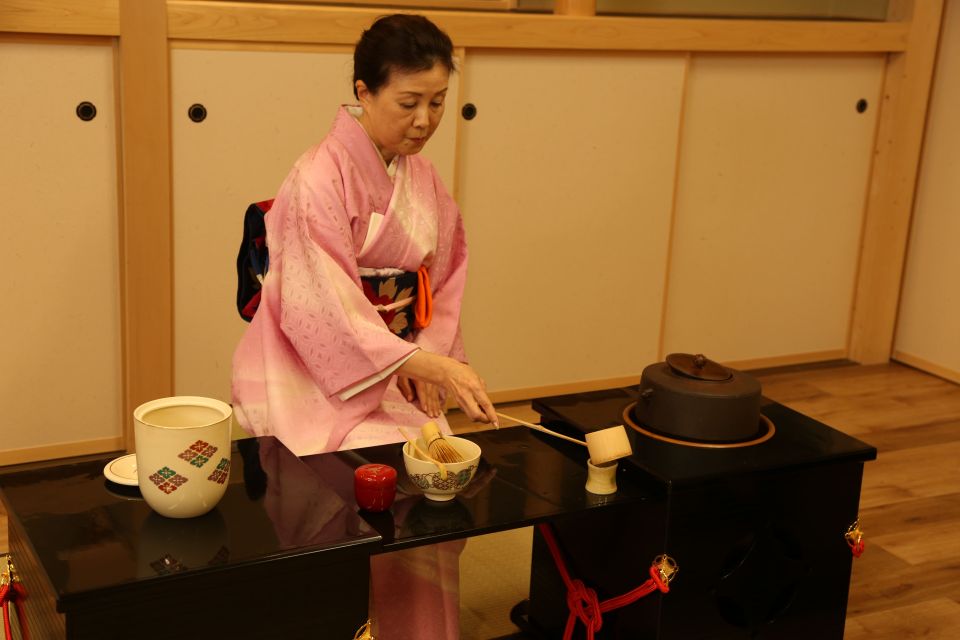
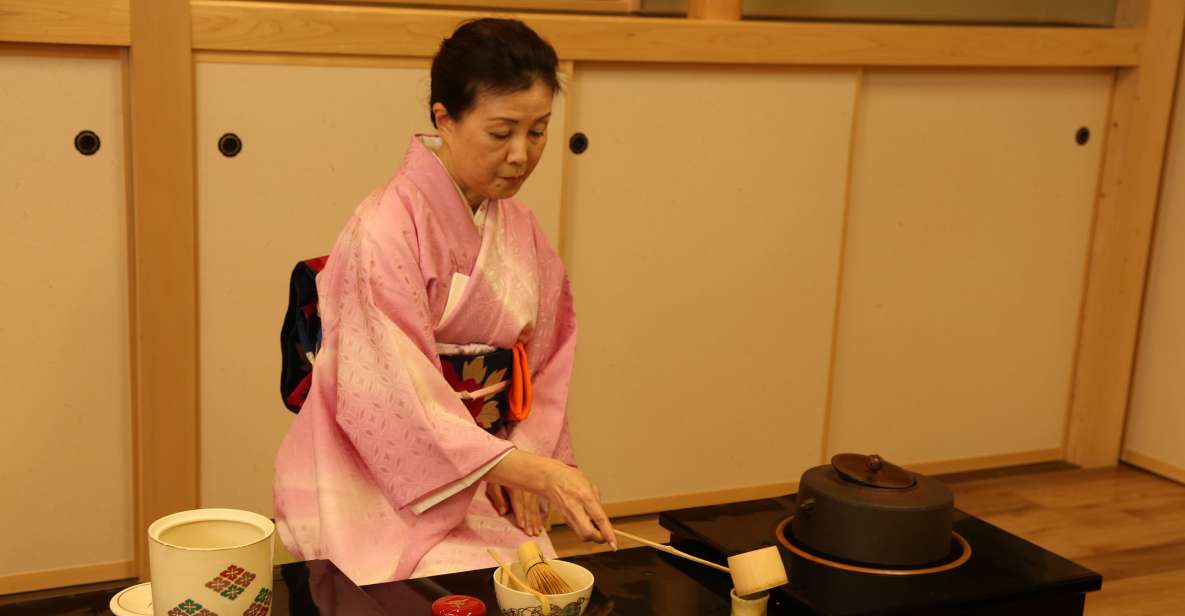
The experience starts with the tea ceremony itself, led by an English-speaking instructor. You’ll see how matcha green tea is prepared, step by step, including the movements that are part of the art.
This first ceremony is where the explanation lands. You learn about the utensils involved and how different parts of the ceremony fit together. More important, you learn the purpose behind the details, so the ritual becomes more than a set of gestures.
Japanese Sweets and Matcha Pairing: A Taste Lesson, Not a Snack
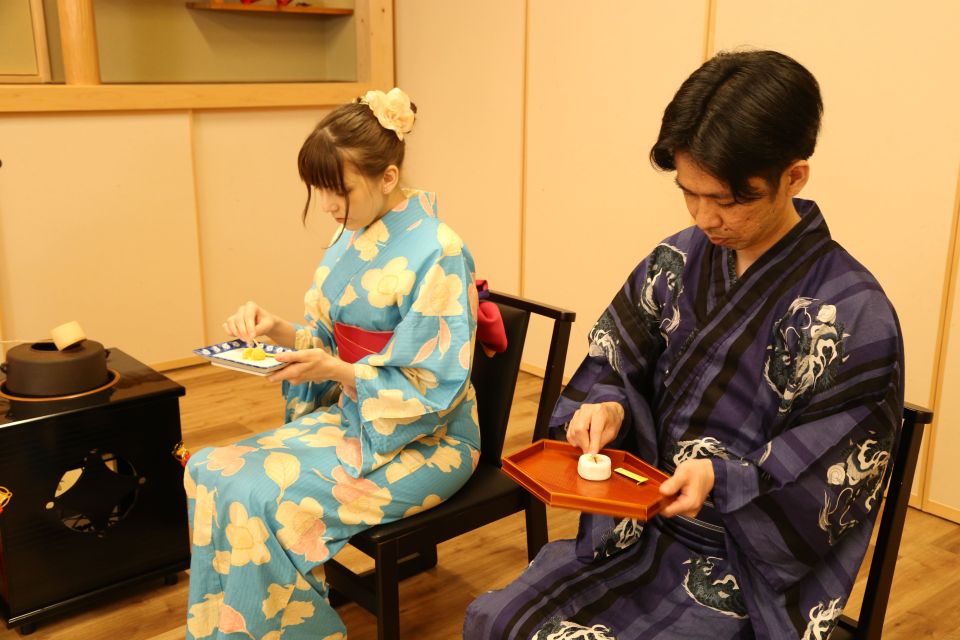
You will enjoy traditional Japanese sweets paired specially with the matcha. That pairing matters because it teaches you to slow down your senses instead of treating the tea like a caffeine pit stop.
In a typical tea experience, sweets can feel like filler. Here, the pairing is part of the teaching. You taste the sweetness and texture alongside the green tea, and it makes the idea of balance feel real rather than abstract.
Also, matcha is not just flavor. It is ritual. The ceremony asks you to pay attention to smell, temperature, and texture—small signals that support the Zen theme of being present.





Zen Buddhism in Plain Terms: How Art, Architecture, and Calm Fit Together
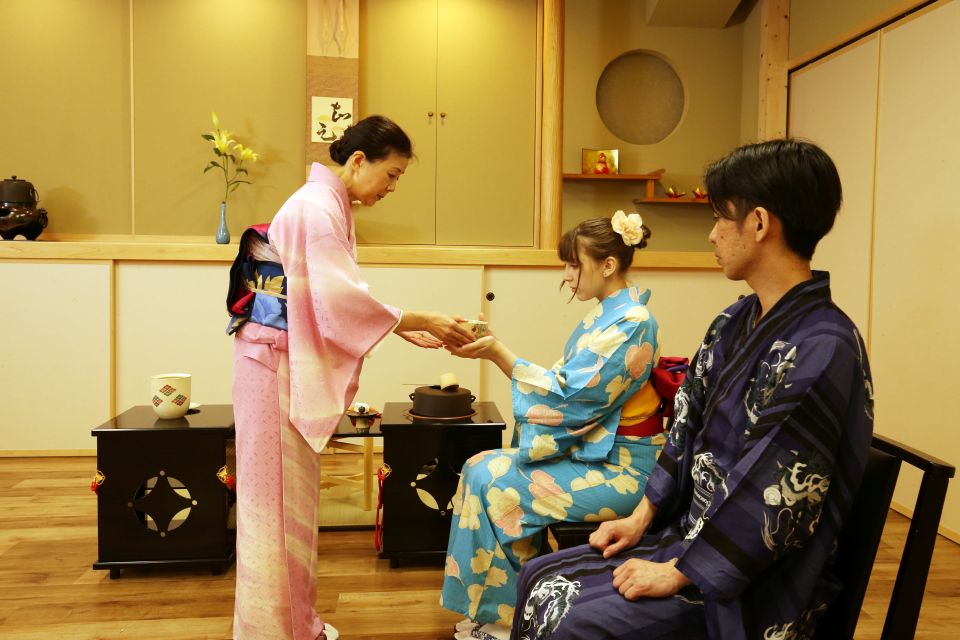
One of the highlights is learning the spirit of Zen expressed through Japanese art and architecture. The instructor ties the ceremony to Zen Buddhism and explains the role Zen Buddhism plays in this practice.
This is one of the reasons I think this tour is worth doing beyond the tea. The session gives you a framework: why the room is arranged a certain way, why steps are done in a specific order, and why quiet attention is treated as part of the outcome.
If you usually skip cultural lectures, don’t worry. The explanation is paired with action—watching, tasting, then practicing—so the ideas actually connect to what you are doing with your hands.
Your Turn: Conducting the Second Tea Ceremony with Expert Guidance
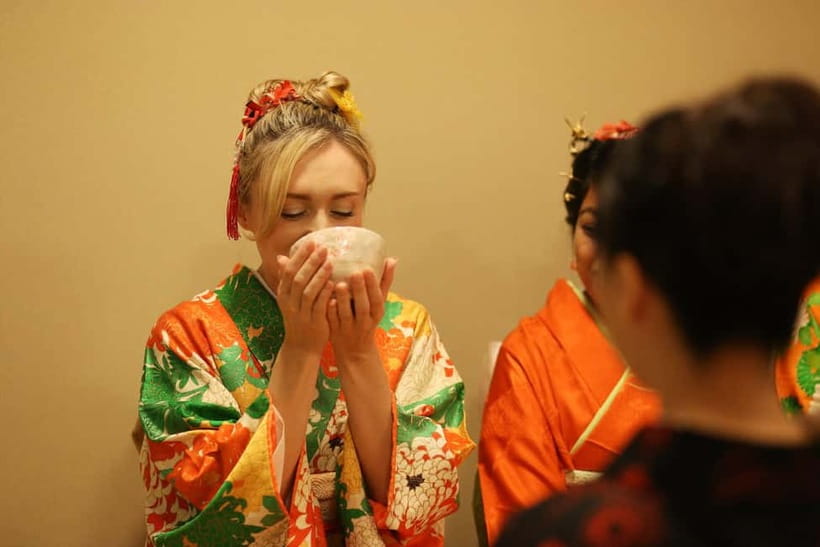
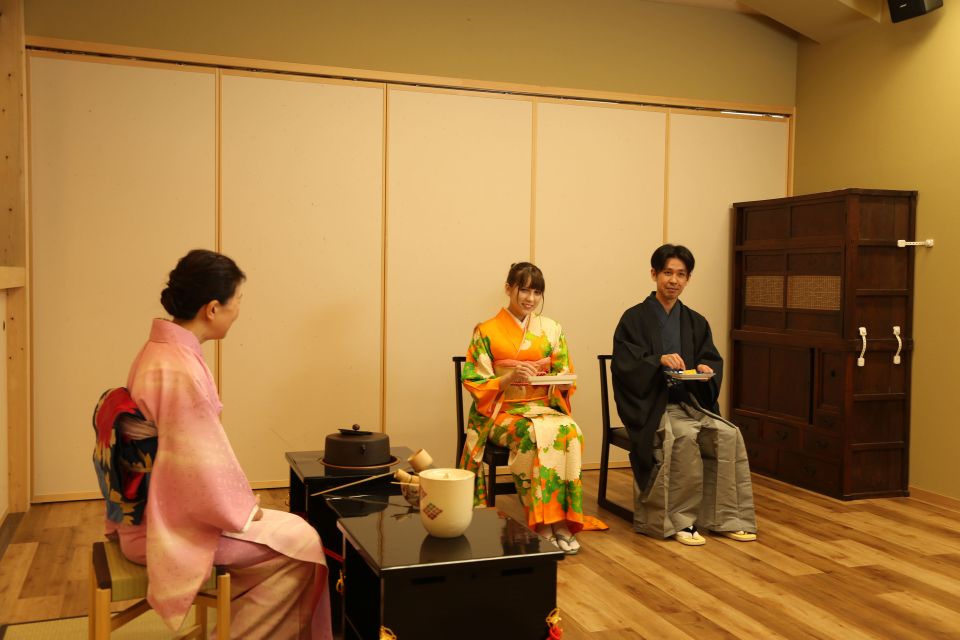
After the first ceremony, you get to try. This is the part many people end up loving because it transforms you from observer into participant.
With expert guidance, you recreate the ceremony steps yourself. The instructor helps you with the rhythm and the details, so you do not feel like you’re copying a trick. Then you perform a second tea ceremony, which means you experience the full flow instead of just learning a couple of moves.
This “practice then perform” structure is the real value. You leave with muscle memory for the basic sequence and a better understanding of what each part is trying to achieve—attention, respect, and calm focus.
Also note the comfort support: seats are available for guests who prefer not to sit on the floor. That makes the session doable even if floor seating feels uncomfortable, and it keeps the class from turning into a physical endurance event.
What You Get for $63: Pricing That Makes Sense for a Small, Hands-On Class
$63 for 75 minutes sounds like a lot if you compare it to buying matcha at a café. But this is not a café purchase. You’re paying for (1) guided instruction in Zen-linked meaning, (2) matcha plus traditional sweets, and (3) the chance to conduct a second ceremony yourself.
The small group size—limited to 10 participants—also changes the value. You are not lost in a crowd. The instructor can see what you are doing and coach you through the details.
So the money mostly goes toward learning and practice. If your goal is simply to taste matcha, a shop might be cheaper. If your goal is to understand the ceremony and actually try it, this price starts to look fair.
Comfort, Quiet, and Small-Group Dynamics
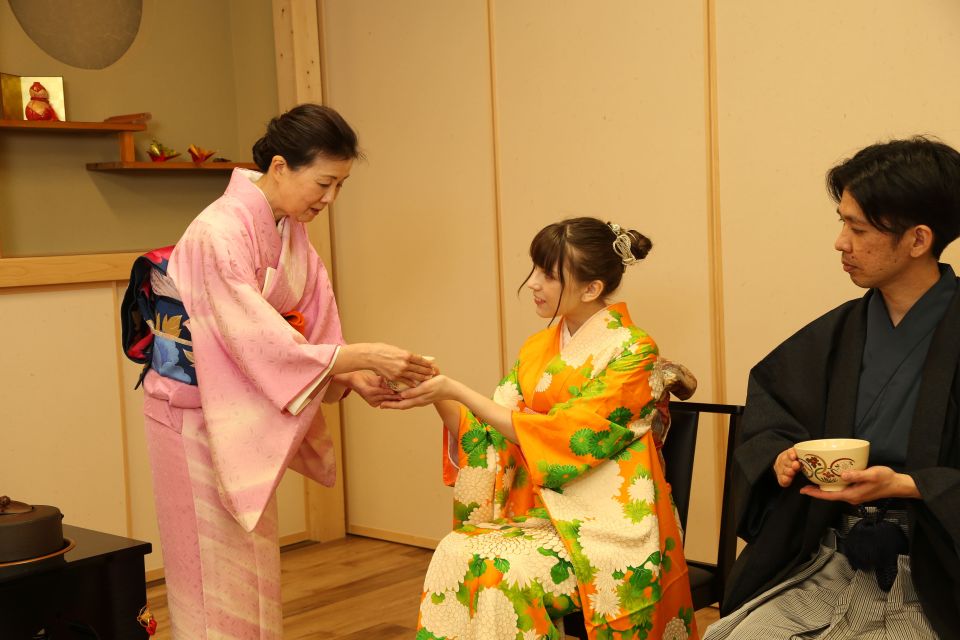
The venue is wheelchair accessible, and seats are available for guests who do not want to sit on the floor. That comfort detail matters more than you might think. A calmer body helps you pay attention, and this ceremony is built for quiet focus.
The quiet rule is clear: making noise is not allowed. If you tend to talk during performances, you will want to switch into listener mode early.
Small-group size (up to 10) helps with more than comfort. It makes it easier to hear the English instruction and see the utensils and hand positions without craning your neck.
Who Should Book This Zen Tea Practice (and Who Might Not Love It)
This works especially well if you want a cultural Tokyo activity that is slower than the typical checklist. It is a strong fit for people who enjoy craft-like experiences, mindful activities, or learning cultural context alongside food.
It’s also ideal if you appreciate guided practice. Watching one ceremony is nice, but doing a second one yourself is what turns it into a real skill.
Who might want to think twice? If you are very sound-sensitive, you could be bothered by noise from nearby activities. The setting aims for calm, but the space can still pick up sounds from other events.
Also, it is not suitable for children under 4 years. If you’re traveling with young kids, you may need to choose a different activity that fits their attention span.
Practical Tips for Getting the Most From Your Tea Ceremony
- Arrive a bit early so you are not rushing into the quiet mood.
- Keep your phone on silent. The experience is built around silence and focus.
- Watch the instructor’s hands first, then listen for the meaning. The best understanding often comes in that order.
- When it’s your turn, go slowly. This is not a speed test, and the movements are part of the practice.
- If you need seating, use it. Comfortable posture makes the rest of the ritual easier.
Should You Book? My Decision Guide
Book this if you want a hands-on, short cultural class that links Zen Buddhism to everyday calm through matcha, sweets, and guided practice. The biggest reason to choose it is that you do not just taste—you participate, including a second ceremony.
Skip it if you only want a quick matcha tasting or if you need a perfectly soundproof environment. In a normal Tokyo city setting, complete silence is hard, even when the activity is designed to be peaceful.
If you like learning by doing, and you want a Tokyo moment that slows your pace without being boring, this one is a smart pick.
FAQ
How long is the Tokyo Zen tea ceremony experience?
It runs for 75 minutes.
How much does it cost?
The price is $63 per person.
Is transportation included?
No, transportation is not included.
Where do I meet the instructor?
Meet at the main entrance of the Kikai Shinko Kaikan building on the 1st floor, opposite Tokyo Tower. If needed, go to True Japan Tour, Room B109 on the B1 floor.
What language is the instruction in?
The instructor speaks English.
How many people are in the group?
It’s a small group limited to 10 participants.
What is included in the experience?
You get the tea ceremony, traditional sweets, matcha green tea, and a second tea ceremony that you perform yourself.
Are there seats available if I cannot sit on the floor?
Yes. Seats are available for guests who prefer not to sit on the floor, and the space is wheelchair accessible.
Are there any rules about noise?
Yes. Making noise is not allowed.
Is it suitable for young children?
No, it is not suitable for children under 4 years.
More Tour Reviews in Tokyo



Fresh reviews from around Tokyo






Tokyo, compared.
 ★ 5.0Mt Fuji and Hakone 1-Day Bus Tour Return by Bullet TrainFrom $16326,383 reviews
 ★ 5.01-Day Tokyo Bus TourFrom $12914,250 reviews
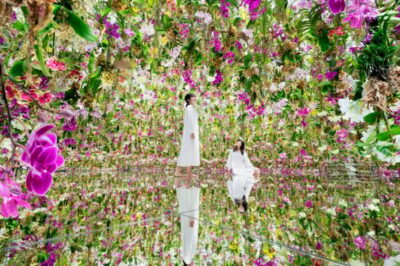 ★ 4.6teamLab Planets TOKYO Digital Art Museum Entry TicketFrom $259,779 reviews
 ★ 4.0Mt Fuji & Hakone Cruise, Drum Show Bullet Train 1 Day from TokyoFrom $1497,413 reviews
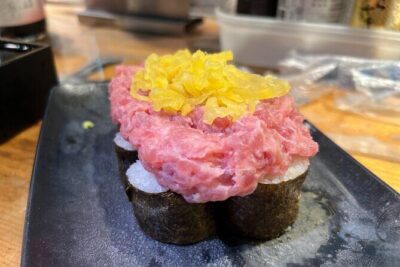 ★ 5.0Shinjuku Food Tour (13 Dishes at 4 Local Eateries)From $866,603 reviews
 ★ 4.4Tokyo Mt Fuji 5th St & Hakone Cruise Bus Tour w/Bullet TrainFrom $1545,024 reviews
 ★ 5.0Flagship 2-Hours Official Street Go-Kart Tour – Tokyo Bay ShopFrom $644,974 reviews
 ★ 4.5From Tokyo: Mount Fuji Full-Day Sightseeing TripFrom $684,970 reviews