
Reviewed · TOKYO
Tokyo: Nikko Kegon Falls Lake Chuzenji Toshogu Temple & More
A great day starts with a plan you can actually follow. This private Nikko trip works because it blends major UNESCO-style sights with big nature moments in one long, comfortable day. I like that you’re traveling with a dedicated driver and getting guided time at the key stops, not just being dropped off. I also like the mix of shrine details (think carved gates and the famous sleeping cat) with jaw-dropping scenery at Kegon Falls. One thing to keep in mind: it’s a packed 10-hour day with real walking, plus curvy mountain roads.
You’ll also feel the difference in the way the day is handled by drivers who actually know the route. In recent bookings, drivers like Cheema and Baba have shown up on time, stayed courteous, and helped with practical stuff like photo timing. Just note that the tour isn’t built for everyone: it’s not suitable for people with back problems, and they can also reschedule because of weather.
In This Review
- Key highlights worth marking on your map
- A Private Driver Makes Nikko Feel Like Your Trip
- A note on the walking pace
- Toshogu Shrine: Small Details, Big Impression
- What you should watch for
- Drawback to accept upfront
- Shinkyo Bridge and the Jizo Path: Quiet Moments That Save the Day
- Shinkyo Bridge
- Kanmangafuchi Abyss (Narabi Jizo)
- Practical caution
- Ropeway Views, Lake Chūzenji, and Kegon Falls: The Mountain Payoff
- Akechidaira Ropeway
- Lake Chūzenji
- Kegon Falls
- The one drawback: time and weather sensitivity
- Edo Wonderland: Fun History, Not Just Another Ticket Stop
- How to make it worth it
- Price and Value: When Private Beats Public
- The “driver quality” factor is real
- Timing, Comfort, and the Real World of Mountain Roads
- Who should be cautious
- Who This Day Trip Fits Best
- Should You Book This Nikko Tour?
- FAQ
- How long is the Nikko day trip?
- Is this a private tour?
- What hotel pickup areas are available?
- Do I need to pay attraction fees during the day?
- Is Wi-Fi available on the ride?
- Is coffee or tea included?
- Which main sights are covered?
- Is the tour wheelchair accessible?
- What should I bring?
- What’s not allowed during the tour?
Key highlights worth marking on your map
- Private, no-rush pacing with a driver who adjusts to your group and keeps things smooth
- Toshogu’s wow-factor details like the Yomeimon Gate and the sleeping cat sculpture
- Shinkyo Bridge views from the river valley side, with classic photo angles in greenery or autumn
- Kanmangafuchi Abyss walk with 70+ Jizo statues and a calm, reflective stop
- Ropeway to panoramic viewpoints over Mount Nantai, Lake Chūzenji, and Kegon Falls area
- Edo Wonderland time with a guided visit plus safety briefing
Before you commit, see how this one stacks up against a few Tokyo favourites:
- Mt Fuji and Hakone 1-Day Bus Tour Return by Bullet Train★ 5.0 · 26,383 reviews
- 1-Day Tokyo Bus Tour★ 5.0 · 14,250 reviews
- Tokyo: teamLab Planets TOKYO Digital Art Museum Entry Ticket★ 4.6 · 9,779 reviews
A Private Driver Makes Nikko Feel Like Your Trip
If you’ve ever tried to do Nikko by bus or train, you know the problem. The sights are spread out, the timing is tight, and you end up sprinting between stops just to see the highlights.
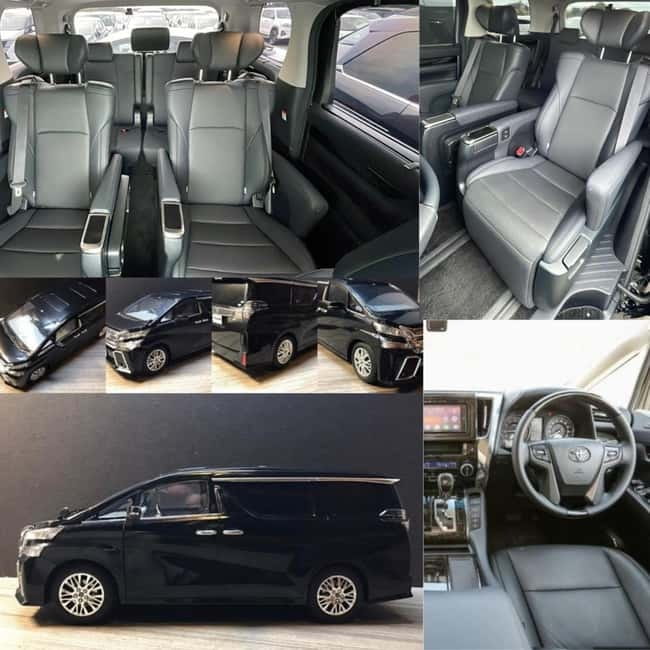
This day trip is built around the opposite vibe. You leave Tokyo in a luxury vehicle and keep the day under one roof of logistics. The tour is private for your group (up to 6 people), and you have hotel pickup and drop-off in Tokyo’s 23 wards. That means you’re not paying energy twice—once to travel and again to figure out the next connection.
The vehicle part matters more than you’d think. You’ll be dealing with mountain roads and longer hours, so having air conditioning, comfortable seating, and even a Wi-Fi hotspot helps. The fleet includes vehicles like Land Cruiser, Crown, and Vellfire, and the provider also references models such as Prado and Alphard. In plain terms: you’re not stuck in a cramped ride while the scenery goes by.
You also get guided tours at the cultural stops. And the driver-guide angle shows up in the reviews: people mention being on time, staying friendly, and giving practical advice. One booking credits Cheema for making the day relaxing while still covering all the planned sights; another mentions Baba as a fun guide who kept things informative.
A note on the walking pace
This is not a sit-in-a-car-and-watch-a-montage day. You’ll have multiple photo stops plus walks at each main location. You’ll need comfortable shoes because you’re moving through temple areas, riverside paths, and waterfall viewpoints.
Toshogu Shrine: Small Details, Big Impression
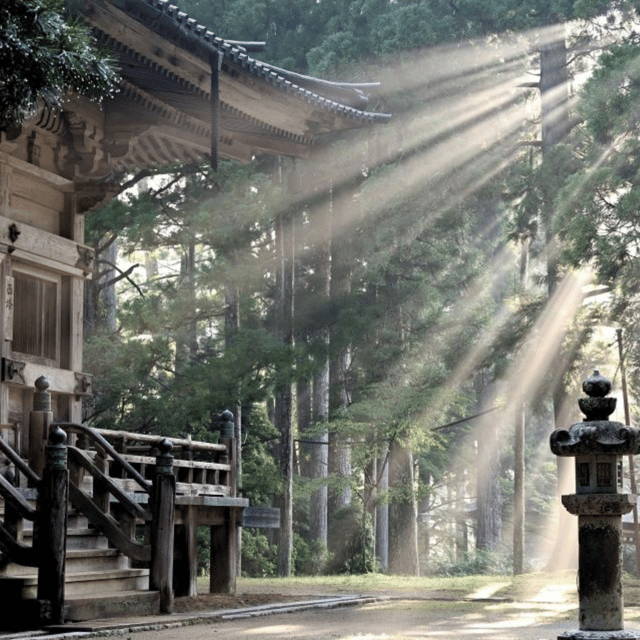
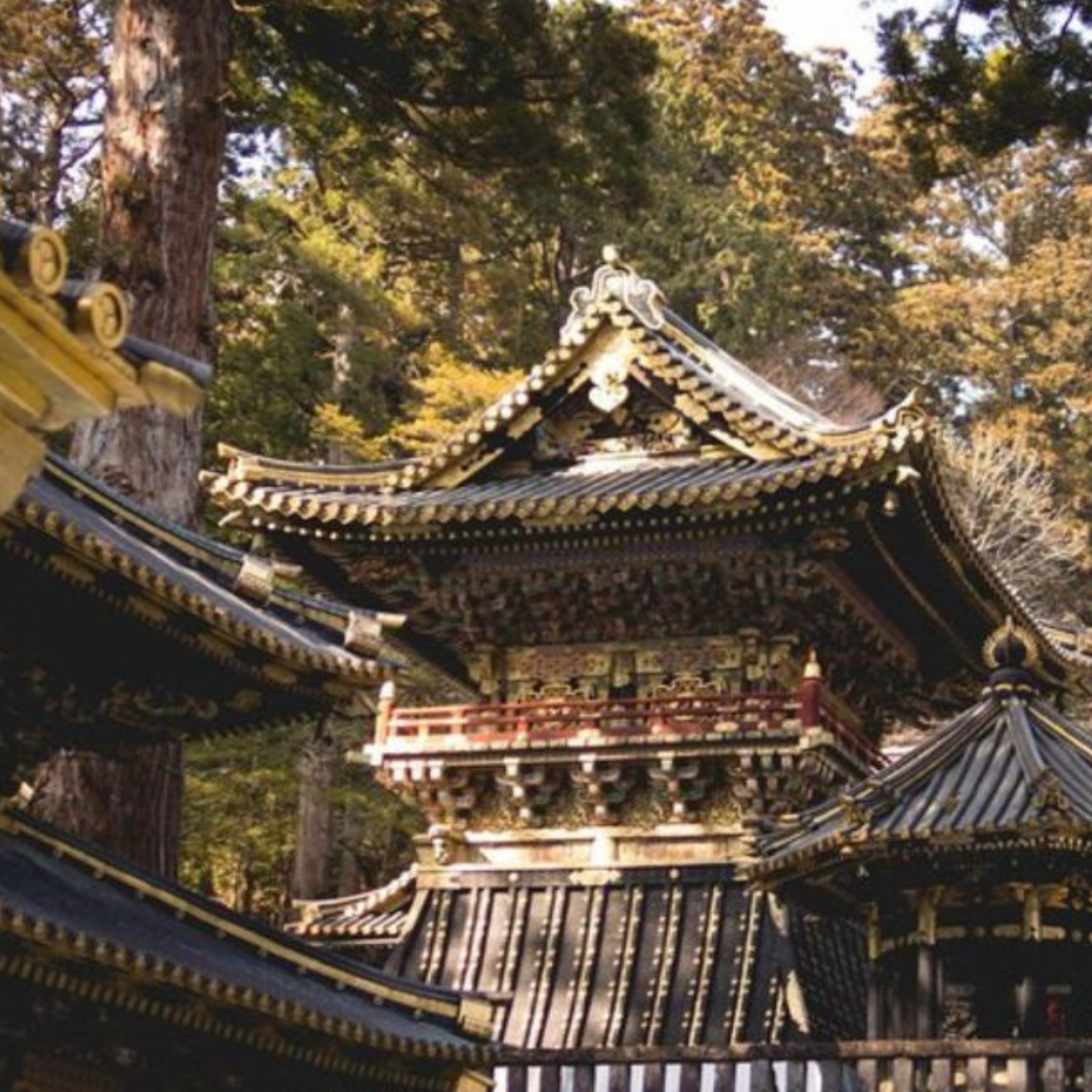
Nikko Toshogu is the main event for a reason. It’s dedicated to Tokugawa Ieyasu, and the whole place feels like a forest shrine workshop—crafted, colored, and built to last. The setting inside the greenery is part of the experience too, because it slows your eyes down and makes the details stand out.
Start with the structure and the symbolism. The shrine complex includes major features like the Yomeimon Gate, which is known for intricate craftsmanship. It’s the kind of gate where you understand why people spend time studying it instead of just snapping a photo and moving on.
Then look for the smaller, memorable touches. You’ll hear about the sleeping cat sculpture, and once you find it, it’s hard to miss. That’s what makes Toshogu so satisfying: it’s not only about scale. It’s about the way carvings and symbols reward careful looking.
What you should watch for
- The contrast between polished surfaces and forest shade
- The ornate sections you can only really appreciate when you stop briefly
- The layout feel: it’s a shrine visit that still allows quiet moments, not just photo lines





Drawback to accept upfront
Toshogu can feel busy depending on the season. A private driver doesn’t magically remove crowds, but it helps you time your arrival and keep the day flowing without added transit stress. If you’re sensitive to crowds, I’d treat the shrine time as the one moment to slow down and do it properly.
Shinkyo Bridge and the Jizo Path: Quiet Moments That Save the Day
After Toshogu, the day shifts into a more open-air rhythm.
Shinkyo Bridge
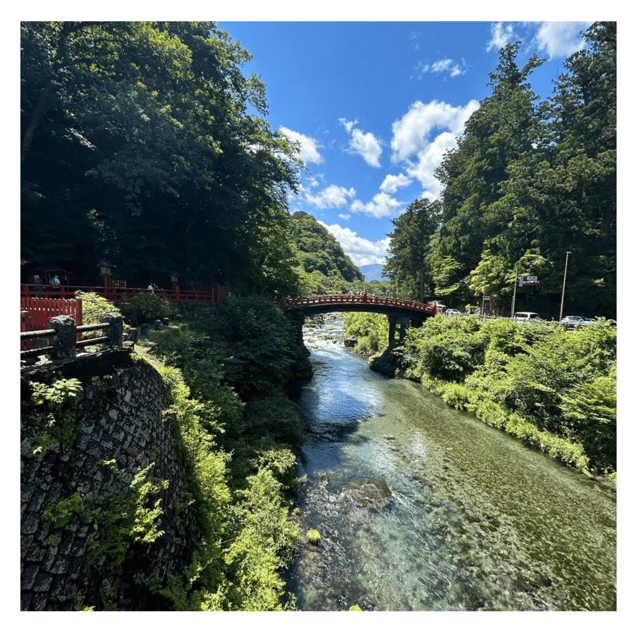
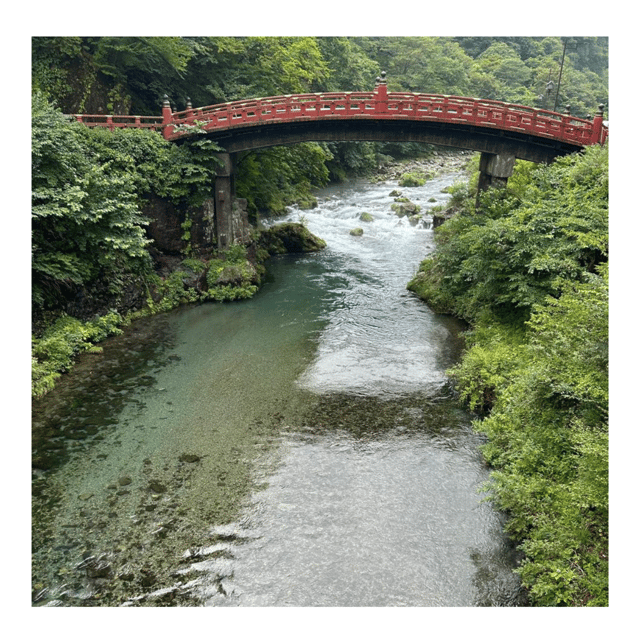
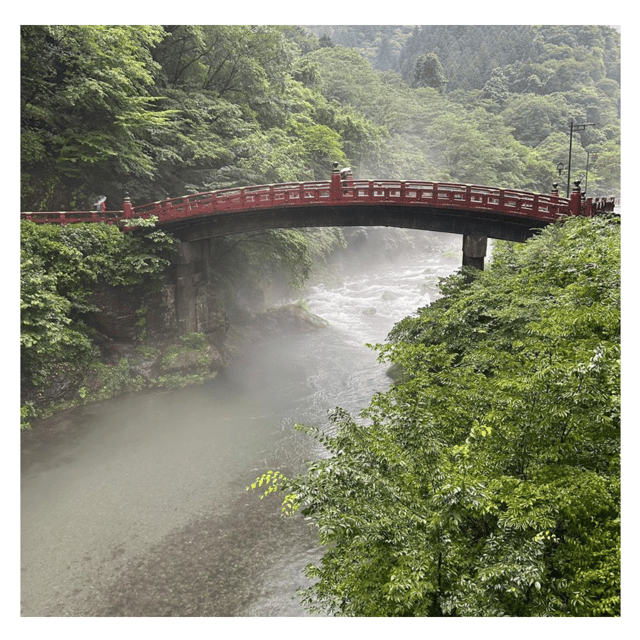
Shinkyo Bridge is a classic wooden bridge across the Daiya River. It’s one of the most beautiful bridge images from Nikko, especially when you get the right light and surrounding green (or autumn color). Historically, it’s known as a gateway to the Nikko shrines, so you’re not just viewing a photo spot—you’re standing in a place that served as a spiritual entrance.
The big tip here is to plan your own photo timing. The bridge is short, but the angles are different along the river approach. If your driver offers advice, take it—some guides in past trips have helped people reach viewpoints with fewer crowds.
Kanmangafuchi Abyss (Narabi Jizo)
Then comes the Kanmangafuchi Abyss walk, famous for its lined Jizo statues—over 70 of them. This isn’t a “hold your phone up and keep moving” stop. It’s a gentle path where you can slow down, notice the statues, and hear the river area sounds around you.
The mood changes here. The statues are for spirits of children and travelers, so the walk has a reflective tone even if you’re just passing through.
Practical caution
There’s walking and uneven ground depending on season. If you have mobility limits, tell your driver in advance so they can guide the pace and stops. The tour is listed as wheelchair accessible with chairs and child seats available upon request, but your comfort on paths matters.
Ropeway Views, Lake Chūzenji, and Kegon Falls: The Mountain Payoff
This part of the day is where Nikko stops being “a cultural route” and becomes “a landscape you remember.” It’s also the section where you’ll likely feel the day’s length most, so it helps that the transportation is comfortable and the stops are organized.
Akechidaira Ropeway
The Akechidaira Ropeway ride takes you up toward an observation deck. From there you get panoramic views of Mount Nantai, Lake Chūzenji, and Kegon Falls area.
Why this matters: if you only visit Lake Chūzenji and then walk to the falls, you’ll still see beauty, but the ropeway gives you scale. It helps you understand the geography—how the lake and falls sit in relation to the mountain area.
Lake Chūzenji
Lake Chūzenji is a highland lake formed by volcanic activity. The waters are known for being crystal clear, and the surroundings are scenic enough that people come for boating, hiking, and even picnicking.
You also get a seasonal angle. In autumn, the foliage around the lake turns into strong color, and that’s a major reason people plan Nikko around leaf season.
If you want your photos to look more than “another lake,” treat Lake Chūzenji as your pause. Take a slow look, grab a photo from your best angle, and give your brain a breather before the waterfall.
Kegon Falls
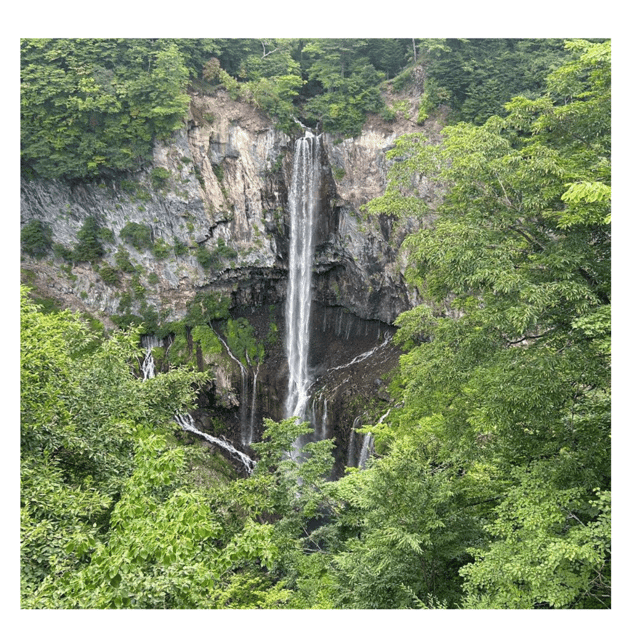
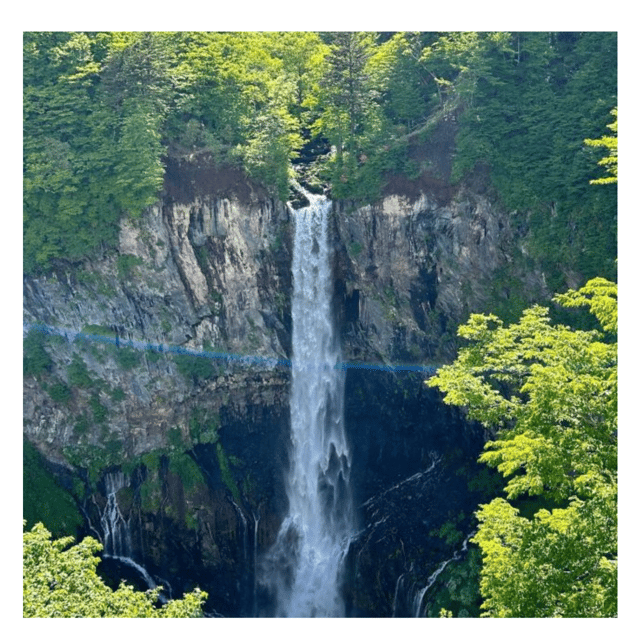
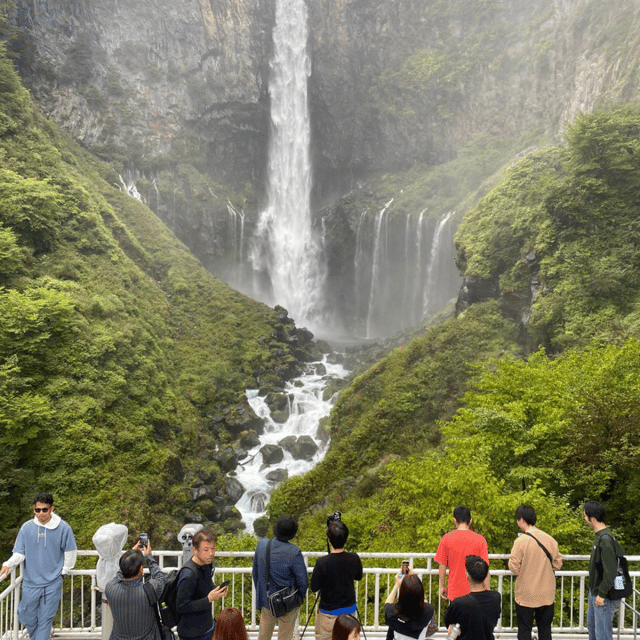
Kegon Falls drops 97 meters into a rocky gorge, and it’s one of Japan’s most famous waterfalls. It’s reachable via a short walk from the Lake Chūzenji area, and there’s an observation platform that gives you a strong viewpoint.
Year-round, it’s impressive; in winter, it can freeze, turning into an icy formation. If you’re traveling in cold months, plan for different visuals and potentially slick conditions around viewpoints.
The one drawback: time and weather sensitivity
Mountain weather shifts fast. Fog, rain, and strong winds can change visibility and walking comfort. The tour can be rescheduled due to inclement weather, so keep your expectations flexible.
Edo Wonderland: Fun History, Not Just Another Ticket Stop
The last stretch is Edo Wonderland in Nikko. This is a theme park designed to recreate the atmosphere of the Edo period (1868). The focus is on buildings, lifestyle, and immersive period-era experiences.
You’ll get about 45 minutes of guided time plus a safety briefing. You also get to participate in cultural-style activities like traditional craft workshops and performances.
This is the part of the day that I think works well when you travel with mixed interests. If one person wants temples and waterfalls while another wants something hands-on and fun, Edo Wonderland provides a bridge. It’s also a good use of time after the long nature/walking portion because you’re shifting from “outside sightseeing” to “experience mode.”
How to make it worth it
Don’t rush through the first few areas. Spend your time on the activities the guide highlights during the guided portion, then use the rest of your time to wander at your own pace.
Price and Value: When Private Beats Public
The price is listed as $361 per group up to 6 people. If you fill the vehicle, that’s roughly $60 per person. For Nikko, where you’d otherwise burn time and money on multi-leg transit and separate transfers, the private structure can make sense fast.
Here’s what you’re getting for that price based on what’s included:
- Hotel pickup and drop-off
- Luxury transportation with air conditioning and Wi-Fi hotspot
- Highway tax and other travel costs like highway tolls
- Coffee/tea
- Guided tours at cultural stops
- Photo opportunities built into the scenic rhythm
- Access to nature trails and scenic viewpoints
- Cultural activities as part of Edo Wonderland
What’s not included:
- Meals
- Attraction fees
So how do you judge value? You’re paying mainly for time and stress reduction. You’re also paying for comfort over a long day in a car, plus a driver who can handle route planning and timing.
The “driver quality” factor is real
Even within a single trip format, driver style changes the whole day. Reviews specifically mention drivers like Baba and Cheema for being knowledgeable, courteous, and helpful with photo moments. One review also mentions Malik Ali bringing someone to a spot with fewer crowds. That kind of practical guidance can turn the day from okay into great without costing you extra.
Timing, Comfort, and the Real World of Mountain Roads
Your tour duration is listed as about 10 hours including commuting time. That’s normal for Tokyo-to-Nikko type travel, but it still matters. You’ll be on the move for most of the day, and that’s why the private setup is valuable: you reduce the “dead time” between transfers.
Pickup works like this: wait in your hotel lobby for 10 minutes before the scheduled pickup time. The driver won’t wait more than 60 minutes after the scheduled time. So be ready.
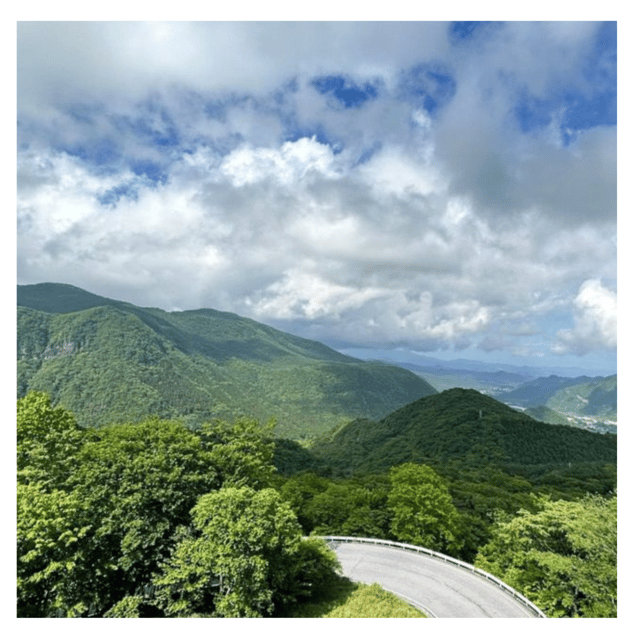
Also, transportation is in a luxury vehicle, but the roads can still be curvy. If you get motion sick easily, it’s worth thinking ahead and asking your driver for practical guidance on comfort. One review mentioned a wife who usually struggles on curvy roads and felt fine this time, which suggests driver skill and careful driving can help.
Who should be cautious
The tour is not suitable for people with back problems, and babies under 1 year aren’t recommended. If you’re bringing a child seat or you need wheelchair support, those are available upon request—tell the provider ahead of time.
Who This Day Trip Fits Best
This is a great fit if you want:
- A private day with hotel pickup so you don’t manage logistics
- A balance of major sights (Toshogu, Shinkyo Bridge) and major scenery (Lake Chūzenji, Kegon Falls)
- Enough guided time to understand what you’re seeing, not just where to stand for a photo
- A flexible pace where you can enjoy the stops instead of rushing through them
It’s less ideal if you:
- Need a very low-walking itinerary
- Have back issues (explicitly noted as not suitable)
- Want a short, simple sightseeing loop with minimal time on the road
If you’re traveling with a group of up to 6, the pricing becomes especially friendly compared with doing everything separately.
Should You Book This Nikko Tour?
Book it if you want Nikko’s biggest hits in one day without the transfer headache, and you care about comfort and timing as much as sightseeing. The mix of Toshogu Shrine, Shinkyo Bridge, the Jizo path, Ropeway-to-lake-to-falls, and Edo Wonderland gives you both culture and nature in a way that feels coherent.
Skip or reconsider if you’re dealing with mobility or back concerns, or if you’re the type who hates long car days. Also plan for seasonal changes because weather can affect views and timing.
My simple rule: if you’d rather spend energy soaking in the details instead of managing transport, this private Nikko day trip is a strong choice.
FAQ
How long is the Nikko day trip?
It lasts approximately 10 hours, including commuting time.
Is this a private tour?
Yes. It’s a private experience, with only your group participating (up to 6 people).
What hotel pickup areas are available?
Pickup is available from accommodations within Tokyo’s 23 wards. Pickup is not available from airports or ports.
Do I need to pay attraction fees during the day?
Attraction fees are not included. Meals are also not included.
Is Wi-Fi available on the ride?
Yes. The tour includes a Wi-Fi hotspot.
Is coffee or tea included?
Yes, coffee and tea are included.
Which main sights are covered?
You’ll visit Nikko National Park, Lake Chūzenji, Nikko Futarasan jinja, Nikko Toshogu, Kanmangafuchi Abyss (Narabi Jizo), Kegon Falls, Shinkyo Bridge, and Edo Wonderland.
Is the tour wheelchair accessible?
Yes. Wheelchairs are listed as available upon request, and the tour is described as wheelchair accessible.
What should I bring?
Bring comfortable shoes and a camera (and a daypack).
What’s not allowed during the tour?
Alcohol and drugs aren’t allowed, and the tour also prohibits fireworks and making fire.
More Tour Reviews in Tokyo



Fresh reviews from around Tokyo






Tokyo, compared.
 ★ 5.0Mt Fuji and Hakone 1-Day Bus Tour Return by Bullet TrainFrom $16326,383 reviews
 ★ 5.01-Day Tokyo Bus TourFrom $12914,250 reviews
 ★ 4.6teamLab Planets TOKYO Digital Art Museum Entry TicketFrom $259,779 reviews
 ★ 4.0Mt Fuji & Hakone Cruise, Drum Show Bullet Train 1 Day from TokyoFrom $1497,413 reviews
 ★ 5.0Shinjuku Food Tour (13 Dishes at 4 Local Eateries)From $866,603 reviews
 ★ 4.4Tokyo Mt Fuji 5th St & Hakone Cruise Bus Tour w/Bullet TrainFrom $1545,024 reviews
 ★ 5.0Flagship 2-Hours Official Street Go-Kart Tour – Tokyo Bay ShopFrom $644,974 reviews
 ★ 4.5From Tokyo: Mount Fuji Full-Day Sightseeing TripFrom $684,970 reviews