
Reviewed · TOKYO
Tokyo: Mt Fuji Lake Kawaguchi & Yamanaka Hot Spring Day Tour
Fuji in one smooth day. I love how this small-group tour handles Tokyo pickup and keeps the day moving with focused stops. I also love the hot spring at Lake Yamanaka, where you can soak while Mt. Fuji fills the view. The only real drawback is that this is a mostly self-guided route, so you should plan to explore each spot on your own rather than expect long explanations.
Seasonal timing is a big part of the fun. Oishi Park can shift from lavender summer vibes to autumn color with kochia, and around late October the route swaps to the Kawaguchiko Maple Corridor when the fall show is at its best. You’ll also hit a mix of famous and slightly quirky photo stops, like the Lawson near Kawaguchiko Station and the Hikawa Clock Shop area.
In This Review
- Key things I’d circle before you go
- Getting from Tokyo to Mt. Fuji without fighting trains
- Oishi Park and the Maple Corridor swap for Fuji-color seasons
- Kawaguchiko Station Lawson break and the Hikawa Clock Shop streets
- Oshino Hakkai: spring-water ponds and a calm lunch break
- Lake Yamanaka photos and soaking at Benifuji no Yu
- Price, value, and what $68 really covers
- Guides who keep it friendly, even when explanations are brief
- Who should book this Mt. Fuji day tour (and who shouldn’t)
- Tips to make the day smoother and your photos better
- Should you book this Tokyo to Mt. Fuji & Yamanaka hot spring day tour?
- FAQ
- How long is the Tokyo to Mt Fuji Lake Kawaguchi & Yamanaka day tour?
- How big is the group?
- What languages does the driver-guide speak?
- Where do I meet the guide in Tokyo?
- Is hotel pickup available?
- Is the hot spring included in the price?
- Are meals and attraction tickets included?
- What changes in late October to late November?
- Can I bring swimwear or have tattoos at the hot spring?
Key things I’d circle before you go
- Small-group size (up to 9 people) with a driver-guide who keeps things friendly and practical
- Seasonal color at Oishi Park or the Maple Corridor, depending on the dates
- Easy, photo-first stops around Kawaguchiko Station, including the famous Lawson storefront
- Oshino Hakkai spring-water village time, with enough room for wandering and a bite
- Benifuji no Yu hot spring with Mt. Fuji views, but admission is not included
- A schedule built for returning to Tokyo around 6:30 PM, not an all-day grind
Before you commit, see how this one stacks up against a few Tokyo favourites:
- Mt Fuji and Hakone 1-Day Bus Tour Return by Bullet Train★ 5.0 · 26,383 reviews
- 1-Day Tokyo Bus Tour★ 5.0 · 14,250 reviews
- Tokyo: teamLab Planets TOKYO Digital Art Museum Entry Ticket★ 4.6 · 9,779 reviews
Getting from Tokyo to Mt. Fuji without fighting trains
This is a day tour built for people who want Mt. Fuji scenery without the stress of trains, transfers, and last-minute ticket hunting. You start from JR Tokyo Station, specifically the Marunouchi North Exit. If you select hotel pickup, you’ll be collected from 12 select districts, which can save a lot of time and walking before a long sightseeing day.
The group travels in a 10/14-seater vehicle (Toyota Hiace or similar). That matters because you’re not dealing with a huge bus crowd, and it usually feels calmer when you’re stepping out for quick photo stops. The tradeoff is simple: you’re on a set schedule, and the bus departs on time with no exceptions, so being early matters.
Communication is also part of the experience. Your guide will send a photo of the meeting spot via WhatsApp, and they’ll contact you the night before using WhatsApp or LINE. Downloading both apps (and checking your messages) is worth it, because the tour expects you to find the group smoothly.
One more reality check: the guide can speak Chinese, English, and Japanese, but it’s not a heavy lecture tour. Expect mostly a handoff—clear instructions, then self-guided time at stops. That’s fine for photo breaks and scenic walks, but it’s not the best fit if you want deep storytelling at every location.
Oishi Park and the Maple Corridor swap for Fuji-color seasons
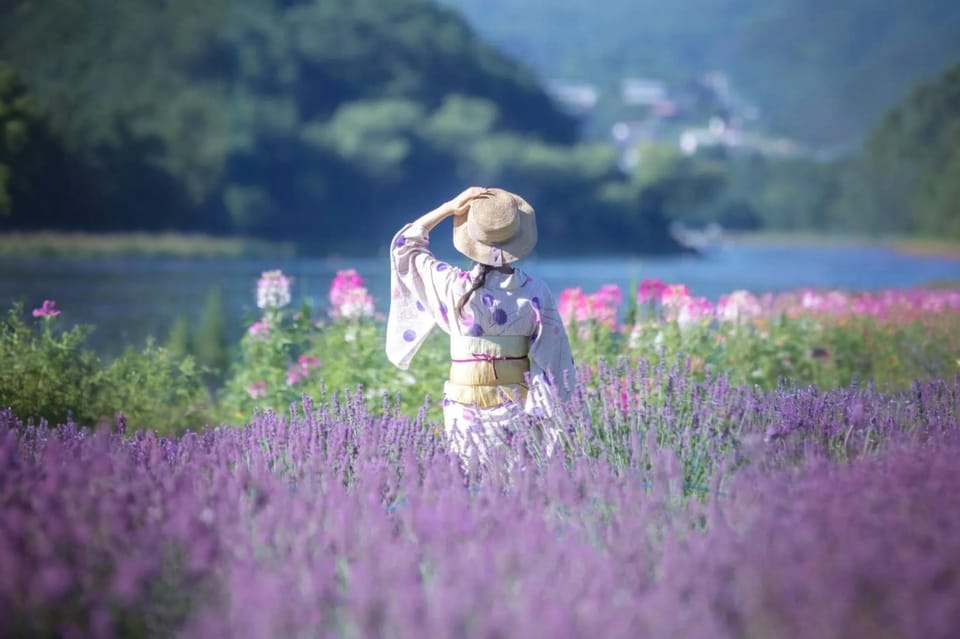
This is where the tour leans into seasonal drama. In the summer, Oishi Park can be covered in lavender, giving you a strong purple backdrop against Mt. Fuji. In autumn, the same area can shift to kochia shrubs that turn bright red, creating a Fuji framed-by-color look that photographers chase year after year.
If you’re traveling during the peak autumn window—approximately October 30 to November 25—the route swaps. Instead of Oishi Park, you visit the Kawaguchiko Maple Corridor. The point here is timing: this corridor is the tour’s choice for that moment when the fall show is at its best, especially for shots that include snow-capped Mt. Fuji and red leaves.
You get about 50 minutes of time here, which is enough to do two useful things. First, you can reposition for better angles as clouds and light shift. Second, you can slow down for a calm walk instead of sprinting through. If the weather is clear, you’ll feel like you’re seeing two things at once: Mt. Fuji’s shape and the color layers that make it look fresh.
The possible downside is also practical: 50 minutes goes fast when you’re taking photos and waiting for others to finish. If you’re traveling with a specific shot in mind, arrive ready with comfortable shoes and a simple plan for where you want your photos. This is one stop where the tour’s quick pace pays off, but you still need your own energy.
Kawaguchiko Station Lawson break and the Hikawa Clock Shop streets
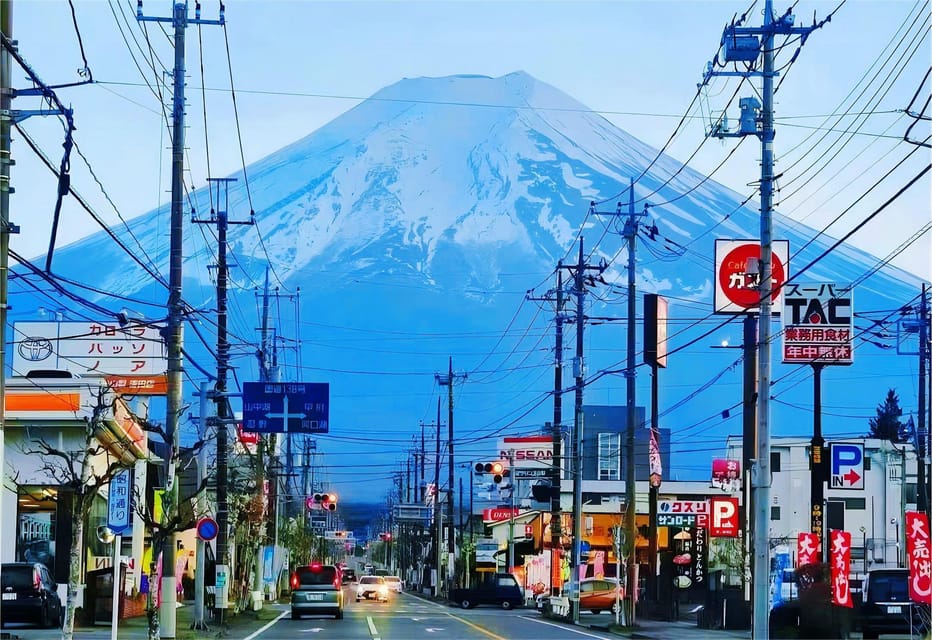
After Oishi Park, you head toward Kawaguchiko Station for a short break and some very targeted photo time. The highlight here is the Lawson storefront near the station. It’s not a random convenience stop. It’s a known backdrop for classic street photos with Mt. Fuji in the distance, and you’ll have time for shopping and local snacks.
This is also a good spot to reset. The stop is about 20 minutes, so it’s quick by design. Use it for a snack, a quick drink, and a few photos—then get back on the bus without overthinking it. If you treat it like a real meal stop, you’ll likely feel rushed later.
Next comes the Hikawa Clock Shop area, often described as a Heavenly Town vibe. You’ll get another photo stop with about 20 minutes for free time. The streets here are the point: you’re looking for picturesque, Fuji-forward angles that feel more like wandering than sightseeing-from-a-platform.
This portion of the day is where the route feels “Instagram-ready,” but it’s also where you should keep expectations grounded. The time is short, and the guide may not provide much commentary. Think of it as a chance to catch specific photo settings, not a guided cultural deep dive.
Oshino Hakkai: spring-water ponds and a calm lunch break
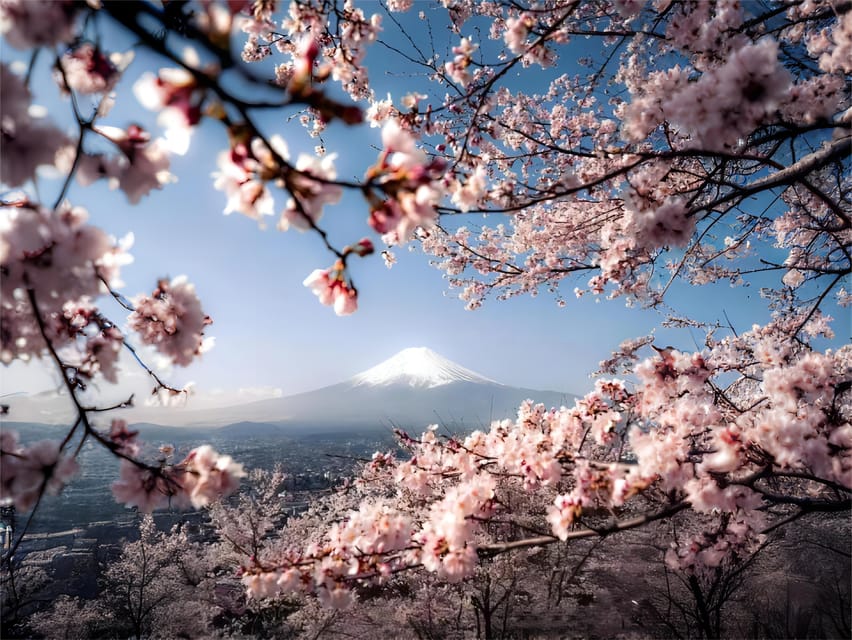
Oshino Hakkai is the tour’s slower, more traditional moment. You visit a village known as Fuji’s Hidden Pond, where you can see the area’s spring-water features and enjoy the tranquil atmosphere. The tour gives you about 80 minutes here, which is longer than most of the earlier stops, and that extra time makes a real difference.
This is also one of the better places to plan a simple break. You’ll have time for walking and shopping, and you can grab regional food if you want something quick. Meals aren’t included in the price, so this is your best chance to handle lunch without stress.
What I like about this stop is the shift in pacing. After parks and photo corners, Oshino Hakkai gives you a reason to slow down. Even if Mt. Fuji is partially hidden by cloud, the spring-water setting still feels special because it’s visual and calming on its own.
The practical tip: bring comfortable shoes. This is a walking stop with uneven ground in places, and you don’t want to spend the best portion of your day dealing with discomfort. Also, keep your camera ready, because the water areas can look different depending on light and crowd flow.





Lake Yamanaka photos and soaking at Benifuji no Yu
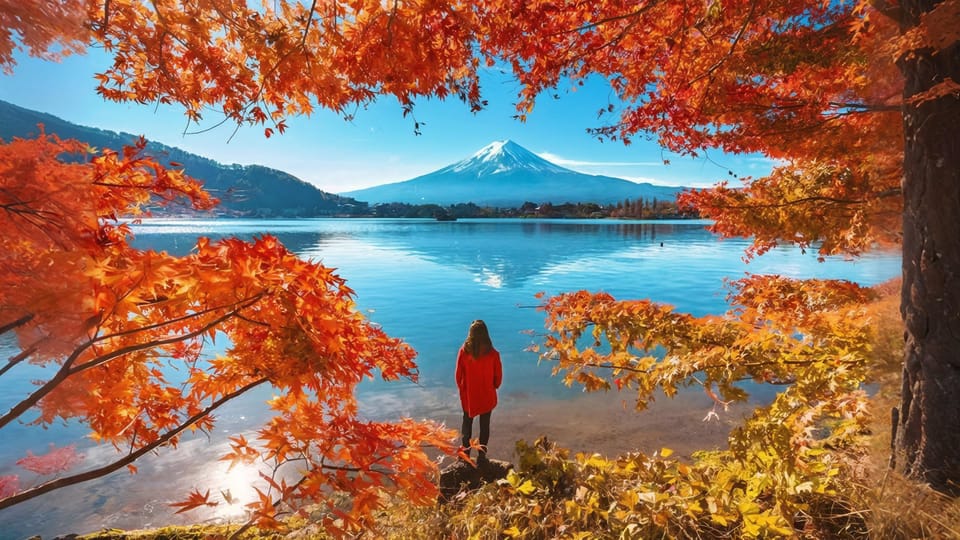
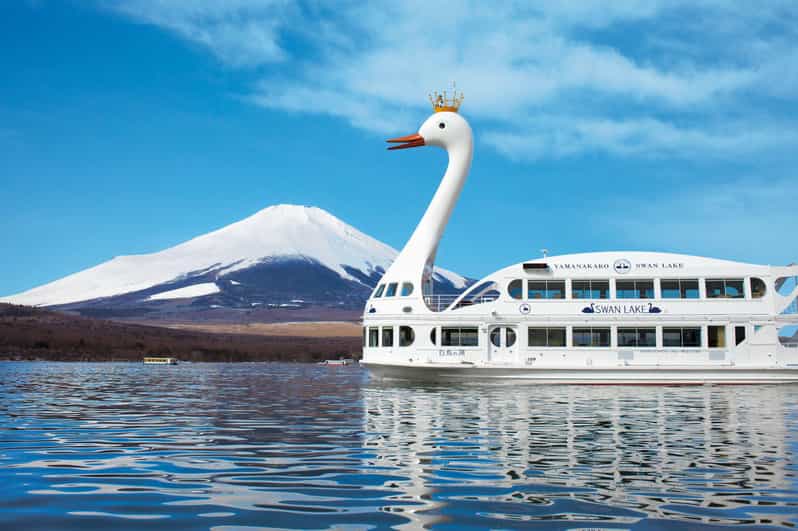
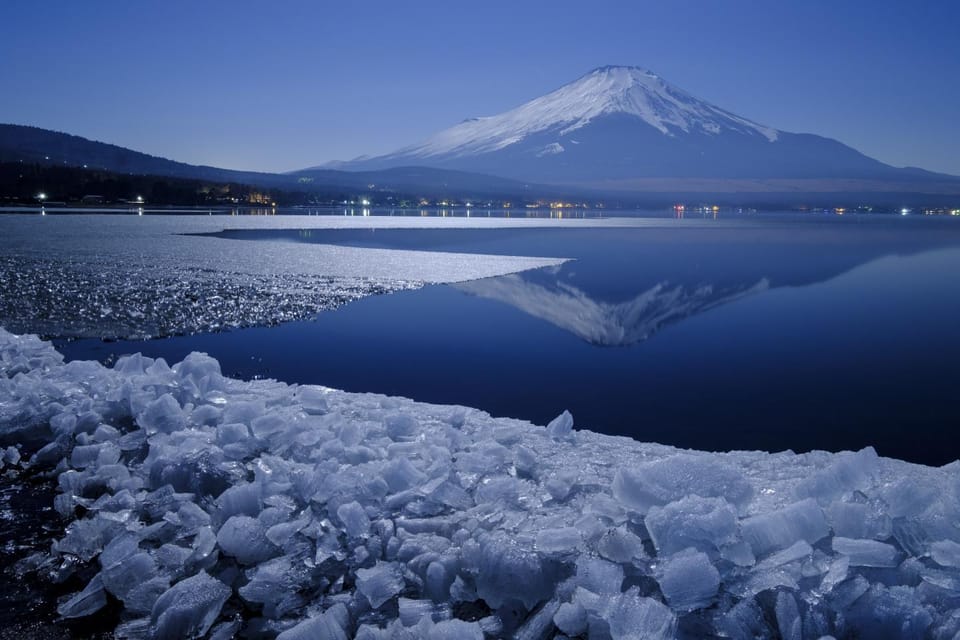
Lake Yamanaka is the big “take a breath” finish. You’ll have about 1.5 hours here, starting with a photo stop and then time to explore at your own pace. This stop is popular for a reason: people chase the way Mt. Fuji lines up with the lake. If you’re a photographer, this is the portion where you can work the composition with fewer time constraints than the earlier quick stops.
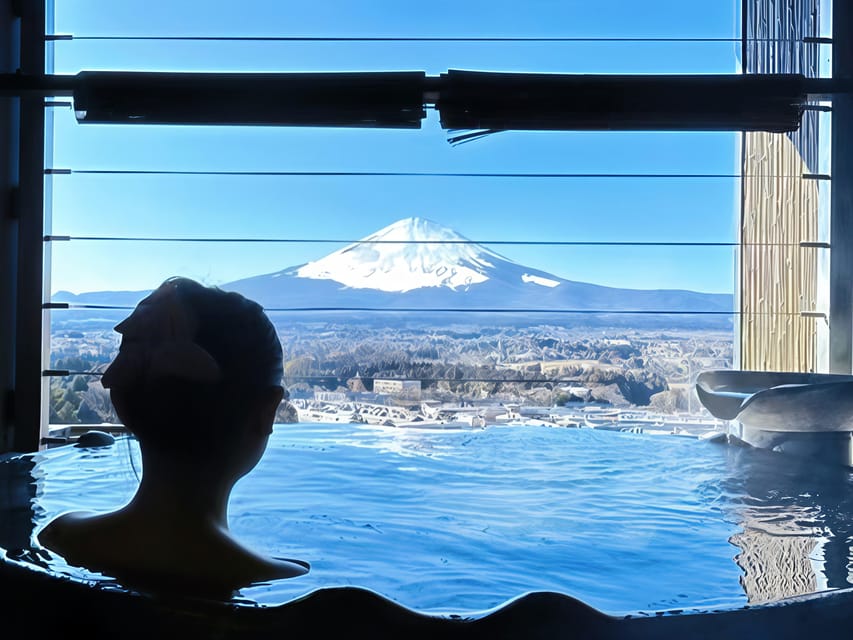
Then you go to the hot spring: Benifuji no Yu. You’ll get about 1.5 hours at the onsen, and it’s self-guided once you’re there. The big detail is that admission is not included, so the $68 price covers transport and the guide, but the hot spring ticket is an add-on you’ll need to budget for.
The onsen part is the emotional payoff of the day. Soaking while you look out toward Mt. Fuji can flip the whole experience from “busy sightseeing” into “quiet reset.” This is also where you’ll feel the benefit of starting early and staying organized: by the time you reach the hot spring, you’re ready to relax.
A few important onsen expectations based on the tour info:
- Japanese hot springs are typically enjoyed without swimwear, so don’t pack a swimsuit thinking you’ll wear it.
- Visible tattoos aren’t allowed. You may cover tattoos with bandages, or opt for a private bath for an additional fee.
- Don’t plan on a snack or meal during the soak—hot spring admission usually isn’t set up for casual eating.
If you’re sensitive to crowds, go into the hot spring time calmly. You’re going to be sharing a relaxing space, so keep your energy focused on the view and the soak, not on how fast everyone else is moving.
Price, value, and what $68 really covers
The price—$68 per person for a 10-hour day—looks budget-friendly on paper, but the real value comes from what’s included. You get roundtrip transportation in a small vehicle, plus fuel, tolls, and highway fees. You also get a driver-guide and optional hotel pickup/drop-off if your hotel is within the pickup area.
That’s the main win: you’re paying for a door-to-meeting-point day that keeps your time organized. If you were doing this on your own, you’d spend money on transport anyway and lose hours to planning and transfers. Here, the route is fixed, and the schedule is built around key Fuji-view moments.
What isn’t included matters, though. Meals aren’t included, and entry tickets to attractions are not included. That means you’ll want cash or a card ready for food at the Oshino Hakkai area and for the hot spring admission at Benifuji no Yu.
In practice, this tour offers strong value if your goal is a smooth day with Fuji viewpoints and a hot-spring reset, without paying for private guiding. It’s also a good fit if you’re traveling solo or prefer a small group rhythm.
Guides who keep it friendly, even when explanations are brief
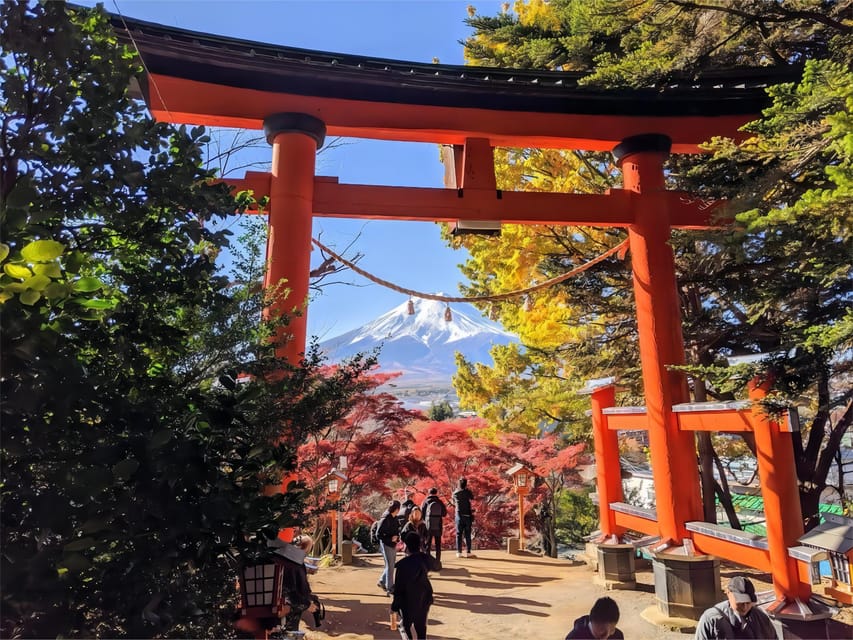
This tour is described as bilingual non-private, with a driver-guide who can speak basic English and other languages too. That usually translates into: you’ll get help when you need it, plus practical guidance, but not a long narration at each stop.
That said, the human element is coming through in the feedback. Some bookings highlight guides like Jason as friendly and helpful, and others mention Li for showing the group around and explaining things as they go. If you want more context than a quick orientation, it helps to ask direct questions when you’re on the bus.
Small-group travel also makes a difference here. With up to 9 participants, it’s easier for the guide to notice when someone missed a timing cue or needs a quick clarification. That’s especially helpful when stops are short and the day is moving.
One more thing to consider: the tour is not meant for people who need step-by-step museum-style interpretation. If you’re happy exploring with your own curiosity—walking the paths, checking views, and reading small signs—you’ll probably enjoy it. If you want a deep guided experience at every stop, you may find the pacing and self-guided format a bit light.
Who should book this Mt. Fuji day tour (and who shouldn’t)
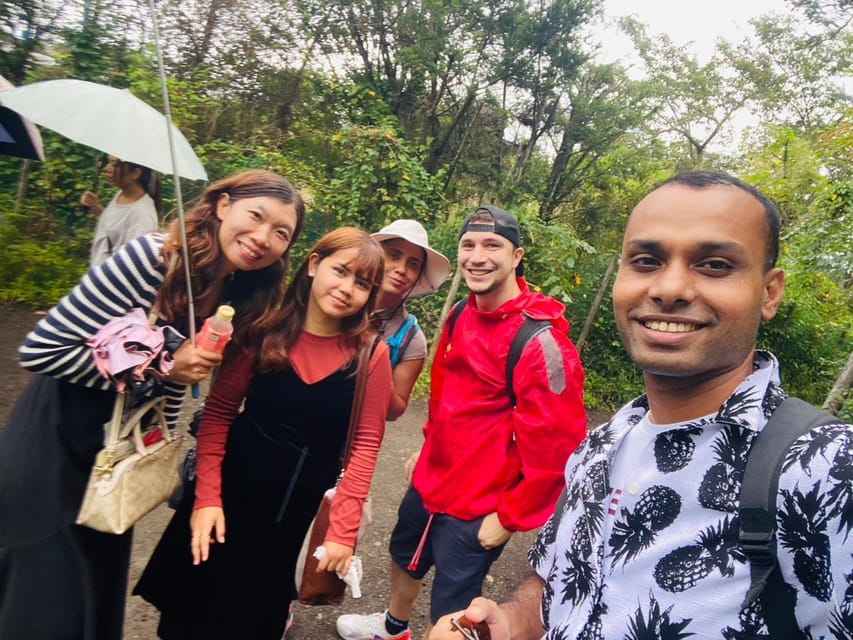
I think this tour fits best if you want three things in one day: Mt. Fuji views, seasonal color breaks, and a genuine relax moment at an onsen. It’s also good if you like photography. Several parts of the route are set up for quick repositioning and clear Fuji-frame shots, from the Oishi Park color views to the station-area photo stops and the lake time.
It’s also a solid choice for people who want to travel without burning a whole day on transit logistics. The route is designed to keep you in motion, with a return to Tokyo Station around 6:30 PM.
Who should skip it?
- People over 80 years aren’t suitable for this tour, based on the tour’s guidance.
- If you rely on detailed explanations at every stop, this is not built for that. The approach here is more self-guided than commentary-heavy.
- If you need long time at fewer sites, you may feel the stop durations are short, especially early in the day.
Tips to make the day smoother and your photos better
A day like this rewards preparation. A few practical moves help a lot:
- Wear comfortable shoes. You’ll do multiple walking sections, including Oshino Hakkai and the areas around Lake Yamanaka.
- Bring water, sunscreen, and a hat. Even in cooler seasons, you can still get strong sun during lake and park stops.
- Keep luggage light. Space is limited on the vehicle, so skip big bags if you can.
- Stay alert to timing cues. This is a schedule tour, and the bus departs on time.
- Download WhatsApp and LINE. The guide reaches you the night before, and meeting spot details come through WhatsApp.
For photography, the best strategy is simple: be ready to move. Fuji views can change fast depending on cloud cover, and color parks can look different depending on the hour. When you arrive at photo stops, take a quick look first, then commit to your main angles.
Finally, go into the hot spring with the right expectations. You’re there to soak and relax, not to hang out like a spa lounge. Bring what you need for your comfort, follow the rules about swimwear and tattoos, and focus on the view when you settle in.
Should you book this Tokyo to Mt. Fuji & Yamanaka hot spring day tour?
If your goal is a well-timed one-day Mt. Fuji experience with seasonal color, classic photo stops, and a real hot-spring payoff, this is a strong book. The small-group setup and included transport are a big part of why it works, and the return to Tokyo around 6:30 PM keeps the day from swallowing your whole trip.
I’d think twice if you want long guided explanations at every attraction, or if you prefer a slower pace with more time at fewer places. Also, factor in that hot spring admission and meals are extra, so budget a bit beyond the base price.
If that matches your style, you’re likely to leave the day tired in a good way: camera full, feet sore, and a calm onsen reset to balance out all those Fuji photo moments.
FAQ
How long is the Tokyo to Mt Fuji Lake Kawaguchi & Yamanaka day tour?
The tour duration is 10 hours.
How big is the group?
It’s a small group with a maximum of 9 participants.
What languages does the driver-guide speak?
The driver-guide can speak Chinese, English, and Japanese. The tour is bilingual, and the guide can speak basic English.
Where do I meet the guide in Tokyo?
Meet at Tokyo Station Marunouchi North Exit (1-chōme-9-1 Marunouchi, Chiyoda City, Tokyo). The guide will send the gathering location photo via WhatsApp.
Is hotel pickup available?
Hotel pickup is optional if your hotel is within 12 select districts. If your hotel is outside the pickup area, you may still join by meeting at Tokyo Station with a partially refund of 3200 JPY.
Is the hot spring included in the price?
Benifuji no Yu admission is not included. You’ll have about 1.5 hours at the hot spring, and you’ll need to pay the entry separately.
Are meals and attraction tickets included?
Meals are not included, and entry tickets to attractions are also not included.
What changes in late October to late November?
From about October 30 to November 25, the tour visits the Kawaguchiko Maple Corridor instead of Oishi Park.
Can I bring swimwear or have tattoos at the hot spring?
Japanese hot springs are typically enjoyed without swimwear. Visible tattoos are not allowed; you may cover tattoos with bandages, or opt for a private bath for an additional fee.
More Tour Reviews in Tokyo



Fresh reviews from around Tokyo






Tokyo, compared.
 ★ 5.0Mt Fuji and Hakone 1-Day Bus Tour Return by Bullet TrainFrom $16326,383 reviews
 ★ 5.01-Day Tokyo Bus TourFrom $12914,250 reviews
 ★ 4.6teamLab Planets TOKYO Digital Art Museum Entry TicketFrom $259,779 reviews
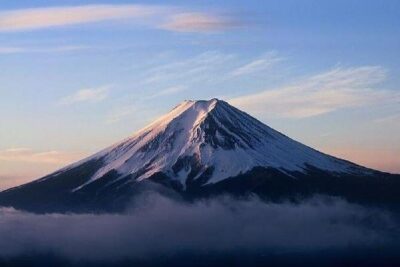 ★ 4.0Mt Fuji & Hakone Cruise, Drum Show Bullet Train 1 Day from TokyoFrom $1497,413 reviews
 ★ 5.0Shinjuku Food Tour (13 Dishes at 4 Local Eateries)From $866,603 reviews
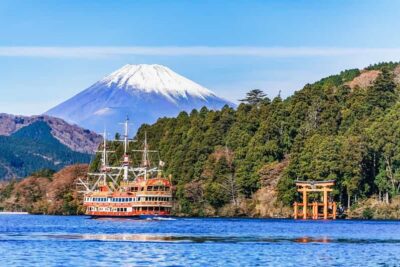 ★ 4.4Tokyo Mt Fuji 5th St & Hakone Cruise Bus Tour w/Bullet TrainFrom $1545,024 reviews
 ★ 5.0Flagship 2-Hours Official Street Go-Kart Tour – Tokyo Bay ShopFrom $644,974 reviews
 ★ 4.5From Tokyo: Mount Fuji Full-Day Sightseeing TripFrom $684,970 reviews