
Reviewed · TOKYO
Tokyo Metropolis
Tokyo’s steel and glass need a second look. This 2.5-hour photography workshop guides you through skyscraper districts with an expert local photographer, focused on composition and practical camera settings you can use right away. You’ll walk with a small group (up to six) for real-time advice, plus you’ll hunt for lesser-known angles that make modern Tokyo feel personal.
One thing to weigh: this tour needs good weather, and you’ll be walking about 1.3 miles (2 km) on foot through dense areas. If you’re hoping for a fully indoor, slow-paced experience, this one may feel a bit fast.
In This Review
- Key things I’d mark as highlights
- Starting at Shimbashi: Setting Your Camera Eye Before You Walk
- Shiodome Siosite in Morning Light: Steel, Glass, and Framing Practice
- Ginza Back Alleys and Street Scenes: Patterns with People in Motion
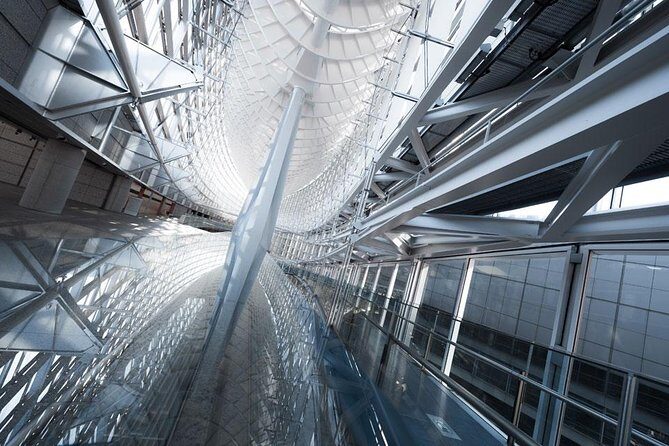
- Tokyo International Forum Interiors: Turning Architecture Into a Dramatic Story
- The Teaching Part: Composition, Timing, and Settings That Stick
- Cost and Value: $158.52 for Up to 2, Plus a Real Guide
- Who This Tokyo Metropolis Photo Walk Fits Best
- Should You Book This Tokyo Photography Workshop?
- FAQ
- How long is the Tokyo Metropolis photography workshop?
- Where does the tour start?
- What time does the tour begin?
- How far do you walk during the tour?
- What areas do you photograph?
- Is admission included for the stops?
- What’s included in the price?
- What’s not included?
- Do I need a printed ticket?
- What happens if weather is bad?
- What’s the cancellation policy?
Key things I’d mark as highlights
- Small group size (max six): you get more attention than big-van tours.
- Shiodome morning light: steel-and-glass towers are the star, and timing matters.
- Ginza back alleys and pockets: you practice photographing architecture and people without crowding.
- Tokyo International Forum interiors: you get built-in “photo challenges” for dramatic results.
- Instructor-led feedback: you learn framing, timing, and settings, not just where to stand.
- Mobile ticket + free admission at stops: less fuss while you’re out shooting.
Before you commit, see how this one stacks up against a few Tokyo favourites:
- Mt Fuji and Hakone 1-Day Bus Tour Return by Bullet Train★ 5.0 · 26,383 reviews
- 1-Day Tokyo Bus Tour★ 5.0 · 14,250 reviews
- Tokyo: teamLab Planets TOKYO Digital Art Museum Entry Ticket★ 4.6 · 9,779 reviews
Starting at Shimbashi: Setting Your Camera Eye Before You Walk
This tour begins at 10:00 am at SL Square, Shinbashi Station West Entrance Square. You meet your guide at the steam locomotive at Shinbashi, which is a handy landmark in a station area that can otherwise feel like a maze. From the first minutes, the focus is not sightseeing. It’s seeing—how to frame, when to shoot, and how to tell a story with what’s around you.
You’ll then head toward the Shiodome business district for your first photo work. Expect a guide who gives clear coaching on composition skills, including how to frame a scene (what to include, what to leave out, and how the background behaves). In the small-group setup, questions don’t get brushed aside. Guides on this style of tour—names you might run into include Lukasz and Stephane—are repeatedly described as patient, practical, and willing to adjust their teaching to your level.
The pace is walk-and-shoot. That’s great if you enjoy moving through neighborhoods, but it also means you’ll want comfortable shoes and a camera strap that won’t annoy you halfway through.
Shiodome Siosite in Morning Light: Steel, Glass, and Framing Practice
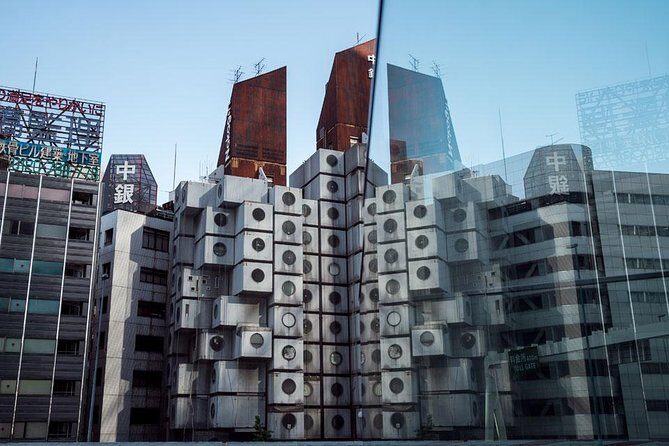
Your first main stop is Shiodome Siosite, where you’ll spend about one hour photographing the skyscraper district. The timing is intentional: you’re there for morning light, when glass towers often look crisp and graphic instead of flat. This is the part of the tour that’s best for learning how buildings “read” through a camera—lines, reflections, and clean edges that look simple until you try to frame them.
Here’s what makes this stop more valuable than a generic skyline walk: you’ll work on composition, not just capture pretty photos. Your guide will help you think about framing and how to build a photo story using the environment and people nearby. That matters because Tokyo isn’t empty. There are commuters, workers, and everyday scenes everywhere—so your challenge is combining architecture with human scale.
Admission at this stop is free, so you’re not stacking ticket costs on top of your time. The drawback is mostly logistical: this area is busy, and your best shots may require stepping into the “in-between” spots where the guide can show you an angle without turning the sidewalk into a photo studio.
Ginza Back Alleys and Street Scenes: Patterns with People in Motion
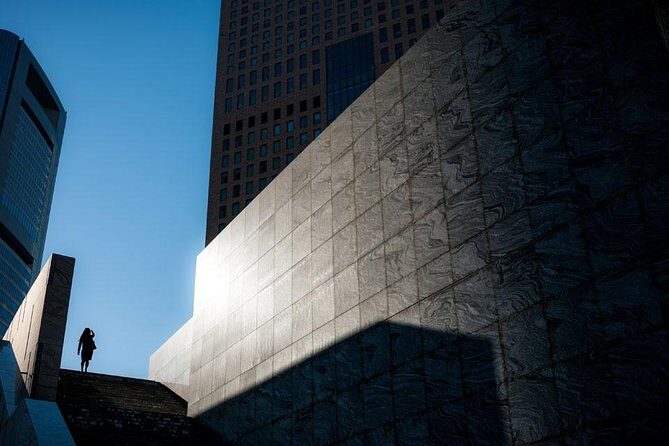
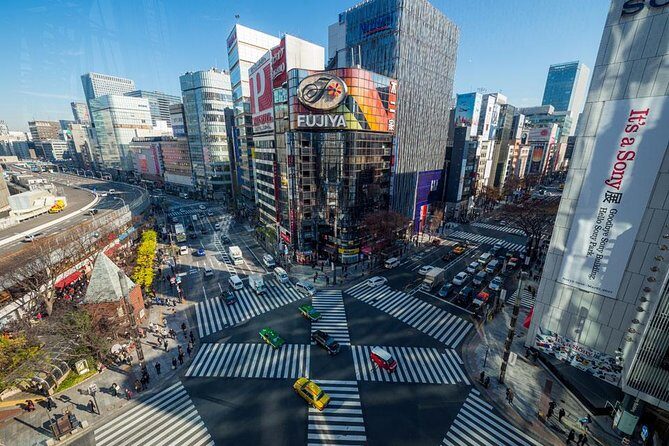
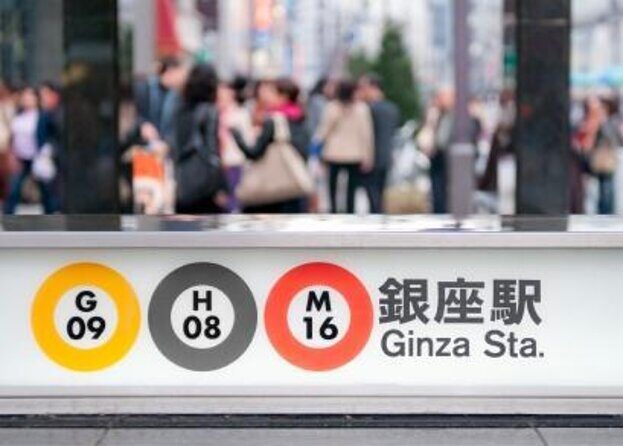
Next you head to Ginza for about 45 minutes, and this is where the tour shifts from pure architecture to street photography with structure. Ginza can be famous and crowded, but you won’t just photograph the shiny front doors. You’ll walk into smaller areas—tiny back alleys and calmer pockets—where the scenery feels more layered and less staged.
This is a smart stop for two reasons. First, Ginza is full of visual patterns—lines, edges, reflections, and repeating shapes. Second, the tour introduces you to how to photograph daily life without getting in the way. You may see cooks, wait staff, and salarymen moving through their routines, which gives you natural “story material” for your frames.
One practical benefit: the guide’s coaching doesn’t stop when the subject changes. Expect continued advice on timing and camera settings, so you can capture motion or mood rather than just static architecture. Guides described as especially helpful here (again, names like Exel and Lukasz show up) focus on angles and the right moment, and they often suggest small adjustments you can repeat later in your own Tokyo wandering.
If you’re the type who likes to shoot quickly, this stop can feel like a lot at first. But the upside is that you’ll practice moving your feet and your viewpoint in a controlled way.
Tokyo International Forum Interiors: Turning Architecture Into a Dramatic Story
The final major stop is Tokyo International Forum in the Yurakucho area, also about 45 minutes. Here the tour gets more “photo assignment”-style. Instead of chasing the skyline, you’re photographing the interior of a major architectural complex, where space, geometry, and lighting create built-in challenges.
Why this works: interiors often punish people who only know exterior photography. Indoors, contrast changes, reflections behave differently, and lines can either lead the eye or fight it. Your guide will lead you through photo challenges that push you to experiment—trying different compositions until something clicks.
Admission is free at this stop too, so your time stays focused on shooting, not logistics. And because Yurakucho is a major transit hub, it’s also easy to continue your day after the tour ends. The tour finishes at Anthony Caro’s Barcelona Ballad in Marunouchi area, which is a clear end point you can find without stress.
If there’s a downside, it’s that indoor lighting and crowds (depending on the day) can limit how fast you can shoot. This is also where you’ll appreciate a guide’s pacing—especially if you’re still learning how to adjust exposure or focus quickly.





The Teaching Part: Composition, Timing, and Settings That Stick
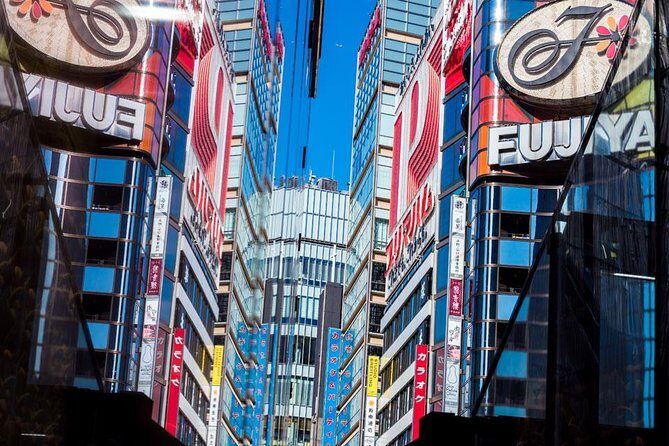
This tour isn’t just a walking route. It’s a hands-on photography workshop with real instruction from a professional instructor. Across multiple guides mentioned by name—Lukasz, Stephane, and others—the common thread is practical coaching: they explain how to frame shots, how to handle timing, and how to use different camera functions to improve what you capture.
You’ll also notice something important in the teaching approach: it’s not only about technical correctness. It’s about story and mood. Guides help you think about what’s in the environment and how people add scale and meaning. That’s why the tour combines skyscraper districts with street-life pockets and then ends on an interior space with dramatic geometry. You’re practicing a full set of skills, not just one.
For beginners, the value is getting a structured path through a visually overwhelming city. Tokyo has too much to notice if you’re flying solo. For more advanced shooters, the value is the push to see architecture differently—finding lines, patterns, and reflections you might otherwise miss.
One more real advantage: small-group dynamics. With a group capped at six, you can get personal feedback without waiting your turn for questions. That’s the difference between collecting random tips and actually adjusting your next shot.
Cost and Value: $158.52 for Up to 2, Plus a Real Guide
The price is $158.52 per group (up to 2). That’s not “cheap,” but it can be good value because you’re paying for a pro instructor, a guided walk through high-demand districts, and personalized help in a group capped at six. If you’re traveling as a couple or with a friend who also wants coaching, splitting the cost makes this feel more reasonable.
Also worth noting: there’s free admission at each of the three stops you’ll photograph. And the tour doesn’t rely on a bus—bus fare isn’t included. Instead, it’s walk-focused, with an average walking distance of about 1.3 miles (2 km). For me, that’s the sweet spot: enough movement to get variety, not so much that you’re exhausted before you learn anything.
What you should budget in practice: time and attention. You’re going to be busy looking and shooting, so choose this day when you’re not planning a marathon of other timed activities right afterward.
Who This Tokyo Metropolis Photo Walk Fits Best
This tour fits best if you want to improve your photography in a very Tokyo way: architecture plus people plus strong angles. It’s listed as suitable for most travelers, and the workshop format explicitly welcomes both novices and more advanced photographers. That “both ends of the skill spectrum” claim is often marketing fluff—here it makes sense because you’re practicing core skills like framing and timing, while also getting guidance on technical functions.
You should also consider it if you like city photography but hate wandering with no plan. A guided route through Shiodome, Ginza, and Yurakucho saves you from the trial-and-error that usually eats half a day. And if you prefer not to be one more person blocking sidewalks, the small group nature and guide experience help keep the flow sane.
If you’re someone who hates walking or needs very slow pacing, the 2 km average distance might feel like more than you want. And if weather is a big concern in your schedule, remember it requires good weather.
Should You Book This Tokyo Photography Workshop?
I’d book it if you want a short, high-impact photo session with an instructor who actually teaches. The combination of Shiodome morning light, Ginza back alleys with street-life context, and Tokyo International Forum interiors gives you a wide range of subjects in just 2.5 hours. Add the small group size (up to six) and the repeated pattern of guides giving constructive, practical feedback, and this feels like one of those rare Tokyo activities that pays back immediately in your photos.
I’d skip it if your trip is tight on weather, you dislike walking through busy areas, or you’re only interested in passive sightseeing. This is an active photo lesson. If that sounds fun, you’ll likely have a very productive morning.
FAQ
How long is the Tokyo Metropolis photography workshop?
It runs for about 2 hours 30 minutes.
Where does the tour start?
You meet at SL Square (Shimbashi Station West Entrance Square), at the steam locomotive area.
What time does the tour begin?
The start time listed is 10:00 am.
How far do you walk during the tour?
The average walking distance is about 1.3 miles (2 km).
What areas do you photograph?
You’ll photograph Shiodome (Shiodome Siosite), Ginza, and the Tokyo International Forum area in Yurakucho.
Is admission included for the stops?
Yes. Admission tickets are listed as free for each stop.
What’s included in the price?
A professional photography instructor is included.
What’s not included?
Bus fare is not included.
Do I need a printed ticket?
No, the tour uses a mobile ticket.
What happens if weather is bad?
This experience requires good weather. If it’s canceled due to poor weather, you’ll be offered a different date or a full refund.
What’s the cancellation policy?
The experience is non-refundable and cannot be changed for any reason.
More Tour Reviews in Tokyo



Fresh reviews from around Tokyo






Tokyo, compared.
 ★ 5.0Mt Fuji and Hakone 1-Day Bus Tour Return by Bullet TrainFrom $16326,383 reviews
 ★ 5.01-Day Tokyo Bus TourFrom $12914,250 reviews
 ★ 4.6teamLab Planets TOKYO Digital Art Museum Entry TicketFrom $259,779 reviews
 ★ 4.0Mt Fuji & Hakone Cruise, Drum Show Bullet Train 1 Day from TokyoFrom $1497,413 reviews
 ★ 5.0Shinjuku Food Tour (13 Dishes at 4 Local Eateries)From $866,603 reviews
 ★ 4.4Tokyo Mt Fuji 5th St & Hakone Cruise Bus Tour w/Bullet TrainFrom $1545,024 reviews
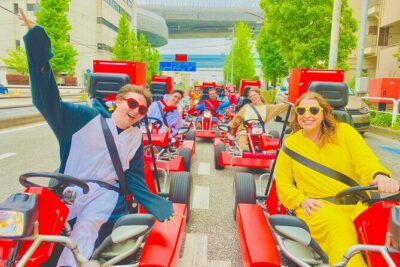 ★ 5.0Flagship 2-Hours Official Street Go-Kart Tour – Tokyo Bay ShopFrom $644,974 reviews
 ★ 4.5From Tokyo: Mount Fuji Full-Day Sightseeing TripFrom $684,970 reviews