
Reviewed · TOKYO
Tokyo Meiji Shrine & Harajuku: Walk Through Japanese Culture
Tokyo changes tone fast on this walk. You start in loud, colorful Harajuku and end in the calm Meiji Jingu forest, with guides linking street culture to Shinto traditions. It is a smart way to see two sides of Tokyo without hopping around on your own.
I love the chance to try omikuji in the garden, and I love the small-group size (up to 10 people). One heads-up: it is about 2 hours total, so if you want long shopping stops on Takeshita Street, plan extra time on your own.
In This Review
- Key highlights you’ll actually feel
- A 2-Hour Contrast Walk: Harajuku to Meiji Jingu
- Where the walk starts (and how you keep your bearings)
- Takeshita Street: Pop fashion energy up close
- Omotesando’s Tokyu Plaza mirror and rooftop terrace views
- Omotesando Hills: A stylish street that contrasts the shrine
- Meiji Jingu Shrine: Torii gate first, then the forest calm
- Meiji Shrine Imperial Garden rituals: Purification, prayers, and omikuji
- The guides make it stick (and names matter)
- Price and value: What $39.02 buys you
- Who should book this tour
- Should you book Tokyo Meiji Shrine & Harajuku?
- FAQ
- How long is the tour?
- Is this a small group tour?
- What’s included with the tour ticket?
- Where do I meet for the tour?
- What will I do at Meiji Shrine Imperial Garden?
- What’s the cancellation policy?
Key highlights you’ll actually feel
- Up to 10 people means you get real conversation, not a conveyor belt
- Takeshita Street gives you pop fashion, playful storefronts, and classic Tokyo people-watching
- Omotesando photo moments at Tokyu Plaza (mirrored entrance) plus a rooftop terrace view
- A torii gate into the woods at Meiji Jingu, where the city sound drops off
- Meiji Shrine Imperial Garden rituals: water purification, prayers, and trying omikuji
- Guides with personality (I’ve seen Mika, Lakki, and Nicolas praised for clear explanations and easy Q&A)
Before you commit, see how this one stacks up against a few Tokyo favourites:
- Mt Fuji and Hakone 1-Day Bus Tour Return by Bullet Train★ 5.0 · 26,383 reviews
- 1-Day Tokyo Bus Tour★ 5.0 · 14,250 reviews
- Tokyo: teamLab Planets TOKYO Digital Art Museum Entry Ticket★ 4.6 · 9,779 reviews
A 2-Hour Contrast Walk: Harajuku to Meiji Jingu
This tour is built on contrast, and that is exactly why it works. One moment you’re in youth fashion mode; the next you’re walking under a huge torii gate and into a quieter world where the pace slows.
In about two hours, you get a full Tokyo story arc: street style, then sacred tradition. The best part is how the guide connects them, so it stops feeling like separate checkboxes and starts feeling like Tokyo makes sense.
If you like variety, this is your kind of plan.
Where the walk starts (and how you keep your bearings)
You meet at UNIQLO Harajuku in the Jingūmae area. That’s a practical choice because it’s easy to find and it’s near public transportation, so you’re not burning time on getting oriented.
The tour ends back at the meeting point, which means you avoid the awkward scramble of trying to line up your next train right after a shrine visit. You also get a mobile ticket, which is helpful when you’re moving between neighborhoods and don’t want to mess with paper.
Wear shoes you can walk in for real. Even with short stops, this is still a walking tour across areas with different surfaces and crowds.
Takeshita Street: Pop fashion energy up close
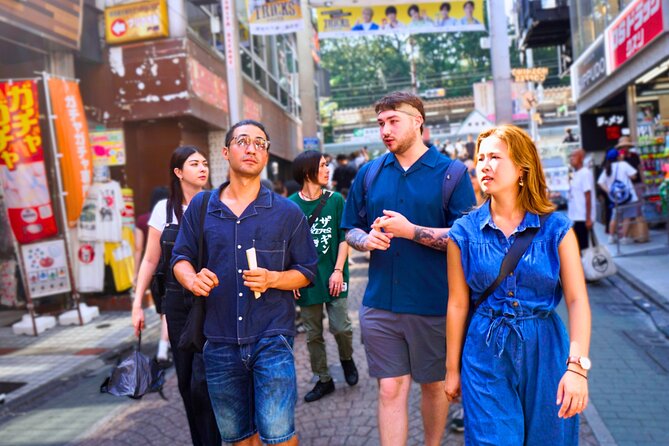
Takeshita Street is the kind of place where you don’t need a map—you just follow the flow. You’ll spend about 15 minutes here, which is perfect for your first look: colorful fashion, unusual shops, and plenty of sweet treats that define Tokyo’s pop style.
The value of this stop is not shopping for an hour. It’s learning how to read what you see. A good guide helps you spot what makes the street feel distinctly Harajuku—so later, when you pass similar trends on the internet, you can recognize what’s local and what’s just copy-paste.
Drawback? This area is lively by nature. If you need quiet space to regroup, you’ll probably want a quick breather before you head deeper into Omotesando.
Omotesando’s Tokyu Plaza mirror and rooftop terrace views
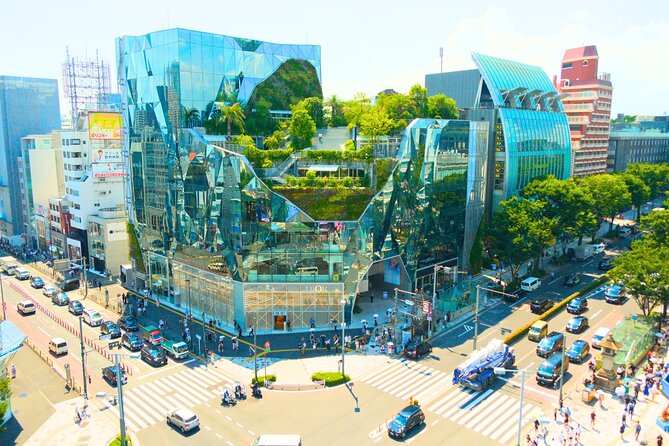
From youth-culture chaos, you shift into Omotesando’s sleek, designed-on-purpose vibe. You’ll stop at Tokyu Plaza Omotesando Harajuku, with time for a fun photo at the kaleidoscope-style mirrored entrance. It is a small moment, but it gives you a visual souvenir that matches the neighborhood.
Then you head to the rooftop terrace for a view over Omotesando. That’s an underrated part of the experience. Looking down lets you see how the street layout changes the feel of the city—clean lines, trees, and architecture that reads more like a runway than a market.
After Takeshita Street, this is where you start to feel Tokyo’s “two moods” theme. It also sets you up nicely for what’s next: the sacred spaces just ahead.





Omotesando Hills: A stylish street that contrasts the shrine
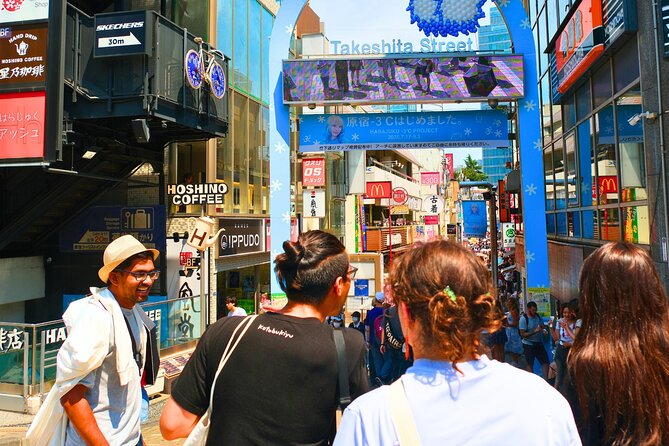
Your next stop is Omotesando Hills. This is where the walk gets more scenic. The street is known as a tree-lined “Champs-Élysées” style corridor, with stylish architecture and international influence.
Here’s why I think this stop matters: it builds the contrast before you reach Meiji Jingu. You go from designed city beauty into a place that asks you to slow down and pay attention.
You only spend about 15 minutes, so it is not a time sink. It’s more like a breath between scenes.
A practical note: Omotesando is more spread out than Takeshita Street. You’ll want to keep your group close so nobody gets left behind while you’re checking out storefronts and facades.
Meiji Jingu Shrine: Torii gate first, then the forest calm
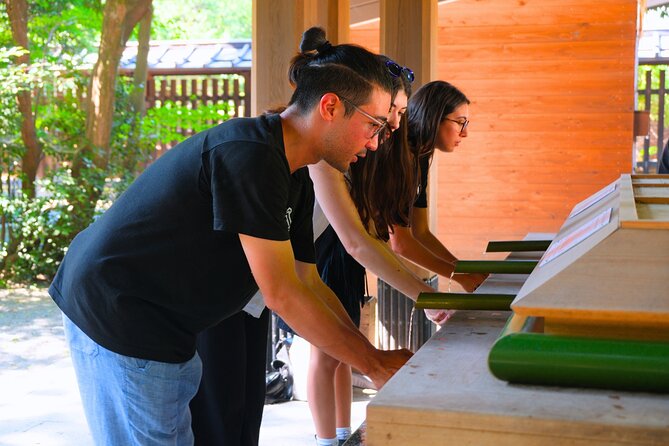
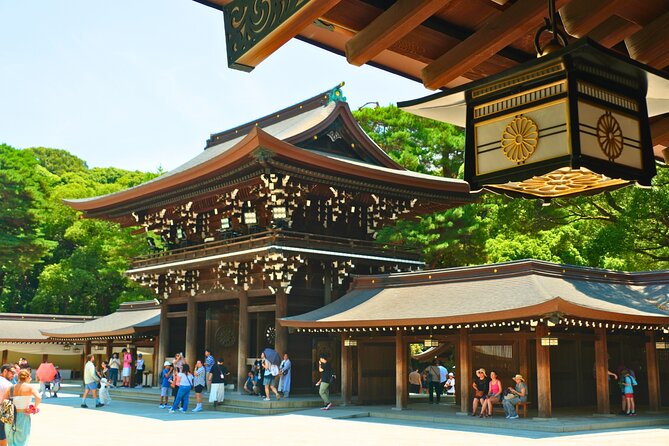
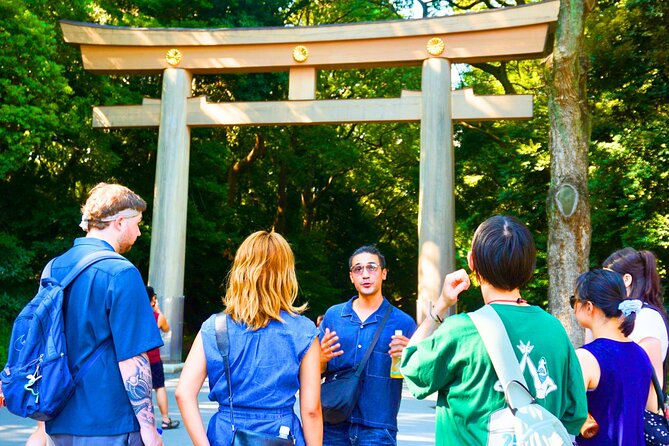
Then comes the moment that most people remember: passing under a massive torii gate. It’s a physical threshold, and you feel it—one step into the shrine grounds and suddenly Tokyo’s noise fades.
You’ll walk through the peaceful forest at Meiji Jingu Shrine while learning Shinto beliefs and the Meiji-era context behind what you’re seeing. The guide also helps you understand what those spaces mean, so you’re not just taking photos—you’re noticing the intent behind the scenery.
This stop is about 15 minutes, but the setting does the heavy lifting. Even in a short time, you get that reset feeling that makes shrine visits worth planning.
Best use of your time here: listen more than you shoot. When you know what you’re looking at—torii, paths, shrine layout—your photos improve, and the moment sticks longer.
Meiji Shrine Imperial Garden rituals: Purification, prayers, and omikuji
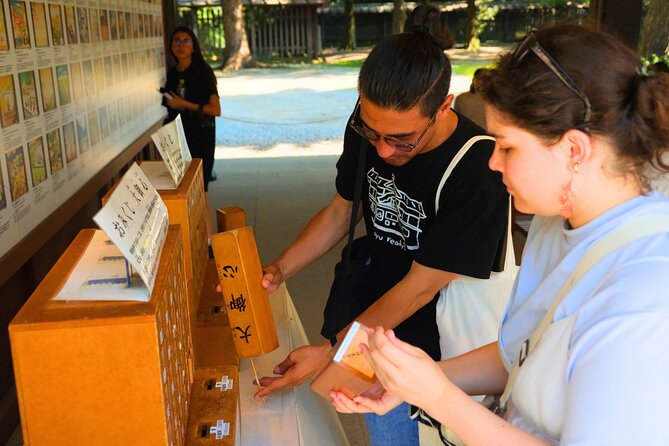
This is the heart of the tour. You go beyond sightseeing and into active participation at Meiji Shrine Imperial Garden.
You’ll be guided through purification with water, offering prayers, and trying omikuji (fortune slips). And you don’t just get the slip—you learn about its meaning and history, so it becomes something you can interpret instead of a random souvenir.
Even though you only have about 1 hour for this part, it’s the most hands-on experience on the route. It turns the whole tour from entertainment into understanding. You start to see how routine and ritual shape how people experience the shrine.
If you enjoy respectful cultural practices, this section will be the standout. If you prefer quick photos and zero participation, it might feel like more structure than you expected—but it’s still optional in the sense that the experience is explained step-by-step.
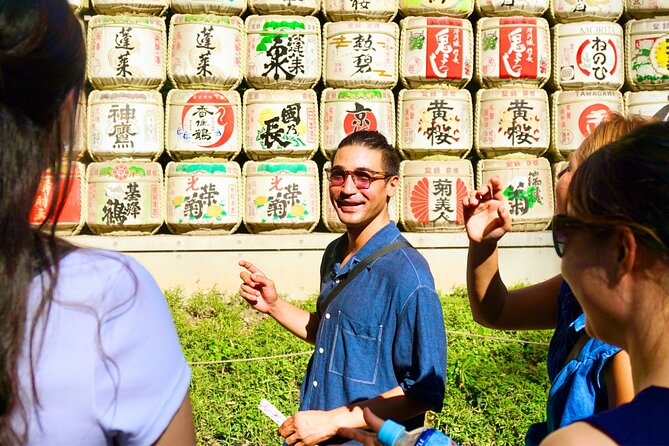
End-of-tour vibe: you’ll finish along a path lined with barrels of sake. It’s a small detail, but it gives a Tokyo flavor shift at the same time you’re wrapping up.
The guides make it stick (and names matter)
What really elevates this tour is the guide’s style. The best moments come when the guide answers questions without making you feel silly for asking.
I’ve seen Mika, Lakki, and Nicolas called out for being kind and for spending time explaining what you’re seeing. The praise isn’t about dry facts. It’s about clarity and pacing—how they help you connect Harajuku’s street culture to the shrine’s traditions.
You also hear story threads that add spice. For example, you’ll learn how Emperor Meiji is tied into a big Japan origin story, and you’ll hear references to global icons like Lady Gaga and their connection to Harajuku fashion. Those are the kinds of connections that make the tour feel like more than a route.
So even if you’ve seen photos of Meiji Shrine or Harajuku before, the guide helps you experience them with context instead of screenshots.
Price and value: What $39.02 buys you
At $39.02 per person, this is priced like a guided experience, not an attraction ticket. Most stops list admission as free, so your money is mostly paying for two things: an expert guide and the tight, efficient flow between neighborhoods.
That matters in Tokyo. Without a guide, you can hit these places on your own, sure—but you might miss why they connect. With a guide, you spend your limited vacation time on explanation, not guesswork.
Also, the max 10 travelers size is part of the value. It supports better questions and more attention. In a city where lines and crowds can flatten your experience, that smaller group size helps you keep the tour personal.
This isn’t a long day tour. It is a focused hit of Tokyo: street culture to sacred tradition, with the key rituals included.
Who should book this tour
Book it if you want:
- A fast Tokyo storyline that connects modern fashion and spiritual tradition
- Hands-on shrine time, not just walking past gates
- A tour with time to look, since you’re not sprinting between stops
- Smaller-group energy, up to 10 people
It’s also a solid choice for couples, families, or solo travelers who want structure and friendly guidance. The route is set up so you’re not constantly rerouting yourself through public transit.
I’d skip it if your main goal is long shopping hours. With stops timed around 15 minutes each, you’ll do best treating shopping as something you handle after the tour.
Should you book Tokyo Meiji Shrine & Harajuku?
If you like variety and you enjoy learning while you walk, I think this tour is an easy yes. The standout value is the shift from the loud creativity of Harajuku to the calm ritual space of Meiji Jingu, plus the garden experience where you actually do things like purification and try omikuji.
If you’re someone who wants only quiet, you might find Takeshita Street a bit intense at first. But the overall arc takes you in the right direction quickly.
My practical advice: pair this with a bit of extra independent time afterward. After you’ve learned what to look for, you’ll enjoy returning to Harajuku or strolling nearby streets with better context—and you won’t feel rushed.
FAQ
How long is the tour?
The tour is about 2 hours total.
Is this a small group tour?
Yes. The maximum group size is 10 travelers.
What’s included with the tour ticket?
You get a mobile ticket. Admission is listed as free for the stops on the route.
Where do I meet for the tour?
You start at UNIQLO Harajuku in Tokyo (Shibuya, Jingūmae area). The tour ends back at the meeting point.
What will I do at Meiji Shrine Imperial Garden?
You’ll participate in purification with water, offer prayers, and try omikuji (fortune slips), with guidance on their meaning and history.
What’s the cancellation policy?
You can cancel for free up to 24 hours before the experience start time for a full refund. If you cancel less than 24 hours before, the amount paid is not refunded.
More Tour Reviews in Tokyo



Fresh reviews from around Tokyo






Tokyo, compared.
 ★ 5.0Mt Fuji and Hakone 1-Day Bus Tour Return by Bullet TrainFrom $16326,383 reviews
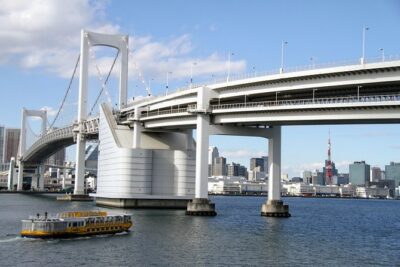 ★ 5.01-Day Tokyo Bus TourFrom $12914,250 reviews
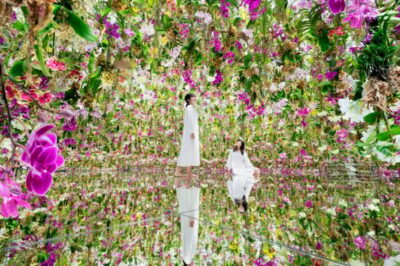 ★ 4.6teamLab Planets TOKYO Digital Art Museum Entry TicketFrom $259,779 reviews
 ★ 4.0Mt Fuji & Hakone Cruise, Drum Show Bullet Train 1 Day from TokyoFrom $1497,413 reviews
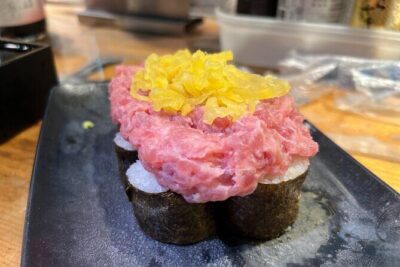 ★ 5.0Shinjuku Food Tour (13 Dishes at 4 Local Eateries)From $866,603 reviews
 ★ 4.4Tokyo Mt Fuji 5th St & Hakone Cruise Bus Tour w/Bullet TrainFrom $1545,024 reviews
 ★ 5.0Flagship 2-Hours Official Street Go-Kart Tour – Tokyo Bay ShopFrom $644,974 reviews
 ★ 4.5From Tokyo: Mount Fuji Full-Day Sightseeing TripFrom $684,970 reviews